A rigid box brief with tight finish targets
The project came from a packaging house in Midrand working on rigid gift box lids for a premium corporate range. The brief was simple to state but exacting in practice: the lid had to carry foil and emboss detail in one pass, with sharp edges, even depth and no bruising on the board. The pack size was small enough for high attention to detail, but the finish still had to hold up across repeated runs and handling in a busy bindery.
The client needed a tooling partner who could work from supplied artwork, check line weights before engraving, and make sure the emboss read properly once foil was added. On this kind of box, too much depth can crack the board, while too little leaves the motif flat. We also had to work around the normal pressure changes that come with rigid board, especially where wrap and lid panels meet.
- Project type: combination foil emboss tooling for rigid gift box lids
- Town: Midrand
- Application: print finishing for premium packaging
- Output required: clean foil release, defined emboss and repeatable fit
Artwork checks before any metal was cut
We started with an artwork check and marked the areas that would need resizing for the die making stage. The supplied design carried fine type, a border line and a central mark that needed to sit true inside the lid panel. We checked spacing against the practical limits of brass and magnesium engraving, then advised on the smallest line widths that would hold detail without filling in during stamping.
This stage matters because rigid box lids leave very little room for error. If the counterforce is out by even a small amount, the result shows up immediately in the finish. We also checked the registration against the emboss area so the foil image would land cleanly and the blind pressure would sit where it should, not wander into the shoulder of the lid.
- Artwork review for line weight, spacing and registration
- Advice on foil and emboss suitability for rigid board
- Prepress feedback before engraving began
Tooling built for clean detail and repeat use
For this job we supplied a matched die set made up of a brass hot-stamping die and a companion emboss plate. Brass was the better choice for the main image because it holds fine detail very well and stands up to longer runs. Where lighter sections were needed, magnesium was used to keep the tooling practical and cost-effective without losing clarity.
The die was engraved to suit the approved artwork, with the deeper areas opened carefully so the foil could transfer without patchiness. The emboss plate was matched to the reverse of the design so the pressure would form the board evenly. We also prepared the job for repeat ordering, which matters when a client runs the same lid again after an initial production batch.
- Brass die for the main foil and detail areas
- Magnesium used for selected sections where suitable
- Counterforce matched to the lid board and panel size
- Job filed for straightforward repeat use later on
Timeline and dispatch for a fast production window
The full turnaround ran to under two weeks from approved artwork to dispatch. In week one we completed the artwork check, confirmed the counterforce plan and moved into engraving. In week two we carried out the finishing, checked impression consistency, packed the tooling and sent it out to Midrand for fitting at the packaging house. That window worked well because the client had machine time booked and could not afford long delays between approval and production.
We kept the communication practical throughout. When a finish line in the artwork looked too fine for the board, we adjusted it before production rather than leaving it for the press room to solve later. That saved time on press and reduced the risk of wasted board, which is important when the job includes rigid material and a narrow production slot.
- Week 1: artwork checks and die design
- Week 1 to 2: engraving and counterforce matching
- Week 2: finishing, packing and courier dispatch
What the Midrand team got on press
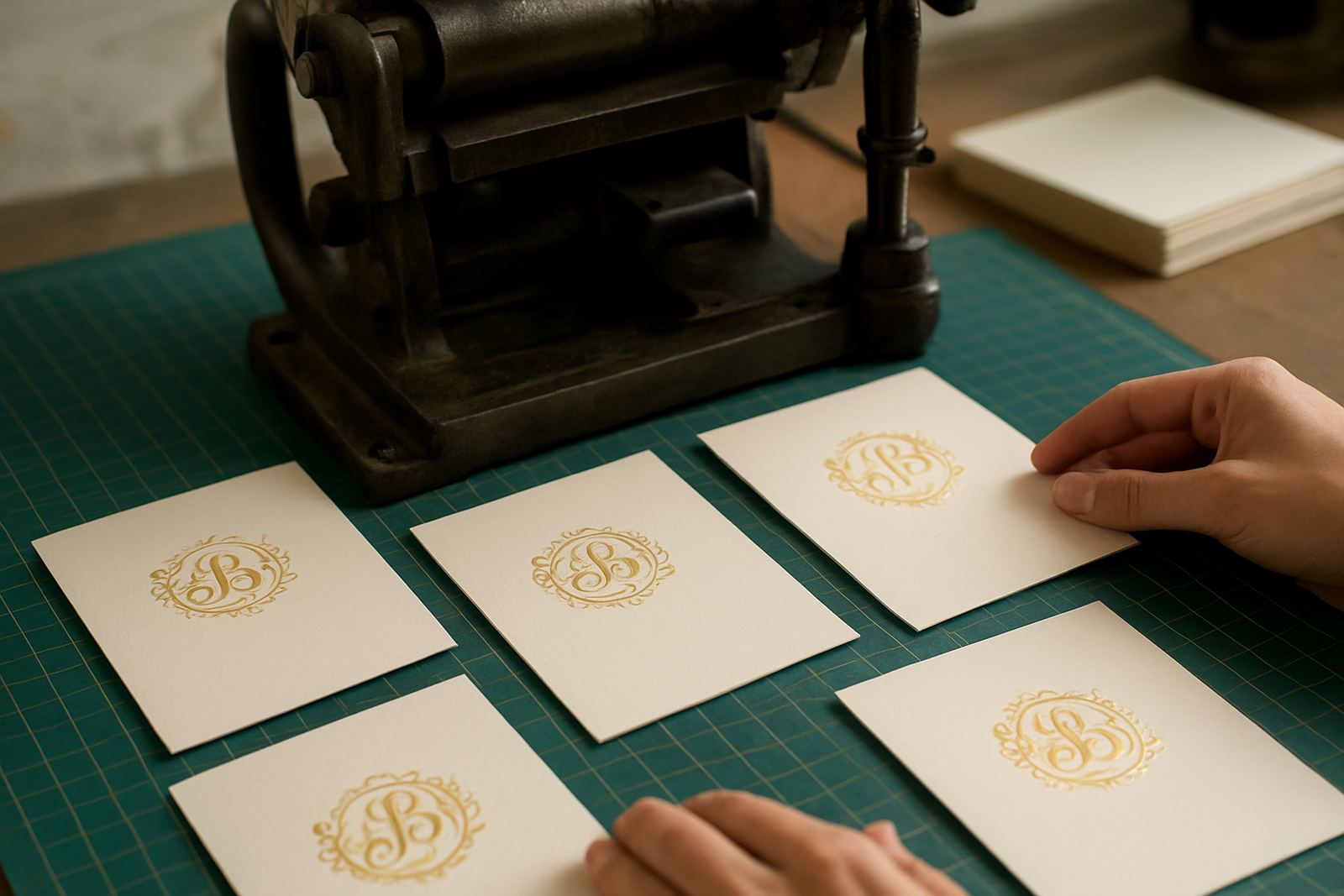
Once fitted, the tooling gave a clean foil edge and a firm emboss without crushing the lid surface. The print finisher reported that the impression held its shape across the run and the detail remained readable right through the visible face of the box. That matters on gift packaging, where the first glance has to carry the brand without needing extra embellishment.
Because the die and counterforce were matched before dispatch, set-up on press was straightforward. Less time was spent chasing pressure, and the finish held steady across the lot. The client also noted that the tooling sat well in the rigid lid layout, with no distortion at the edges and no need for repeated correction between panels.
- Sharper foil release on fine details
- Even emboss depth across the lid face
- Less set-up time on the press side
- Better repeatability for future batches
What we would repeat on the next batch
If we were handling the same Midrand packaging house job again, we would keep the same approach: start with a detailed artwork review, confirm the final board build-up early and match the emboss pressure before dispatch. For rigid box lids, that sequence saves time and keeps the finish clean, especially when the job is going to a finishing team that needs the tooling ready to fit first time.
For repeat work, we would also use the original job file to keep the shape, depth and panel position consistent. That makes reordering easier and avoids small changes creeping in from one batch to the next. It is the kind of discipline that helps packaging houses stay on schedule, particularly when they are juggling short lead times, seasonal orders and press bookings.
Hot Stamping Dies supplies brass and magnesium hot-stamping dies, embossing plates, die alterations and urgent turnaround support from Industria, Johannesburg, with courier delivery to print finishers and packaging houses nationwide.
Key facts
| Client type | Packaging house |
|---|---|
| Town | Midrand |
| Product | Combination foil emboss tooling for rigid gift box lids |
| Tooling supplied | Brass hot-stamping die, magnesium elements and matched emboss plate |
| Turnaround | Under 2 weeks |
| Service areas | Nationwide courier delivery from Johannesburg |