

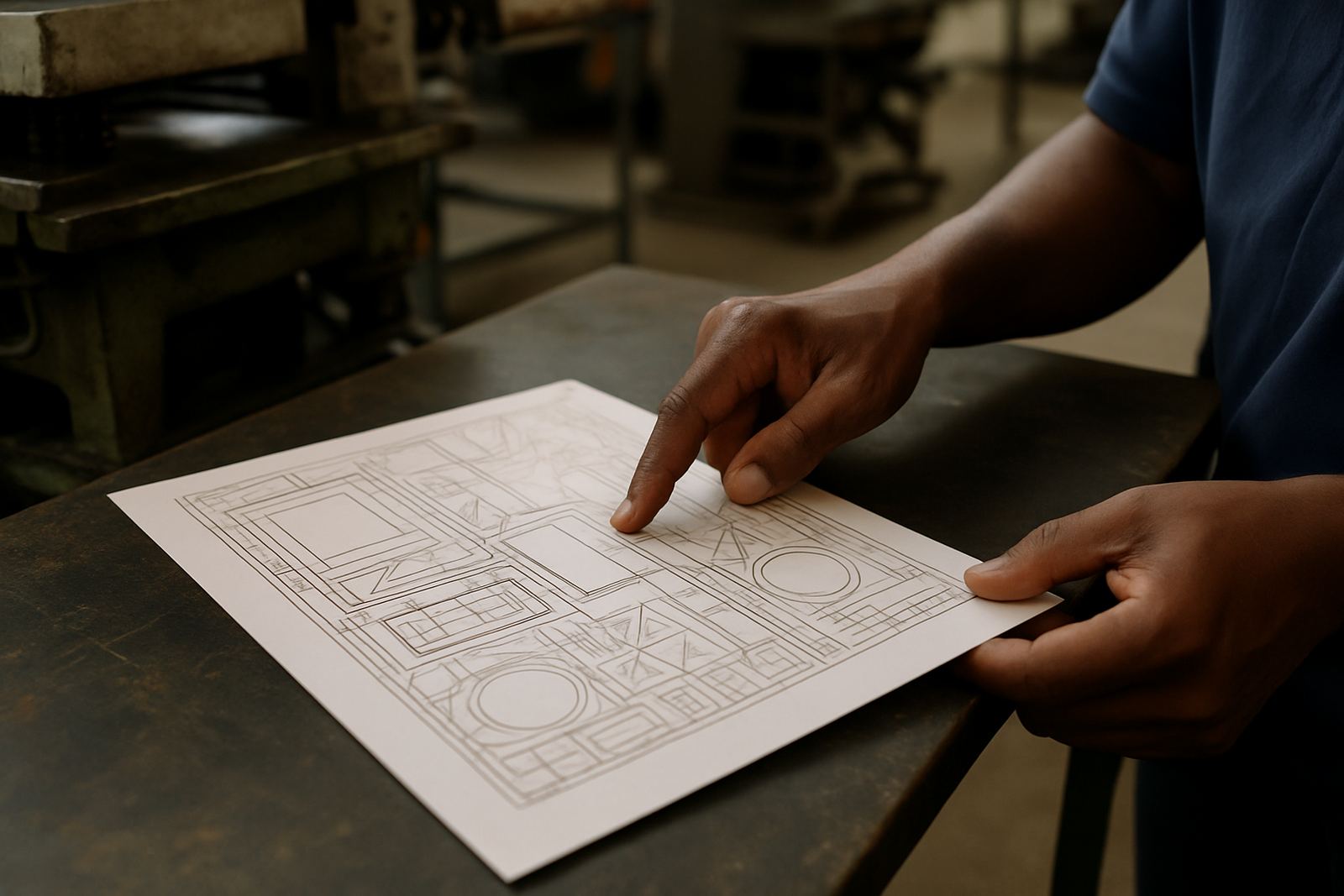
How to Choose Between Brass and Magnesium
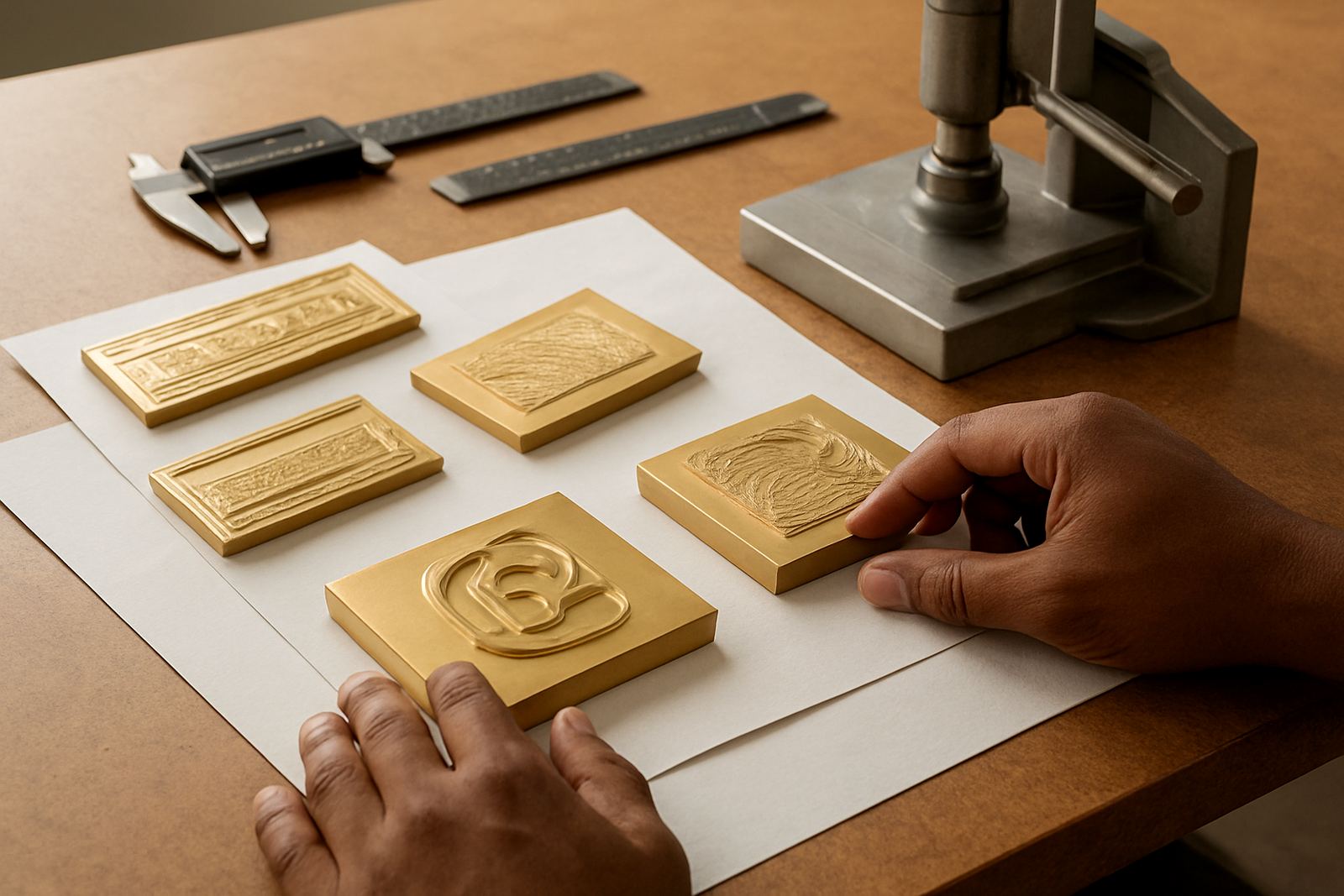
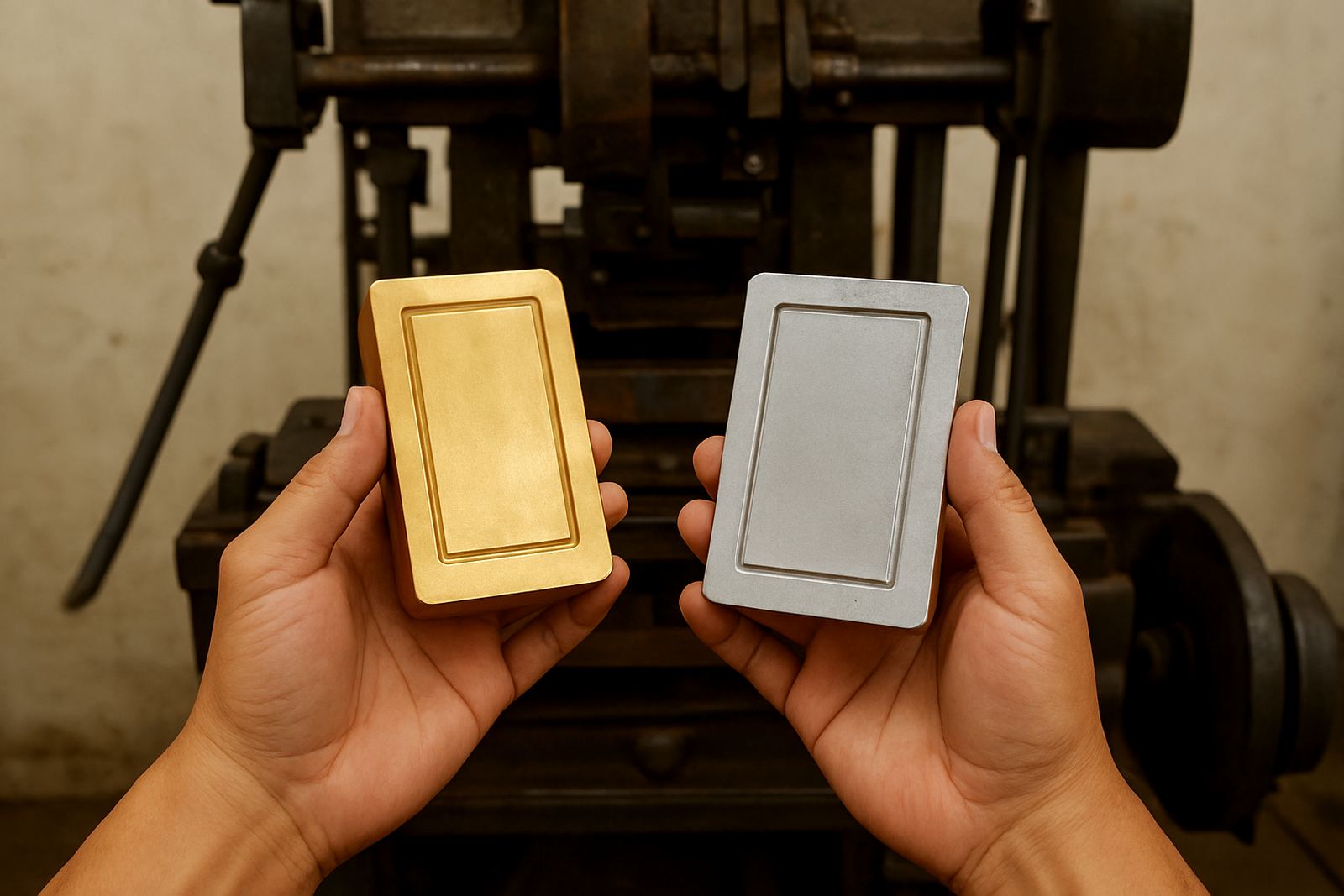
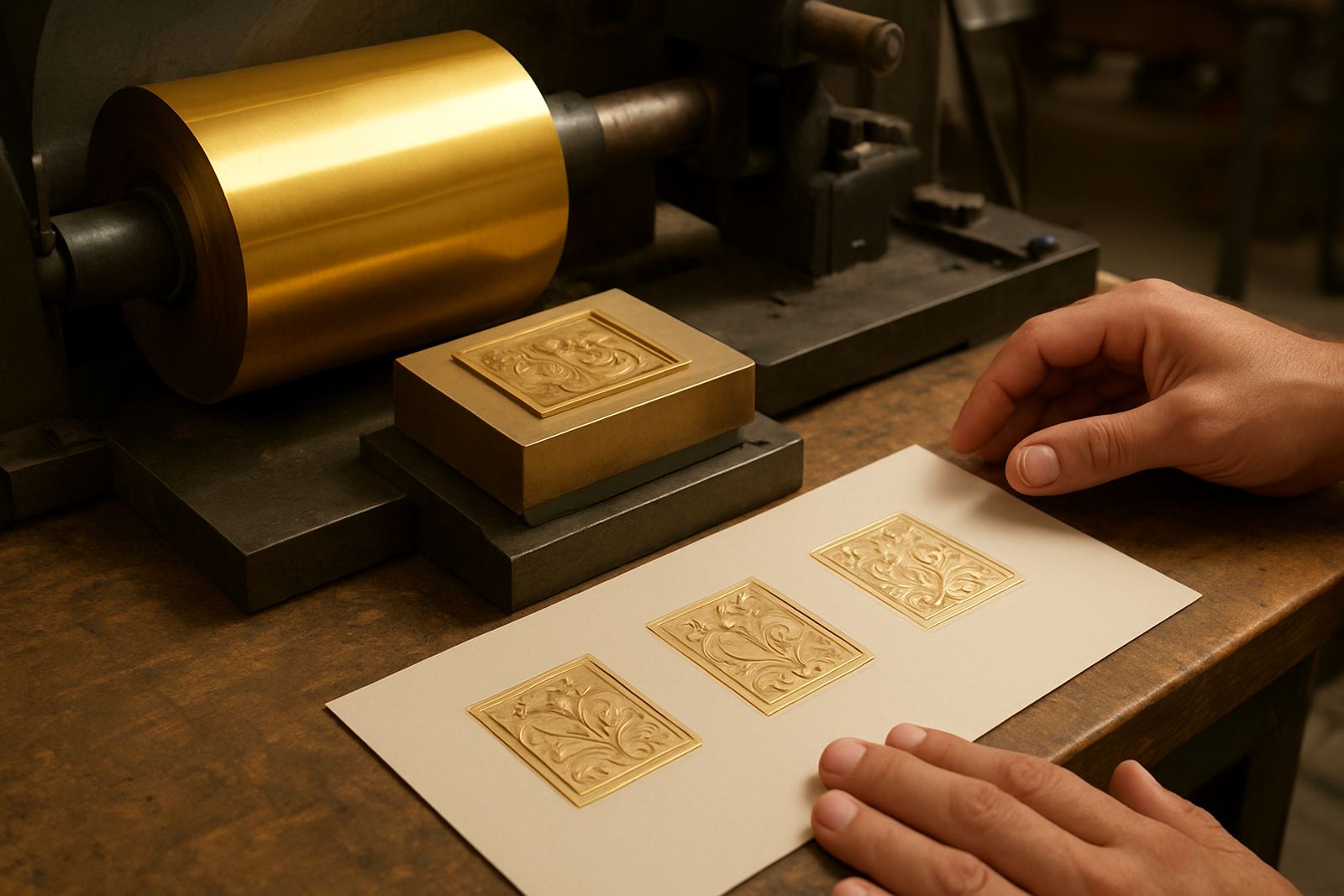
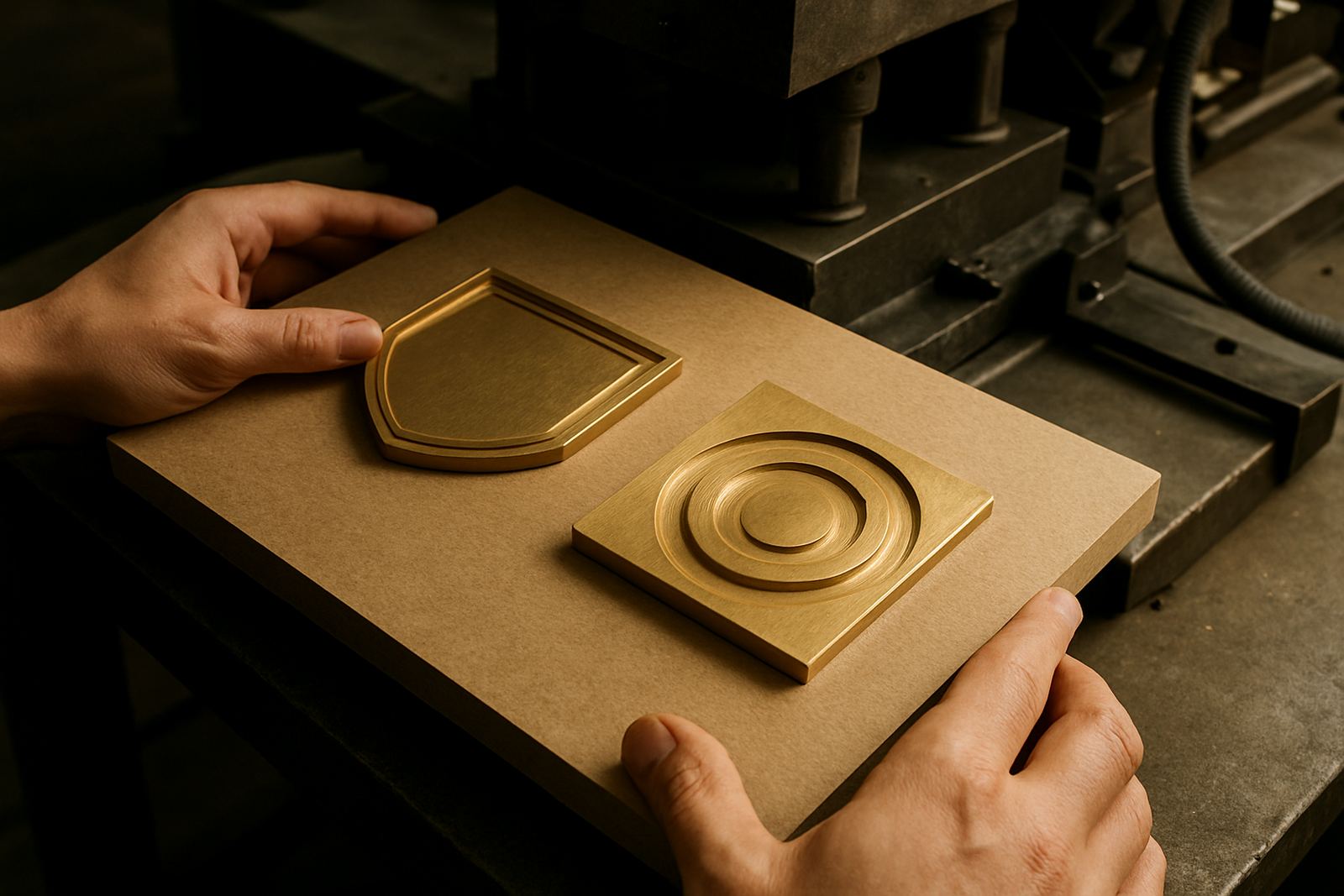
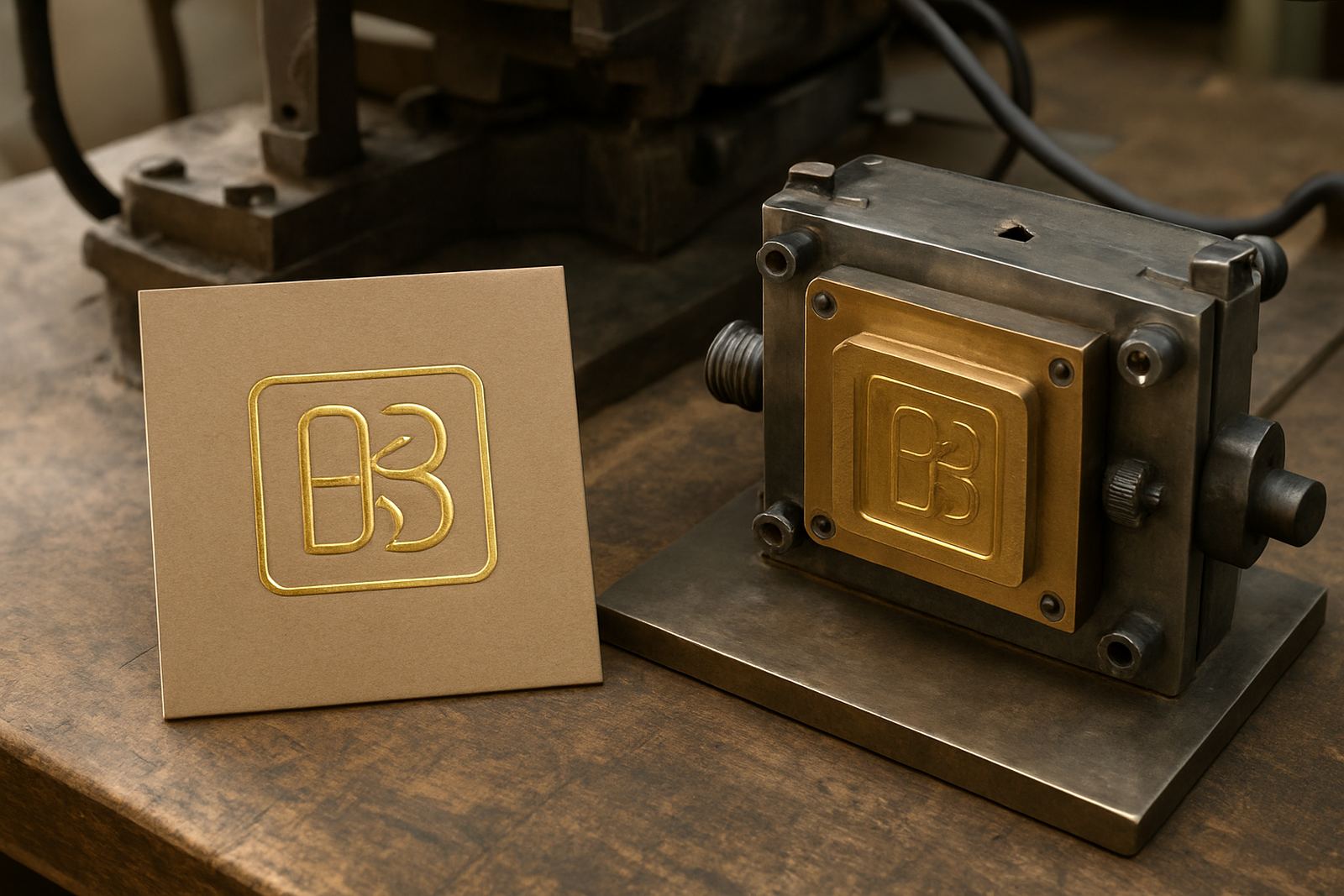
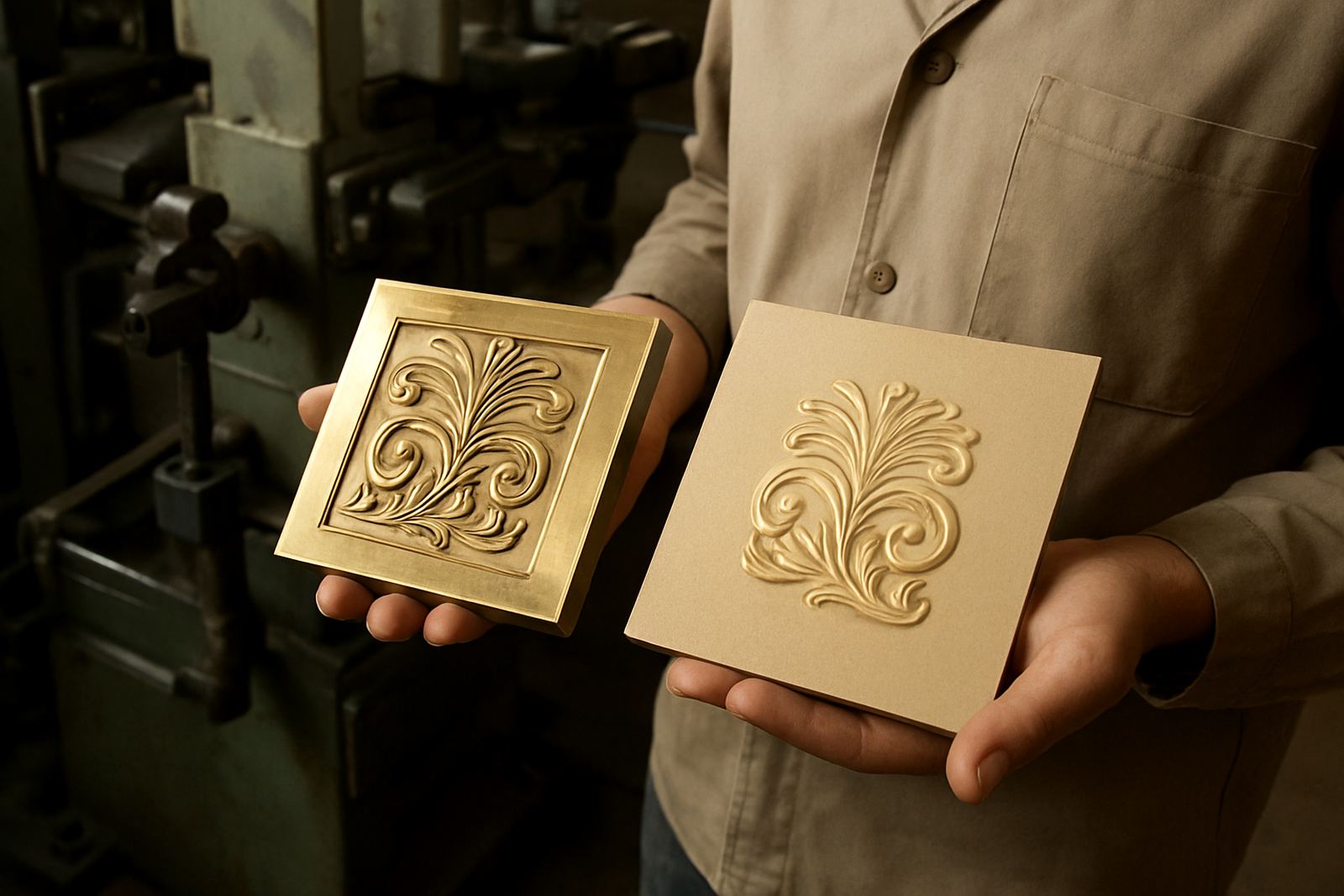
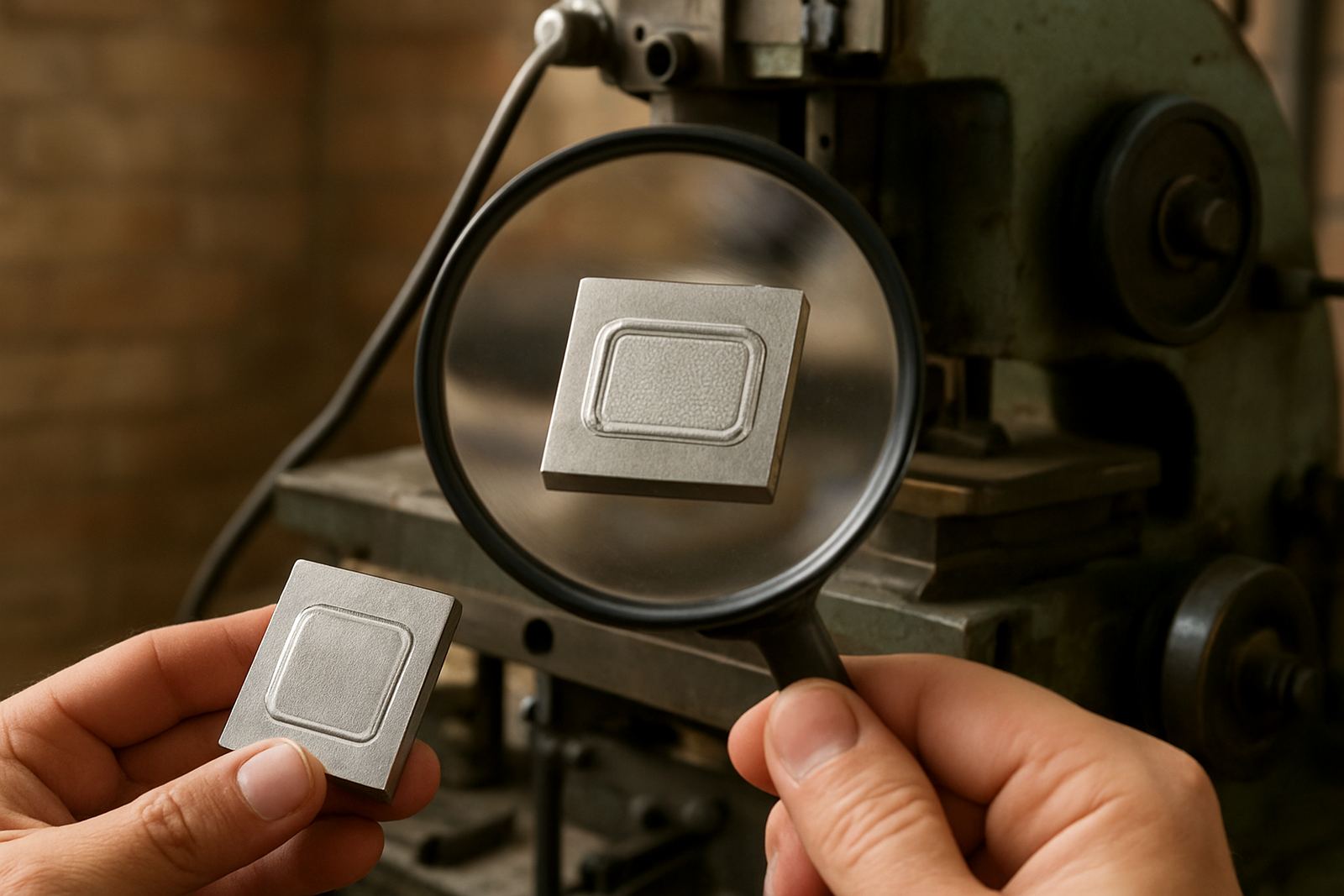
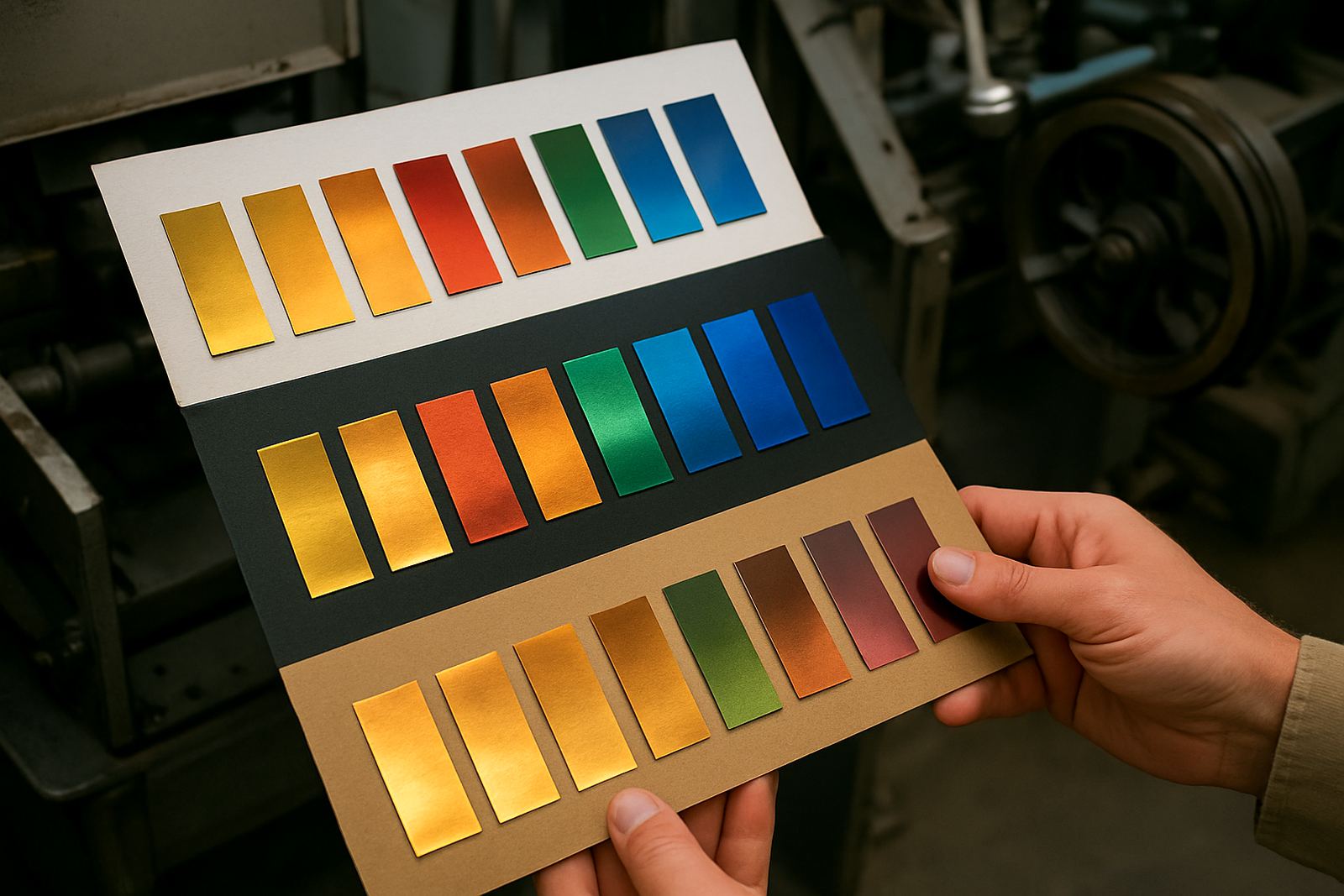
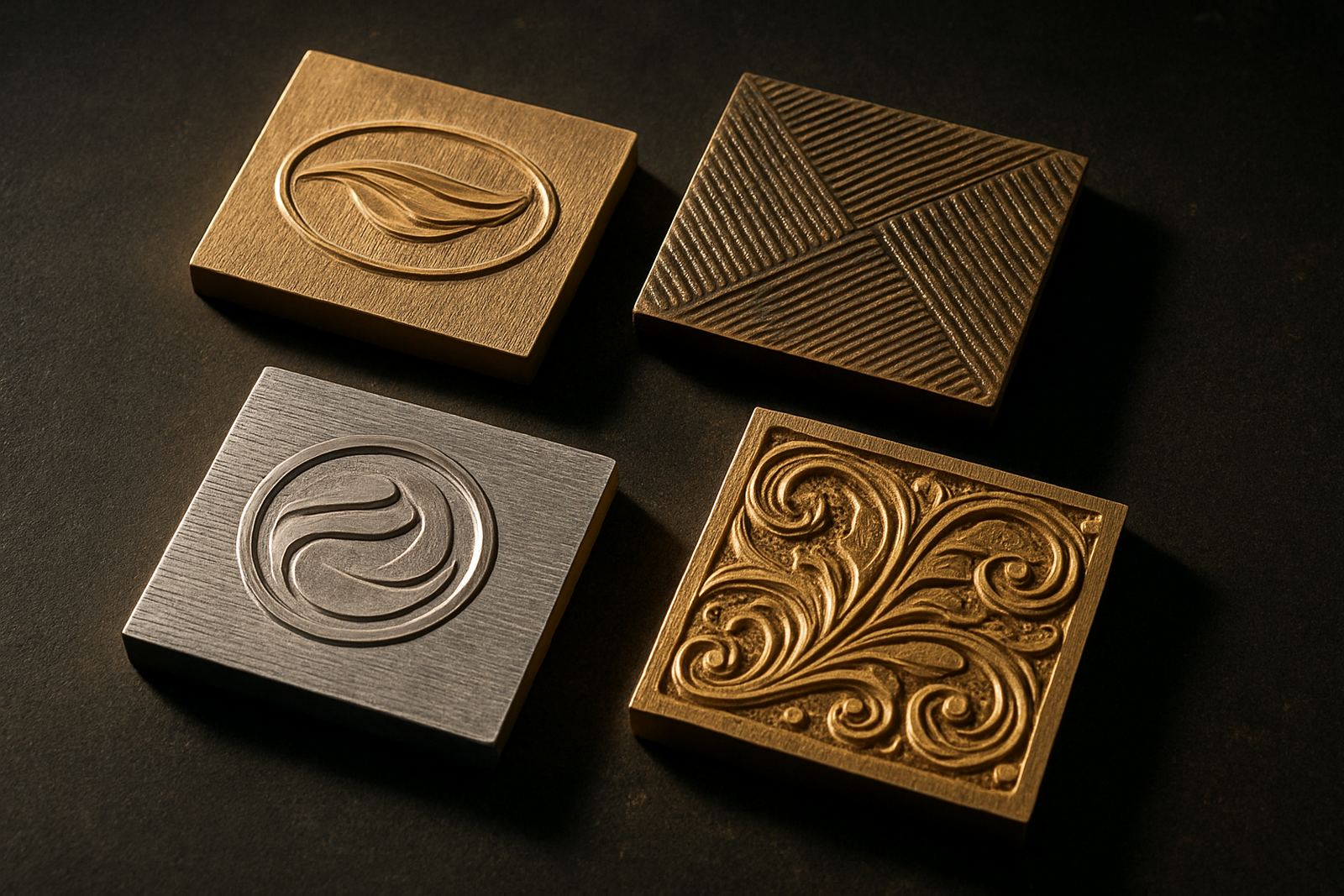
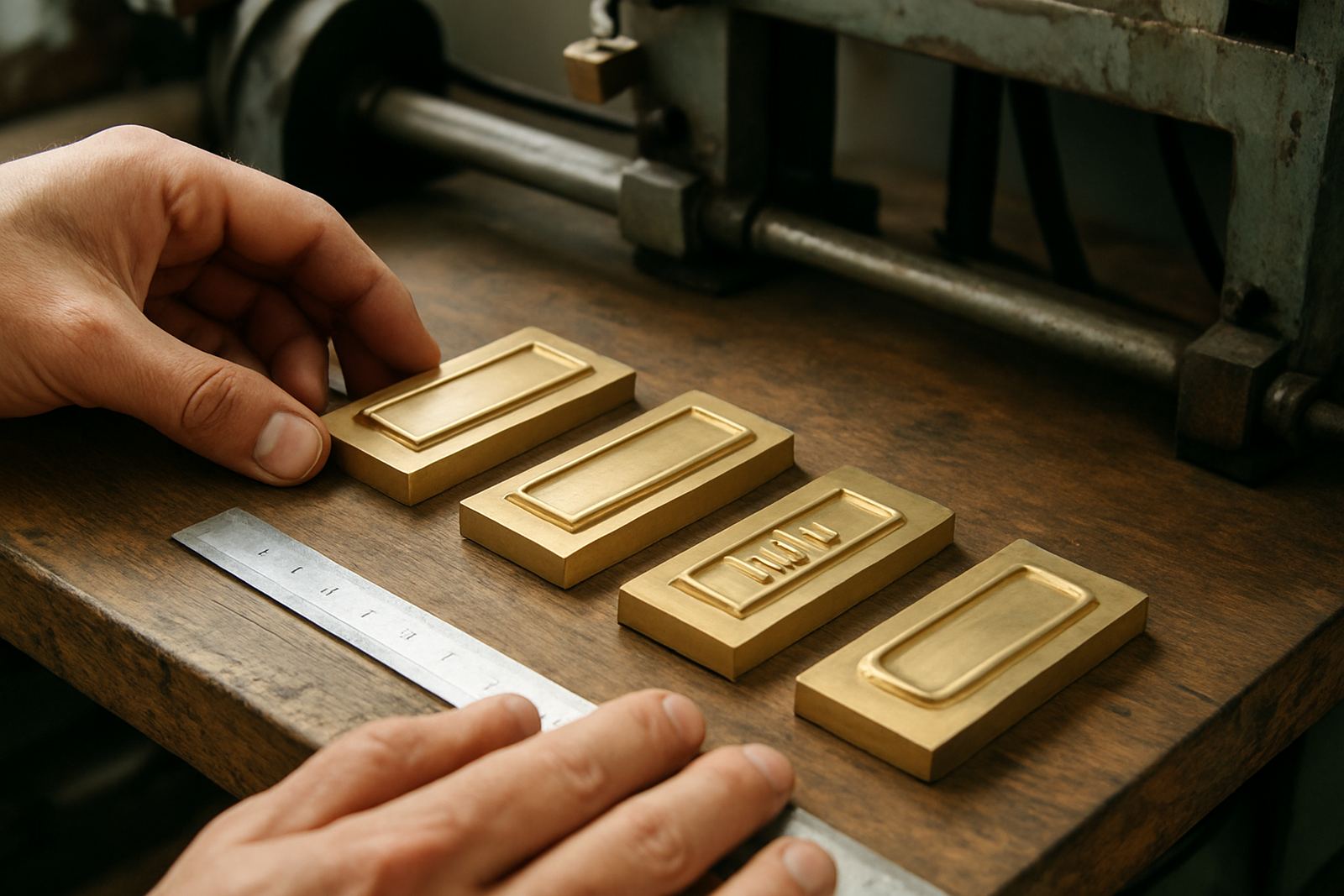
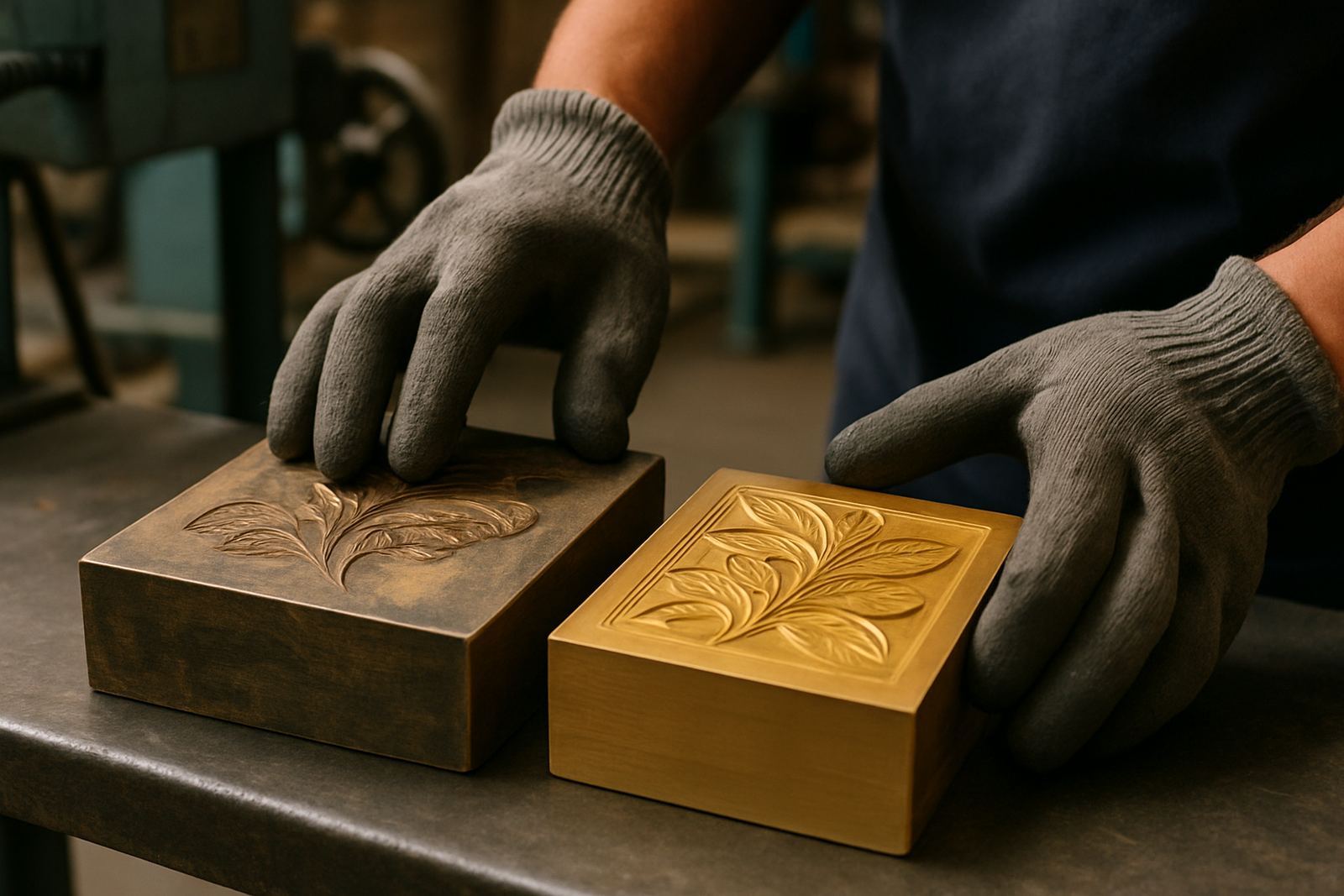
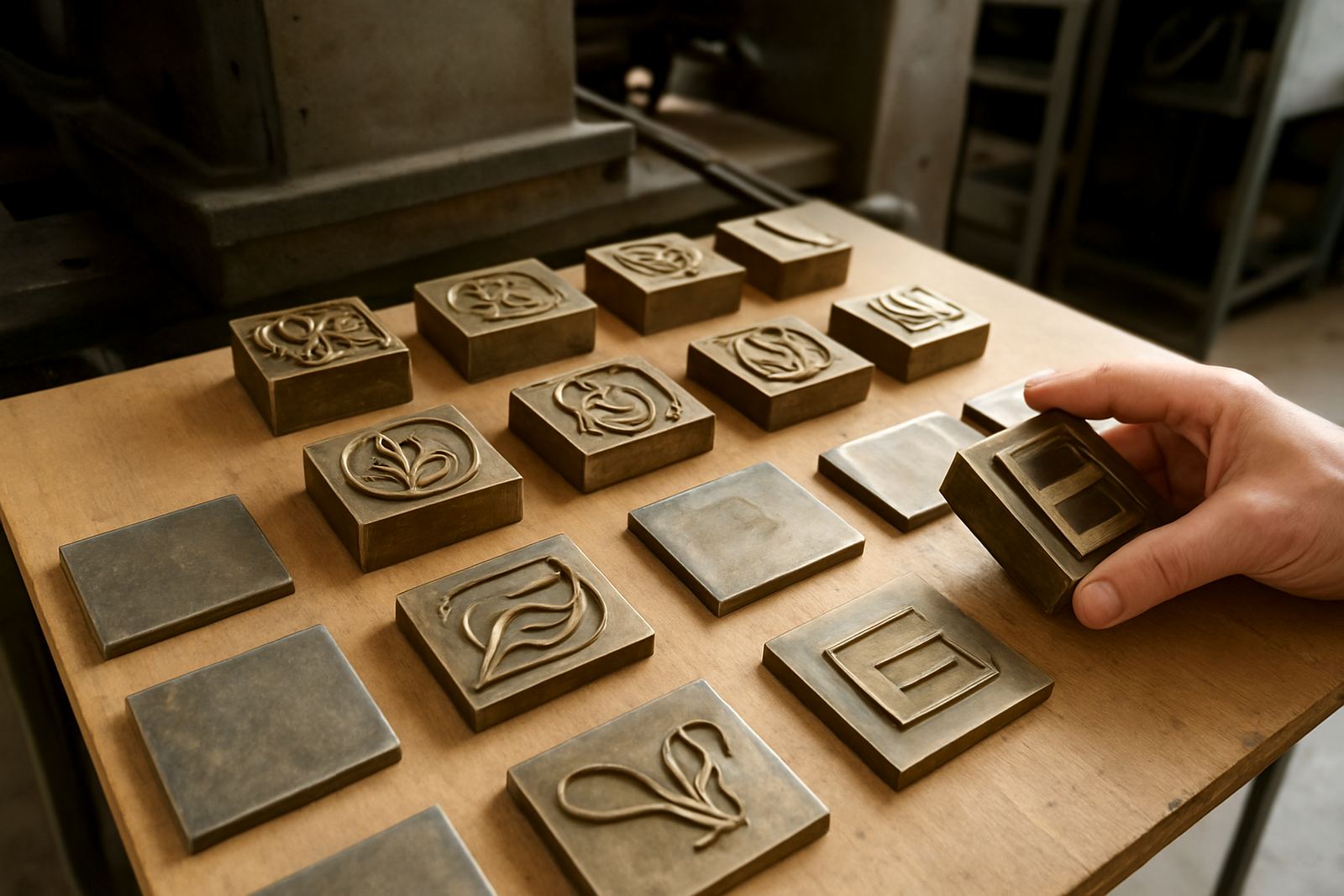
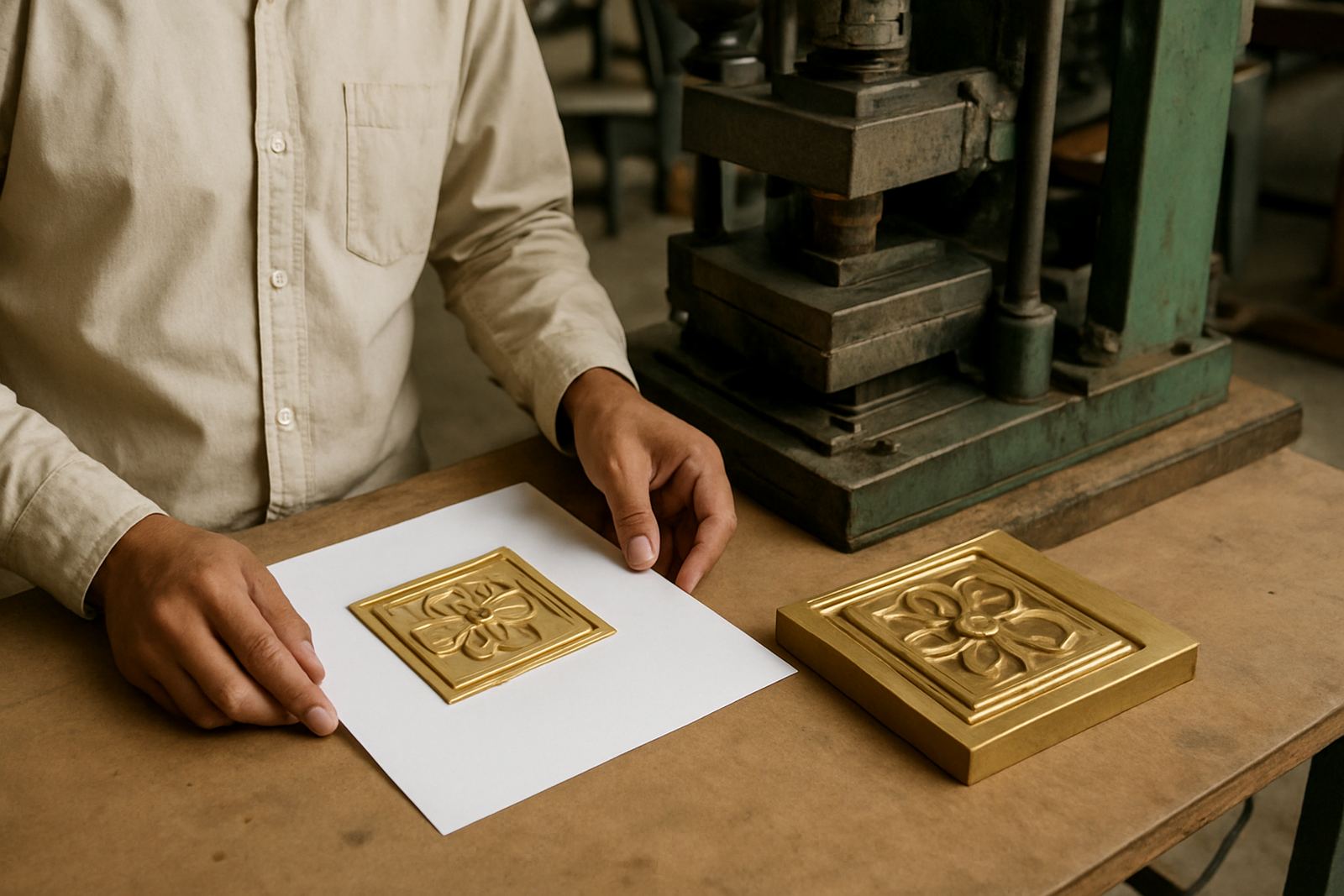
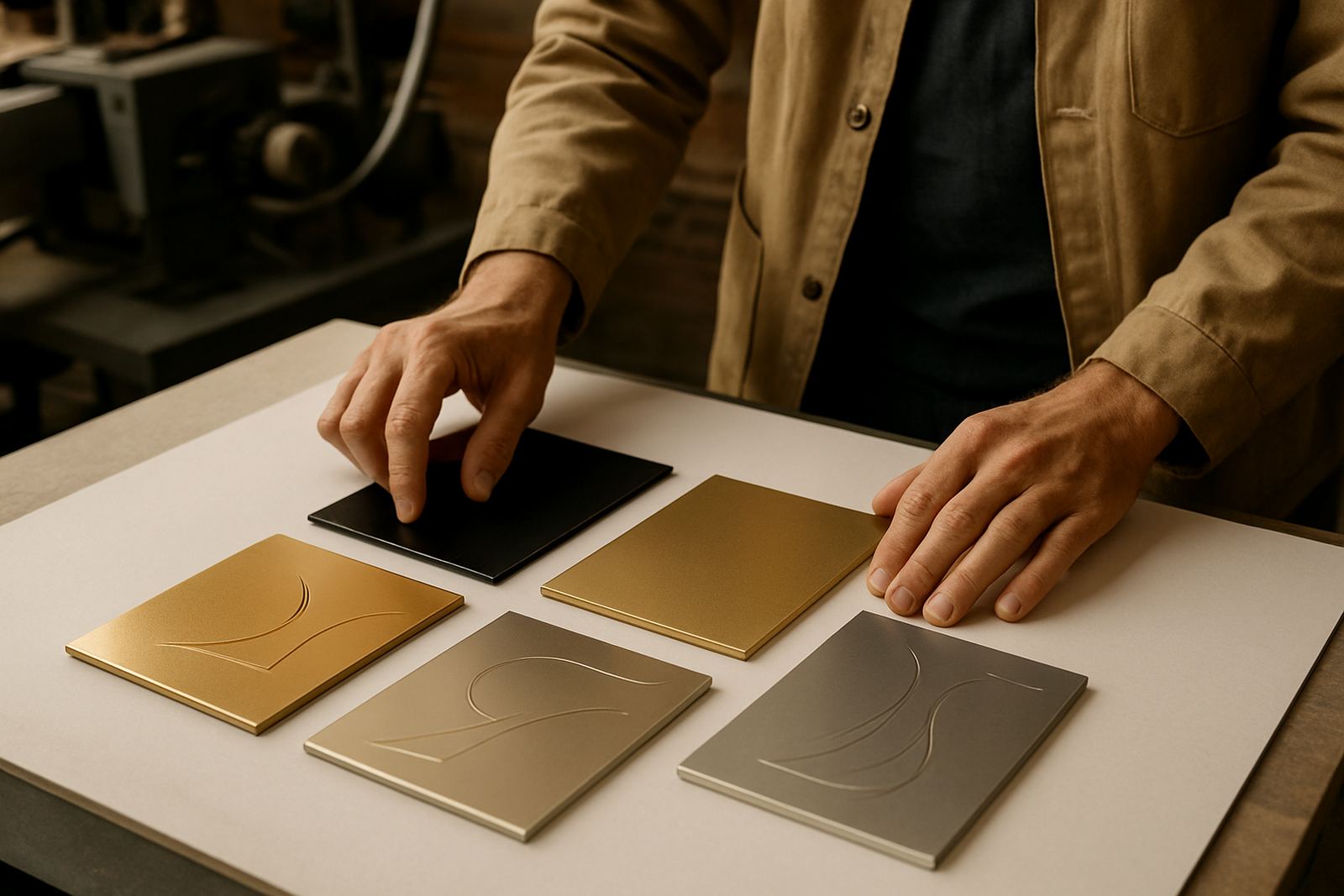
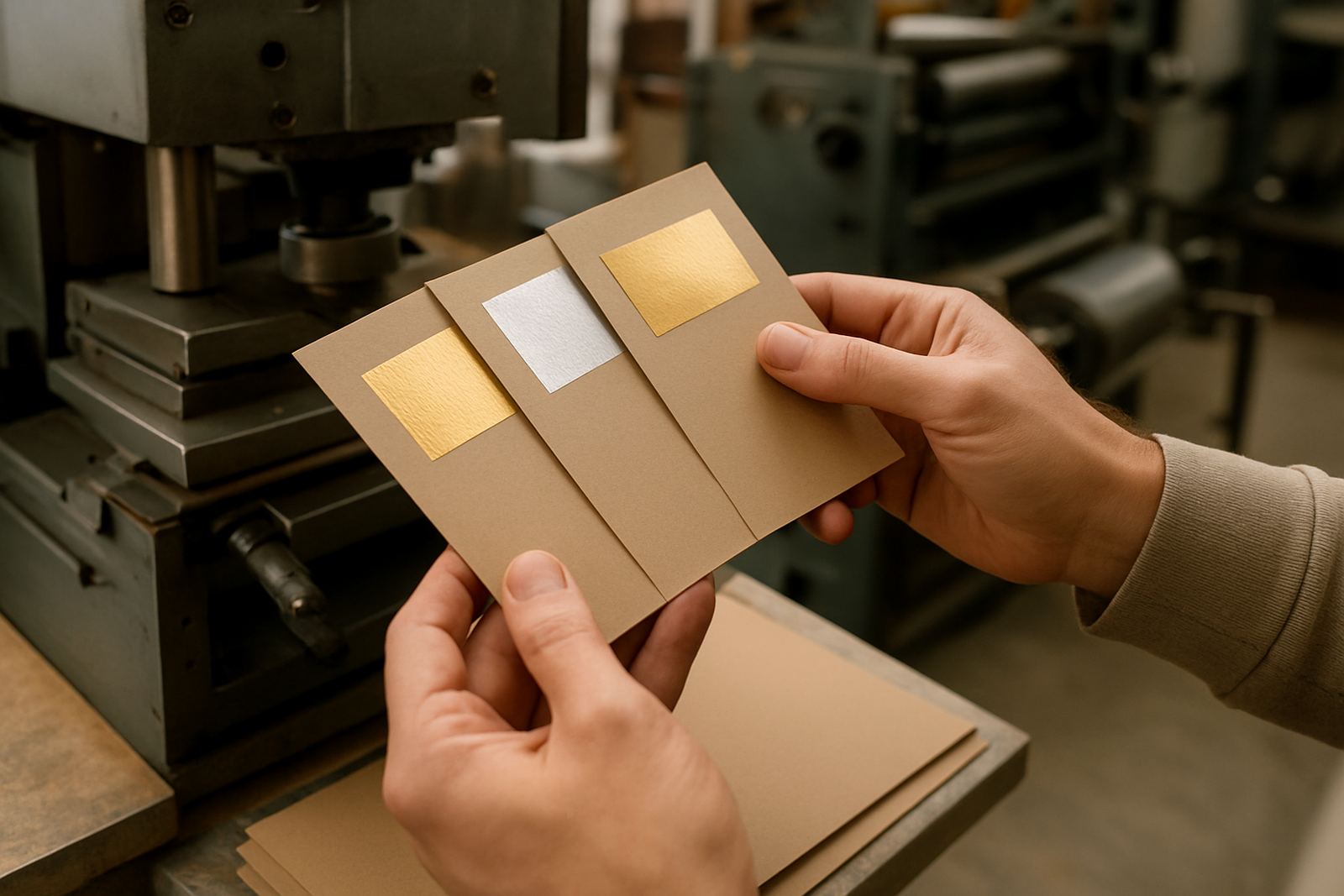
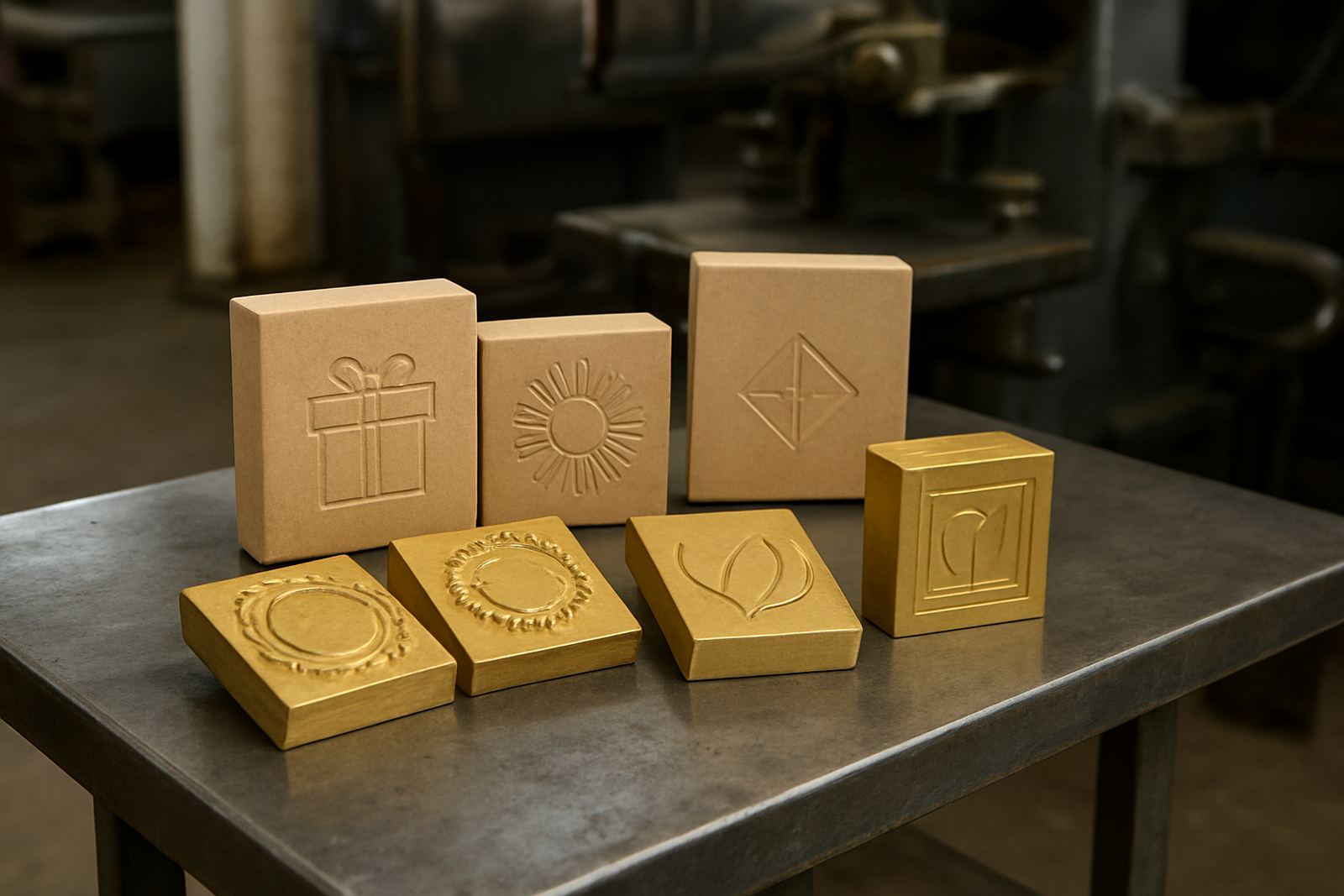
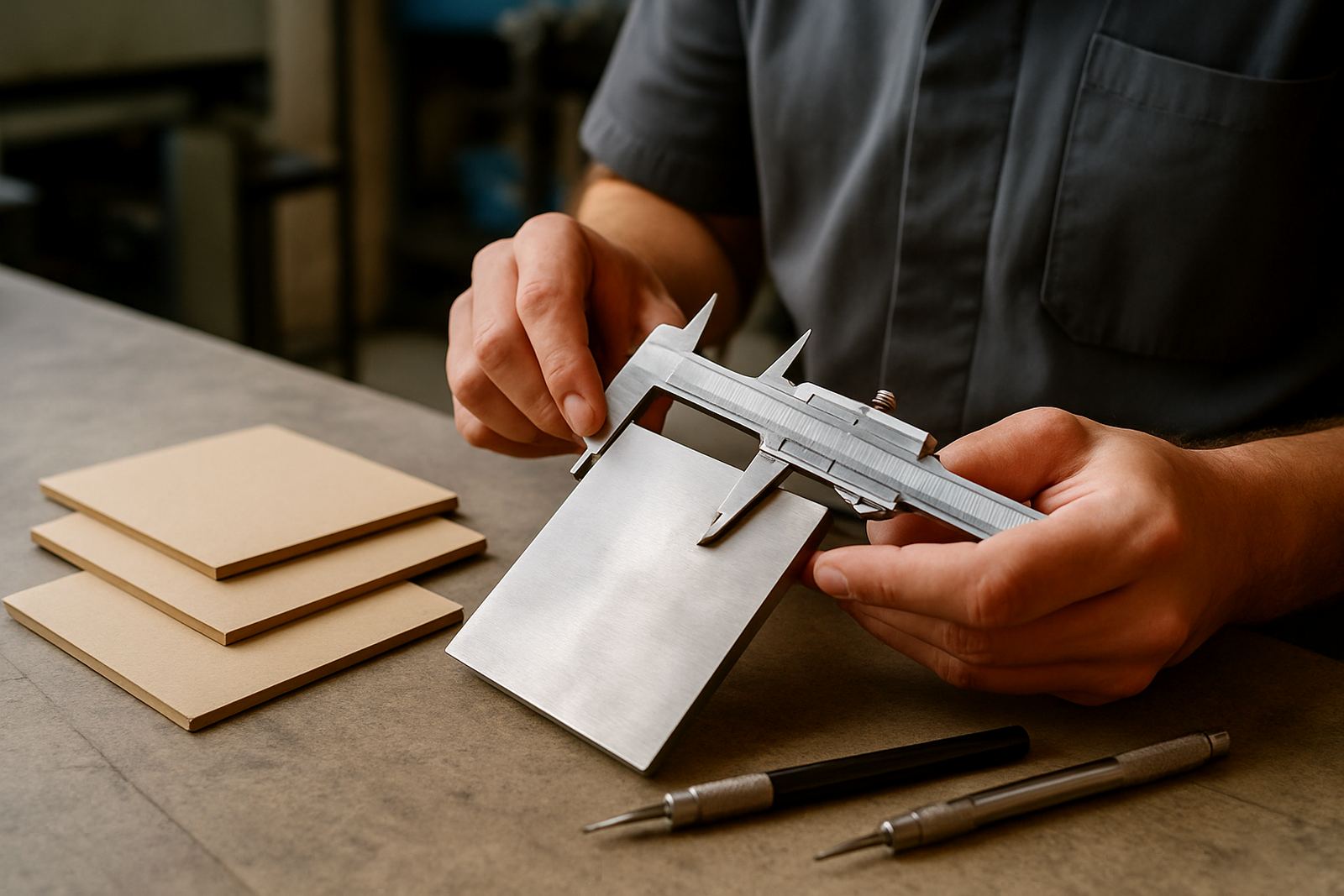
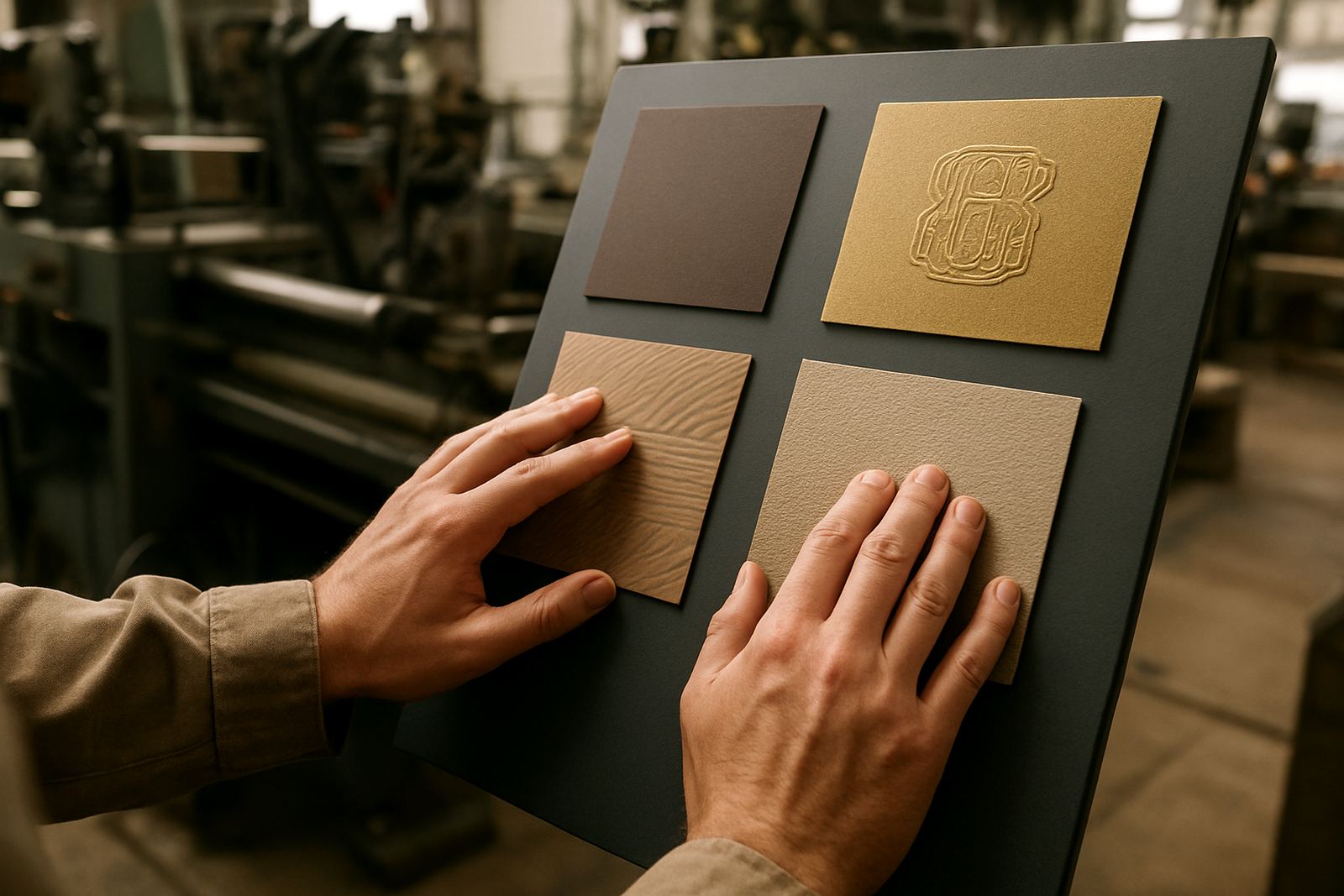
For hot foiling, embossing and detailed finishing work, the starting point is always the substrate, run length and the level of detail in the artwork. Brass is generally chosen for longer runs, heavier pressure and tighter detail, while magnesium is suited to shorter runs and lighter duty applications where turnaround matters most. If you are working with coated board, laminated cartons or textured paper, the right material choice can reduce rework and keep the finish clean.
In Johannesburg, Pretoria and Durban we often see orders where the artwork is sound but the finishing requirement changes the material choice completely. A packaging house may need a die that holds up across repeated production, while a smaller finisher might want a fast, economical option for a limited campaign. Our team checks those details before production so the die matches the job rather than forcing the job to match the die.
- Brass for longer life and sharper detail retention
- Magnesium for quicker turnaround and lighter duty work
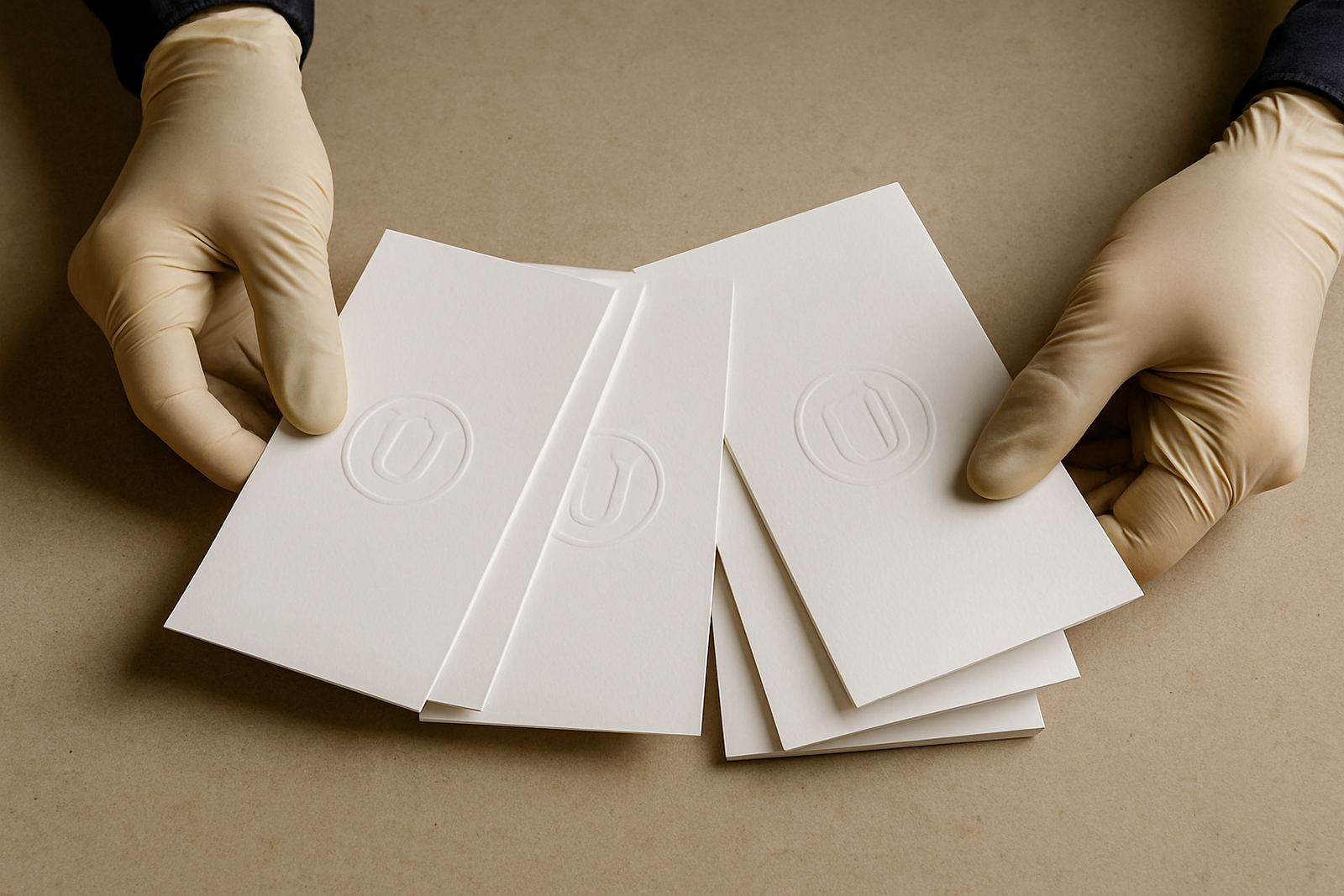
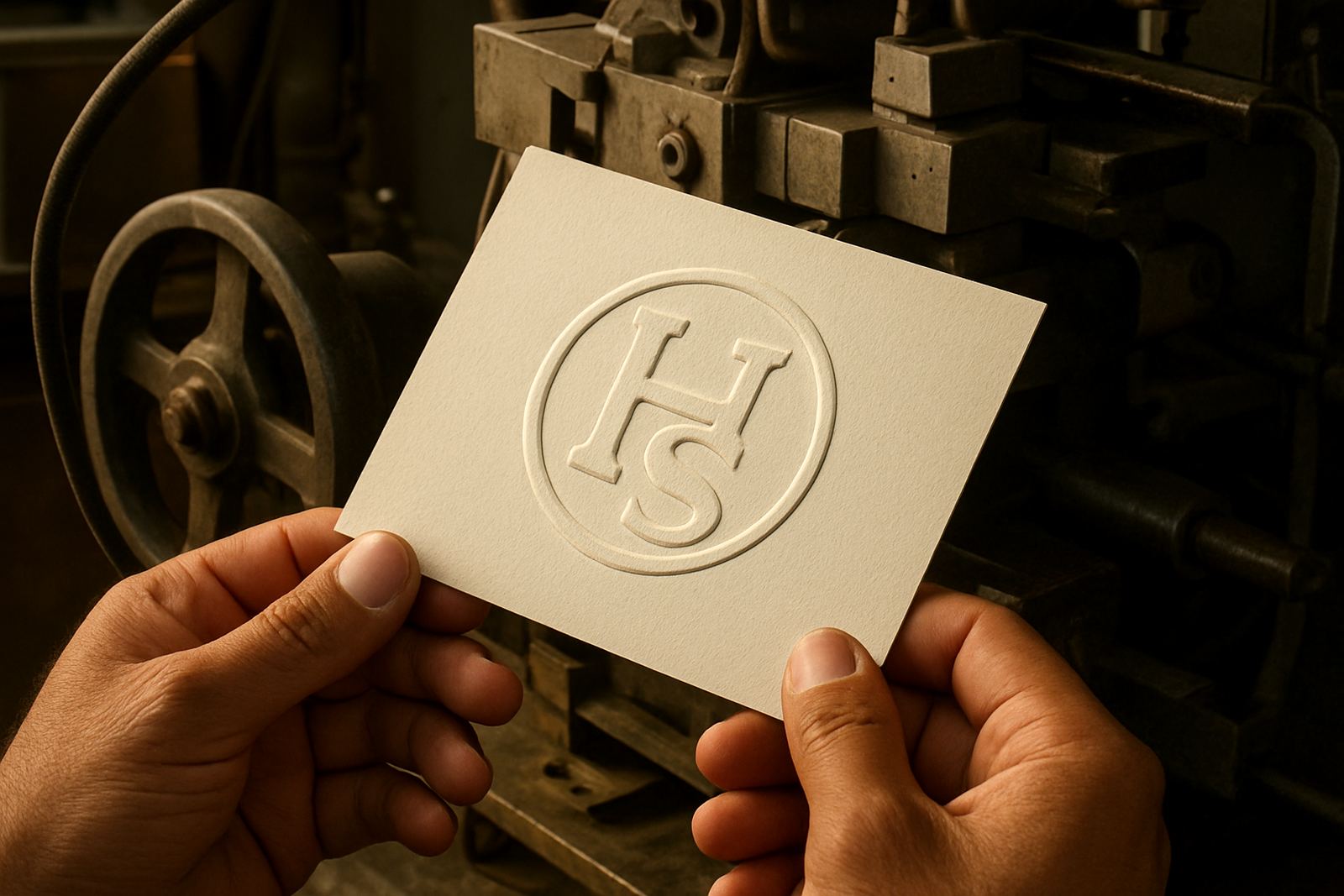
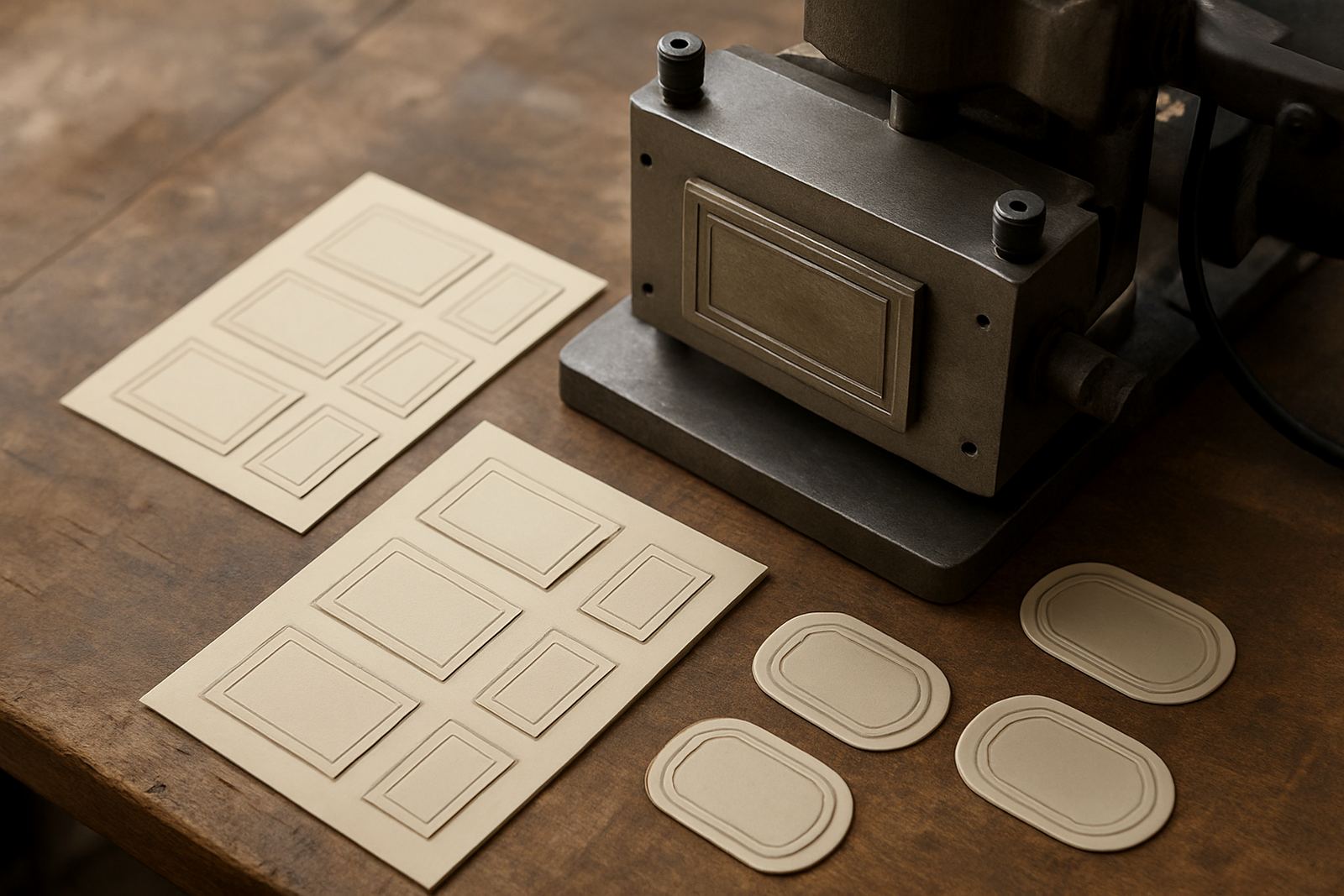
- Embossing plates matched to the board grade and press setup
- Advice on whether the job needs deeper relief or a cleaner profile
What Good Artwork Planning Saves You Later
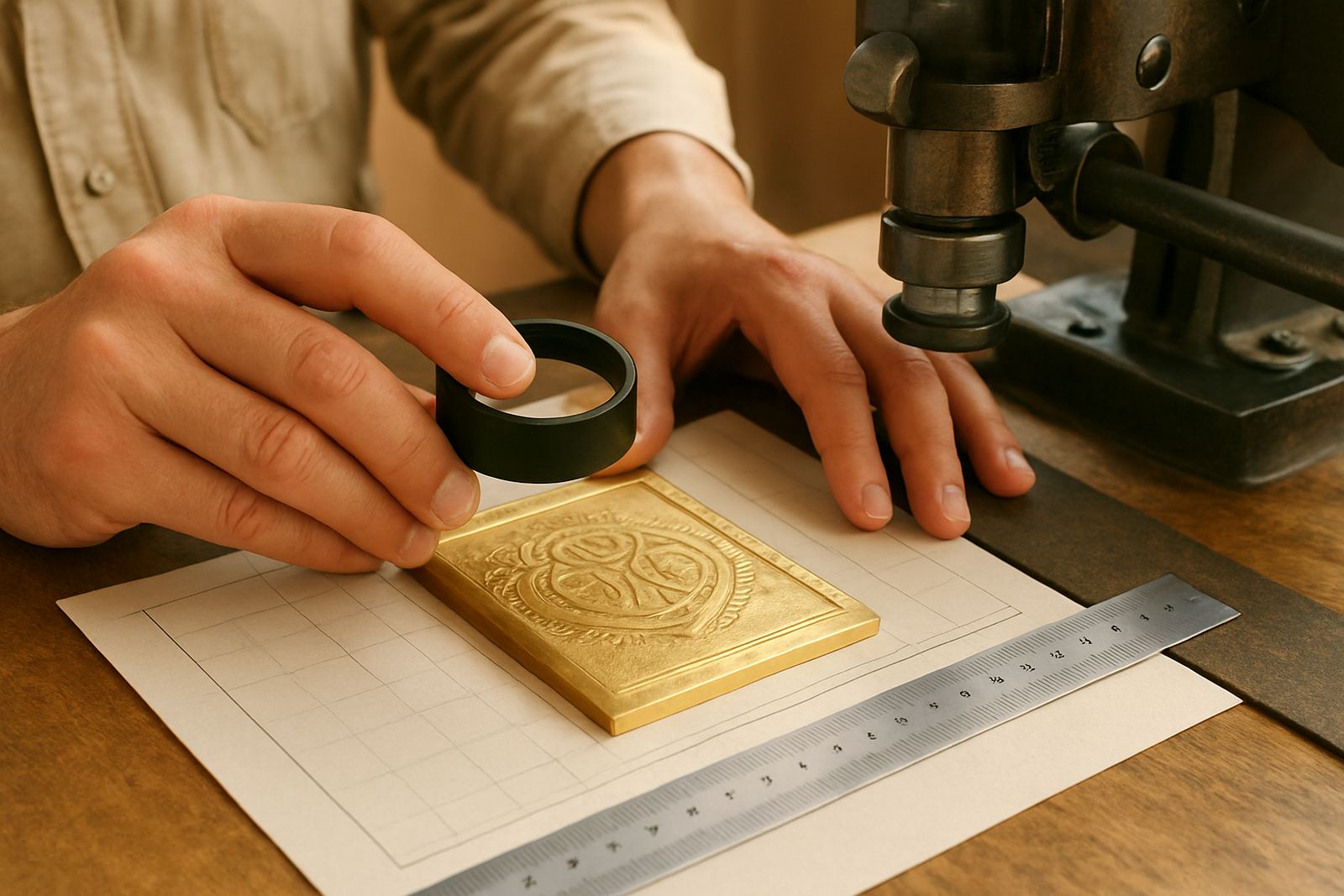
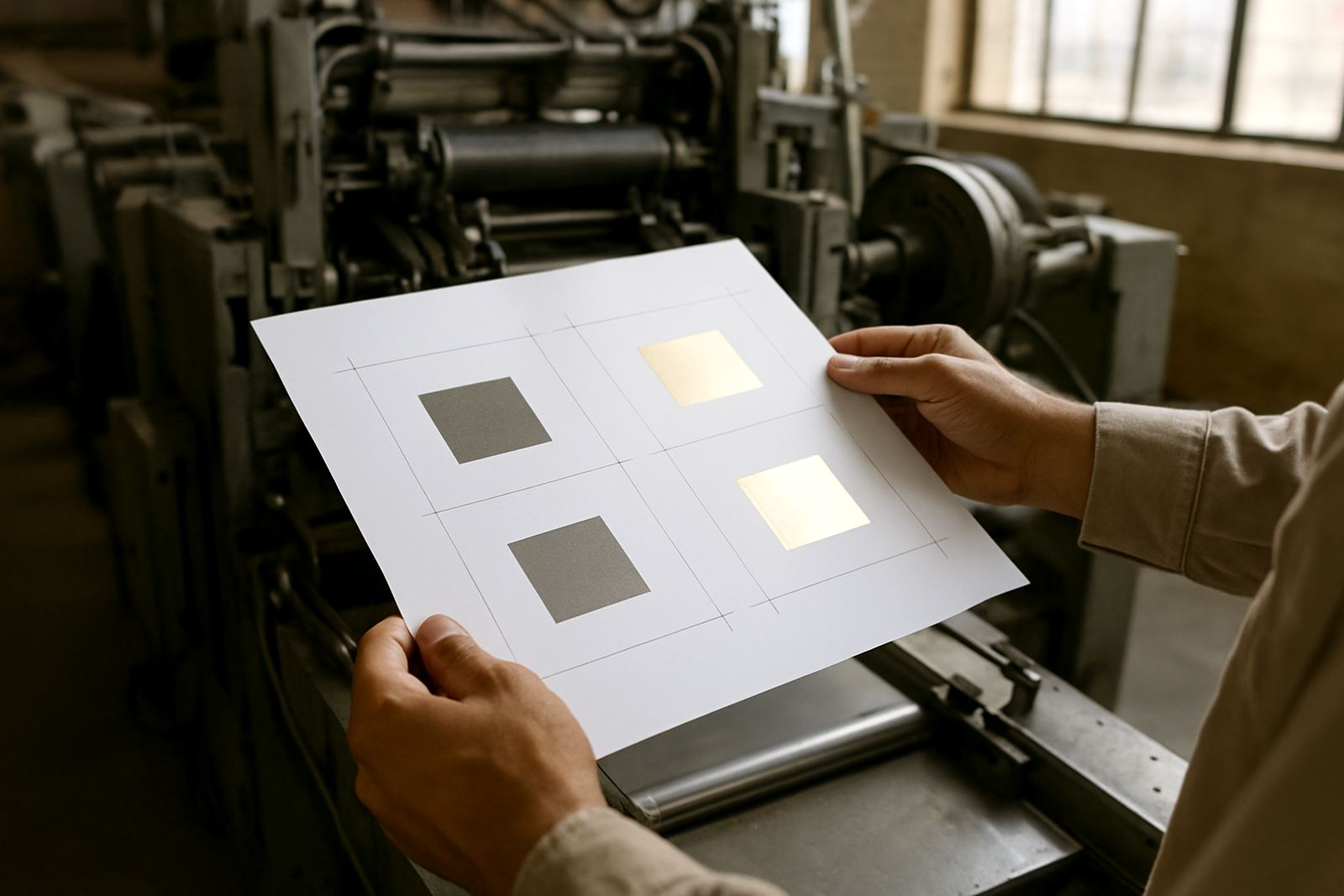
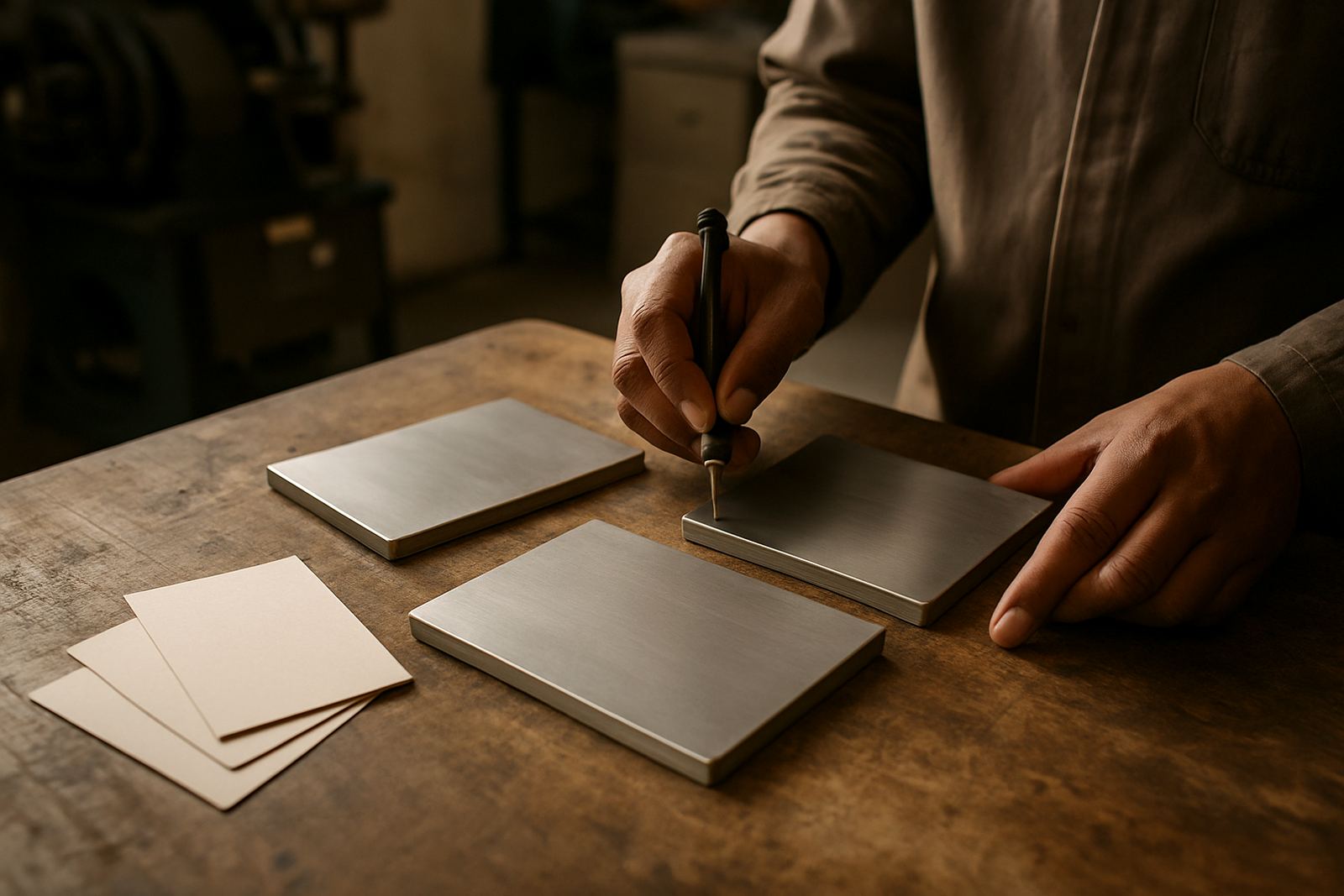
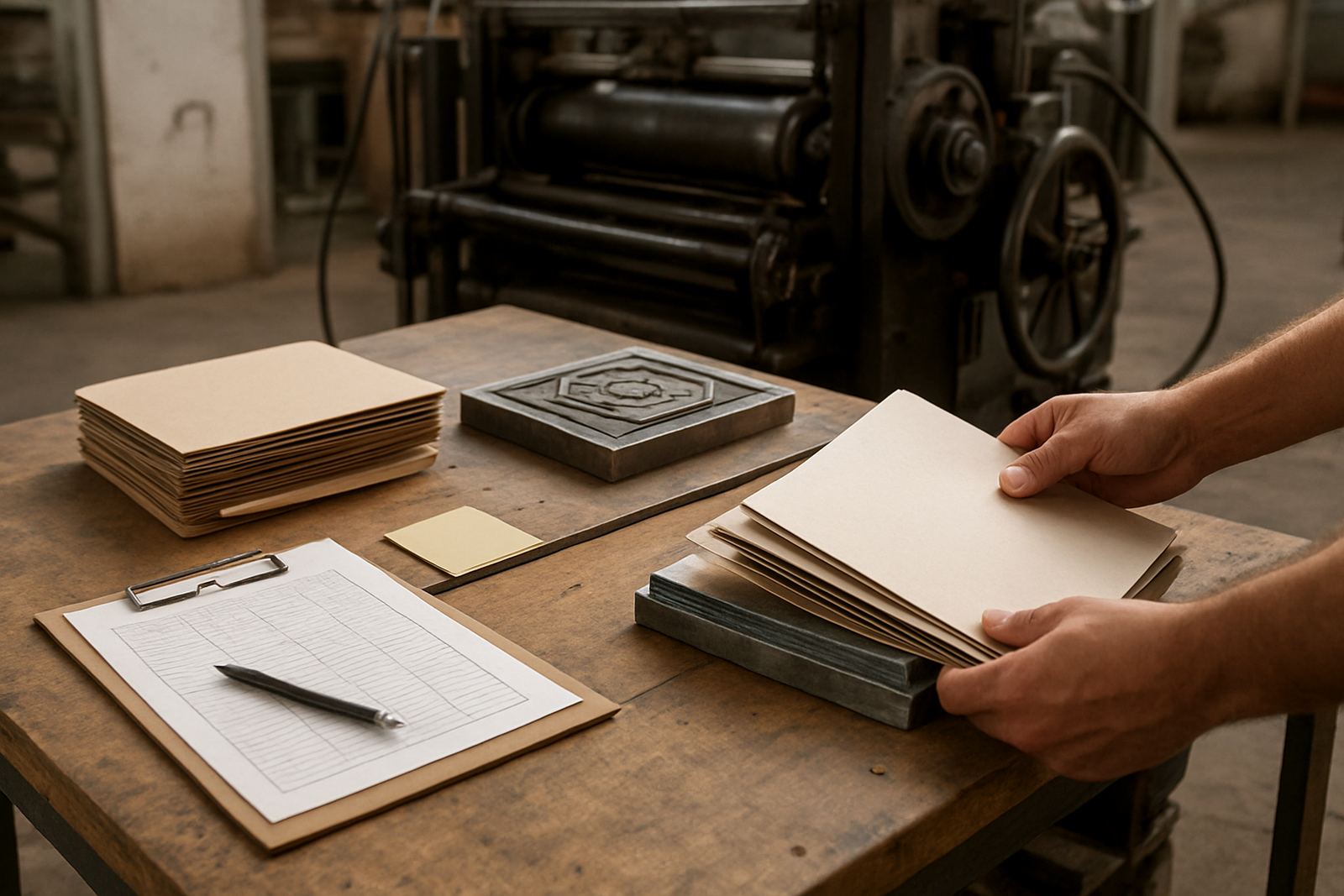
A clean artwork file saves time in prepress, engraving and final approval. It also reduces the chance of poor line weight, broken detail or a die that needs alteration after the first proof. We review line thickness, spacing, reversed text, bleed allowance and any fine elements that may not survive the press conditions. Small changes at this stage can prevent costly delays once the job is on press.
For print finishing teams handling multiple jobs, it helps to file artwork clearly and keep version control tight. We support repeat ordering, job filing and artwork checks so the next run follows the same approved setup. That is especially useful for packaging houses in Cape Town, Gqeberha and Bloemfontein where repeat work may come through on a different production week and still needs to match the original result.
- Check line weight and text size before engraving starts
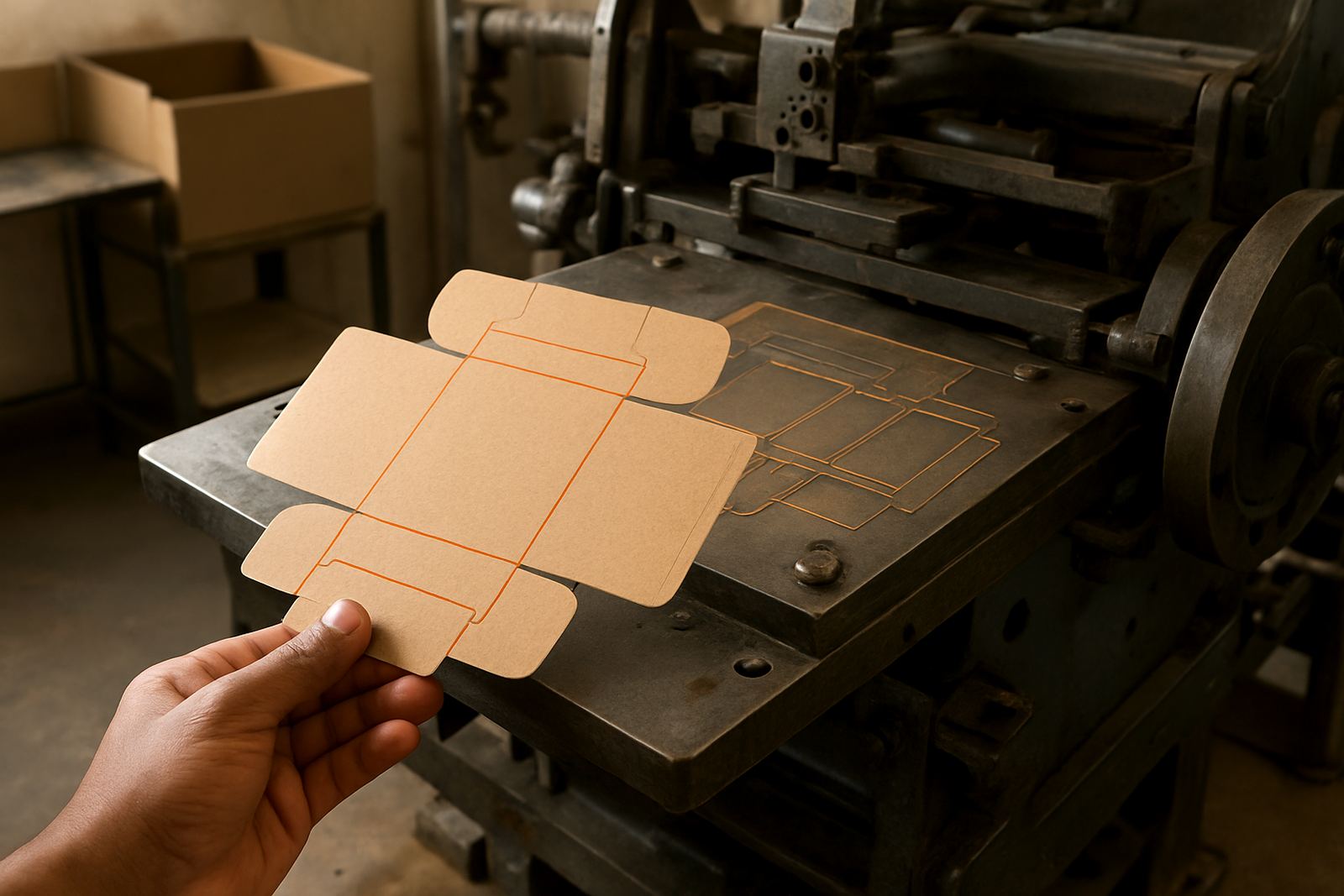
- Confirm the final trim size and any fold lines
- Keep an approved version for repeat orders
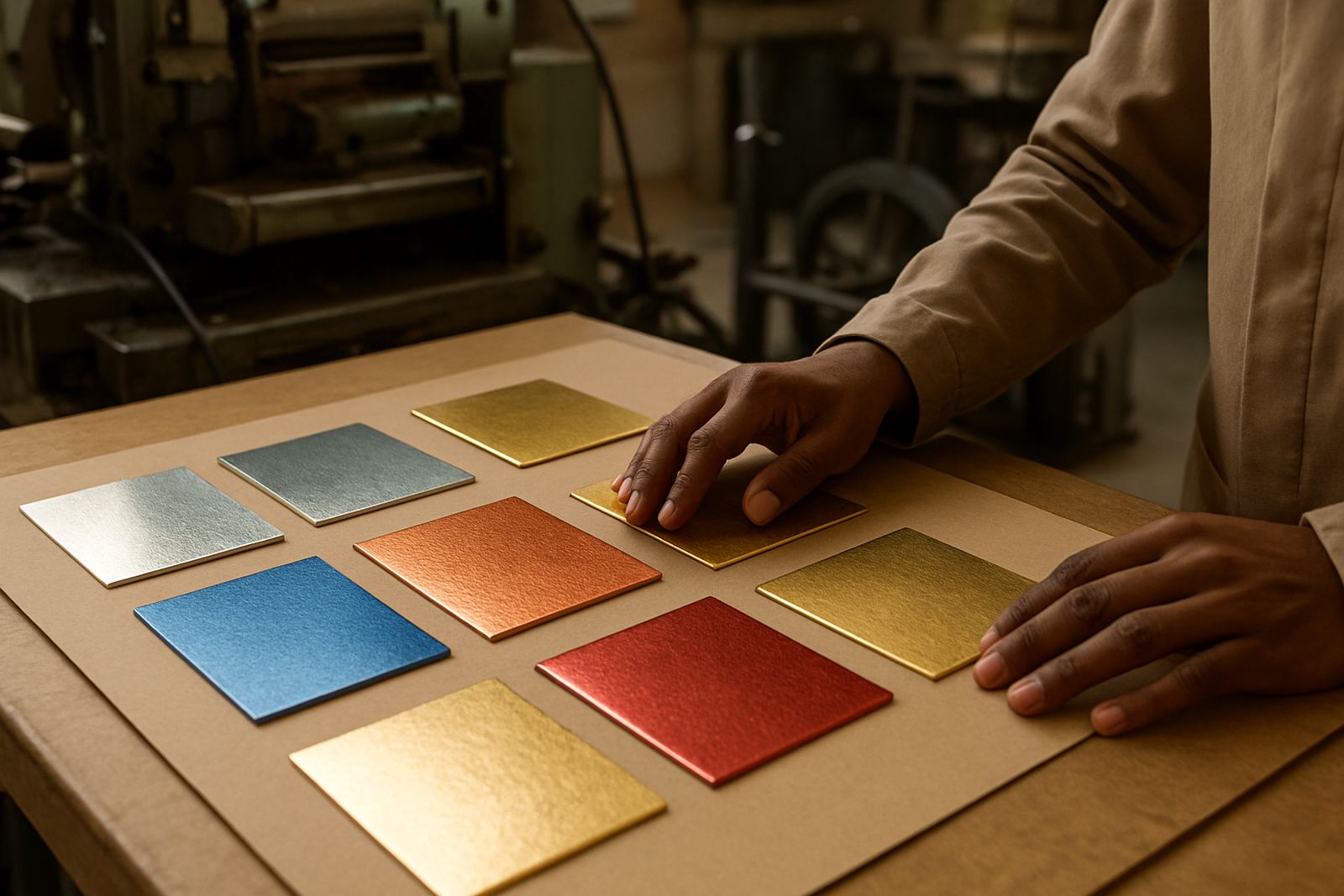
- Flag coatings, foils or special board finishes early
Counterforce, Pressure and Sample Impressions
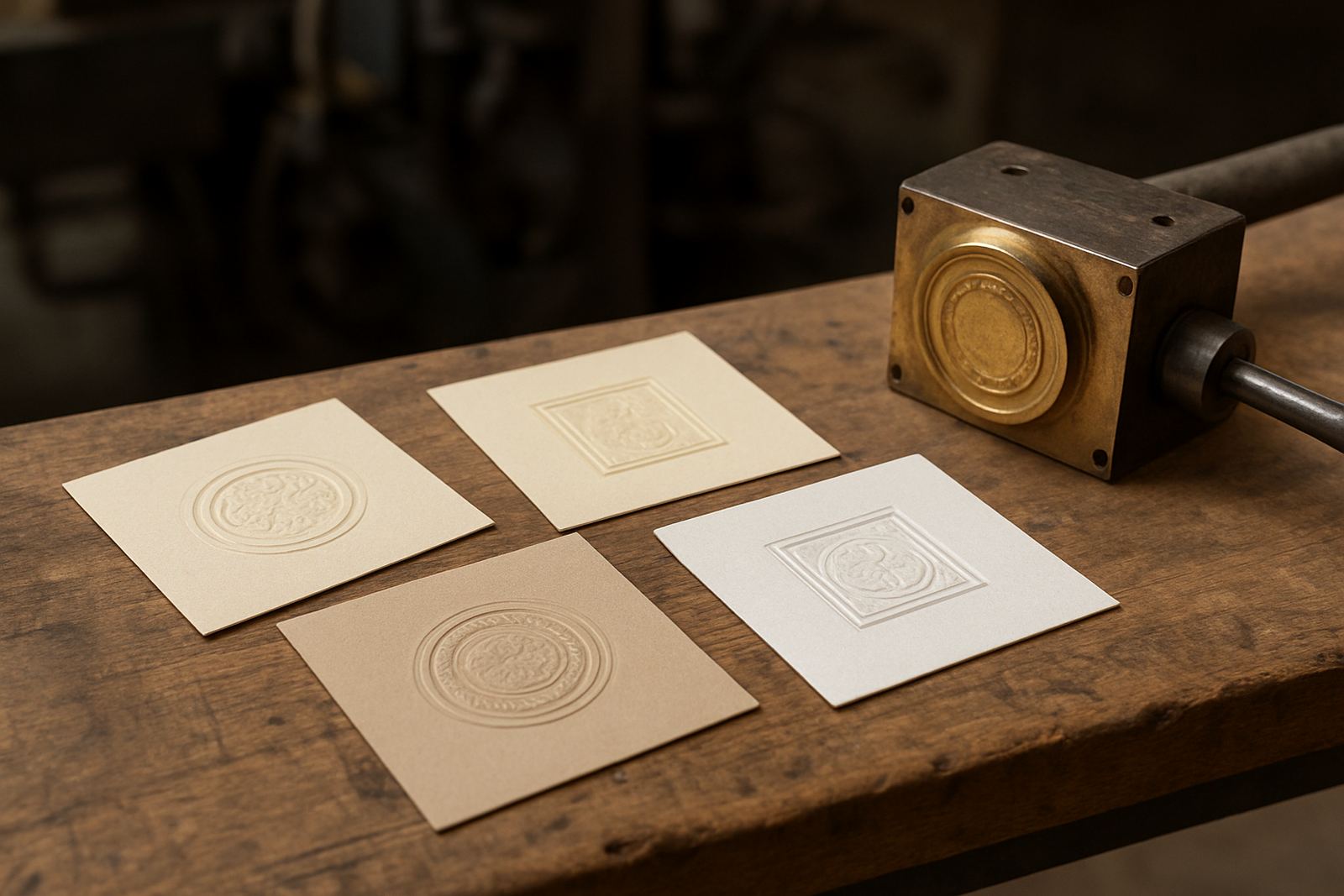
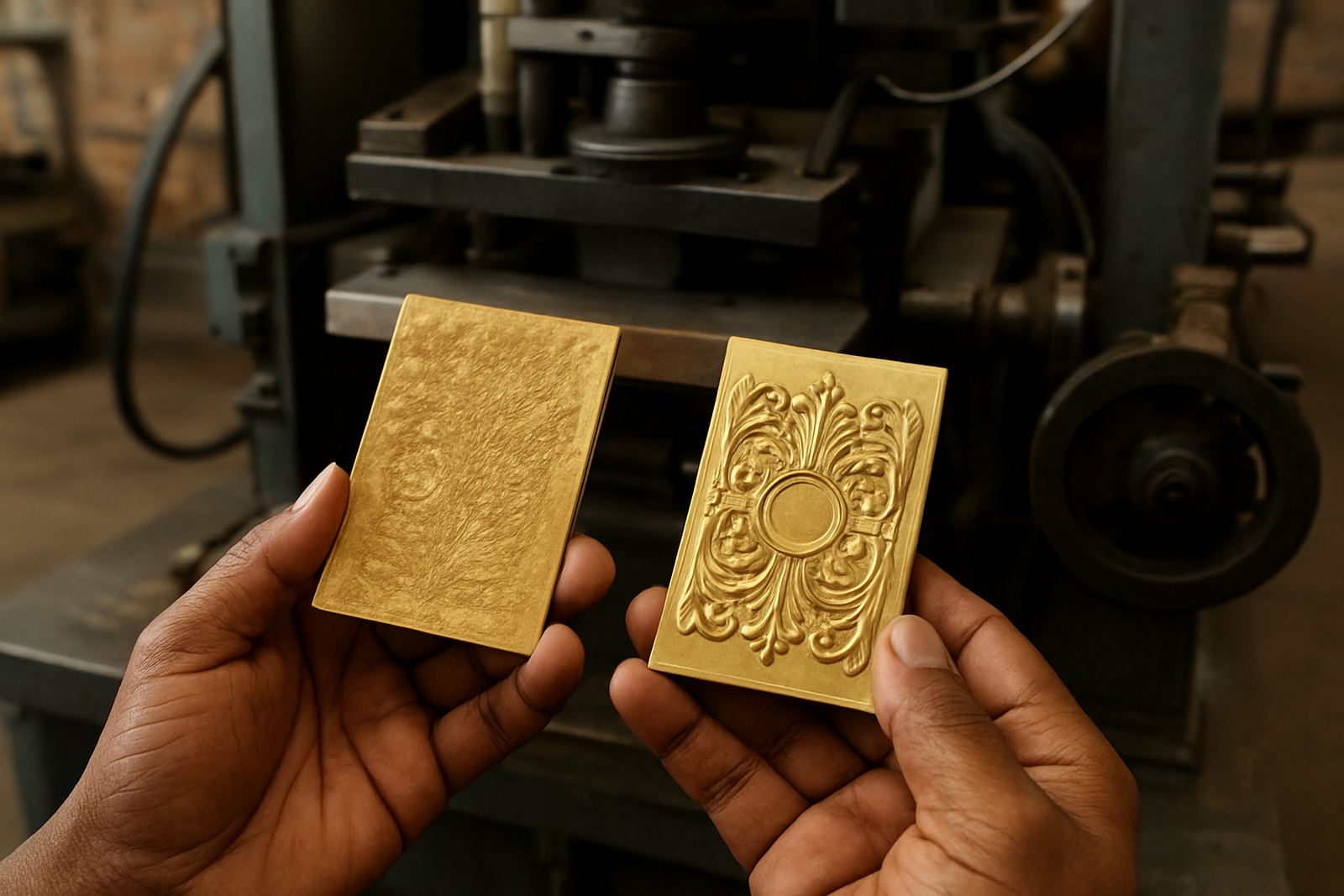
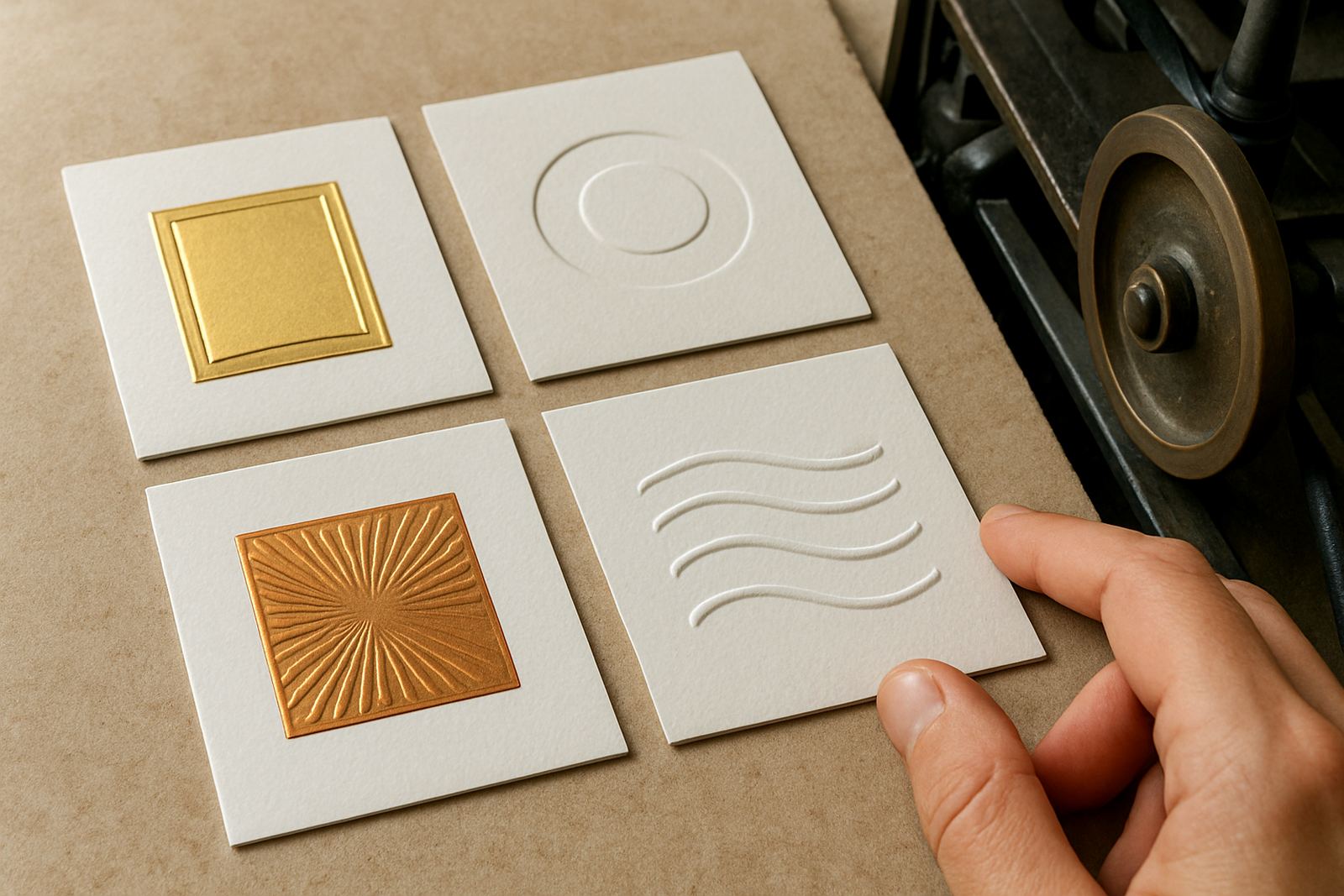
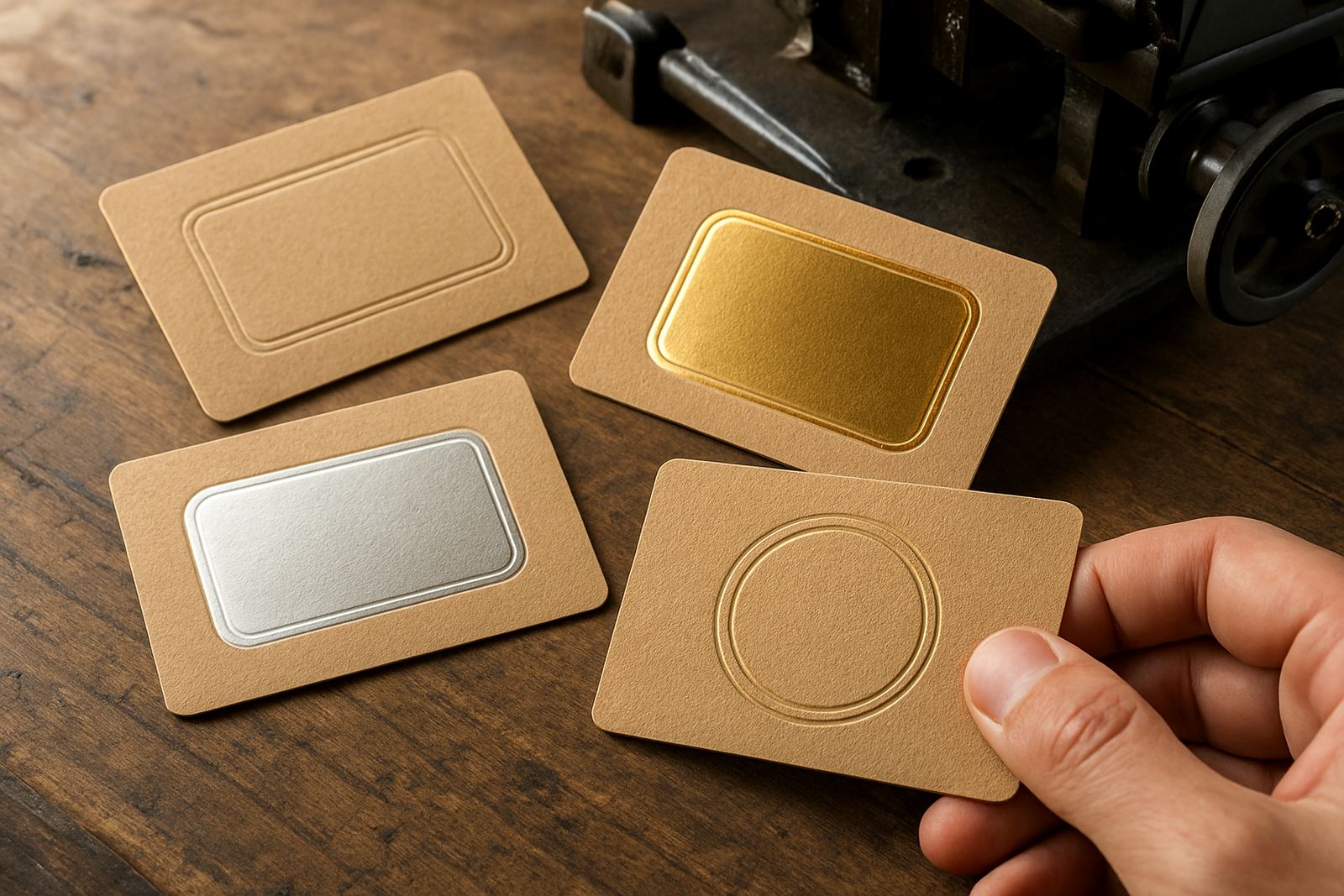
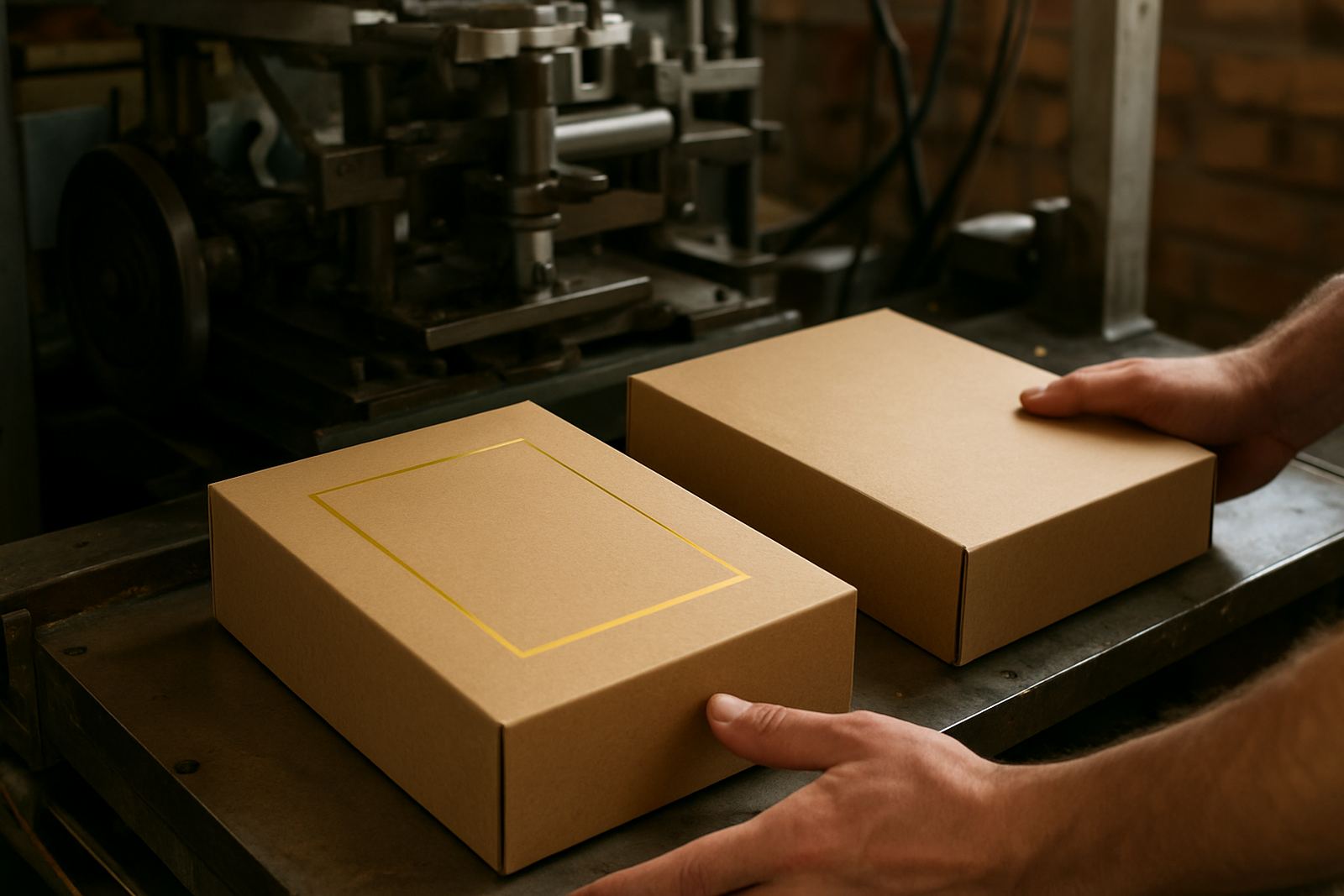
Hot stamping and embossing rely on pressure being distributed properly, not just on the die itself. Counterforce matching is often what separates a clean impression from one that crushes the board or leaves a patchy mark. The right counterforce helps the press close evenly and keeps detail consistent across the sheet. If the job is being done on heavier board or a difficult substrate, sample impression advice can save time on press makeready.
We often advise finishers to test before committing to a full run, especially where the product has a premium look and no room for visible defects. One extra check can avoid a lot of waste in a finshing line that is already running under time pressure. If needed, we can also look at die alterations after an initial sample so the final result is closer to spec.
- Match counterforce to the substrate density
- Test impression depth before full production
- Adjust for coated, laminated or textured stock
- Use sample impressions when the artwork has fine detail
When Urgent Turnaround Makes Sense
Some jobs simply cannot wait. Campaign launches, packaging corrections and late artwork changes can all force a shorter production window. Our urgent turnaround service is intended for those situations, with production priorities handled by Ayesha Naidoo and dispatch coordinated by Sibusiso Dlamini. We work from Industria in Johannesburg and courier dies nationwide, including Polokwane, Mbombela and Durban, so a job can move without unnecessary back and forth.
If speed matters, it helps to send the cleanest possible information at the start: the final artwork, substrate type, desired finish and whether the order is a new die or a repeat. That gives the production team a clear route from artwork check through engraving and packing. Fast work still needs proper checking, because a rush job that is wrong is more expensive than a slightly slower one that is right.
Damage Checks, Cleaning and Repeat Use
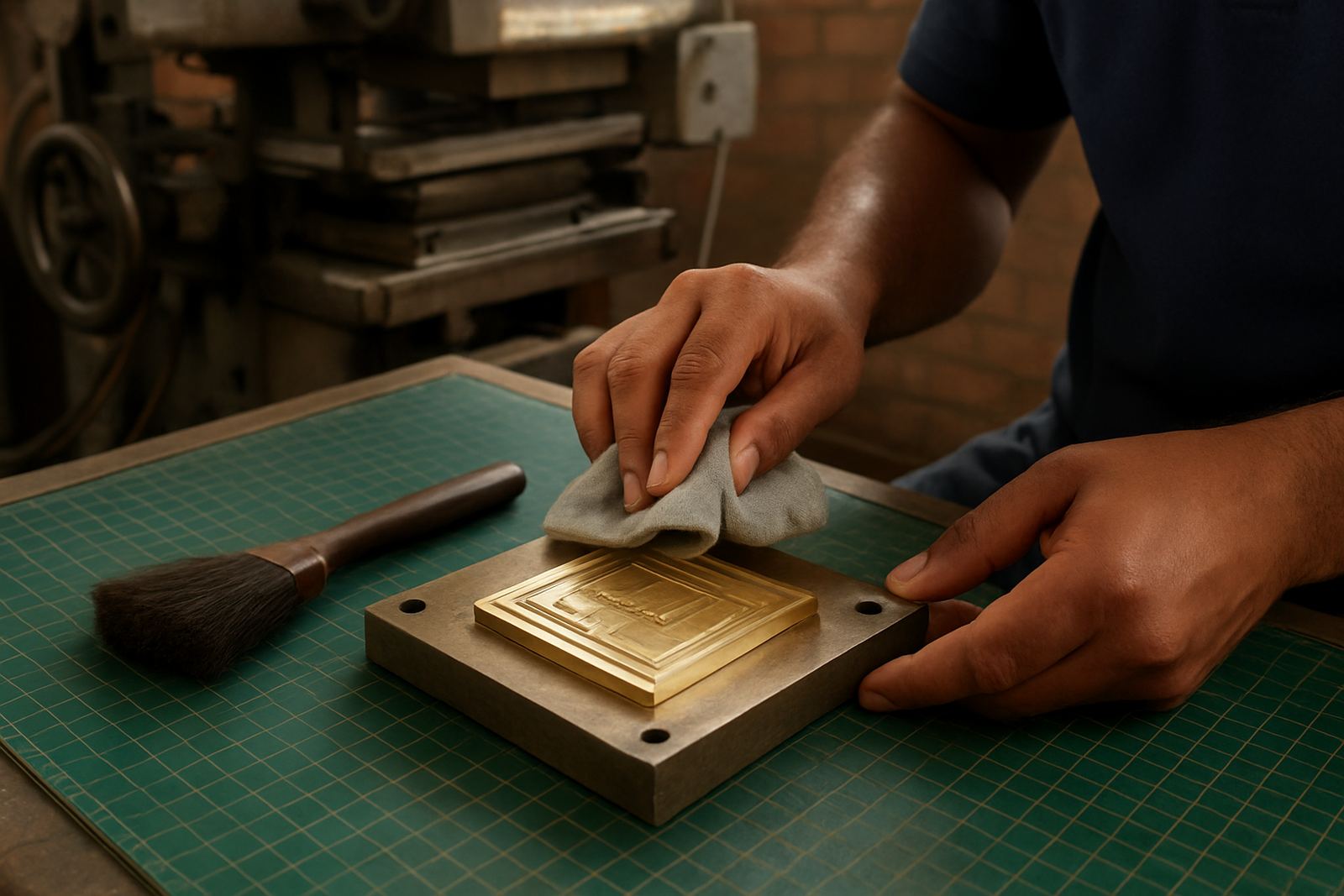
Dies and embossing plates can be cleaned and assessed after use, especially when the client wants to keep the original tooling in service. Cleaning removes residue that can affect the next impression, while damage assessment shows whether the face is still usable or needs repair. This is useful for print finishers who handle ongoing work for packaging and branding clients and need consistent output from one run to the next.
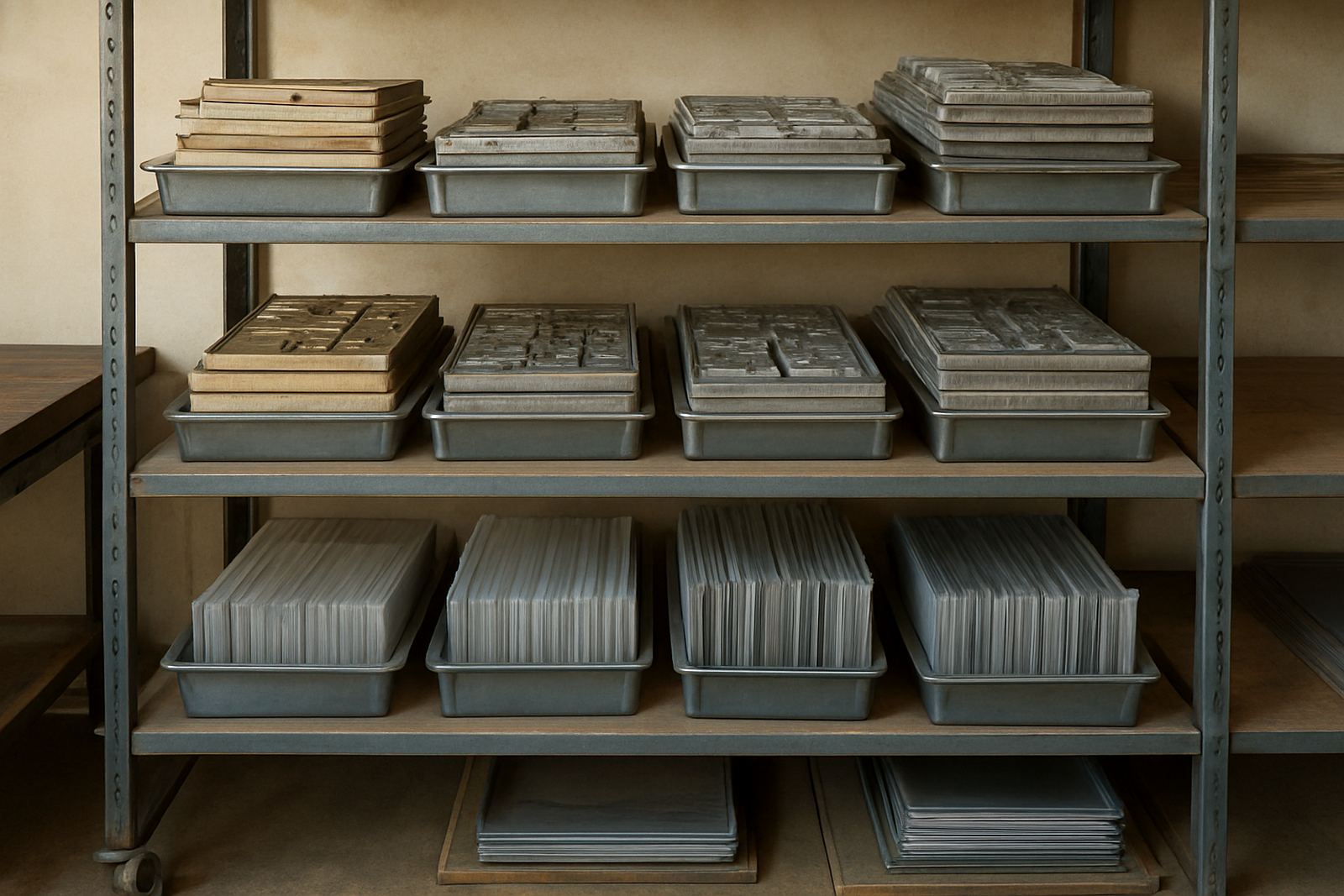
Repeat ordering is usually smoother when the previous job has been filed correctly with the right specs. Our internal job filing helps track the material used, engraving notes and any alterations that were approved. That means a follow-up order can be checked against the earlier setup before it goes back into production, which is practical for teams working across different sites and shifts.
- Ask for cleaning if residue is affecting the impression
- Check for edge wear, dents or uneven relief
- Use the last approved job file for repeat runs
- Confirm whether the old setup needs alteration before re-use
Packing and Courier Notes for Nationwide Delivery
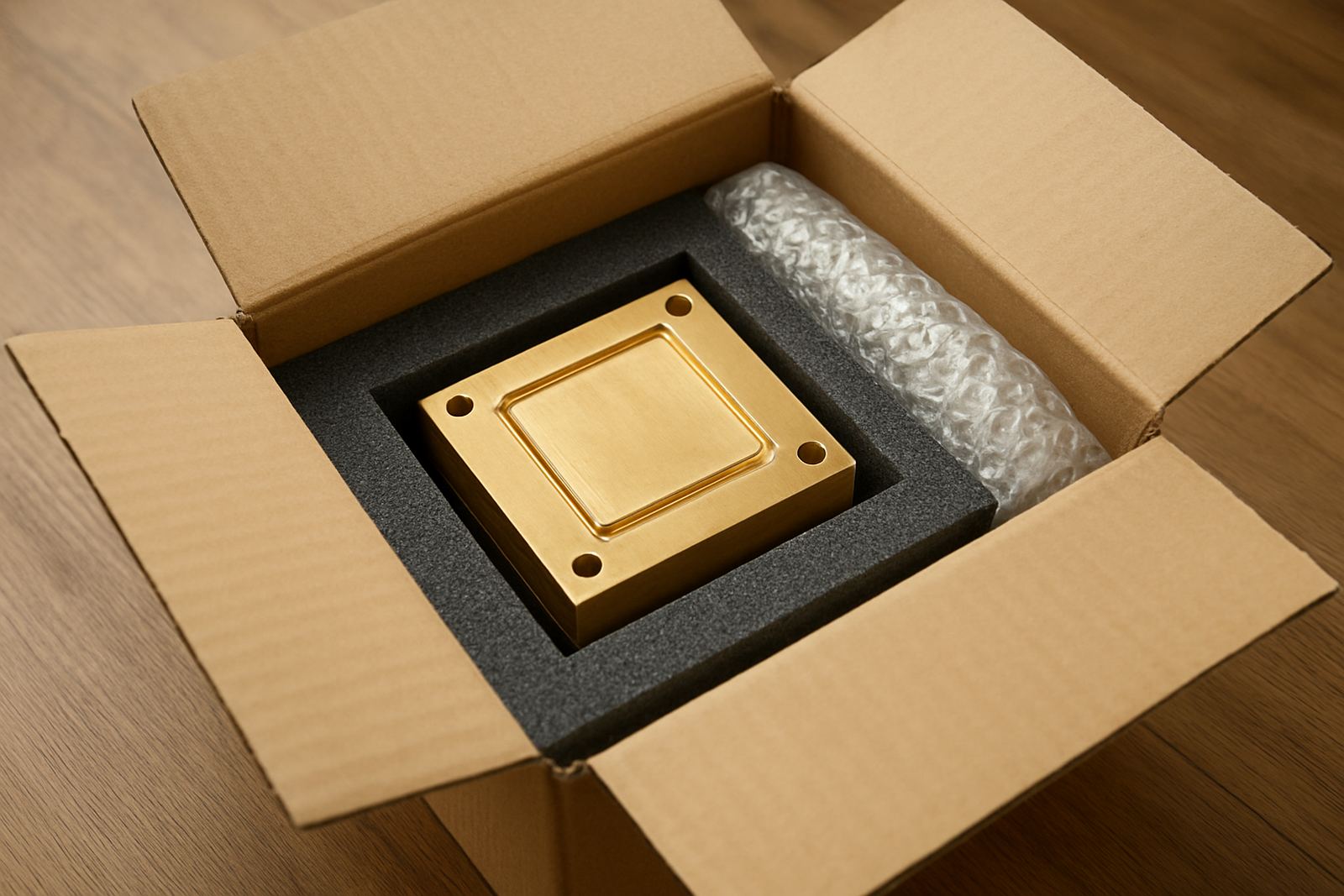
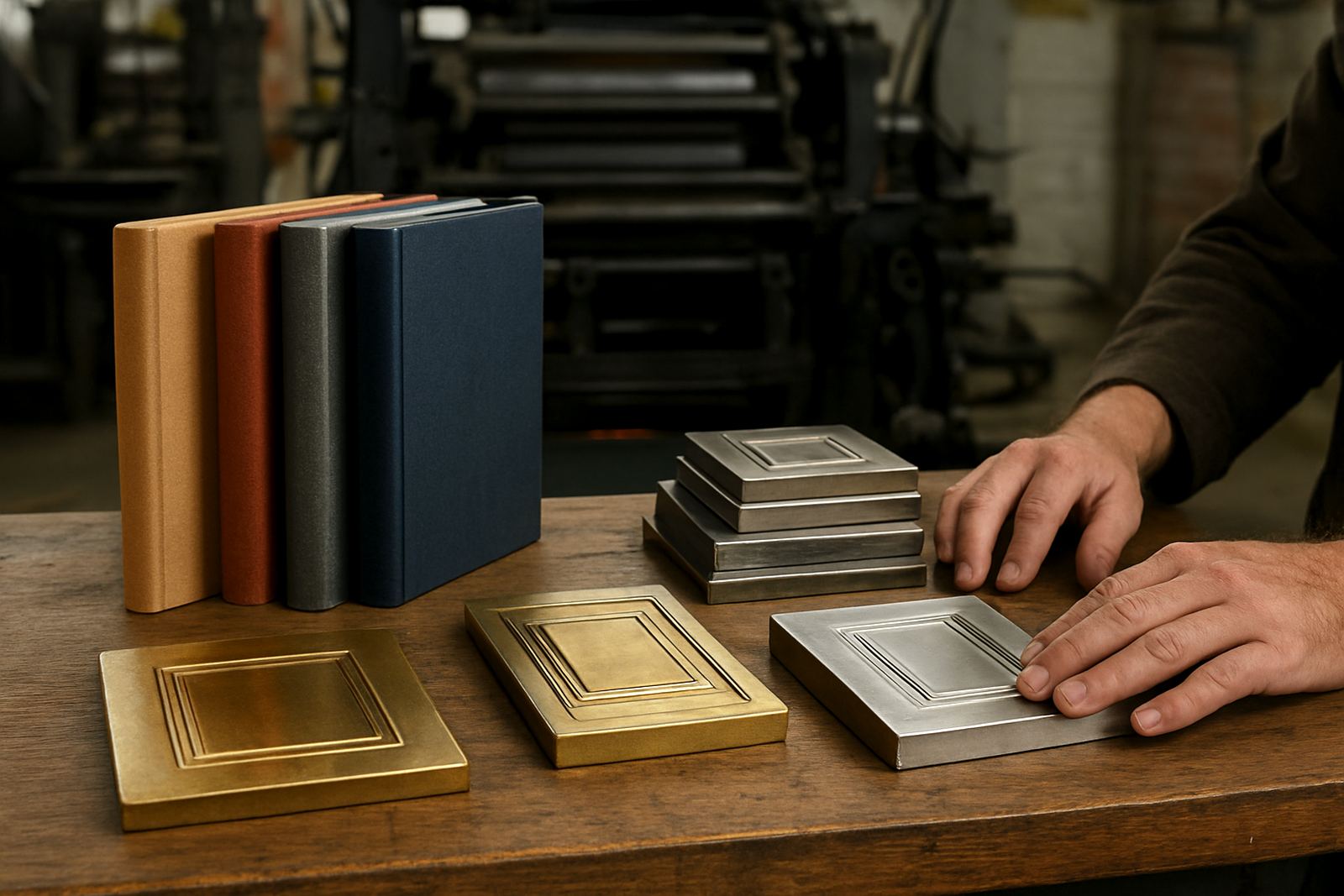
Once a die is complete, packing matters almost as much as production. Brass and magnesium tooling needs proper protection so the edges do not pick up damage in transit. We pack orders for courier dispatch to print finishers and packaging houses across South Africa, with regular handling for Johannesburg, Pretoria, Cape Town and other major centres. Careful packing keeps the die ready for use when it arrives, not needing a clean-up before the press can start.
Coastal humidity can affect storage conditions too, so it is worth keeping tooling in a dry area until it is needed. If you are collecting from or sending work to Industria, our team can advise on the best way to handle the order from dispatch to on-site storage. For pricing, turnaround or technical questions, clients should use the enquiry form on our contact page and we will come back with the right next step.