


Start With the Right Guide for Your Job
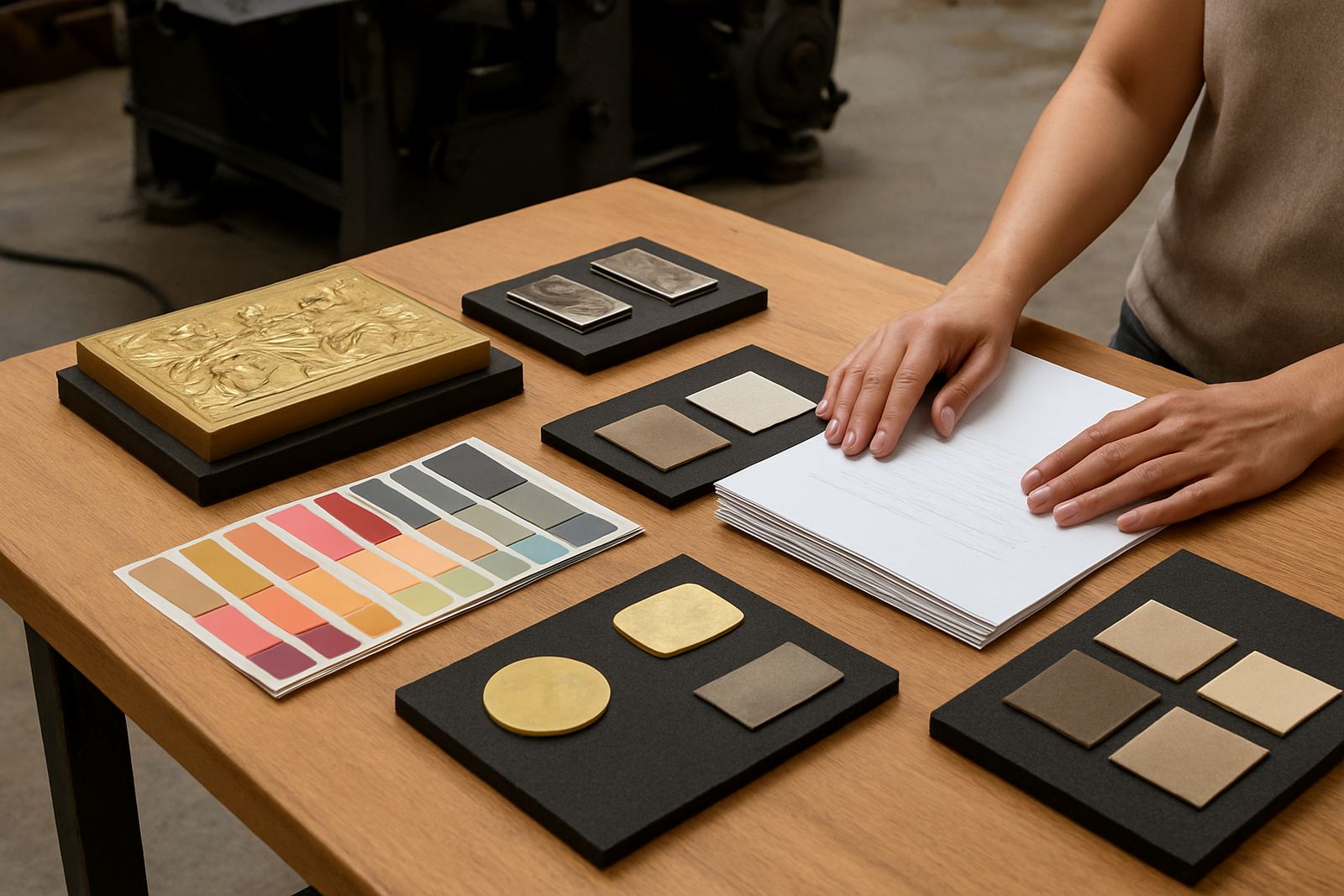
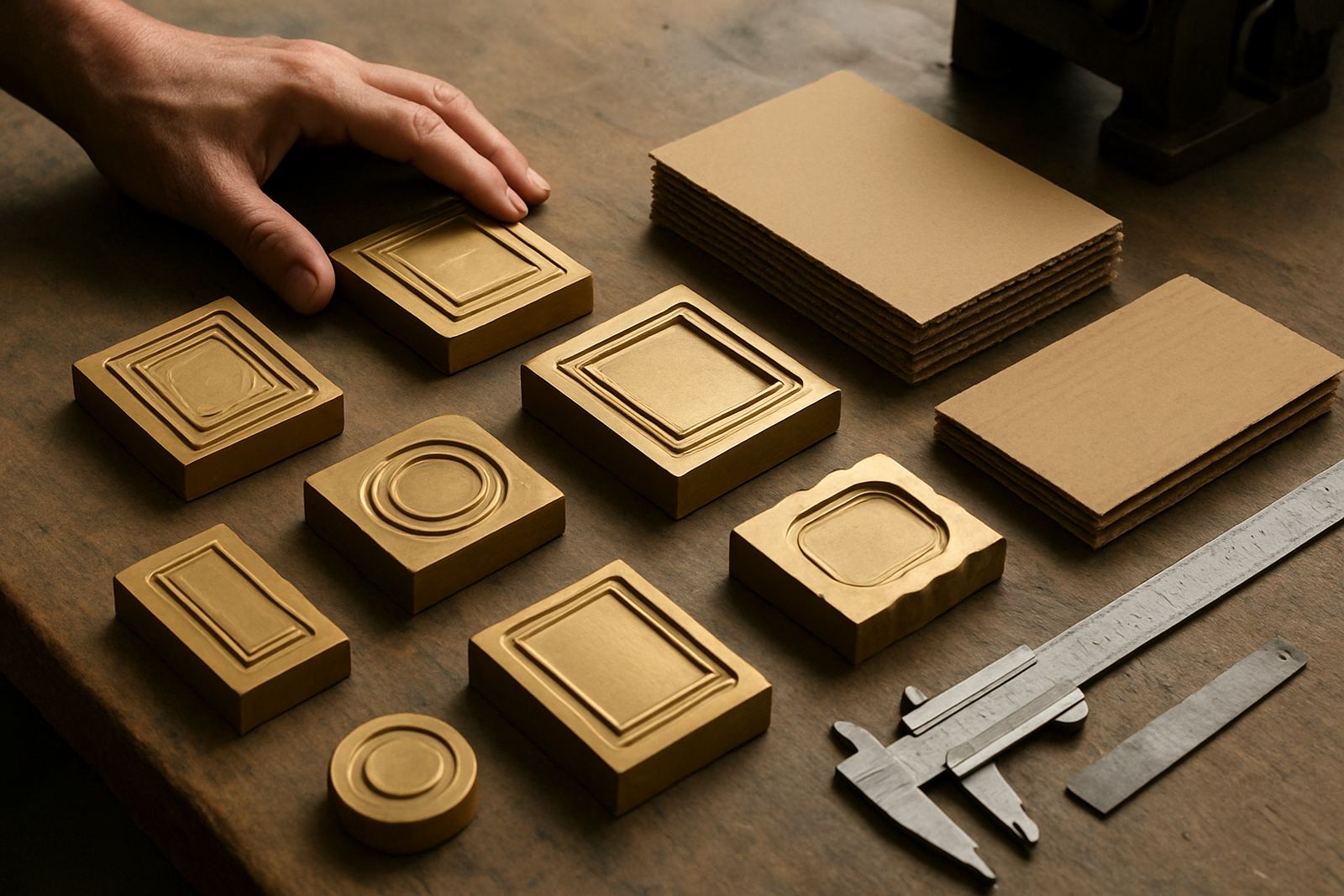
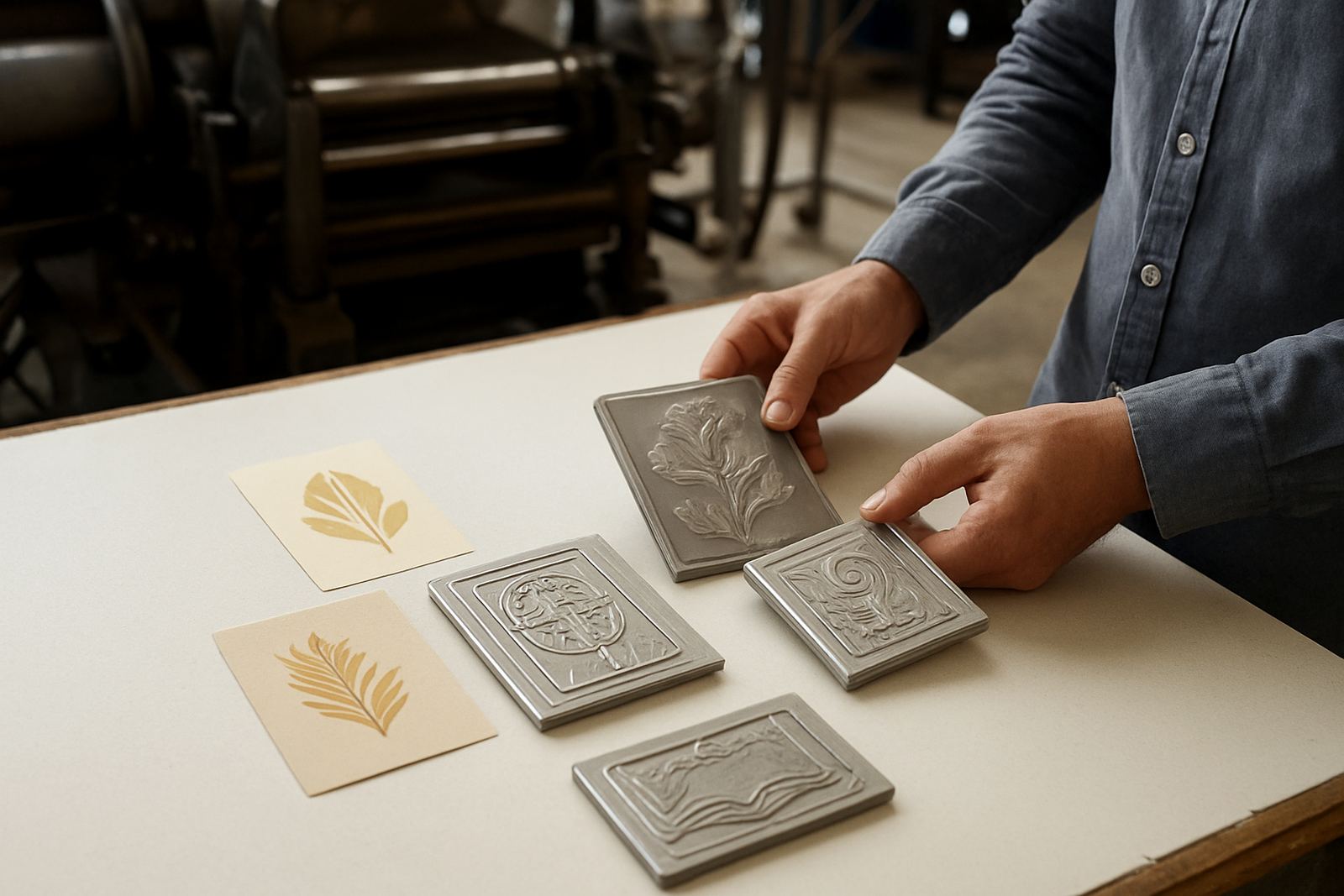
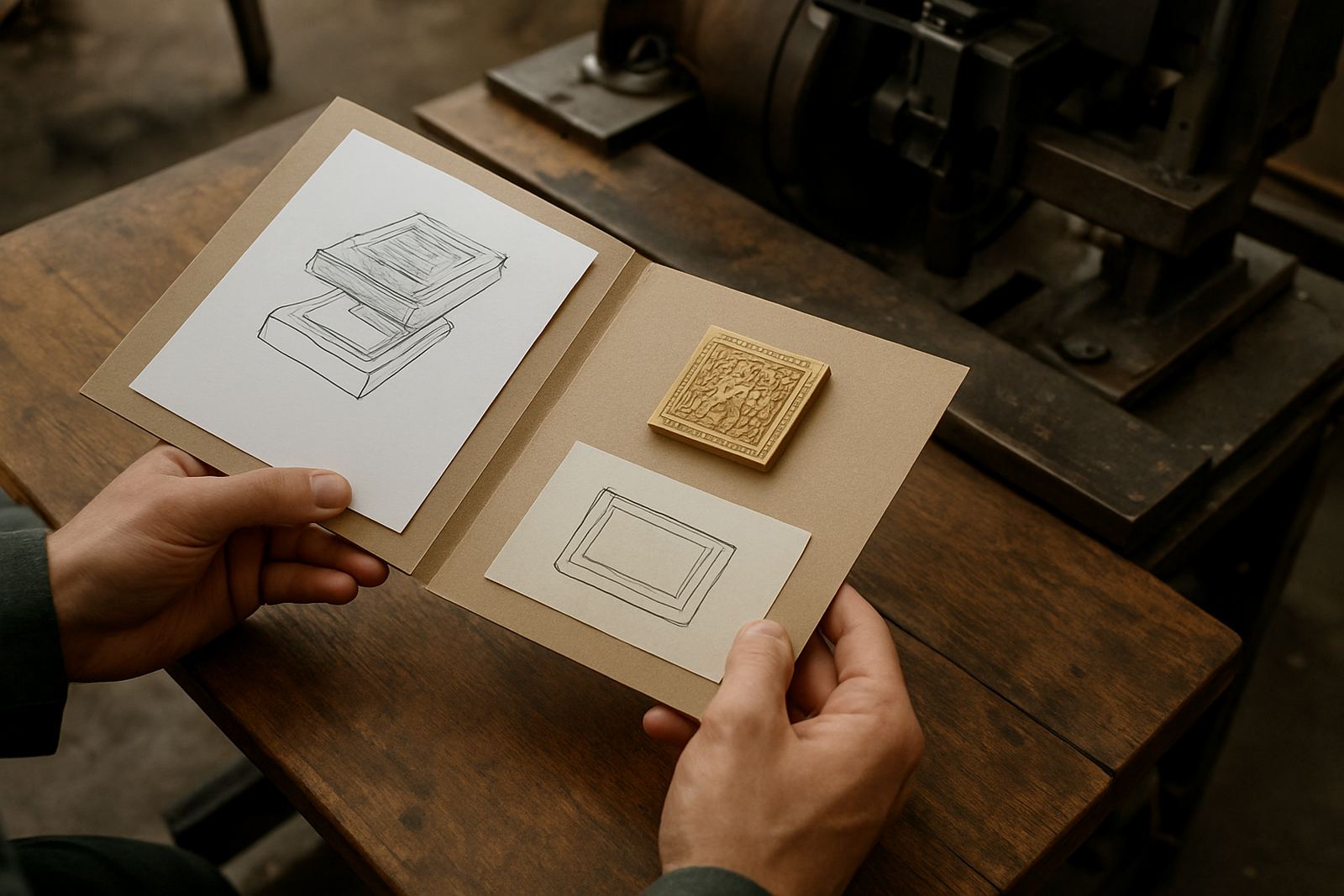
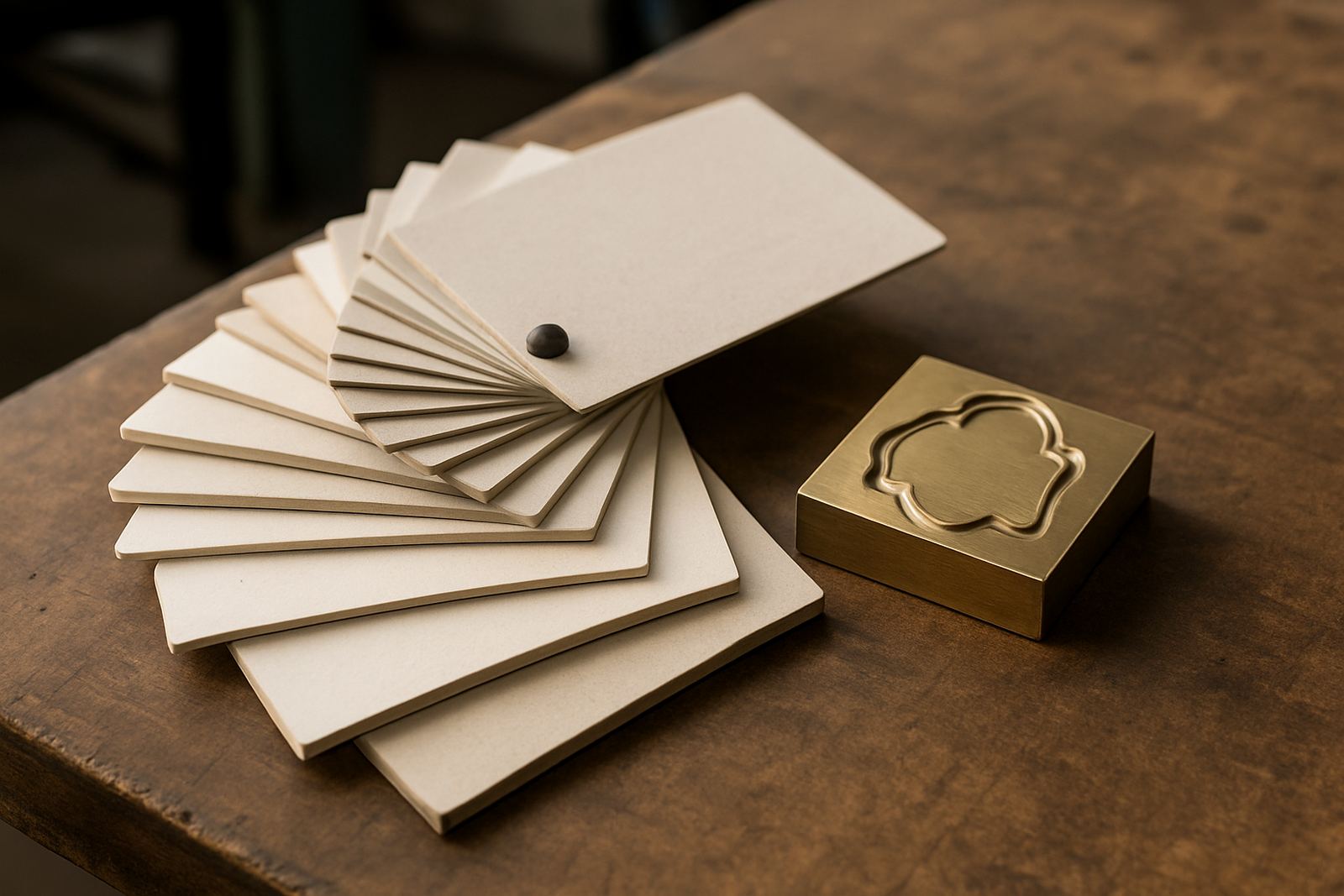
Our die guides are set out for printers, finishers and packaging teams that need clear answers before a job is released. If you are comparing brass and magnesium dies, checking embossing plate options, or confirming what information is needed for a repeat, these notes point you in the right direction.
Use them whether you are working from Johannesburg, Pretoria, Durban or a coastal plant dealing with higher humidity. The aim is simple: fewer surprises, cleaner impressions and less time lost to last minute changes.
What to Confirm Before You Place an Order
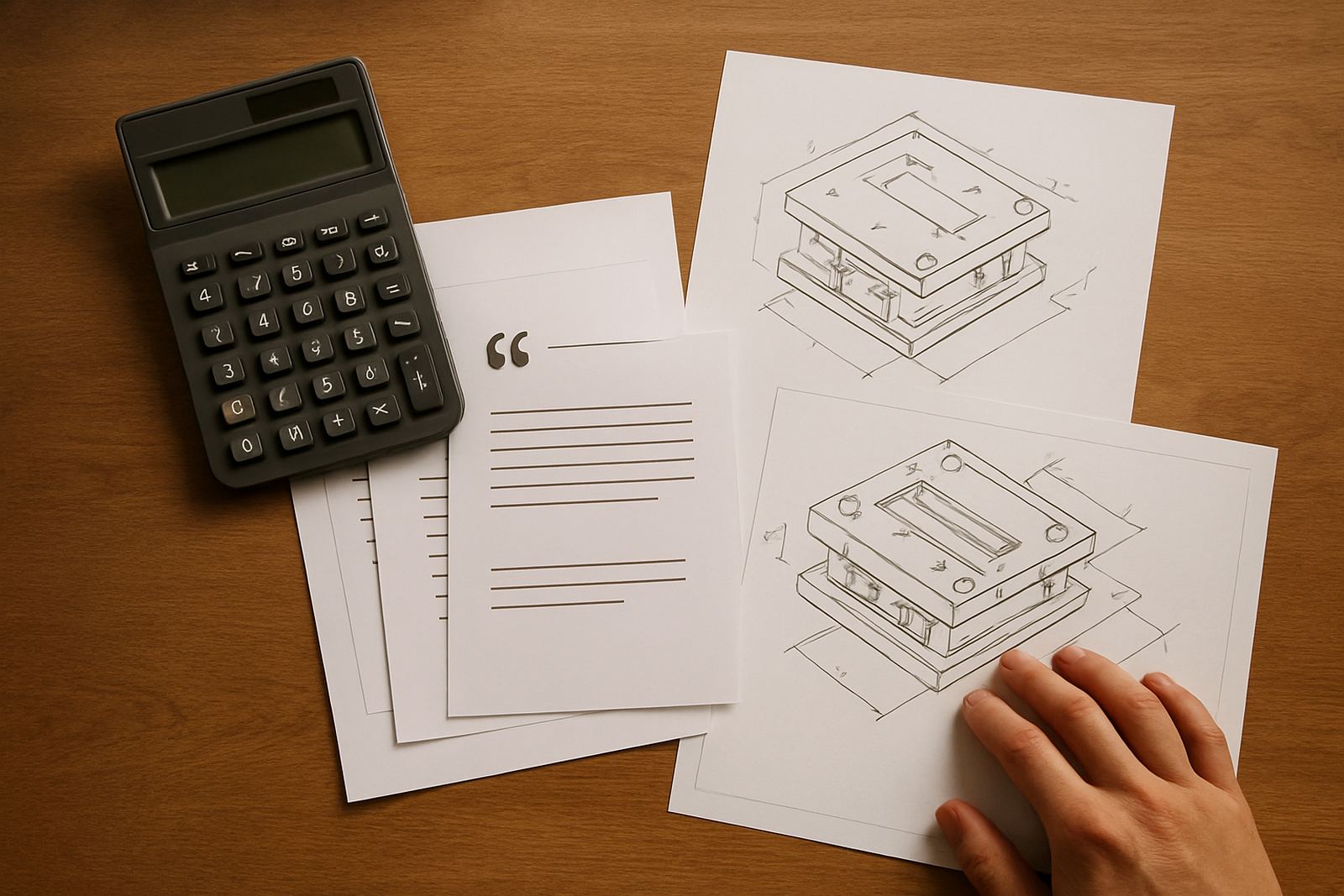
Good tooling starts with the basics. A complete brief helps us quote correctly, check the artwork and match the die to the finishing method. It also avoids back-and-forth when the press slot is already booked.
- Final artwork in the correct format and size
- Material type, such as paper, board, laminate or coated stock
- Finished size of the image area in millimetres
- Position on the sheet or pack
- Whether the job needs embossing, foil, or both
- Required turnaround and delivery town
If the job must run urgently, say so early. A clear file and a full brief can save a full day, especially when dispatch has to go out to another province.
Artwork Checks That Save Time on Press
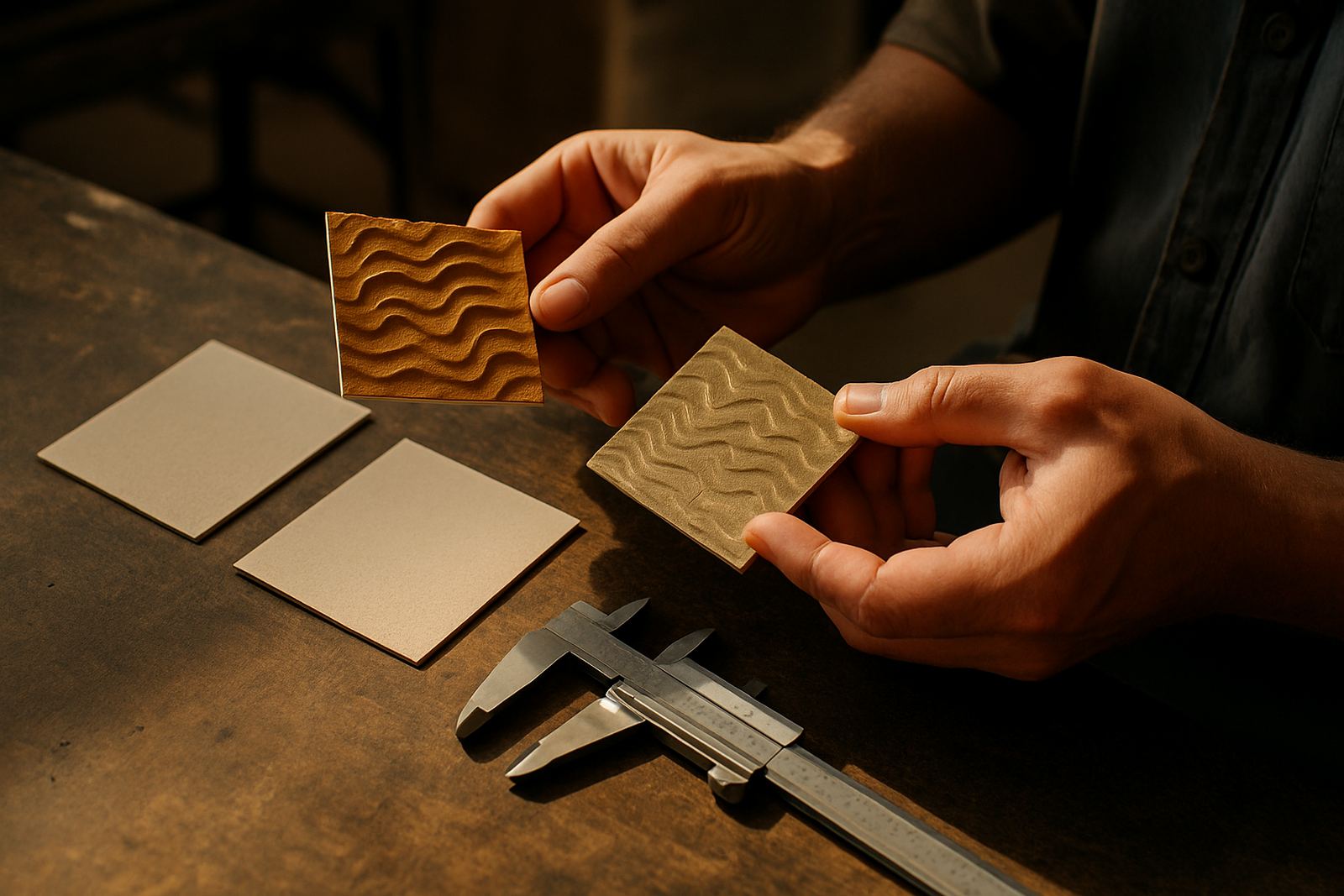
Many tooling problems start before engraving begins. Small text, hairline rules and close spacing can all cause trouble once the die hits the press. We check artwork for line weight, depth, spacing and any detail that may break down during finishing.
Before sending artwork, make sure the file is tidy and the text is final. If the job needs a raised image, recessed detail or counterforce, that must be stated clearly. It helps to supply the print side of the job too, not only the die layout, so the impression can be judged against the stock.
Choosing Between Hot Stamping, Embossing and Combination Work
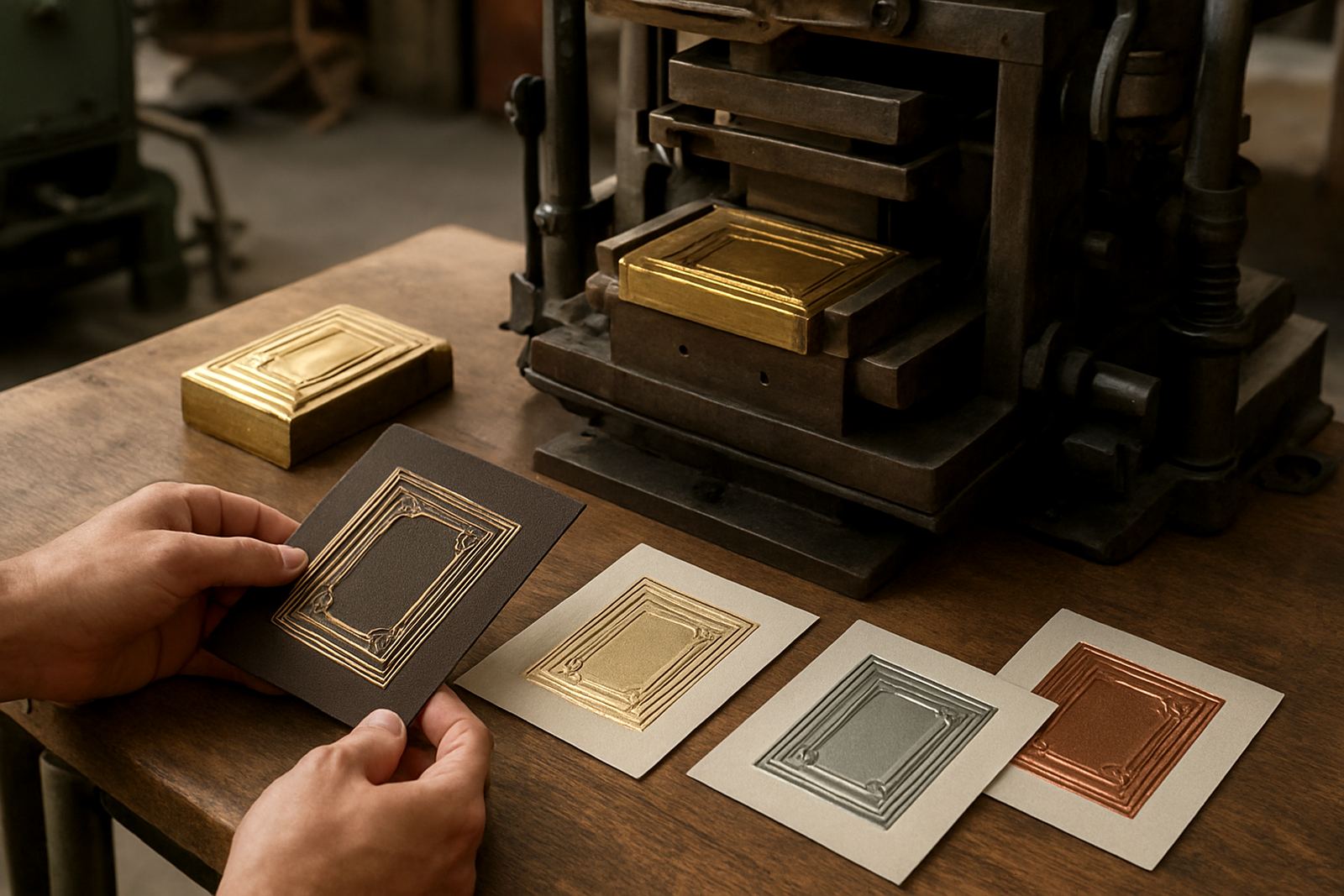
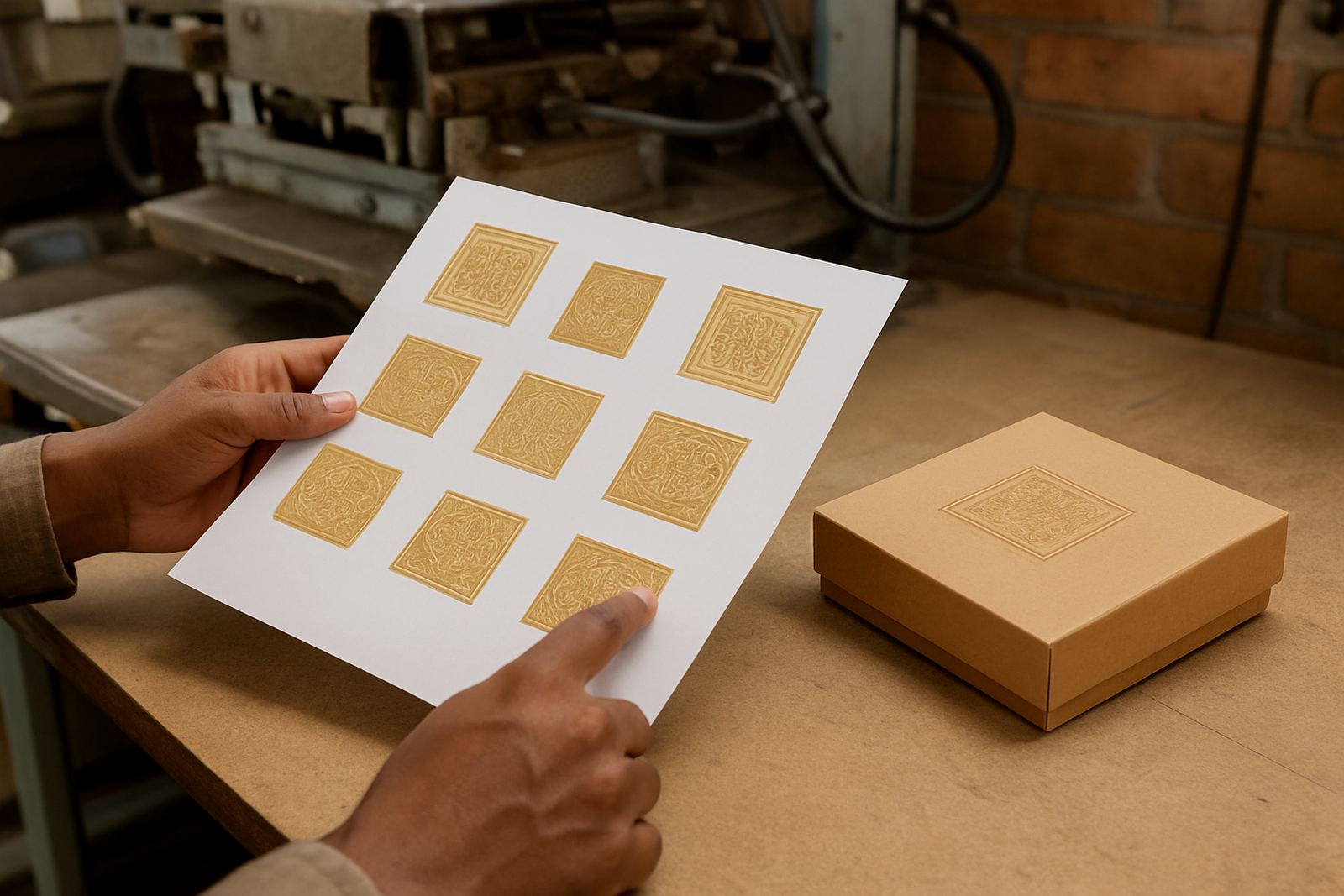
Different jobs need different finishing routes. Some packs only need foil stamping, while others need a clean blind emboss or a deeper embossed effect. In some cases the best result comes from combining both on the same area.
- Hot stamping suits bold branding, sharp logos and decorative foil work
- Embossing suits tactile marks, security features and premium pack detail
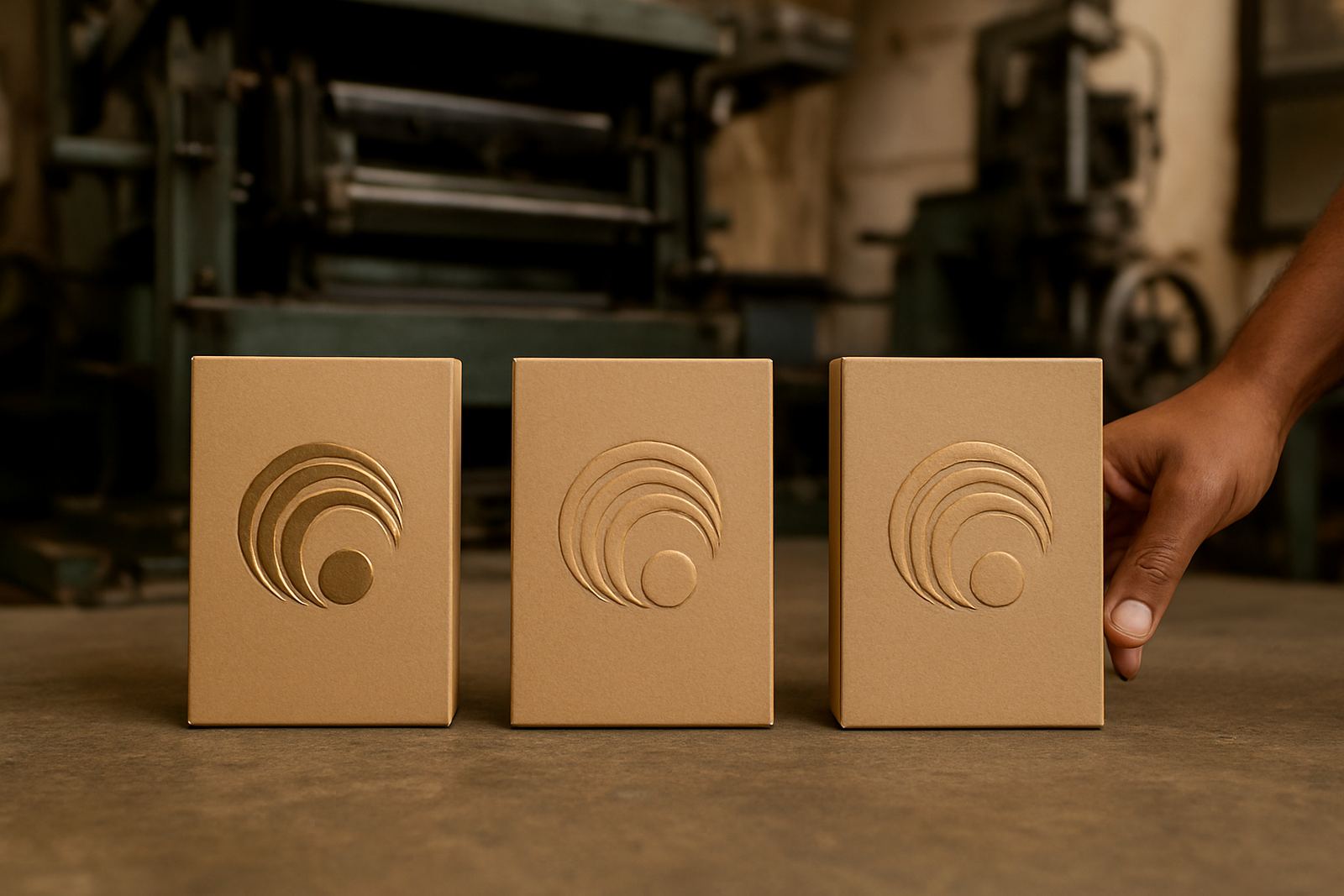
- Combination work suits cartons, labels and presentation packs that need both shine and relief
- Counterforce matching helps manage pressure on thicker board and laminated stock
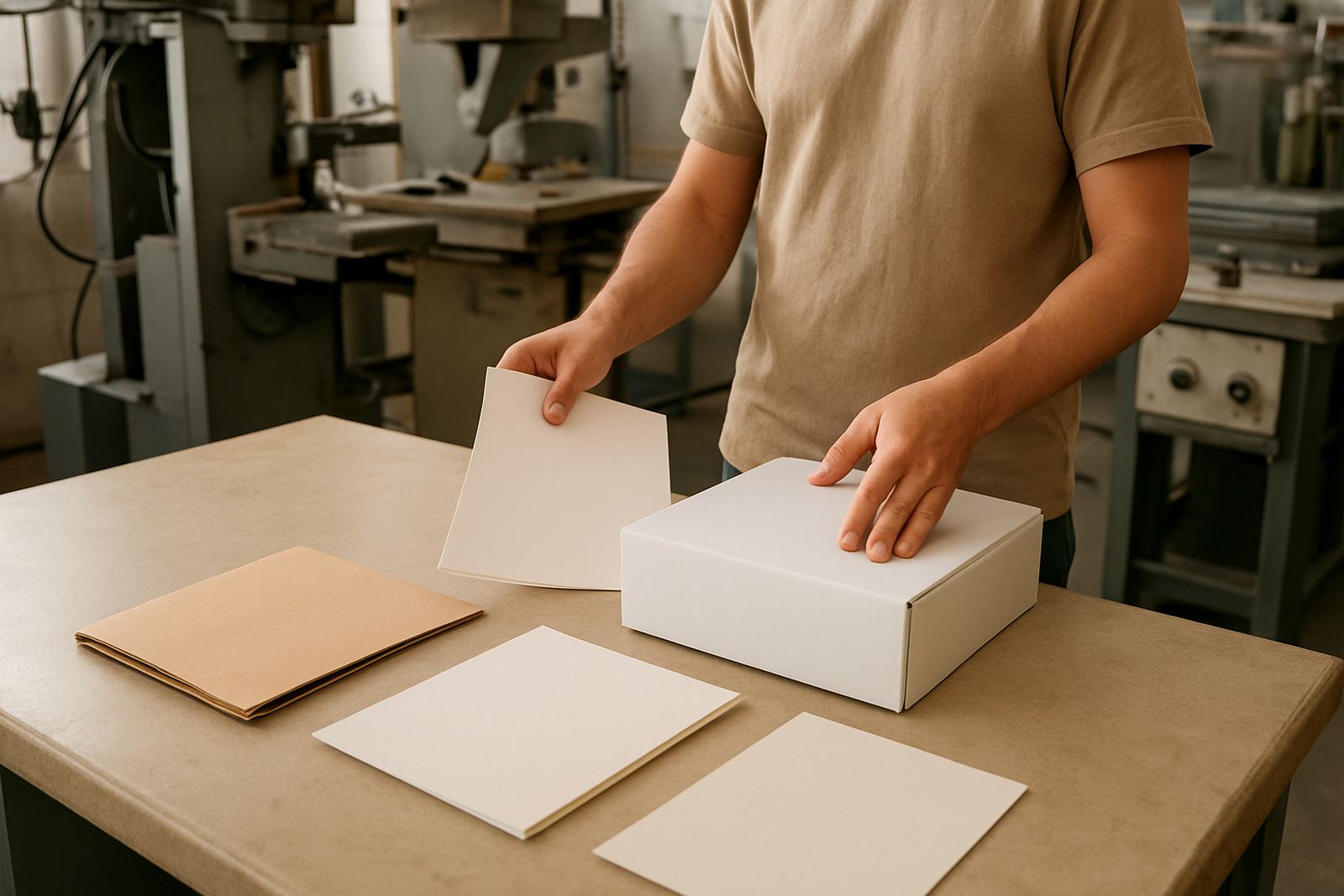
The right choice depends on the substrate, the press setup and how much detail the design carries. On heavier board the wrong setup can crush fibres or give a soft impression, so the finish needs to be considered with the stock from the start.
Repeat Orders, Alterations and Replacement Timing
Repeat work is quicker when the original job file is complete and the previous spec is easy to trace. That is why we keep job filing organised and note any changes made after the first run. If a customer asks for a slight size change, a wording update, or a fresh counterforce match, the record helps speed things up.
Worn tooling, damaged edges and artwork revisions are common reasons for alterations. In busy seasons, especially near month end, it is better to allow a bit of extra time than to expect a same-day turnaround on a complex die. A small delay now is usually better than a press stop later.
Packing, Dispatch and Aftercare for Nationwide Delivery
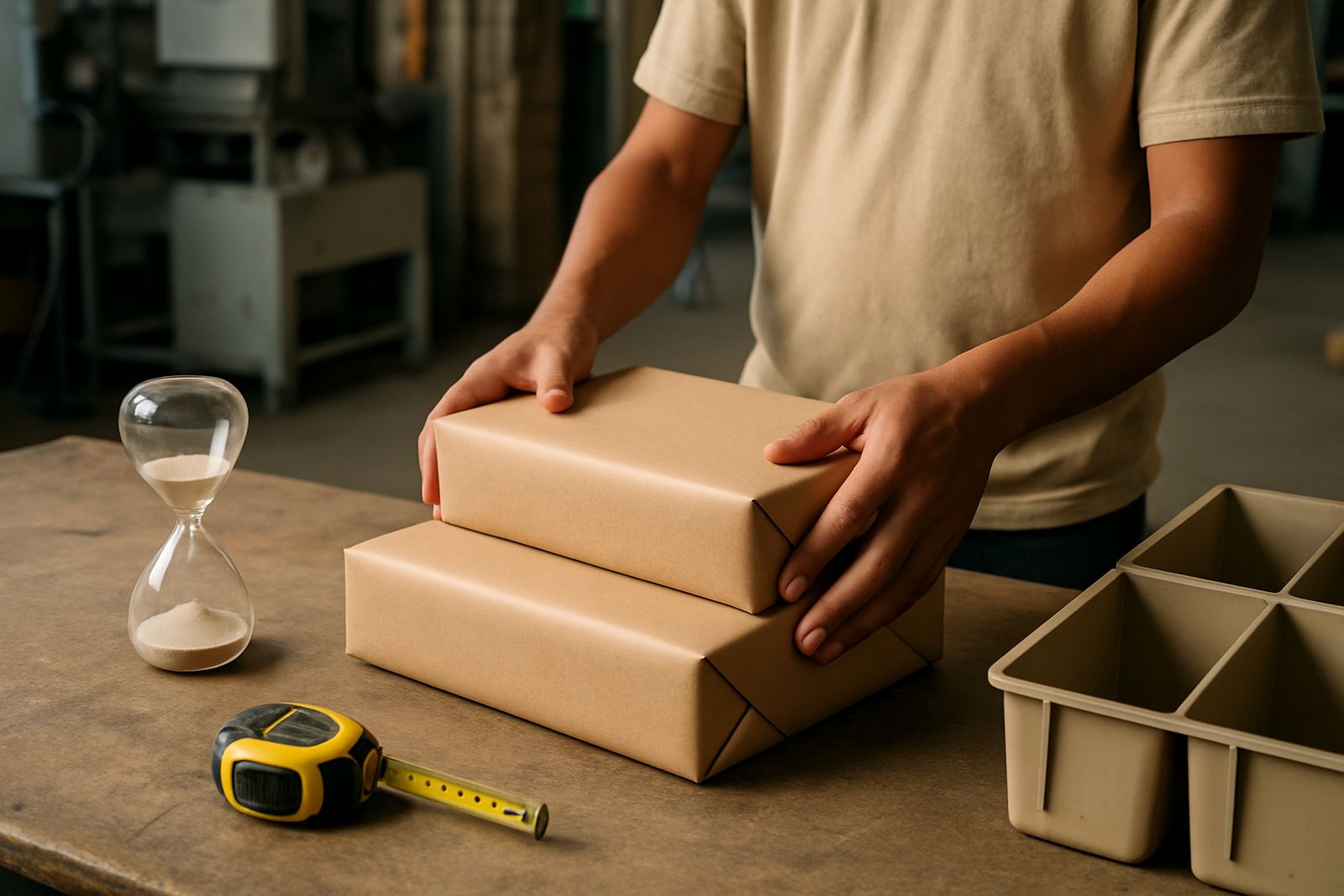
Dies are packed for courier movement to print finishers and packaging houses across South Africa. Secure packing matters because sharp edges, surface marking and loose components can affect the job once it arrives. Our dispatch process is set up for regular courier movement into Johannesburg, Pretoria, Durban, Cape Town, Gqeberha, Bloemfontein, Polokwane and Mbombela.
If a die arrives with a damaged corner or a press issue shows up on the sample impression, let us know straight away. We can advise on cleaning, damage assessment and the next step before the job is rerun. That saves time and avoids guessing at the press side.
- Keep the original artwork and approval notes on file
- Store dies in a dry area away from dust and moisture
- Check impressions after the first run, not at the end of the batch
- Report wear, misalignment or pressure marks early