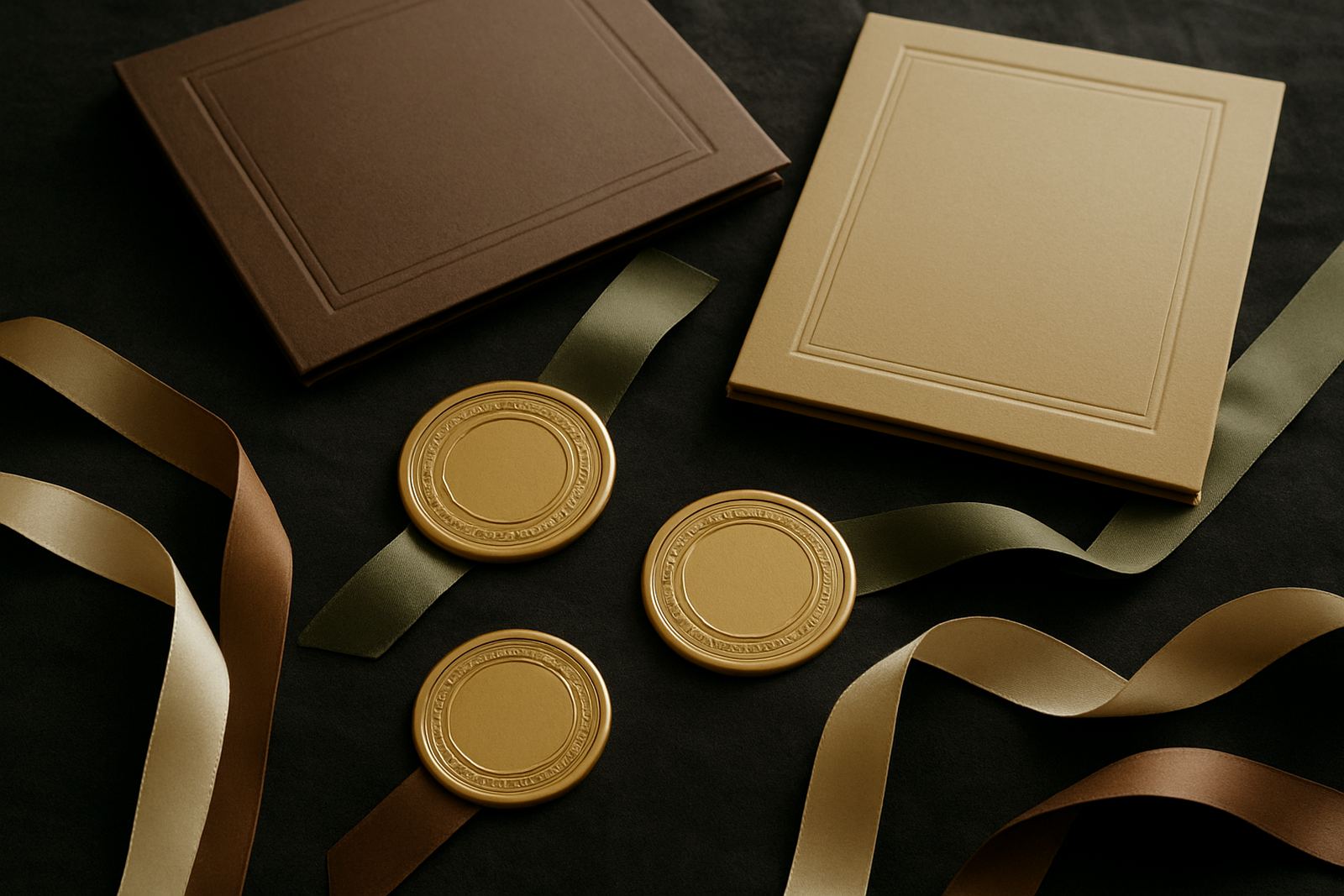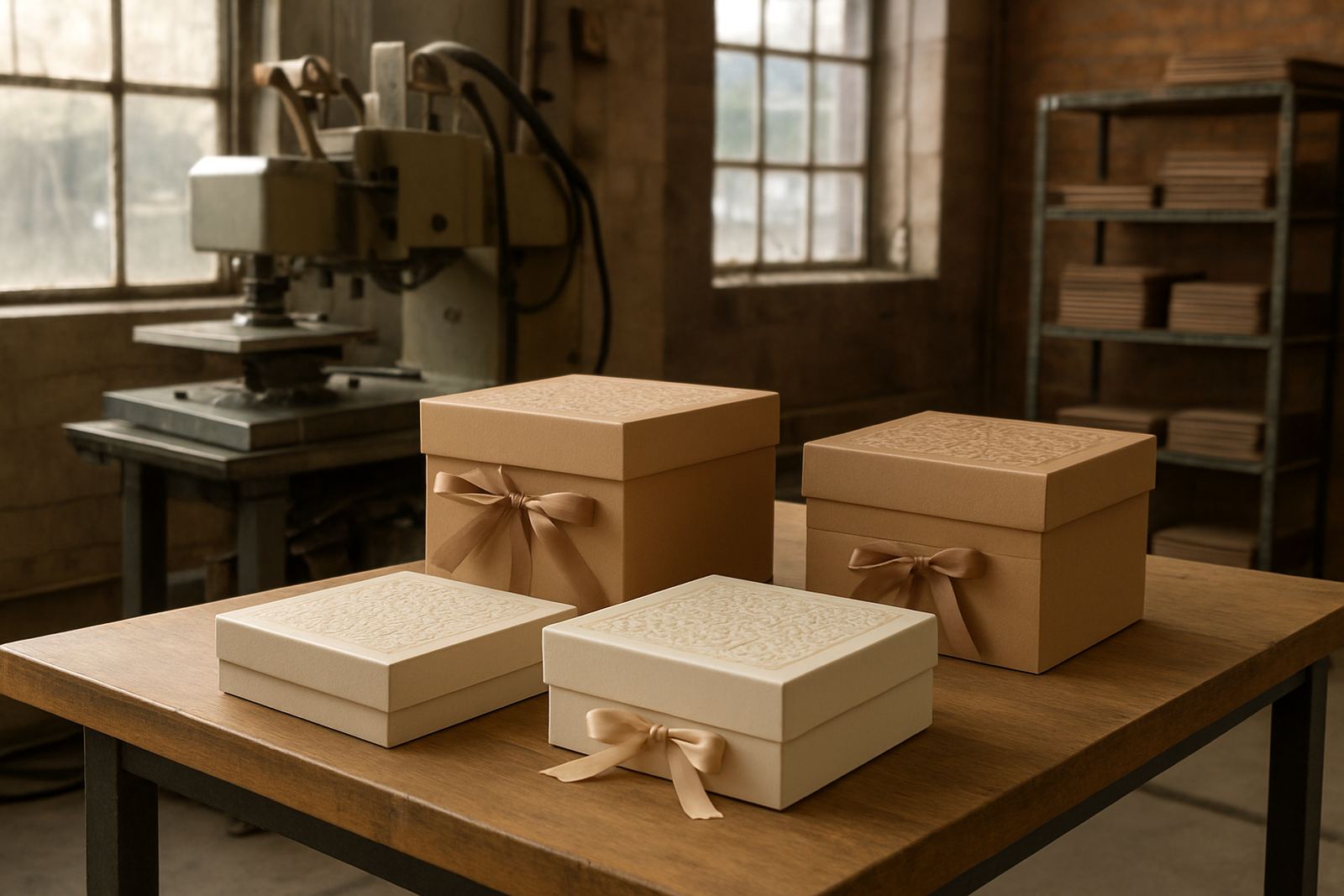

Short-run cosmetic labels with a tight launch date
The brief came from a label finisher in Randburg handling a cosmetic campaign for a local beauty brand. The job called for compact foil dies that could hold fine type, small border lines and a neat brand mark across a limited production run, with enough consistency for the labels to pass straight into finishing without extra fuss.
The main constraint was time. The campaign had a short window and the finisher needed the dies ready for press planning, hot foil setup and pack-off in one sequence. The labels were also going onto a coated stock that can show faults quickly, so the die detail had to be accurate and the impression depth had to sit right first time. No one wants to waste stock on a cosmetic run, especially when the print window is only a few days long.
We also had to work around a common finishing issue in Gauteng, where heat and dust can affect handling in the bindery if jobs sit too long before use. So we kept the file review tight, confirmed the artwork points that mattered, and prepared the dies for courier collection to Randburg without delay.
What we supplied for the Randburg job
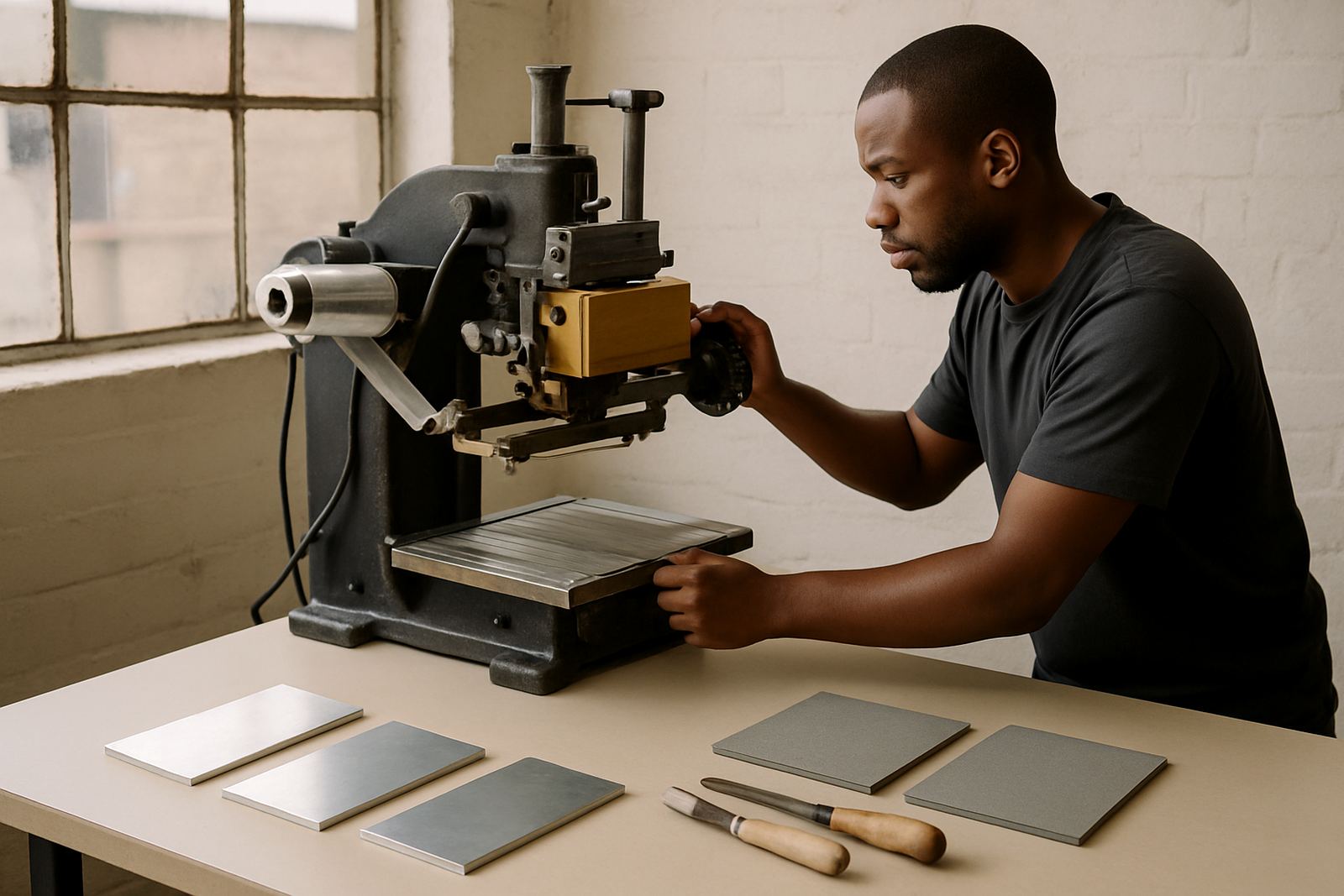
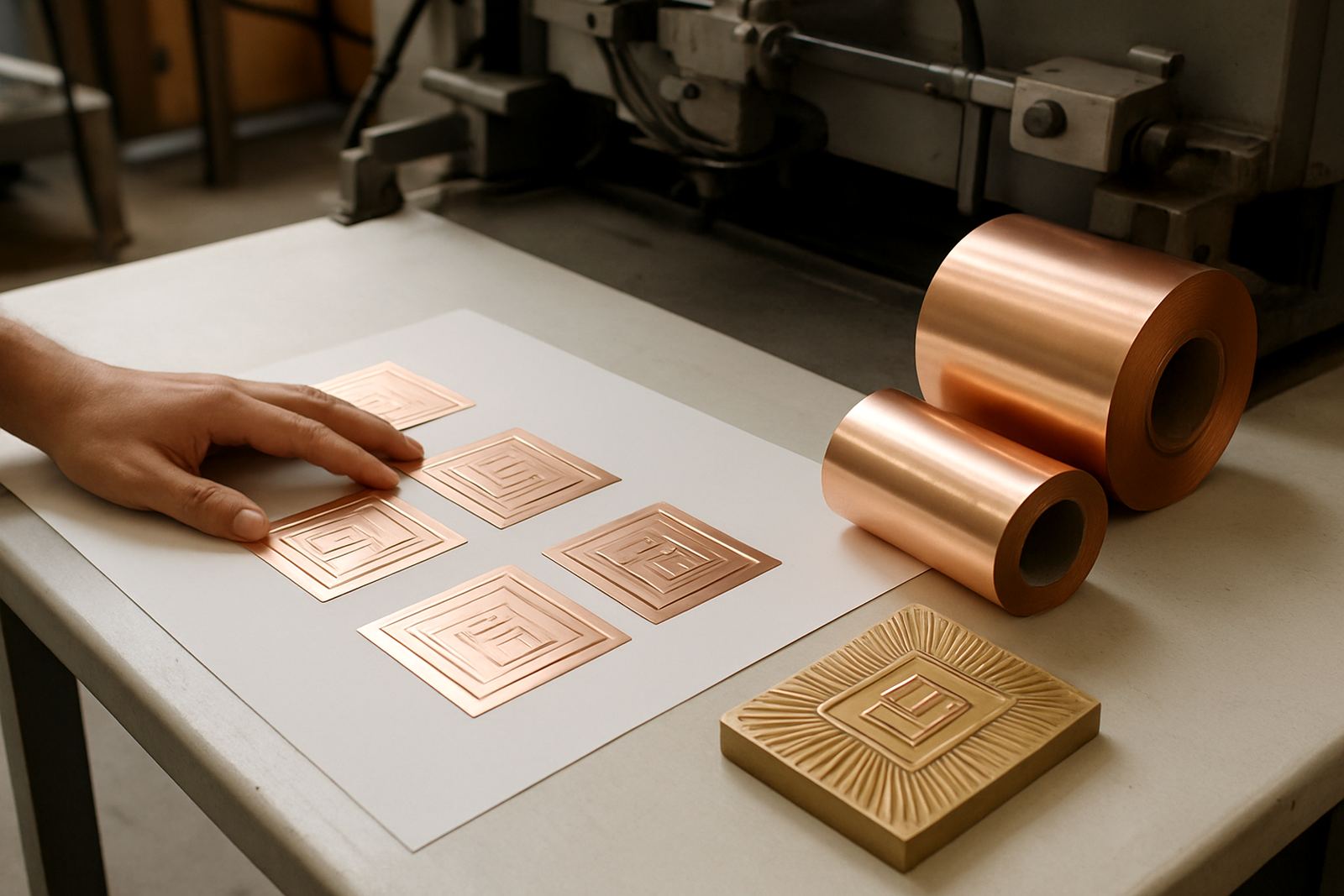
For this campaign we supplied precision-engraved brass foil dies for the key label elements, plus counterforce matching so the impression would stay even across the run. The artwork had a mix of fine lettering and small decorative detail, which meant the die edges had to be clean and the spacing accurate. A small error here shows up fast on cosmetic packaging.
- Brass hot-stamping dies for fine detail and repeated label use
- Counterforce matching for even pressure on the press
- Artwork checks to confirm line weight, spacing and foil suitability
- Sample impression advice to help the finisher set pressure and temperature
- Packing and dispatch for courier delivery into Randburg
We kept the build practical rather than complicated. The job did not need oversized tooling or extra decoration, just a die set that could deliver sharp foil edges on a short run. Because the finisher was working on a cosmetic label campaign, the finish had to be neat at close viewing distance, and the foil needed to sit cleanly on the label face without picking up rough edges.
Production steps over two weeks
The project ran over two weeks from first file review to delivery. In week one we checked the supplied artwork, confirmed the required die size, and flagged a few line thickness points that would have been too light for consistent foil transfer. After that, production moved into engraving and counterforce preparation. The team stayed on the job in-house so the measurements stayed aligned from start to finish.
By the start of week two, the die set was ready for finishing checks and packing. We prepared the dispatch documentation, wrapped the items for safe courier handling, and sent them to the Randburg finisher for their production slot. That timing gave the client enough room to fit the dies into setup and testing before the label campaign went live. The turnaround was quick, but it was still handled in the right order so nothing got rushed at the wrong stage.
- Week 1: artwork check, sizing confirmation and engraving prep
- Week 1: die cutting and counterforce matching
- Week 2: quality check, packing and courier dispatch
- Week 2: press setup support with sample impression guidance
Why the result held up on press
The main result was simple: the finisher got a set of dies that produced crisp foil marks on the first production setup, with no need for repeated adjustment. That matters on a short-run cosmetic job because every extra test sheet costs time and material. The labels showed clear edges on the logo and legible small type, which kept the brand detail intact on a compact face area.
We also made sure the die build suited the stock and the finish. Cosmetic labels often use a smooth coated surface, and if the pressure is too heavy the foil can spread or bruise the label. If it is too light, the detail looks thin and patchy. The counterforce matching helped the press operator land in the useful middle ground, and the result stayed steady across the run, even on a job that had limited room for error.
The client also benefited from having the job filed properly for repeat use. If the same label campaign comes back, the die records and artwork notes mean the next order can move faster. That saves time for the finisher and keeps the repeat setup more predictable.
What we would do again for a repeat order
If this Randburg label campaign came back tomorrow, we would handle it the same way: check the artwork early, confirm the smallest line elements, and build the dies to match the actual press conditions rather than guessing. That includes checking whether the finisher is running with foil on a warmer machine, or whether the stock has changed since the first print. A small stock change can affect impression more than people expect.
We would also keep the packing and dispatch just as tight. For Gauteng clients, especially those in the print finishing and packaging space, a fast courier handover can make the difference between meeting a booking and sitting on a press slot. The same applies for clients in Pretoria, Durban, Cape Town and the other main centres we serve nationwide, because the job still has to arrive ready to use.
- Recheck artwork if the label size or stock changes
- Confirm press conditions before repeat production
- Keep die records and job notes for faster reordering
- Use the same dispatch method for short turnaround work
That approach keeps repeat work calmer for everyone. The finisher knows what is coming, the press team gets the right tooling, and the label campaign can move through production without unnecessary stops.
Key facts
| Project type | Short-run cosmetic label campaign |
|---|---|
| Client area | Randburg, Johannesburg |
| Die material | Brass foil dies |
| Support supplied | Artwork checks, counterforce matching, sample impression advice |
| Turnaround | 2 weeks from approval to courier dispatch |
| Delivery | Couriered nationwide from Industria, Johannesburg |