
Textured Sleeve Brief from Cape Town
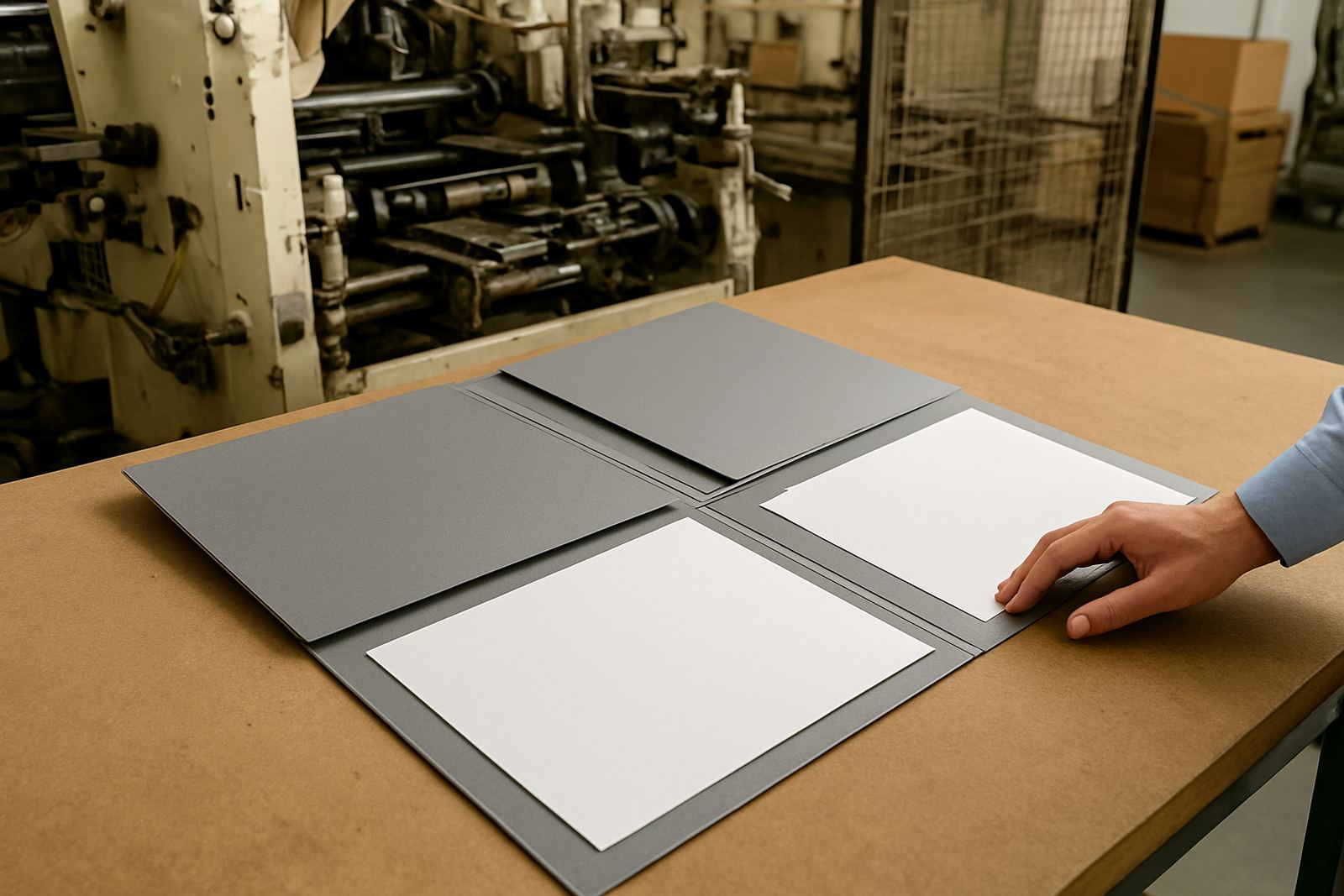
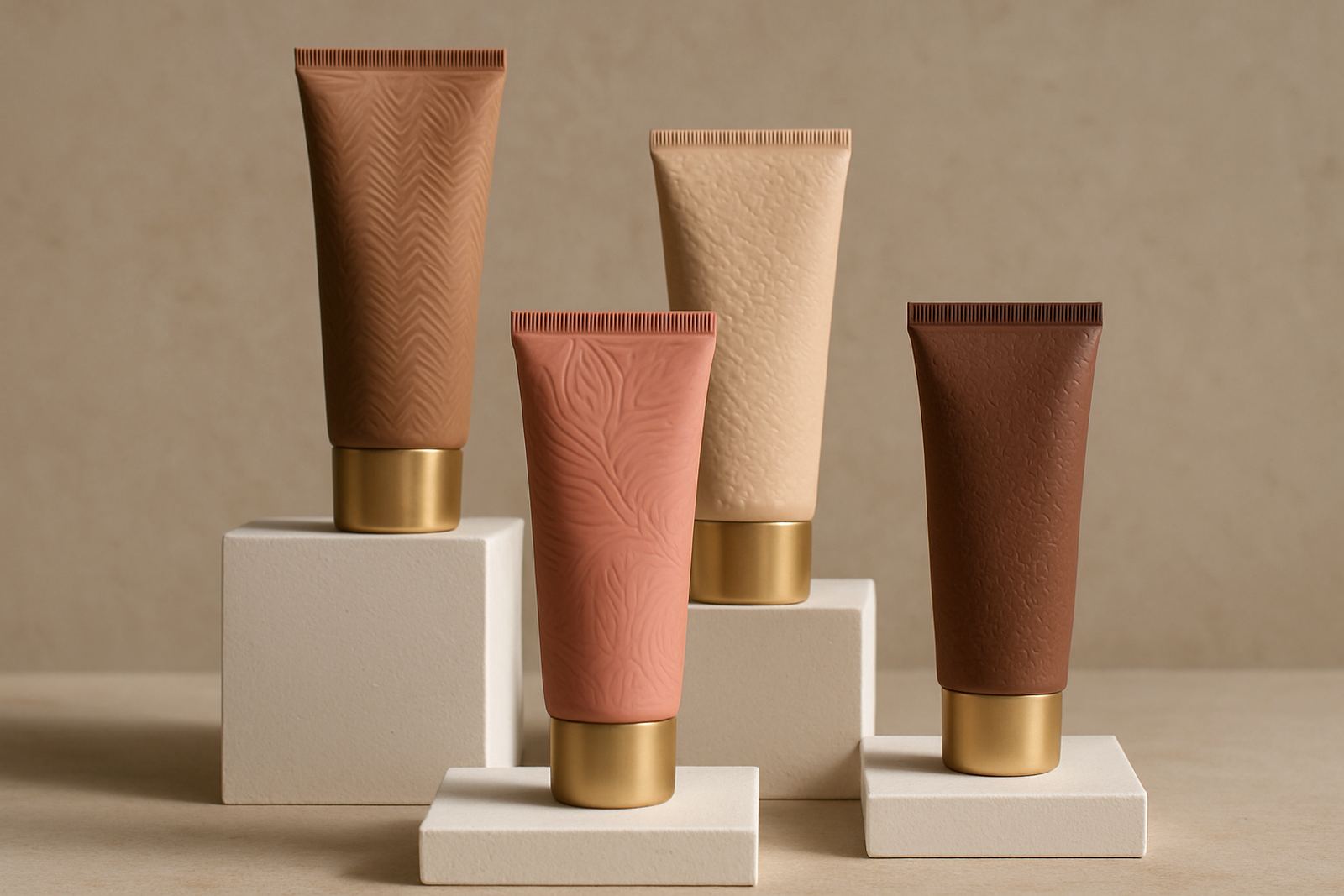
The brief came from a Cape Town packaging team producing cosmetic sleeves for a premium range. Their sleeves used heavy stock with a textured surface, so the embossing had to be clean enough to read under side light, yet controlled enough not to crack the board or distort the printed artwork.
They needed a set of embossing plates for a new sleeve size, plus advice on how the raised areas would behave on press. The artwork contained fine type, small icons, and a border line that sat close to the fold areas, which meant the margin for error was tight. In simple terms, the plate had to add depth without making the pack look busy or uneven.
- Client type: cosmetic packager and print finisher in Cape Town
- Product type: embossed outer sleeves for cosmetic packaging
- Material: coated board with a textured finish
- Challenge: fine detail, close registration, and fold-sensitive areas
What the Production Team Had to Solve
Textured board behaves differently from smooth carton. The surface can hold back pressure in some areas and take too much in others, so the result can look patchy if the plate is not planned properly. The team also wanted the emboss to work with their existing finishing setup, because changing tooling every time a sleeve size changes slows the whole line down.
We checked the supplied artwork for line weight, relief depth, and the spacing around the logo mark. That review showed two likely problem points. First, the fine text near the edge needed a cleaner break so it would not disappear into the grain of the board. Second, the central crest area needed a stronger but not deeper impression, otherwise the sleeve would show bruising on the reverse side.
- Artwork check for minimum line thickness and safe spacing
- Review of emboss depth against board weight and texture
- Counterforce matching to reduce crushing on the reverse side
- Advice on orientation for repeat feeding and finishing setup
Die Design and Plate Preparation
Once the brief was confirmed, we moved into die design and plate preparation. For this kind of job, accuracy starts before engraving. The artwork was cleaned up, linework was adjusted where needed, and the final plate layout was set to suit the sleeve size and the press side the client was using.
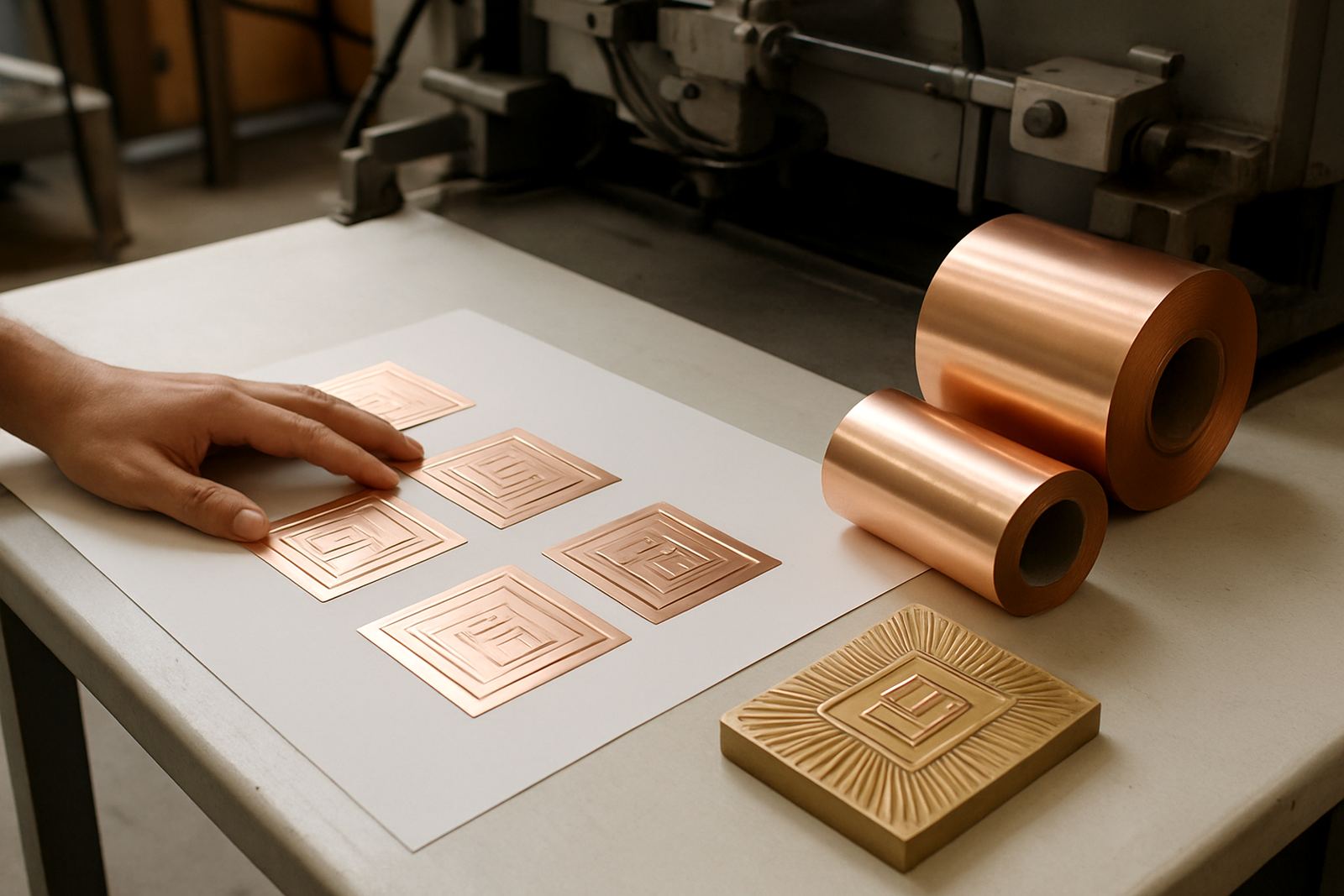
We produced brass embossing plates for the main feature areas, with the relief set to suit the tactile effect the client wanted. Brass was the better fit here because it holds detail well, especially on longer runs where a softer plate can start to lose form. The plates were engraved to support consistent pressure across the image area, with attention to corners and small internal detail. One small adjustment was made after the first proof review, as the border line needed a touch more clarity at the fold edge, nothing major but it made a difference.
- Plate material: brass for fine detail retention
- Relief set to suit textured board and cosmetic presentation
- Edge areas adjusted to protect fold lines
- Final layout matched to the sleeve size and press orientation
Timeline from Approval to Dispatch
The job moved through approval, engraving, and dispatch in just over two weeks. That included artwork checking, final sign-off on the plate layout, production in our Johannesburg base, and courier dispatch to Cape Town. Because the client was working to a packaging release date, we kept the communication tight and only asked for the details that affected the tool, not unnecessary back and forth.
Time matters in print finishing, especially when other stages like folding, gluing and pack-off are already booked. We planned the job so the plates could go out with enough time for the finisher to fit them, test pressure, and confirm the first impression before full production. The client was also dealing with load-shedding on their side, so we made sure the pack-out and dispatch timing suited their receiving window.
- Week 1: artwork checks and plate approval
- Week 2: engraving, counterforce matching, final inspection
- Week 2 to 3: packing and courier dispatch to Cape Town
- Total turnaround: a little over 2 weeks
Results on the Finished Cosmetic Sleeves
The sleeves came off with a sharper tactile feel and cleaner visual definition than the client had previously managed on the same substrate. The raised logo stood proud without crushing the surrounding print, and the fine text remained readable, even on the textured stock. The client also found that the plates repeated well across the run, which meant less stopping and fewer setup adjustments.
For cosmetic packaging, the look has to feel deliberate. If the emboss is too soft, the pack looks ordinary. If it is too deep, the surface can look bruised or the board can split at the edges. This job landed in the right middle ground. The client later filed the job for repeat ordering, which helps when they need the same sleeve again for a new batch or a seasonal reprint.
- Cleaner raised image on textured board
- Better legibility on fine type and small decorative detail
- Reduced reverse-side marking during pressing
- Repeat order ready for future production runs
What We Would Do Again for Similar Cape Town Work
If we were handling the same kind of sleeve again, we would follow the same process: check the artwork early, confirm the board type, and match the emboss depth to the actual finishing setup rather than guessing from a mockup alone. That approach saves time and avoids rework once the plate reaches the finisher.
For Cape Town packagers working with textured cosmetic sleeves, the main lesson is that the plate and the substrate need to be treated as one system. A good design on paper is only half the job. The other half is making sure the tooling, pressure, and counterforce all work together on press. That is where proper die design and practical production experience matter most, especially when the stock comes from one supplier, the print from another, and the finishing stage is under a deadline.
We would use the same method for similar jobs in Johannesburg, Durban, Pretoria, Gqeberha or anywhere else that needs reliable embossing plates couriered to the line on time.
Key facts
| Project type | Embossing plates for textured cosmetic sleeves |
|---|---|
| Client location | Cape Town |
| Material | Brass embossing plates |
| Turnaround | Just over 2 weeks |
| Key services used | Artwork checks, die design, engraving production, counterforce matching, packing dispatch |
| Dispatch method | Couriered nationwide from Industria, Johannesburg |