
When invitation work needs a cleaner finish
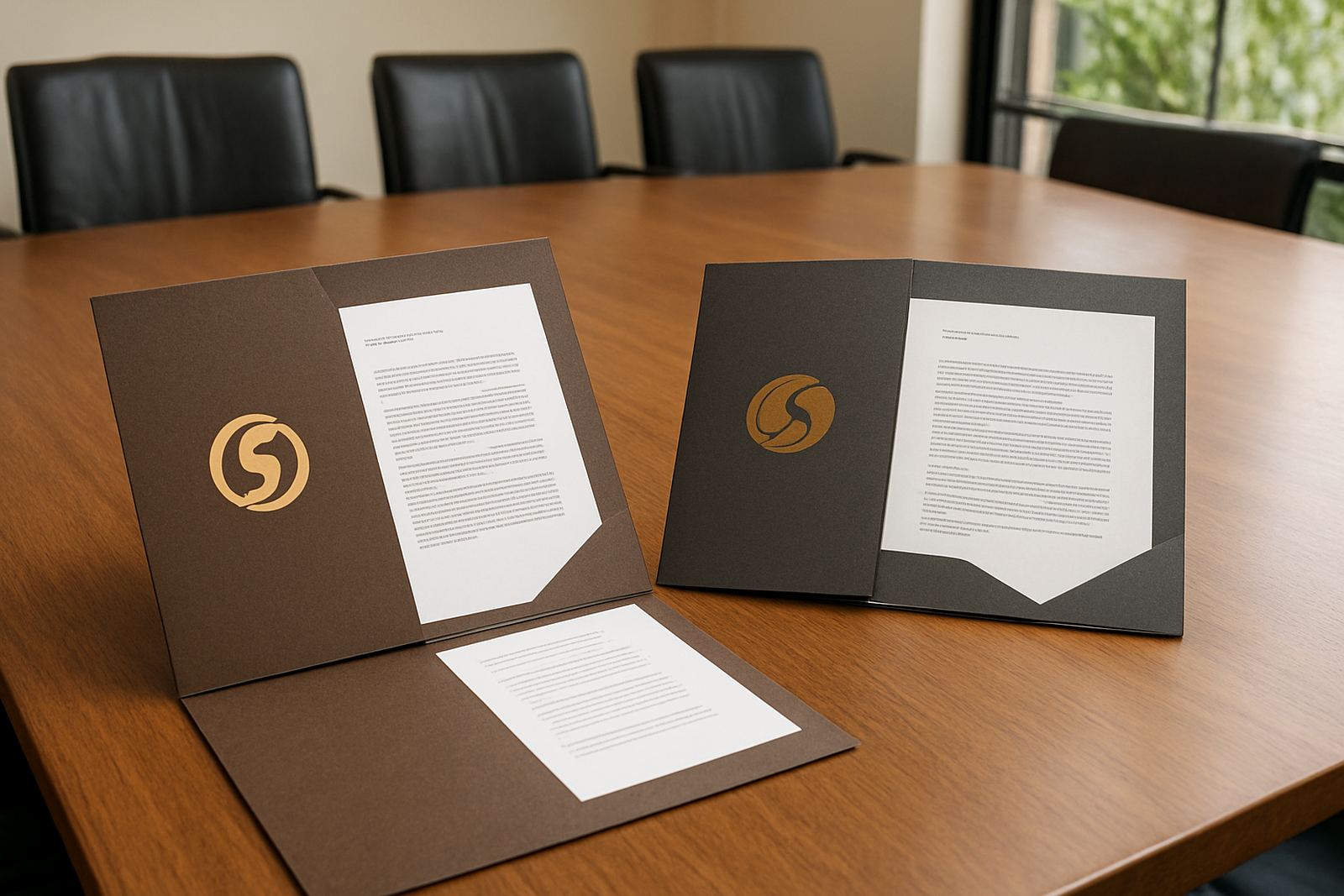
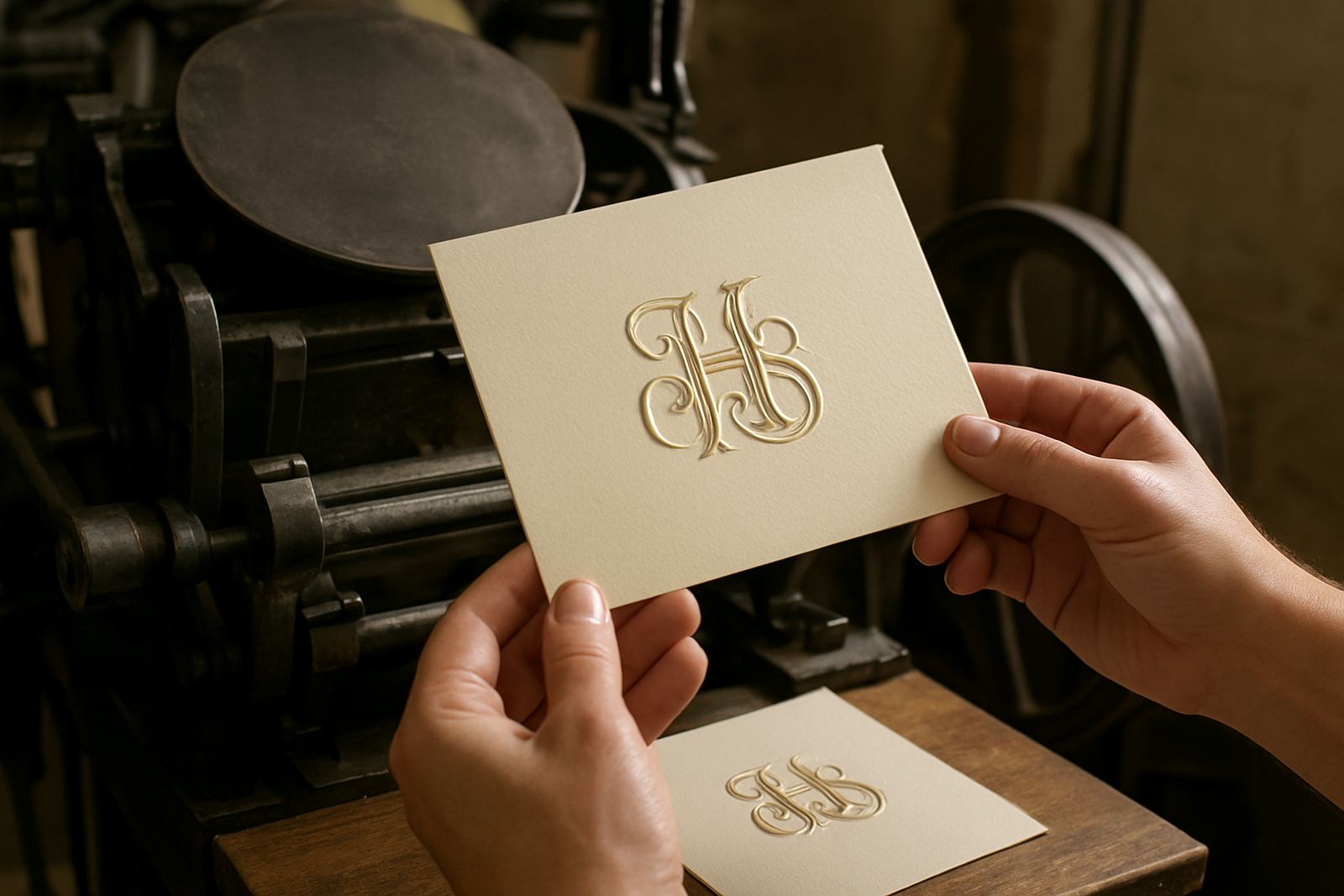
Invitation work is unforgiving because every detail is on show. A wedding suite, gala invite or launch package may include a card outer, vellum wrap, insert card and reply card, so the foiling and embossing have to line up properly across different stocks and folds. If the die is off by even a fraction, the whole piece feels untidy. We make brass and magnesium hot-stamping dies and embossing plates for this kind of work, with attention to fine type, monograms, borders and crest details.
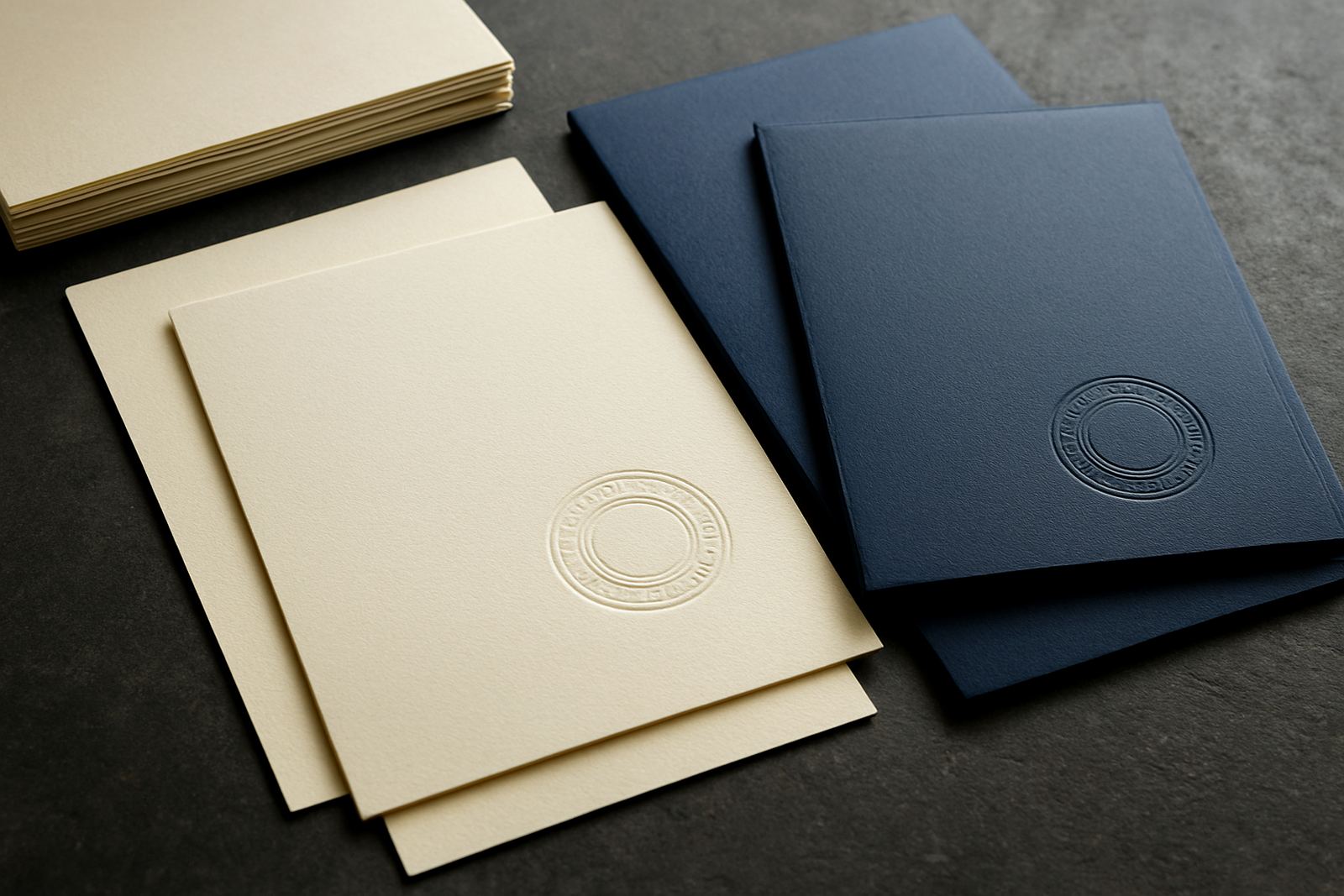
Most invitation clients come to us when they need sharp metallic lettering, a deep blind emboss or a raised mark that sits neatly on coated board, cotton stock or textured paper. In Johannesburg, Pretoria, Durban, Cape Town and the smaller towns too, print finishers often need a die that works first time because event dates do not move. That is where good artwork checks and sensible planning matter just as much as the metal itself.
Typical die set for a formal invitation suite
For invitations, the usual setup is smaller than packaging work but the detail level is higher. A typical set may include a foil die for names or wording, an embossing plate for a crest or border, and sometimes a counterforce insert to support the opposite side of the sheet. If the invitation uses multiple language versions or matching inserts, we can help with repeat ordering and job filing so later reprints stay consistent.
- Brass dies for fine detail, deeper impression and longer runs
- Magnesium dies for faster turnaround on shorter runs
- Embossing plates for raised or debossed effects
- Counterforce matching for cleaner pressure on heavier board
- Sample impression advice before full production
For delicate invitation work, the choice between brass and magnesium depends on run length, stock thickness and the amount of detail in the artwork. If the project is a one-off wedding suite with 100 to 300 sets, magnesium can be practical. For premium suites, multiple reorders or heavier schedules, brass is often the better choice.
Layout and artwork advice before engraving starts
Invitation artwork should be set up with the finishing method in mind, not added at the end. Fine script fonts can close up when foiled too tightly, and thin border lines can disappear on textured paper. Keep important wording clear of folds, die edges and punch positions. If the suite includes envelopes, belly bands or pockets, allow for the extra thickness before you finalise the layout. A design that looks perfect on screen can shift once it is pressed into card.
We check artwork for line thickness, spacing, scale and whether the detail will hold at the chosen size. For hot foiling, solid blocks, larger type and clean letter spacing tend to perform better than very small script. For embossing, a strong silhouette often gives the best result. If you are matching an existing invitation style, bring a sample or clear image so we can compare height, position and pressure requirements. That saves time and avoids costly rework.
- Leave safe margins around edges and folds
- Avoid very thin lines below practical foiling limits
- Plan for the paper grain and texture
- Allow extra room for layered invitation components
- Confirm the final size before engraving begins
Common mistakes that spoil an invitation suite
The most common problem is treating the die as a simple last step. In reality, invitation finishing depends on stock choice, machine pressure, temperature and registration. If the board is too soft, the foil can sink unevenly. If it is too hard, the emboss may be too shallow or crack the surface. Many clients also underestimate how much the press setup changes between a flat card and a folded suite.
Another mistake is sending artwork that is too busy. Invitations need restraint. Too many lines, frames and decorative flourishes can make the final impression look crowded. We also see jobs where the supplier forgot to account for the envelope flap, the ribbon tie or the folded insert, which then throws the whole set out. A proper damage assessment and sample impression check helps avoid all that. If a die is worn from a previous run, die cleaning or alteration may be enough rather than starting again.
- Using artwork that is too detailed for the chosen stock
- Ignoring pressure balance on embossed areas
- Forgetting folds, flaps or insert thickness
- Starting production without a sample impression
- Reordering without checking old job notes first
Budget ranges for invitation die work in Rand
Invitation budgets vary with size, material and turnaround. A simple magnesium foil die for a short run usually starts in the lower range, while a brass die with fine detail and a matching embossing plate will cost more. As a practical guide, small invitation dies may begin from around R450 to R900, while more detailed brass sets can move from about R1 200 to R3 500 or more depending on complexity, size and matching requirements. Urgent turnaround and alterations can add to the total.
For formal suites, it is worth planning the die cost against the overall print value. A premium invitation with metallic finish, embossed monogram and coordinated inserts can justify a higher tooling spend because the finish carries the whole piece. If you are producing for a one-day event or a tight wedding schedule, factor in courier time from Industria, Johannesburg to your finisher and back again, especially when jobs must move between cities. We dispatch nationwide, so the budget should include packing and courier to places like Durban, Gqeberha or Polokwane when needed.
How we handle repeat orders and time-sensitive runs
Invitation work often comes in stages. A client may start with a small proof run, then need more sets after venue numbers change or RSVP totals increase. We keep job filing in order so repeat ordering is straightforward, and we can refer back to the original die details rather than starting from scratch. That helps keep names, dates and layout positions consistent across later batches.
For urgent projects, the best approach is to send clean artwork and clear instructions as soon as possible. Tell us the stock type, finished size, foil area and whether the job needs embossing as well. If the project has a fixed event date, let us know the delivery town and the date the finisher needs the die in hand. Thabo Mokoena and the team in Industria handle these jobs every week, and with the right information at the start the whole process moves faster and with less back-and-forth.