When a certificate needs to look official, not ordinary
Certificates and award covers are often handed over in boardrooms, on stages, at schools, colleges, churches and annual corporate functions. The finish has to carry weight. A poorly aligned seal or a soft impression can make the whole piece feel rushed, even when the printing is good.
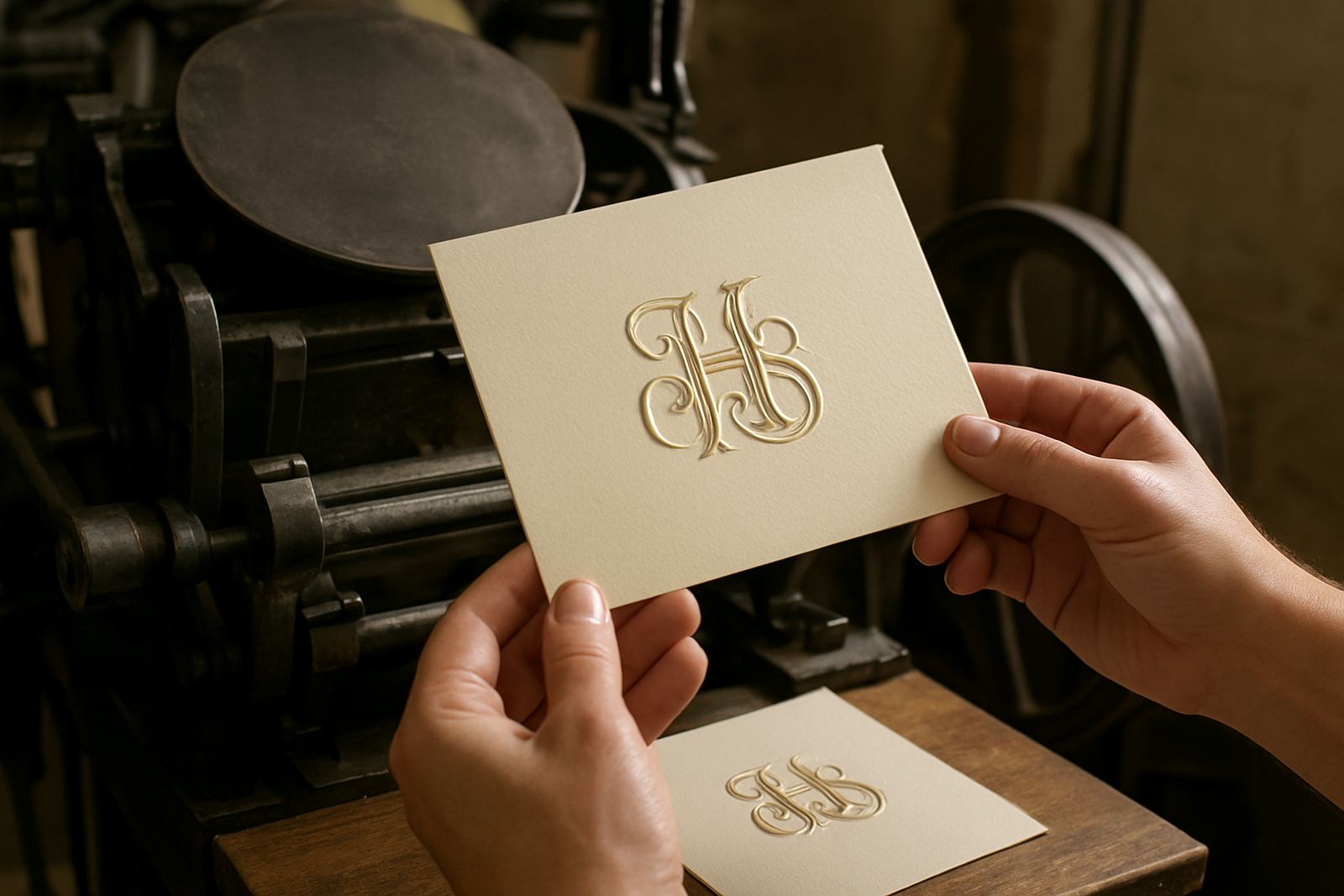
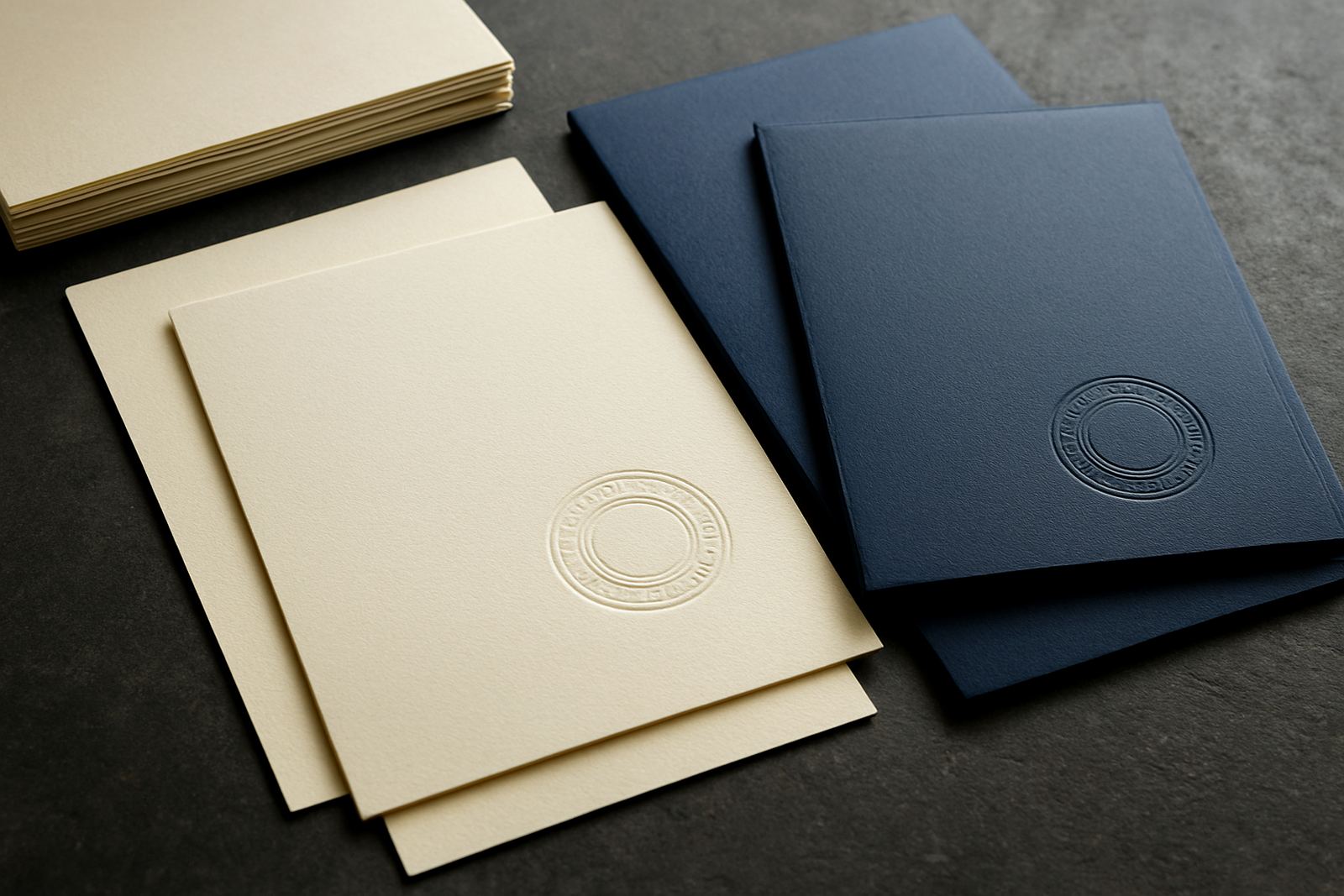
For this use case, we usually supply title dies, seal dies and embossing plates that are sized to suit the layout already approved by the client. That may be a single crest, a formal heading, a framed border, or a commemorative line with dates and recipient wording. In many jobs the challenge is not only the artwork, but the stock itself. Some covers are coated and smooth, others have texture or a deep grain, so the die and counterforce must match properly.
Typical tooling set for award and certificate finishing
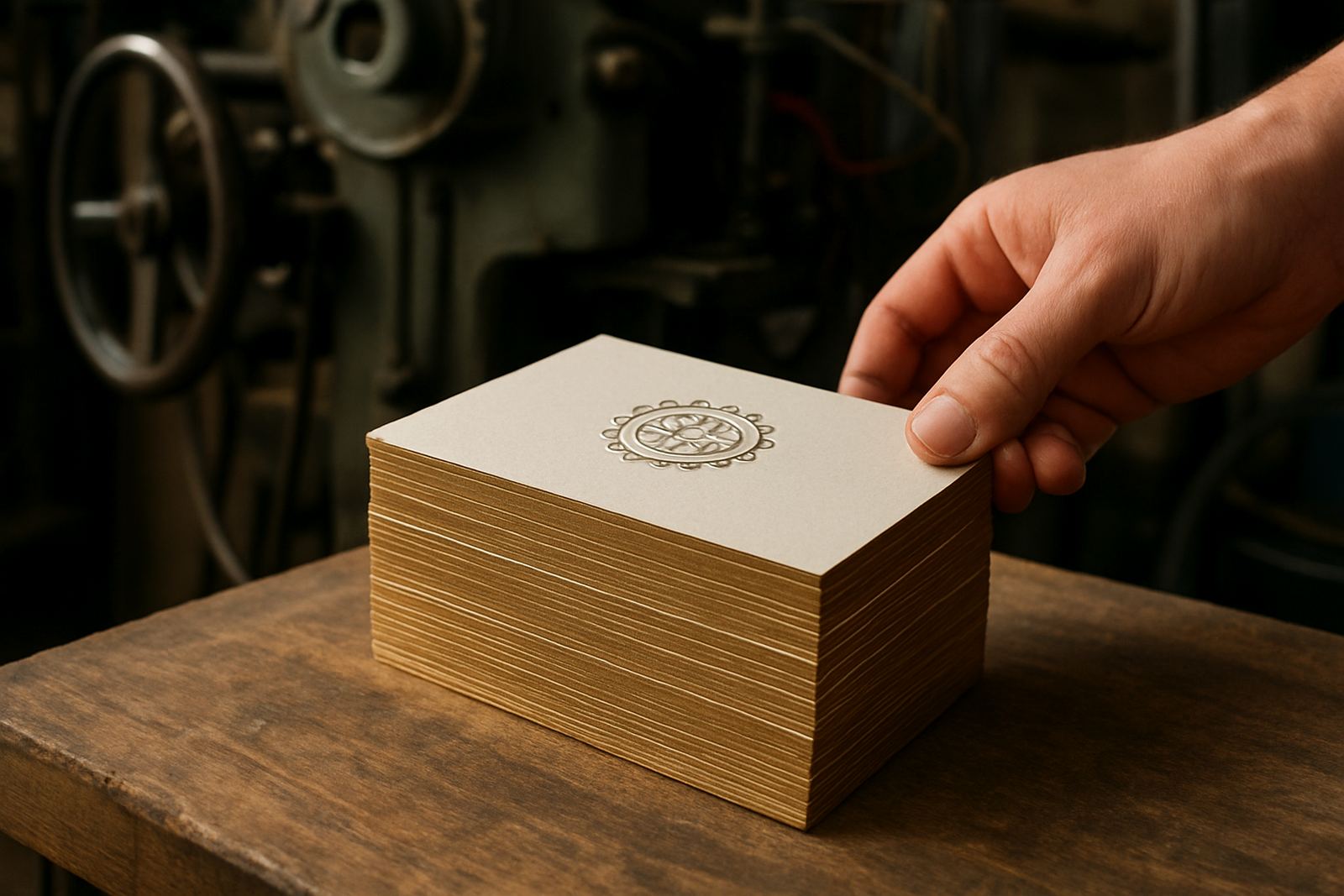
The right tooling depends on whether the job is foil stamping, blind embossing, or a combination of both. Brass is often selected where the run is longer, the image is detailed, or there is more pressure on the press setup. Magnesium is commonly used for shorter runs and quicker turnaround where the artwork is straightforward. Both can work well if the artwork is clean and the pressman has the right make-ready.
- Brass or magnesium hot-stamping die for the title or seal
- Matching embossing plate for raised detail
- Counterforce for heavier board, cover stock or textured material
- Artwork cleanup for fine lines, small text and spacing
- Job filing for repeat orders and future reprints
If the certificate includes signatures, numbering or an institution crest, those elements should be reviewed before engraving starts. Small type that looks fine on screen can close up once heat and pressure are applied, so spacing needs to be checked properly.
Layout planning before the die is cut
Good planning saves time and avoids wasted stock. On certificate work, the die size should suit the available print area and leave enough room for trim, binding holes, tabs, ribbon slots or corner fittings where needed. A title that sits too close to the edge can crack the board during embossing, especially on heavier covers.
We recommend sending final artwork in vector format where possible, with clear sizing in millimetres. If the job will be repeated for a school year, annual awards evening or commemorative project, it is worth keeping the original measurements and finish notes on file. That makes repeat ordering easier and helps keep the result consistent from one batch to the next.
- Confirm the exact finished size of the cover or certificate
- Allow safe margins around borders, crests and signatures
- Note whether the finish is foil, blind emboss or both
- Tell us if the stock is coated, textured or laminated
- State whether the job is a once-off or a repeat run
Common mistakes that cause poor impressions
Many certificate jobs fail on the small details. The most common problem is artwork that has too much fine text or too many thin rules. Another is ordering a die before the printer has confirmed the stock thickness. If the cover is heavy but the counterforce is wrong, the impression may be uneven or too shallow.
We also see jobs where the finish was planned for one machine but sent to another without checking the chase size or plate format. That can delay production and add extra handling. In some cases, clients ask for a last-minute change to a date or title after engraving has begun, which usually means starting again. It is better to check the spelling and layout once more before production, even if the event is close.
Budget ranges for certificate and award tooling
Budget depends on die size, detail level, material choice and whether the job needs extra setup such as counterforce or alteration work. For a simple certificate title die or seal, many jobs start in the lower range. More detailed crests, larger award covers and matching embossing sets cost more because the engraving time and finishing are higher.
As a working guide, small magnesium dies for straightforward text or a simple mark may fall in the R750 to R1 500 range. Brass dies for finer detail or longer use often sit between R1 800 and R4 500, while larger or more intricate award tooling can go beyond that depending on size and complexity. Counterforce, cleaning and die alterations are usually quoted separately. For schools, corporates and associations, repeat orders can keep the second and third run more manageable because the base file and measurements are already on record.
Couriering to finishers nationwide from Industria
We are based in Industria, Johannesburg and courier dies to print finishers, packaging houses and award producers nationwide, including Pretoria, Durban, Cape Town, Gqeberha, Bloemfontein, Polokwane and Mbombela. Turnaround can be planned around event dates, but urgent jobs should be sent with full details from the start so there is no back and forth. If the deadline is tight, let us know the press type, the stock and the finish needed, not just the date of the event.
For certificate and awards work, clear communication matters. Send the artwork, tell us what the piece is used for, and note whether the finish must match a previous year. Our team handles artwork checks, die design, engraving production, sample impression advice, packing dispatch and job filing, so future reorders are simpler. A good die should do its job quietly and accurately, and then keep doing it when the next ceremony comes around.