What We Change on Existing Dies
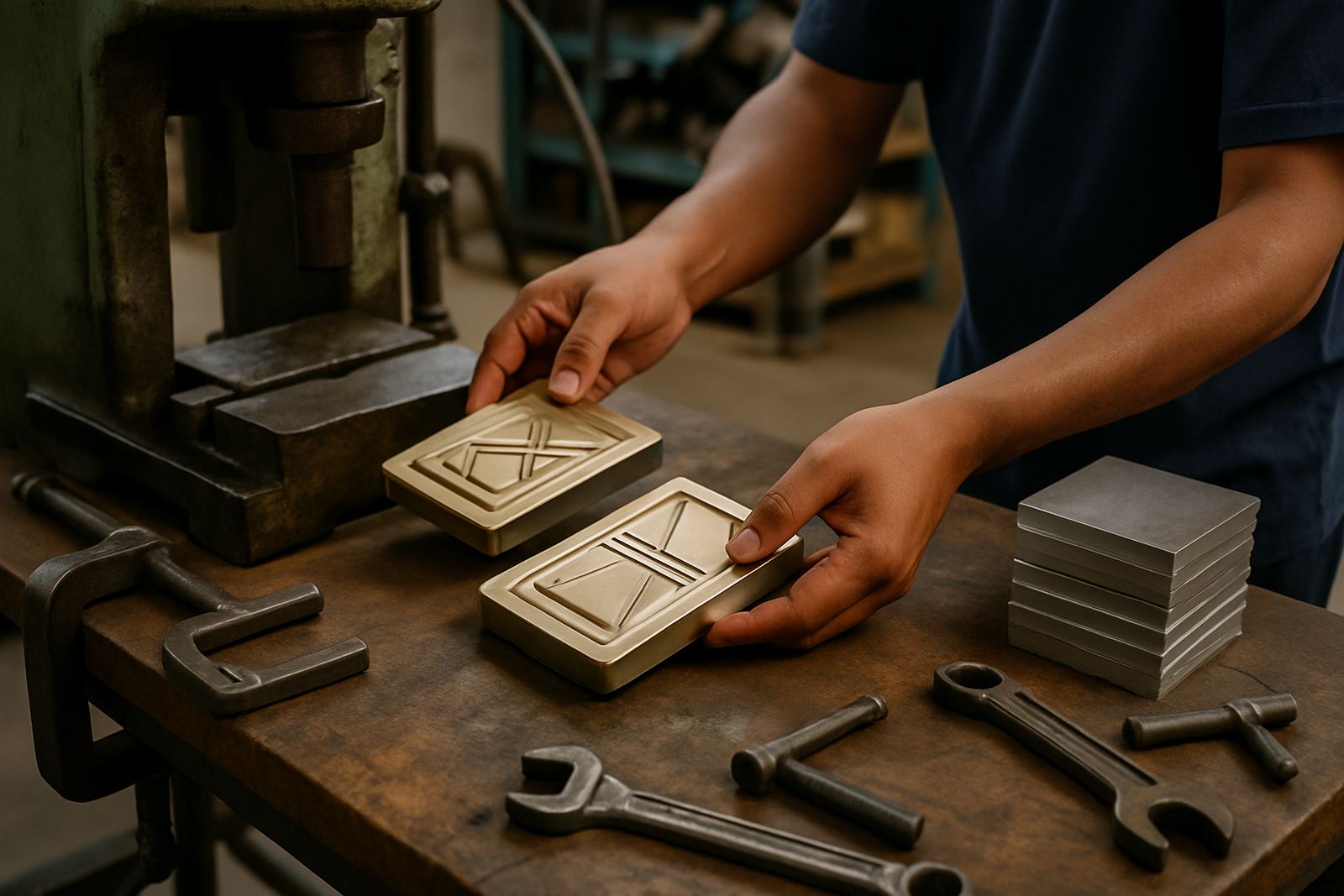
Die alterations are best for small but important changes to an existing brass or magnesium die, especially when the core layout still works. In our Industria workshop we review the current tool, compare it to the revised artwork and then update only what is needed. That can include a line of text, a date, a size adjustment, a spacing correction or a simple repositioning of a logo element. For print finishers and packaging houses, this often saves time and cost compared with starting from zero.
We work on dies used for hot stamping and embossing across offset, flexo and finishing applications. The aim is to keep the new version accurate enough for clean pressure transfer, while preserving the original alignment and mounting points where possible. If the change is too large, we will advise whether a new die is safer. We would rather say so upfront than send out a tool that gives you trouble on press later.
- Text edits and spelling corrections
- Small artwork repositioning
- Size changes within practical limits
- Removal or addition of simple elements
- Counterforce matching after layout changes
When an Alteration Makes Sense
An alteration usually makes sense when the artwork is close to the old version and the die base is still in good condition. It is common with seasonal packaging, updated contact details, product name changes or revised legal wording. If you are running repeated jobs into Johannesburg, Pretoria, Durban, Cape Town, Gqeberha, Bloemfontein, Polokwane or Mbombela, an altered die can keep the supply chain tidy and avoid delays from a fresh approval cycle.
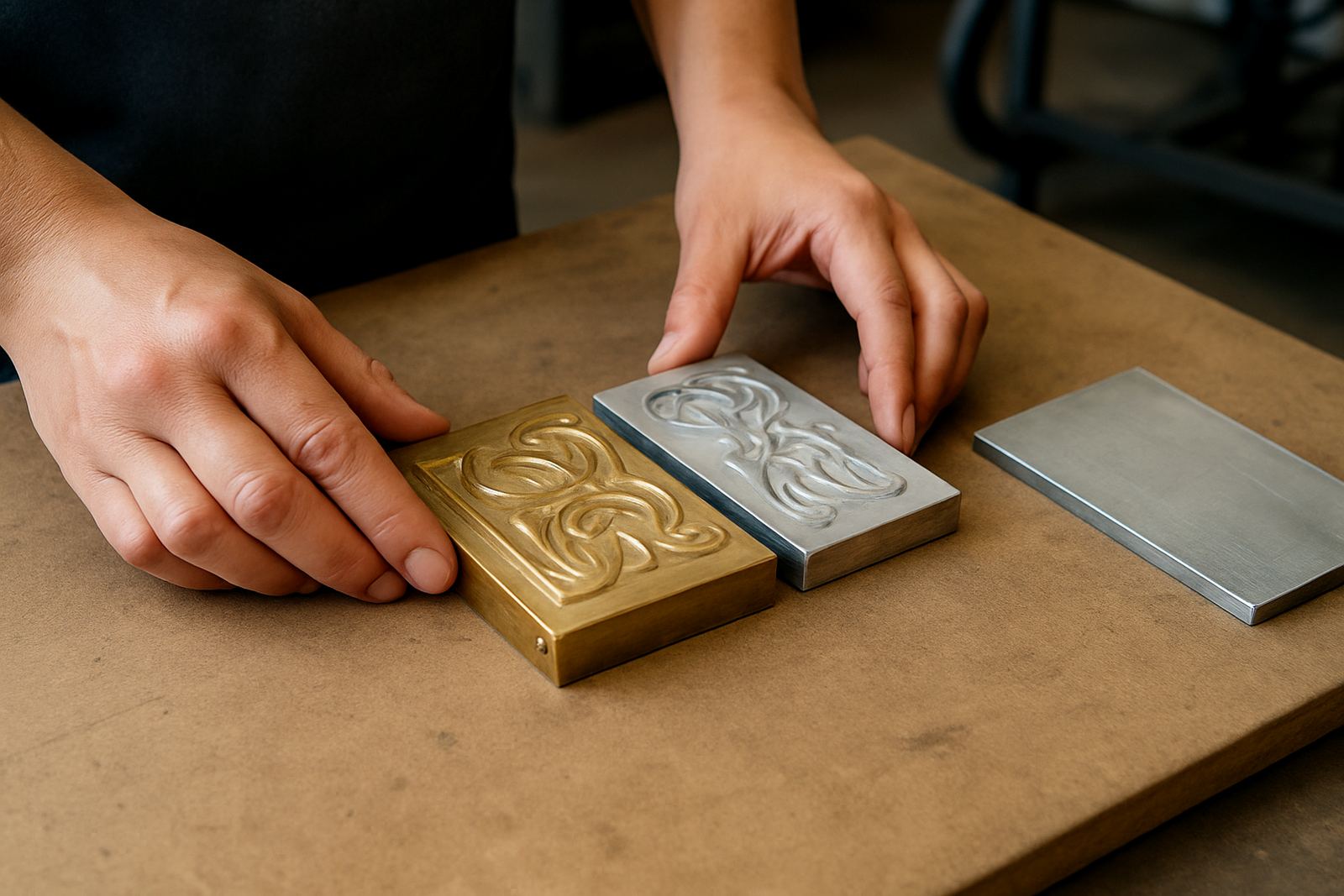
We will not recommend alteration if the original detail is too shallow, the metal is worn, or the change would create weak edges and poor impression quality. Brass can usually carry more refined modification work than magnesium, but both need to be assessed properly. On some jobs a small alteration is all that is needed, on others the cleaner result comes from a new engraving. That judgement matters when you are running tight deadlines and the press window is already booked.
- Minor label or packaging copy changes
- Updated batch or product information
- Small dimension corrections after sample checks
- Artwork revisions for repeat orders
- Fixes after a sample impression shows alignment issues
Our Alteration Process From Enquiry to Dispatch
Clients reach us through the enquiry form on our contact page and send the current artwork, the requested changes and any sample impression notes. Megan checks the artwork files and Lerato helps confirm the practical job details so we can see exactly what must be changed. If a physical die is coming back for alteration, Sibusiso manages packing and dispatch so it returns safely from anywhere in South Africa. We see a lot of dies couriered in from finishers who need a quick turn, and careful packing makes a real difference.
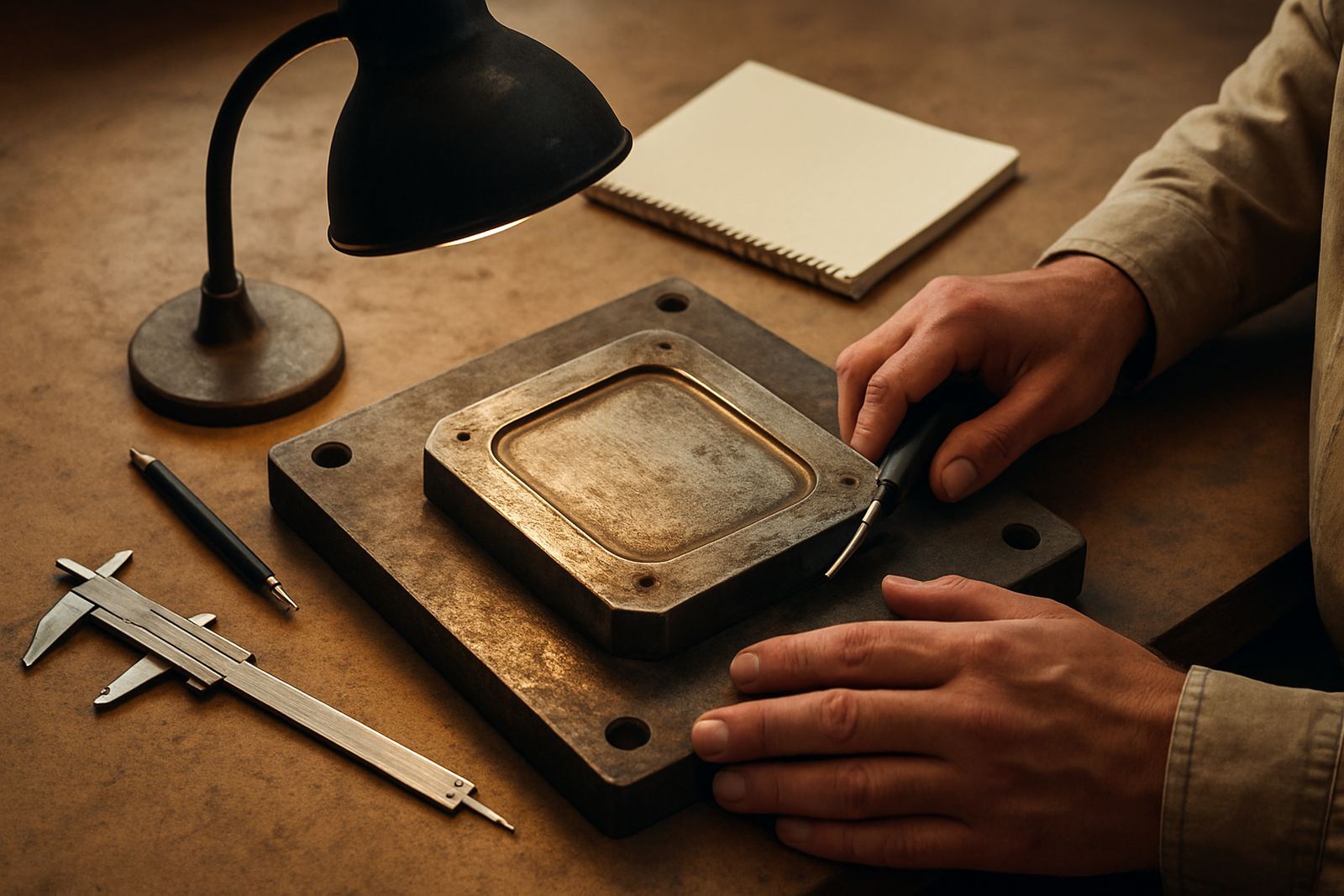
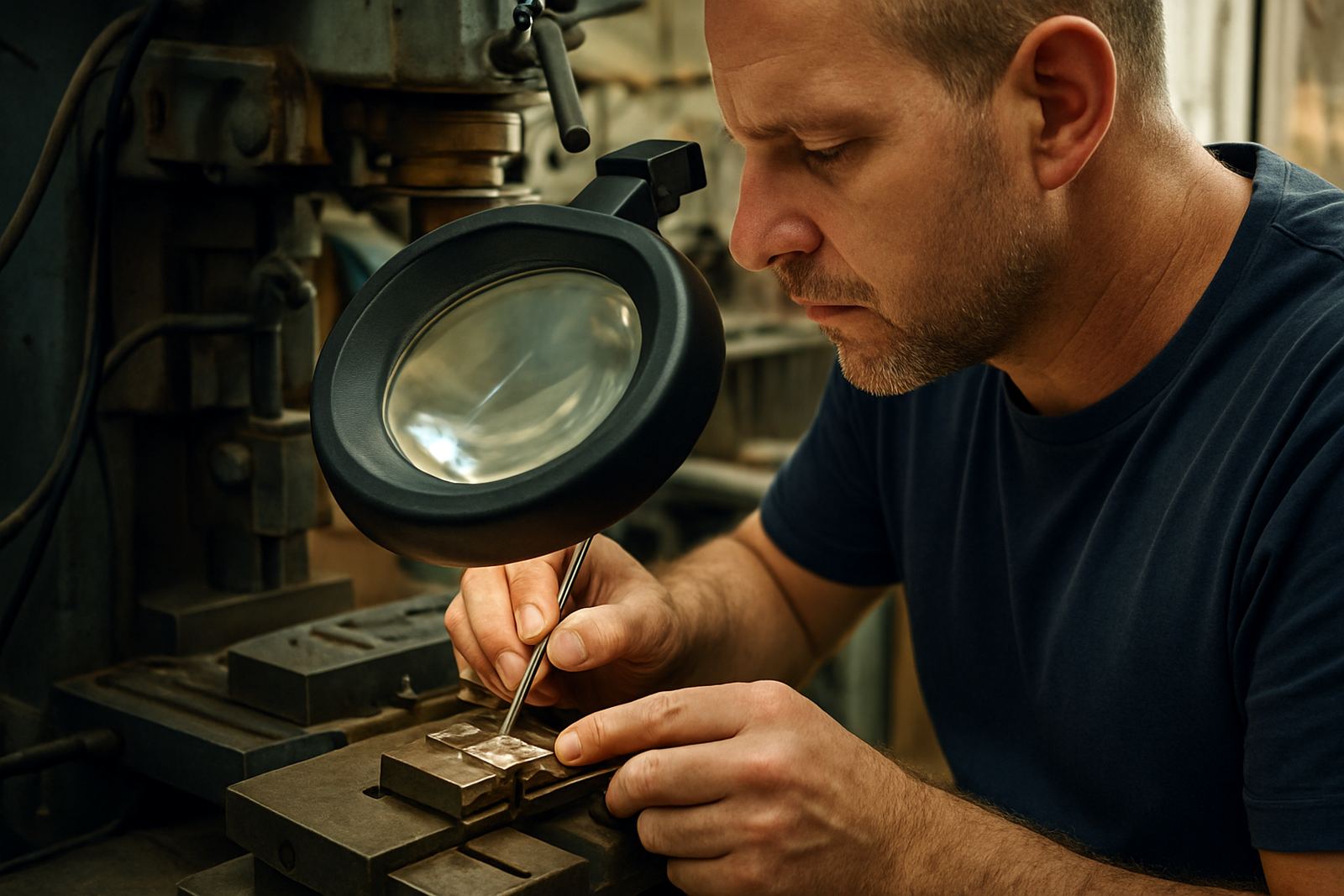
Once the job is opened, Johan inspects the engraving and Ayesha confirms what can be altered without affecting impression quality. After that we proceed with the update, check the counters if needed and then do a final review before dispatch. If you need job filing for a repeat run, we keep the record so the altered version is traceable for future orders. That helps when a client calls six months later and wants the same line changed again, but this time with the new branch name or revised size.
- Step 1: Submit artwork and describe the required change
- Step 2: We assess the existing die and confirm feasibility
- Step 3: Alter the die and check the engraving detail
- Step 4: Match counterforce where needed and review the finish
- Step 5: Pack and courier the job back nationwide
Turnaround Times and Urgent Work
Turnaround depends on the size of the change, the condition of the die and whether the artwork arrives ready for checking. Small text edits or simple sizing corrections can often move quickly, while jobs needing deeper rework or counterforce matching take longer. In general, we work to practical production slots rather than overpromising. If the press schedule is tight, tell us early so we can advise on the fastest path.
Urgent turnaround is available when capacity allows, especially for repeat packaging or a launch job that cannot wait. Johannesburg clients often drop into Industria for faster handling, while out-of-town customers rely on courier timing and cut-off times. For coastal areas, we also consider humidity during packing so the die arrives in good condition and does not pick up unnecessary surface issue on the way. A rushed job still needs proper checks, because a bad alteration on Monday can hold up a whole week of production.
- Simple alterations: often fastest when artwork is final
- Moderate changes: allow extra time for review and testing
- Courier jobs: add transport time to your schedule
- Urgent jobs: available subject to workshop load
Pricing Approach for Small Changes
We price die alterations according to the actual work involved, not on a one-size-fits-all basis. The main factors are the metal type, the amount of engraving to be changed, the need for counterforce work, and whether the die needs cleaning or damage repair first. A small text correction on a sound brass die is priced very differently to a deeper reshaping on a worn magnesium plate. That keeps the quote practical and fair for the job at hand.
Where possible, we will separate the work into clearly explained items so you know what is included. If the existing die can be saved, alteration is usually cheaper than a full remake and may also reduce lead time. But if the plate is damaged, bent or badly worn, it is better to fix the real problem first instead of paying twice for the same issue. We keep pricing grounded in the work, not in guesswork.
- Assessment of the existing die before quoting
- Material type and engraving depth
- Extent of text, size or layout changes
- Cleaning, repair or counterforce needs
- Courier and packing if the job moves between provinces
Maintenance Between Runs
Altered dies last longer when they are cleaned and stored correctly after each run. Dust, adhesive residue and pressure marks can affect the next impression, especially on fine detail. We recommend checking the die after each job and before storage, then filing it with the revised artwork note so the next operator knows which version is current. That small habit saves time and cuts down on confusion when a repeat order comes back months later.
For regular work, a maintenance interval should be based on how often the die is used and what substrate it stamps onto. High-volume packaging jobs may need more frequent inspection than occasional finishing work. If the die is showing wear, the edges are dulling or the impression is not reading cleanly, send it back for a check before the next run. In South African conditions, especially where heat and humidity are part of daily life, a bit of care goes a long way. A stored die in good shape is far easier to alter again than one that has been left dirty and knocked about.
- Clean after every run before storing
- Keep revised artwork with the physical die
- Check alignment before repeat production
- Inspect worn edges at regular intervals
- Return for review if the impression quality changes
Key facts
| Supported die materials | Brass and magnesium |
|---|---|
| Typical change types | Text edits, sizing corrections, spacing changes, small artwork updates |
| Work types covered | Hot stamping and embossing applications |
| Location | Industria, Johannesburg |
| Service area | Nationwide courier service to print finishers and packaging houses |
| File and job support | Artwork checks, job filing, sample impression advice and repeat ordering records |