
Priority support for launch packs and rerun jobs
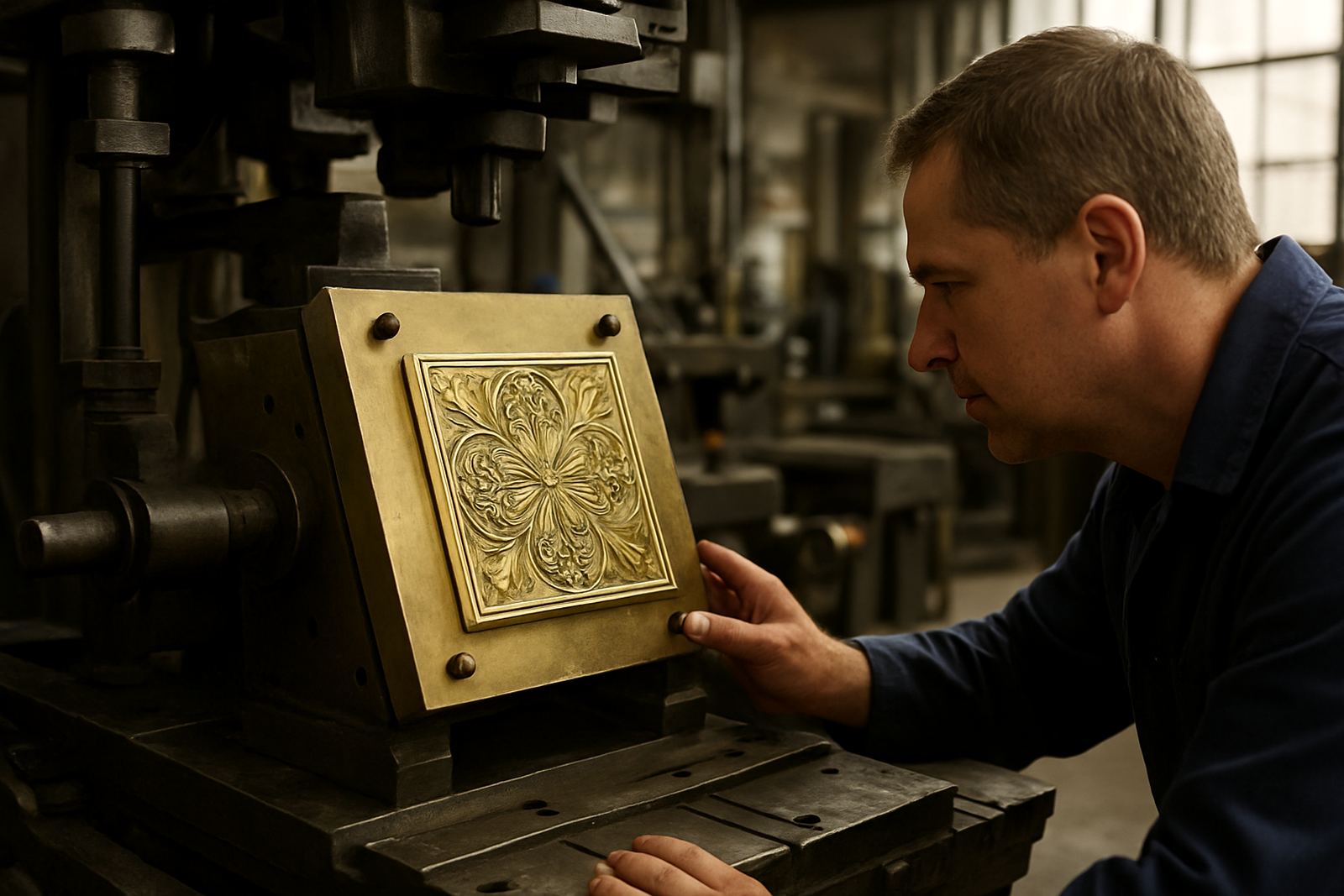
Our urgent turnaround service is built for the jobs that cannot sit in the queue. That usually means launch cartons, cosmetic packs, seasonal promotions, reprints after a stock-out, or a customer change that lands after artwork has already been approved. We focus on brass and magnesium hot-stamping dies, plus embossing plates for offset, flexo, and print finishing lines.
In practice, this means we assess the brief, confirm the substrate, and check whether the artwork suits the material, foil, press pressure, and impression depth. If a job needs faster handling, we prioritise it through artwork checks, die design, engraving production, counterforce matching and packing dispatch. The aim is to keep the job moving with less back and forth, and to flag issues early rather than after the press is booked.
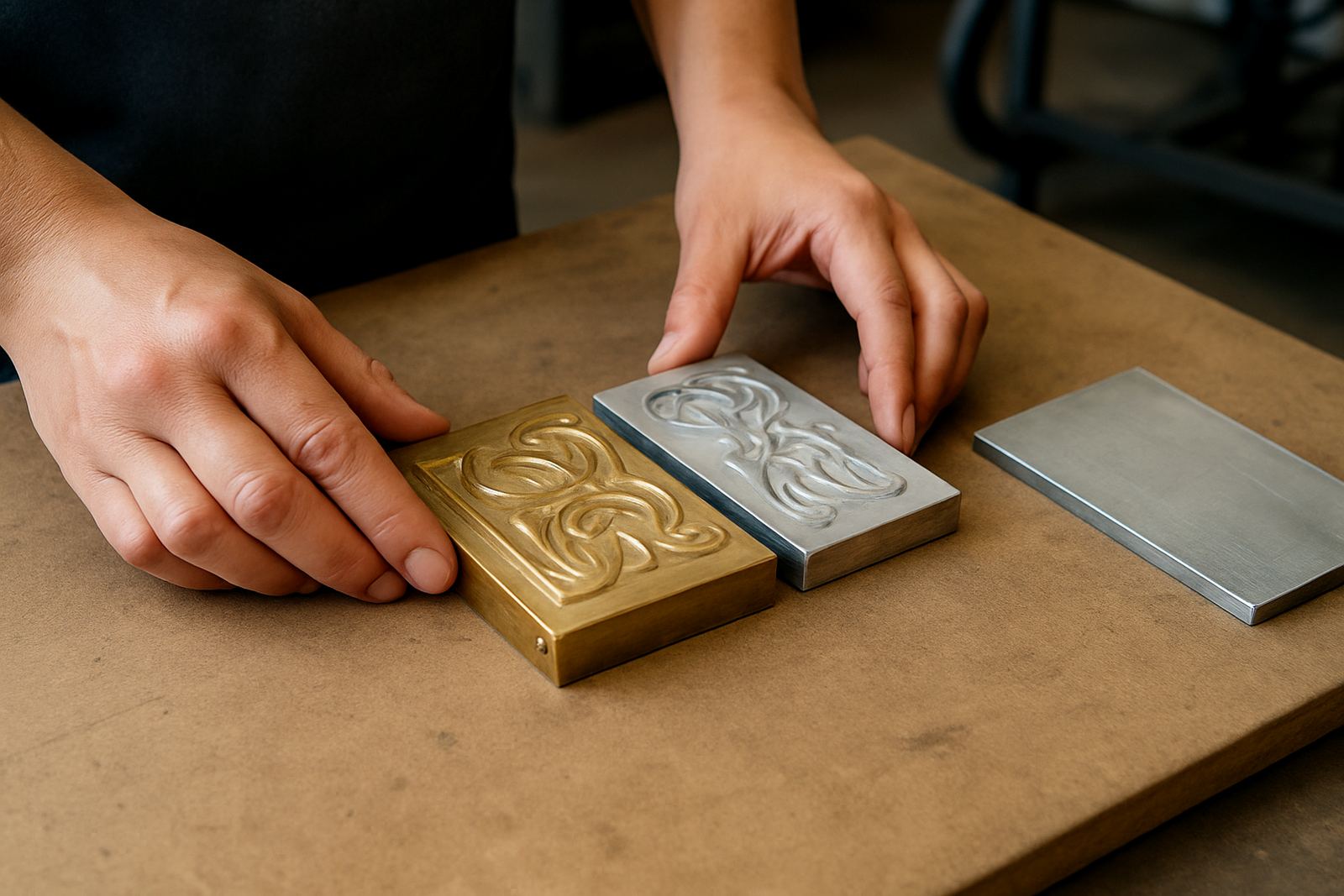
- Brass dies for longer runs, repeated use, and finer detail
- Magnesium dies for shorter runs and quicker production needs
- Embossing plates for raised or recessed finishing
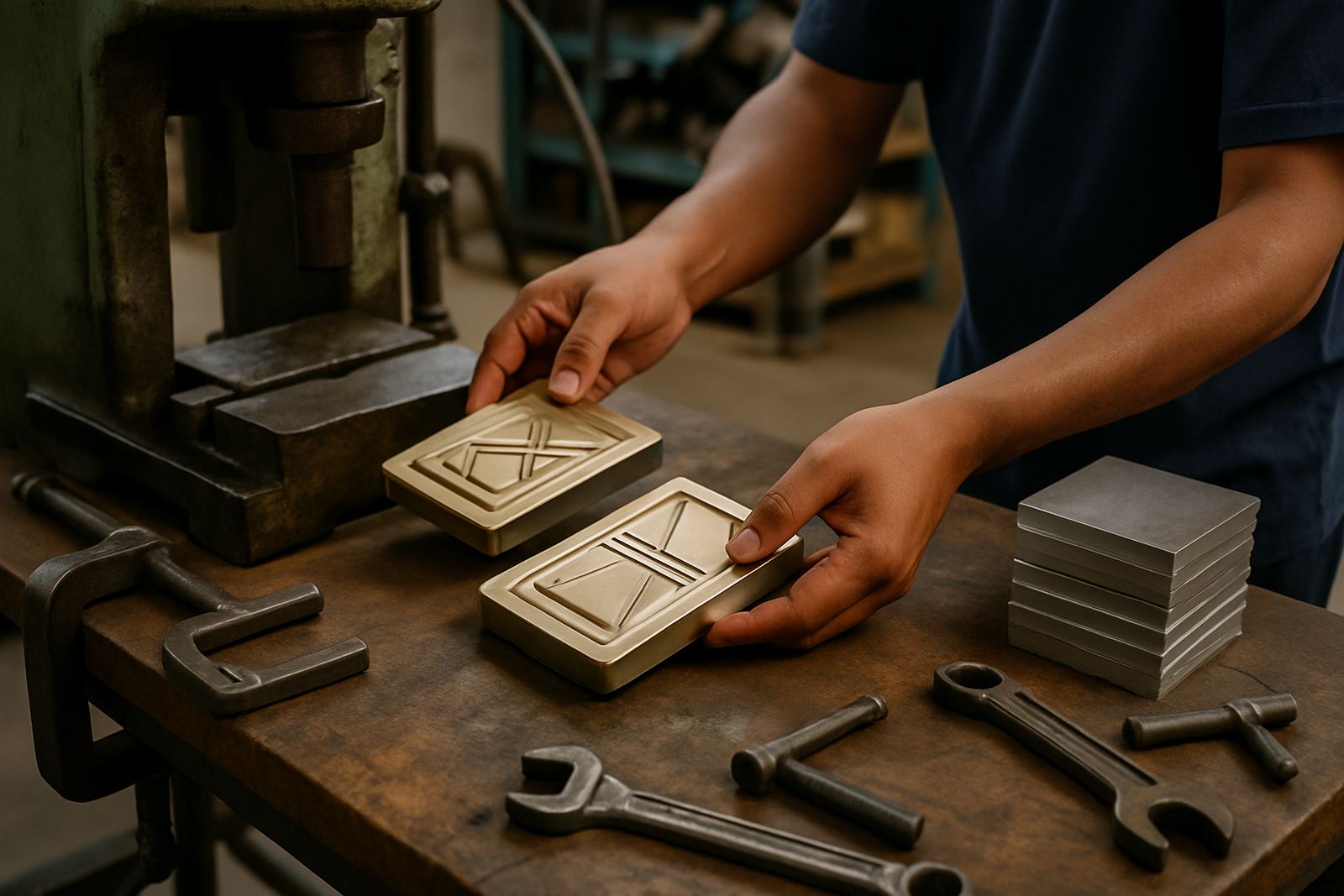
- Counterforce matching to support cleaner impression and even pressure
What the urgent workflow covers from first check to dispatch
Urgent work still needs a proper process, just with tighter time control. Clients reach us through the enquiry form on our contact page and we come back with the next step, the required file format, and any practical questions about the press, substrate, or finishing method. If artwork is not ready for engraving, we can still advise on what must be corrected before production starts.
The process usually runs like this: we review the brief, check line weight and spacing, confirm the die size, then prepare the artwork for engraving. From there the die is produced, checked, matched where needed, and packed for courier collection from Industria. For high-pressure jobs, this gives everyone a clear handover point, which helps avoid delays at the finishing stage.
- Step 1: brief review and artwork check
- Step 2: confirm size, material, and press setup
- Step 3: design and engraving production
- Step 4: counterforce matching or sample impression advice if needed
- Step 5: packing dispatch for nationwide courier delivery
We work with print finishers and packaging houses in Johannesburg, Pretoria, Durban, Cape Town, Gqeberha, Bloemfontein, Polokwane, and Mbombela, so the dispatch side is planned for national movement not just local handover.
Typical turnaround times and what affects them
Urgent turnaround is not one fixed number because the actual timing depends on artwork readiness, die size, engraving complexity, and whether matching counterforce or alterations are included. A simple replacement magnesium die can move faster than a detailed brass embossing plate with tight registration and special depth requirements. If the brief arrives complete and approved, we can usually move much quicker than a job that needs artwork corrections first.
On a same-day or next-day request, the biggest time savers are clean artwork, clear dimensions, and confirmation of the press process. During load-shedding periods, we plan production around available machine time and dispatch windows so work keeps moving. Coastal humidity can also affect storage and packing on the receiving side, so we use packing that protects the die in transit and when it arrives at the plant.
For many urgent jobs, the practical turnaround is measured in working days rather than weeks. That said, a late approval or a missing sample can push a job out, even if the die room is ready. We would rather give a realistic time than overpromise and create pressure downstream, because a rushed job that needs to be remade is never a saving.
Pricing approach for rush jobs and repeat tooling
We price urgent work based on the actual production time, material choice, complexity, and whether the job needs design changes or alterations. A straightforward repeat order usually costs less than a first-off job with new artwork, while a brass die will generally carry a different price point from a magnesium one because the materials and engraving time are not the same.
Rush handling may also involve extra production coordination, after-hours dispatch planning, or priority placement in the schedule. We keep the pricing clear before work starts, so clients know what is included and what is optional. If you only need a sample impression check, or a small alteration to an existing die, we can quote on that basis instead of treating it like a full remake.
- Material type: brass or magnesium
- Die size and artwork detail
- Need for counterforce, alterations, or a sample impression review
- Courier destination and dispatch urgency
- Repeat order history or new tooling requirement
For regular customers, job filing helps reduce admin on repeat packs. That can shorten quotation time and make the next urgent order easier to release.
Spec limits and material choices we work to
Hot stamping and embossing jobs only perform properly when the specification suits the press and the stock. We work to the right line thickness, spacing, depth, and size for the material being finished. Fine text, thin borders, and close elements need careful handling or they can fill in, break up, or press unevenly. The same applies to laminated board, coated stocks, and textured packaging materials.
As a guide, brass is better suited to longer life and more detailed or repeated use, while magnesium is often used where speed and cost matter more than extended tooling life. Counterforce matching is important where even pressure matters across the full image area, especially on larger stamp formats. If the design calls for a specific depth or a heavy deboss, we will check whether the press setup can support it before production starts.
We also advise on sample impression results, because what looks fine on screen may need adjustment once it meets foil, pressure and stock. A small change in spacing can make a big difference to the finished result, especially on jobs with small type or tight logos.
How to keep an urgent die in good condition between runs
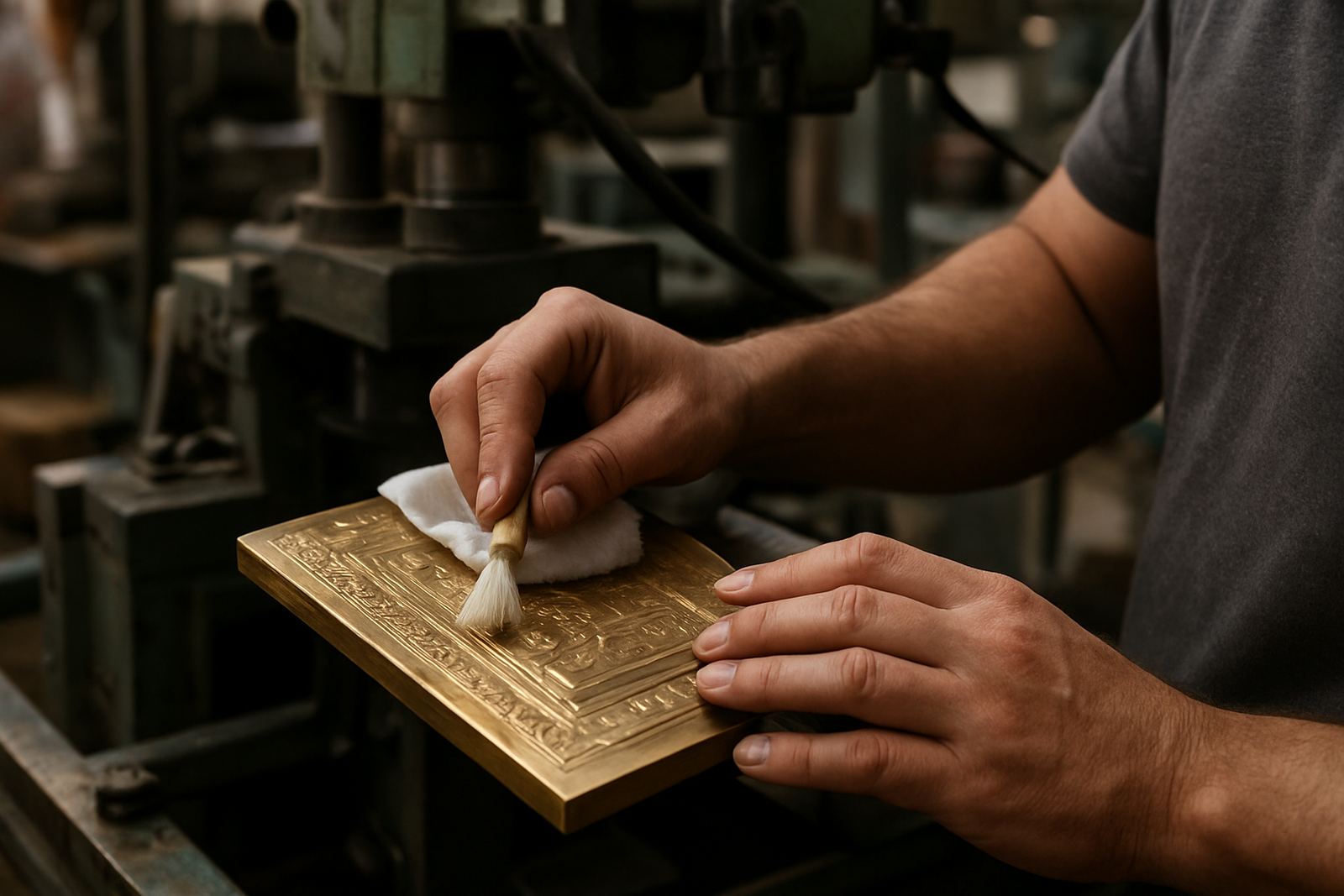
Urgent jobs often come back for reruns, and proper maintenance helps stop avoidable delays. We offer die cleaning, damage assessment, die alterations, and repeat ordering support so a used die can stay serviceable for longer. If a die is stored well and handled carefully, the next run is usually easier to schedule and less likely to need corrective work.
Maintenance intervals depend on how often the die is used, the pressure on the press, the substrate, and the finishing environment. A high-volume pack on a busy line will need attention more often than a once-off seasonal run. As a rule, it is worth checking the die before each rerun for wear, blocked detail, edge damage, or signs that the counterforce no longer matches the job.
- Inspect before each rerun for wear or damage
- Request cleaning if residue has built up
- Ask for alteration advice if the pack design has changed
- Store flat, dry, and clearly labelled after use
That way the next urgent order does not start from scratch. It starts with something we can assess, adjust and move back into production with less delay.
Key facts
| Material options | Brass and magnesium hot-stamping dies, plus embossing plates |
|---|---|
| Service type | Priority production support for time-sensitive launch packs and rerun jobs |
| Production location | Industria, Johannesburg |
| Coverage | Courier dispatch nationwide to print finishers and packaging houses |
| Typical use cases | Offset, flexo, print finishing, launch packs, reruns, altered artwork |
| Support included | Artwork checks, design, engraving, counterforce matching, packing dispatch, repeat ordering |