
What We Check When Tooling Comes In
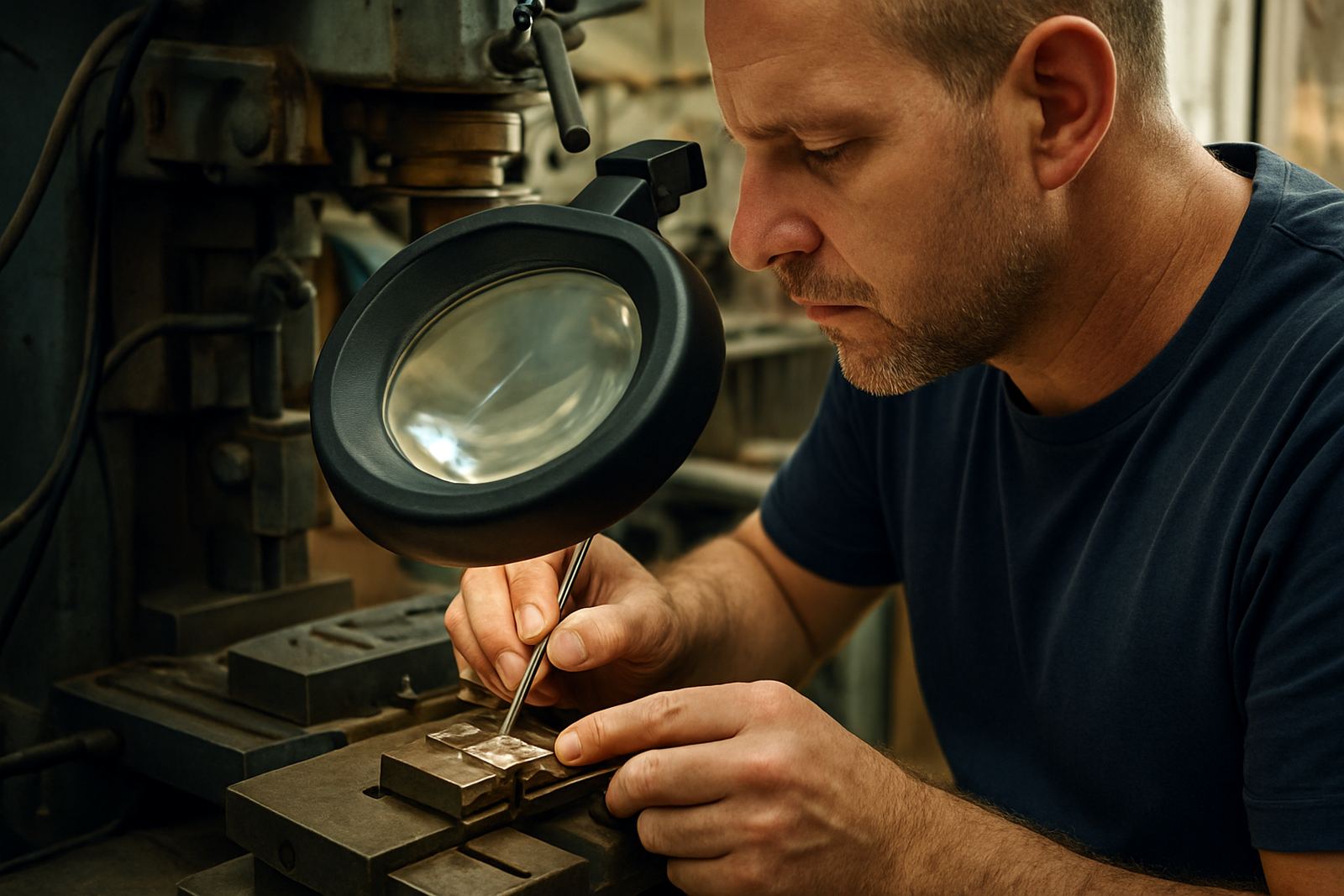
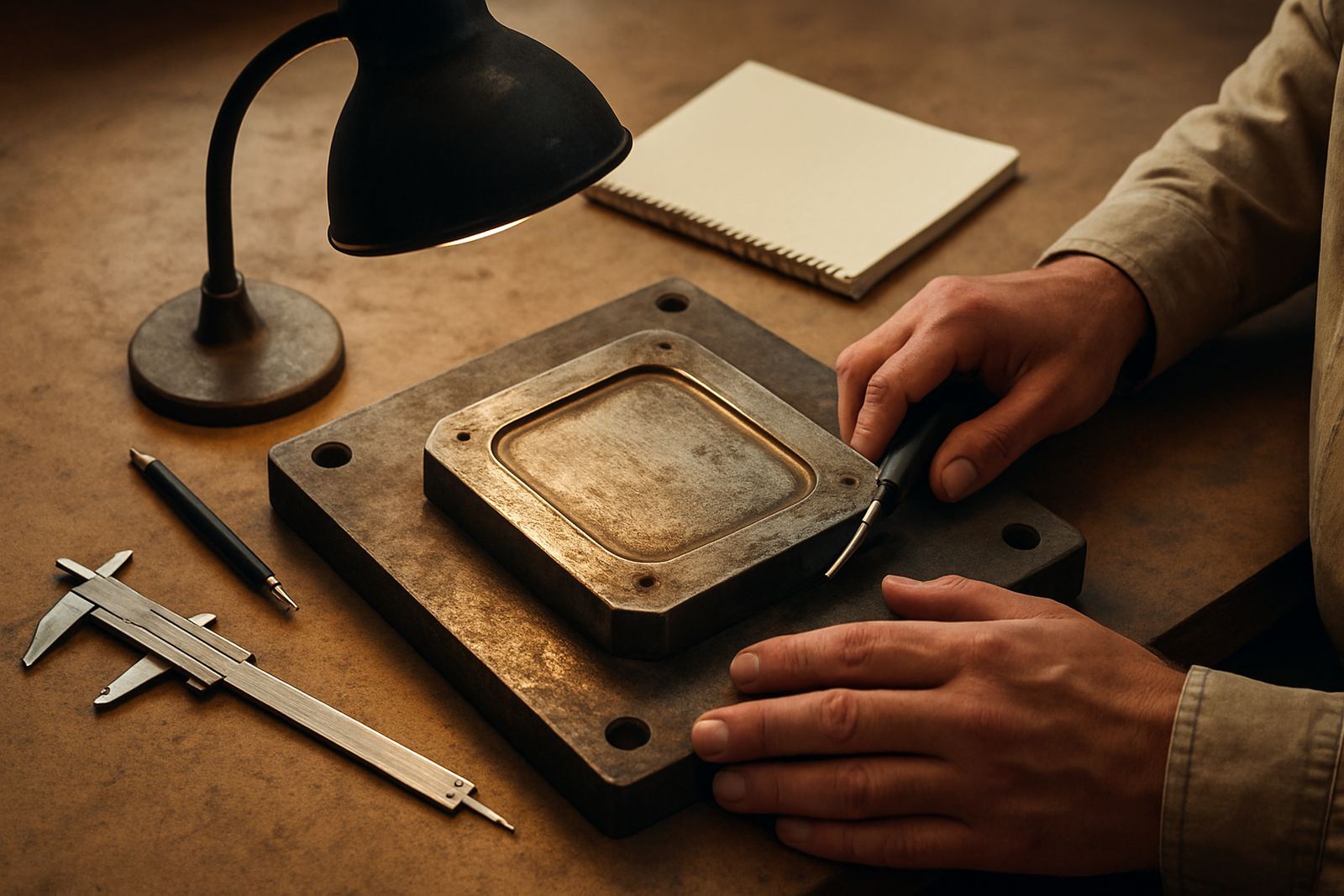
Damage assessment starts with a close inspection of the die or embossing plate as received. We look at the face detail, edges, mounting condition, heat wear, depth consistency, adhesive residue, burrs and any distortion from repeated pressing. For brass and magnesium tooling, the failure points are not always obvious at first glance, so we compare the visible wear with the print issue you are seeing on press. That may be a weak impression, uneven foil transfer, broken lines, image ghosting or a stamp that no longer registers cleanly.
We also check whether the issue is caused by the die itself or by related setup factors such as counterforce, temperature, dwell time, pressure balance or packing. In many cases the tooling is still serviceable and needs only light correction, but sometimes the metal has reached the end of its useful life. A proper assessment saves time, material and avoidable stoppages, especially when your job is on a tight schedule.
- Visual inspection of worn or damaged tooling
- Check for cracks, flattening, chipped detail and distortion
- Review of press symptoms and sample impressions
- Advice on repair, alteration or replacement
How the Assessment Process Works
Once your job arrives, we log the item, inspect it and compare it with the artwork or sample impression where available. If the issue is simple, we can often advise the next step quickly. If more detail is needed, we may request a clearer sample, artwork file or a photo of the press result so that we can separate die damage from setup problems. This helps us give practical guidance rather than guesswork.
Where the tooling is repairable, we will specify the type of correction needed. That may include re-polishing, re-engraving small sections, edge clean-up or adjusting detail that has softened over time. If the die is beyond economic repair, we will explain why and quote for a fresh replacement. Our approach is straightforward: no unnecessary work, and no surprises after the job has already been moved onto press.
- Intake and job filing for traceability
- Assessment against your sample or artwork
- Repair recommendation with clear next steps
- Optional priority handling for urgent releases
Repair, Replacement or Alteration Advice
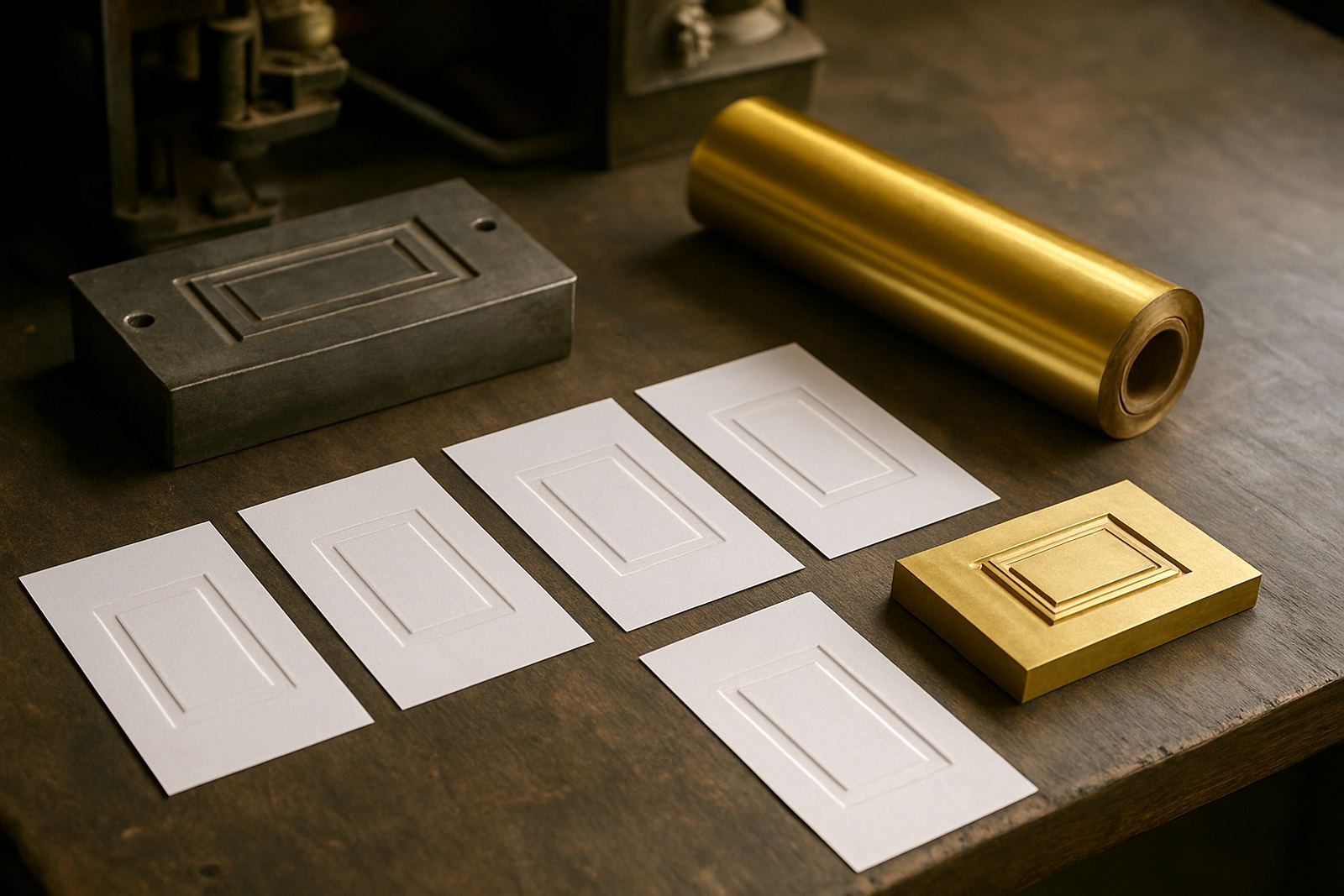
The main purpose of damage assessment is to tell you whether the tooling can still earn its keep. Brass tooling is generally better suited to longer runs and finer detail, while magnesium is often used where quicker turnaround and cost control matter more. If one area is damaged but the base is sound, an alteration may be enough. If the face has worn unevenly, or the image has lost definition across the full area, replacement is usually the better call.
We also advise on whether a damaged die can be kept as a backup after cleaning or minor correction. That is useful when you run repeat packaging, seasonal artwork or multiple language versions. In some cases a small repair now can buy you another few production cycles, which is helpful when stock levels are tight and your press schedule is already full.
- Repair advice for minor wear and localised damage
- Replacement guidance where wear is too advanced
- Alteration options for artwork updates or size changes
- Backup retention advice for repeat work
Turnaround Times and Urgent Work
Turnaround depends on the condition of the tooling and the amount of checking needed. Straightforward assessments can be handled quickly, while complex damage or unclear press issues may take longer because we need to test the cause properly. If you are waiting on a print finishing slot, we will prioritise the inspection and keep you informed so that you can plan the next step with your client or production team.
For urgent jobs, it helps if you send clear photos of the tool, the damaged area and a sample impression. That can speed up the first opinion before the die even reaches our workroom. Johannesburg traffic, courier cut-off times and year end pressure can all affect timing, so we try to keep the process practical and direct. If the job is critical, say so from the start and we will advise the fastest safe route.
- Quick review for obvious wear and damage
- Extended checking for unclear or mixed faults
- Priority handling available for urgent release dates
- Courier coordination for nationwide collections and returns
Pricing Approach and What Affects the Quote
Assessment pricing is based on the type of tooling, the amount of inspection needed and whether the work is limited to advice or includes corrective labour. Simple damage checks are priced differently from full repair assessments or replacement recommendations. If a die needs extra handling, partial re-engraving or follow-up verification, we will set that out before proceeding so you know exactly what is involved.
We keep pricing practical. If a tool is only slightly worn, we will not push replacement where repair will do the job. If the damage is significant, we will not suggest patching a part that will fail again under pressure. That honest approach helps control cost on repeat packaging runs, label work and seasonal promotions where budgets have already been locked in. You get a clear recommendation, not a sales pitch.
- Cost depends on tooling type and extent of damage
- Clear split between assessment, repair and replacement work
- No unnecessary corrective labour added without approval
- Suitable for one-off jobs and repeat production runs
Keeping Dies in Better Condition Between Runs
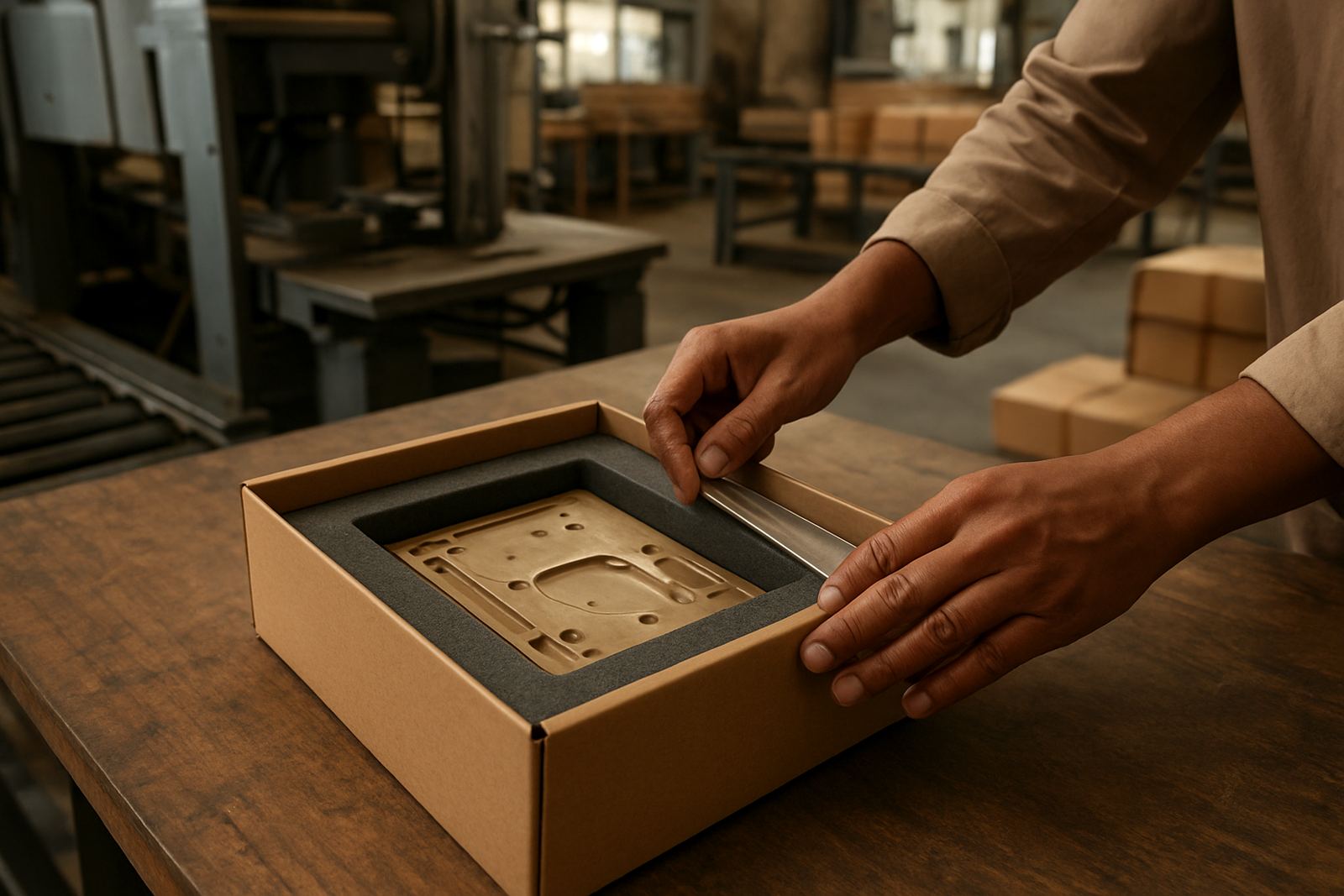
Once a die has been assessed and returned to service, good handling makes a real difference to its life span. Store brass and magnesium tooling flat, dry and wrapped to prevent knocks, moisture and surface contamination. On the coast, humidity can mark tooling faster than people expect, so sealed storage and dry packing matter. After each run, remove adhesive residue, check for build-up and avoid rough handling during make-ready.
We generally recommend scheduled checks after repeat use, especially where the same tooling runs often on folding carton, labels or promotional packaging. A light inspection every few months may be enough for low-volume work, while heavier production should be checked more frequently. If you notice softened detail, uneven foil or pressure marks, it is better to send the tool in early than wait until the image is damaged beyond repair. A small problem caught early is usually simpler and cheaper to sort.
- Store flat, dry and protected from impact
- Clean off adhesive and residue after each run
- Check repeat jobs regularly for wear and detail loss
- Send the tool in early when the impression changes
Key facts
| Tool types | Brass dies, magnesium dies and embossing plates |
|---|---|
| Inspection focus | Wear, distortion, chipped detail, surface damage and pressure-related faults |
| Typical output | Repair advice, replacement advice or alteration recommendation |
| Turnaround | Depends on condition, with urgent handling available on request |
| Delivery area | Industria, Johannesburg base with courier service nationwide |
| Best for | Offset, flexo and print finishing jobs that need accurate repeat results |