What Die Cleaning Covers
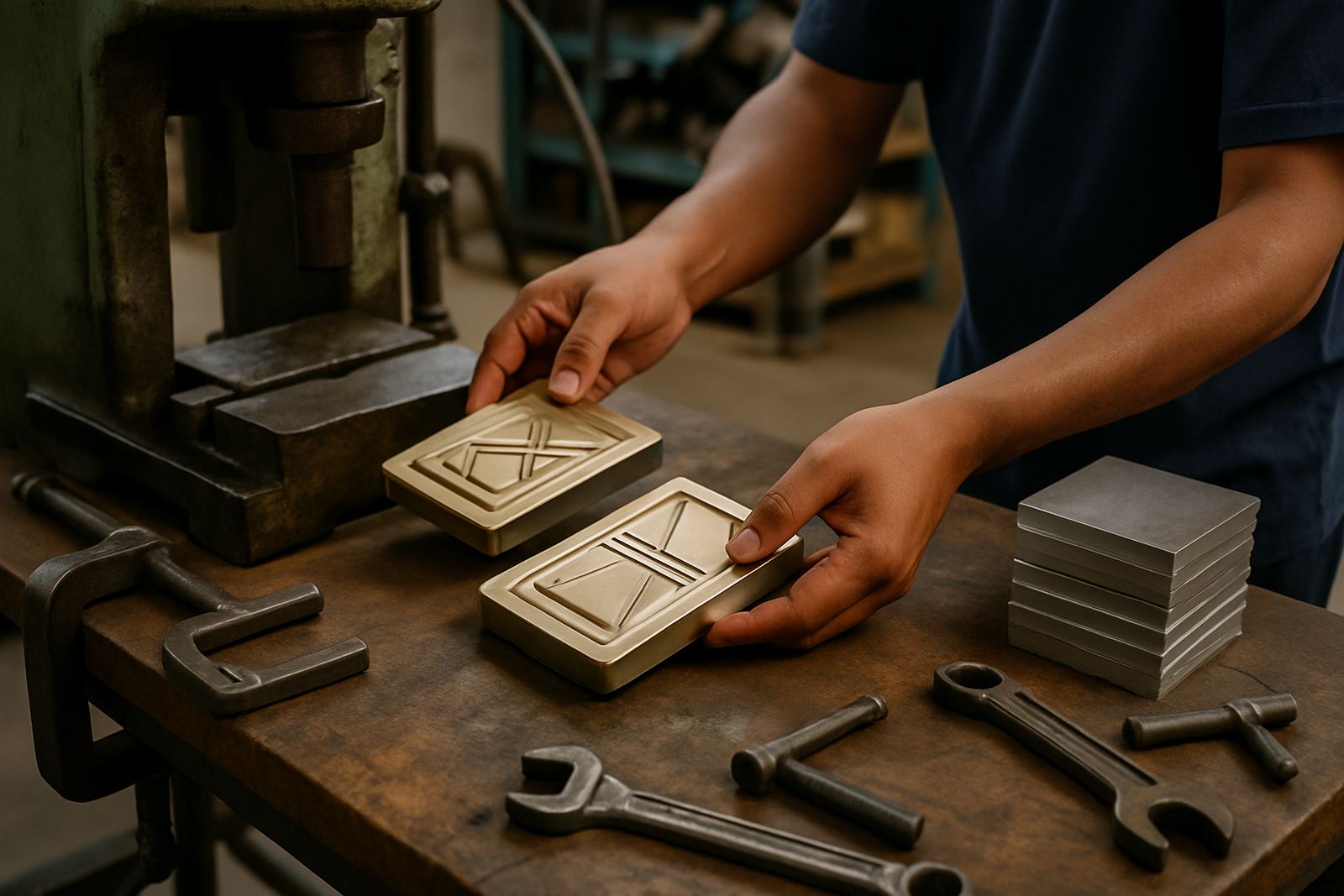
Die cleaning is more than wiping off residue. Hot stamping dies pick up foil, adhesive trace, paper dust and press build-up over time, and if that debris is left to harden it can affect line clarity, pressure transfer and the life of the die face. Our cleaning service is for brass and magnesium hot-stamping dies as well as embossing plates used in offset, flexo and print finishing work.
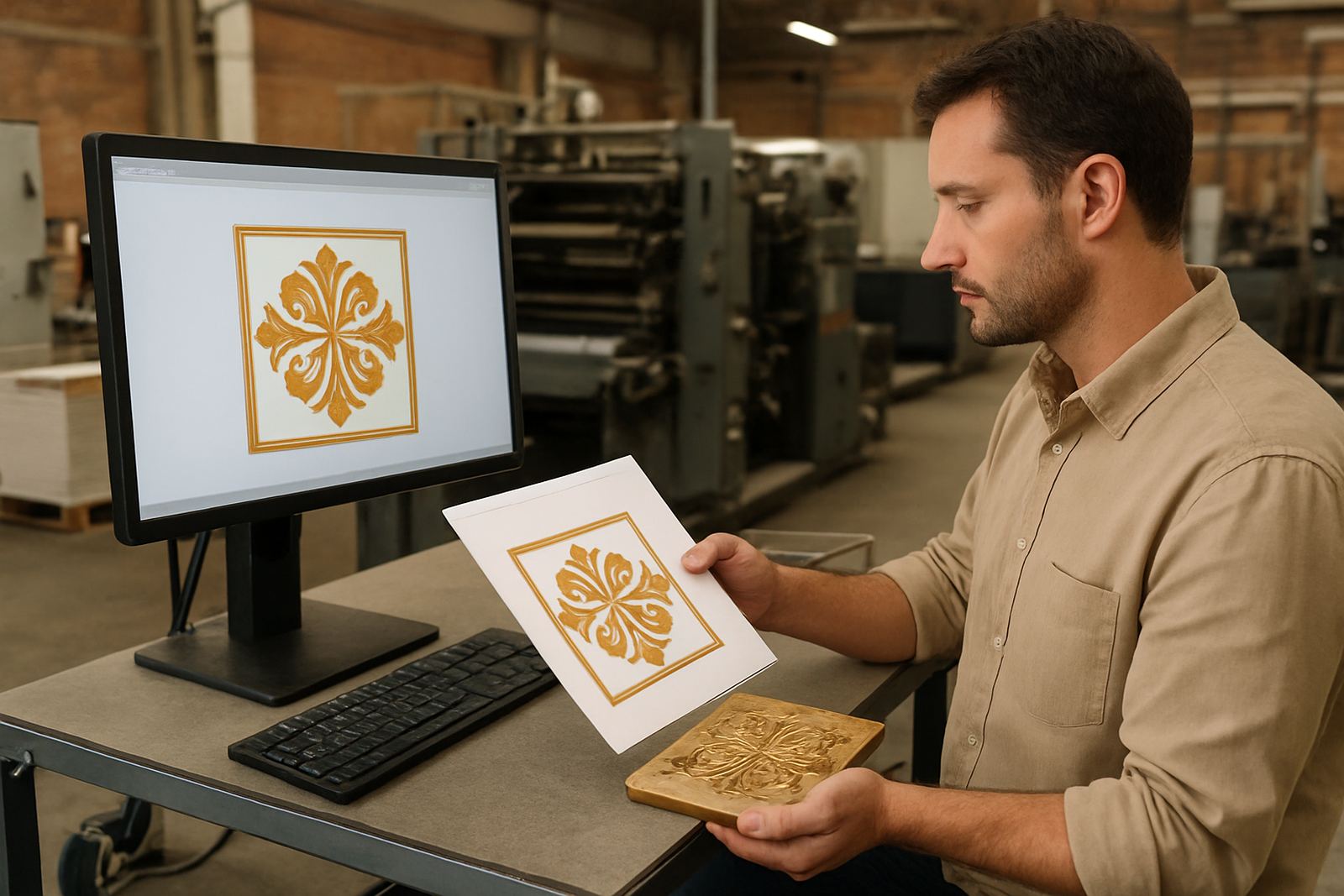
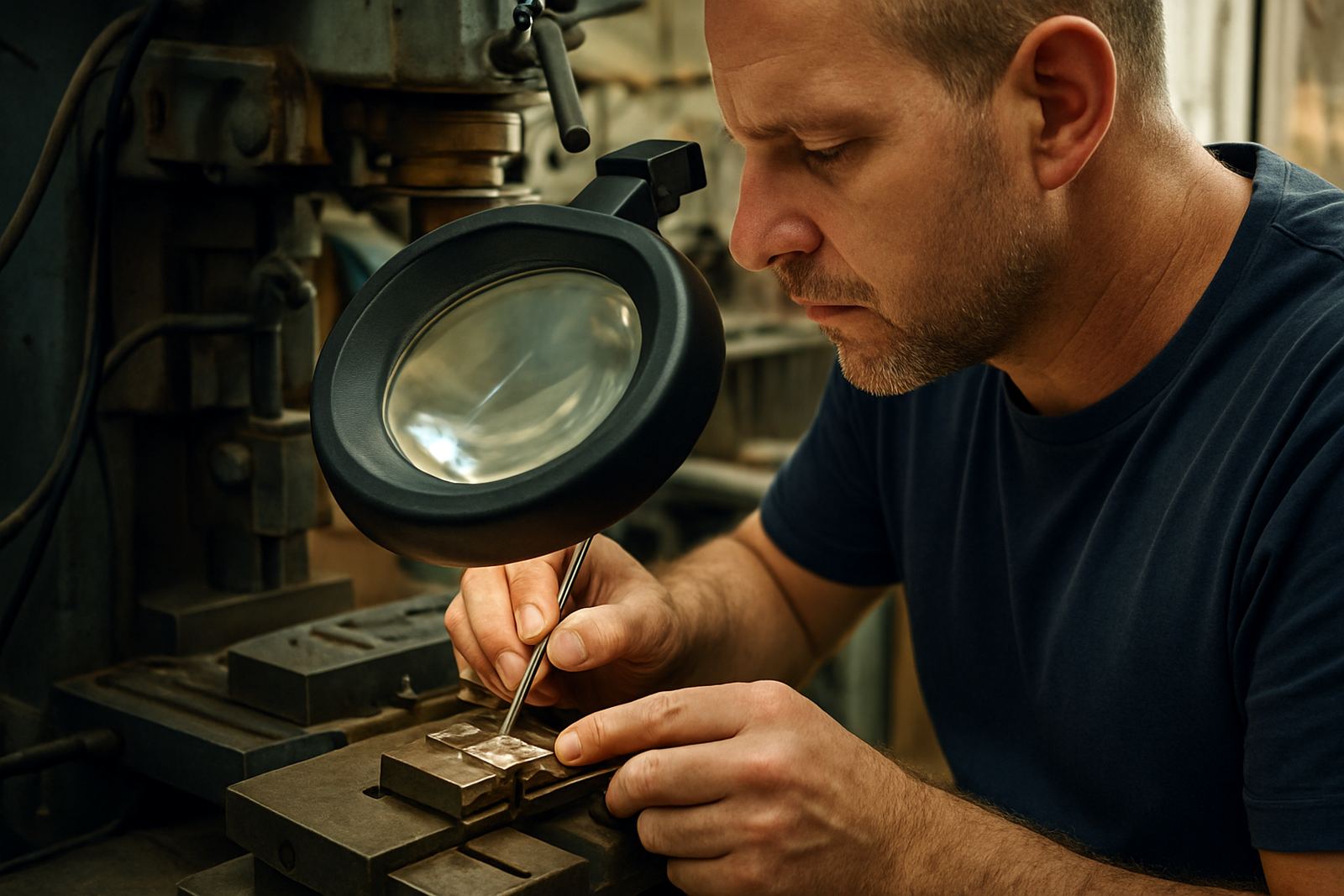
We clean the working face, inspect fine recesses and check for wear that may need follow-up attention. The goal is to return the die in a condition that is ready for production use, with detail as clear as possible and no unnecessary abrasion. If a die has damage or a built-up residue issue we will flag it before dispatch, so you know what can go back on press and what needs a next step.
- Removal of foil residue, adhesive trace and paper fibre build-up
- Surface inspection for wear, nicks and blocked detail
- Basic condition check for brass and magnesium tooling
- Advice on whether cleaning, alteration or replacement is needed
How We Clean Dies Safely
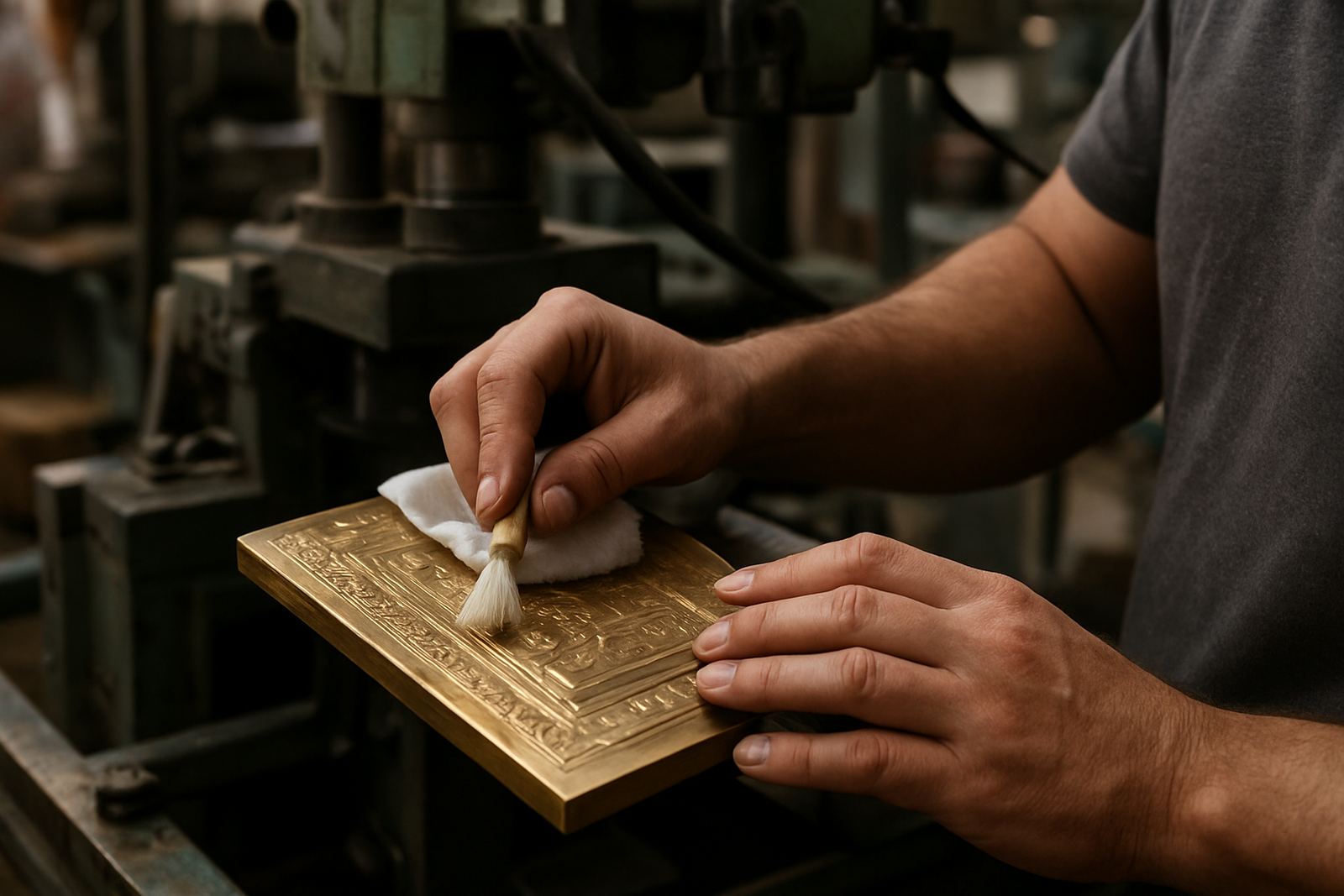
Our process is set up to protect detail. We do not use rough handling or methods that strip the working face. Instead, each die is assessed first, then cleaned using suitable techniques for the material, the amount of residue and the detail depth. Magnesium and brass behave differently, so the cleaning approach is not one-size-fits-all.
We also keep an eye on handling marks. Dies with thin line work or small type need care, especially if they have been in storage for a while or have come back from a press with heavy foil deposit. In Johannesburg and at customer sites nationwide, we often see dies that only need a proper clean before they can produce clean impressions again, which saves time and money compared with ordering a fresh tool.
- Initial visual check under strong light
- Material-specific cleaning for brass or magnesium
- Detail check on fine text, borders and logos
- Final review before packing and dispatch
Turnaround, Dispatch and Urgent Jobs
Turnaround depends on the die size, material and condition, plus how much residue needs to be removed. Smaller dies with light build-up may be handled quickly, while larger or more delicate tools take longer because they need a slower, more controlled clean. We will always advise a practical turnaround based on the actual job, not a generic promise.
For customers in Johannesburg, Pretoria, Durban, Cape Town, Gqeberha, Bloemfontein, Polokwane and Mbombela, cleaned dies can be couriered back nationwide. If a job is urgent, tell us upfront and we will check where it can fit into the queue. Load-shedding can affect workshop timing on some days, so urgent work is planned carefully to avoid delays and missed dispatches, especially when a press slot is fixed. A quick phone call is not needed, just send the enquiry through the contact form and include the job details clearly.
- Normal jobs are scheduled in queue order and by condition
- Urgent turnaround available when workshop capacity allows
- Courier dispatch arranged after final inspection and packing
- Progress updates handled through the enquiry process
Pricing Approach and What Affects Cost
Die cleaning is priced according to the work required. The main factors are die size, material, the amount of residue, how accessible the fine detail is and whether any follow-up inspection is needed. A light clean on a small magnesium plate is different from a heavily built-up brass die with deep recessed artwork. Because of that, we quote on the actual condition rather than a flat rate that may not reflect the job properly.
For many customers the cost of cleaning is worthwhile because it can extend the useful life of tooling and reduce stoppage time on press. That matters when a run is booked, materials are already on site and the finishing department needs the die back fast. We aim to keep pricing practical and transparent, with no hidden extras for ordinary assessment and packing. If a die needs damage assessment or alteration after cleaning, we will explain that before any additional work goes ahead.
Recommended Maintenance Intervals
How often a die should be cleaned depends on the volume of work, the foil being used, press pressure, the substrate and how often the tool is stored between jobs. High-frequency finishing work in busy packaging houses often needs cleaning after repeated runs, while some dies can go longer if they are used on cleaner stock and handled properly. If a die is left with residue for too long, detail can become harder to recover later.
As a practical guide, we suggest checking dies after each production run and booking a proper clean when you notice any change in impression sharpness, blocked detail or uneven transfer. In coastal areas like Durban and Gqeberha, humidity can also affect storage and surface condition, so a sealed, dry storage area helps. For Johannesburg users, dust and workshop handling are more common issues. Keeping dies in labelled sleeves and filing them properly after use makes the next clean quicker and helps avoid avoidable wear.
- Inspect after each run for residue or dull detail
- Book cleaning when transfer starts to soften or block
- Store in a dry, labelled, protected position
- Review heavily used dies more often than archive tools
What to Send With Your Enquiry
To help us assess the job properly, include clear information when you use the enquiry form on our contact page. A good brief saves time and helps us decide whether the die needs a standard clean, a more careful inspection or a follow-up alteration. If you are sending a repeat item, mention the previous job reference or the artwork name where possible.
Helpful details include the die material, approximate size, whether the die was used for hot stamping or embossing, and any symptoms you have noticed on press. If there are samples or impressions that show the problem, mention that as well. When the tool arrives at our Industria base, our team will check it against the brief and advise the next step. We keep the process straightforward, because production teams need answers that are clear and not full of fluff.
- Die material and size
- Job name or repeat reference
- What went wrong on press, if anything
- Required turnaround and courier destination
Why Clean Dies Give Better Results
A clean die transfers detail more evenly, which helps with sharp lettering, clean borders and consistent branding across a run. It also reduces the chance of unnecessary pressure being used to force a tired die to perform. That extra pressure can shorten tooling life and affect registration on the sheet or web. Careful cleaning is a small maintenance step, but it has a direct effect on how the final finish looks.
Our team works with print finishers and packaging houses that need reliable repeatability. Whether the work is for a short run or a recurring packaging line, cleaned tooling is easier to trust on press. If the die has already started to lose definition, cleaning may still recover usable performance, and if not, we will tell you plainly. That honest approach saves time on the floor and keeps production moving without guesswork.
Key facts
| Materials cleaned | Brass dies, magnesium dies and embossing plates |
|---|---|
| Common residue removed | Foil build-up, adhesive trace, paper fibre and dust |
| Typical use cases | Hot stamping, embossing and print finishing jobs |
| Turnaround factors | Die size, detail depth, residue level and workload queue |
| Service area | Johannesburg base with courier dispatch nationwide |
| Storage and maintenance advice | Dry storage, labelled sleeves and checks after each run |