
What Our Die Design Covers
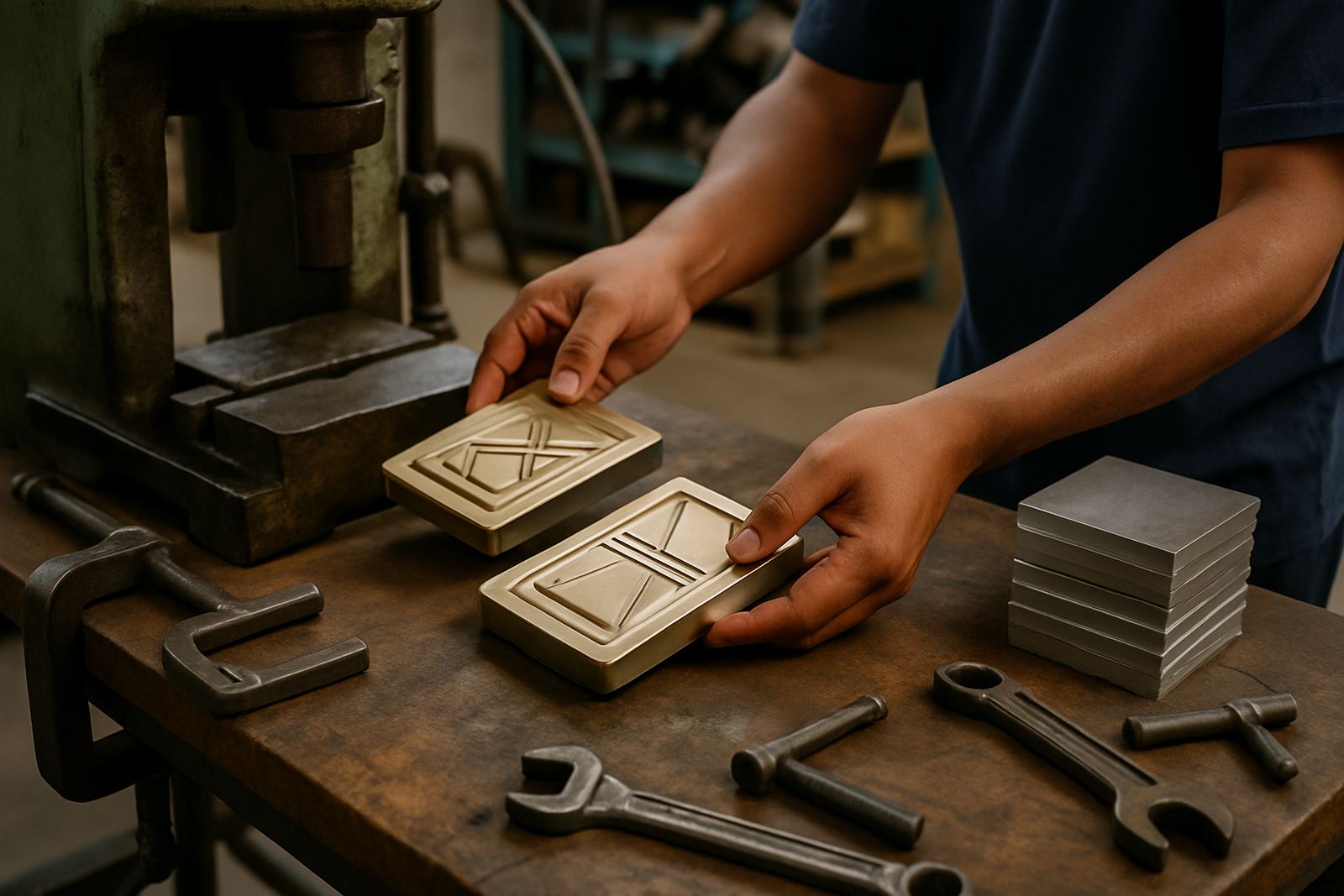
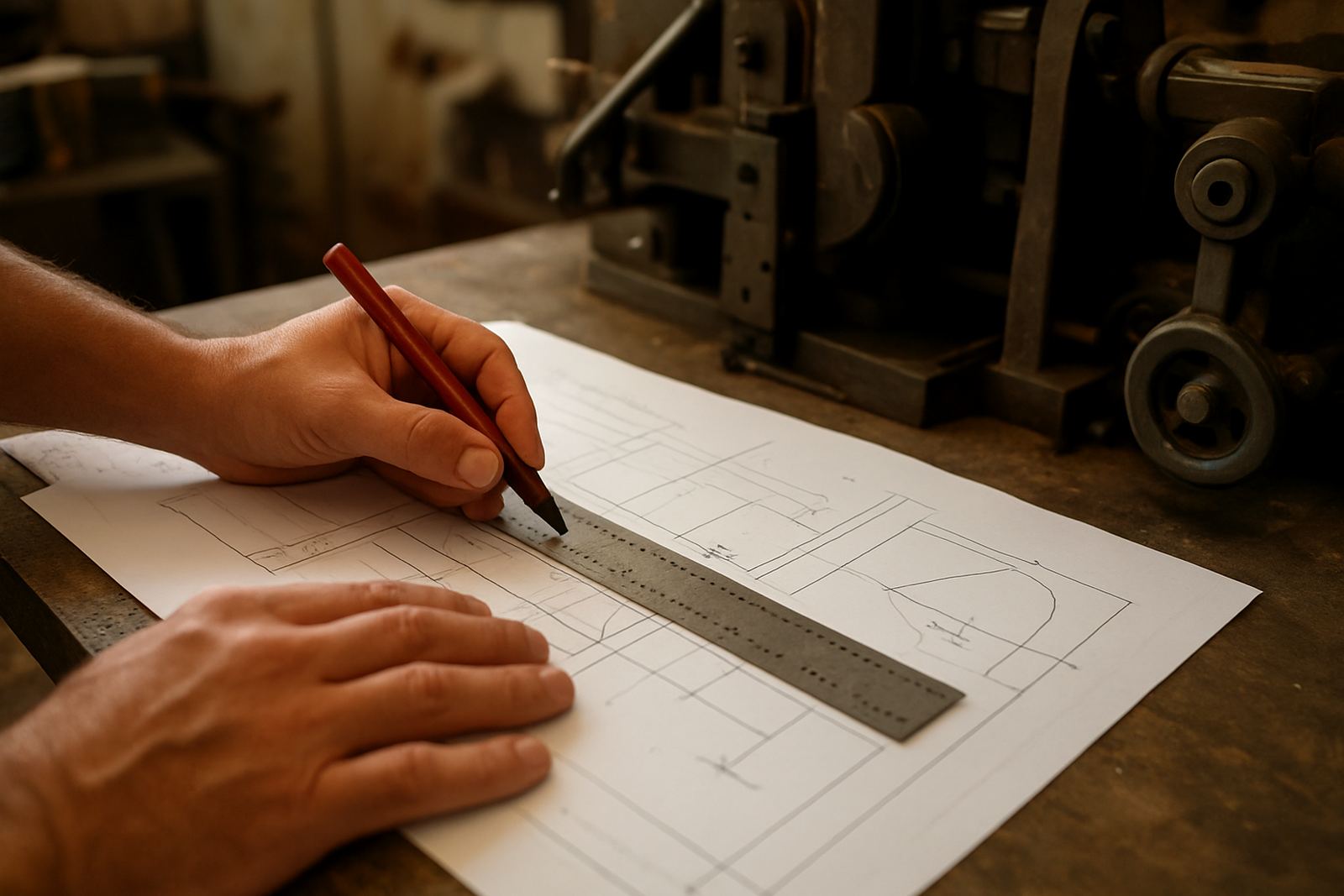
Our die design service sets out the full working layout before engraving starts. That includes the image size, line weight, depth requirements, register points and the fixing method needed for your press or finishing unit. We design brass and magnesium dies for hot foil, blind embossing and combination work, with a focus on clean transfer and long service life. For Johannesburg and nationwide jobs, we also factor in courier handling so the die arrives packed for immediate use.
We check the artwork against the real production conditions, not just the artwork file. If the job is going onto coated carton, uncoated paper, laminated board or a textured stock, the die needs to be planned differently. That is why our layout stage looks at counterforce, impression area, foil coverage and how the design will behave under heat and pressure. Small details matter here, a weak corner or tight serif can affect the whole run.
- Die sizing to suit the job area and machine bed
- Line and detail checks for sharp, readable output
- Support planning for fine text, logos and border work
- Layout guidance for embossing and hot-stamping combinations
- Production notes for repeat orders and future alterations
How We Prepare A Job Before Engraving
Every die design starts with your submitted artwork or print file. Megan Petersen checks the artwork for clarity, line thickness, knockouts and any elements that may fail during engraving or stamping. Where needed, we flag issues before production begins so the final die does not waste time on press. This is especially useful for repeat packaging work where the same mark must land in exactly the same position across batches.
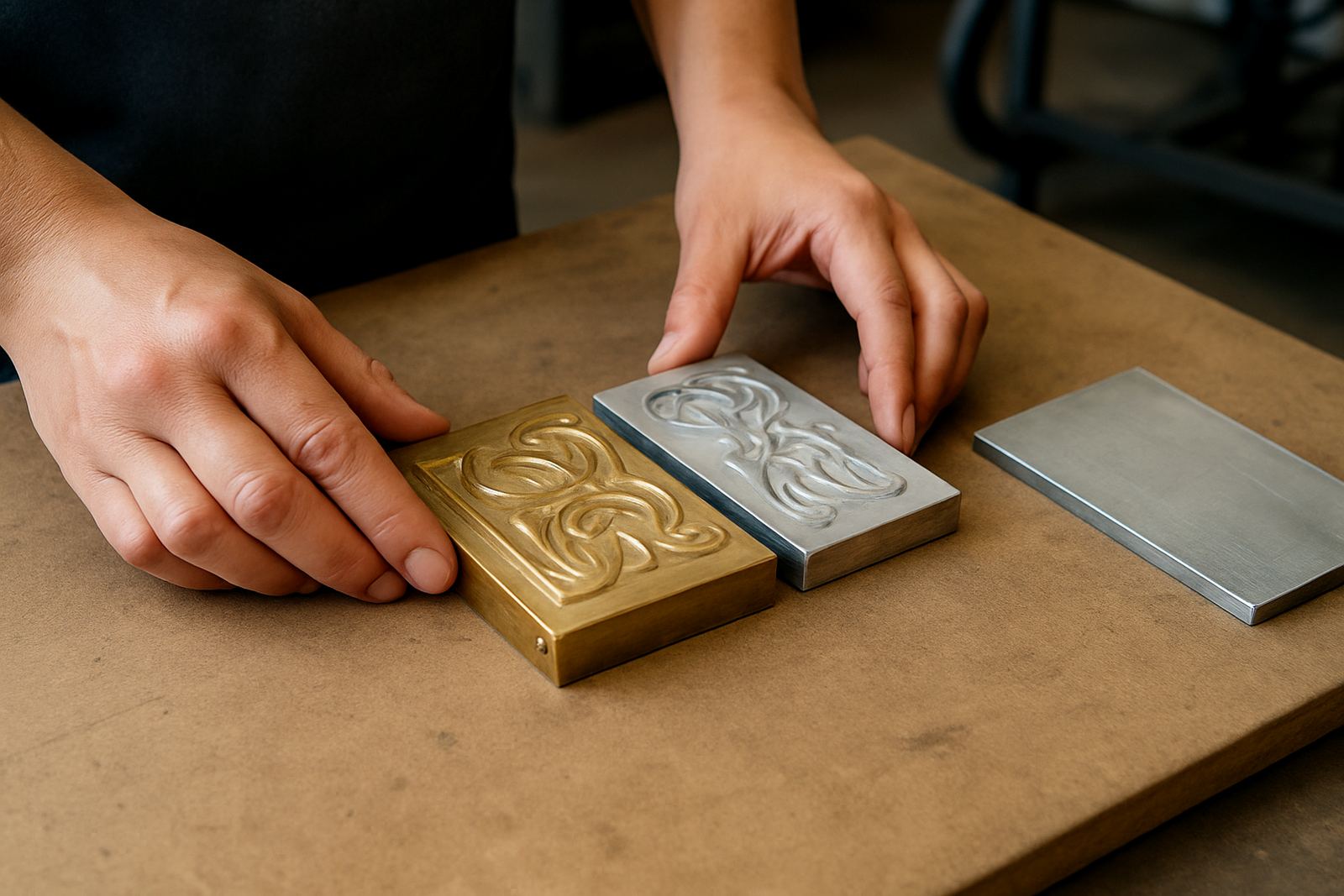
The design process also includes practical manufacturing checks. Brass and magnesium behave differently, so we choose the material based on run length, detail level and the amount of wear expected. Brass suits heavier-duty work and longer life, while magnesium is often used where lighter handling and quicker turnaround are needed. We then plan the depth, edge finish and fixing points to suit the production method. In our Johannesburg base, that means keeping the layout true to the press realities used by finishers from Durban to Cape Town.
- Artwork review and sizing confirmation
- Material selection: brass or magnesium
- Depth and relief planning for the required finish
- Press-fit and mounting detail confirmation
- Final sign-off before engraving starts
Spec Details That Matter On Press
Die performance is measured in the press room, not on paper alone. We design for practical specification points such as line thickness, spacing, edge stability and counterforce match. For fine detail, a line that is too thin may break down after a few impressions. For heavier coverage, the die must spread the pressure evenly so the foil or emboss does not go patchy. These checks help reduce make-ready time and limit the risk of rework.
Our team also considers the common conditions faced by South African printers and packagers, including load-shedding, humidity on coastal routes and fast changeovers on short runs. A well-planned die is easier to mount, easier to align and less likely to give trouble during a rushed shift. If the job will be repeated later, we keep the file and working notes for the next order, which saves time when the same client needs another batch.
- Typical detail tolerance planned to suit engraving and impression quality
- Suitable for foil stamping, blind embossing and mixed finishing work
- Designed for local press conditions and courier transport
- File retention for repeat work and future amendments
Turnaround Times Across Urgent And Standard Jobs
Turnaround depends on size, detail, material choice and how ready the artwork is when it comes in. Simple designs with clean artwork can move quickly, while dense logos, fine text and multi-level embossing need more planning time. We handle urgent turnaround where the schedule allows, especially for finishers who have a press booked and need the die in hand without delay.
For planning, we aim to give a realistic lead time once the job has been checked. If an artwork needs correction, the clock changes, so we prefer to resolve issues at the design stage rather than later in production. Jobs are packed for dispatch from Industria and couriered nationwide to print finishers, packaging houses and commercial printers in Johannesburg, Pretoria, Durban, Cape Town, Gqeberha, Bloemfontein, Polokwane and Mbombela.
- Standard jobs: based on size, detail and material
- Urgent jobs: assessed individually against current production load
- Courier dispatch nationwide from Johannesburg
- Repeat orders usually move faster because the file is already on record
Pricing Based On The Real Job, Not A Flat Guess
Die design pricing is shaped by the actual work involved. A small single-logo die is priced differently from a complex embossing plate with fine lettering and multiple levels. The main factors are size, material, design density, artwork readiness and whether the job needs alterations or counterforce matching. We keep the pricing practical and clear so you know what is included before the job moves ahead.
There is no one-size-fits-all rate because no two finishing jobs are the same. A neat line logo for a stationery pack may need a different layout approach from a large carton seal or a prestige label mark. We can also quote for repeat ordering and job filing, which helps clients keep production consistent from one batch to the next. If the design needs a rush slot, that is discussed upfront so there are no surprises.
- Quoted per job according to size and complexity
- Material choice influences price and expected lifespan
- Alterations and rush work are priced separately where needed
- Repeat job records help keep future costs more predictable
Care, Cleaning And When To Refresh The Die
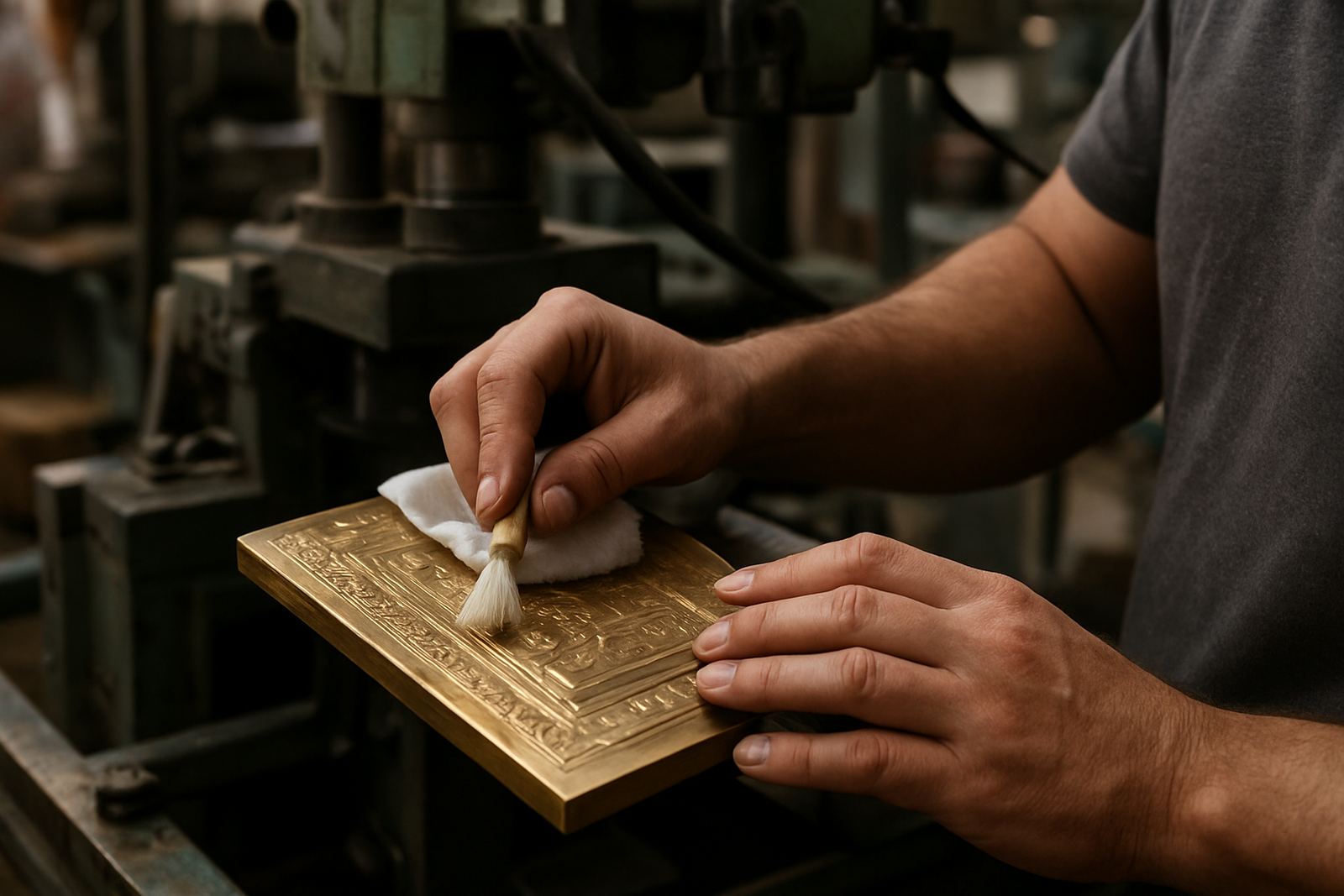
A well-designed die should be maintained between runs so it keeps giving clean impressions. After production, we recommend cleaning off foil residue, adhesive marks and general build-up before storage. If a die is handled roughly or packed away while still dirty, the edges can dull faster and the next run may need extra make-ready. For humid coastal conditions especially, proper packing and dry storage make a real difference.
Maintenance intervals depend on how hard the die is working. High-volume packaging runs may need checking after each campaign, while lighter promotional work can go longer between inspections. If the design starts to lose detail, we can assess the damage and advise whether a clean-up, alteration or replacement is the better option. For some clients, especially those with regular repeat work, scheduled checks every few runs help avoid expensive downtime. It is a simple habit that saves time and keeps press work steady.
- Clean after each production run
- Inspect before repeat use for edge wear or blocked detail
- Store dry and packed to prevent corrosion or damage
- Review condition after heavy runs or long storage periods
Key facts
| Material options | Brass and magnesium |
|---|---|
| Typical use | Hot foil stamping and embossing plates |
| Production base | Industria, Johannesburg |
| Delivery area | Nationwide courier dispatch |
| File support | Artwork checks and job filing |
| Service focus | Custom layout planning for fit, strength and press performance |