Archived Job References Keep Reorders Straightforward
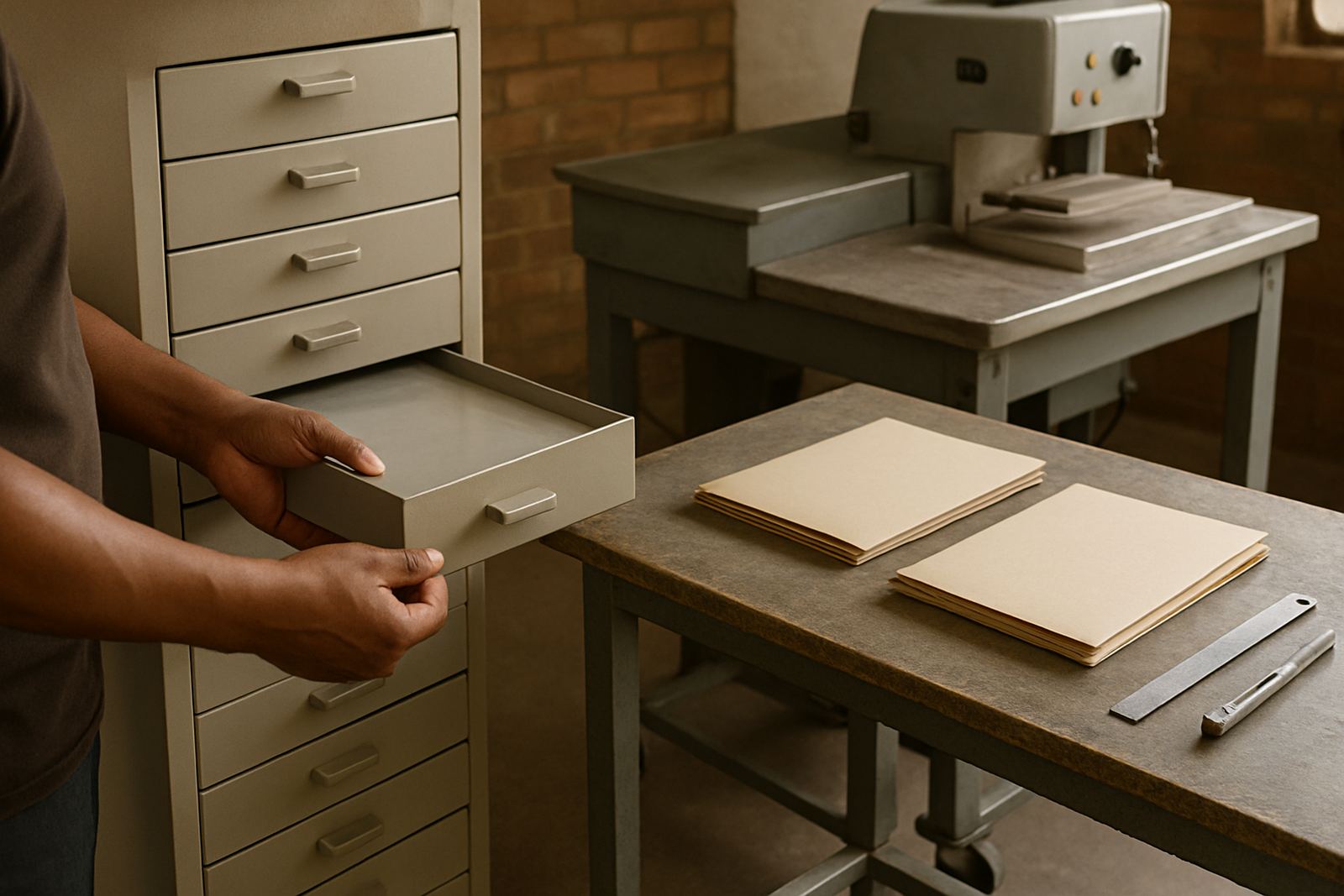
Repeat ordering starts with the original job reference, size, foil area, and any notes from the last run. That record helps us match the die face, mounting details, and counterforce set-up so the new die behaves the same on press. If your file name has changed since the last order, we can still trace the job using artwork marks, client name, or the finished pack spec.
This is useful for print finishers and packaging houses that run the same carton, label, or presentation box over and over. It cuts down on proof cycles and avoids the delays that come with starting from scratch. We also check whether the last run was made for flat stamping, curved work, or a job with tight register marks.
- Same die size and mounting format as the original
- Checks against archived artwork and job notes
- Suitable for repeat carton, sleeve, and label work
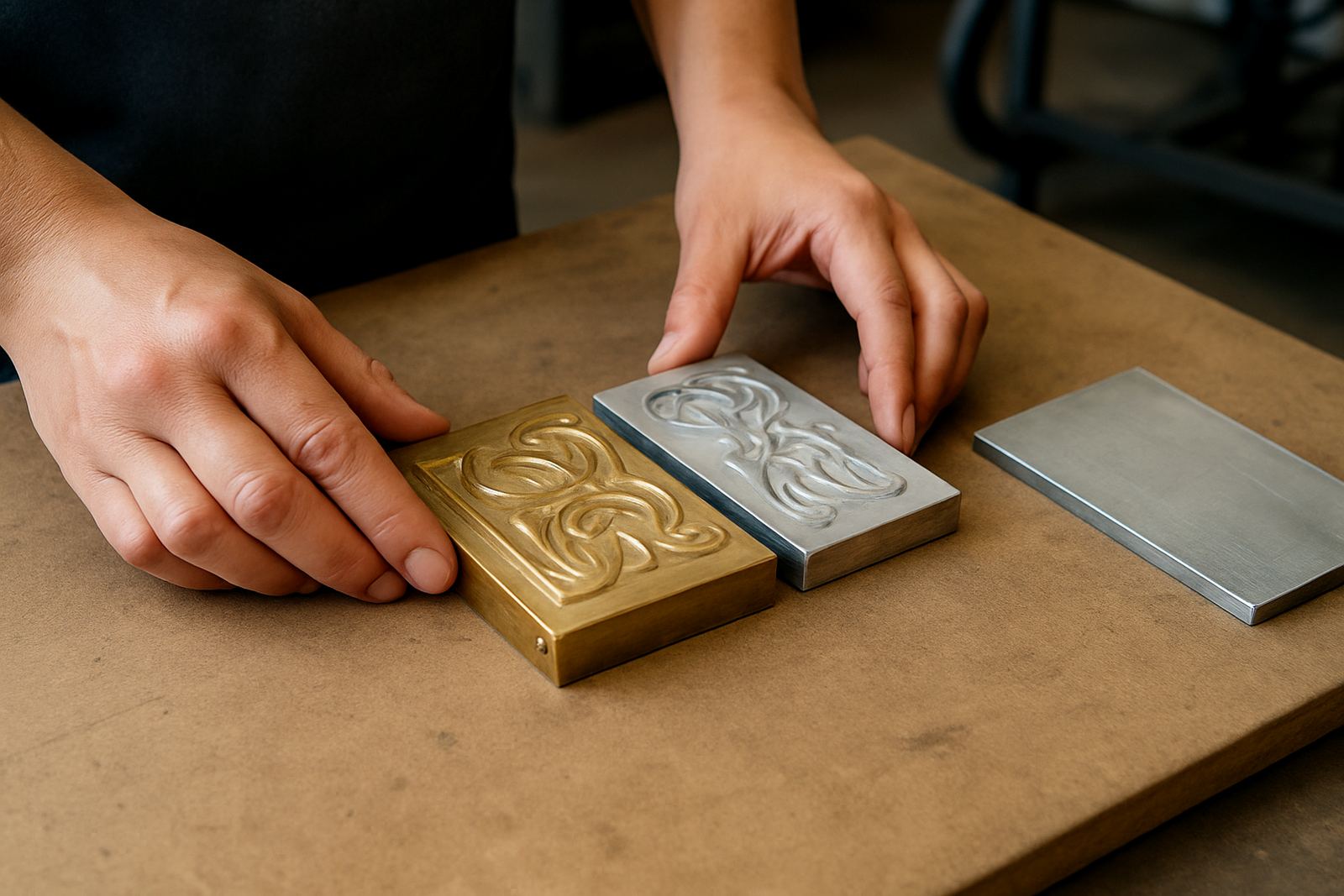
- Matches brass or magnesium to the original job spec
What We Check Before We Start Cutting Again
Before production begins, we confirm the details that affect fit and impression. That includes the original artwork version, any revision notes, foil coverage, press type, and the condition of the last die if you are sending it in for comparison. If the job was previously adjusted for a difficult substrate, we keep that in the file so the repeat order starts with the correct settings.
For some reorders, the original die is no longer usable and the new one must be recreated from the archive. For others, we can copy the existing pattern exactly and then make small corrections if the press room flagged wear, depth, or edge pickup. If your pack is for export or long shelf life, we can also keep the finish consistent across future runs, which matters when several batches are being printed months apart.
- Artwork version and revision history
- Die material, size, and fixing method
- Press and substrate notes
- Counterforce or make-ready details where needed
Repeat Ordering Process From Enquiry to Dispatch
Once you send the enquiry through the contact form, our team checks the archived file and confirms what needs to be remade. If anything has changed we will flag it before production starts. For a straight repeat, we move directly into engraving and finishing without wasting time on extra redraws.
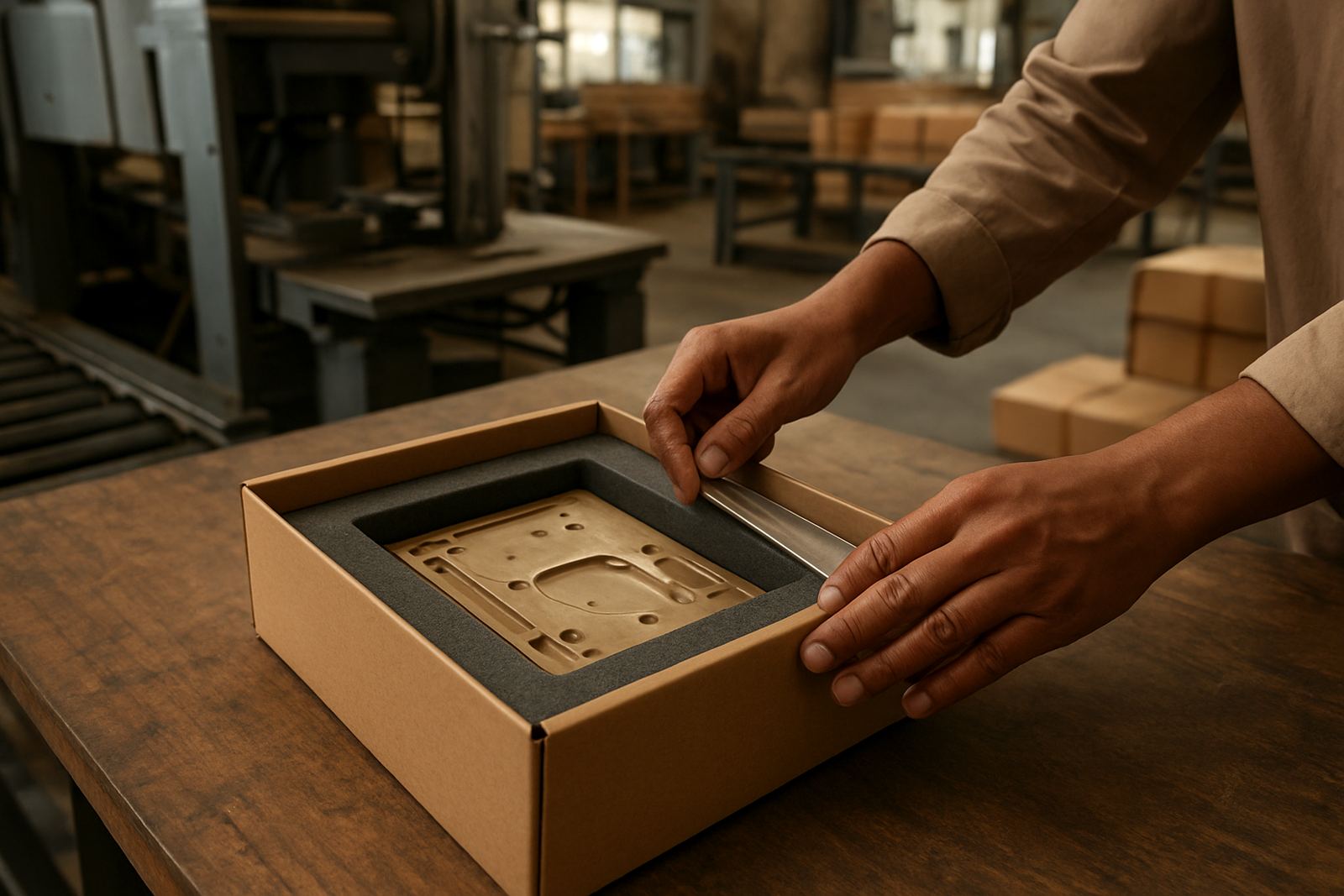
The process is practical and quick. Ayesha and Johan handle production checks and engraving, while Lerato and Sibusiso manage updates and dispatch planning. If you need the die sent to Johannesburg, Pretoria, Durban, Cape Town, Gqeberha, Bloemfontein, Polokwane, or Mbombela, we pack it securely for courier delivery. During load-shedding or tight month-end schedules, this helps keep the job moving without extra handling delays.
- Submit the repeat request on the contact form
- We pull the archived job file and confirm the details
- Artwork and size are checked against the last approved version
- Engraving, finishing, packing, and courier dispatch follow
Turnaround Times For Proven Jobs
Repeat jobs are usually faster than a first-time order because the file already exists and the die specification is known. Straight repeats can move through production quickly, especially when the artwork has not changed and the original mounting style still suits the press. If we need to alter the die slightly, such as adjusting depth or trimming a border, we will give you a revised time before we start.
Urgent work is possible when the schedule allows and the job file is complete. That said, a clean repeat order with the right reference often beats a rushed new setup. For clients in the print finishing trade, this can make the difference between keeping a packing date and missing a dispatch window by a day or two.
- Straight repeats are faster than first runs
- File completeness has a direct effect on turnaround
- Minor alterations may add short extra time
- Courier time depends on destination and collection cut-off
Pricing Approach For Reorders And Minor Changes
Repeat ordering is normally priced with the original job in mind, then adjusted for any work that has changed. If we are recreating the same die from archive, the cost is usually lower than a full new design because the technical decisions are already made. Where the job needs a size change, extra engraving, or a new counterforce set-up, we quote on the added labour and material only.
We keep pricing clear so there are no surprises when a production manager is trying to keep within budget. Brass dies, magnesium dies, and embossing plates each carry different material and machining costs, so we quote according to what the job needs rather than forcing one price across all work. That matters for smaller print shops as much as large packaging houses, especially when repeat volumes shift from month to month.
- Lower cost for exact repeats from archive
- Extra charges only for changes or added machining
- Material choice affects the final price
- Quotes are based on job size, detail, and urgency
Maintenance Intervals That Protect Future Reorders
Good repeat ordering works best when the last die was stored and handled properly. Keep dies clean, dry, and labelled with the job number after each run. In humid coastal areas, or in busy stores where packing rooms get dusty, we recommend regular cleaning after use and a check before the next production cycle. That helps prevent surface wear, corrosion, and impression loss.
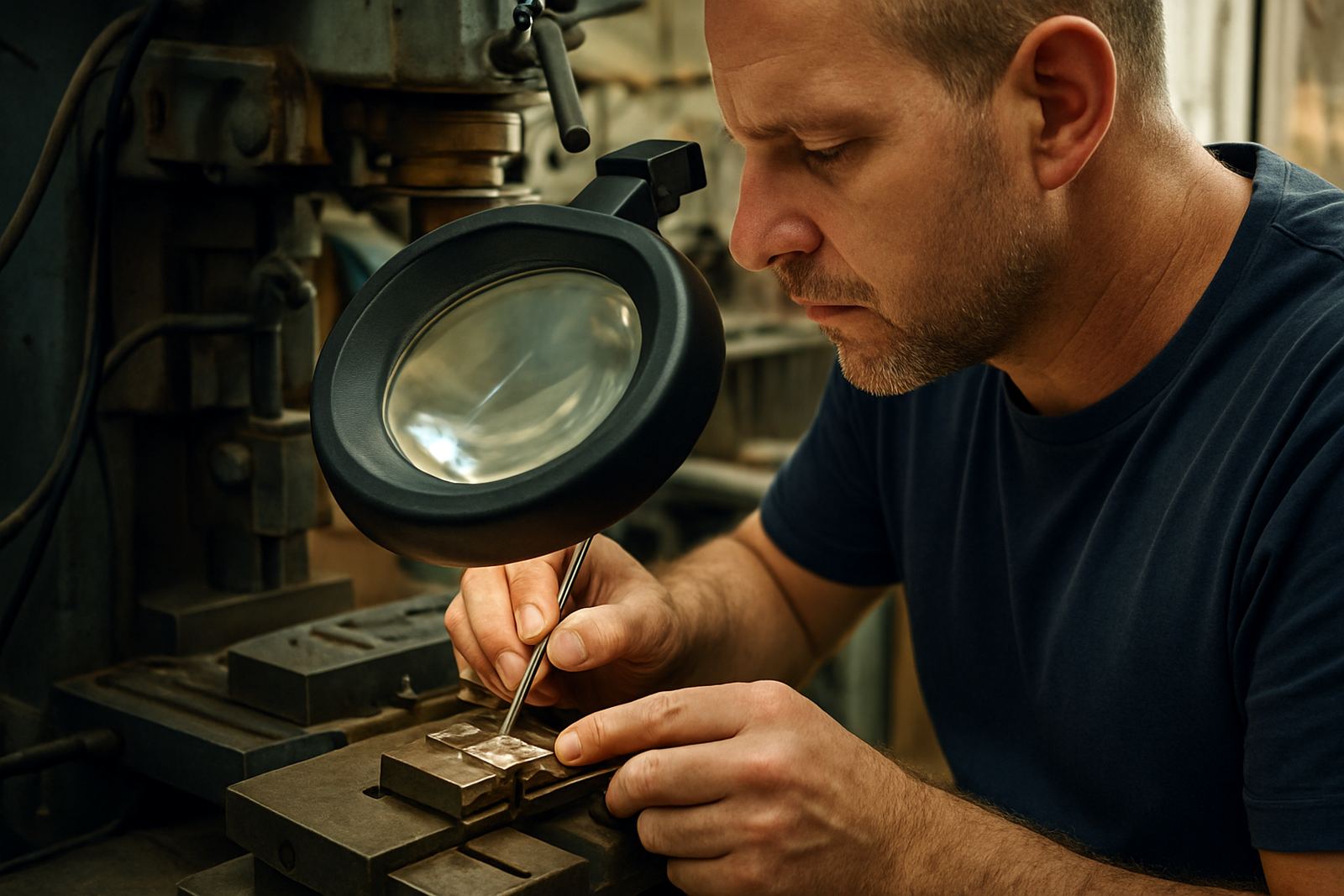
As a rule, inspect the die after every production run, then again before the next reorder if the job sits for more than a few months. If you notice blunting, flattening, or poor transfer on the last impression, send the die in for damage assessment before we remake or alter it. A small correction now can save a full remake later.
- Clean after every run
- Store in a dry labelled pack
- Inspect before each repeat run
- Request damage assessment if the last impression dropped off
Why Archive-Based Reordering Helps Production Stay On Track
When a job has already been approved on press, repeat ordering gives you a known outcome. That is useful for packaging houses, label printers, and finishing teams that need the same look on every batch. It reduces back-and-forth, keeps approval records tidy, and helps the team answer client requests faster. For recurring work, that consistency matters more than starting fresh each time.
We keep the work practical from first enquiry to dispatch, with clear references and careful checking at every stage. If you are reordering a die used in a previous campaign, batch, or seasonal pack, send the job reference and we will take it from there. It is usually the quickest way to get a proven result back on press, without confusion or unnecessary delay.
Key facts
| Material options | Brass dies and magnesium dies, plus embossing plates |
|---|---|
| Typical use | Offset, flexo, and print finishing repeat work |
| Reference needed | Previous job number, artwork version, or finished pack details |
| Common die sizes | Small labels to large carton and sleeve formats, subject to job spec |
| Turnaround | Fast repeat production for complete archive files, urgent options subject to schedule |
| Delivery | Couriered nationwide from Industria, Johannesburg |