Why sample impressions matter before production
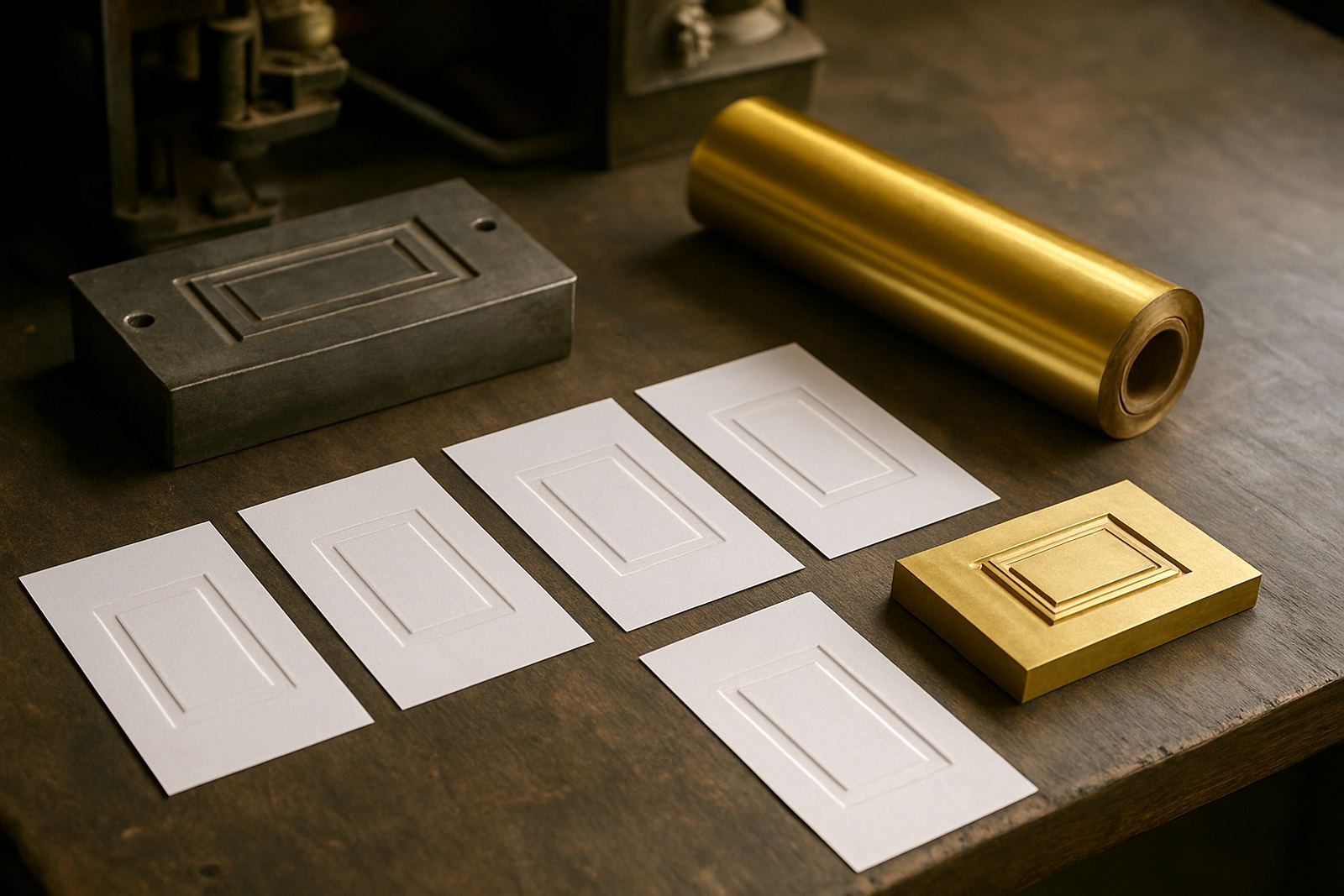
Sample impression advice is the step that tells you if the die is striking cleanly, if the foil is releasing properly, and if the board or substrate can handle the pressure without crushing. It is especially useful on short runs, new board grades, coated stocks and packaging with tight registration where even a small mismatch can show up as a dull stamp, uneven depth or broken detail.
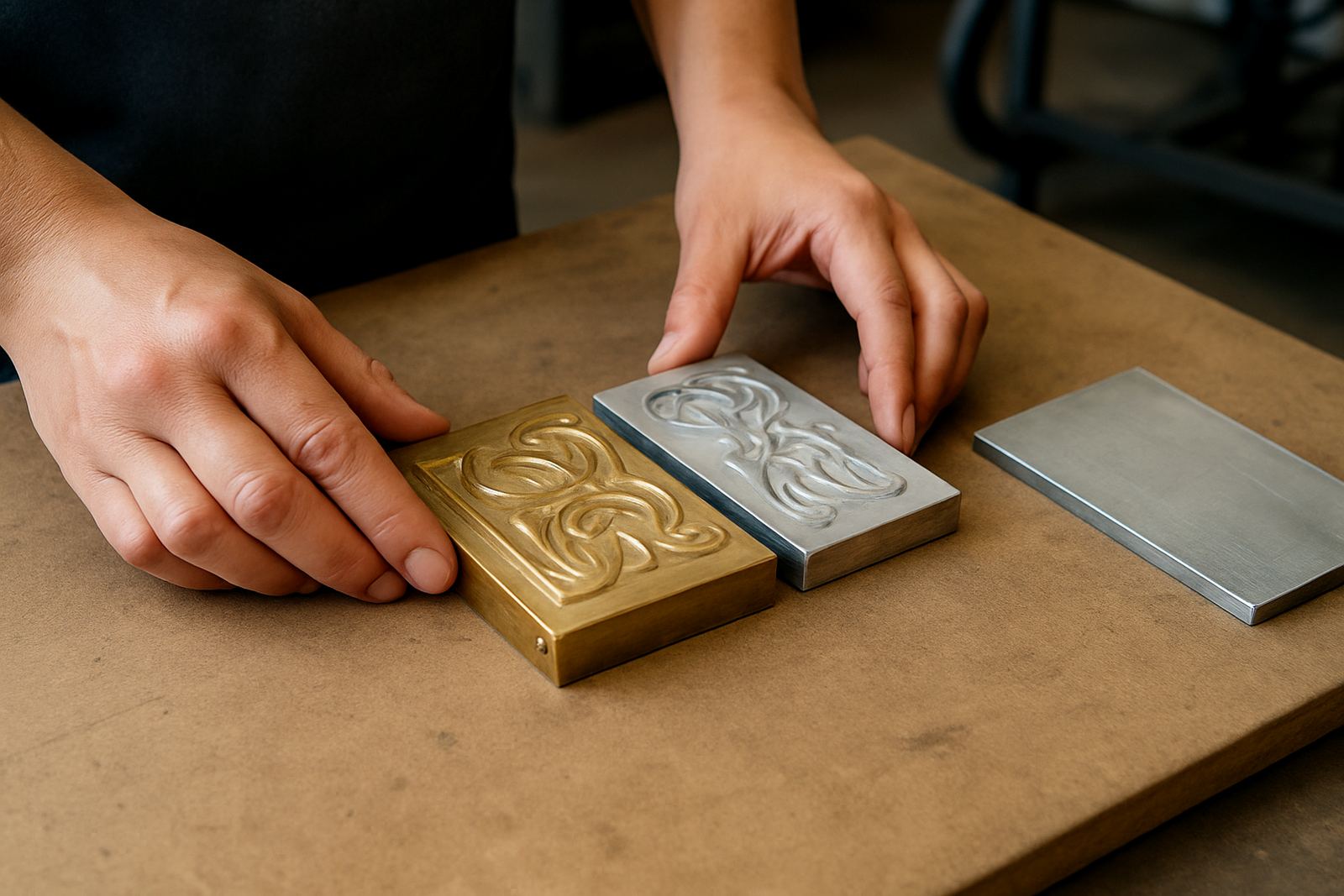
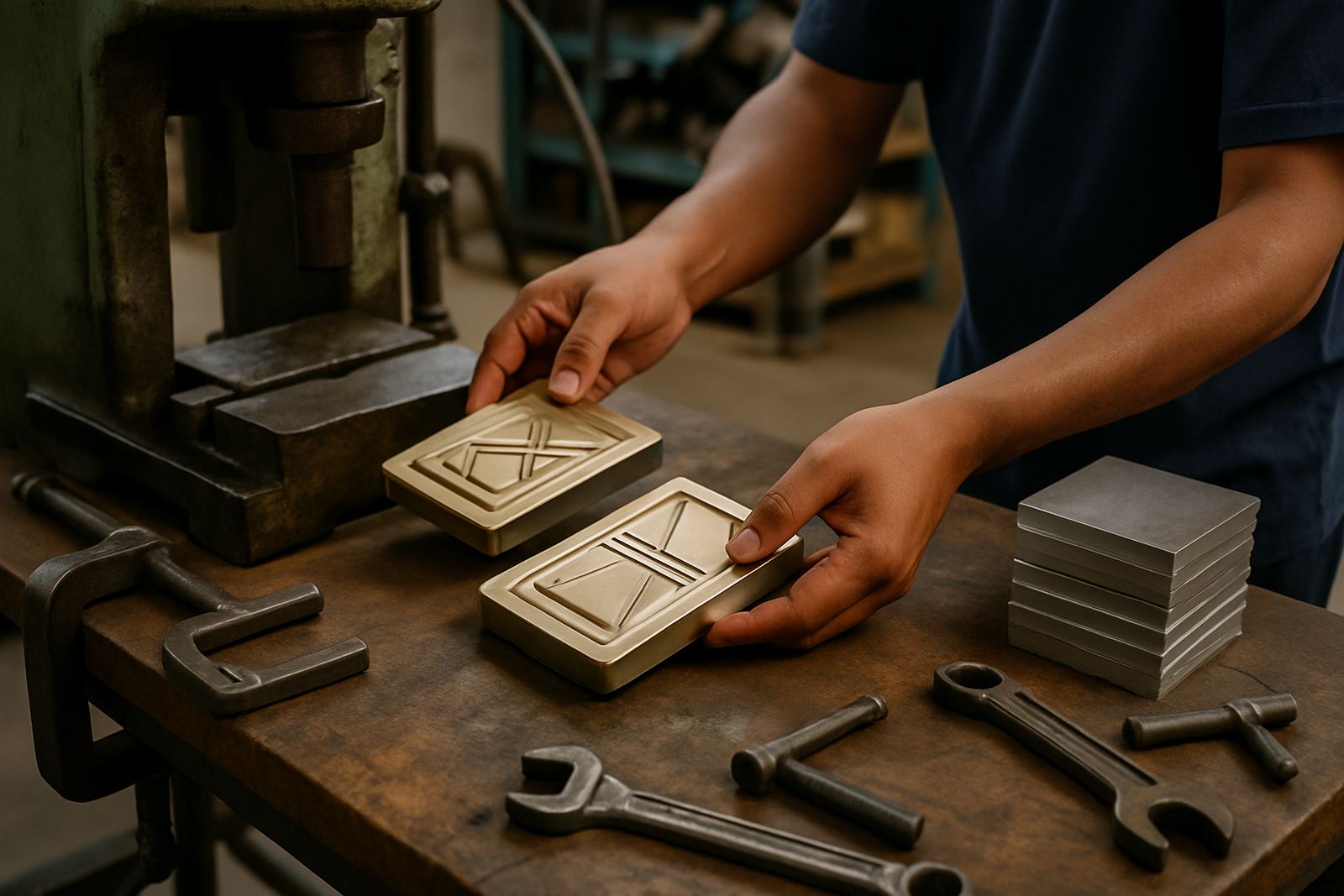
We work with brass and magnesium dies for offset, flexo and print finishing jobs, so the test impression needs to reflect the final production conditions as closely as possible. That means looking at heat, pressure, make-ready, foil type and the surface you are stamping onto, not just the artwork alone.
- Checks whether fine linework, small text and logos hold detail
- Shows if the foil releases cleanly or leaves patchy coverage
- Confirms if the board dents, fibre lifts or glosses over
- Helps you choose the right pressure range before the full run
What is included in the advice we give
Our sample impression advice is practical and specific. We review the artwork and die layout, then advise on the way the impression should be pulled so the result gives you usable information, not a guess. If there are concerns with depth, edge sharpness or counterforce matching, we point them out before the job goes too far.
Where needed, we also help with repeat ordering notes, die alterations and packing instructions for dispatch. That matters when a job is being shipped to Cape Town, Durban, Gqeberha or smaller centres and the press team needs a clear reference when the die arrives.
- Artwork check against the intended impression area
- Advice on pressure, temperature and dwell time
- Board suitability guidance for coated and uncoated stocks
- Notes on foil response, registration and detail retention
- Recommendations for any counterforce adjustment
How the sample impression process works
The process starts with your enquiry through the contact form, followed by a review of the job details, artwork and intended use. Once we have the specs, we confirm what should be tested and what the printer should look for during the pull. If the job is urgent, we prioritise the guidance so your team can get on press sooner rather than later.
We keep the steps clear because most delays happen when people are not sure what to check. A good sample impression should tell you if the die is centred, if the foil is flowing evenly, and if the board is taking the image without deformation. If the first pull is off, we advise what to adjust next. sometimes it is a small change in pressure, other times the board or counterforce needs attention.
- Submit the job details and artwork through the enquiry form
- We review the die type, size and intended substrate
- We advise on the correct test setup and checking points
- You pull the sample impression and compare it to the target finish
- We guide any next-step adjustments if required
Turnaround for urgent and scheduled jobs
For local Johannesburg and Pretoria work, advice can often be turned around quickly once the job information is complete. For couriered dies going nationwide, the timing depends on dispatch and receipt of the sample result, but we keep the chain of communication tight so there is less waiting around.
Urgent turnaround is available when a print finishing deadline is close and you need a clear yes or no on the impression before committing to a full production run. Load-shedding, machine warm-up and shift changes can all affect the pull, so we always factor in real shop-floor conditions instead of ideal ones.
If your team is in Durban, Cape Town, Polokwane, Mbombela, Bloemfontein or Gqeberha, we can still guide the test method and interpret the result from the information you send back. The aim is to avoid a second courier, a rework cycle or unnecessary downtime.
Pricing approach and what affects the cost
Pricing for sample impression advice is based on the job complexity, the amount of review needed and whether the job needs additional checks such as die alteration guidance or counterforce matching. Simple checks for a repeat job are usually quicker to handle than a new embossing plate with fine detail, deep relief or multiple foil areas.
We keep pricing practical and tied to the work involved, not to a one-size-fits-all rate. If the job needs a fresh artwork check, multiple sample evaluations or a same-day response, that affects the quote. Where possible, we group related tasks so you do not pay twice for the same information.
- New artwork or repeat artwork review
- Number of impressions to assess
- Need for urgent response or after-hours handling
- Complexity of foil, board or embossing detail
- Any linked services such as alteration or cleaning advice
How to keep dies and plates in good condition after testing
Once the sample impression has done its job, proper handling helps preserve the die for the full run and for future repeats. Clean the die after use, store it dry and avoid knocking the engraved face during packing. Brass dies tend to hold detail well over time, while magnesium needs a bit more care if it is being reused often.
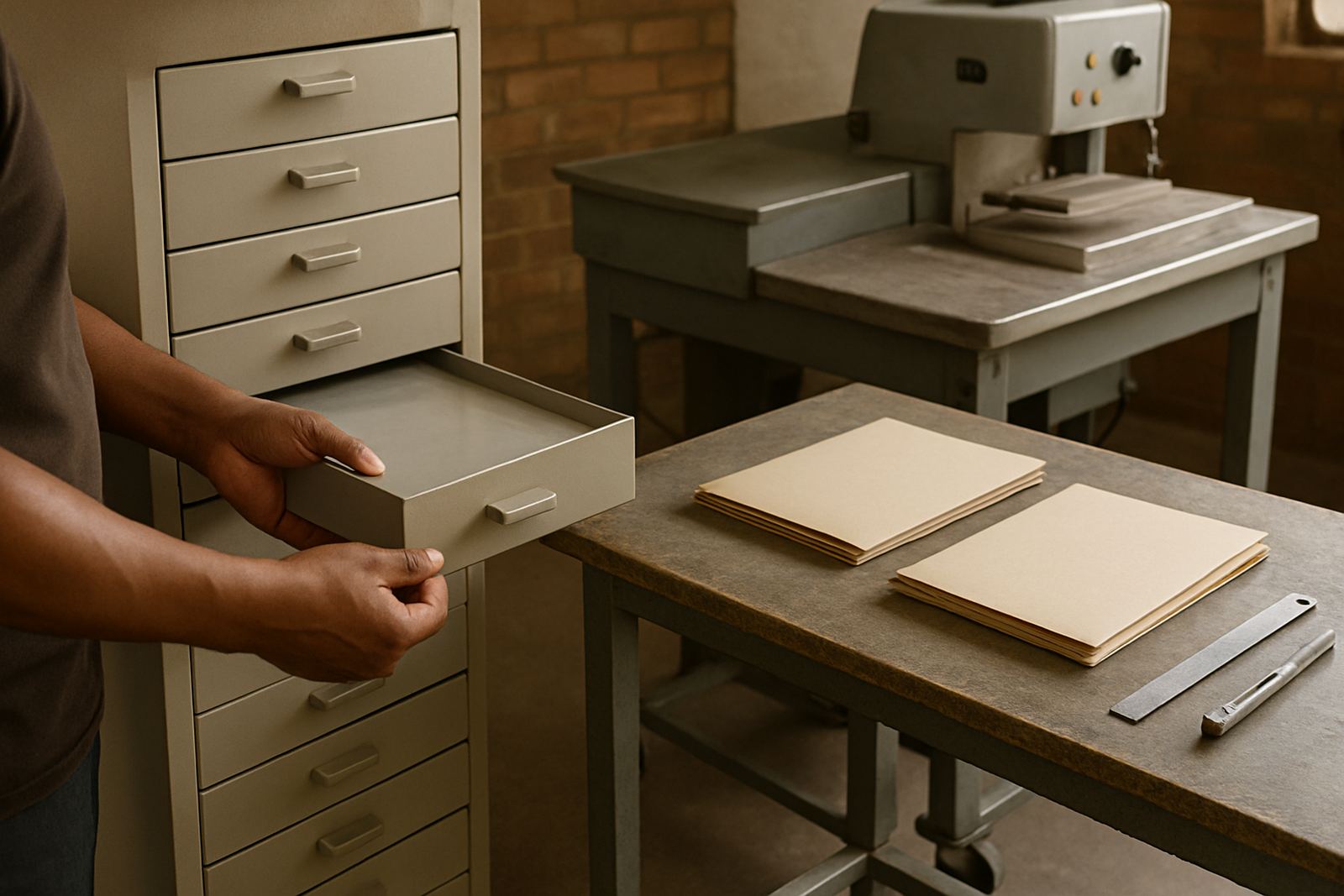
We normally recommend a maintenance check after repeat use, after any transport damage, or when you notice softening detail, uneven pressure marks or reduced foil release. In humid coastal conditions, especially around Durban and Gqeberha, storage and packing matter even more because moisture can affect the finish and the board behaviour. A clean die and good filing record makes the next order much faster.
- Keep dies dry and packed flat after use
- Check for wear after repeat jobs or transport
- Book cleaning if foil residue or board fibres build up
- Ask for a fresh impression review if the finish changes
Key facts
| Service area | Johannesburg base, with courier dispatch nationwide |
|---|---|
| Die types | Brass hot-stamping dies and magnesium hot-stamping dies |
| Typical uses | Foil stamping, embossing and print finishing checks |
| Recommended check points | Pressure, foil release, board suitability, registration |
| Response focus | Urgent turnaround, repeat orders and alteration advice |
| Maintenance interval | After each run for cleaning review, and at repeat-order stages or when finish quality drops |