
What Our Engraving Production Covers
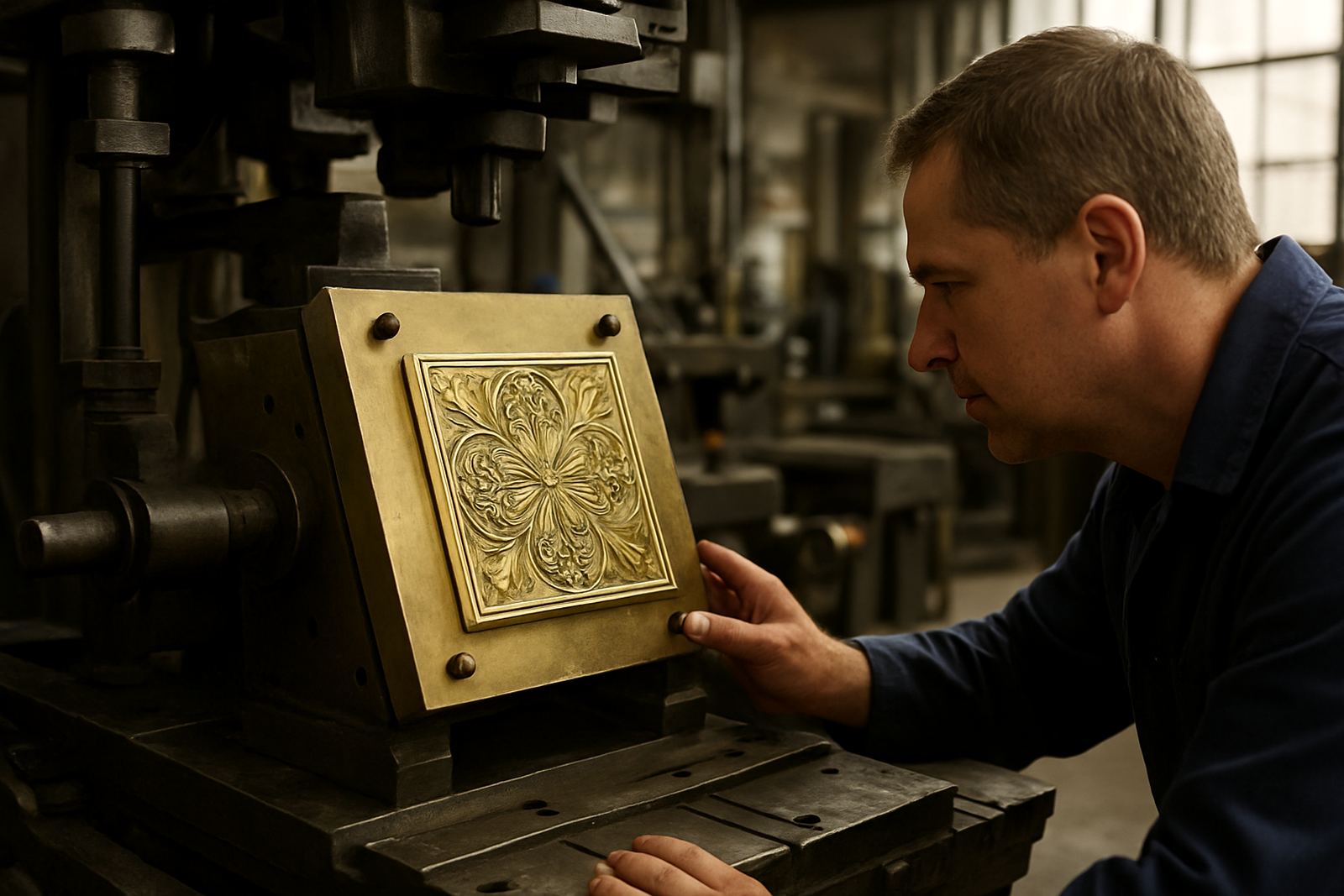
Engraving production is the stage where approved artwork becomes a working die or embossing plate. We cut brass and magnesium tooling to the required depth, line weight, image area and finishing format, so the result is ready for hot stamping, embossing or related print finishing work. Every job is checked against the supplied artwork and press requirements before cutting starts.
For Johannesburg, Pretoria, Durban, Cape Town and other centres, we produce tooling for packaging houses, label printers and finishing teams that need accurate results without delays. The output needs to fit the press, the foil or embossing stock, and the substrate, whether you are working on coated board, uncoated stock, folding cartons or presentation packaging.
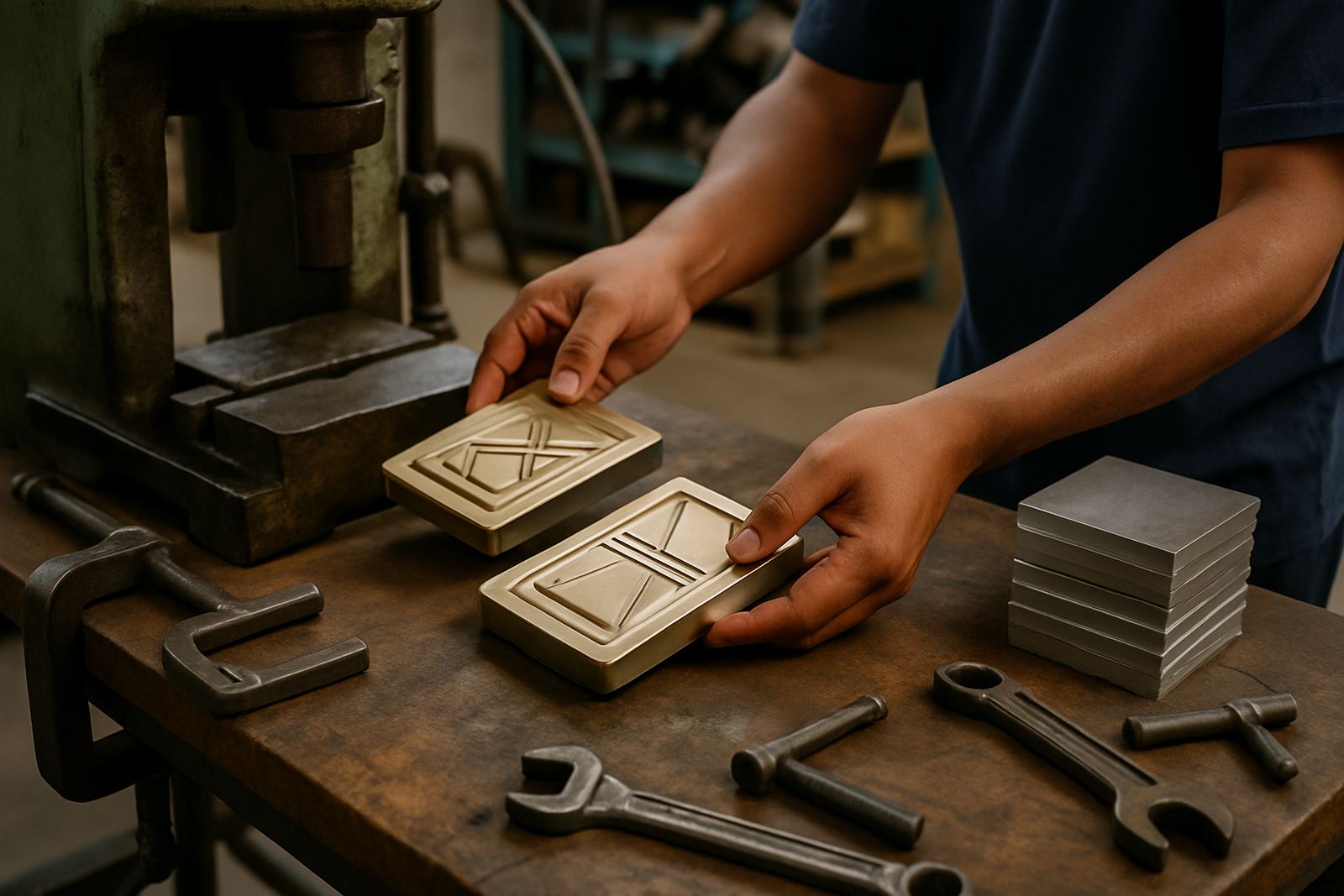
- Brass die engraving for longer production life and fine detail
- Magnesium die engraving for cost-sensitive or shorter run work
- Embossing plates and matching counterforce requirements
- Tooling suited to flat-bed and cylinder finishing applications
How We Turn Artwork Into Finished Dies
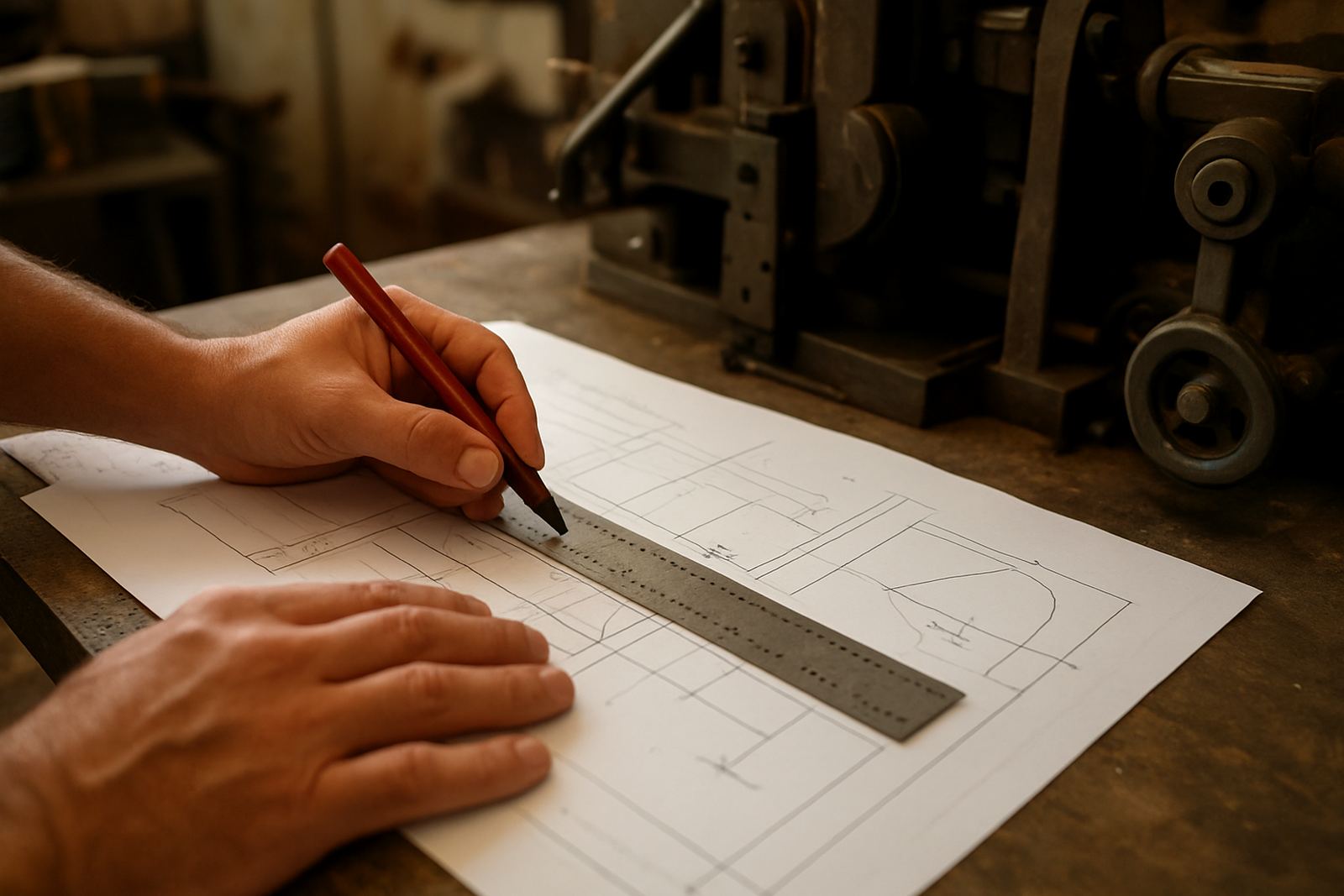
The process starts with the artwork check. We confirm size, spacing, line thickness, reverse reading, logo positioning and any special finish notes before engraving begins. If the artwork needs adjustment for press reality, we flag it early so the job does not go back and forth later. That saves time and avoids rework.
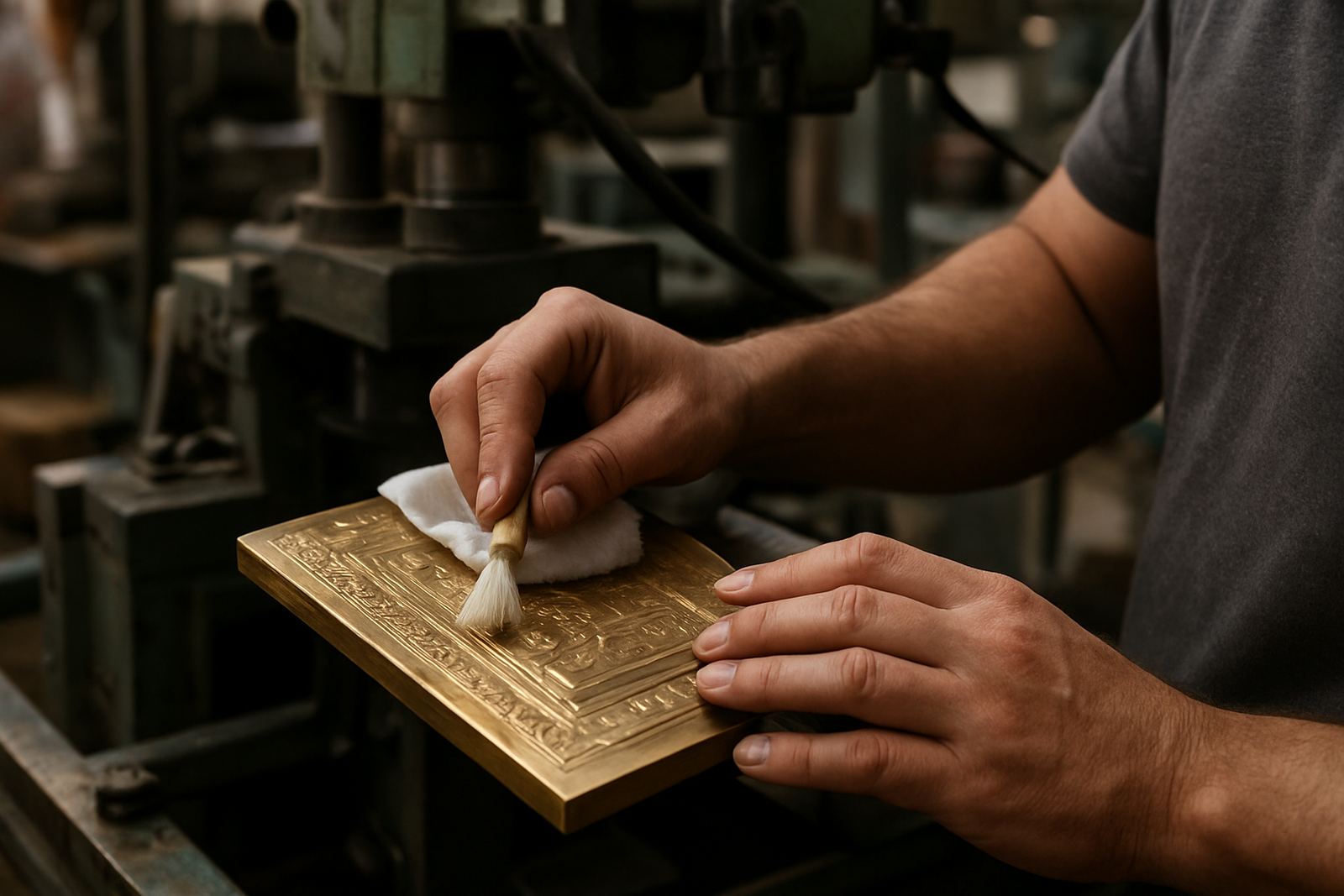
Once approved, the file is prepared for machining and the die is cut to the specified depth and relief. After engraving, the piece is cleaned, inspected and compared against the order notes. Where needed, we also match counterforce details so the embossing or stamping result lands correctly on press.
- Artwork review and sizing checks
- File preparation for the engraving machine
- Precision cutting and depth control
- Finishing, cleaning and inspection
- Packing for courier dispatch nationwide
Material Choice for the Job at Hand
Brass and magnesium each have a place in engraving production. Brass is the preferred choice when the job needs better wear life, sharper detailing or repeat use over a longer production schedule. Magnesium is lighter to work with and more economical for shorter runs, sample approvals and lighter duty work.
We help you choose the right material based on run length, image detail, substrate, turnaround and budget. On some packaging jobs a magnesium die is enough for the first production batch, while brass makes more sense for repeat orders. If the press room is running through load-shedding or working to tight deadlines, the safer choice is often the one that gives fewer surprises on the line.
- Brass for high detail and longer wear
- Magnesium for shorter runs and quicker cost control
- Matched to foil, board type and press pressure
- Suitable for repeat ordering and file retention
Turnaround, Urgent Work and Courier Dispatch
Turnaround depends on complexity, size, material and how complete the artwork is when it arrives. A straightforward magnesium job can move quickly, while a detailed brass die with matching counterforce may need more machining and checking time. We keep the workflow practical so you know where your job stands and when it can go out.
For urgent jobs, we prioritise the engraving sequence where possible and arrange dispatch from our Industria base in Johannesburg to print finishers and packaging houses nationwide. Same-day or next-day release may be possible on simple work if artwork is approved early and no tooling changes are needed. Courier timing still depends on destination and the route, especially for Durban, Cape Town and Gqeberha deliveries.
- Standard turnaround based on job size and complexity
- Urgent production where the schedule allows
- Courier packing prepared for nationwide delivery
- Update issued once the job has passed final inspection
Pricing Based on Size, Detail and Repeats
We price engraving production according to practical job factors rather than guesswork. The main drivers are tooling size, image complexity, material choice, number of repeats, any alterations to an existing die, and whether counterforce or special matching is needed. If a job is straightforward, the cost stays tighter. If it requires fine detail or multiple setup steps, that is reflected in the price.
For repeat orders, we keep the original job file on record so future runs can often be handled faster and with less admin. That usually helps with consistency and can reduce cost on the second or third order. Where an existing die needs cleaning, adjustment or damage assessment first, we quote the work separately so you can decide whether repair or replacement makes better sense.
Maintenance Intervals and When to Reorder
Die life depends on how hard the press runs, what substrate you are stamping or embossing, and how often the tooling is cleaned and stored properly. Brass tends to last longer under regular production, while magnesium may need replacement sooner on more demanding jobs. If you are seeing dull detail, uneven pressure marks or edge wear, it is worth having the tooling checked before the next run.
As a practical guide, review high-use dies after each production cycle and inspect lighter duty tooling every few orders. Keep the surfaces clean, dry and protected from knocks. In coastal areas like Durban and Gqeberha, humidity can affect storage conditions, so proper wrapping and dry handling matter. If a die has shifted or been damaged in transit, send it in for assessment rather than pushing it back on press. The earlier the check, the less chance of downtime.
- Inspect after each high-volume run
- Check lighter duty tooling every few orders
- Clean and store dry to prevent surface issues
- Request assessment if detail starts to flatten or distort
Key facts
| Material options | Brass and magnesium |
|---|---|
| Typical use | Hot stamping, embossing and finishing work |
| Detail range | Fine lines, logos, text and repeat artwork |
| Turnaround | Depends on size, complexity and approval status |
| Dispatch | Couriers nationwide from Industria, Johannesburg |
| Maintenance check | After each high-use run or every few orders for lighter duty jobs |