
Precision dies for premium business cards
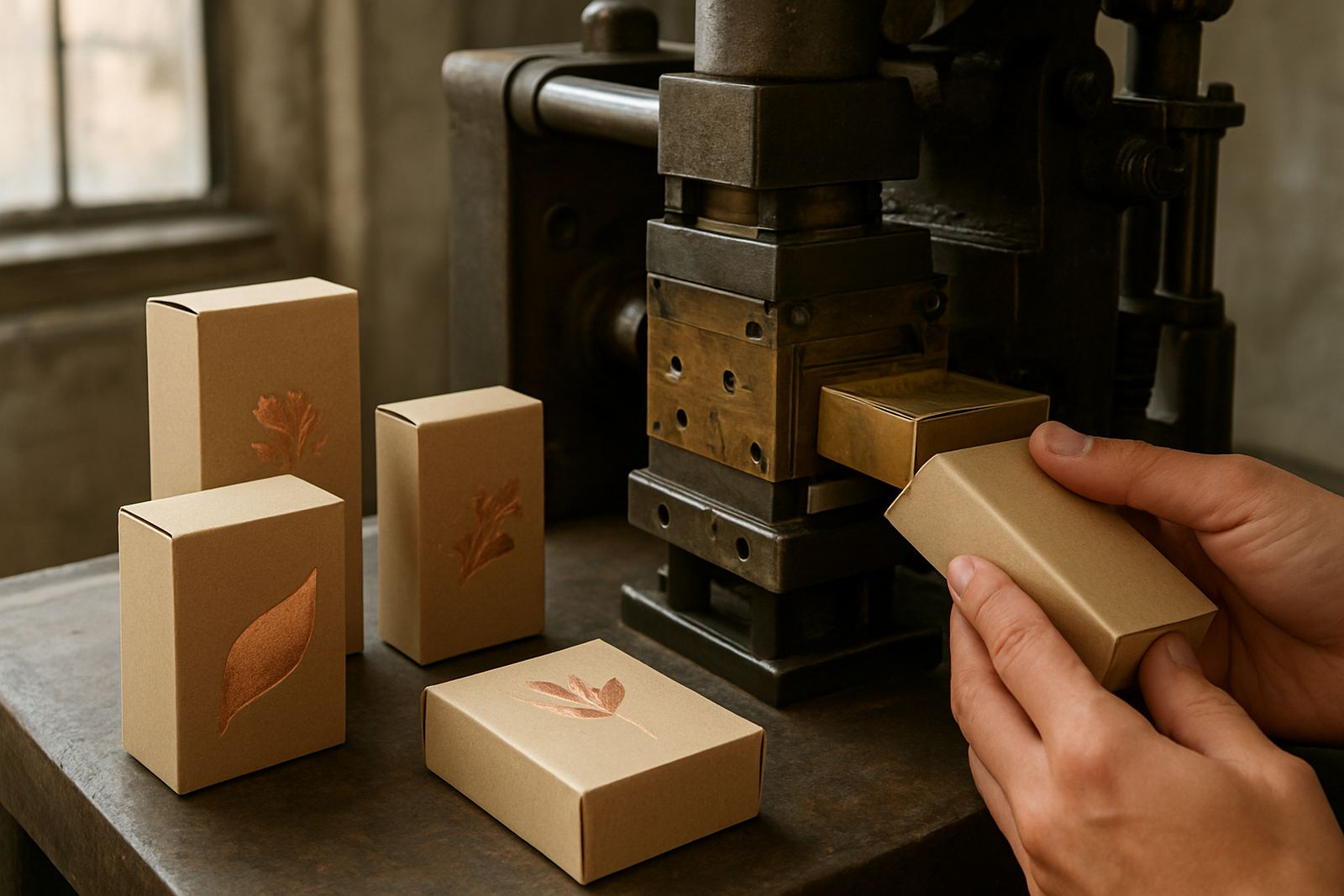
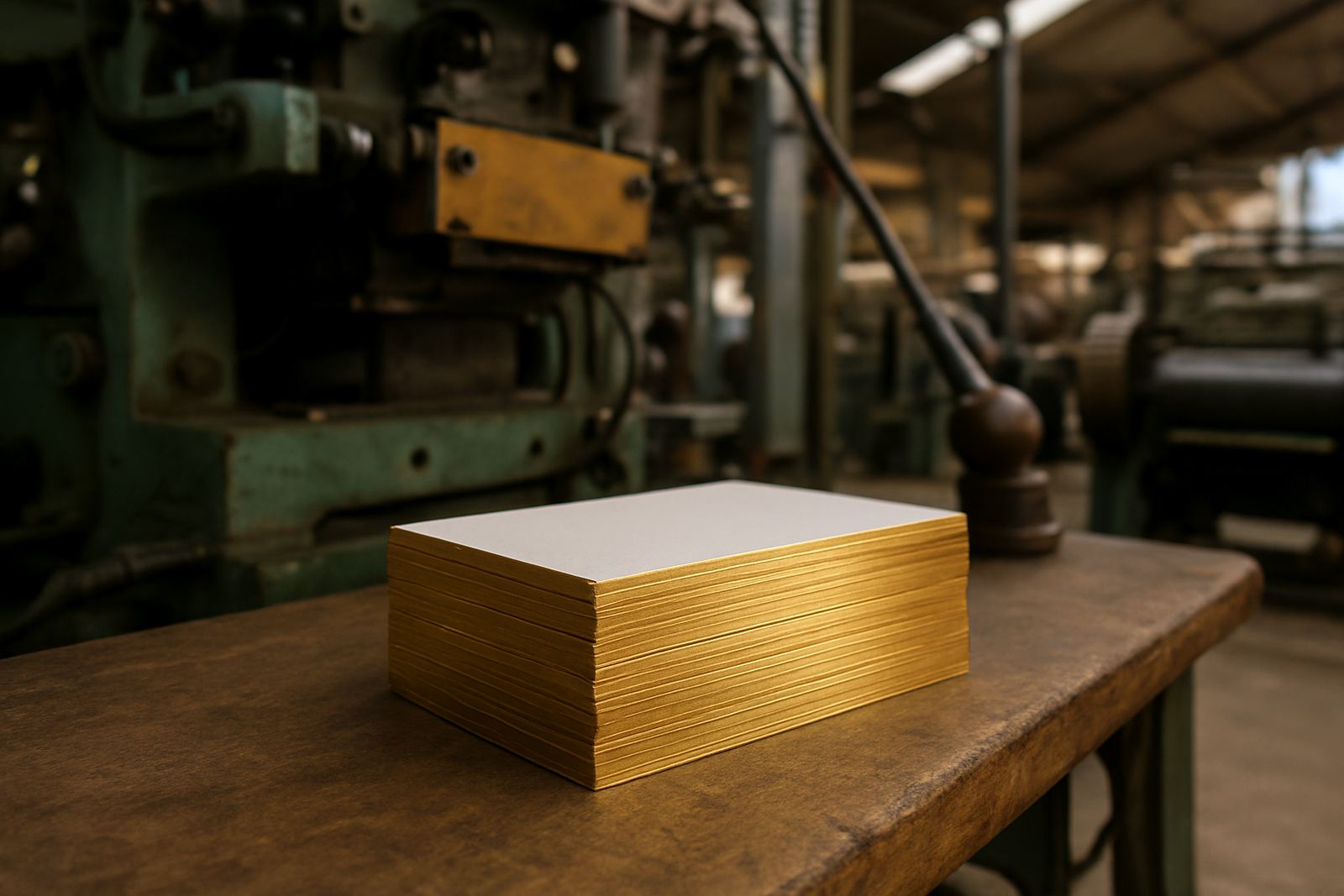
Business card work leaves very little room for error. A logo that is too shallow, a line that is not sharp, or a die that lifts during a run can spoil a whole batch. Our business card dies are made for hot foil stamping and embossing on short, high-value runs where presentation matters. They are commonly used on 90 x 50 mm cards, 85 x 55 mm cards, square formats and folded cards that need a clean branded finish.
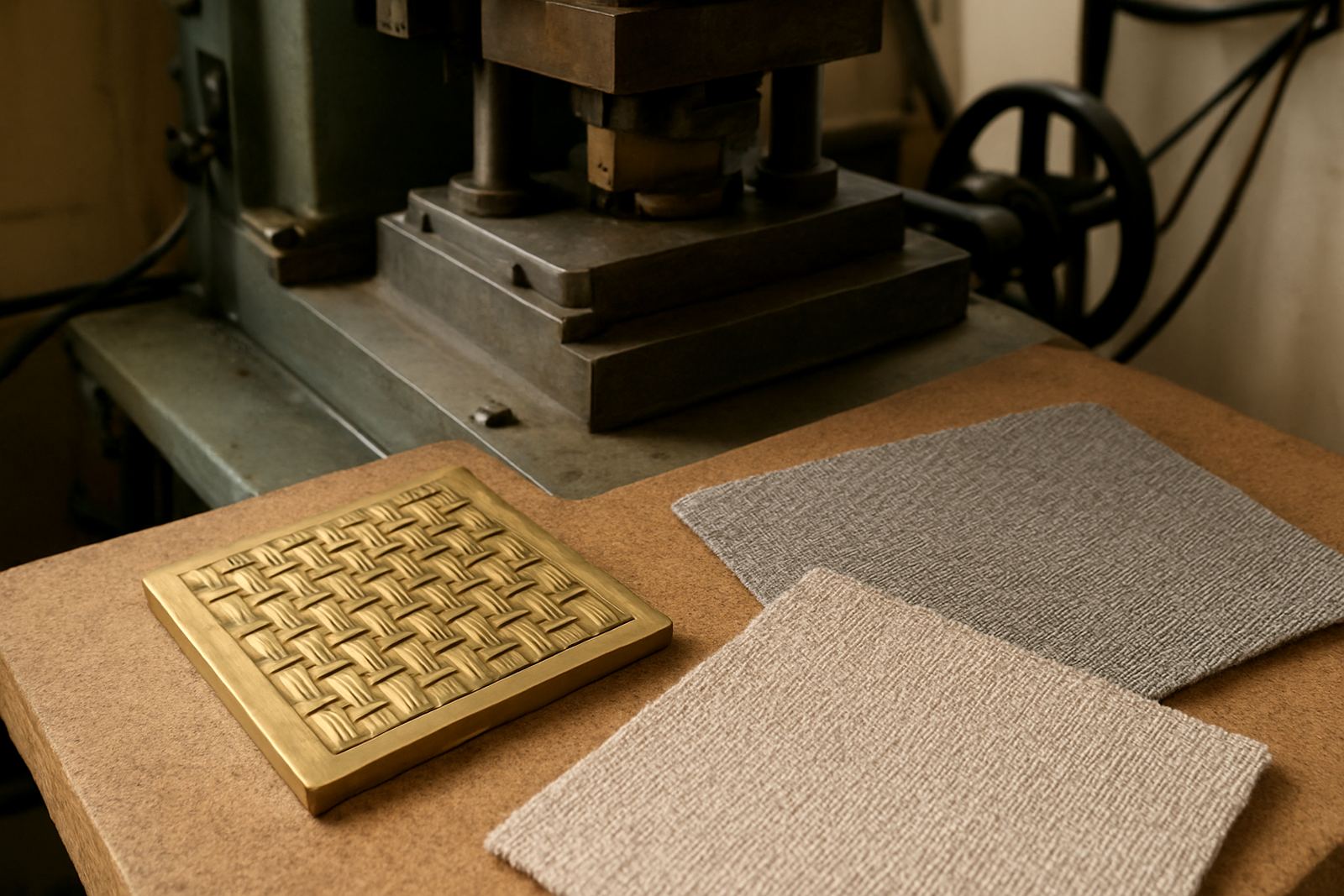
We supply brass dies for longer runs and finer detail, and magnesium dies where quicker turnaround and lighter tooling suit the job. Both are cut from approved artwork and checked for line weight, spacing and small text legibility before engraving. That helps reduce reworks at the press, especially when the card stock is coated, textured or heavy enough to throw off pressure balance. In Johannesburg and beyond, finishers often need a die that arrives ready to mount and run, not one that still needs guessing on site.
- Suitable for foil logos, initials, borders and small repeat motifs
- Can be supplied for single-sided or double-sided card work
- Works on matte, soft-touch, uncoated and laminated stocks
- Made for accurate repeat ordering when corporate identities stay unchanged
Sizes, mounting and press compatibility
Most business card dies are small, but the mounting and heat transfer still need to be right. We can cut dies to suit most common platen, clamshell and finishing press setups used in the trade. The die face is made to the approved artwork size, then mounted to suit the press bed or chase arrangement. If you are running a compact card job alongside other finishing work, we can also help with counterforce matching so pressure stays even across the image area.
For embossed cards, the counter die or matching plate is as important as the main die. A poor match can crush the stock, blur fine type or leave a weak emboss that disappears once the card is handled. We check the impression depth, the counterforce and the available stock thickness before production where possible. That saves time on press and helps keep the card edges neat, especially on heavier boards used for executive cards, invitations and premium corporate stationery.
- Common format range: 85 x 55 mm, 90 x 50 mm and custom trims
- Suitable for raised embossing, debossing and hot foil stamping
- Can be produced with mounting blocks to suit your press setup
- Useful for both straight text layouts and detailed logo work
Where business card dies suit the job best
These dies suit printers and finishers producing business cards for law firms, consultants, property agencies, events teams, medical practices and executive offices. They also work well on short-run premium stationery where the card is part of a wider brand pack. If the project needs a tactile mark, a metallic logo or a blind emboss that feels deliberate in the hand, this is the right tool. The die should be selected with the final stock in mind, because coated boards, cotton stocks and laminated cards all behave differently under heat.
In coastal areas like Durban, Cape Town and Gqeberha, humidity can affect stock storage and press consistency, so it helps to keep card packs sealed and acclimatised before stamping. Inland, dry conditions and load-shedding can create different challenges, especially if a press room is stopping and starting through the day. We prepare dies for practical production conditions, not ideal ones. If a job is urgent, we can arrange packing and dispatch to finishers nationwide from Industria, Johannesburg.
- Best for premium corporate cards and short-run identity work
- Suitable for offset, flexo and print finishing environments
- Useful where the final product must feel heavier and more refined
- Can be couriered to Johannesburg, Pretoria, Durban, Cape Town and other centres
What to check before you place an order
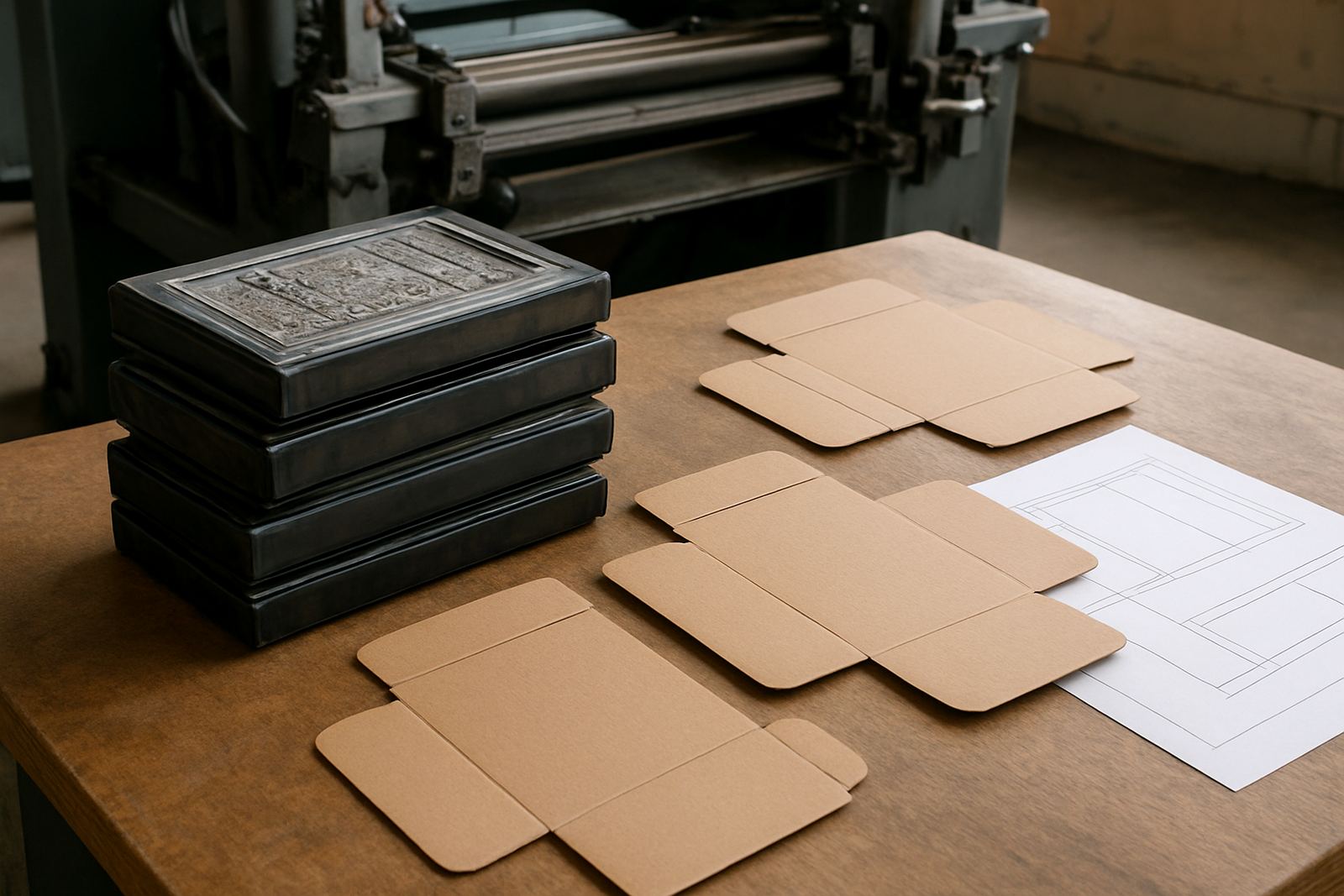
The clearest orders start with the right artwork. Before we engrave, check that line thickness, font size and spacing will hold once the die is cut and the foil is applied. Very fine reversed text, hairline borders and tiny legal details can disappear on press. Please send the final artwork in a clean, editable format where possible, with all fonts outlined and the intended card size confirmed. If the logo must sit in a specific position, include the exact trim and bleed details.
We also need to know the stock type, the planned press method and whether you want foil stamping, embossing or both. If the card will be printed after the die work, say so upfront because registration and heat can affect the sequence. When a repeat order is needed, keep the job reference and version consistent to avoid unnecessary changes. We file jobs for easier re-ordering and can advise on die alterations if a company updates its details later on.
- Confirm final card size and trim allowance
- Send approved artwork with all fonts outlined
- State stock thickness, coating and finish
- Specify foil stamping, embossing or debossing
Care, cleaning and when to service the die
Business card dies last longer when they are handled cleanly and stored properly. After each run, the die face should be cleaned of foil residue, adhesive dust and paper fibres before it is put away. Keep brass and magnesium tooling dry and wrapped, especially if your print room is near the coast or the air is damp. A light surface mark can become a problem later if the die is stored with pressure on the face or packed loose with other tooling.
If a die starts giving uneven pressure, losing detail or picking up unwanted marks, it may need cleaning, damage assessment or a small alteration rather than a full remake. We can inspect the die, check the impression and advise whether it can be corrected. For repeat business card work, that keeps turnaround times down and avoids delays when clients are waiting on cards for a launch or office move. Good care also helps during load-shedding periods because a clean, well-kept die sets up faster when power is restored and the line starts again.
- Clean after every production run
- Store flat, dry and clearly labelled
- Report damage, wear or pressure issues early
- Ask for sample impression advice if the stock changes
Key facts
| Material options | Brass for longer life and fine detail, magnesium for quicker turnaround |
|---|---|
| Typical card sizes | 85 x 55 mm, 90 x 50 mm, square and custom trims |
| Finish types | Hot foil stamping, embossing, debossing and counterforce matching |
| Artwork requirements | Final approved artwork with outlined fonts, trim size and placement notes |
| Dispatch coverage | Couriered from Industria, Johannesburg to print finishers nationwide |
| Use cases | Premium business cards, corporate stationery, invitations and short-run identity work |