What Linen Texture Plates Do on Press and Finishing Lines
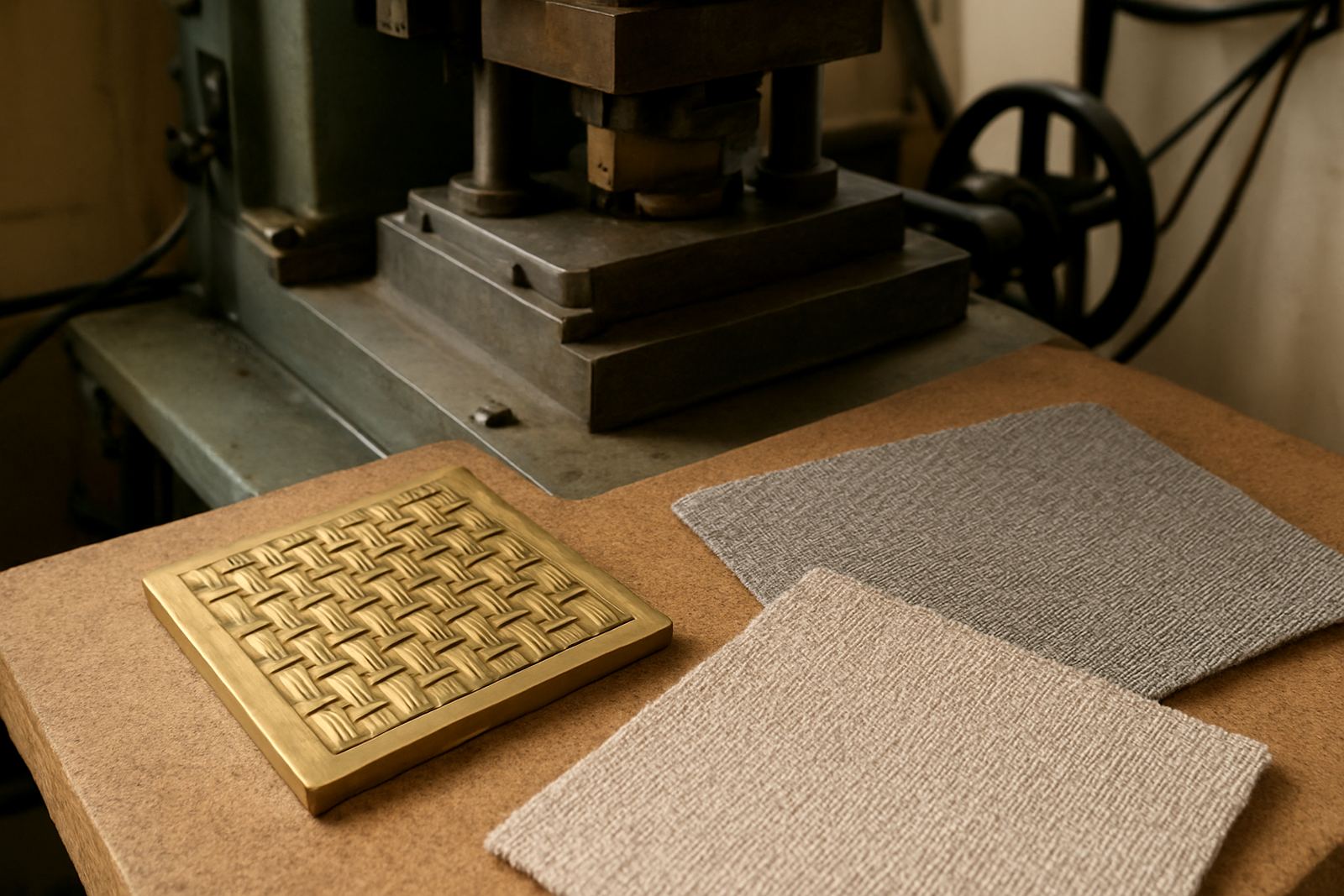
Linen texture plates are engraved embossing tools that press a fine crosshatch pattern into paper, board and selected laminated stock. The result is a neat fabric-style finish that adds grip, depth and a more considered feel without using ink or foil. They are used on items such as presentation folders, premium cartons, book covers, menus and packaging sleeves where a subtle surface effect is wanted.
These plates are made to suit the way South African print finishers work, with repeatable pattern depth and accurate edge definition for short or long runs. On unprinted stock the texture is more visible, while on printed stock it gives a tactile finish that can sit behind logos, borders or full panels. For humid coastal jobs or warehouses that run warm, the plate material and engraving depth matter because they affect how well the impression holds after packing and handling.
Brass and Magnesium Options for Different Run Lengths
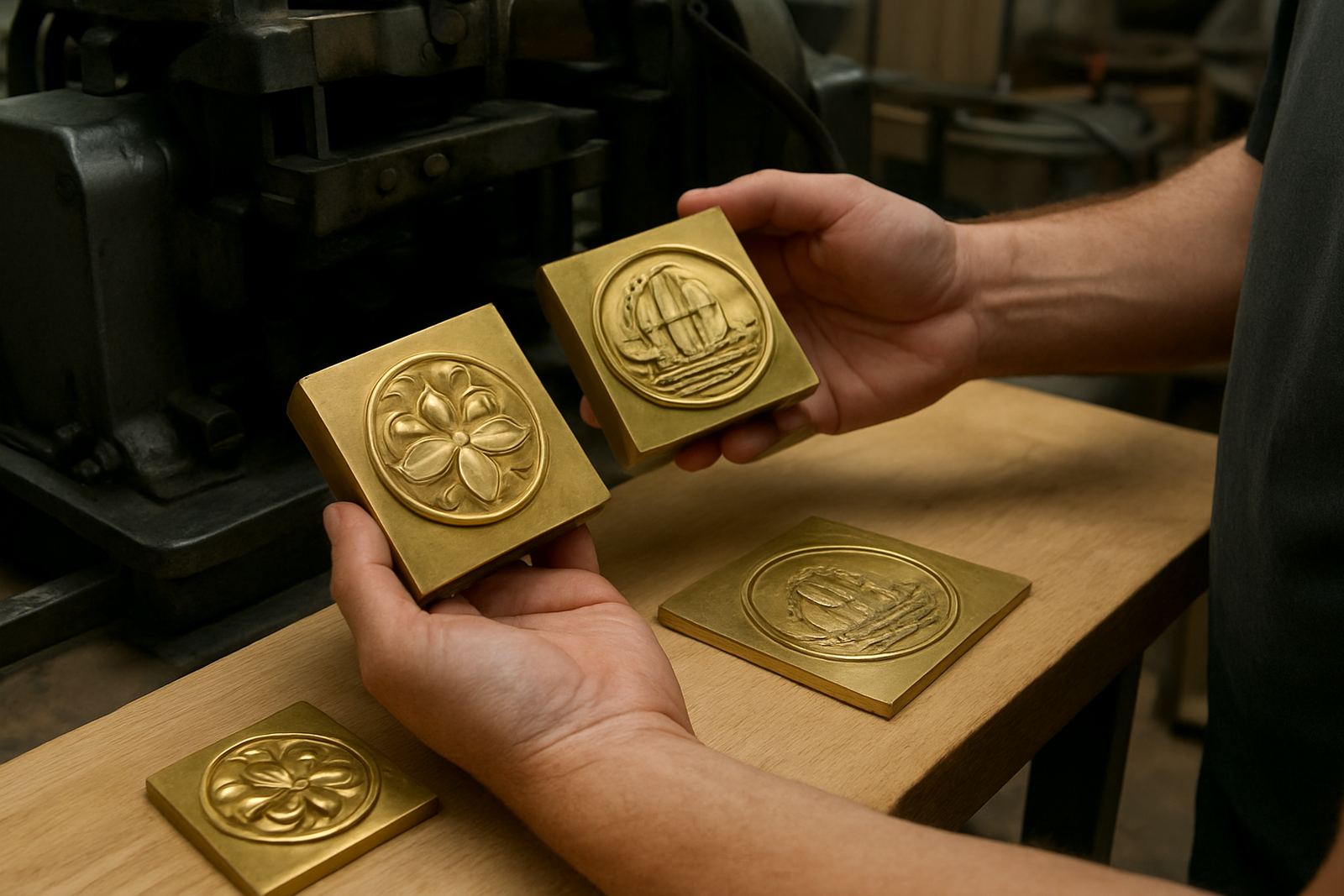
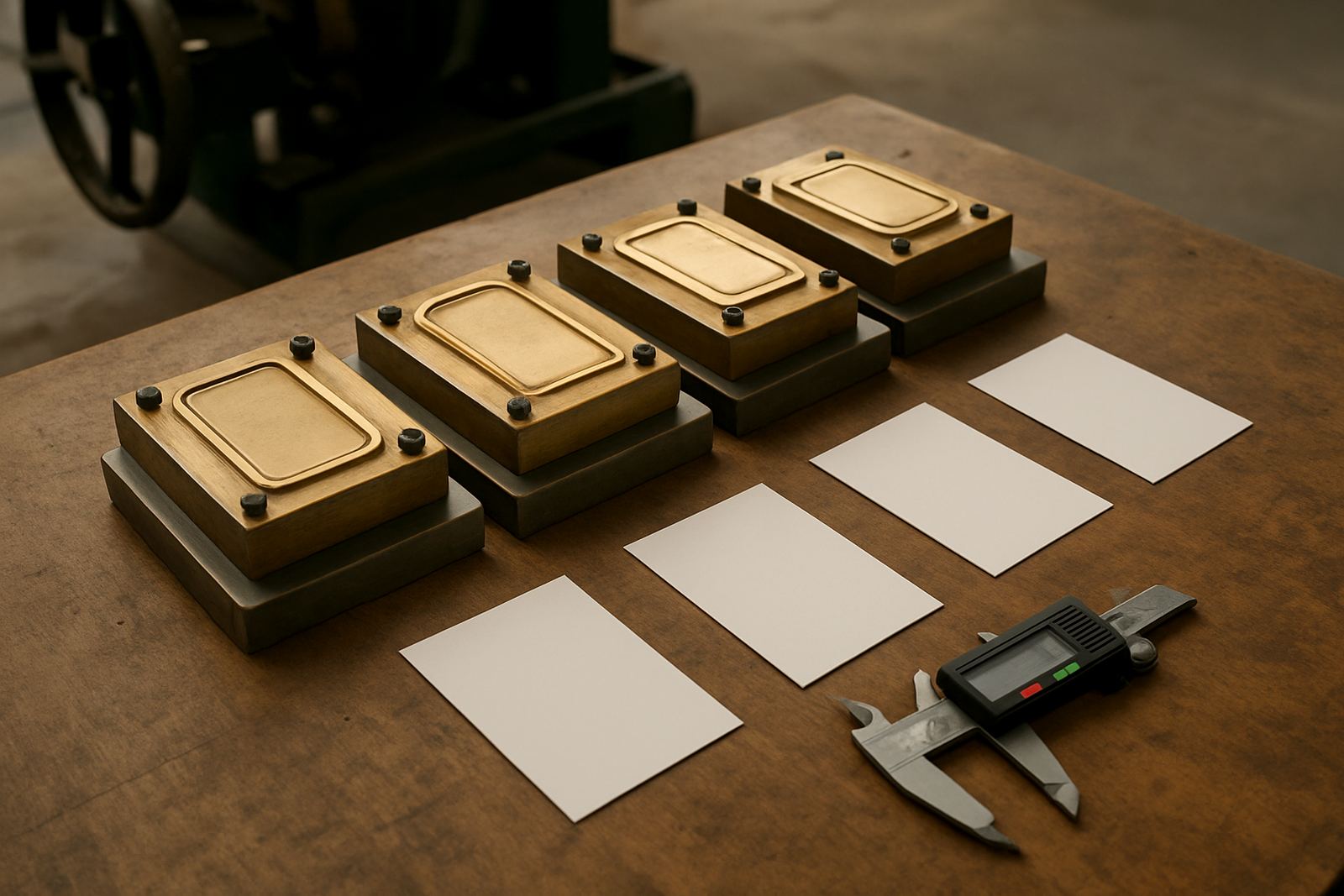
We supply linen texture plates in brass and magnesium, depending on the job, the press setup and the number of impressions needed. Brass is generally preferred for longer runs, heavier pressure and jobs that need better wear resistance. Magnesium is lighter and can be a good choice for shorter runs, sample work and fast turnaround items. If you are unsure which one fits the job, we check the artwork, stock and press conditions before cutting.
- Brass plates for longer production runs and repeated use
- Magnesium plates for shorter jobs and quicker turnaround
- Fine, medium or deeper linen-style pattern options
- Single plates or matched pairs for embossing and counterforce work
Plate choice also depends on the stock thickness and whether the impression is being made on one side only or as a registered emboss across a finished printed sheet. A clean sample impression helps us confirm whether the texture is too light or too strong before production continues.
Sizes, Thickness and Pattern Detail You Can Order
Linen texture plates are made to size for the sheet, carton or component being finished. We can produce small inserts for labels and corner panels, or larger plates for cover areas and full-surface textures. Common work ranges from compact pieces of around 50 x 50 mm up to larger plates suited to A4, SRA3 and custom packaging formats, depending on the press area and mounting method.
Typical plate thickness is set to match the press setup and the level of pressure required. Pattern detail can be adjusted to suit a subtle woven look or a clearer texture with stronger relief. The exact result depends on paper fibre, coating, grain direction and whether the stock has already been printed, varnished or laminated.
- Custom sizes to match your die board or press area
- Fine, standard or more pronounced linen pattern depth
- Suitable for board, paper, select coated stock and some laminated applications
- Can be made to work with existing embossing layouts
Where Linen Texture Plates Suit Best
These plates are used across offset, flexo and print finishing work where a tactile surface is part of the final presentation. They suit premium packaging, business stationery, wedding and event print, presentation covers, invitation stock, folder inserts and branded cartons. In Johannesburg, Pretoria and Durban we often see them used on jobs that need a refined finish for retail packaging or corporate sets, while Cape Town and Gqeberha clients often ask for textures that hold up well in coastal conditions.
The linen effect works well on both printed and unprinted stock, but the best result comes from stock that is stable and flat. If the sheet has a heavy coating, a high gloss finish or a soft recycled fibre mix, the texture may need adjusting. We can advise on sample impressions before a full run starts, which saves time and waste especially when the job is going through a tight print schedule.
Installation, Press Setup and Power or Gas Needs
Installation depends on the embossing press, platen size and whether the job is being run by hand-fed or automated equipment. Linen texture plates are mounted to suit the press bed and the matching counterforce if one is required. The fitter or press operator should check alignment, pressure and sheet registration before the first production pull. If the pattern is meant to sit close to print, the position needs to be checked carefully so the finish lands where it should.
Most linen texture plate jobs do not need gas. Power needs depend on the press and heating arrangement, if any. Some finishing lines run with heated plates, and on load-shedding affected sites it helps to plan around backup power or generator timing. Heat and pressure settings must be kept stable because a drifting temperature can change the depth of the impression or cause paper marking. Keep the press area clean too, since dust and paper fibre can affect detail on fine texture jobs.
Care, Cleaning and Repeat Ordering for Busy Finishing Shops
Good care keeps linen texture plates consistent from one run to the next. After use, plates should be cleaned carefully and stored flat, away from moisture, solvents and rough handling. Brass plates can last well when handled properly, while magnesium plates should be checked for wear if a job is repeated after a long gap. If a plate is bent, damaged or showing weak detail, send it in for assessment before the next run.
We keep job records for repeat ordering and can refer back to previous plate details, so reorders are quicker and more accurate. That helps print finishers in Johannesburg, Durban, Cape Town and regional towns when the same packaging or stationery item needs to be produced again months later. If the artwork has changed, we can also handle alterations and check whether the existing texture still suits the new layout.
- Store plates flat and dry
- Wipe off dust and residue after each use
- Avoid knocks on engraved surfaces
- Check for wear before repeat runs
What to Send When Ordering Linen Texture Plates
When you place an order, send the final artwork, the finished size, stock type and the intended press method. It also helps to know whether the plate is for a new job, a repeat job or a replacement after damage. If you already have a sample impression, send a clear photo or the physical sample so we can match the texture more closely. That makes a difference on jobs where the finish must line up with an existing branded pack.
We also need to know the quantity, any counterforce requirements and the turnaround you are working to. For urgent work, tell us the deadline upfront so dispatch can be planned from Industria without delays. Our team can check the artwork, advise on the plate format, and arrange courier packing for delivery nationwide. For best results, include the board thickness, grain direction and whether the stock is coated, uncoated or laminated.
- Final artwork or a clear print-ready file
- Finished size and plate position on the sheet
- Stock type, thickness and grain direction
- Quantity needed and deadline
Key facts
| Product type | Embossing plates for linen-style texture effects |
|---|---|
| Materials | Brass or magnesium |
| Typical use | Printed and unprinted paper, board and select laminated stock |
| Size range | Custom made from small inserts to larger sheet-area plates |
| Finish options | Fine, standard or deeper linen pattern detail |
| Service area | Johannesburg base with courier dispatch nationwide |
| Typical applications | Packaging, covers, folders, labels, stationery and presentation items |