What a Magnesium Foil Die Does On Press
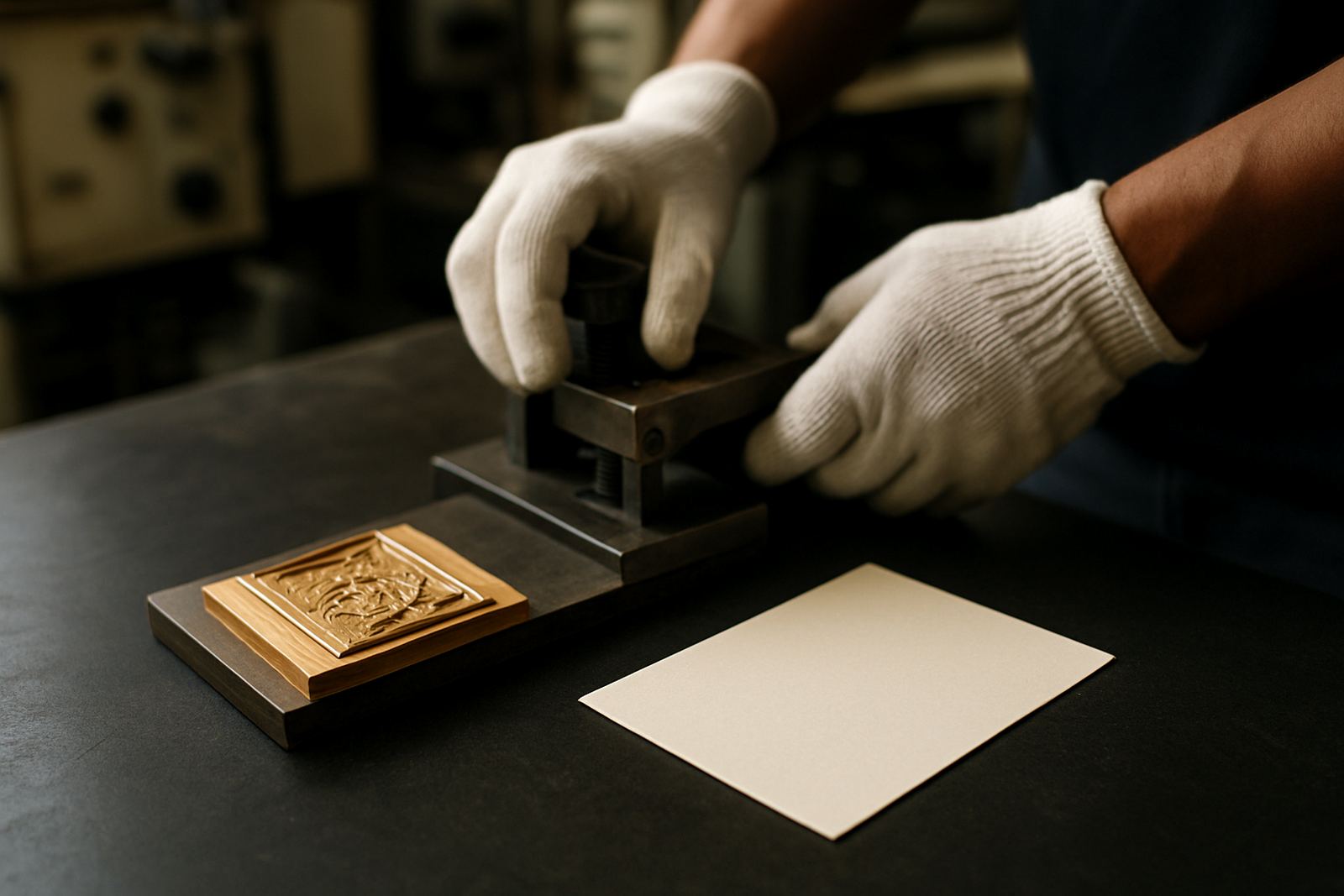
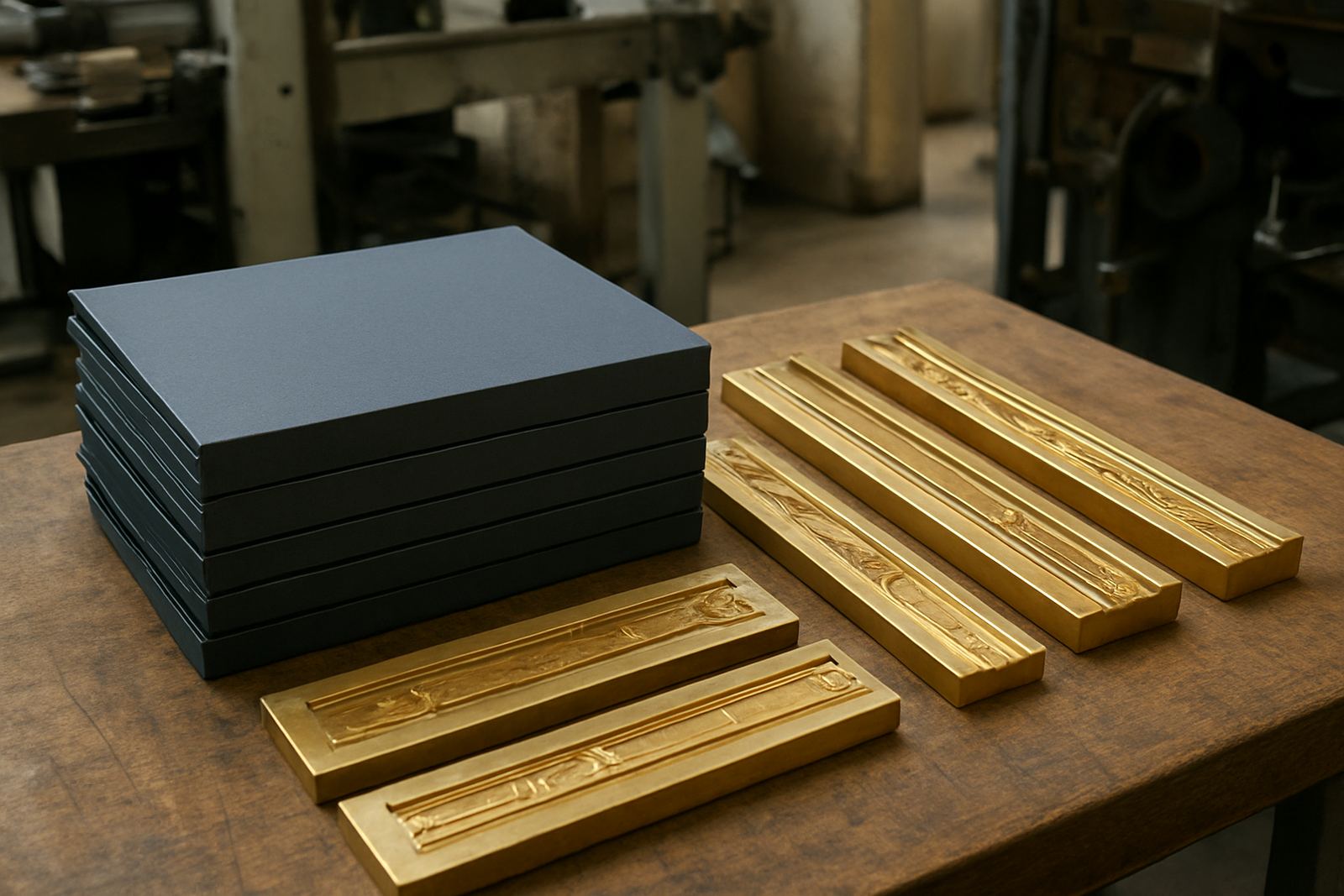
A magnesium foil die is a relief die used in hot foil blocking to transfer foil onto paper, board, synthetic stock and some coated materials. The heated die presses the foil against the substrate, leaving a sharp metallic or pigmented finish on logos, borders, type and small graphic details. Because magnesium machines easily, it is ideal for a fast turnaround where a customer needs a lower-cost tool for a defined job size.
These dies are lighter than brass and are often chosen for work that does not need the long service life of a heavier engraving material. They are well suited to print finishers handling short promotional runs, wedding stationery, light packaging, presentation folders and smaller brand mark applications. On the press side, setup is straightforward if the artwork is clean and the machine temperature is controlled properly.
Magnesium also gives good edge definition when the artwork is prepared correctly. That said, it is not the right option for every job. If a design is highly detailed, very large, or needs repeated heavy production, brass may be the better option. For many economical foil blocking jobs though, magnesium is the practical answer.
Sizes, Thicknesses and Common Build Options
We make magnesium foil dies to suit the press, chase size and artwork requirements of each job. The die can be supplied as a standalone tool or mounted to suit the relevant press setup. The final size depends on the image area, the available stamping bed and the amount of clearance needed around the design.
Typical build options include flat dies for straightforward foil blocking, and dies prepared for deeper impression where the substrate and press allow it. For most work, the art file should already be set to final size, with line weights and spacing checked so that the engraving holds detail without breaking down in production. If the file is too fine, the result can lose clarity once heat and pressure are applied.
- Common applications: logos, monograms, borders, small text, carton marks and cover detail
- Typical material use: paper, board, laminated stock and selected coated substrates
- Suitable formats: short-run jobs, repeat orders and sample production
- Practical size range: small artwork through to medium format die areas, subject to press limits
For larger stamps or artwork with heavy coverage, we will advise on whether magnesium is still the right call or whether another die material will hold up better on your line.
Where Magnesium Dies Make The Most Sense
Magnesium foil dies are best used where the job count is controlled and the budget needs to stay tight. They are a strong fit for Johannesburg print finishers, Pretoria packaging teams, Durban board printers and Cape Town production houses that need dependable foil results on smaller runs. They also work well for urgent jobs where a client needs a presentable finish quickly, without waiting on a more expensive tool.
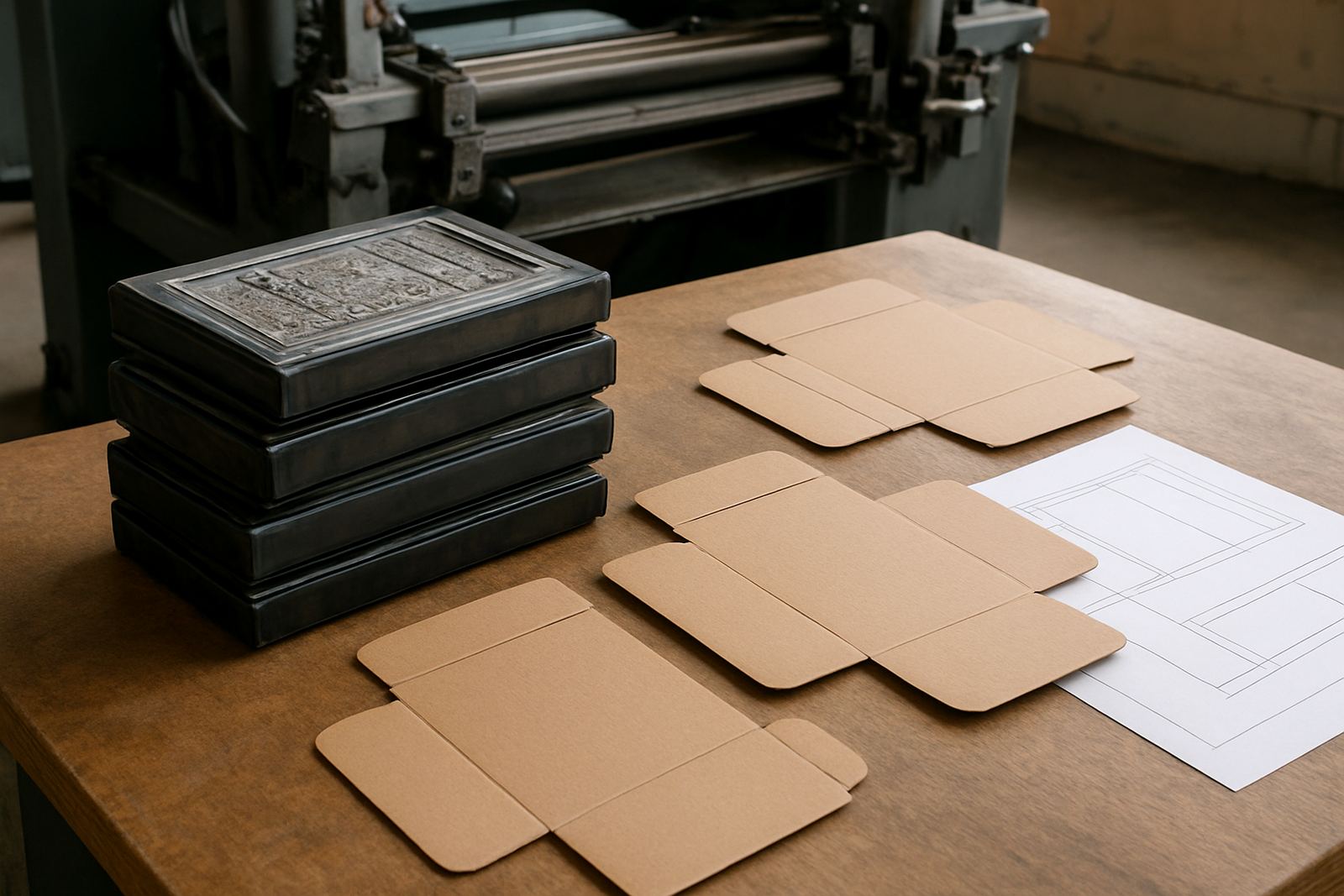
These dies are often requested for branding on invitation cards, short-run sleeves, folded cartons, sample packaging, report covers and presentation items. They are especially useful when the same artwork will not be run every week, or when a customer is still testing a new brand line and does not yet want to invest in a heavier die.
- Best for short runs and occasional repeat jobs
- Useful for economical foil blocking on paper and board
- Good choice for sampled packaging and launch material
- Suitable for finishers needing a fast and practical solution
If the job will be rerun often, or if the foil area is large and the run length is high, it is worth comparing magnesium with brass before production starts. That saves time later and reduces wear on the press side too.
Press Setup, Power and Heat Requirements
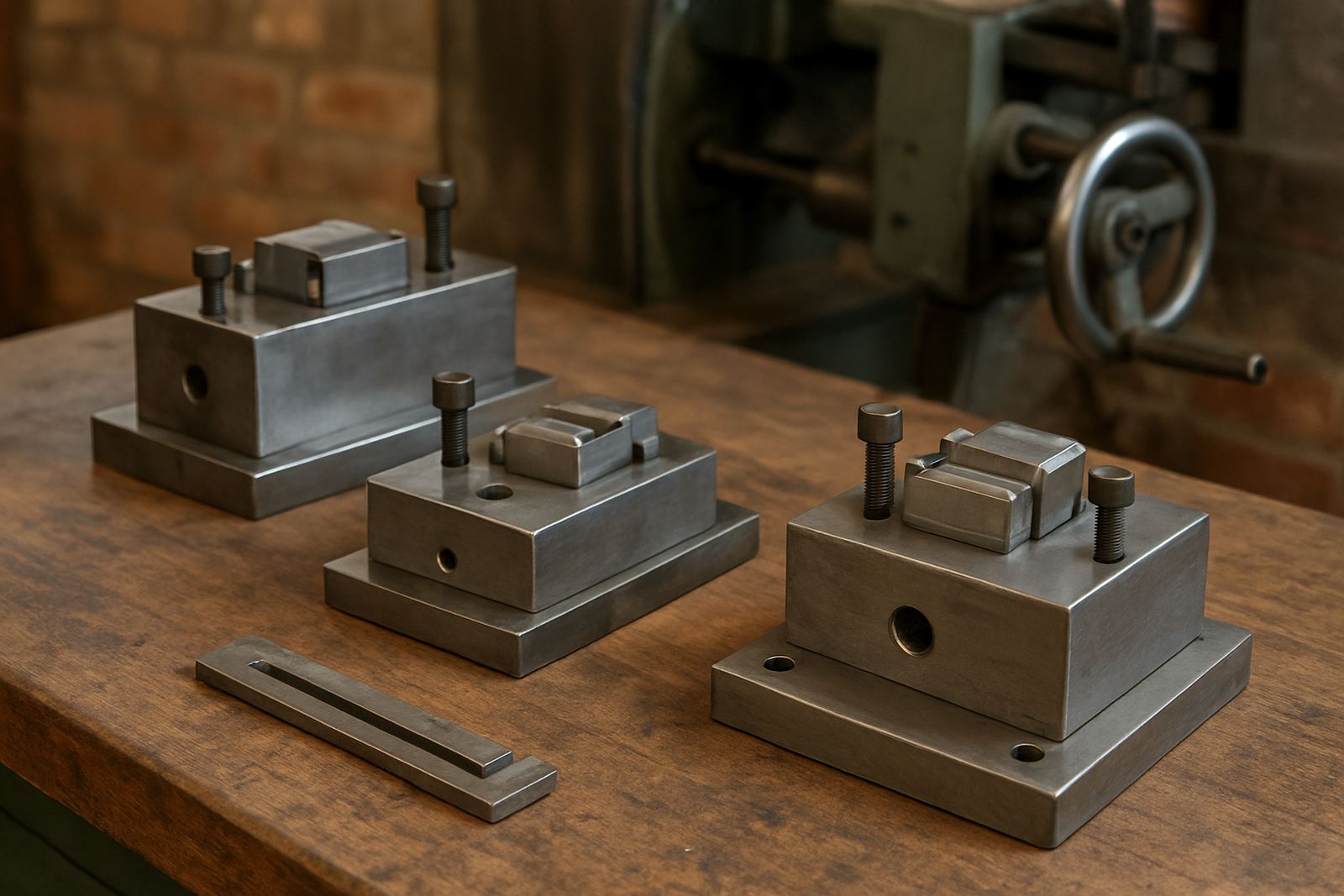
Magnesium foil dies do not need special power connections of their own, but they must be used on suitable hot foil or finishing equipment with accurate temperature control. The press must be able to hold even heat across the die face and maintain proper pressure for the stock in use. Most finishing teams already know that a poor temperature set-up will give patchy foil or weak edges, regardless of how well the die was made.
In practice, the operator should check the machine bed, make-ready, foil feed, pressure and dwell time before the first production sheet. If the area is small, heat-up is usually quick. For heavier stock or textured paper, a little more pressure or dwell may be needed. On humid coastal jobs, especially around Durban or Gqeberha, paper and board can move slightly so storing stock properly before the run helps a lot.
There is no gas requirement for the die itself. Any gas use depends on the machine and the site installation, not the die material. If you are matching the tool to a particular line, send the press details with the artwork so we can check compatibility before cutting.
Care, Cleaning and Service Life
Magnesium dies need sensible handling. They should be packed properly, kept dry and stored flat so the engraved face does not get damaged. After use, allow the die to cool before cleaning. A soft cloth and gentle cleaning method are usually enough to remove foil residue and adhesive build-up. Harsh scraping can mark the engraving and reduce the quality of the next run.
For repeat orders, we can file the job details so the same die is easy to locate and remake if required. If a die has been dropped, overheated or run against the wrong substrate, it should be checked before going back on press. Minor surface marks may be serviceable, but deeper damage can affect the impression and foil release.
- Store flat and dry, away from dust and moisture
- Do not scratch the engraved face during cleaning
- Check for wear before repeat production
- Keep job records for future reorders and alterations
Good care extends service life and helps keep foil blocking cost-effective, especially where the same customer returns with small adjustments rather than a full new artwork change.
What To Send With Your Order
To avoid delays, send final artwork, the intended finished size, the substrate type and the press details where possible. We also need to know whether the job is for foil blocking only or if the same die must work with embossing or a counterforce match. If the artwork includes fine serif text, thin rules or tight spacing, flag that early so we can check whether the detail will reproduce cleanly in magnesium.
It helps to include the quantity required, the urgency, and whether this is a first run or a repeat order. For urgent turnaround jobs, please also tell us the target dispatch day and delivery area so packing and couriering can be arranged properly. We courier dies nationwide from our Johannesburg base, including to finishers in Bloemfontein, Polokwane, Mbombela and beyond.
- Final artwork at correct size
- Material or stock details
- Press type and bed size
- Quantity, timing and delivery location
- Any previous job reference for repeat work
If you are unsure whether magnesium is the right choice, send the file through the enquiry form and we will advise on the safest route before production starts.
Why Finishers Choose Us For Magnesium Dies
Our team works with print finishing and packaging customers across South Africa, from Industria in Johannesburg to Pretoria, Durban, Cape Town, Gqeberha, Bloemfontein, Polokwane and Mbombela. The process is practical: artwork checks, die design, engraving production, counterforce matching where needed, packing and dispatch. That keeps the handover tidy and helps avoid avoidable press downtime.
When a magnesium die is the right answer, the goal is a clean result at the right cost. We pay attention to file preparation, line thickness, spacing and press use so the die arrives ready for the job it was meant for. If the artwork needs a small change, we can look at that as part of the order rather than forcing a full restart.
For customers managing multiple clients or recurring packaging work, repeat ordering and job filing are also important. It saves time later and makes it easier to keep the right die linked to the right finish, which is useful when production gets busy and the schedule is tight.
Key facts
| Material | Magnesium |
|---|---|
| Use | Hot foil blocking and light embossing applications |
| Best for | Short runs, sampled work and economical foil jobs |
| Finish compatibility | Paper, board and selected coated stocks |
| Supply area | Johannesburg and nationwide courier delivery |
| Support services | Artwork checks, die design, engraving, packing dispatch and repeat ordering |