
What Confectionery Box Dies Do on the Line
Confectionery box dies are used to apply foil, embossing or a combination of both onto cartons, sleeves and rigid gift packs. On sweet and chocolate packaging, that usually means a logo, festive motif, border, product name or seasonal mark that must hold sharp edges across coated board, textured paper and laminated stock. The die presses the design into the surface under heat and pressure so the finish shows properly once the box is folded and filled.
For short runs and repeat work, the die has to be accurate from the first impression. If the artwork is too fine, the foil can break up. If the depth is wrong, the emboss can lose shape after creasing. That is why we check the artwork, line weight and material choice before production. In Johannesburg, Pretoria and Durban we often see confectionery packaging needing fast turnaround for promotions, holidays and retail launches, so the tool must be practical as well as neat.
We make dies for print finishers, carton makers and packaging houses that need consistent results on food gift boxes, seasonal trays and presentation sleeves. Thicker board may need deeper relief, while smaller cartons often need a tighter die face so the detail does not crowd the fold lines.
Sizes, Materials and Die Build Options
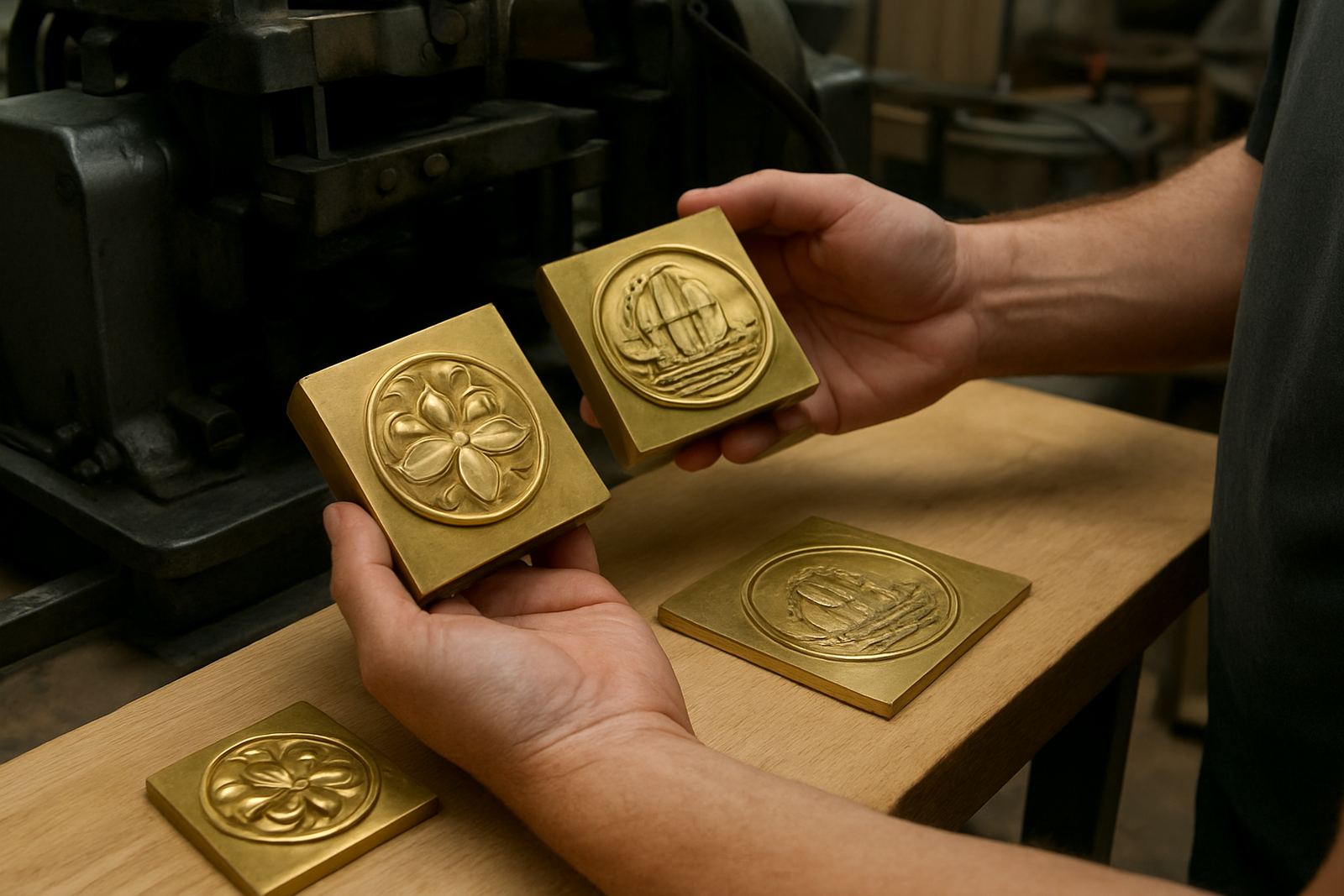
We supply brass and magnesium dies for confectionery packaging, with the material selected according to run length, artwork detail and press setup. Brass is best for longer runs, repeat orders and finer line work. Magnesium suits lower volumes, samples and quicker turnaround work where the tooling still needs to print cleanly. Both can be produced as hot stamping dies or embossing plates, depending on whether the job needs foil, blind emboss or a combined effect.
Common confectionery box die sizes range from small corner marks of 20 x 20 mm up to large panel designs around 300 x 400 mm or more, depending on the carton format. We also produce matching counterforce where needed, especially on thicker board or heavier gift packaging. If the artwork carries multiple elements, we can split the die into sections for easier make-ready and cleaner pressure control.
- Material options: brass for durability, magnesium for lighter duty and quicker jobs
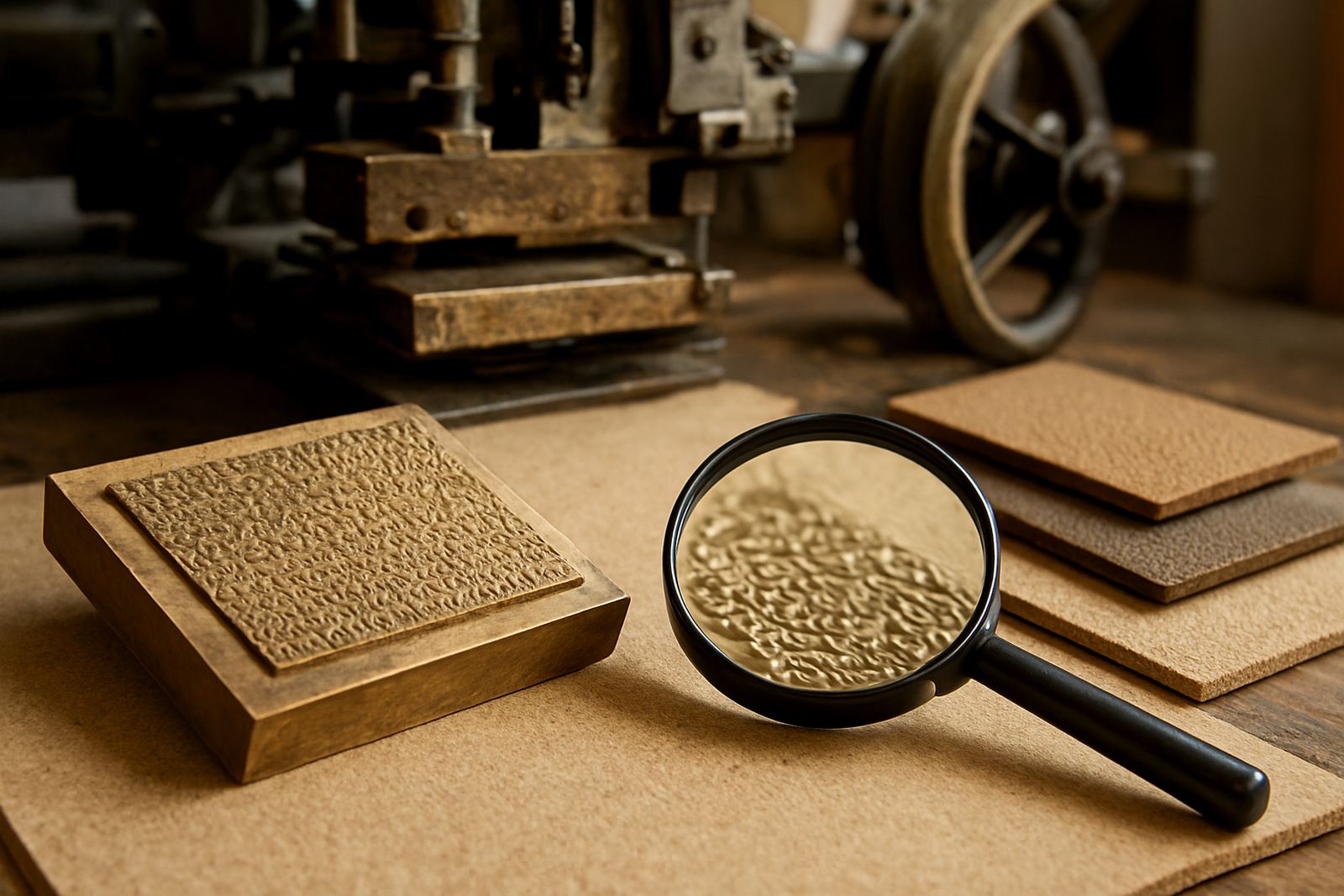
- Surface options: polished, lettered or relief-finished depending on the artwork
- Mounting options: drilled and tapped, or fitted to your existing chase and holder
- Design scope: logos, borders, festive motifs, script lettering and small decorative frames
For South African print shops that work across seasons, we also keep repeat ordering simple. If the same box artwork comes back for Christmas, Easter or Valentine packaging, we can use the original job file where available and assess whether the existing die can be cleaned or altered rather than remade.
Best Uses for Sweet, Chocolate and Gift Packaging
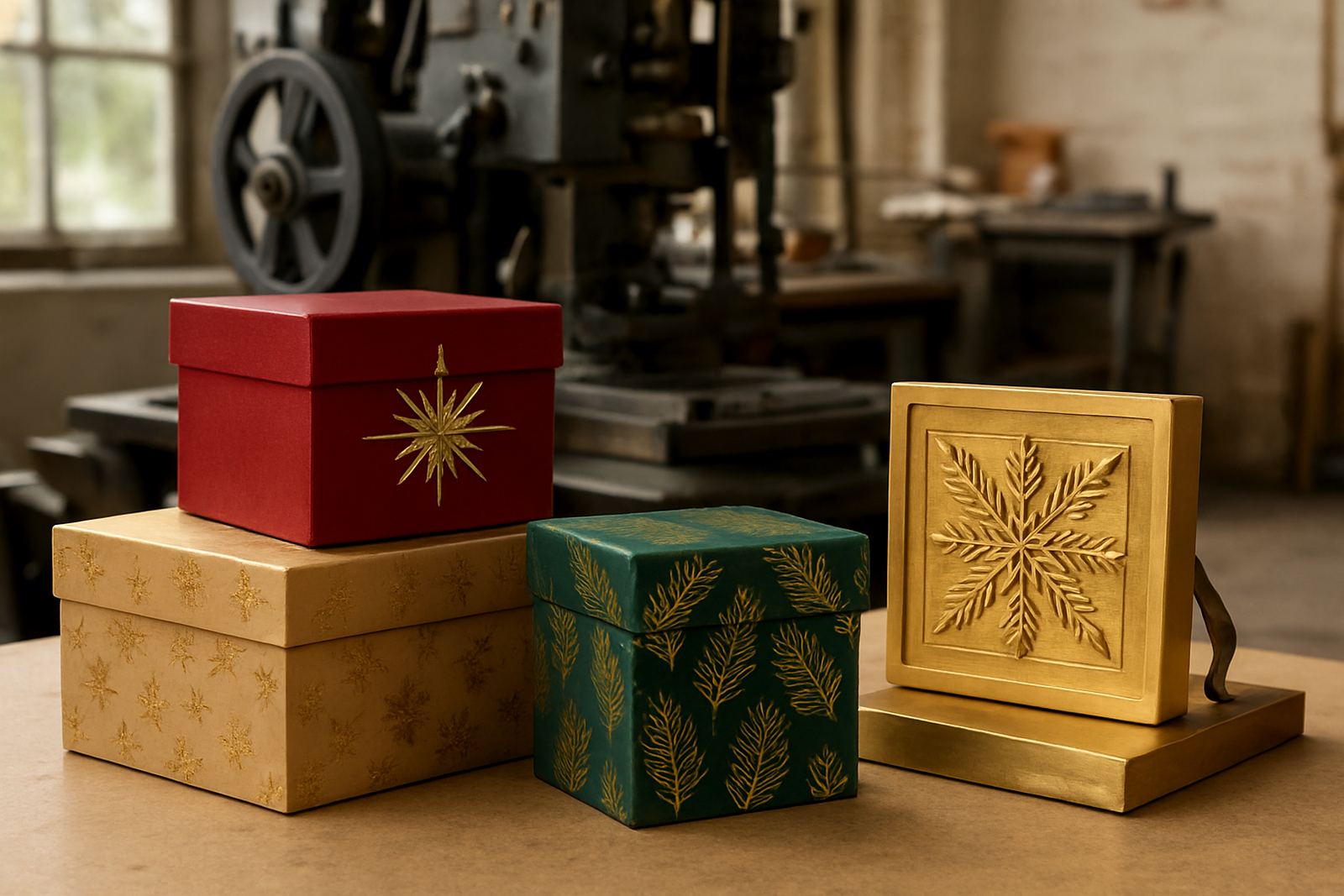
Confectionery box dies suit packaging that must look tidy on shelf and still survive handling in the store room, during packing and through delivery. They work well on carton lids, sleeve wraps, presentation boxes, tray covers and branded inserts. Seasonal packs benefit most because the die can add a crisp foil mark or raised detail without adding much weight to the pack itself.
Typical applications include premium chocolate assortments, wrapped sweets, festive hampers, novelty boxes and bakery gift packs. If the box is being supplied to supermarkets, gift shops, hotel groups or corporate clients, a good die helps the pack hold a cleaner edge after finishing and gives the artwork enough presence to read at a glance.
- Chocolate and sweets cartons
- Seasonal gift boxes and hampers
- Promotional confectionery sleeves
- Premium retail packs for Easter, Christmas and Mother’s Day
- Corporate gifting cartons for events and launches
For pack houses in Cape Town, Gqeberha and Polokwane, humidity and storage conditions can affect board behaviour. We therefore advise on artwork spacing and impression depth so the finish is less likely to mark, crush or shift when the material changes slightly from batch to batch.
Press Setup, Heat and Power Notes
These dies are made for use on suitable hot stamping and embossing equipment used in offset, flexo and finishing departments. The press must reach a stable working temperature, with enough pressure for the board thickness and the selected foil or emboss depth. Most confectionery box work is done on flatbed finishing equipment or dedicated foil stamping machines, although the exact setup depends on the carton size and the amount of coverage.
Power needs depend on the machine, but the tooling itself does not require gas. What matters is steady heat and good pressure control, especially during load shedding starts and stops where temperature recovery can affect output. If your shop runs on generator power, it is worth checking that the machine heats evenly and that the die face does not cool too quickly between impressions.
- Stable heat is important for clean foil release
- Pressure must match the board, laminate or paper stock
- Register marks help on boxes with multiple panels or folded sections
- Trial impressions are recommended before full production
We can advise on sample impression checks if you are unsure about make-ready. In many cases the best result comes from a small adjustment to pressure, foil choice or die depth rather than changing the artwork itself.
Care, Cleaning and Repeat Ordering
Good care keeps confectionery box dies in service for longer and helps preserve detail between jobs. After use, the die should be cooled, cleared of foil residue and stored flat in a dry place. Dust, board fibres and adhesive build-up can affect the next run, so a quick clean before storage is worth doing. If the die is used on coated or laminated stock, the face may need a light clean more often than plain board work.
We offer die cleaning, damage assessment and die alterations when a pack changes size or the artwork needs a small update. If the job is part of a seasonal range, it is best to keep the original sample and job reference together so the repeat order can be checked quickly. That saves time when the same sweet box returns for another production cycle, and it helps avoid minor changes that can throw out register.
For clients across Johannesburg, Pretoria, Durban and beyond, dies are packed carefully for courier dispatch nationwide. If a die is going from Industria to a finishing house in another province, we recommend checking that the receiving team has the correct chase, foil, counterforce and a clean storage space ready before the parcel arrives.
What to Send With Your Order
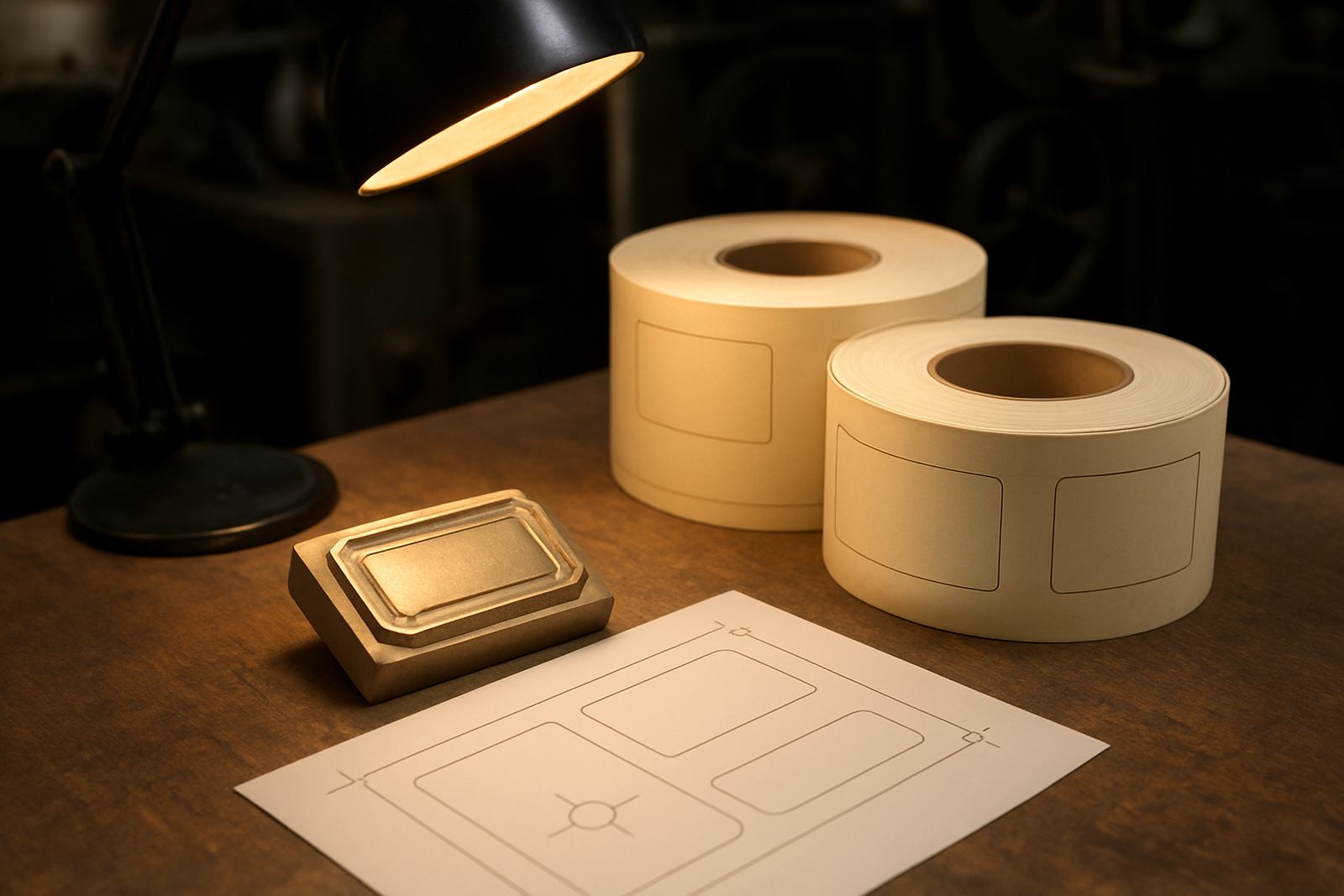
The more complete the order information, the quicker we can check the artwork and produce the right die. For confectionery packaging, the main things to confirm are the finished box size, the print file, the stock type and whether the design is for foil, emboss or both. If the box has folds, cut lines or close edges, these must be shown clearly so the die does not interfere with the structure.
Please include the following when ordering:
- Finished carton size in millimetres
- Artwork file or clear artwork reference
- Stock type, coating and thickness
- Whether the job is foil, emboss or blind emboss
- Expected run length and repeat frequency
- Any sample, existing die or previous job notes
If you are unsure about line weights or foil coverage, send the artwork anyway and we will check it before production. Small changes to letter spacing, border thickness or emboss depth can make a big difference to the final result, especially on sweets and chocolate packaging where the surface area is limited and the finish needs to stay neat.
Key facts
| Product type | Hot stamping dies and embossing plates for confectionery packaging |
|---|---|
| Materials | Brass and magnesium |
| Typical size range | 20 x 20 mm to 300 x 400 mm plus, depending on layout |
| Suitable applications | Sweets boxes, chocolate cartons, gift packs, sleeves and trays |
| Finishing options | Foil stamping, blind embossing and combined foil and emboss |
| Service area | Johannesburg base with courier dispatch nationwide |