What a label foil die does on press
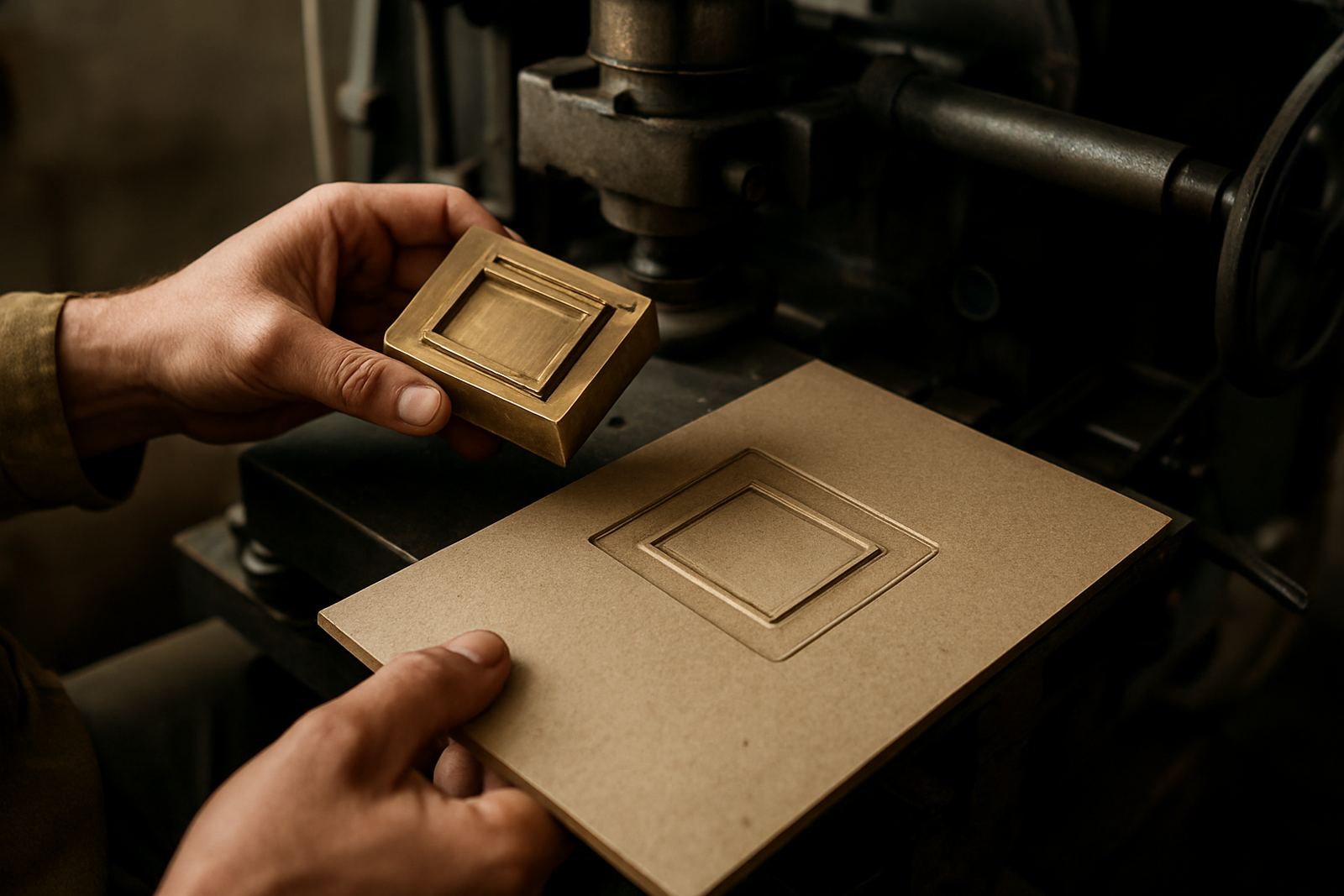
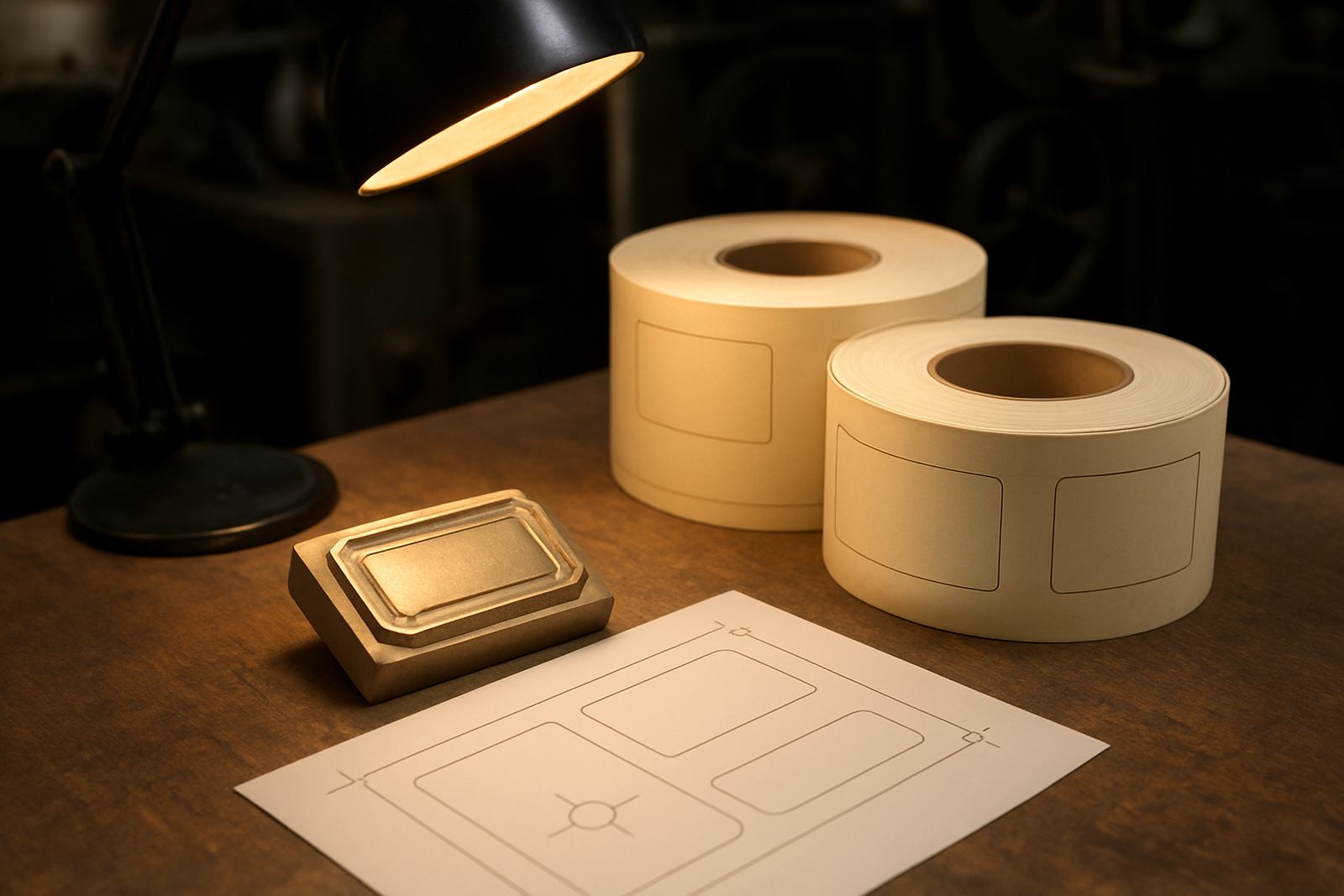
A label foil die is a compact hot-stamping tool used to transfer foil, create a raised or pressed effect, or add sharp detail to self-adhesive labels and other short-format pieces. It is made to handle smaller image areas where neat edges matter, especially on work that must register accurately and repeat the same way from sheet to sheet.
These dies are used on offset finishing lines, flexo finishing setups and dedicated foil stamping units. For label printers and pack houses in Johannesburg, Pretoria, Durban and Cape Town, they are a practical choice where a full-size die would be too large or unnecessary. The face needs clean engraving and the back must sit flat, otherwise you get uneven pressure and patchy foil pickup.
Sizes, materials and profile choices
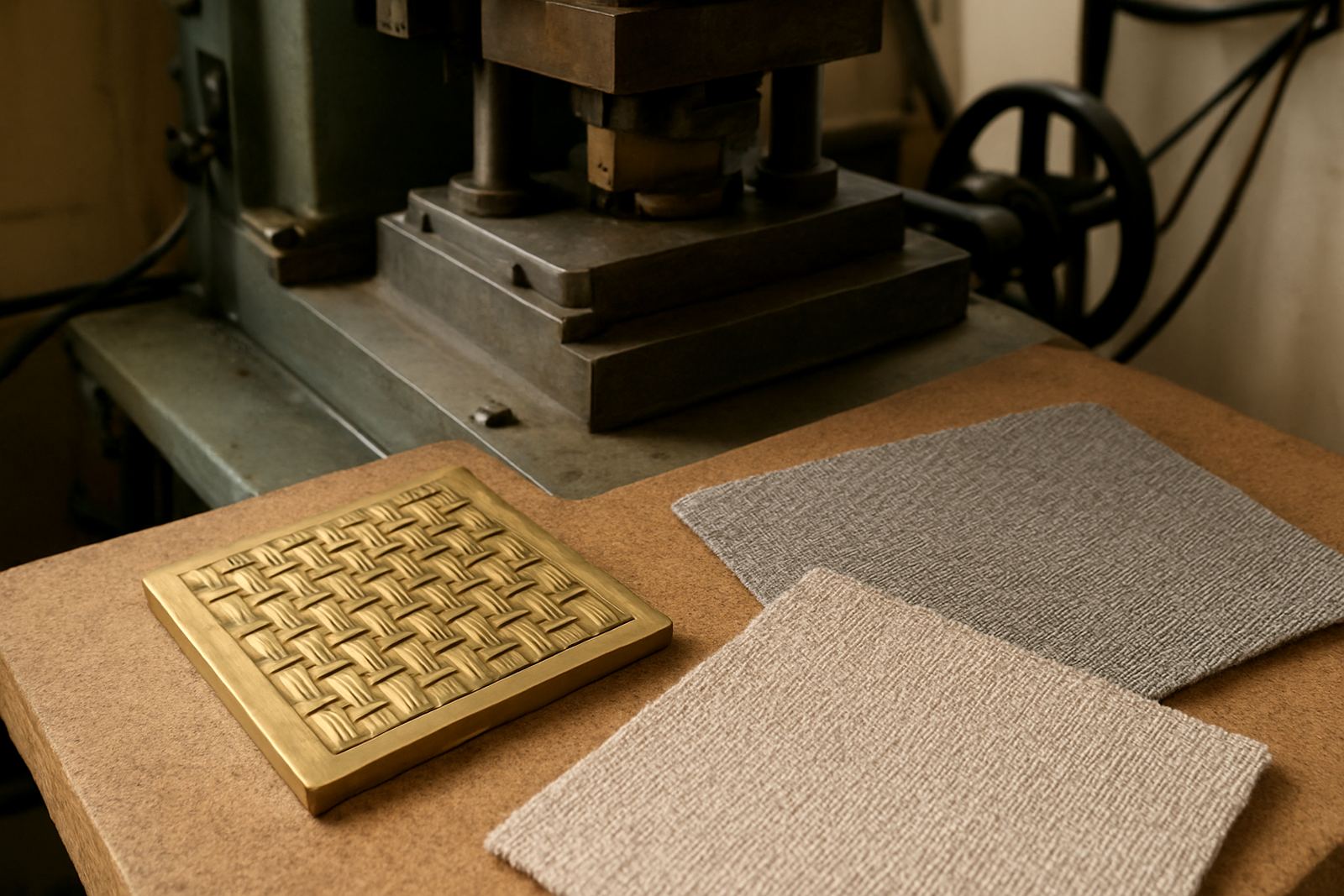
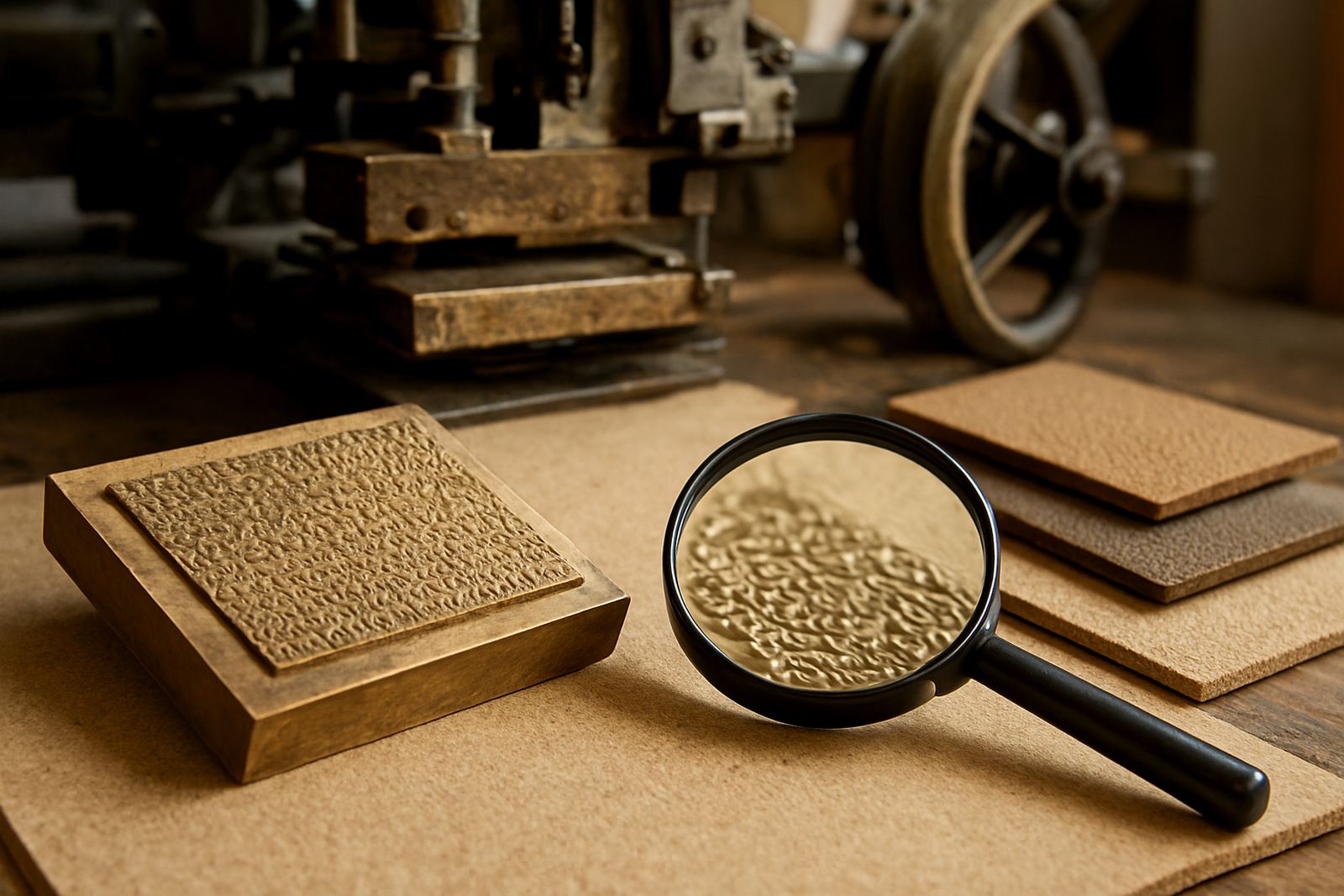
We make label foil dies in brass or magnesium depending on the run length, detail level and press conditions. Brass is suited to longer life and finer line work. Magnesium is lighter and often used where turnaround is important and the work is less demanding. For many label jobs, the finish depends more on the quality of the artwork and counterforce match than on the material alone.
- Common thicknesses: 6 mm, 8 mm and 10 mm
- Typical face sizes: from small date-code style blocks to compact label panels
- Materials: brass for durability, magnesium for lighter duty and faster production
- Mounting: flat-backed for most heated platens and chase-mounted setups
- Detail level: fine text, border lines, logos and small repeat marks
We can also supply repeat ordering against filed jobs, so the next batch matches the first without chasing missing measurements or artwork changes.
Where label foil dies suit the work best
Label foil dies are best for short-format branding where space is limited but finish quality still counts. They work well on self-adhesive labels, wrap-around labels, carton labels, presentation seals and small promotional pieces. If the label stock is coated, laminated or has a smooth surface, foil release is usually cleaner and the impression reads better.
In humid coastal conditions such as Durban or Gqeberha, label stock can move slightly if it is stored badly. That affects foil pickup and registration, so we usually advise that stock be kept flat and acclimatised before the job. In Johannesburg and Pretoria, dry air and temperature swings can also affect adhesive liner stability, especially on narrow labels with tight registration.
- Self-adhesive label runs for packaging and branding
- Short-format promotional wraps and inserts
- Small retail, cosmetic and food label jobs
- Foil accents on variable data or batch-marked pieces
- Short production runs where quick setup matters
Machine setup, heat and pressure needs
Most label foil dies are fitted to a heated platen, foil blocking unit or similar finishing station. They do not need gas. Power requirements belong to the machine carrying the die, not the die itself, so the important checks are platen heat, pressure evenness and dwell time. On load-shedding affected sites, a stable machine supply matters because temperature drift can spoil fine detail and leave the foil dull or incomplete.
Before fitting the die, the press crew should confirm that the chase, mount or holder is level and that the counterforce is matched to the image area. If pressure is too light, the foil may skip. Too much pressure can crush the stock or blur thin lettering. A small test strip is usually worth doing before the full run, it saves time and waste.
We can advise on sample impression checks, die design and counterforce matching so the die arrives ready for practical use. If the artwork is tight or the job is urgent, send a clear sample and we will check the line weight, knockout areas and spacing before engraving starts.
Care, cleaning and when to replace the die
Label foil dies last longer if they are cleaned after use and stored properly. Foil residue, paper dust and adhesive build-up should be removed before packing. A light inspection after each run helps catch worn edges, small chips or pressure marks early. If a die has been dropped, clamped badly or exposed to moisture in transit, damage assessment should be done before the next job.
For repeat work, keep the original file details and sample note together with the die reference. That makes later alterations faster and reduces the risk of an off-spec re-run. Where a die only needs minor changes, we can often adjust the artwork or remake the affected section rather than starting from scratch.
- Wipe down after each run to remove foil residue
- Store flat and dry, away from knocks and moisture
- Keep with the job file for easier repeat ordering
- Check edges and backing for wear before reuse
- Ask for damage assessment if the impression changes suddenly
What to send when placing an order
To avoid delays, send the final artwork, the finished size, the substrate type and the press setup details. If the job is for labels, mention the label roll or sheet format, adhesive type if known, and whether the image must sit near a crease, cut line or registration mark. We also need to know if the job is for a first run, repeat run or a die alteration.
Please include any sample impression notes, preferred foil colour, and whether the die must work on a heated unit or a specific finishing line. For Johannesburg, Pretoria, Durban, Cape Town and other centres, we courier dies nationwide to print finishers and packaging houses, so packing and dispatch details matter too. A clear order upfront keeps the turnaround tight and the job file clean.
- Final artwork in a usable format
- Exact finished size and image position
- Substrate type and label format
- Machine type, platen size and heat range if known
- Foil colour, run quantity and required turnaround
Hot Stamping Dies in Industria handles artwork checks, die design, engraving production and packing dispatch from our Johannesburg base. Thabo Mokoena and the team work with print shops that need precise label foil dies without wasted time or vague instructions, and we keep the process practical from first query to courier handover.
Key facts
| Material options | Brass or magnesium |
|---|---|
| Common thickness | 6 mm, 8 mm or 10 mm |
| Best use | Self-adhesive labels, wraps and short-format branding |
| Installation | Heated platen, foil blocking unit or compatible finishing press |
| Power or gas | No gas required, machine power depends on the press |
| Supply area | Couriered nationwide from Industria, Johannesburg |