What micro emboss dies do on press
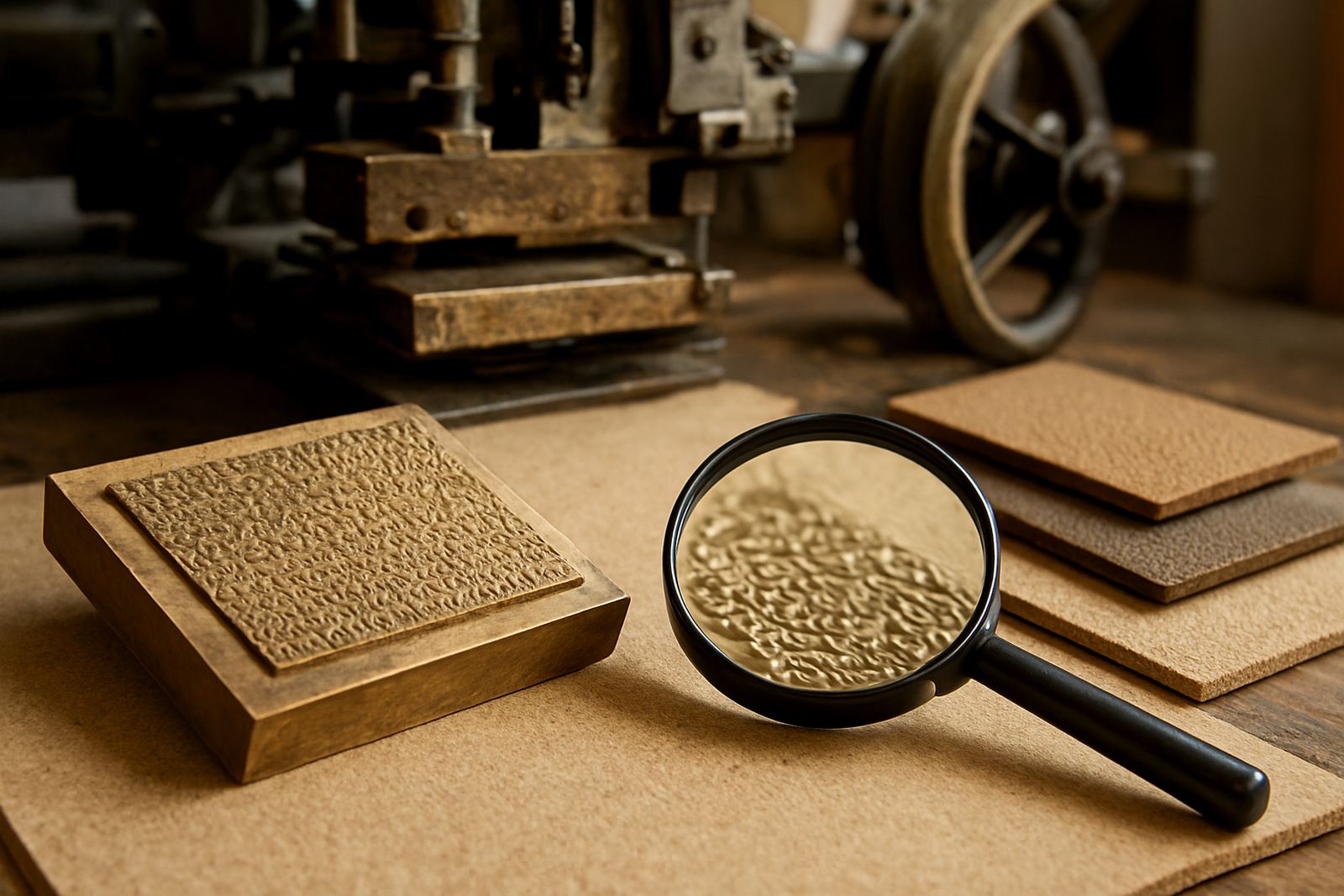
Micro emboss dies create very fine raised or recessed detail with a tight, controlled impression. They are used when a client wants more than a flat print finish, but does not want a heavy deboss or deep relief. The result is a subtle texture that can catch the light, guide the hand, or add a security feature without changing the look of the full design too much.
In South African print finishing, these dies are often specified for premium cartons, labels, cigarette-style cartons, wine packaging, cosmetic packs, stationery covers and security print work. They are also useful where the artwork has hairline detail, fine lines or small type that must stay crisp after impression. A micro emboss die needs accurate artwork, correct counterforce matching and a press setup that can repeat the same result on every sheet.
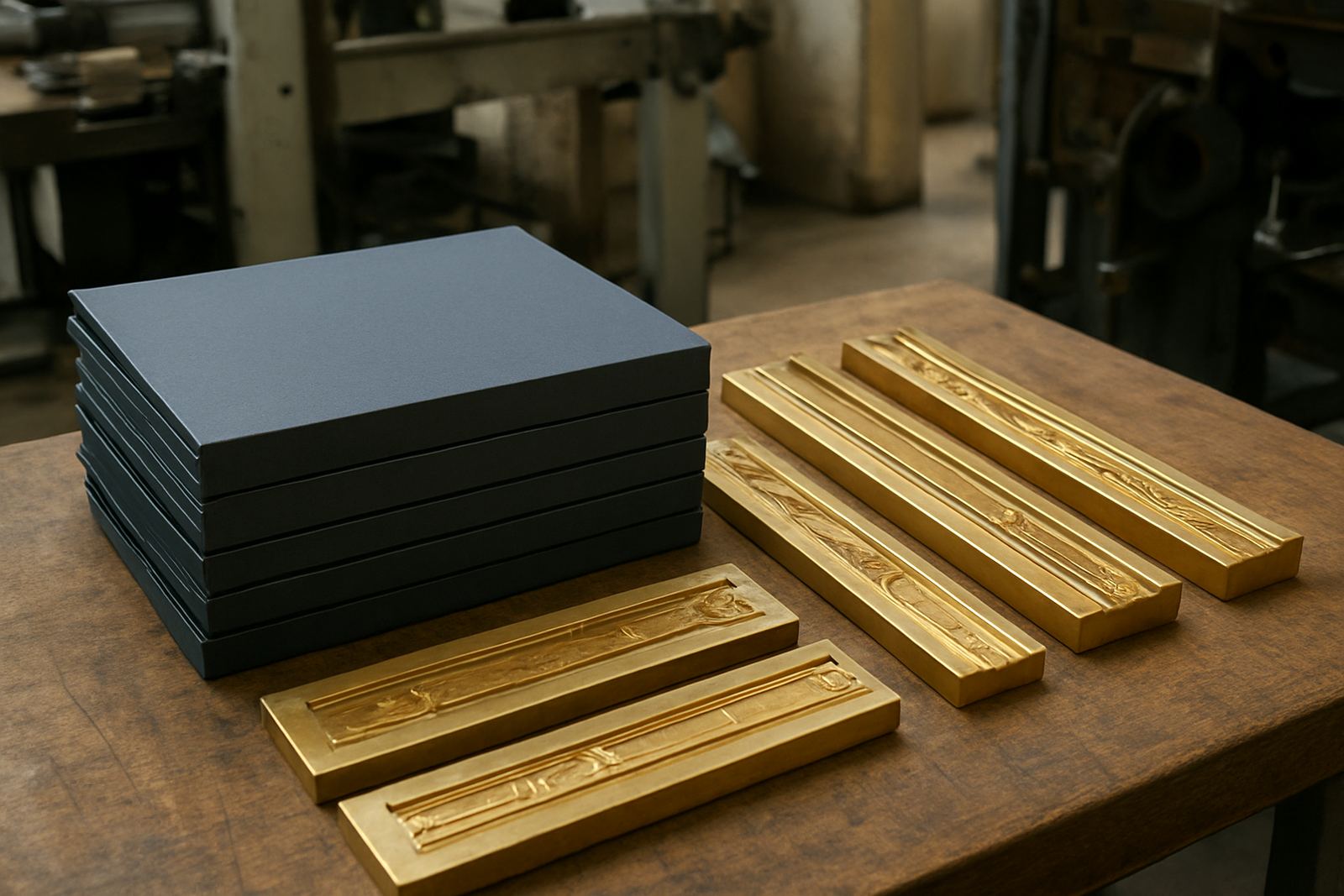
Our brass and magnesium micro emboss dies are made for offset, flexo and finishing lines that need consistent detail. Brass is usually chosen for longer runs and sharper wear resistance, while magnesium can suit lighter duty work or short run jobs where turnaround matters. If the job is going through a guillotine, folding line or foil stage after embossing, we look at how the piece will be handled so the impression stays clean and does not flatten out.
Sizes, relief depth and detail options
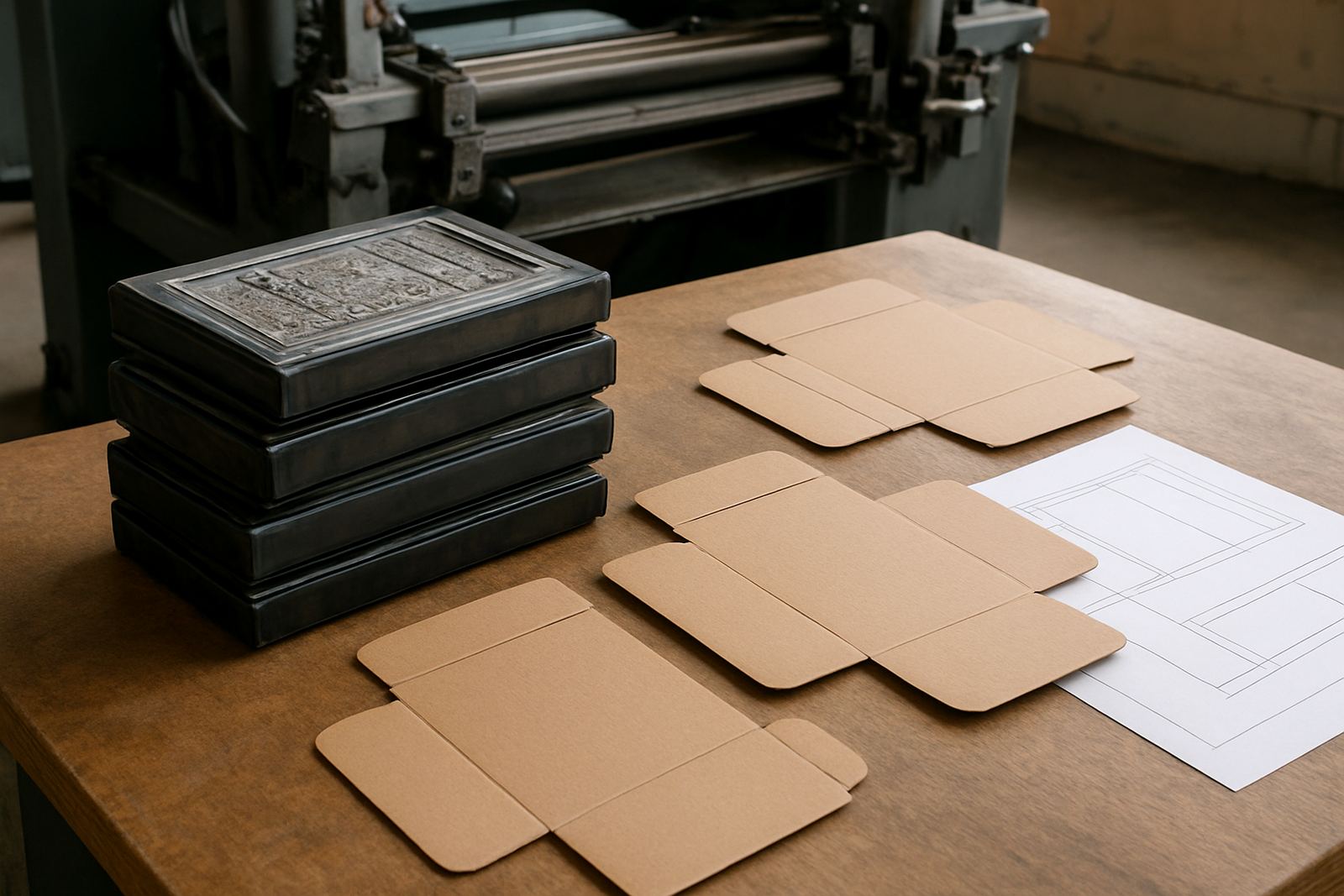
Micro emboss dies are normally made to the exact artwork size, so there is no fixed catalogue format. The die size depends on the print area, the press bed and the final pack size. We work from supplied artwork or a finished layout and check the line weights, counters and spacing before production starts.
Typical options include small logo marks, borders, monograms, repeated textures and security patterns. Relief depth is kept controlled, because the aim is precision rather than a deep stamp. On most jobs, the detail is built to suit the stock weight and the pressure available on the press. Thicker board and coated material often needs a different approach from uncoated stock, and that affects both the die face and the counterforce.
- Fine line work for logos, icons and repeated pattern fields
- Shallow texture embossing for pack panels and sleeves
- Security-style micro patterns for limited access or authentication
- Small format branding accents on labels, inserts and presentation packs
- Mixed dies where embossing needs to sit with hot foil or other finishing steps
If you are running multiple SKUs, we can keep the job filed for repeat ordering so the same die spec is easier to re-order later. That helps when packaging changes are minor and the emboss position stays fixed across a range.
Where micro emboss work suits best
Micro emboss dies are popular where appearance matters but overstatement does not. They suit premium packaging, corporate collateral, security documentation, book covers, product sleeves and labels that need a cleaner tactile finish. In Johannesburg, Pretoria and the main coastal centres, we see them used for retail packs that must look neat under bright lighting and still hold their detail on the shelf.
They are also practical for businesses that want a tactile brand cue without adding ink coverage or a full foil panel. In humid areas such as Durban and Gqeberha, the stock choice matters because moisture can affect board movement and impression consistency. In hotter inland conditions, the make-ready needs to account for stock curl and press stability, especially where load shedding has interrupted press schedules and the job has to be restarted later.
Best-fit applications usually include:
- Luxury cartons and folding boxes
- Label stock for short premium runs
- Security and anti-tamper print features
- Gift packaging and presentation materials
- Branding on inserts, sleeves and cover stock
For packaging houses and finishers working nationwide, we courier finished dies from Industria to the job site, with clear job marking so the right tool lands on the right line. That helps reduce downtime when a production slot is tight.
Installation, press setup and power needs
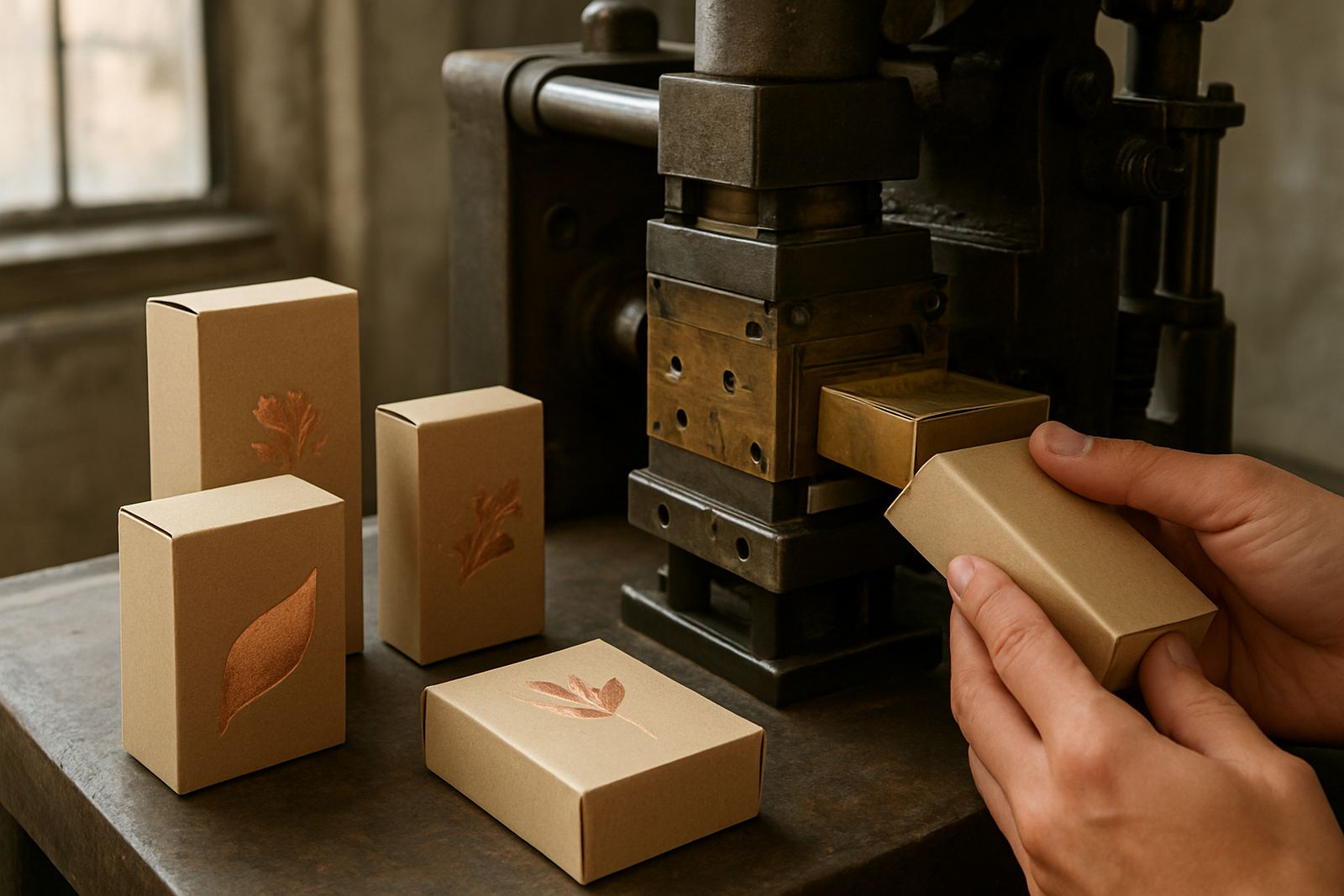
Micro emboss dies do not need gas. They do, however, need a press that can deliver steady pressure and accurate registration. Installation usually involves fitting the die, checking the counterforce, lining up the sheet, and then running sample impressions before full production starts. The goal is to find the pressure point that gives a clean result without crushing the stock or breaking the fine detail.
For most jobs, the press operator should confirm the following before running full volume:
- Registration marks and trim allowance are correct
- The counterforce matches the die area and stock thickness
- The sheet feed is consistent and not skewing on entry
- The impression is even across the full image area
- The job can run after a power interruption without losing setup notes
If the line has intermittent power due to municipal supply issues, keep the setup sheet and sample impression close to the press so the same settings can be restored quickly. We can also advise on sample impression results before dispatching a repeat order, which helps avoid a wasted make-ready on arrival.
Care, cleaning and servicing between runs
Fine-detail dies need proper care, especially if they are going to be used again. Dust, adhesive residue and board fibres can build up on the die face and reduce clarity. After a run, clean the die carefully and keep it packed flat so the detail is not damaged in transit or storage. Avoid rough cloths or hard scraping, because micro detail can be marked easily.
We offer die cleaning, damage assessment and die alterations when a job changes or the existing tool needs a touch-up. If a customer notices a weak patch, a flattened edge or uneven detail, send the die in for inspection before the next run. Early attention often saves a full remake, especially where the same design is used across several branches or pack sizes.
Good storage makes a big difference. Keep dies dry, labelled and separated so they do not rub against each other. In coastal locations, a sealed pack or dry cupboard is worth using because humidity can affect both the die and the surrounding tooling. For repeat work, job filing helps keep the artwork, dimensions and counterforce notes together so the next order goes through faster.
What to check before you place an order
When ordering a micro emboss die, clear information at the start will prevent delays later. We look for the artwork, the final trim size, the stock type, the press type and the impression goal. If the job is part of a larger finishing sequence, tell us whether it will be foiled, varnished, folded or cut after embossing. That affects how the die should be made.
Before sending a job through, check these points:
- Final artwork is at the correct size and includes all fine detail
- Text is readable at the intended emboss scale
- Stock weight and finish are confirmed
- Press size and available pressure are suitable
- Turnaround timing is clear if the job is urgent
- Any repeat order references or old job notes are included
If you are unsure about the artwork, our team can do artwork checks and sample impression advice before engraving starts. That is especially useful for security work, where tiny adjustments can make a big difference. From Industria in Johannesburg, we support print finishers and packaging houses in Cape Town, Durban, Gqeberha, Bloemfontein, Polokwane, Mbombela and Pretoria, with careful packing dispatch and practical support from start to finish.
Key facts
| Material options | Brass or magnesium |
|---|---|
| Typical use | Fine-detail embossing, texture, security marks and tactile branding |
| Artwork input | Vector artwork or clean print-ready layout preferred |
| Common stock range | Coated board, uncoated board, label stock and selected laminated materials |
| Power or gas needs | No gas required, press pressure only |
| Supply area | Couriered nationwide from Industria, Johannesburg |