What invitation dies are used for
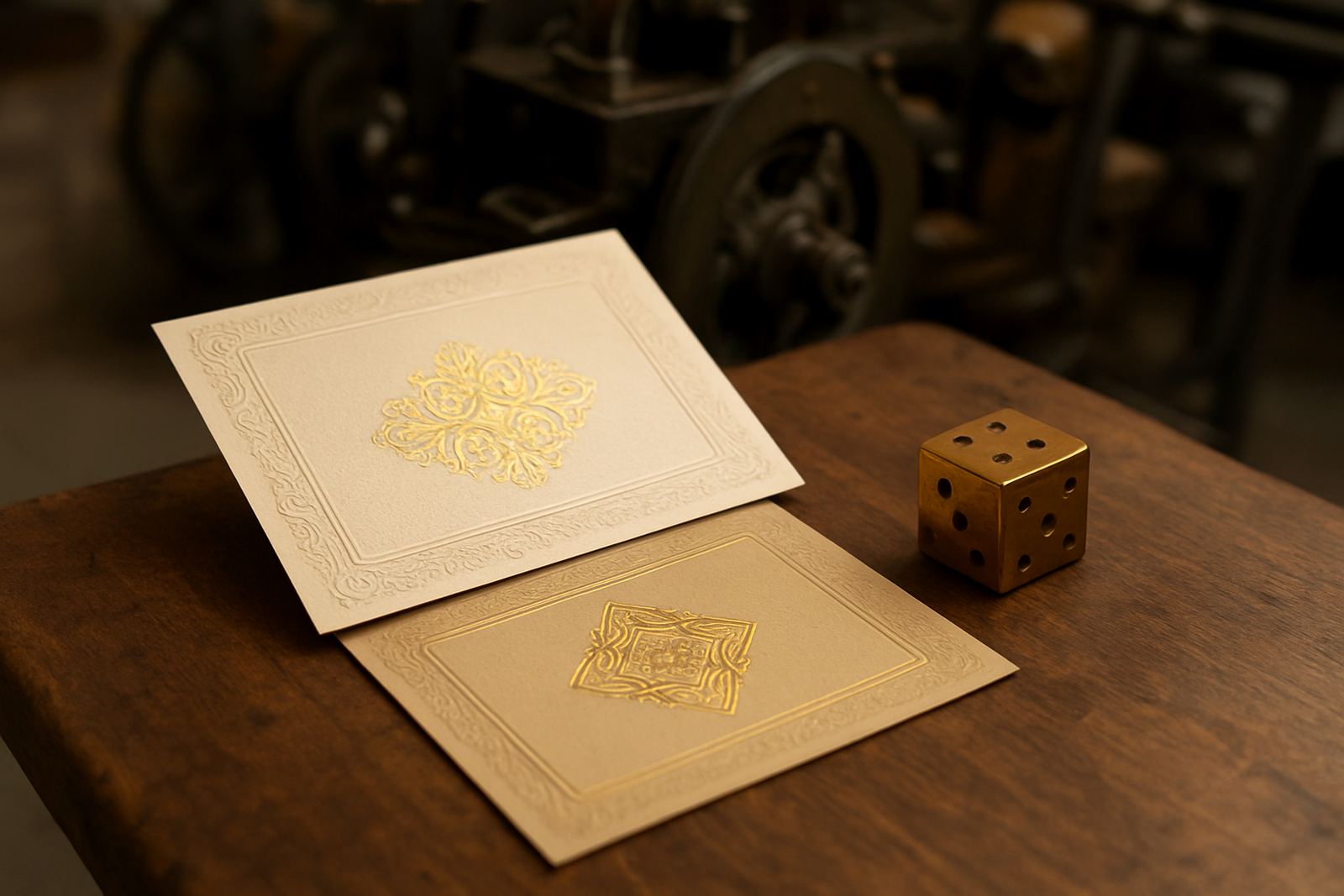
Invitation dies are precision tools used to create raised or recessed detail, foil stamping and crisp finishing on premium stationery. They are commonly used on wedding invitations, event cards, announcement suites, envelope flaps, place cards and luxury packaging inserts where clean lines and fine lettering matter. For this kind of work the die has to hold detail properly, transfer heat evenly and stay accurate across repeated runs.
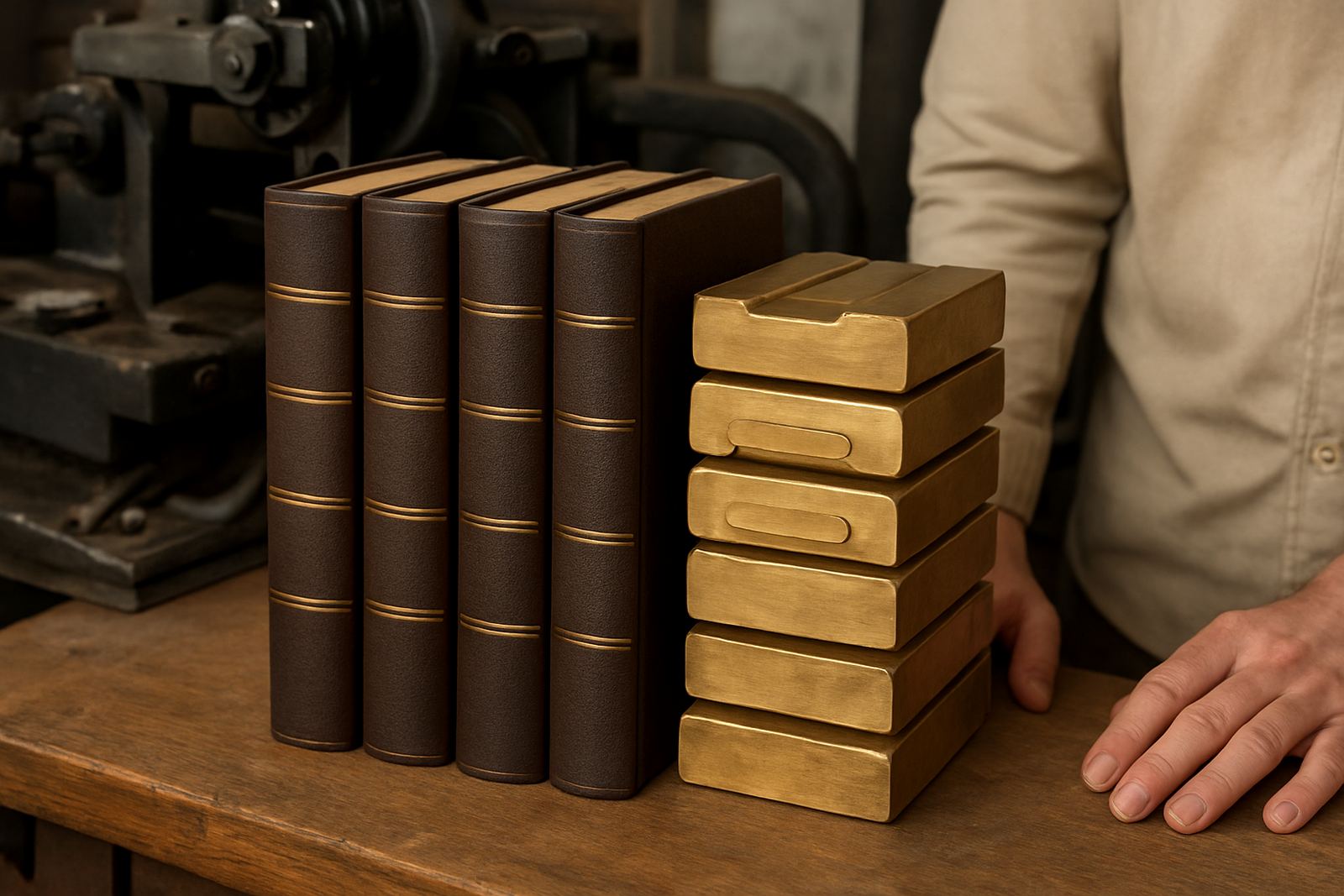
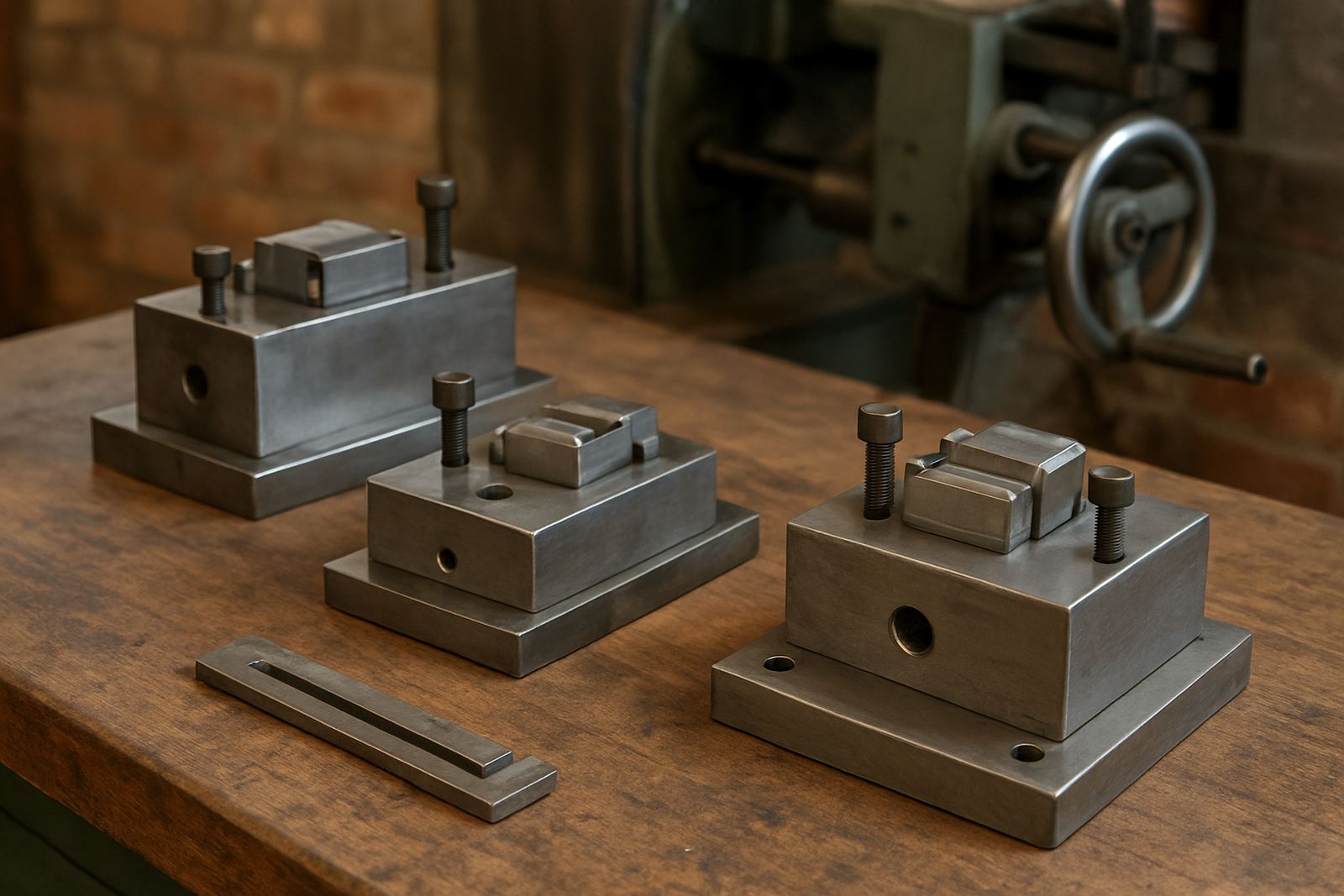
At Hot Stamping Dies, we make invitation dies for both hot foil stamping and embossing applications. Brass dies are usually chosen when the artwork is fine, the run is longer or the surface needs better heat control. Magnesium dies are a practical choice for lighter duty work and shorter production runs. For invitation work, the difference often comes down to the detail in the artwork, the paper stock and how many impressions the finisher expects to make.
These dies are made to suit South African print finishing conditions, including short lead times, urgent weekend jobs and mixed stock qualities from textured boards to coated covers. If you work with coastal humidity, heavy board or delicate papers, the die specification should be set with that in mind.
Sizes, profiles and material options
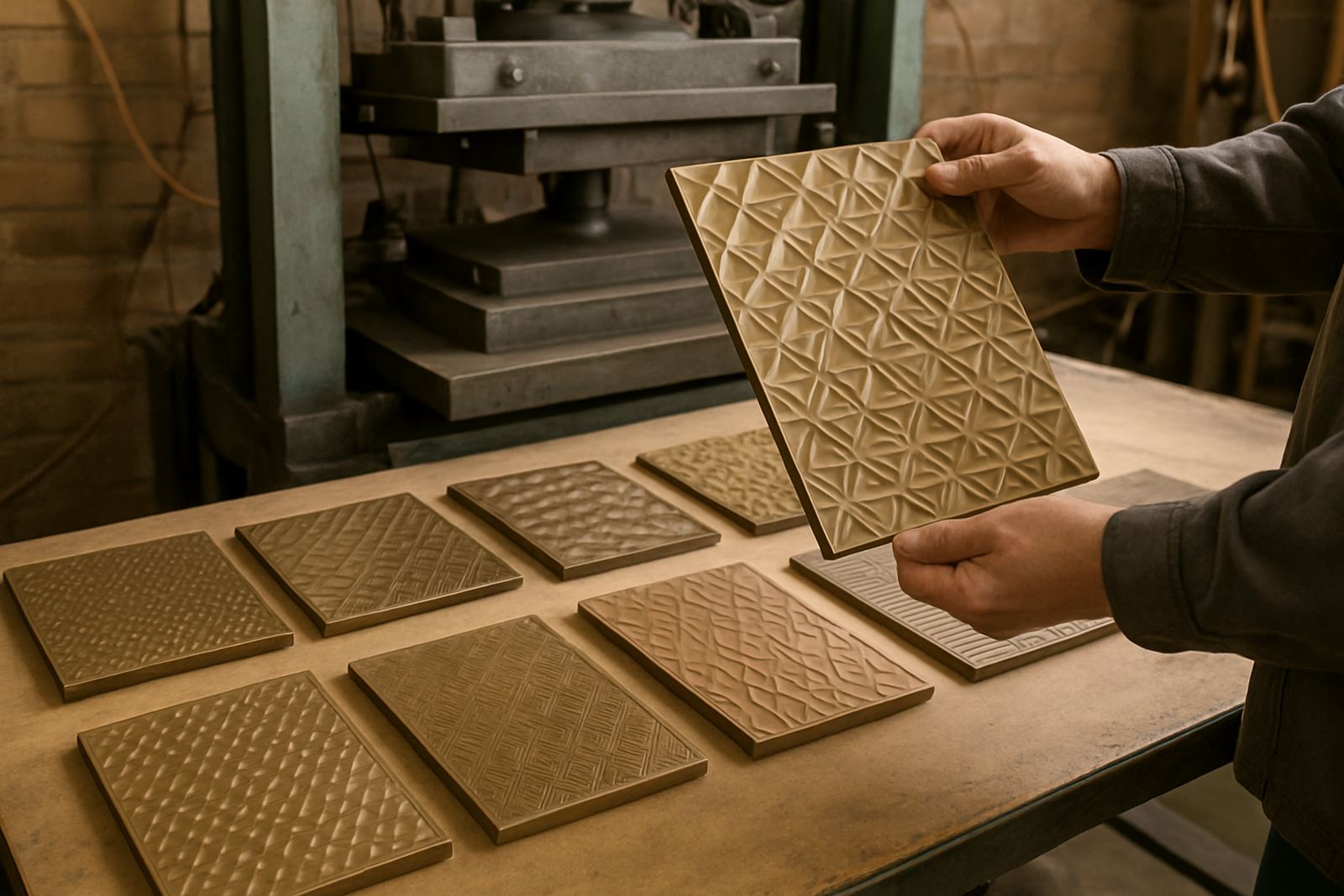
Invitation dies are not one-size-fits-all. The right size depends on the artwork, the press area and how the item is being finished. We can produce small single-line dies for names and motifs, as well as larger format plates for full invitation layouts, monograms and border work. The die can be flat for foil work, engraved for embossing, or matched as part of a paired die and counterforce set.
- Material options: brass for finer detail and longer use, magnesium for shorter runs and lighter finishing jobs
- Typical thickness: 7 mm to 12 mm depending on application and press setup
- Common sizes: from small 20 mm x 20 mm motifs to larger 300 mm x 400 mm invitation layouts
- Detail level: suitable for fine text, flourishes, borders, monograms and line art
- Mounting style: face-mounted or base-mounted depending on the machine and tooling
For luxury invitation work, line weight and spacing are important. Very thin strokes can break up during foil transfer or collapse during embossing, especially on soft board. We usually advise on minimum line thickness, letter spacing and relief depth before production starts so the finished piece stays clean and readable.
Where invitation dies work best
These dies suit print finishers, wedding stationers, invitation studios and packaging houses that handle short-run premium work. They are especially useful where the client wants a polished look without heavy ink coverage. Foil and embossing can add lift, depth and light-catching detail to stock that would otherwise look flat.
Invitation dies are a good fit for:
- wedding invitations and RSVP cards
- event programmes and table stationery
- luxury gift cards and announcement inserts
- foil seals, folder covers and envelope flaps
- premium packaging sleeves and presentation pieces
In Johannesburg and Pretoria, many finishers use invitation dies for fast-turnaround business weddings and corporate launches. In Durban, Cape Town and Gqeberha, humidity can affect paper moisture and stock behaviour, so die depth and pressure settings may need more careful control. If the stock is textured or recycled, we will often recommend a sample impression before the full run.
Installation, press setup and power checks
Invitation dies are normally installed on compatible hot foil or embossing equipment by a trained operator. The exact fit depends on the machine bed, chase size, heating area and whether the die is being used with counterforce or a backing system. Good setup makes a major difference to the finish, especially on fine lettering and narrow borders.
Most jobs do not require gas, but the press must have stable heat control and enough dwell time for the foil or embossing action to transfer properly. Where a workshop is affected by load-shedding, it helps to plan production around power backup or schedule the job for when the press can hold temperature consistently. Uneven heating can cause patchy foil, weak embossing or overburn on sensitive stocks.
- Confirm the machine model and chase size before ordering
- Check the available heat range and temperature stability
- Make sure the artwork suits the press area and platen size
- Allow for safe cooling space after the run
- Use the correct counterforce or backing for embossing work
If you are unsure about setup, send through the machine details with the artwork. That lets us check whether the die should be made for direct mounting, base mounting or a paired set. It also helps us avoid delays when the courier arrives and the job needs to go straight onto press.
Caring for the die and keeping detail sharp
Invitation dies can last well if they are cleaned and stored properly. Brass dies should be wiped down after use so foil residue, paper dust and adhesive buildup do not collect in the engraved areas. Magnesium dies need a little more care because they are softer and can be marked by careless handling. Store all dies flat, dry and away from direct moisture, especially in coastal areas where humidity is higher.
For repeat orders, it helps to keep the die, job notes and sample impression on file. That makes reordering faster and reduces the risk of artwork changes going unnoticed. If a die has been dropped, heated unevenly or used on the wrong stock, we can assess whether it needs cleaning, alteration or replacement.
- Clean after every run with a soft cloth and suitable non-abrasive method
- Do not scrape engraved detail with hard tools
- Keep away from damp packing rooms and wet counters
- Label the die with job name and stock notes
- Request a check if the detail starts to fill, blur or chip
Good care also helps with busy season work where the same invitation format is used across many orders. A well-kept die will save time on setup and help the final piece stay consistent from the first impression to the last.
What to send when ordering an invitation die
To quote and make the correct die, we need clear artwork and a few practical details about the job. The artwork should be sent in a clean format with fonts outlined and any linked images supplied separately if needed. If the design includes fine lines, small text or multiple levels, please flag that early so we can advise on suitability before engraving starts.
When ordering, please check the following:
- final artwork in the correct size
- intended finish: foil, embossing or both
- stock type and thickness
- press model and chase size
- expected run quantity
- deadline and delivery town
It also helps to tell us whether the job is for a wedding suite, corporate function or luxury retail pack. That context can change the way we handle relief depth, line spacing and packing. For urgent work, we offer quick turnaround where the artwork is ready and the job can move straight into production. Once completed, dies are packed carefully and couriered nationwide from Industria, Johannesburg to destinations including Durban, Cape Town, Bloemfontein, Polokwane, Mbombela and Gqeberha.
Why finishers choose us for invitation dies
Invitation work leaves very little room for error. A slight misread in artwork, poor depth control or a weak counterforce can show up immediately on the finished piece. Our team handles artwork checks, die design, engraving production, sample impression advice and dispatch, so the job is managed from first enquiry to delivery.
With Thabo Mokoena leading the business and a team that includes production, prepress and dispatch support, we keep the process practical. If a job needs an alteration, repeat order or damage assessment later on, we can refer back to the original file and notes. That saves time and helps keep reorders consistent.
For invitation dies, the goal is simple: sharp detail, correct fit and a finish that looks right on paper. If the brief is clear, we can usually match the die to the press and stock without wasted trial runs or extra back and forth.
Key facts
| Product type | Hot foil and embossing dies for invitation finishing |
|---|---|
| Material options | Brass or magnesium |
| Common thickness | 7 mm to 12 mm |
| Artwork detail | Fine text, monograms, borders, flourishes and line art |
| Typical format range | 20 mm x 20 mm up to 300 mm x 400 mm |
| Delivery | Couriered nationwide from Industria, Johannesburg |