What a Pattern Emboss Plate Does
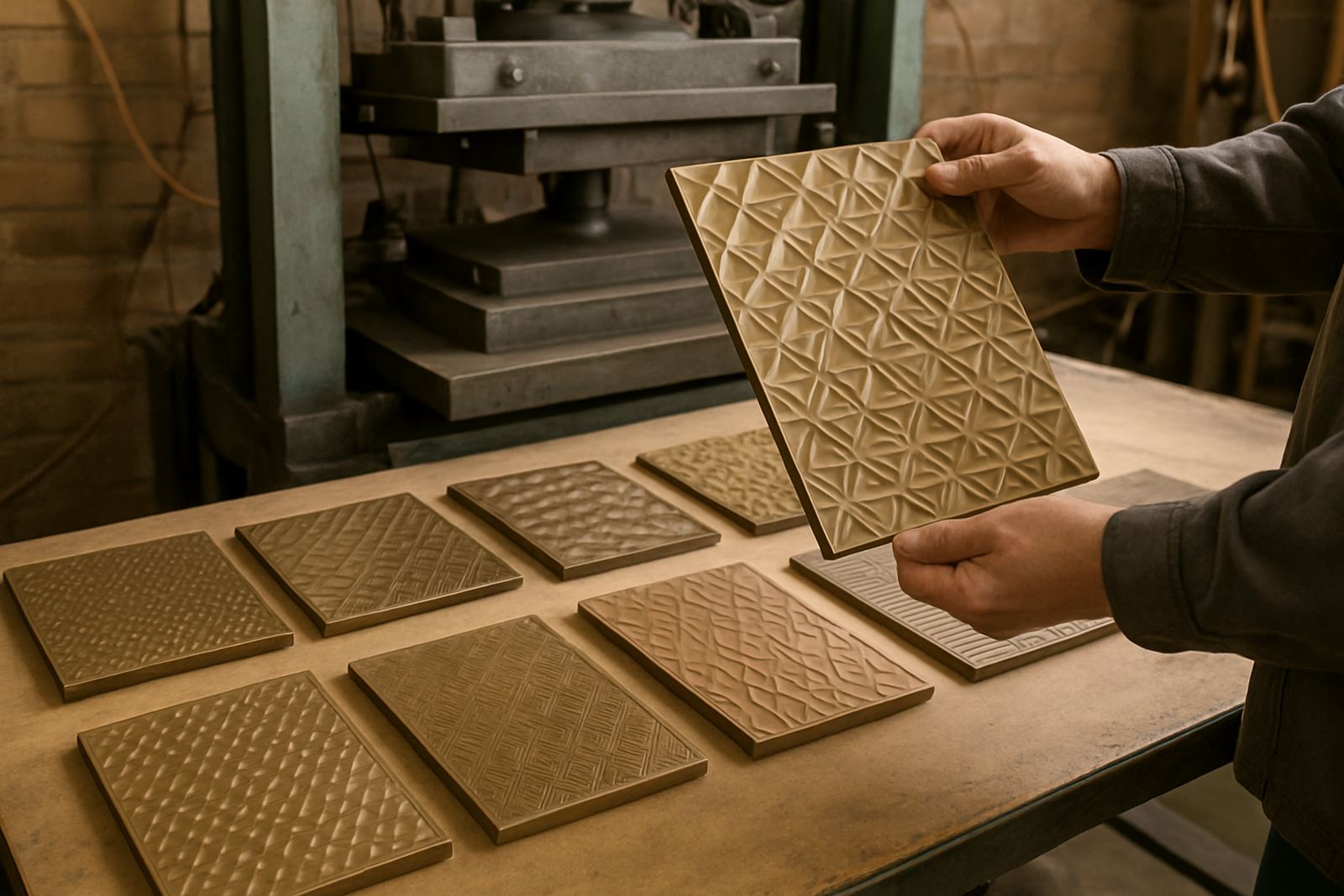
A pattern emboss plate is used to press a repeating raised or recessed texture into paper, board, laminated stock or selected packaging materials. Unlike a single logo die, this type of tool covers a wider area with an even repeat, so it works well for all-over backgrounds, border textures, security style patterns and tactile pack finishes. It is a practical way to give packaging more grip, more depth and a more finished look without adding print ink over the whole surface.
In Johannesburg, Pretoria and other high-volume finishing rooms, these plates are often used where the job needs both visual detail and a steady impression across the full sheet. The repeat has to stay true from edge to edge, otherwise the finish can look uneven. That is why pattern plates are checked carefully for pitch, line weight and the balance between detail and release. On some jobs the pattern is very fine, on others it is bolder and more tactile, depending on the stock and the press settings.
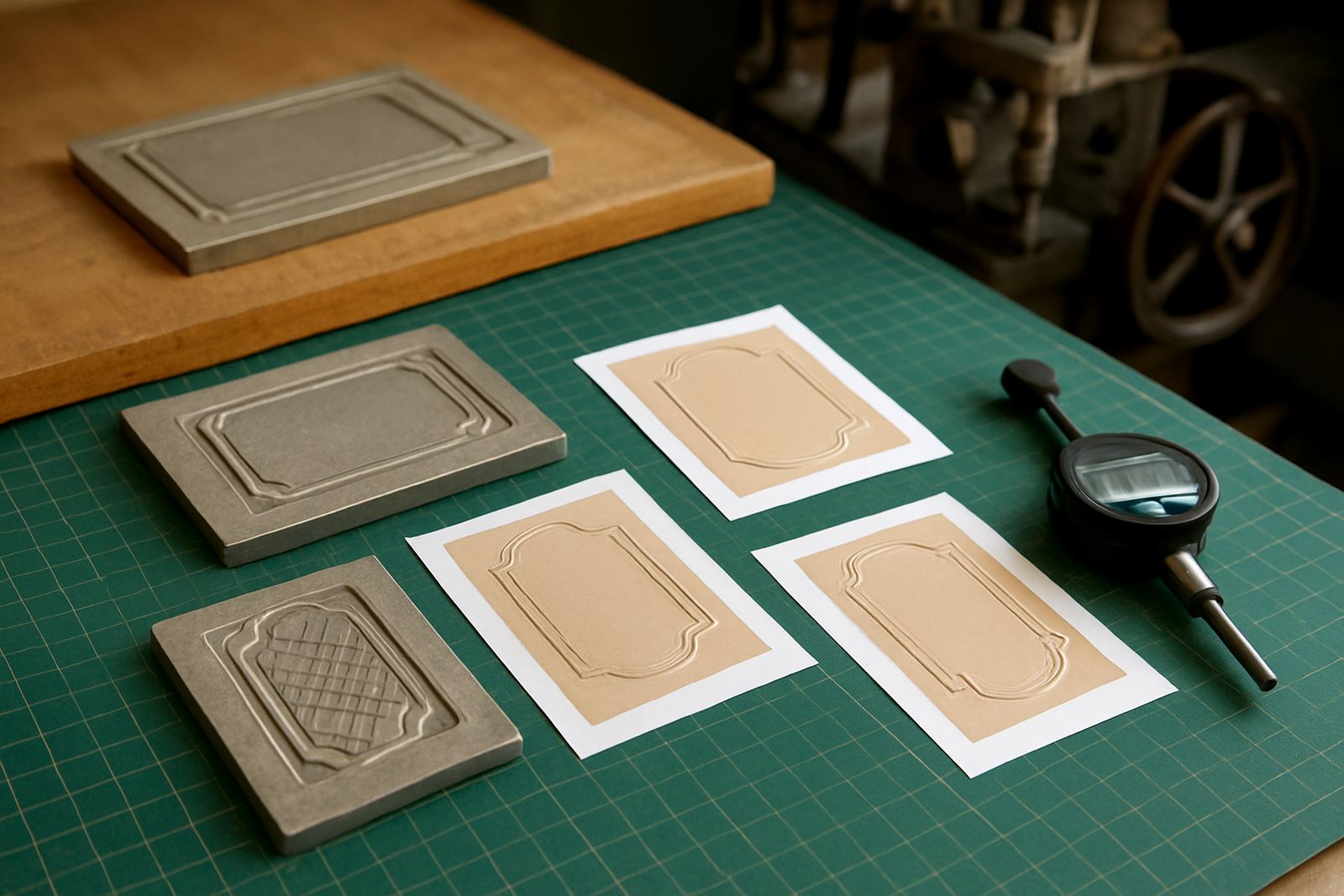
We make pattern emboss plates in brass or magnesium depending on the job, quantity and expected run length. Brass is suited to longer runs and more demanding detail, while magnesium can be a cost effective option for lighter duties and shorter production cycles.
Sizes, Repeat Options and Material Choices
Pattern emboss plates are normally produced to the exact image area needed for the job, with the repeat set to suit the artwork and the press setup. Common sizes range from small panels for carton lids and labels through to larger sheets for full pack faces or wraparound texture areas. The final plate size is usually driven by the artwork repeat, the die board allowance and the machine bed size, so the usable area is planned before engraving starts.
Typical options include:
- Brass plates for fine detail, longer service life and repeated use
- Magnesium plates for shorter runs and lighter impression work
- Single repeat or tiled repeat layouts
- Shallow texture for subtle background work
- Deeper relief for tactile branding and decorative panels
- Matching counterforce where the job needs a controlled squeeze against the plate
We also check whether the pattern needs a clean open area at edges, registration marks, or a plain border for trimming. If the layout is wrong, the repeat can drift and the finished pack will show it straight away. For that reason artwork prep matters as much as the engraving itself, and small errors at source can cost time on press. A neat file and clear measurements save a lot of back-and-forth.
Where Pattern Emboss Plates Work Best
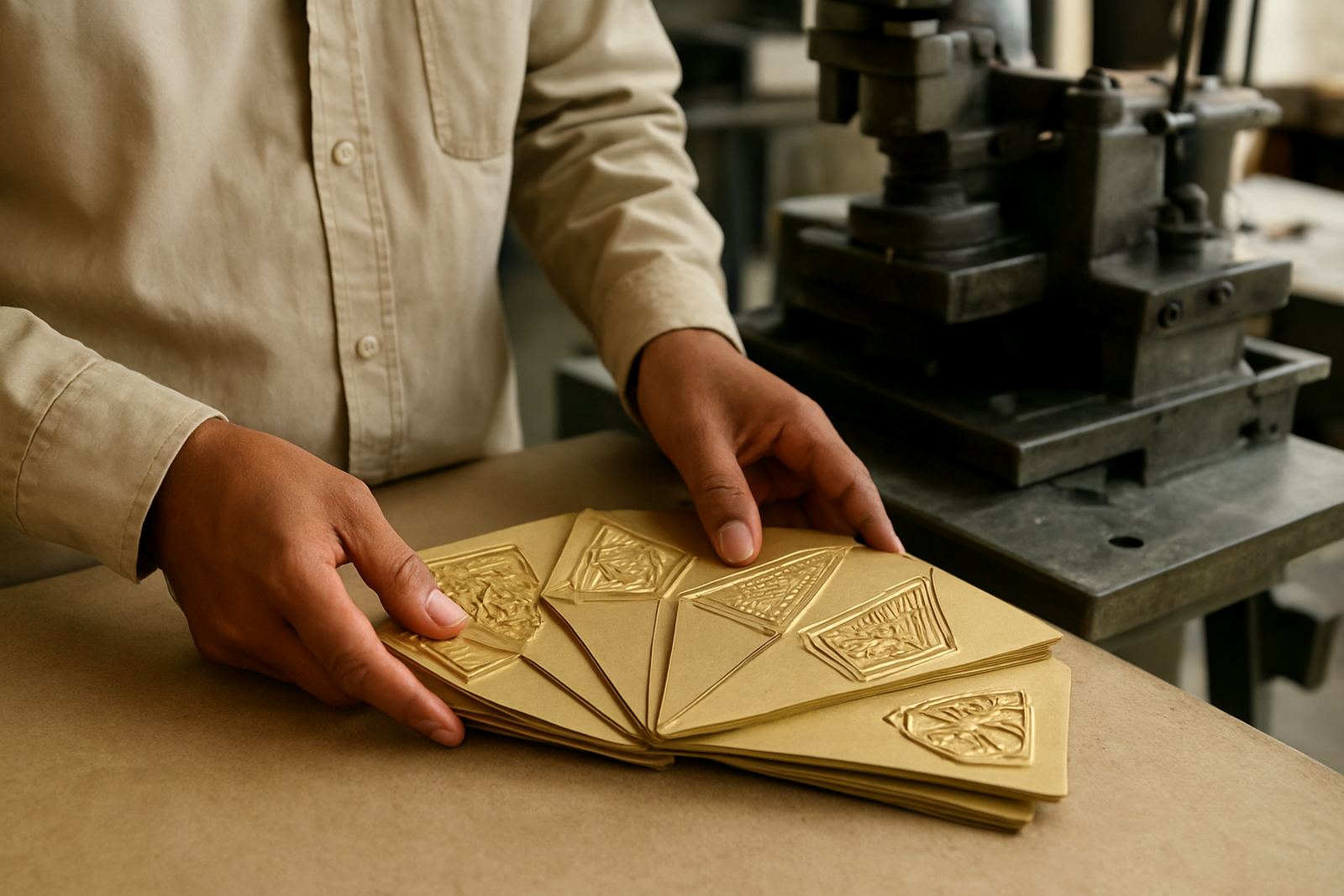
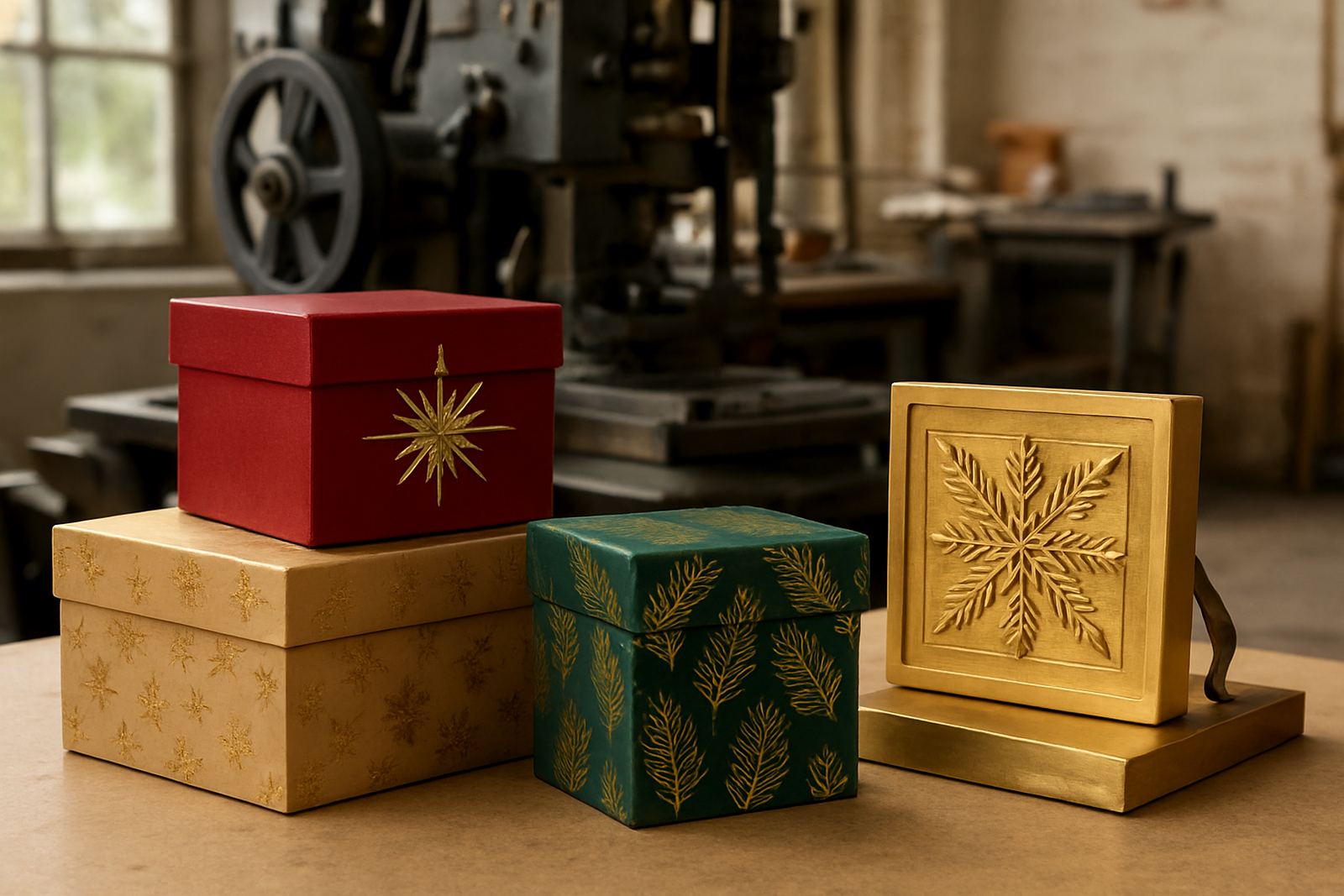
These plates suit print finishing and packaging jobs where texture is part of the brand presentation. They are commonly used on folding cartons, luxury cartons, presentation sleeves, labels, wine packs, cosmetic packaging, stationery covers and decorative inserts. They also work well on jobs where a textured finish helps with grip, such as sleeves or boxes handled in retail, hospitality or display environments.
Pattern emboss plates are especially useful where the client wants the material to carry a stronger feel without relying only on print colour. In humid coastal areas like Durban, Gqeberha and parts of Cape Town, a good emboss can add value to paperboard packs that may be handled often. The finish can also help with spot decoration where a coated stock needs another layer of interest, or where the pack is being used for seasonal promotions and gift sets.
For offset, flexo and finishing houses, pattern plates are often ordered alongside other die work such as logo embossing, foil stamping or counterforce matching. That keeps the set-up consistent across the run, especially when the job has more than one finishing step.
Press Setup, Installation and Power Needs
Pattern emboss plates are fitted to the relevant press or finishing line with the matching tooling, chase or mounting system. The exact set-up depends on whether the job is being run on a platen, cylinder or other finishing arrangement. Good alignment is vital because a repeat pattern will show any shift immediately. The operator must check position, pressure and substrate thickness before going into full production.
These plates do not need a power connection of their own, but the press used with them may need electric power, heating and in some cases pneumatic support. If the job is running with heat assist for a stronger impression, the machine settings must be stable and properly monitored. On sites affected by load-shedding, it helps to schedule the run carefully and confirm backup arrangements for the press and any heated tooling. A mid-run interruption can affect pressure consistency and waste material.
Installation is usually straightforward for experienced finishing teams, but the first proof should always be checked under the same conditions as the production run. If the board is too soft, too dry, or not calendered properly, the repeat may crush or close up. The same applies to incorrect pressure. Small changes make a big difference here, so a test impression is worth doing before the full job goes ahead.
Care, Cleaning and Reordering
Pattern emboss plates last longer when they are cleaned after use and stored properly between jobs. Dust, board fibres and adhesive residue can build up in the detail and affect the next impression. Brass plates can be wiped carefully and kept flat. Magnesium needs a bit more care because it is softer and can mark more easily if handled roughly. A dry, clean packing area is best, especially in damp coastal conditions where corrosion can start if tooling is left exposed.
We can assist with cleaning, damage assessment and repeat ordering for plates that are used again and again. If a plate has been damaged, the engraving may need to be repaired or re-cut depending on the wear pattern. Keeping a good job file makes repeat work faster, because the repeat size, counterforce and layout notes are already on hand. That saves time when a packaging house in Johannesburg, Cape Town or elsewhere needs the same finish again for another production batch.
If the plate is stored with the matching paperwork, it is easier to identify the right pattern and avoid mix-ups. That matters when several finishes are used on one line, or when more than one client uses similar artwork styles.
What to Send With Your Order
To get the right pattern emboss plate first time, send clear artwork and the production details together. The more complete the brief, the less risk there is of misfit, rework or a wrong repeat. If you are unsure about the exact technical layout, send the information you have and we will check it before production starts.
Please include:
- Final artwork in a usable file format
- Exact plate size or image area needed
- Repeat size and any border requirements
- Material type, such as paperboard, coated stock or laminated pack
- Press type and available bed size
- Required turnaround, especially for urgent work
If the job is going into a packaging line, let us know whether the finish must match another tool, foil area or printed panel. That way the pattern can be set to line up with the rest of the design. We courier dies and plates nationwide, including to finishers in Bloemfontein, Polokwane and Mbombela, and we pack each order to reduce movement in transit. For urgent jobs, clear notes at the start help us keep the schedule tight and avoid delays.
Key facts
| Product type | Repeating pattern emboss plate for decorative and tactile finishing |
|---|---|
| Materials | Brass or magnesium depending on run length and detail level |
| Common use | Background textures, repeat patterns, border finishes and pack decoration |
| Suitable stocks | Paperboard, selected paper stocks, coated sheets and packaging materials |
| Supply format | Made to order from approved artwork and size requirements |
| Service areas | Johannesburg, Pretoria, Durban, Cape Town, Gqeberha, Bloemfontein, Polokwane, Mbombela and nationwide courier supply |