
What a leather grain plate does on press
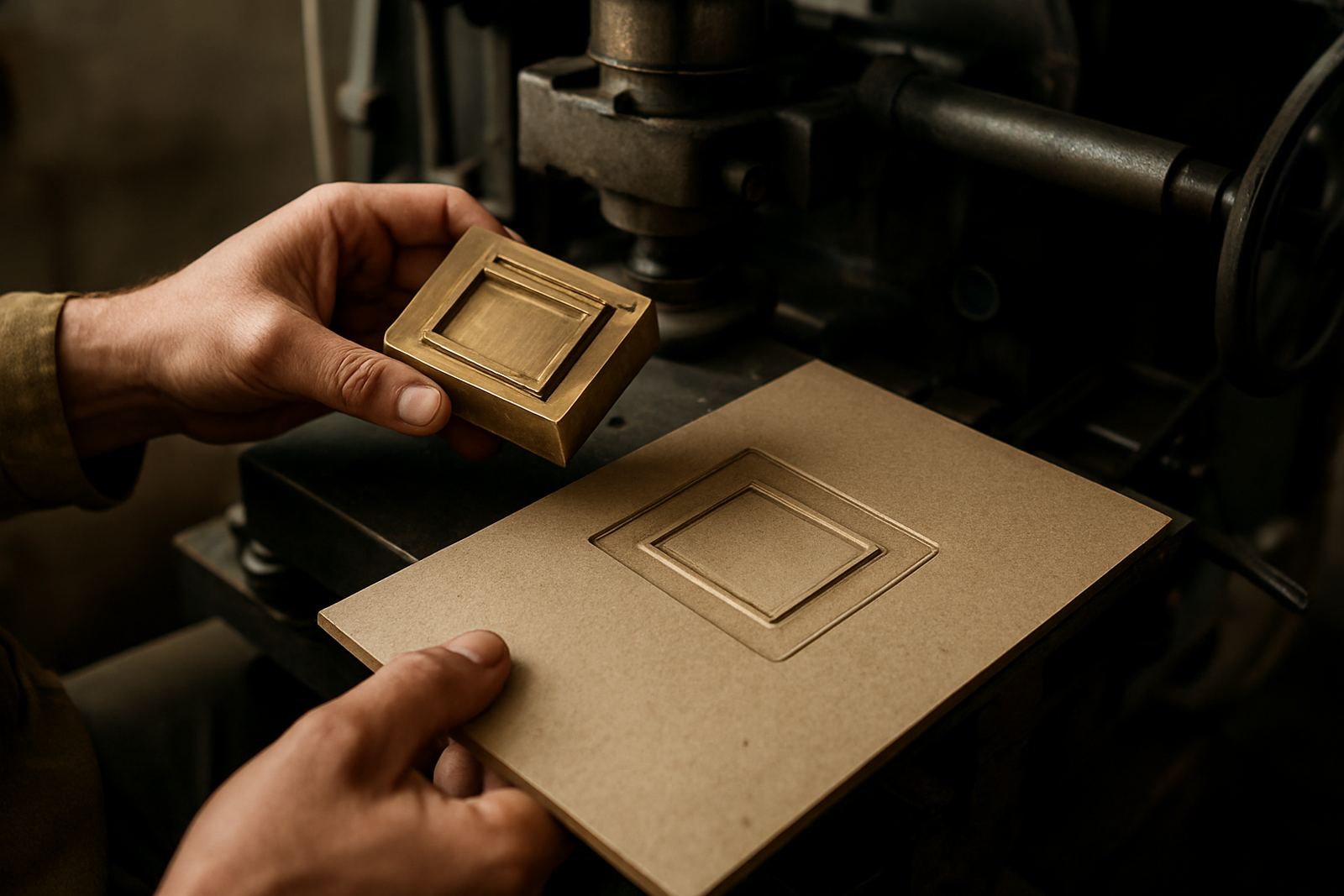
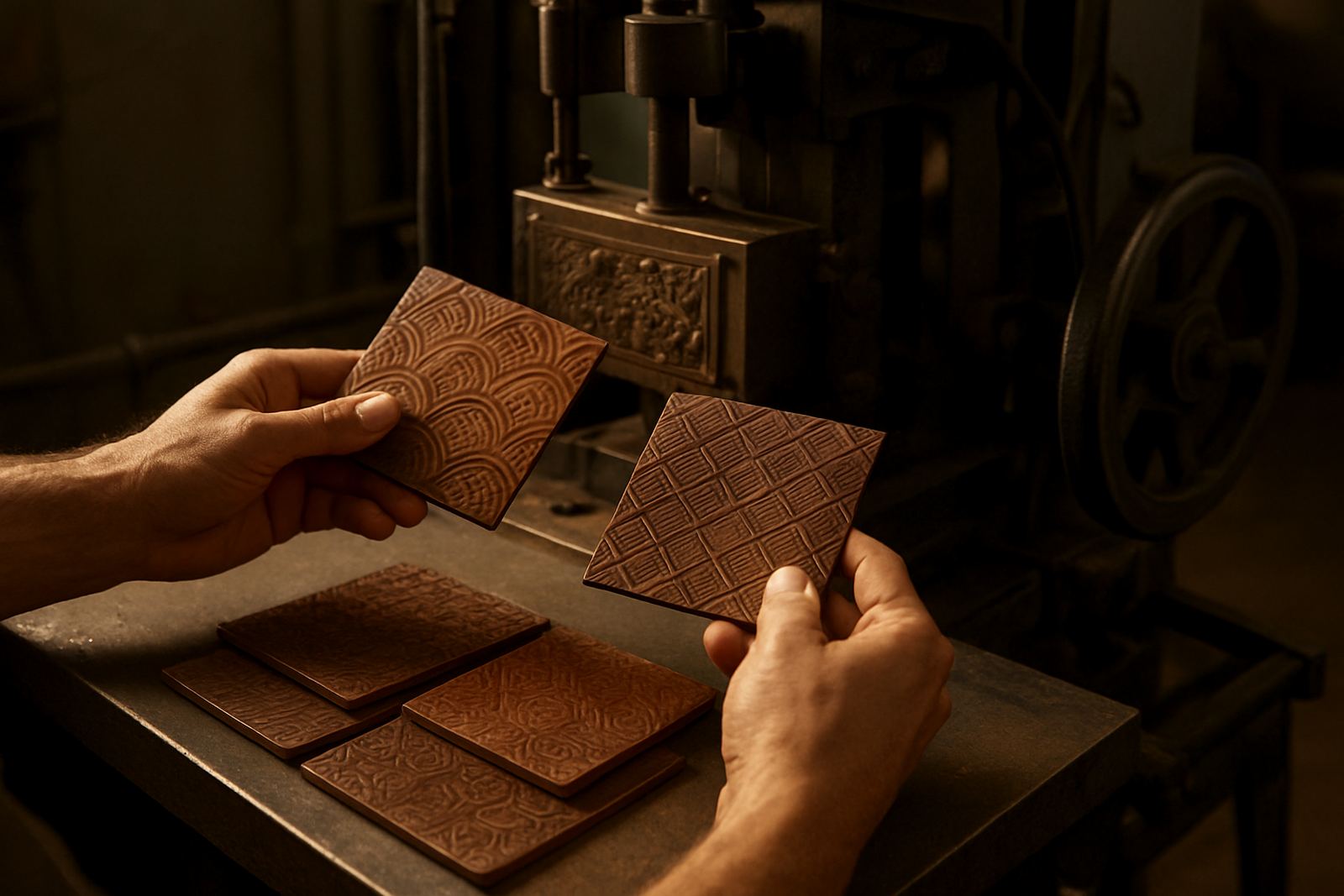
A leather grain plate is a textured die or embossing plate used to press a fine grain pattern into board, paper, laminated stock or selected cover materials. The effect gives packaging and presentation pieces a more tactile finish, especially where a plain smooth surface needs a bit of grip and visual depth.
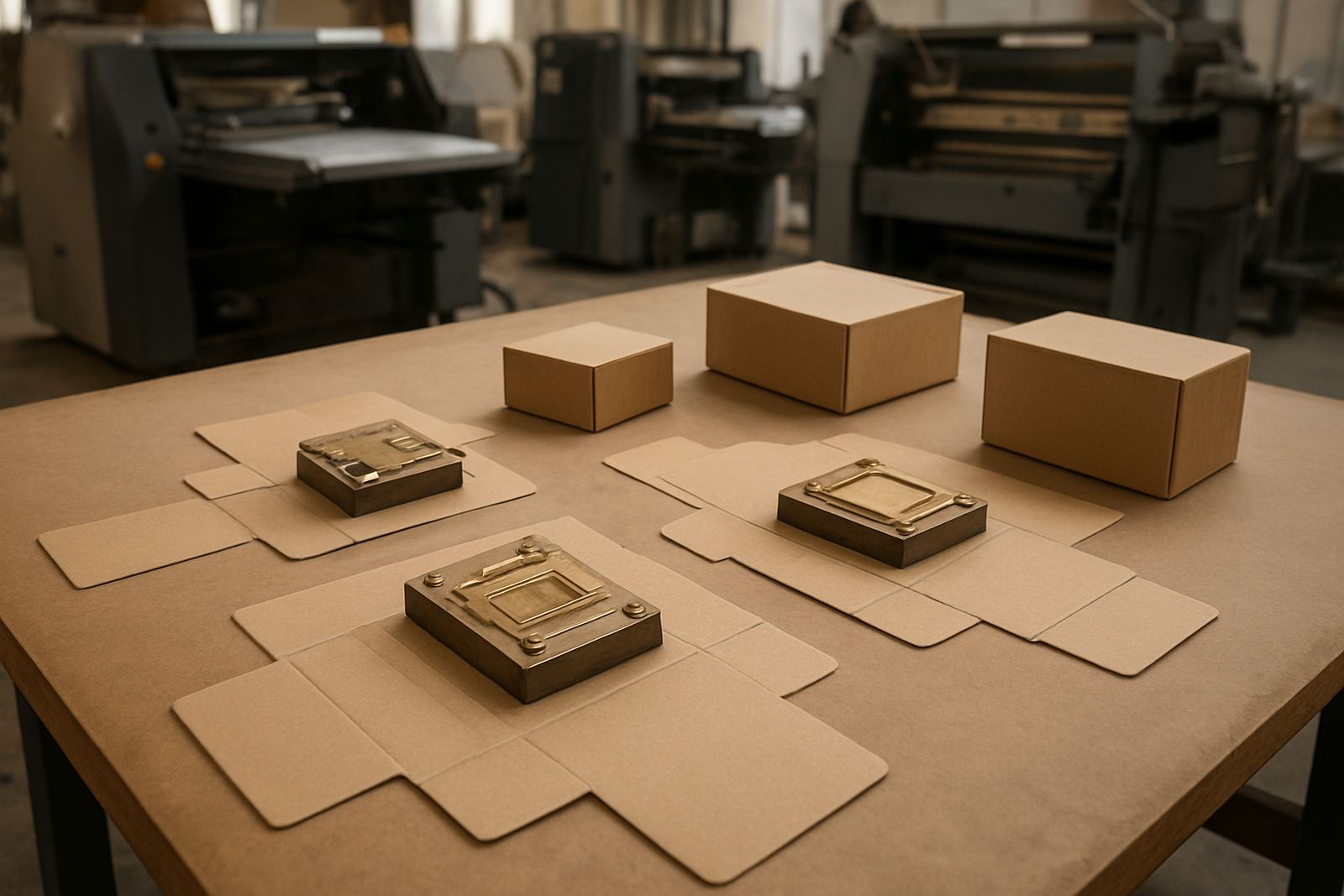
These plates are used on covers, ring files, slip cases, folder wraps and premium cartons. In many jobs the grain runs across the full panel, while on others it is used only on a logo area, spine strip, lid panel or border detail. The grain can be subtle or more pronounced depending on the artwork and the substrate being run.
We produce plates for offset, flexo and finishing environments, with careful attention to line depth, pressure tolerance and repeatability. For plant managers and finishers in Johannesburg, Pretoria, Durban or Cape Town, the main value is consistency: the same grain impression from the first sheet to the last, with less chasing on press and fewer rejects.
Sizes, materials and grain options
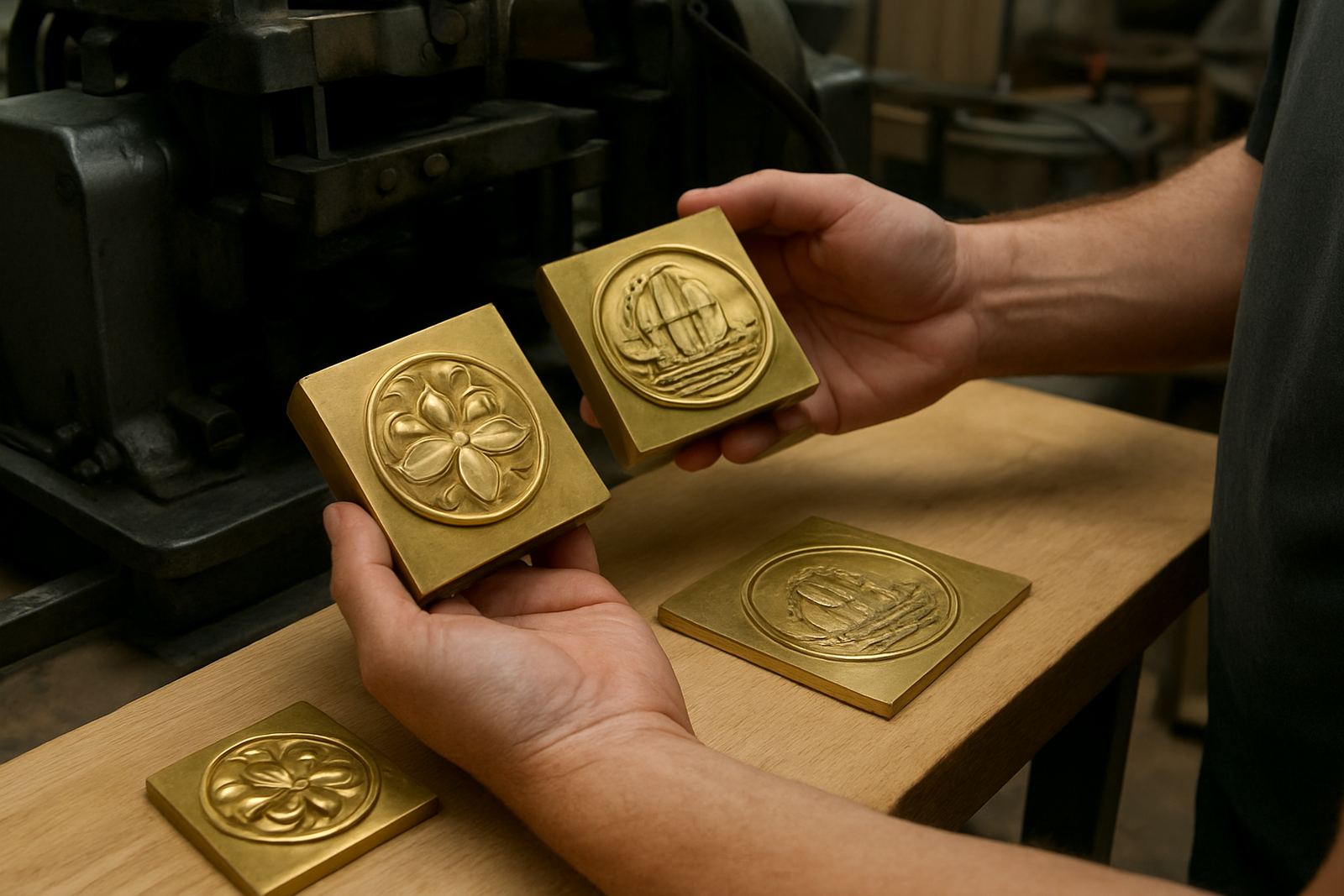
Leather grain plates are made to the job size, machine size and finish required. We work in brass and magnesium, depending on the run length, pressure and level of detail needed. Brass is preferred where the plate must last longer or take higher wear, while magnesium suits lighter duty work and shorter production runs.
- Standard plate sizes: made to artwork, from small logo inserts to full panel coverage
- Common thicknesses: 6 mm, 8 mm and 10 mm, depending on mounting and depth needs
- Material choice: brass for durability, magnesium for faster turnaround and lower-cost work
- Grain depth: fine, medium or stronger texture, set according to the substrate and pressure
- Mounting option: supplied plain or mounted to suit the finishing set-up
If the grain must match an existing sample, we can work from a physical piece or a clear image and measurement set. That helps when a client is repeating a box style, folder range or corporate presentation item across multiple branches. For national runs, it is worth keeping one master spec so the finish stays consistent from Johannesburg to Gqeberha and beyond.
Where leather grain plates work best
Leather grain is popular on premium folders, presentation boxes, menu covers, stationery sets and packaging sleeves. It is also used on product cartons where a tougher, more tactile look is wanted without moving into a fully decorative pattern. In brand work, the grain helps a logo stand out by giving the background surface more character.
The finish suits corporate gifting, retail packaging and short-run special editions. It is especially useful when a client wants a more expensive feel without using complex artwork or foil coverage. On heavy board, the texture can help disguise slight surface variation too, which is useful on recycled or coated stocks.
- Presentation folders and report covers
- Rigid boxes and lid panels
- Menu covers and file covers
- Cartons for gift and cosmetic ranges
- Branded wraps, sleeves and inserts
Coastal humidity in places like Durban and Gqeberha can affect stock handling, so the substrate should be stored flat and dry before pressing. In inland areas, dust and static can influence registration on lighter material. A well-prepared plate helps, but the paper and board condition matter just as much.
Setting up the plate on your machine
Installation depends on the press or finishing unit in use. Most leather grain plates are fitted to a heated press or embossing station, then aligned against the counterforce so the texture lands evenly across the panel. Good set-up is about pressure, temperature and alignment, not just the plate itself.
No gas connection is normally needed for the plate as such. The machine may use electric heating or another heat source, but the plate itself is supplied as a metal tool ready for mounting. If your line runs through load-shedding periods, it is worth planning the job around stable power supply or back-up capacity so the heat setting stays steady through the run.
- Check the plate orientation before mounting
- Confirm the counterforce or backing material is correct
- Set temperature to suit the substrate and grain depth
- Run a sample impression before full production
- Allow for cooling time where the stock is sensitive to heat
Where the finish is close to the trim edge or fold line, the operator should check pressure across the full area because uneven squeeze can flatten the grain on one side and overcut it on the other. For larger boxes and folders, that small difference can show up immediately.
Care, cleaning and repeat use
Leather grain plates last longer when they are cleaned properly after use and stored away from moisture, dust and knocks. We recommend a quick wipe-down after production, especially if adhesive, board dust or release residue has built up on the face. A dirty plate can soften the grain impression and leave marks on the next run.
If a plate starts showing wear, damage or loss of detail, it can often be assessed for reworking before a full remake is needed. That is useful when a client is repeating a long-standing packaging format and wants to keep the same look without changing the artwork. We also handle job filing, so repeat orders are easier to match later.
- Keep plates flat in labelled storage
- Avoid stacking heavy items on the face
- Clean after each run where possible
- Check for dents or edge damage before re-use
- Use the same artwork version for repeat jobs
For production teams in smaller finishers or busy packaging houses, a simple log of plate size, grain type and date of use saves time. It also helps when several folders or box formats are running at once and one plate needs to be pulled back quickly.
What to send with your order request
When ordering a leather grain plate, the clearer the brief, the better the result. We need enough detail to match the layout, machine and finish requirements without guesswork. If anything is missing, we will usually ask for a sample, measurements or artwork clarification before production starts.
Useful order details include the final size, the area to be textured, the stock type and the press or finishing method. If the plate must match an existing set, send the previous job reference, a photo of the old plate if available, and any note on pressure or temperature that worked well. That helps us avoid delays, especially on urgent turnaround work.
- Artwork or a clear image of the required grain area
- Final size in millimetres
- Material choice: brass or magnesium
- Machine type and whether the job is heated or unheated
- Substrate details, including board thickness and coating
- Any repeat order reference or sample impression note
Our team in Industria, Johannesburg handles artwork checks, die design, engraving production and packing dispatch for customers nationwide. From first enquiry through to courier, the aim is simple: get the right plate to the right plant, on time and ready to run.
Key facts
| Product type | Leather grain texture plates for hot stamping and embossing |
|---|---|
| Material options | Brass or magnesium |
| Common use | Covers, folders, boxes, sleeves and presentation packaging |
| Finish detail | Fine, medium or stronger leather-look grain |
| Supply format | Made to size, plain or mounted as required |
| Dispatch area | Couriered nationwide from Industria, Johannesburg |