
What Single Level Dies Are Used For
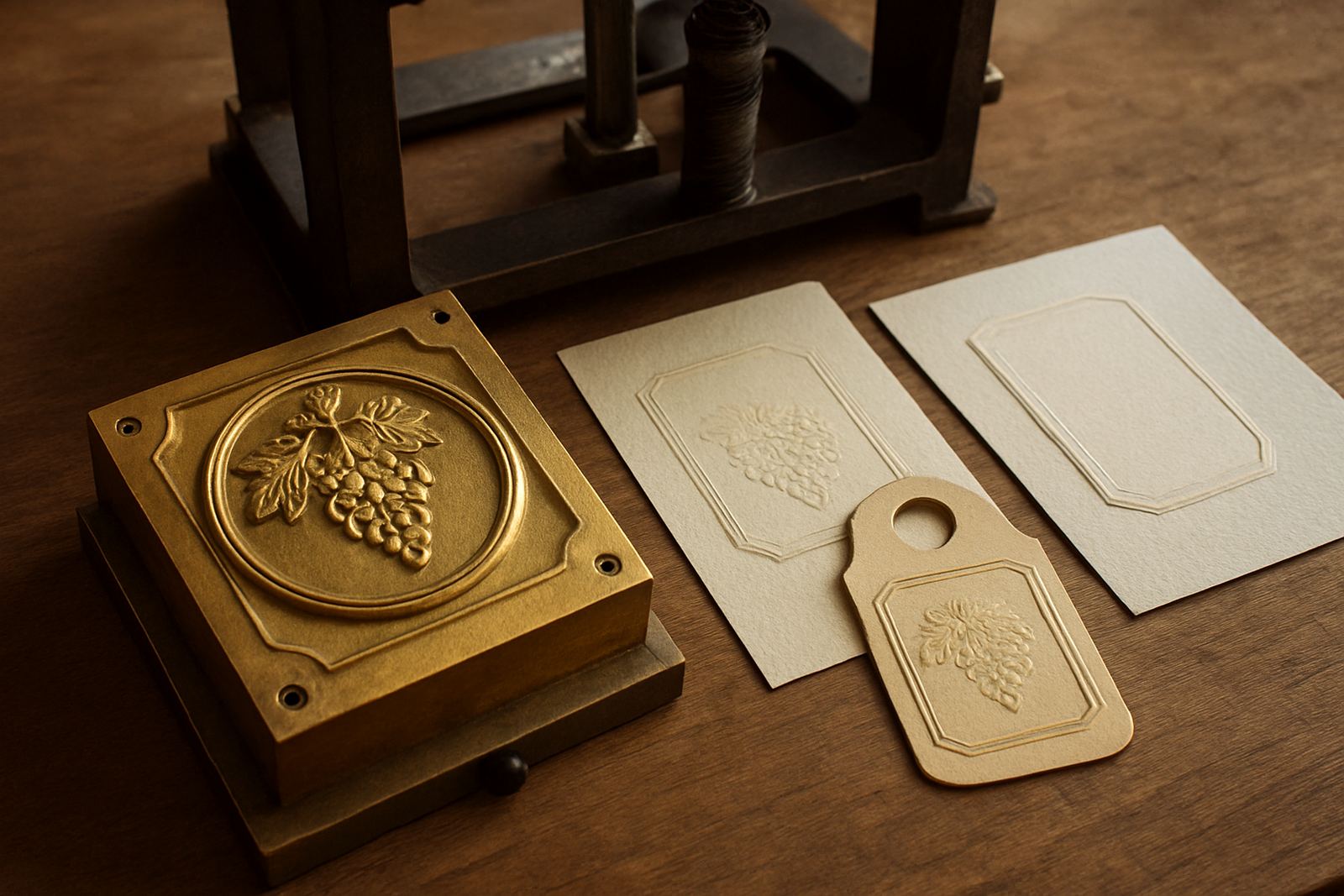
Single level dies are made for one consistent raised height across the image area, which suits clear logos, text, borders and simple motifs. They are commonly used on paperboard, coated cartons, labels, sleeves and presentation packaging where the aim is a crisp impression without multiple heights or fine stepped detail.
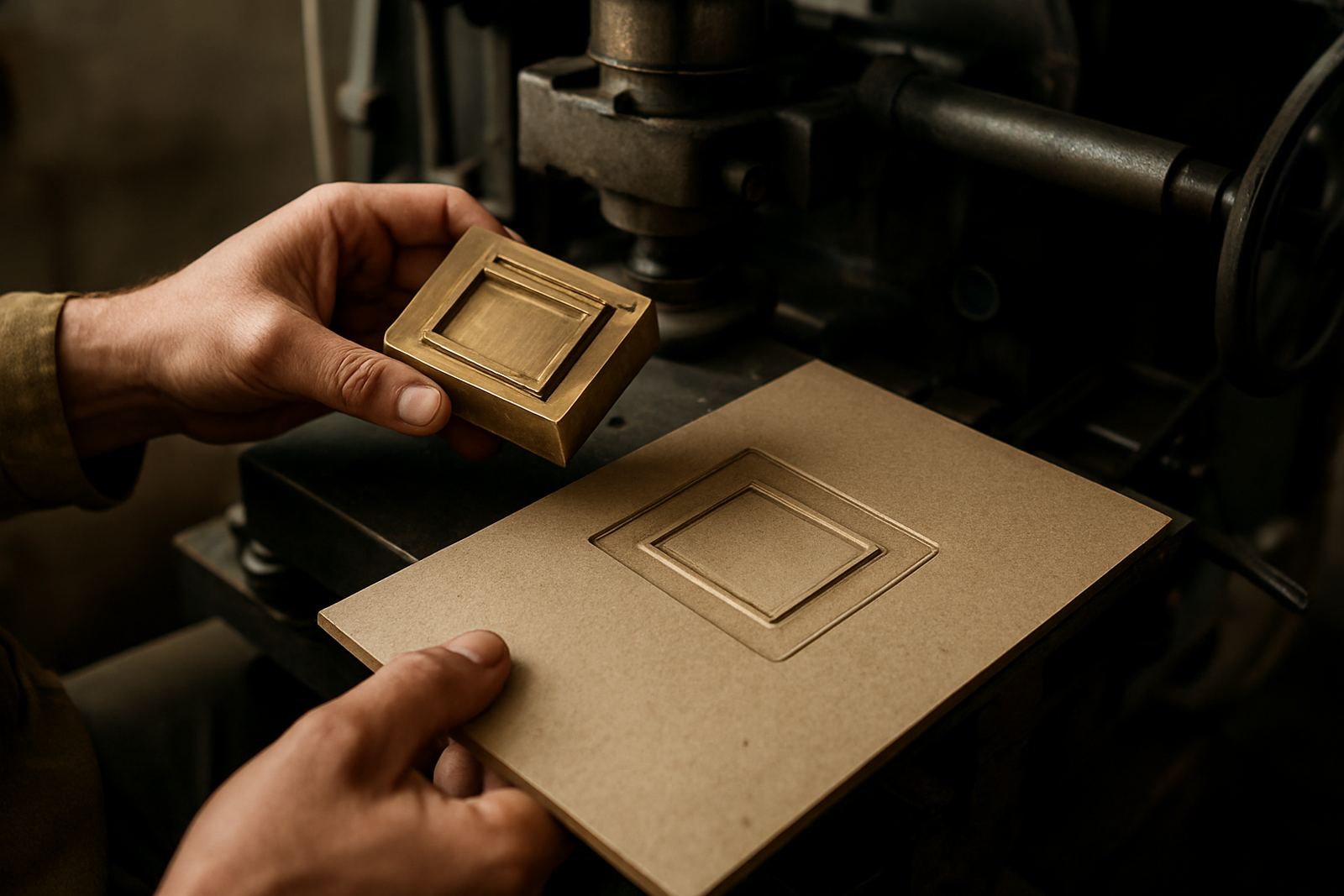
Because the face is flat in one plane, these dies are straightforward to set up and reliable on repeat work. They are a good fit where the artwork needs to read clearly at speed, and where the press team wants a die that gives predictable results on standard foil or emboss runs.
- Ideal for simple foil stamping and embossing
- Works well on cartons, labels and folded packaging
- Suitable for short runs, repeat orders and standard linework
- Produces clean edges when artwork and counterforce are matched properly
Materials, Sizes and Build Options
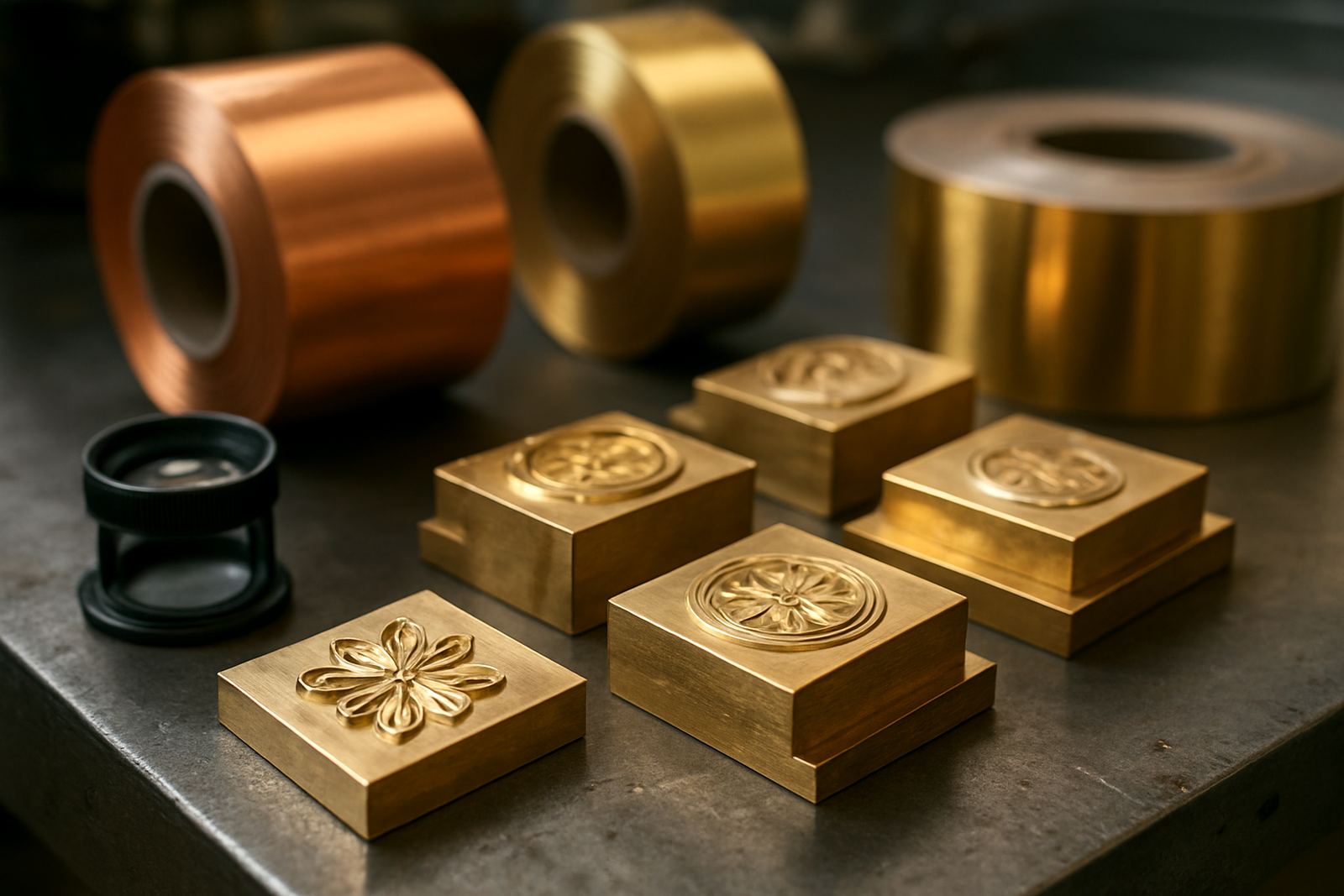
We make single level dies in brass and magnesium, with the material chosen to suit the job, run length and press conditions. Brass is commonly used where durability and longer life are important, while magnesium is a practical option for lighter duty work and quicker turnaround.
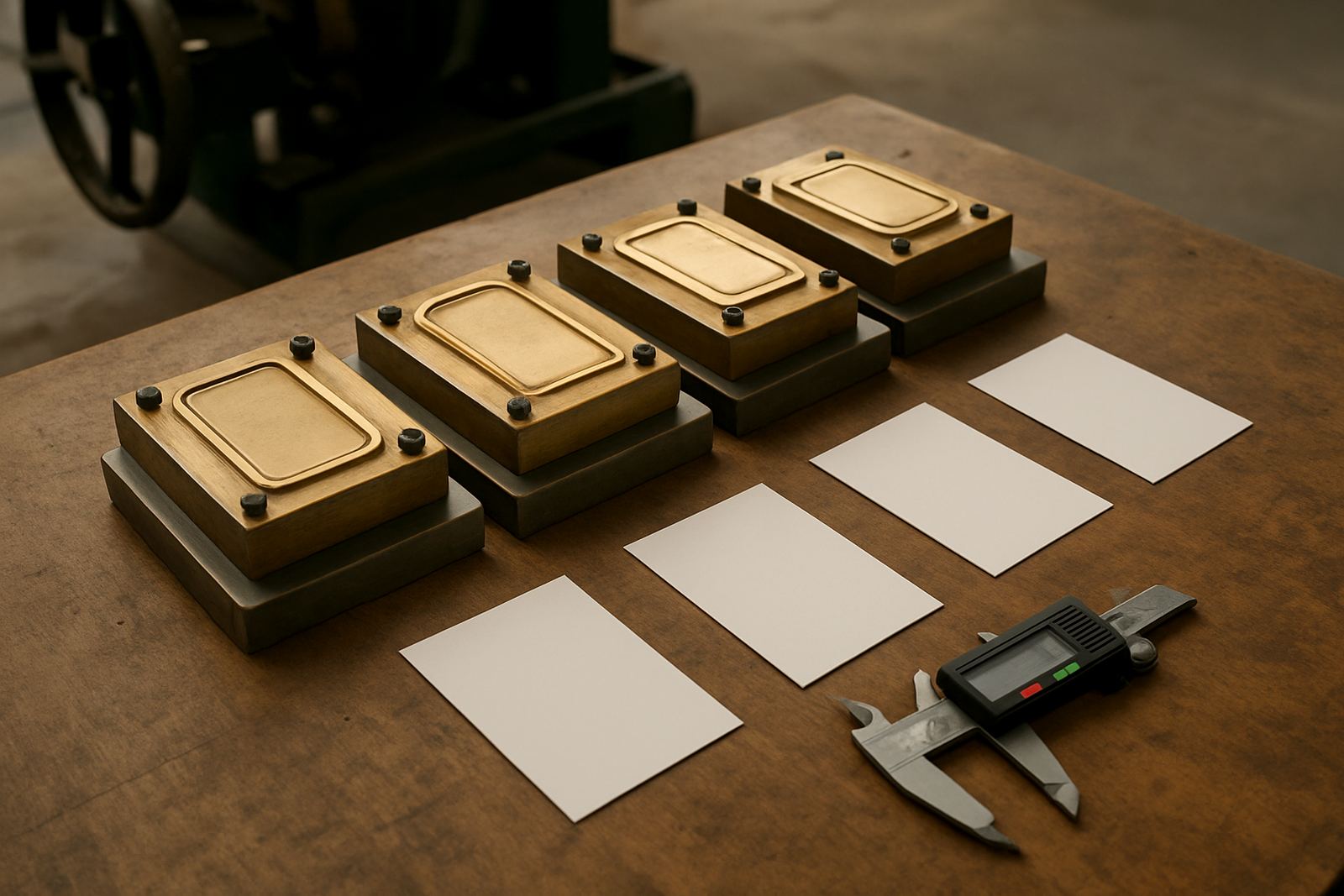
Typical sizes range from small mark dies to larger panel and panel-repeat formats, depending on the machine bed and the layout you need. Thickness, backing, mounting method and engraving depth are specified to suit the pressroom and finishing method. If you are matching an existing die, we can work from the old sample or from approved artwork and dimensions.
- Materials: brass or magnesium
- Common thicknesses: 6 mm, 7 mm and 8 mm working profiles depending on the job
- Formats: standalone logo dies, border dies, text blocks and full panel shapes
- Mounting: adhesive backed, tapped for fixing, or supplied for your preferred base system
Where Single Level Dies Work Best
These dies suit work where the image is uncomplicated and the substrate is stable enough to take a clean impression. On packaging houses in Johannesburg, Pretoria and Durban, they are often used for cartons, POS items, sleeves, invitation work and branded presentation pieces. They also work well for businesses in Cape Town and Gqeberha dealing with coated board, where consistent pressure and neat finishing are important.
Single level dies are a sensible choice for printers handling jobs that must be turned around quickly without compromising the finish. If your artwork has large solid shapes, text at one height, or a single line border, this is usually the most economical and practical route. For highly detailed linework or special stepped effects, we can advise whether another die type would be better.
- Packaging and print finishing jobs with one impression depth
- Paperboard, coated board, labels and selected flexo applications
- Repeat production where a stable, repeatable result is needed
- Projects that need accurate register and neat foil edges
Installation, Press Settings and Utility Needs
Single level dies need proper mounting, even pressure and a clean press bed to perform well. Most setups do not need special gas or heavy utility changes, but foil and emboss work does rely on the correct press settings, temperature control and solid counterforce. On some machines the operator may need to fine tune dwell time and pressure after the first test impression.
In practice, the main requirements are a suitable hot-stamping or embossing press, the correct chase or mounting base, and clean tooling surfaces. Stable power is important because temperature fluctuation can affect the quality of the impression, especially during load shedding or when backup supply is being used. We recommend checking that the machine can hold a steady heat and pressure profile for the full run.
- Needs a compatible hot stamping or embossing press
- Requires proper mounting and even pressure across the image area
- No gas supply is normally required for the die itself
- Stable electrical supply helps maintain consistent heat and impression quality
Care, Cleaning and Servicing Between Runs
With the right care, single level dies can keep producing clean impressions for a long time. After each run, remove foil residue, paper dust and adhesive build-up before storing the die. If the die has been used on a run with heavy pressure or abrasive board, a quick inspection helps catch wear before it becomes a problem.
We also offer die cleaning, damage assessment and die alterations when a job changes or a previous die needs attention. If the face has picked up marks or the edges have been knocked, it is usually better to deal with it early rather than keep running bad impressions and waste material.
- Wipe down after use and keep the face free of residue
- Store flat and protected from knocks and moisture
- Check for wear, dings and any pressure-related damage
- Send the die in for cleaning or alteration when artwork changes
What to Check Before You Order
Good ordering information saves time and helps us produce the right die first time. Please send final artwork, the exact finished size, and clear notes on whether the job is for foil, emboss or both. If you are replacing an existing die, a photo of the old die and an impression sample is useful. For repeat work, job filing helps us keep the details on record for quicker reordering later.
It also helps to note the substrate, press type, foil specification if known, and any concerns about fine detail or registration. If the job is going to Durban, Cape Town or Polokwane, we can pack for courier and advise on turnaround so the die gets to site in good time. When in doubt, ask for artwork checks before approval, it saves costly corrections later.
- Final artwork and finished size
- Substrate type and intended use
- Press type, foil details and pressure notes
- Sample impression or old die for matching where available
Nationwide Supply From Industria, Johannesburg
Our team in Industria handles the full path from artwork checks and die design through engraving production, counterforce matching, packing dispatch and follow-up support. Led by Thabo Mokoena, with Ayesha Naidoo, Johan van der Merwe, Lerato Molefe, Sibusiso Dlamini and Megan Petersen on the floor and in support, we work with print finishers and packaging houses in Johannesburg, Pretoria, Durban, Cape Town, Gqeberha, Bloemfontein, Polokwane and Mbombela.
Whether you need a single replacement die or a repeat order with a tight deadline, we can advise on the best material and format for the job. We courier nationwide and keep the process practical, so your production team can get on with the run without delays.
- Based in Industria, Johannesburg
- Dies couriered nationwide to print and packaging businesses
- Support for urgent turnaround requests when timing is tight
- Repeat ordering and job filing available for ongoing production
Key facts
| Material options | Brass or magnesium |
|---|---|
| Common use | Single height foil stamping and embossing |
| Typical applications | Cartons, labels, sleeves, invitation work and packaging |
| Mounting options | Adhesive backed, tapped, or supplied for a preferred base |
| Care services | Cleaning, alterations, damage assessment and repeat filing |
| Supply area | Johannesburg and nationwide courier delivery |