
Text Emboss Dies For Clean Lettering And Firm Detail
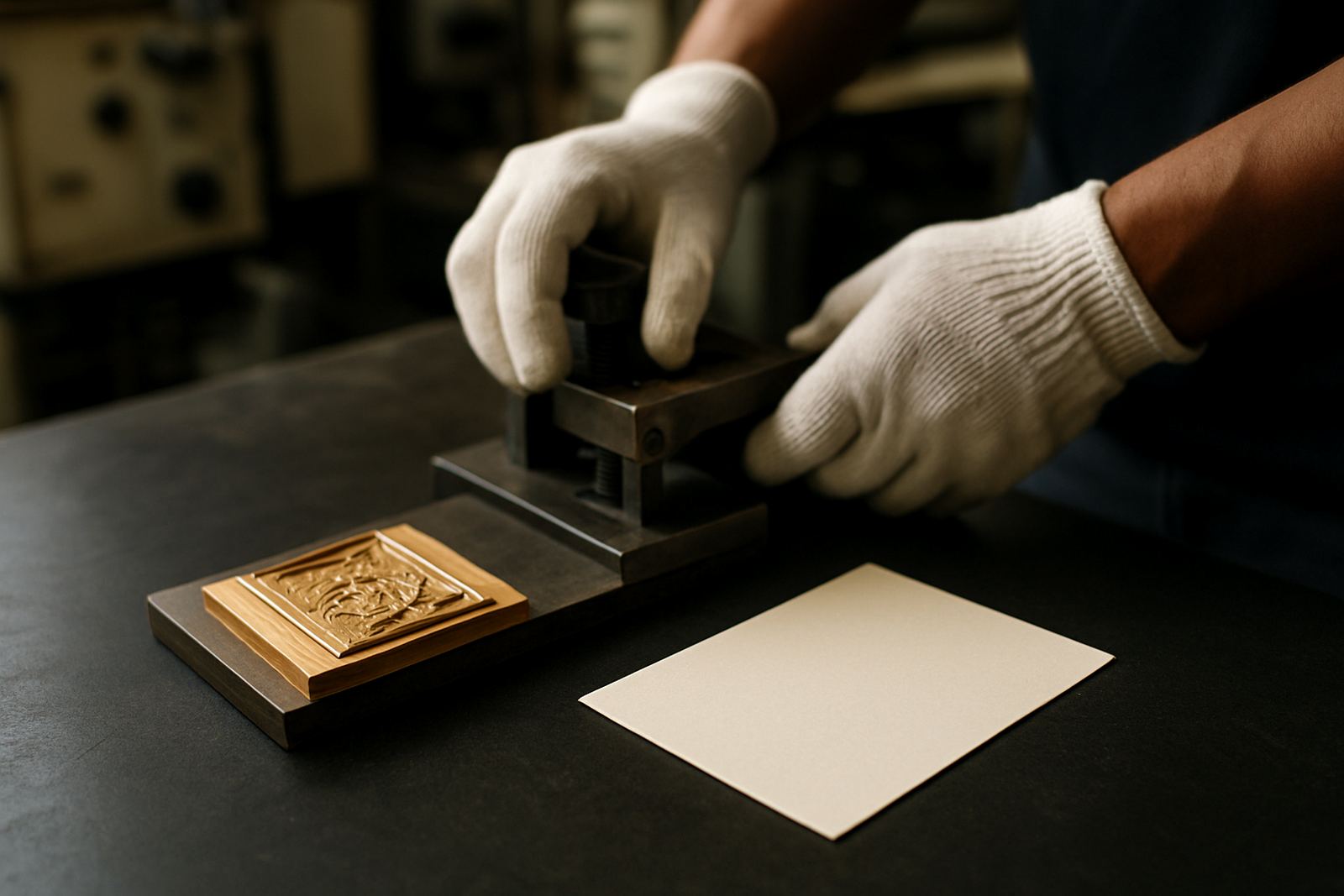
Text emboss dies are used when a name, title or line of copy needs to stand proud on the stock with sharp edges and even pressure. On coated board, leatherette, cover material and premium carton, the die transfers the lettering into the sheet while the matching counterforce supports the reverse side. The result is a defined impression that reads well under light and feels tidy to the touch.
These dies suit short text, logos with copy, monograms, product names and small legal lines where clarity matters. For bigger areas we can advise on line depth and counterforce setup so the impression stays even across the full mark, not just in the centre. That matters on jobs with fine serifs, tight letter spacing or mixed upper and lower case.
Material Choices, Die Sizes And Working Specs
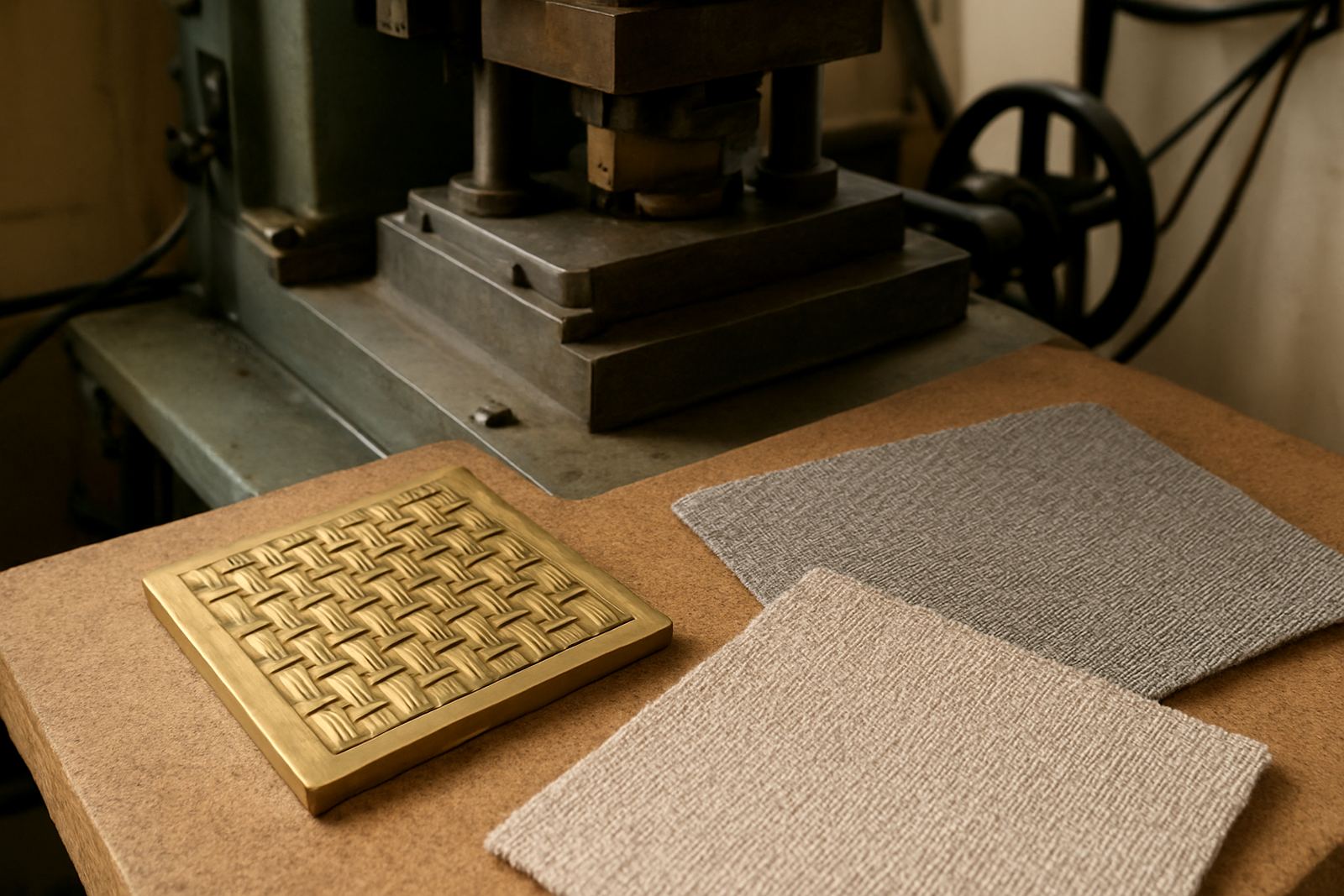
Most text emboss jobs are supplied in brass for longer runs and fine detail, or magnesium where the artwork is simpler and turnaround is more urgent. Brass handles repeated pressure well and keeps edge definition on deeper or more detailed copy. Magnesium is lighter and quicker to machine, which helps when a job needs fast supply for a run in Johannesburg, Pretoria or further afield.
We cut dies to the artwork size rather than forcing a standard format, so the plate fits the actual press area and the finished panel. Typical text dies can be made from small name blocks right up to larger carton panels. The practical limit is often set by the machine bed, chase size and the amount of pressure available on the press. If your finisher has a preferred rule height, chase opening or backing board thickness, send that with the order.
- Die materials: brass or magnesium
- Common thickness: 6 mm to 12 mm depending on artwork and press setup
- Lettering detail: suited to fine text, logos and compact copy blocks
- Typical use: covers, folders, carton lids, sleeves and presentation packaging
- Finish support: embossing with matching counterforce or counterplate
Best Uses In Print Finishing And Packaging
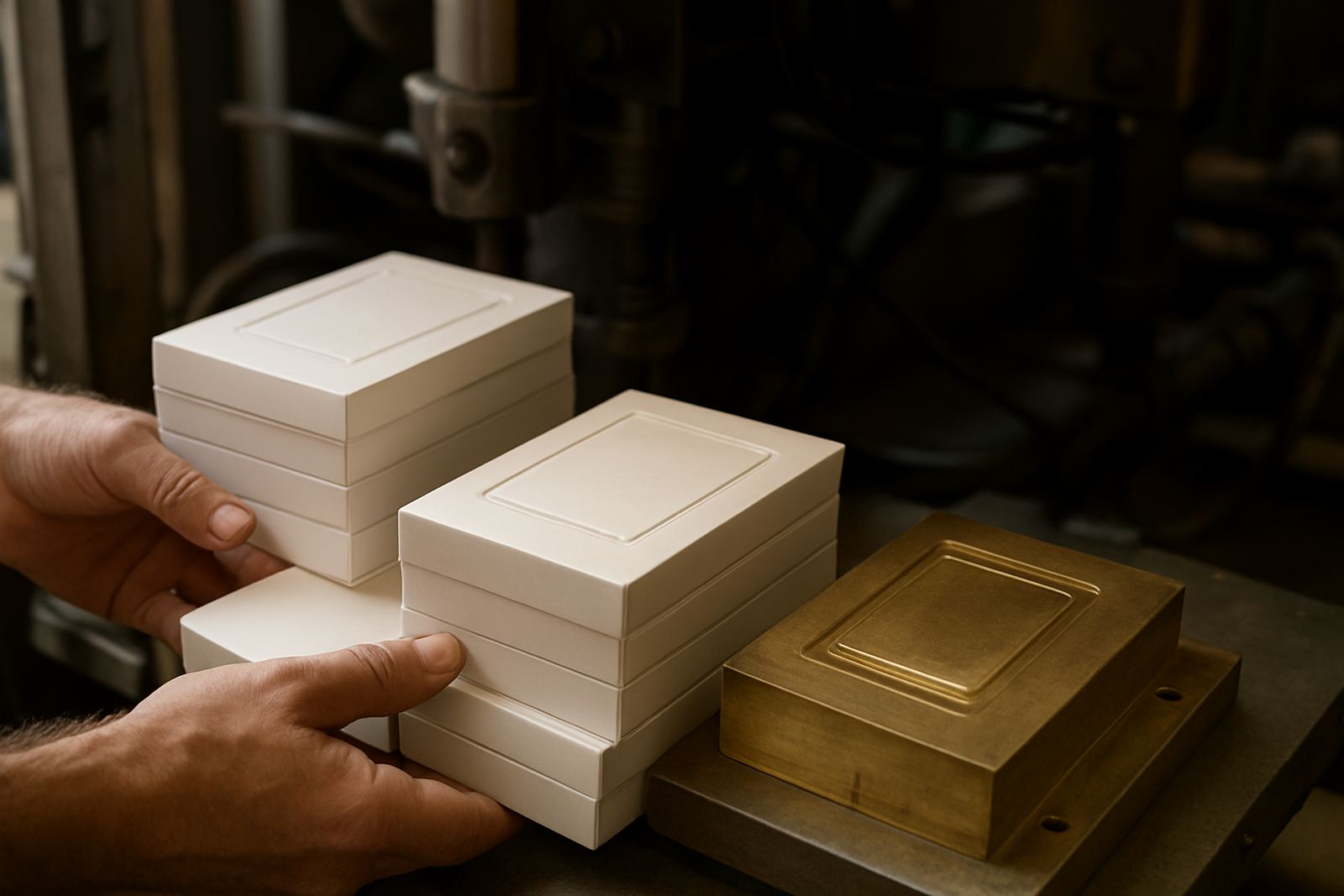
Text emboss dies work well where the end product must look formal and consistent, especially on premium presentation items. They are commonly used on corporate folders, event covers, certificate holders, diary covers, rigid boxes, carton lids, menu covers and high-end packaging sleeves. In Durban and other coastal areas, many customers also ask for clear lettering on materials that must hold shape in humid conditions so the emboss does not soften or spread.
For offset, flexo and finishing lines, the die must suit the stock, the glue pattern if any, and the way the sheet is fed through the machine. If the board is too soft the impression can crush, while an overly hard stock may need more pressure or a deeper counterforce. We can advise on whether the design should be a simple lift, a deeper blind emboss or a paired emboss and foil job for stronger contrast.
- Corporate stationery covers and presentation folders
- Premium cartons and rigid packaging
- Book covers, album covers and diary covers
- Promotional packs, sleeves and inserts
- Short-run and repeat-run finishing jobs
Installation, Press Setup And Power Or Gas Needs
Text emboss dies themselves do not need power or gas. They are mounted into the finishing equipment and used with the correct pressure, heating and counterforce arrangement for the material being run. If the job is on a heated emboss or hot-stamping setup, the machine will need the usual electrical supply for the press and heater controls. We do not supply the press, but we do make sure the die is prepared to suit the machine conditions you give us.
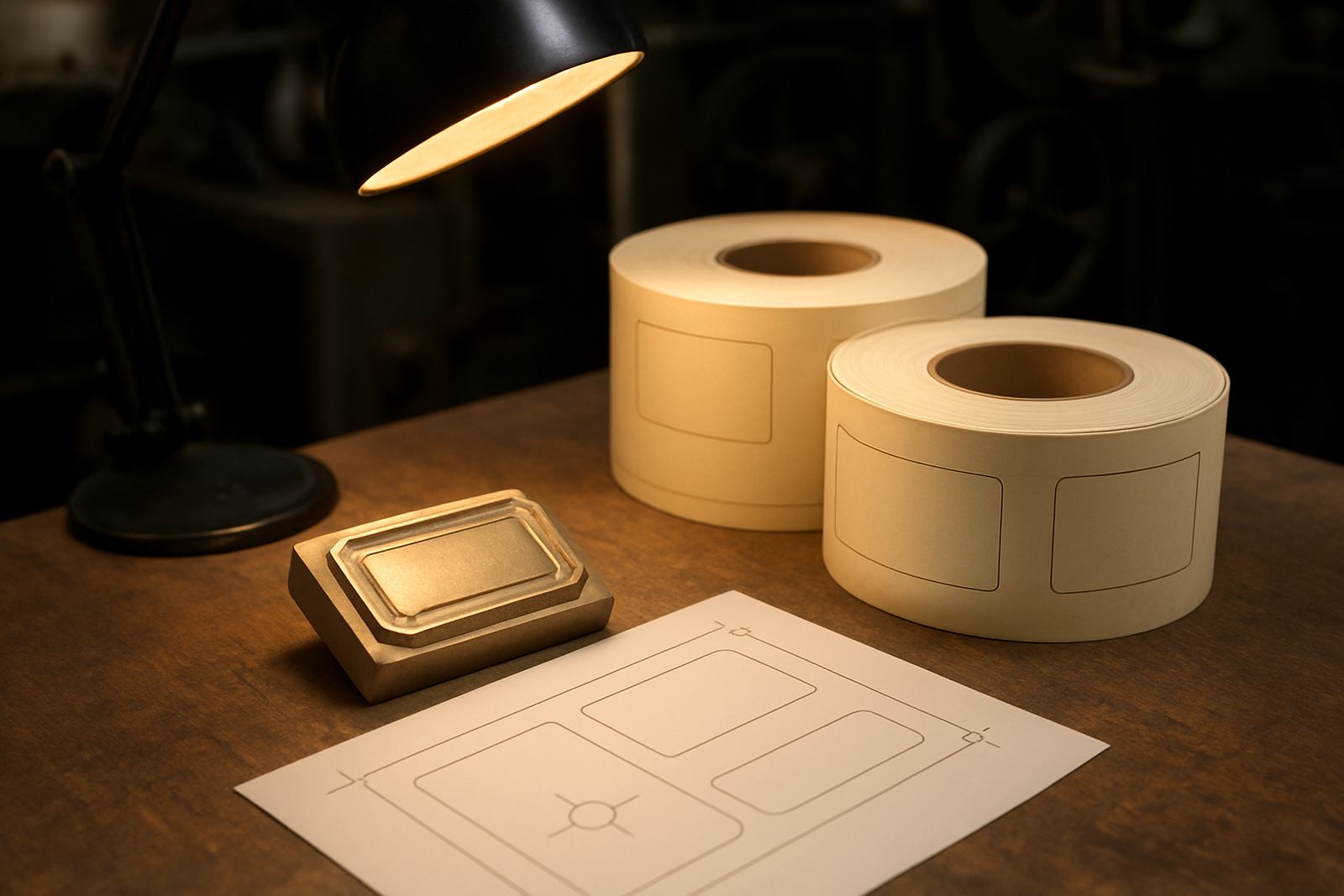
When ordering, send the press type, bed size, chase size, counterforce method and whether the job is running cold or with heat. If the sheet has a heavy coating, a textured board or a deep panel, say so upfront. That helps us check the artwork and avoid a die that looks right on screen but fails on press. A clear setup note can save time on make-ready, and sometimes a second trip back to the press room.
- Send machine make, bed size and chase size
- Confirm cold emboss or heated emboss setup
- State whether the job uses counterplate, rubber, board or another backing method
- Share board thickness and surface finish if known
- Tell us if the job must fit existing tooling or repeat a previous impression
Care, Cleaning And Servicing Between Runs
Like any finishing tool, a text emboss die lasts longer when it is cleaned and stored properly. After each run, remove glue dust, paper lint and any residue from the face of the die. If the job used coating or adhesive, wipe the die carefully so build-up does not affect the next impression. Store the die flat and protected, not loose in a box where the face can pick up scratches.
If a die starts to lose crispness, shows wear on fine lines or gives uneven pressure, send it back for damage assessment before the next run. We can assist with cleaning, die alterations and repeat ordering where the artwork has stayed the same but the stock or press condition has changed. On busy trade schedules, keeping a job file for each repeat order makes it quicker to match the correct size, depth and layout.
What To Check Before You Place The Order
Good embossing starts with the right information. The more accurate the brief, the less chance of a redraw, a slow approval or a die that needs to be remade. If your artwork is still being adjusted, send the cleanest version you have and tell us exactly what must stay locked in. We can then check the spacing, letter weight and size against the intended finish.
Please check the following before ordering, especially for urgent turnaround jobs from Johannesburg, Pretoria, Cape Town or Gqeberha. If you are unsure, our support team can talk through the detail and flag anything that may affect the die outcome.
- Final wording exactly as it must appear
- Font style or a clear artwork sample
- Overall size in millimetres
- Preferred material, brass or magnesium
- Stock type, thickness and finish
- Whether the die is for a new job or a repeat order
- Any press limits, rush timing or packing instructions
Key facts
| Product type | Text emboss dies for raised or recessed lettering |
|---|---|
| Materials | Brass or magnesium |
| Typical use | Covers, folders, premium cartons and packaging sleeves |
| Artwork support | Artwork checks and prepress review before engraving |
| Size range | Made to order from small name blocks to larger panel dies |
| Service area | Couriered nationwide from Industria, Johannesburg |