
What Magnesium Emboss Plates Are Used For
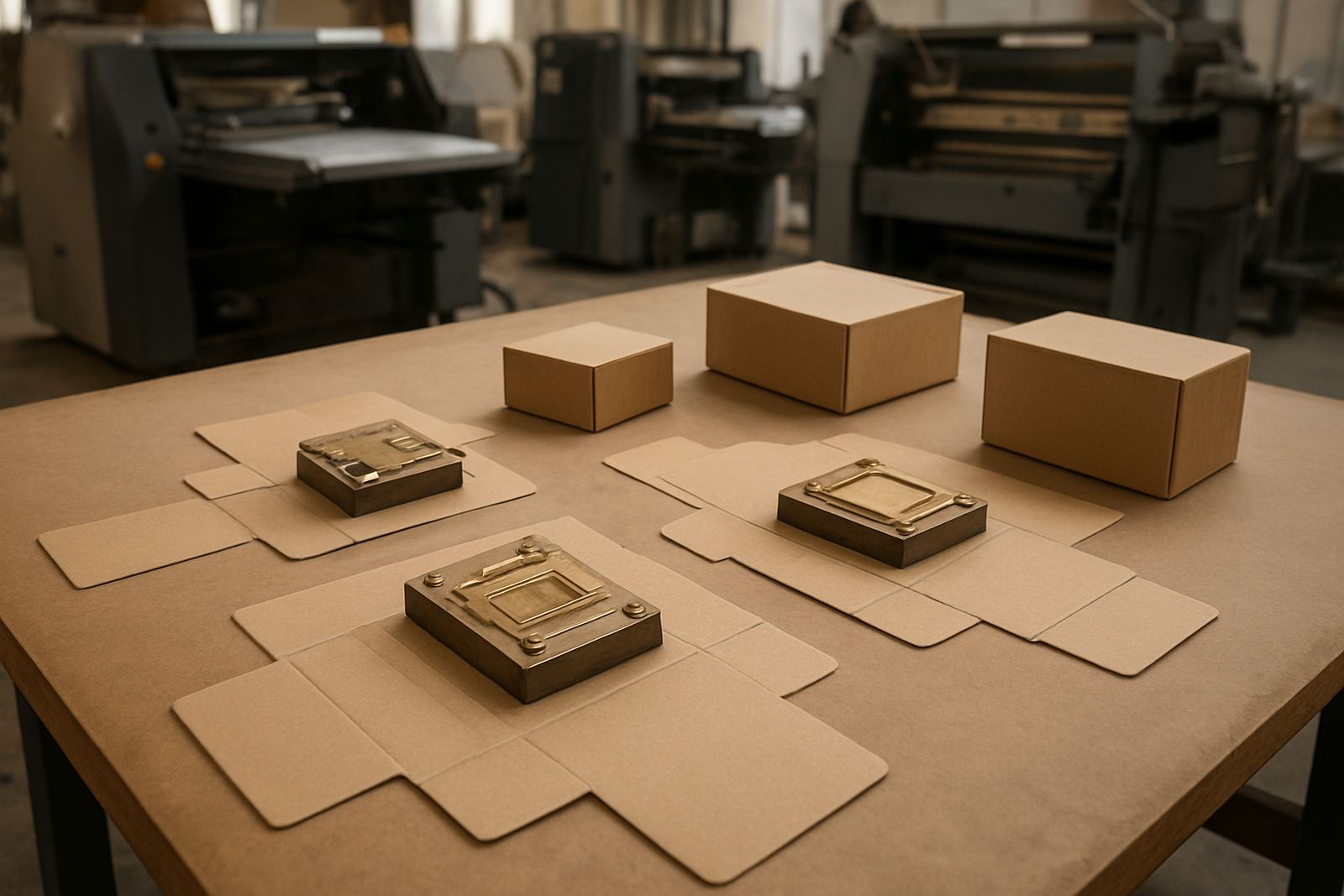
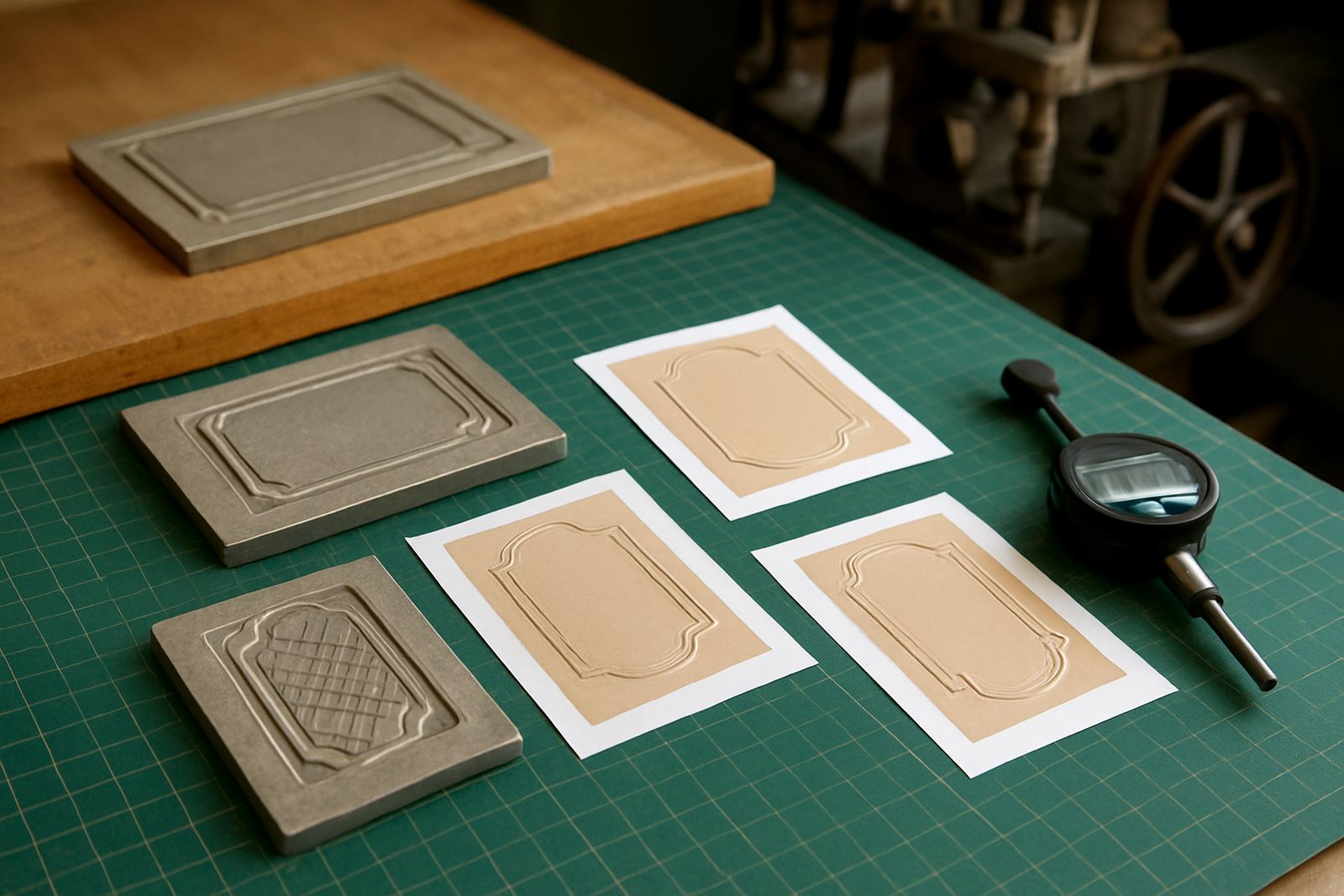
Magnesium emboss plates create raised or recessed detail in paper, board and selected coated substrates by pressing the artwork into the material with the matching counterforce. They are commonly used for packaging sleeves, folding cartons, swing tags, labels and premium promotional pieces where the finish needs to feel as good as it looks. For many jobs, magnesium gives a neat balance of cost, speed and detail without the higher spend of heavier tooling.
In a busy print finishing line, these plates are ideal when you need repeatable results for text, logos, borders and small graphic elements. They are often chosen for work that changes regularly, or where the job needs a tidy finish without the expense of a full brass build. If your work includes foil, emboss, deboss or combination finishing, we can help match the plate style to the process so the impression lands properly first time.
For South African print shops handling packaging sleeves for local brands, cosmetic boxes, wine labels or event stationery, magnesium is often the sensible option. It performs well on shorter runs and keeps the job moving, especially when the client wants a sharp result but not a long lead time.
Sizes, Thicknesses and Plate Options
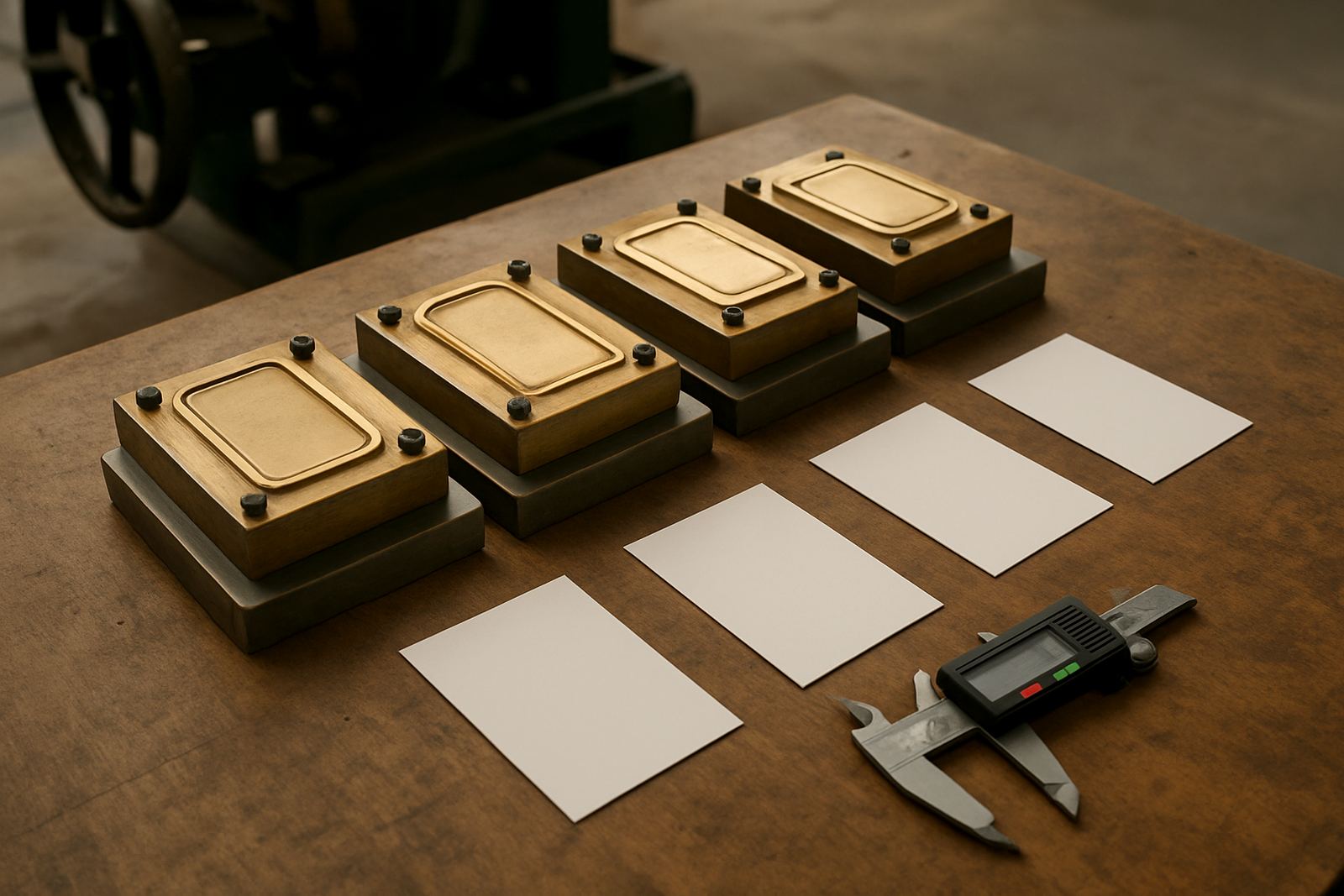
Magnesium emboss plates are made to suit the artwork size and the press setup. We work from supplied vector artwork or a cleaned-up file prepared for engraving, and then produce the plate to the required depth and finish. Plate thickness, relief depth and edge detail all affect the final impression, so it helps to order with the final paper stock in mind.
- Typical plate thicknesses: 6 mm, 8 mm and 10 mm depending on job requirements
- Common relief depths: light, medium and deeper impression levels
- Suitable for fine text, logos, panels, borders and simple artwork layouts
- Can be supplied as single plates, repeat plates, or matched sets for larger formats
- Available with artwork checks before engraving to reduce avoidable errors
Where a job needs extra accuracy, we can advise on counterforce matching and sample impression checks before the full run. This is especially useful when the substrate is sensitive, the impression area is small, or the printer is working with coated board that might crack if pushed too hard. A little care here saves a lot of waste later on.
Where Magnesium Works Best in Print Finishing
Magnesium emboss plates suit packaging and finishing work where the client wants a premium feel at a sensible cost. They are often used on paper-based sleeves, cartons, presentation folders, labels and high-end inserts. In many cases they are the right choice for jobs that are run in batches, or for artwork that may need a later revision.
They are particularly useful for printers and packaging houses that need reliable turnaround across Johannesburg, Pretoria, Durban, Cape Town, Gqeberha, Bloemfontein, Polokwane and Mbombela. Because the plates are lighter and more economical than some other tooling options, they can be couriered quickly and used on production schedules that leave little room for delays.
- Packaging sleeves and cartons
- Labels and tag work
- Promotional print for launches and events
- Short run branded stationery and inserts
- Projects where a neat impression matters more than long-life tooling
For coastal work in places like Durban or Gqeberha, the base material and storage conditions matter. Humidity can affect paper stock and how a press behaves, so it is worth keeping plates packed properly and stored dry before use. In inland areas like Johannesburg, the bigger issue is dust and handling on the shop floor, so a clean setup still matters.
How We Handle Artwork, Engraving and Urgent Turnaround
Our process starts with artwork checking. We look at line weight, spacing, reversals, file quality and whether the design will hold up as an embossed image. If the file needs adjustment before engraving, we flag it early so the final plate is not compromised. Megan Petersen handles prepress support, while Johan van der Merwe oversees engraving accuracy and plate detail.
Once the artwork is approved, the plate is engraved and prepared for packing. Ayesha Naidoo manages production flow and Sibusiso Dlamini coordinates dispatch, so urgent jobs can be moved through the line with minimal fuss. When a client is under pressure for a launch date or a printer is waiting for finishing components, fast communication and clean job notes make a real difference.
We also handle repeat ordering and job filing, which helps when a customer needs the same plate again months later. If the artwork has changed, we can compare it against the earlier version and advise on die alterations or a fresh remake where needed. That saves time and avoids running the wrong version by mistake.
Power, Gas and Installation Basics
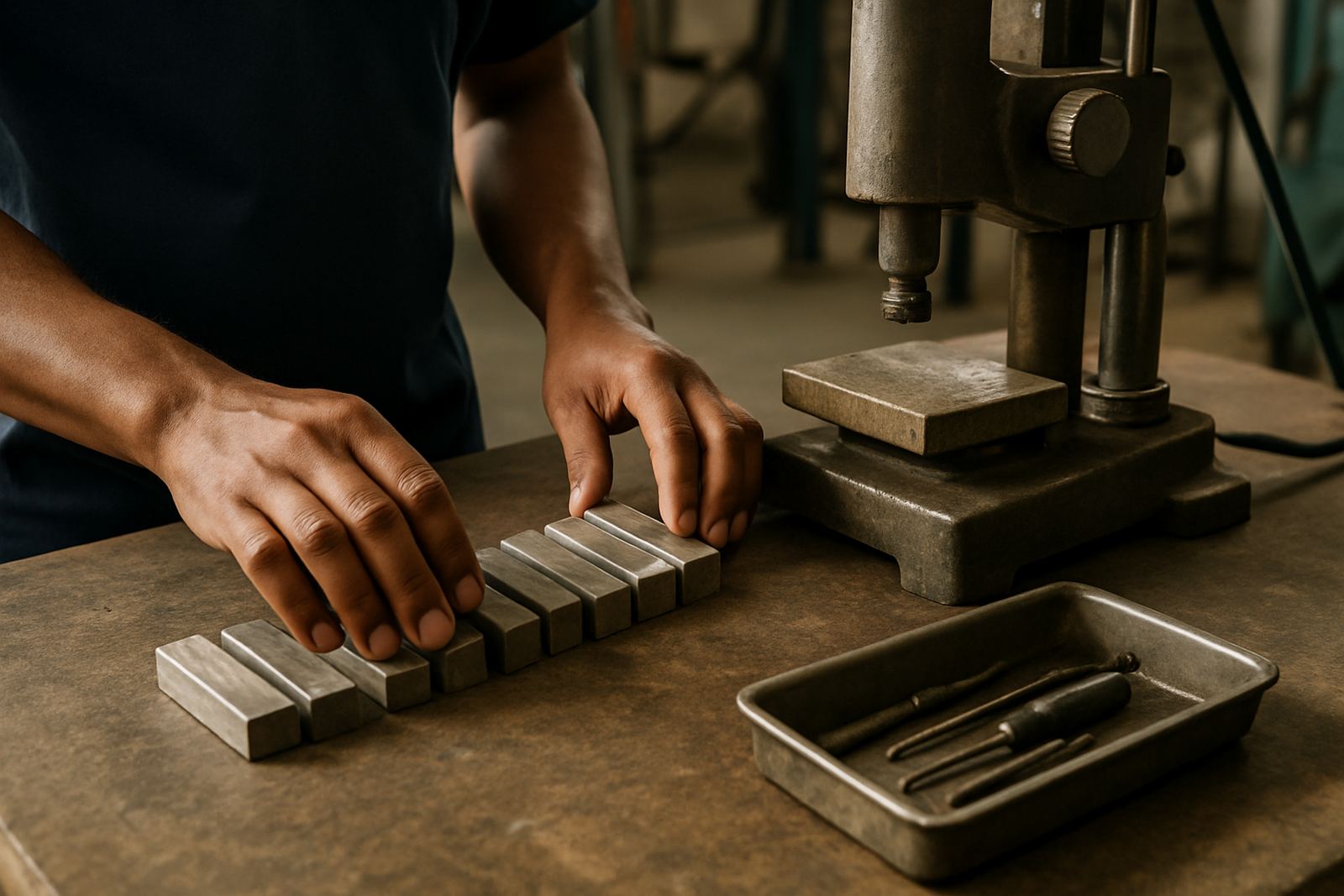
Magnesium emboss plates themselves do not need power or gas, but the press or finishing equipment used with them may. Installation depends on the machine setup, the counterforce method and the material being run. For most finishing rooms, the main requirement is accurate mounting, correct pressure and a clean bed. If the plate is not seated properly, the impression can wander or bite too hard on one side.
Before the job goes live, check the press settings, the chase or mounting area, and the material direction. A good operator will also test the first few impressions on offcuts before committing the full run. That small extra step is worth it, especially where the paper stock varies from batch to batch. On some jobs, the right pressure is a fine balance and the first test sheet tells the story fast.
- Make sure the press bed and mounting surface are clean
- Check that the counterforce matches the plate layout
- Use sample impressions before full production
- Keep the stock flat and dry before feeding
- Allow enough space for trimming, folding or die-cutting after embossing
Care, Cleaning and Storage Between Runs
Magnesium plates should be handled carefully between runs to keep the impression crisp. After use, clean off ink, adhesive residue and any loose fibres with a suitable method that will not damage the detail. Avoid rough scraping, because that can round off fine edges and affect the next run. If a plate is damaged, we can assess it and advise whether a cleaning pass, alteration or replacement is the better call.
Storage matters too. Keep plates flat, labelled and wrapped where possible, especially in humid conditions. In hot rooms or near loading bays, do not leave them exposed to dirt and handling knocks. A tidy filing system makes repeat work easier and cuts down on delays when the same customer returns with the same artwork reference.
For printers handling multiple jobs in the same week, good care extends the working life of the plate and keeps the finish consistent. It also helps when packaging houses need to maintain a standard across several product lines, because the appearance of the emboss must match from batch to batch. That consistency is often what the client notices first.
What To Check Before You Order
To keep the order moving smoothly, send the key job details with your enquiry form submission. The more exact the information, the easier it is to match the plate to the press and the substrate. If anything is unclear, we will ask before production begins rather than guess and risk a poor result.
- Final artwork size and whether the plate is for emboss or deboss
- Substrate type and thickness
- Required quantity or whether it is a repeat order
- Press type and available mounting space
- Desired turnaround time, especially for urgent jobs
- Any previous reference number or job file name if you are reordering
For clients in Johannesburg and beyond, this preparation helps keep courier dispatch on time and reduces the chance of rework. Thabo Mokoena and the team are set up to support offset, flexo and print finishing work across South Africa, with practical advice that fits real production conditions not guesswork.
Key facts
| Material | Magnesium plate for embossing applications |
|---|---|
| Common thicknesses | 6 mm, 8 mm, 10 mm |
| Typical use | Packaging sleeves, labels, cartons and promo print |
| Artwork input | Vector files preferred, with prepress checks |
| Production support | Engraving, counterforce matching and sample advice |
| Delivery | Couriered nationwide from Industria, Johannesburg |