
Brief from a busy Germiston carton line
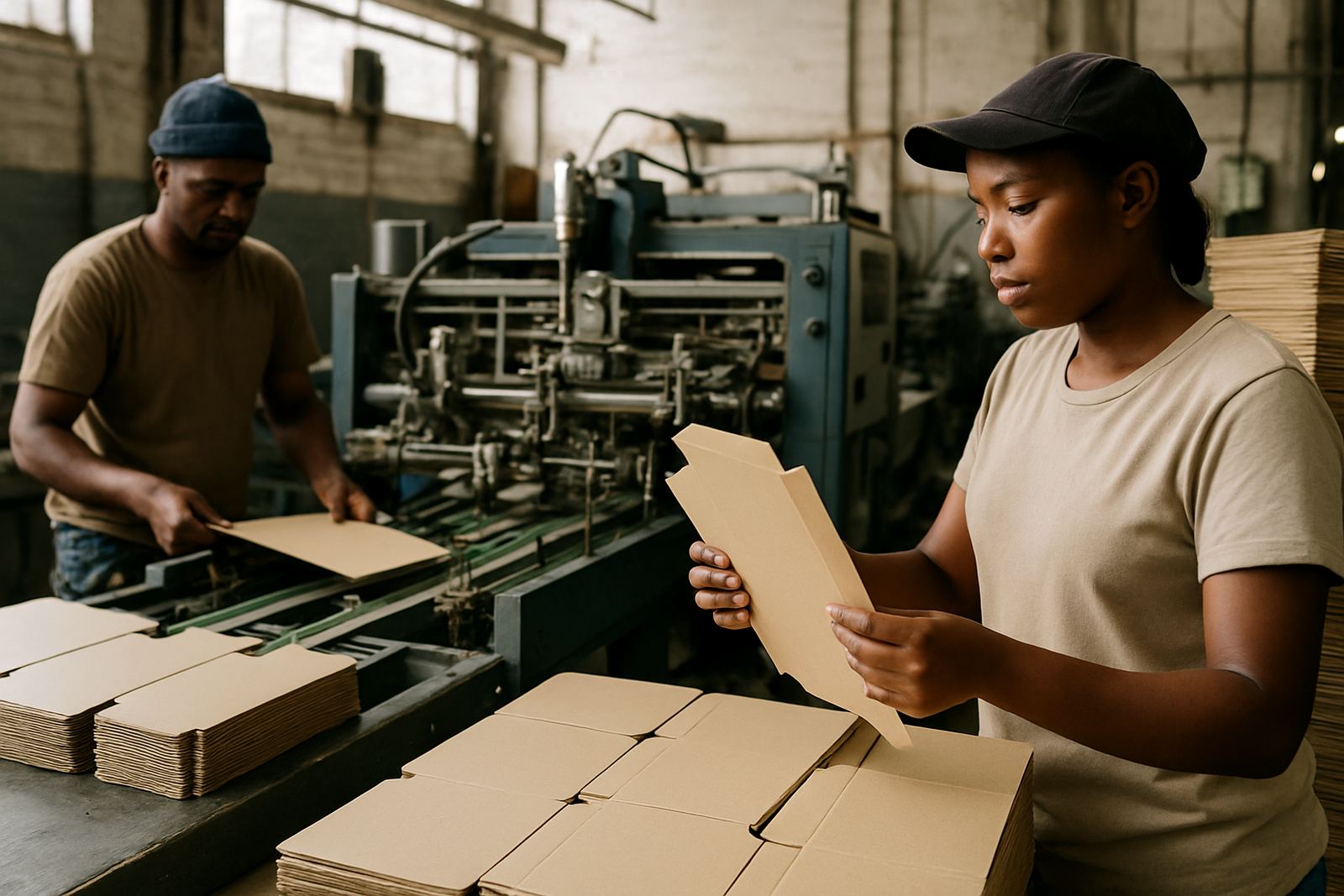
The client was a carton plant in Germiston supplying folded gift cartons for beverage packs, with repeat work going out to retail and promotional runs. Their team needed multi-level brass hot-stamping dies that could hold fine detail, register cleanly on a coated carton board, and work across short and medium runs without losing definition. The requirement was not just for one decorative panel but for a layered finish that would read well under light and still press consistently after repeated heats.
The job came through as a production issue as much as a design brief. They had a carton structure with several printed panels, a foil area, and an embossed feature that had to align with existing folds and glue lines. We had to check the supplied artwork carefully, note any areas that would be too close to creases, and make sure the die depth would not crack the board or cause blistering on the surface. In a plant like Germiston, where time on press is money, the brief had to be practical from the start.
Constraints on carton board and press conditions
The biggest constraint was the material itself. The cartons were running on coated board with a finish that looked good on shelf, but it can show press marks fast if the counterforce is off or the die face is too aggressive. There was also the usual pressure from deadlines, because the customer wanted a seasonal pack out before a sales window opened. Any delay would affect folding, gluing and final packing, so the die had to arrive ready for set up with no back and forth.
We also had to account for the plant’s press setup and the fact that carton jobs often move between finishing stages. The die needed to handle heat well, keep edges crisp, and sit properly with the counterforce so the impression was even across the whole area. For a beverage gift carton, that meant paying attention to corner detail, fine line spacing and the balance between emboss depth and board strength.
- Multi-level brass construction for a layered finish
- Artwork checked for fold lines, glue flaps and safe clearances
- Counterforce matched to reduce board crush and uneven impression
- Suitable for coated carton board used in gift packaging
What we made and how we set it up
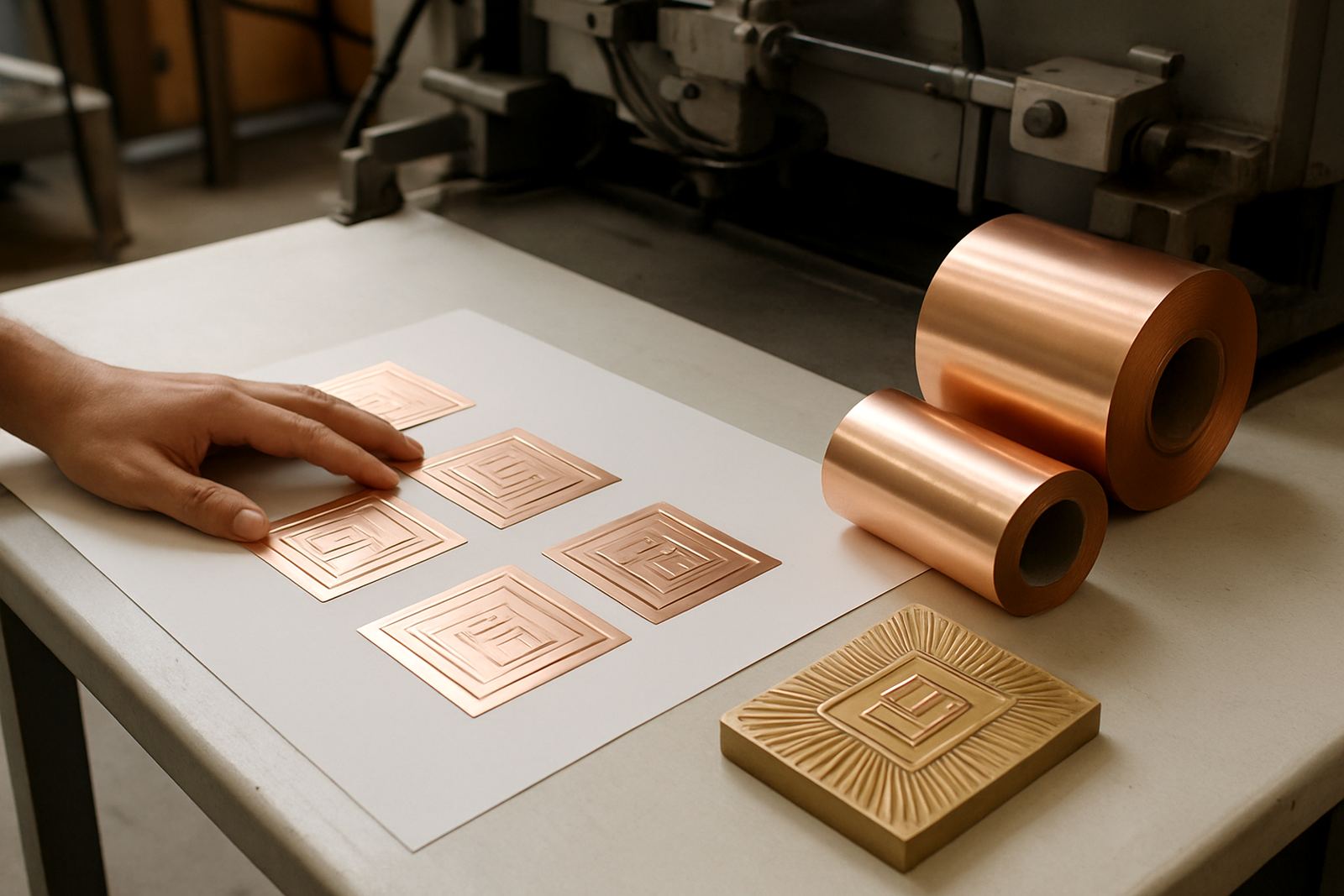
We supplied a set of brass hot-stamping dies built for multi-level detail, together with matching embossing plates where needed. The key facts were simple: brass for durability, sharp engraving for the fine elements, and a layout that could be repeated when the carton went back into production. Our senior die engraver worked from checked artwork and production notes, while the prepress side confirmed the line weights and spacing before the engraving stage started. That reduced the chance of a bad surprise once the dies reached the pressroom.
The die set was planned around the final carton size and the live area on the panel. We kept the depth controlled so the finish would stand out without distorting the board. Where the design had small lettering and tight corners, we opened the spacing slightly so the impression would stay clean after heat and pressure. It sounds minor, but on carton work those details decide whether the pack looks premium or just heavy handed.
- Brass die faces engraved for sharp detail and long service life
- Embossing plates prepared to suit the press and counterforce
- Artwork review completed before engraving began
- Job notes filed for future repeat ordering
Turnaround from approval to dispatch
The work moved over a three week timeline from final artwork checks to dispatch. Week one covered artwork correction, layout approval and confirmation of the die sizes. Week two was engraving and fit checking, with the first internal checks done before any packing. In week three, we completed the final clean, packed the dies securely, and arranged courier dispatch to Germiston. Because the client was working to a plant schedule, we kept the updates practical and short so they could plan the machine slot without guessing.
The dispatch also had to suit nationwide supply habits. Carton plants and finishers often need dies sent to different sites, sometimes Johannesburg one week and Durban or Cape Town the next. We packed the set to protect the working face and reduce movement in transit, then logged the job under the client file so the same spec could be found again for a repeat run. That file system saves a lot of time later, especially when an urgent reprint comes in on short notice.
- Week 1: artwork checks and approval
- Week 2: engraving, fit check and counterforce matching
- Week 3: final packing and courier dispatch
- Job filed for repeat use and future alterations
Results on press and on finished cartons
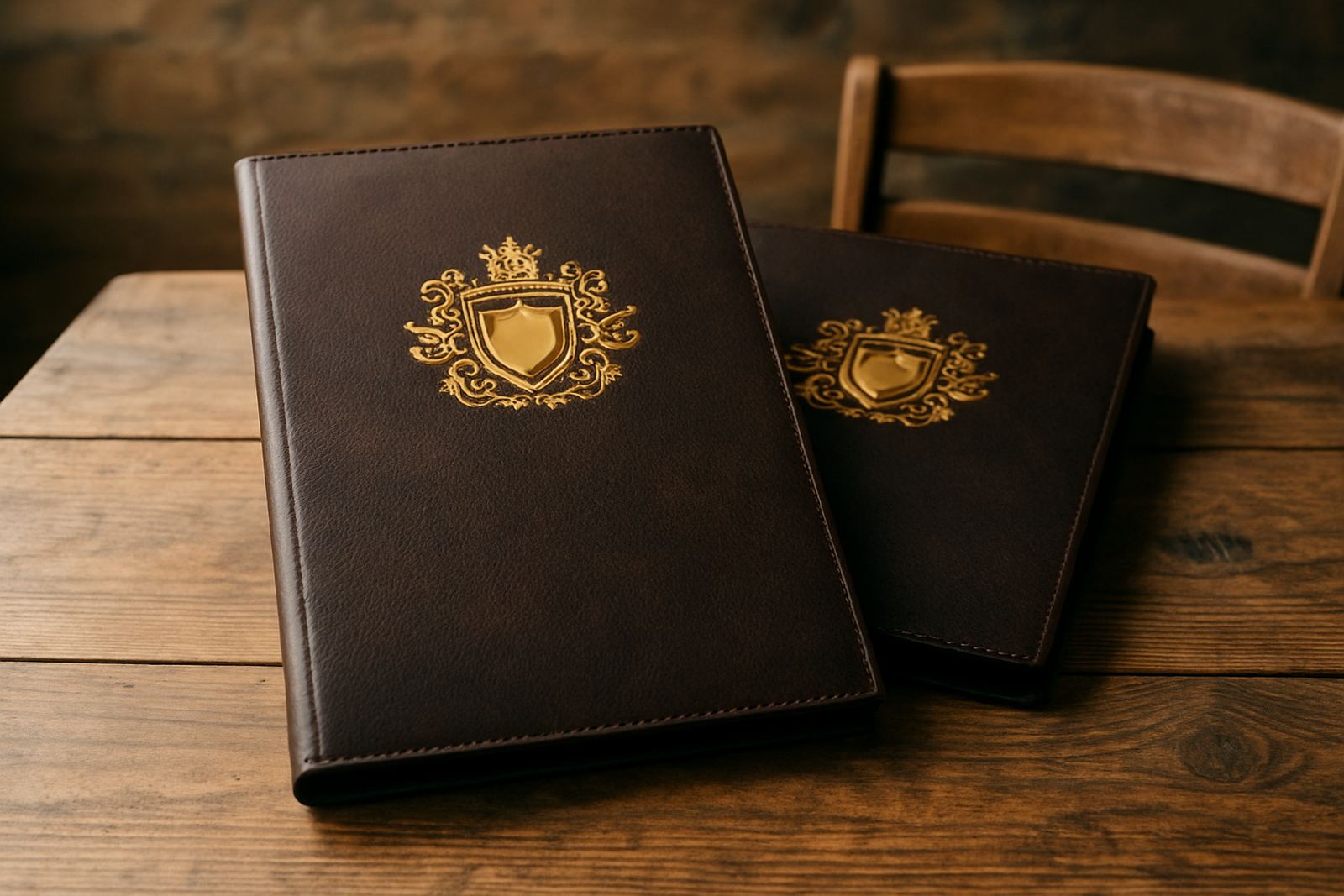
The result was a carton finish with clear definition on the multi-level areas and a cleaner appearance on the final gift pack. The lines held their shape, the embossing sat where it should, and the press team had less time spent adjusting the impression from one sheet to the next. That matters on beverage packaging where presentation is part of the product and not just an extra step. The client could run the job with more confidence and less wastage, which is what every plant wants when the board is expensive and the schedule is tight.
We also saw the benefit of getting the counterforce right from the beginning. The board stayed intact, the deeper areas did not over-crush, and the pack could move on to folding and gluing without further correction. On a job like this, a good die is only part of the answer, but it is the part that keeps the rest of the line moving. A small misfit at the die stage can turn into spoilage later, so the front-end work really pays off.
What we would repeat for the next carton run
If this Germiston carton plant repeats the job, we would keep the same approach: fresh artwork check, confirm any dieline changes, and recheck the press direction before production starts. If the client changes board stock or moves to a different foil type, we would adjust the counterforce and inspect the depth again. That is especially important when a plant changes suppliers or shifts to a different coating, because even a small surface change can affect how the impression takes hold.
We would also keep the job file active for repeat ordering and damage assessment, so any wear or alteration request can be handled quickly. If the same carton returns for another seasonal run, we can work from the existing notes instead of starting over. That saves time, cuts the risk of errors, and keeps the die aligned with the plant’s real production needs. For a busy Germiston operation, that sort of practical support is worth more than fancy promises.
Key facts
| Project | Multi-level brass dies for beverage gift cartons |
|---|---|
| Town | Germiston |
| Client type | Carton plant |
| Materials | Brass hot-stamping dies and embossing plates |
| Timeline | 3 weeks from approval to dispatch |
| Delivery | Couriered from Industria, Johannesburg to Germiston |