
Why one pass can do the job of two or three
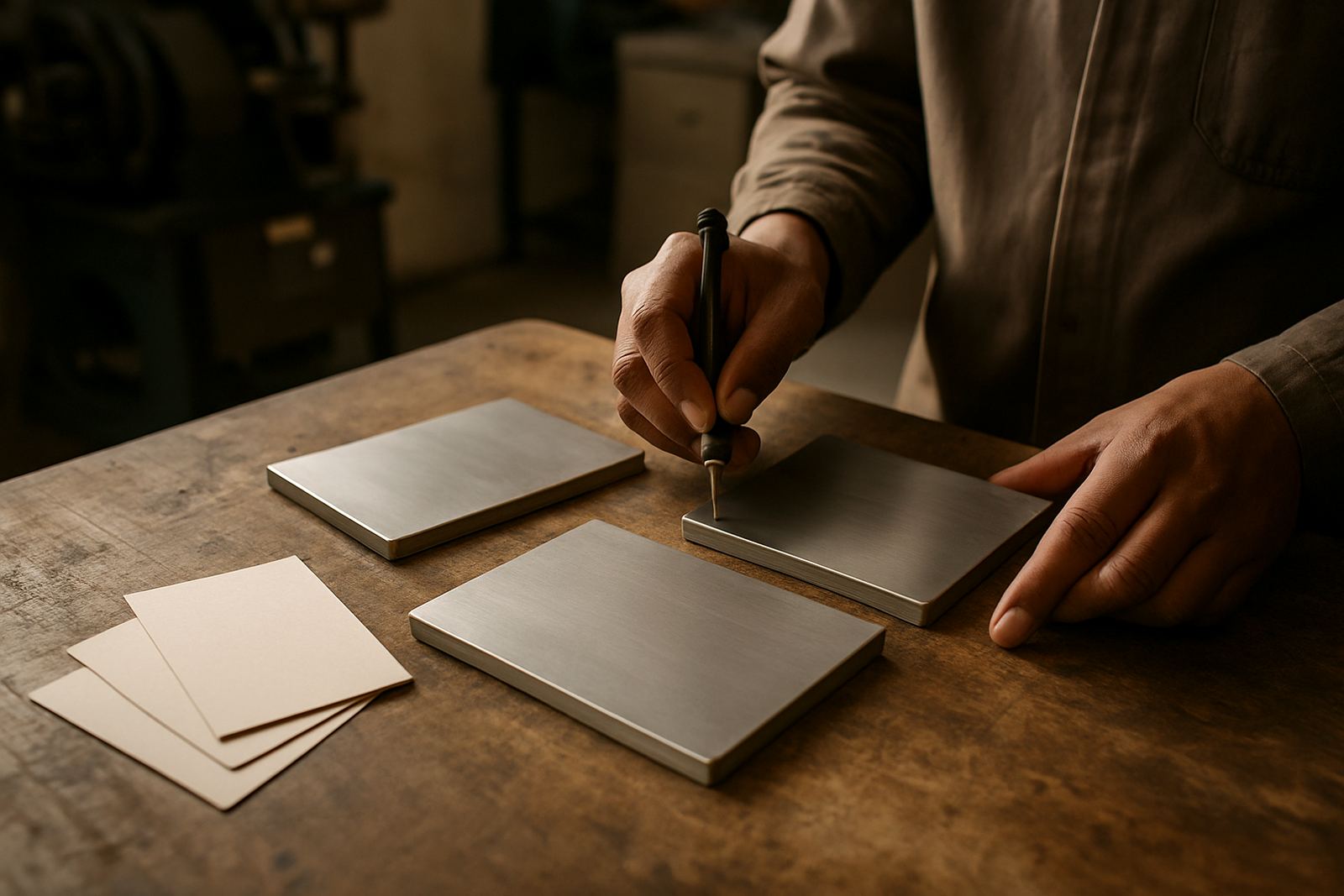
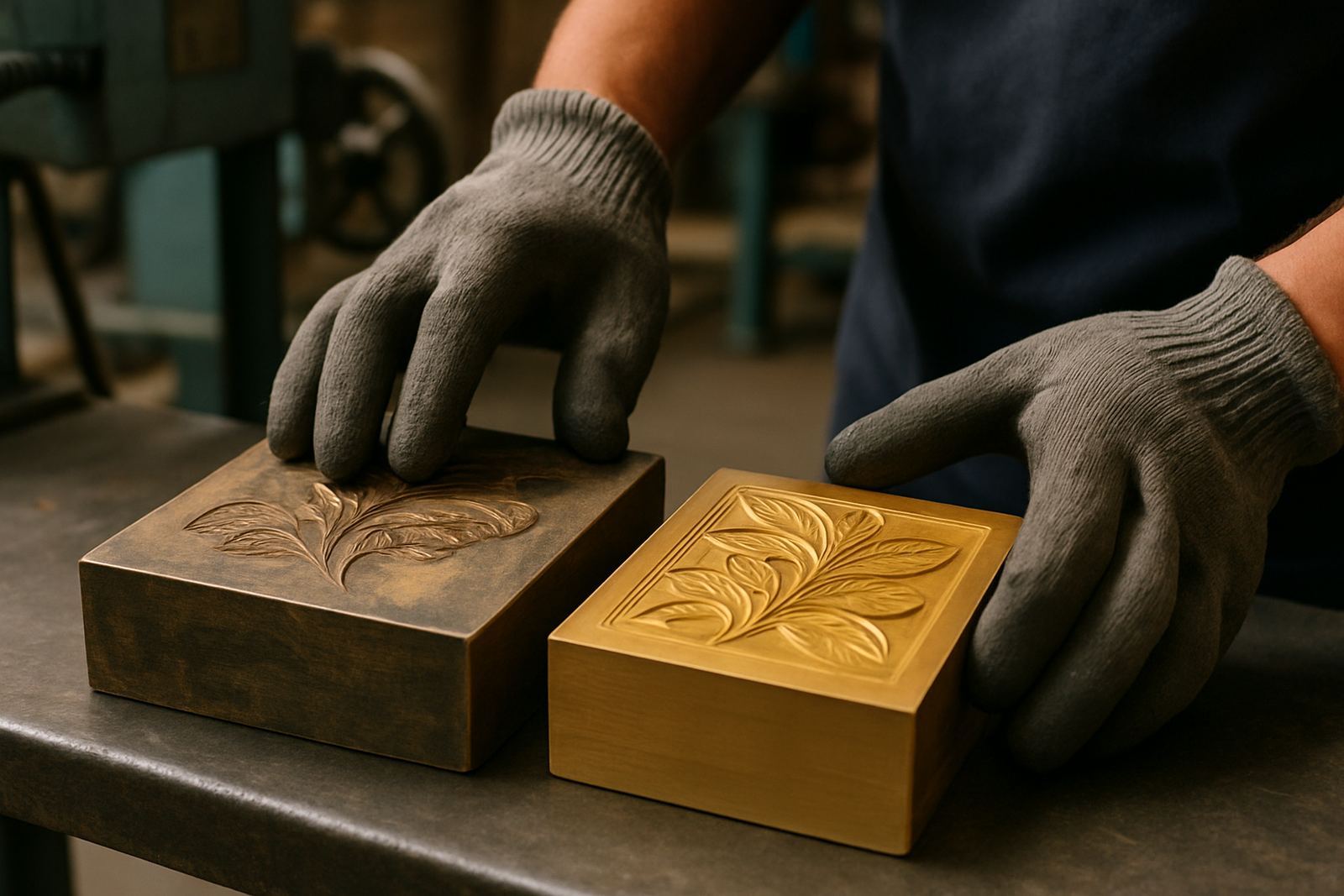
In print finishing, every extra pass adds time, set-up risk and handling. A combo die brings more than one effect into a single tool, usually combining hot foil stamping, embossing, debossing or cutting so the sheet moves through fewer stages.
That matters on short runs and also on busy production days where the next job is already waiting. Fewer passes mean less chance of scuffing, fewer alignment headaches and less chance that a pack changes position between operations.
For packaging houses in Johannesburg, Pretoria and Durban, a well planned combo die can make a premium carton or label job easier to repeat. It also helps where delivery windows are tight, because the work can move from press to packing with less back-and-forth.
The premium impact is stronger when detail lands together
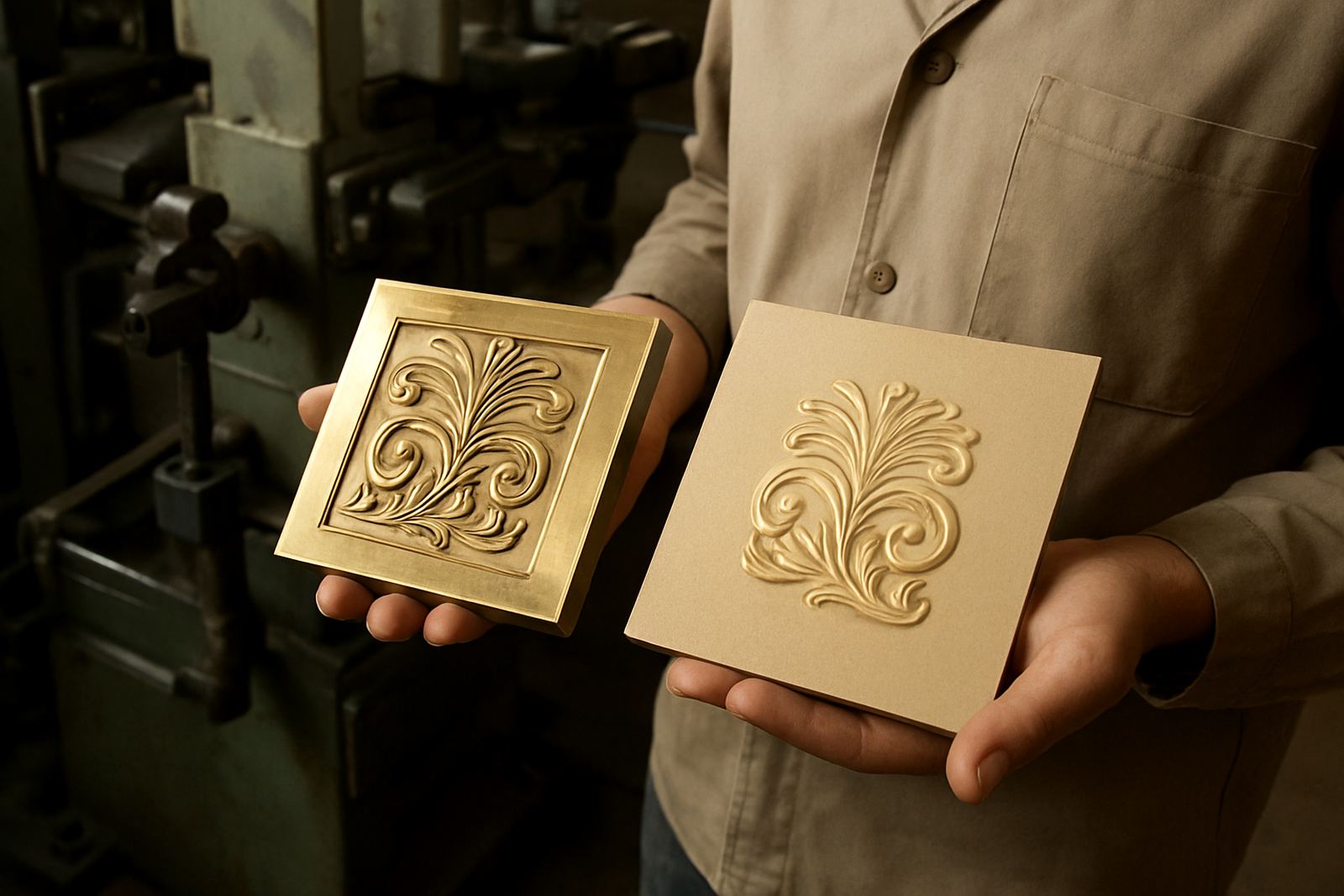
A good combination die does more than save time. It lets the designer and production team build a stronger visual result by placing the foil image, raised texture and cut line in the same relationship every time.
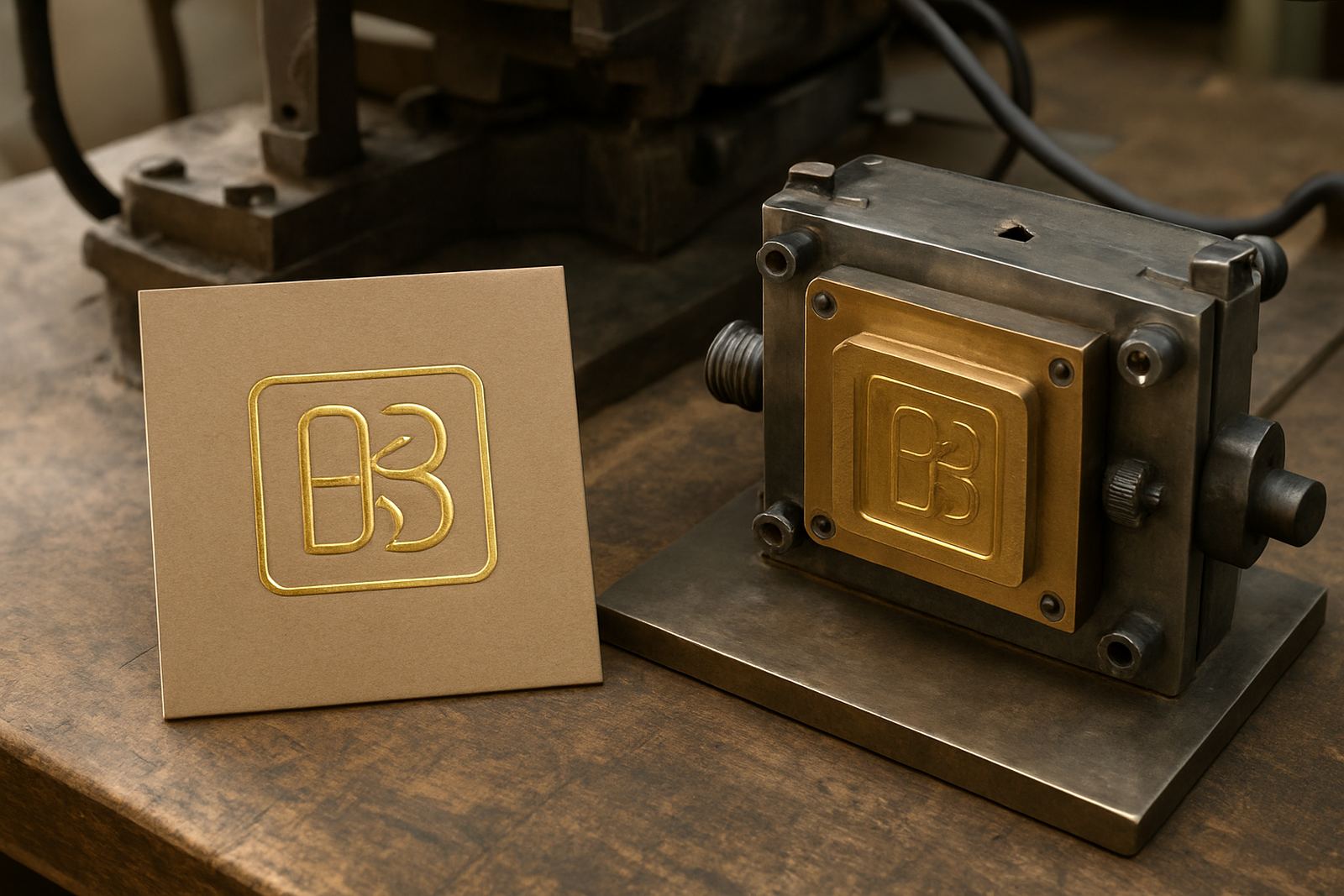
That is important on work where the customer wants a luxury feel without overworking the sheet. A logo can sit in foil while the background texture lifts just enough to catch light, and the final shape can be cut cleanly without a second hand-off.
- Cleaner registration between foil and embossing
- Less risk of image shift on repeated passes
- Sharper edges on small detail and fine type
- More consistent premium finish across the run
When artwork is small or detailed, a combo die also helps keep the whole image together. Instead of chasing alignment on each process, the finishing team works from one registered tool and that usually gives better control.
Where combo dies make the most sense in South Africa
Not every job needs a combination die, but many local jobs do benefit from one. We see the strongest value on premium carton work, presentation folders, cosmetics packaging, wine labels, invitation packs and branded stationery that needs a polished finish.
South African printers often deal with mixed paper stocks, humid coastal conditions and machine schedules that leave little room for rework. A combo die can reduce the number of times a sheet is exposed to pressure and handling, which helps when working on coated board, textured stock or lighter material that marks easily.
It is also useful where the finished item has to move quickly from production to dispatch. In Industria, Johannesburg, jobs are often packed for courier delivery to finishers in Cape Town, Bloemfontein or Gqeberha, so a single well made die can simplify the whole chain.
What to check before approving a combo die
Combo tooling needs more planning than a single effect die because several functions have to work together. The artwork, board thickness, foil area and counterforce all need to match the press conditions and the final use of the pack.
Before sign-off, it helps to check the following:
- Artwork line weight and smallest detail size
- Whether the foil area sits clear of folding and glue zones
- The board or paper thickness and whether it will hold an impression
- How the cut, crease and emboss elements will register
- Whether a sample impression is needed before full production
At Hot Stamping Dies, we look at the file, the production method and the intended finish before engraving starts. That extra check can prevent a costly adjustment later, especially where a pack needs a clean fold and a strong raised image in the same run.
Local example: a Johannesburg carton job that needed less handling
A Pretoria packaging house recently needed a premium carton for a boutique food client. The brief called for foil branding, a raised mark and clean cutting, but the schedule only allowed one production slot before dispatch. Running separate tools would have meant more handling and more time on press.
The solution was a combination die designed to suit the board and the impression depth. The result was a cleaner finish, fewer set-up changes and less chance of the carton surface marking during repeat passes. The client got a better looking pack and the finisher kept the job moving without having to chase extra approvals.
That kind of practical saving matters when lead times are tight and deliveries have to be sent across Gauteng or further afield. A combo die is not just about appearance, it can also keep the job moving.
When a single die is the smarter choice
There are times when a combo die is not the best option. If the design is simple, the run is very short, or the stock is too delicate for multiple effects in one tool, a simpler die may give better control and lower cost.
A good rule is to ask what the job needs to do, not just how it should look. If the pack is mostly about a clear mark or a single crease, adding extra effects may only complicate production. If the goal is premium impact with less handling, combo tooling often makes sense.
We also help with repeat ordering, die alterations, cleaning and damage assessment so a job can stay on file and be matched again when the next run comes in. That is useful for clients in Durban, Polokwane and Mbombela who need the same finish months later and want it to match the first run closely.
How we support combo die jobs from Industria to nationwide dispatch
From our Johannesburg base in Industria, we handle artwork checks, die design, engraving production, counterforce matching and packing dispatch for finishers and packaging houses across South Africa. Our team includes Thabo Mokoena, Ayesha Naidoo, Johan van der Merwe, Lerato Molefe, Sibusiso Dlamini and Megan Petersen, each focused on a specific part of the job so the final die is accurate and practical to use.
We keep job filing in order, which helps with repeat work and fast turnarounds when a customer needs the same die again. If a tool has taken damage in transit or after a long production run, we can advise on cleaning, repair options and sample impression checks before the next batch goes out.
For printers and finishers working under load-shedding or busy shift patterns, that sort of support can make the difference between a smooth run and a delay. A combo die should reduce effort, not create more of it.