
A sensible choice for shorter production runs
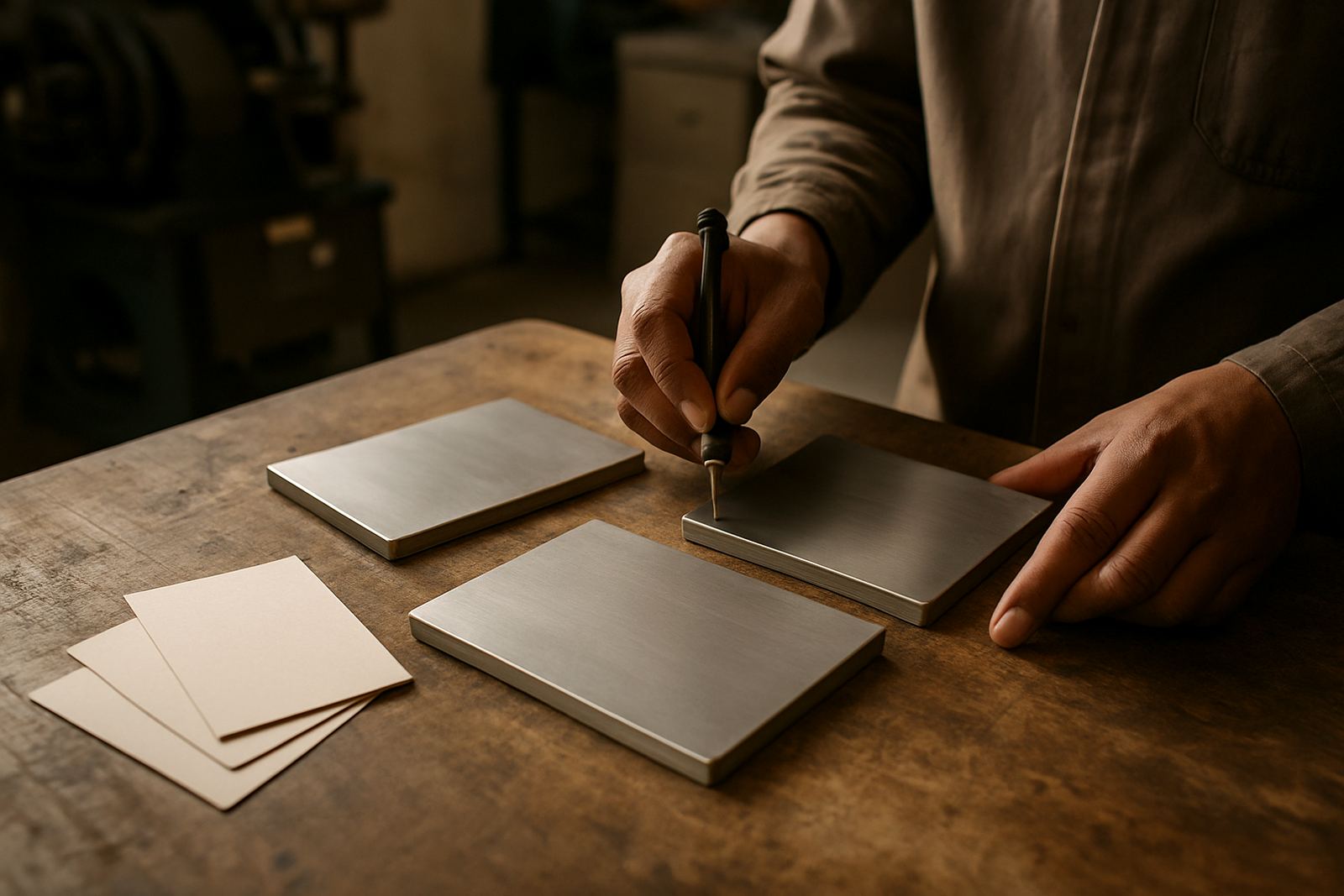
Magnesium is often the right answer when a job needs to move quickly and the run count is modest. For greeting cards, presentation folders, small packaging batches and promotional items, a magnesium die can give sharp detail without the higher cost of heavier brass tooling.
For many Johannesburg and Pretoria printers, the decision comes down to balancing unit cost against quantity. If you are not running the same job month after month, magnesium can keep the project within budget while still giving a neat finish and decent impression quality.
Where magnesium fits in the print finishing line
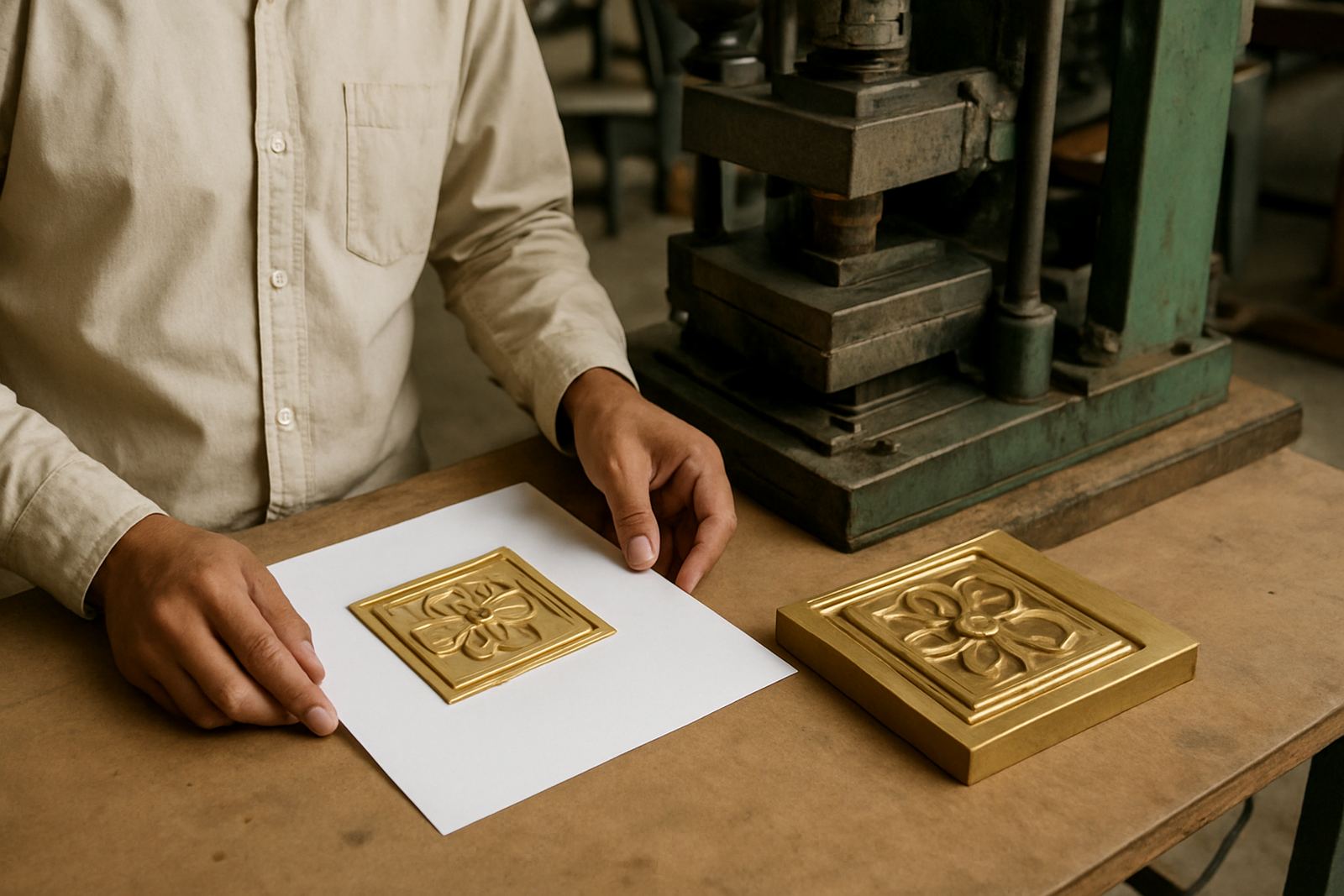
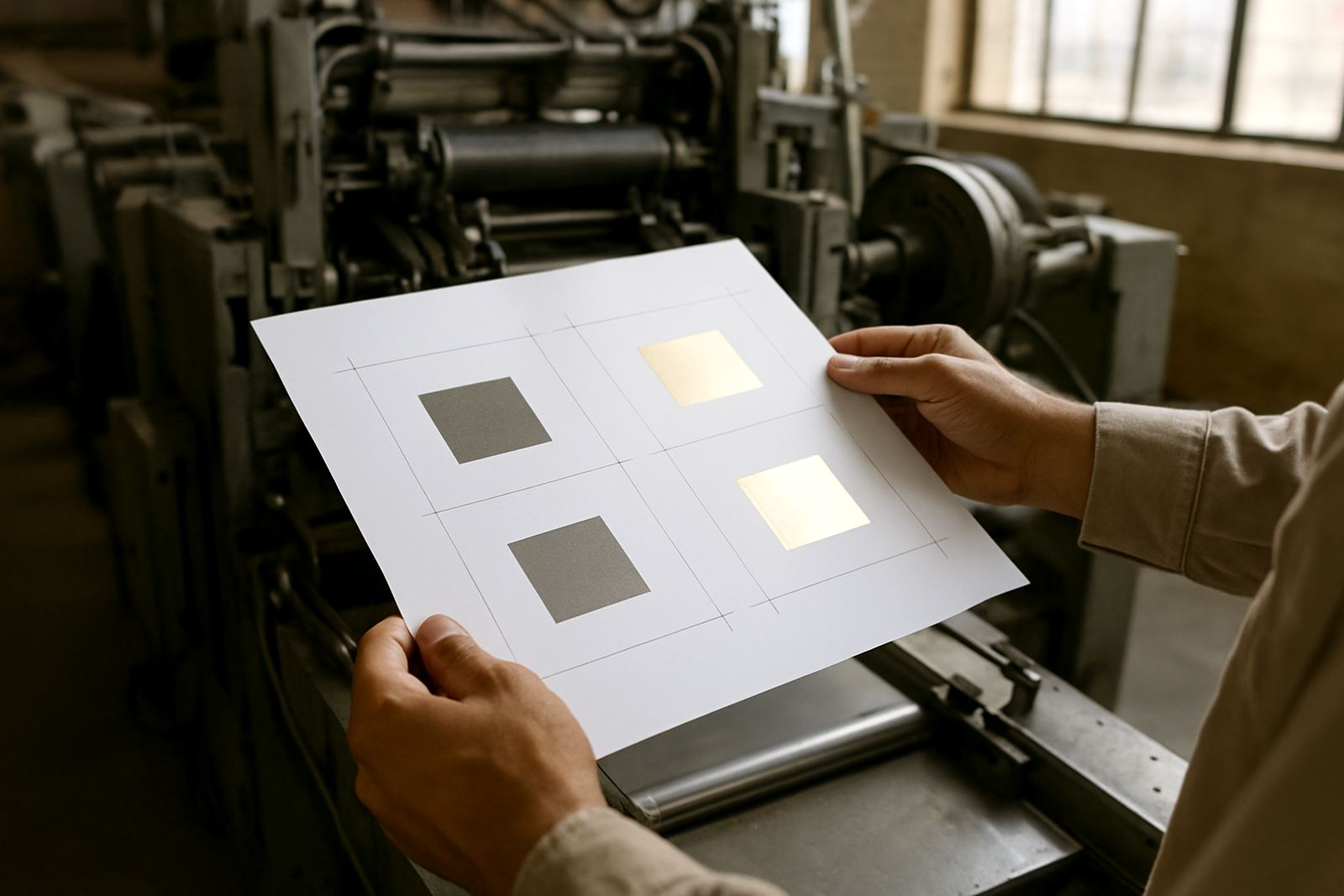
In hot stamping and embossing, the die has to transfer heat evenly and hold the image cleanly across the sheet. Magnesium suits this kind of work when the substrate is standard board, coated stock or similar material and the design is not too large or deeply detailed.
- Short to medium print runs where the die will not be pushed for months on end
- Jobs with straightforward line work, type or moderate detail
- Packaging mock-ups and seasonal work with a firm deadline
- Projects where cost control matters more than long-term wear resistance
In practice, that makes magnesium useful for a lot of trade work. It is not about choosing the cheapest option by default, but about matching the die material to the real demands of the job.
The budget case for magnesium
When a client is testing a new brand line, changing artwork often, or ordering a limited seasonal pack, a magnesium die can save money without cutting corners on presentation. That is especially helpful for smaller packaging houses and finishers who need to manage cash flow carefully.
Compared with harder tooling materials, magnesium is generally quicker to machine and more cost-friendly for one-off or repeat-light orders. If you have a launch in Durban, a regional campaign in Polokwane, or a short run for retail in Cape Town, this can make the numbers work better.
- Lower initial tooling cost
- Suitable for test market runs and promotional batches
- Good option when artwork may still change
- Useful for jobs with limited repeat demand
When timelines are tight and the run is short
Magnesium is often selected when there is pressure on the schedule. A short-run job does not always justify a more expensive die, and the customer still expects a clean finish on time. That is where planning the die material correctly from the start can save a lot of back-and-forth.
In our Industria workflow, we see this often with urgent packaging changes, sample packs and trade-only promotional pieces. If the artwork is final and the quantity is sensible, magnesium allows for quicker production and easier turnaround, which helps when a client has a courier collection booked for the next day.
What magnesium does well, and where it falls short
Magnesium can handle plenty of day-to-day finishing work, but it is not the answer for every job. The material suits clean, controlled applications where the impression depth is moderate and the design does not need extreme wear resistance over a long period.
It is worth thinking about stock type, press settings and the number of impressions before choosing it. A sharp, well-prepared magnesium die can perform very well, but if the same job is going to be repeated often, or the image is large and heavily worked, brass may be the better call.
- Good for neat logo work and text on cards, folders and cartons
- Not ideal for very long repeat schedules
- Better suited to moderate pressure and controlled press conditions
- Needs accurate artwork and proper counterforce matching
A local example from Industria to the rest of the country
Consider a packaging house in Johannesburg that needs a small run of branded cartons for a product launch in Gqeberha. The artwork is approved, the quantities are limited, and the client wants finished samples quickly. In that case, magnesium is often the practical option because it keeps the job moving and avoids overspending on tooling that will only be used for a short cycle.
Once the die is produced, it can be packed and couriered nationwide, whether the destination is Durban, Bloemfontein or Mbombela. For trade clients, that kind of speed matters because production windows are tight and missed dispatch cut-offs can delay the whole order by a day or two.
How to decide before you order
The easiest way to choose is to look at the run length, the stock, the finish required and whether the job will come back again soon. If the answer points to a short campaign, a sample run or a one-off packaging job, magnesium is often the sensible route.
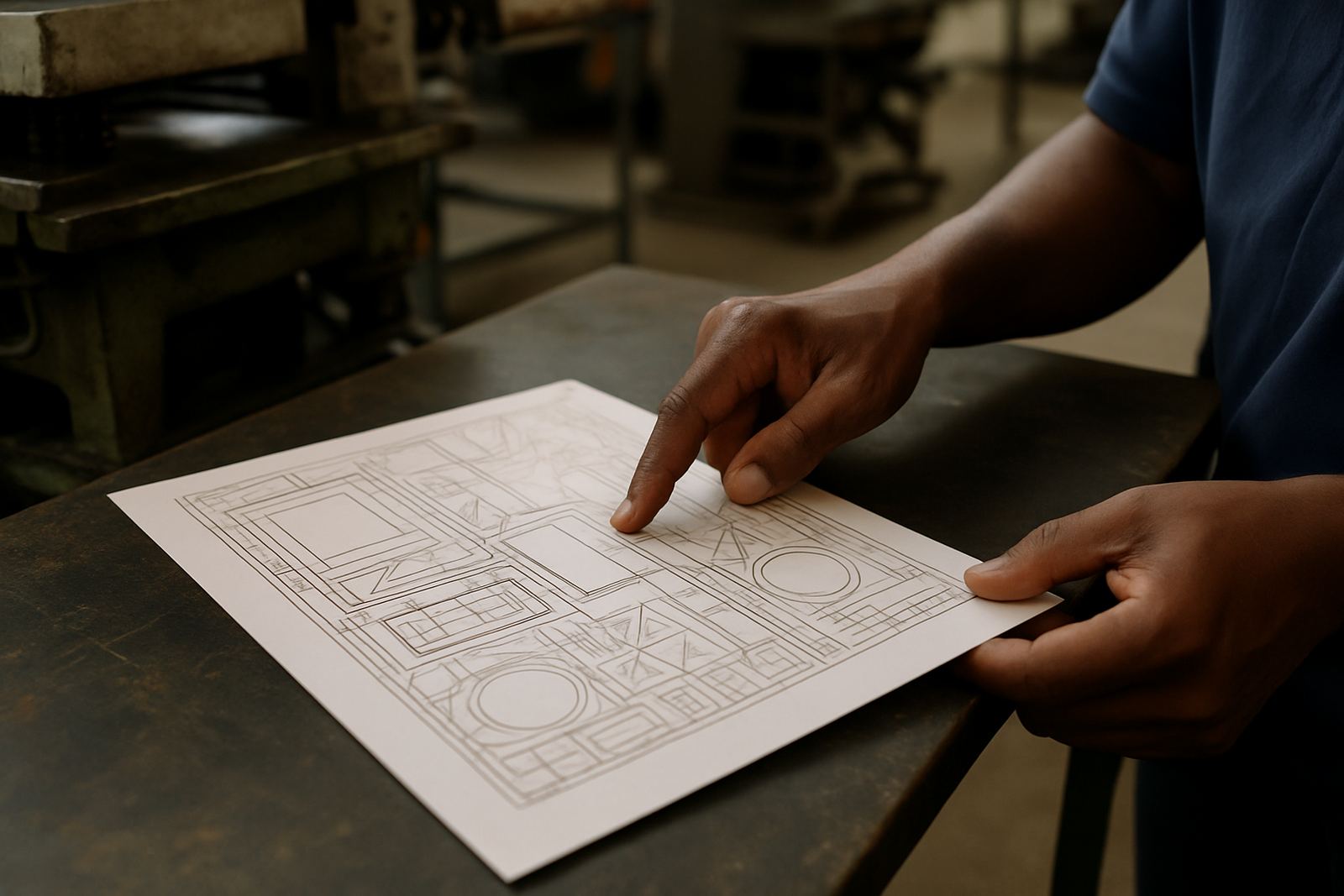
We also recommend checking the artwork properly before production. Small type, fine rules and detailed logos need careful handling, and the finished result depends on good prepress, clean engraving and correct setting on press. A quick sample impression can save time later, especialy when the job has a tight deadline.
- Choose magnesium for shorter runs and controlled budgets
- Use it when turnaround is more important than long wear life
- Check artwork, counterforce and substrate before production starts
- Ask for sample impression advice if the job is new or detailed