Why a repeat order should start with the job file
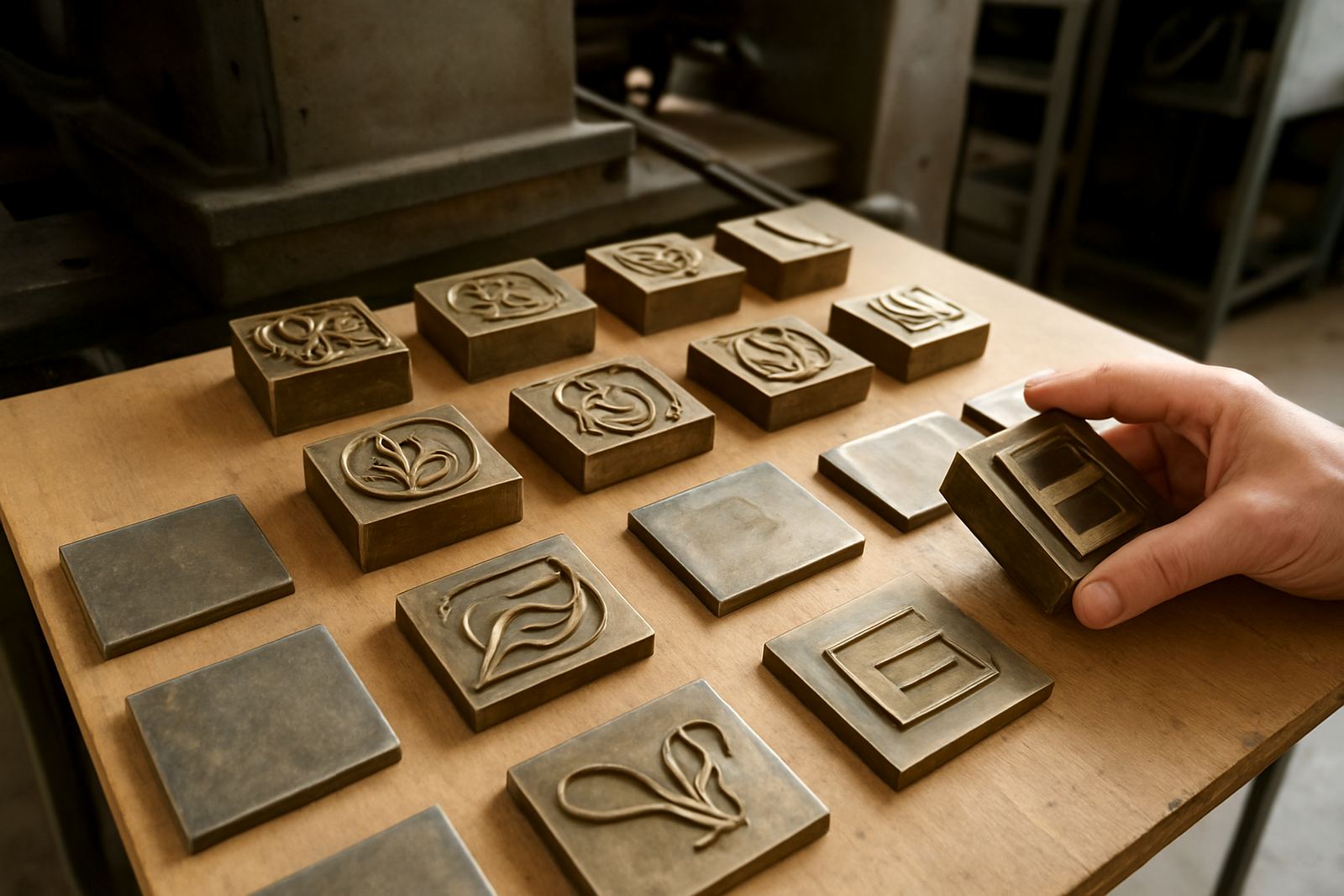
When a client comes back for the same branding, the best starting point is the original job file. That file should show the artwork version, die size, line weight, material choice, counterforce details and any changes made after the first run. If those notes are complete, the next order can move through checking and production with far fewer delays.
In a busy print finishing shop, people change shifts, jobs move between departments and urgent work gets pushed ahead. Good records stop a repeat job from becoming a new guessing exercise. It also helps when a customer wants the same foil mark six months later, but on a different carton board or a new packaging format.
- Original artwork reference and approval date
- Die type, size and mounting notes
- Press issues from the first run, if any
- Counterforce or make-ready details
- Dispatch and delivery instructions
How records protect consistency across different runs
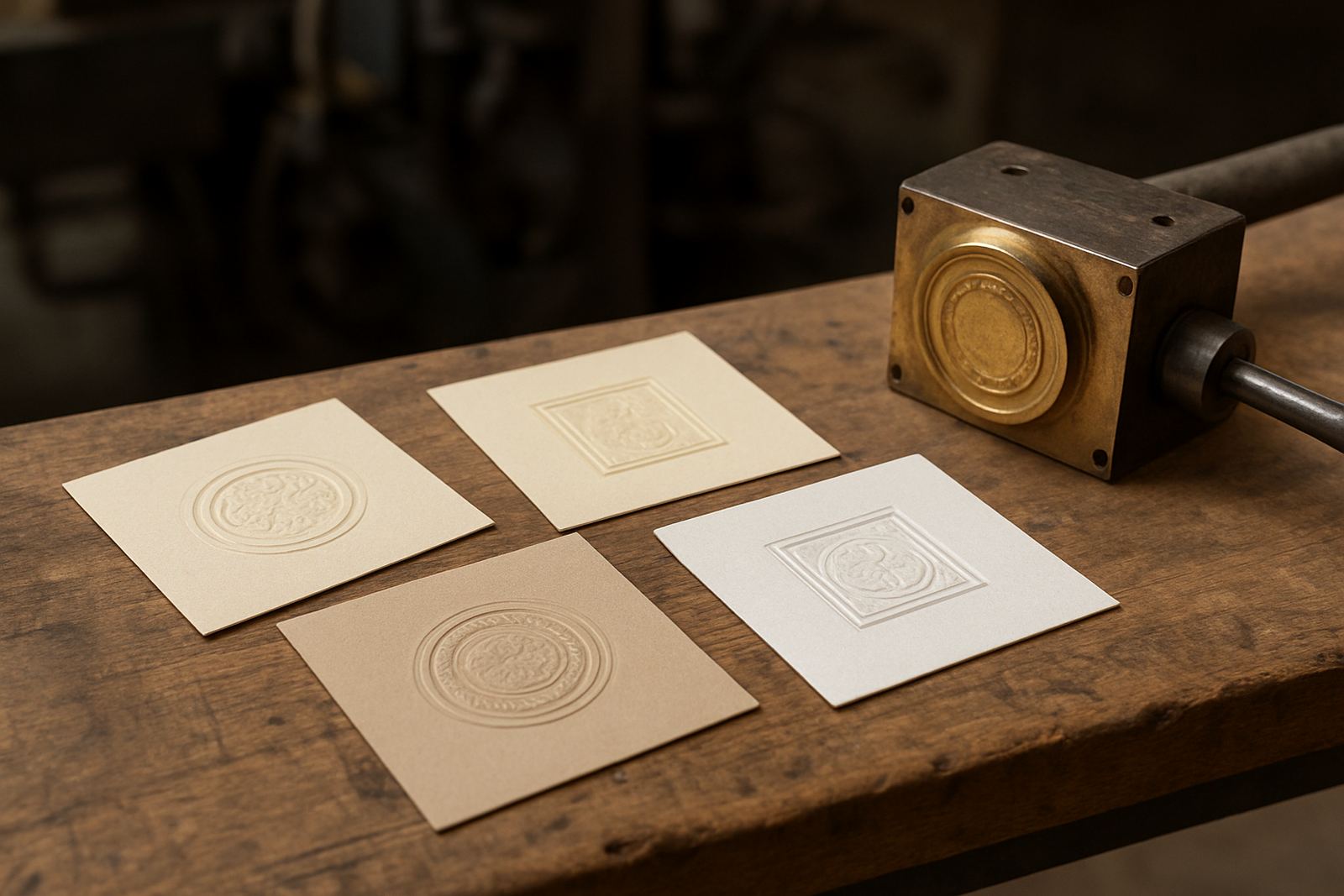
Hot stamping and embossing are very sensitive to small changes. A die that performed well on one substrate may behave differently on a thicker board, a coated surface or a label stock with a different finish. If the job record shows what worked last time, the repeat order can be matched more accurately to the current run.
This is especially useful when the same client prints in stages. For example, a packaging house in Industria may first run a short batch for Johannesburg and then send the same artwork to Durban or Cape Town for a larger follow-up. If the records are detailed, the second and third runs can stay visually consistent even when the timing is different and the press team changes. That kind of control saves time and avoids rework.
It also helps when the customer is looking at a seasonal product. A Christmas carton, limited-edition sleeve or promotional insert often has to match a previous run exactly. Without records, staff must rely on memory, and memory is never as reliable as a proper file.
What our team checks before repeating a die
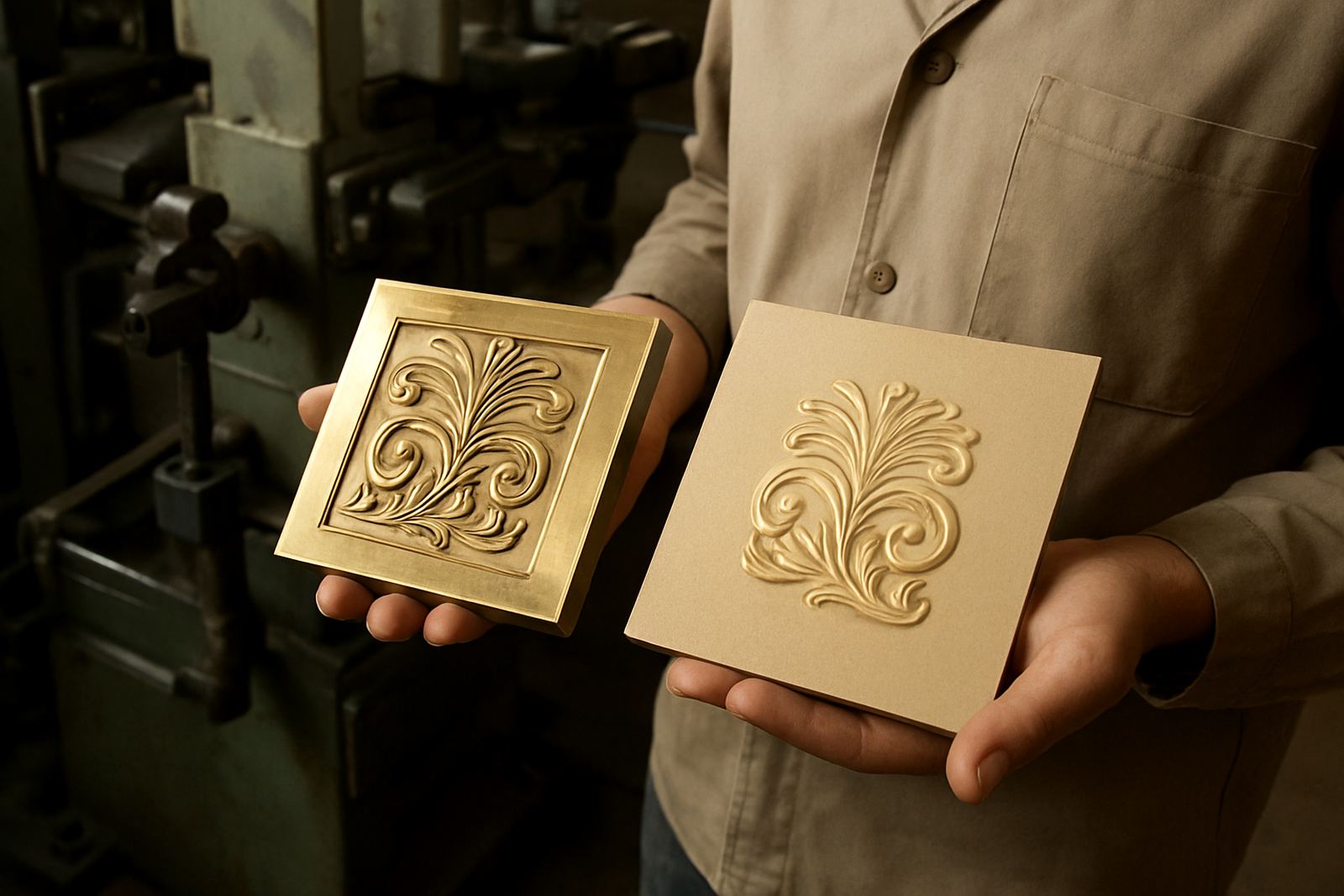
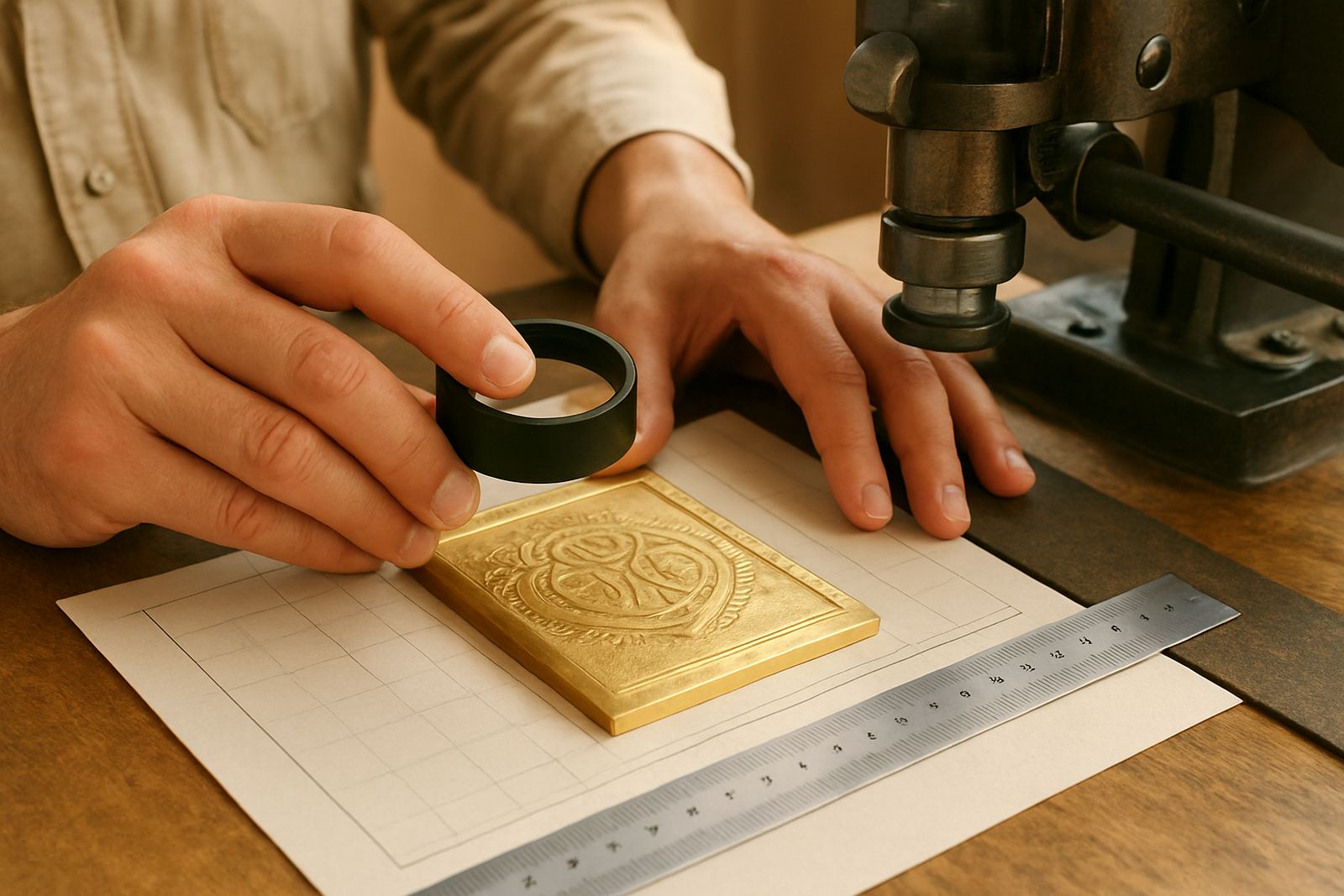
A repeat order is not treated as a simple reprint. The artwork is checked again, the die condition is reviewed and the previous production notes are compared against the new brief. If the job has been stored properly, we can often spot whether the existing die can be used as is, whether it needs cleaning or whether an alteration is smarter than starting from scratch.
At our Industria base, this process is handled by the production and prepress teams before engraving starts. That gives the client a clearer answer on turnaround time and helps avoid surprises after dispatch. It also means that urgent repeat orders can be assessed quickly when a printer in Pretoria, Gqeberha or Polokwane needs the next batch out without delay.
- Artwork check against the last approved version
- Condition check for wear, damage or flattening
- Matching of counterforce and sample impression notes
- Review of packing requirements for courier transport
- Confirmation of any size or wording changes
Planning around load-shedding, courier timing and deadlines
Good job records do more than improve the die itself. They also help with planning. If a repeat order is logged properly, the team can prepare materials, schedule engraving and arrange dispatch before the job reaches the front of the queue. That matters when load-shedding changes production windows or when a courier collection must be timed around site access and municipal restrictions.
For businesses that ship dies nationwide, this kind of planning makes a real difference. A packaging house in Durban may need a replacement embossing plate before a Friday shift change, while a finisher in Bloemfontein may want the job delivered with the next pallet drop. When the records are clear, the packing notes and turnaround plan can be set earlier, which helps keep the whole chain moving.
It also reduces the chance of last-minute calls about missing details. A repeat order with a complete file can move straight to the next step instead of sitting idle while someone searches for old measurements or tries to confirm the board spec from memory.
The hidden value of good records for future pricing
Clear records also make future quoting more accurate. If the previous job shows the exact die size, engraving time, alterations made and any cleaning or repair work, the next quote can be built on facts instead of assumptions. That is useful for clients who want to budget properly across multiple product lines or seasonal campaigns.
It can also stop unnecessary costs. If the file shows that a die was altered successfully for the same client before, there may be no need to start over. If the record shows that a certain design wore down quickly on a specific substrate, the next order can be planned with that in mind. In other words, the file becomes a practical tool not just an admin task.
A local example from repeat work in Johannesburg
One common situation is a packaging run for a Johannesburg client who first produced a short batch of presentation cartons, then came back months later for a bigger order. The first job had slight pressure adjustments because the board stock was thicker than expected. That note was kept on file, along with the final counterforce setting and sample impression advice.
When the repeat order came in, the team did not have to start from zero. The artwork was matched to the approved version, the pressure notes were checked and the die was prepared for the same finish. The result was quicker turnaround and less trial work on press. For the client, that meant fewer interruptions and a cleaner handover to dispatch. Small detail, but it saves a lot of time.
This is the kind of practical benefit that matters in real production. A good repeat order is not about luck, it is about having the right history in front of the right people at the right time.
What clients can send with every repeat enquiry
To keep repeat orders moving, clients should send the details that matter most. Even if the job looks familiar, a short note on what is changing can save a full round of checking later. This is especially useful when the same artwork is being used on a new carton size or the customer wants a faster turnaround than before.
- Job name or previous reference number
- Latest artwork file or change notes
- Quantity needed and target date
- Delivery town and receiving contact details
- Any damage seen on the last run or on the old die
With that information, the job can be filed correctly, checked properly and sent out without extra back-and-forth. It keeps the repeat process simple, accurate and easier to plan for the next time as well.