Why touch still wins on crowded shelves
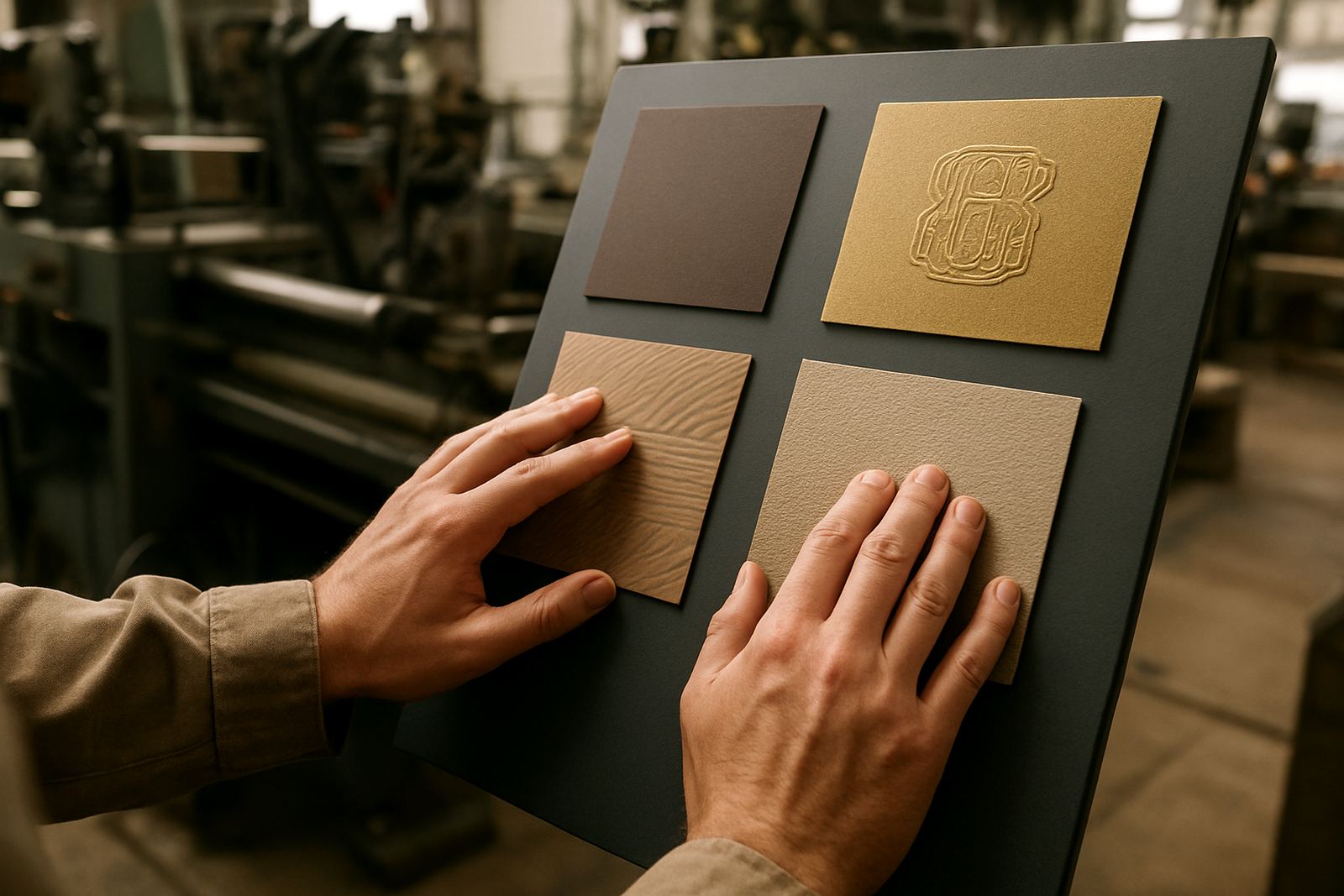
People notice a pack first with their eyes, then with their fingers. That is why hot-stamped detail and clean embossing still carry weight in packaging, especially when the market is full of similar colours and layouts. A foil mark on a carton flap or a raised logo on a wine label gives the product a physical cue that says care was taken at the finishing stage.
For printers and pack houses, the value is not just visual. Tactile finishing helps a brand look more considered without adding another full colour process. It can also support limited editions, seasonal ranges and premium lines where the print has to justify a higher selling price. If the impression is crisp and the registration is right, the job feels accurate in the hand not just on the screen.
What makes a good die in day to day production
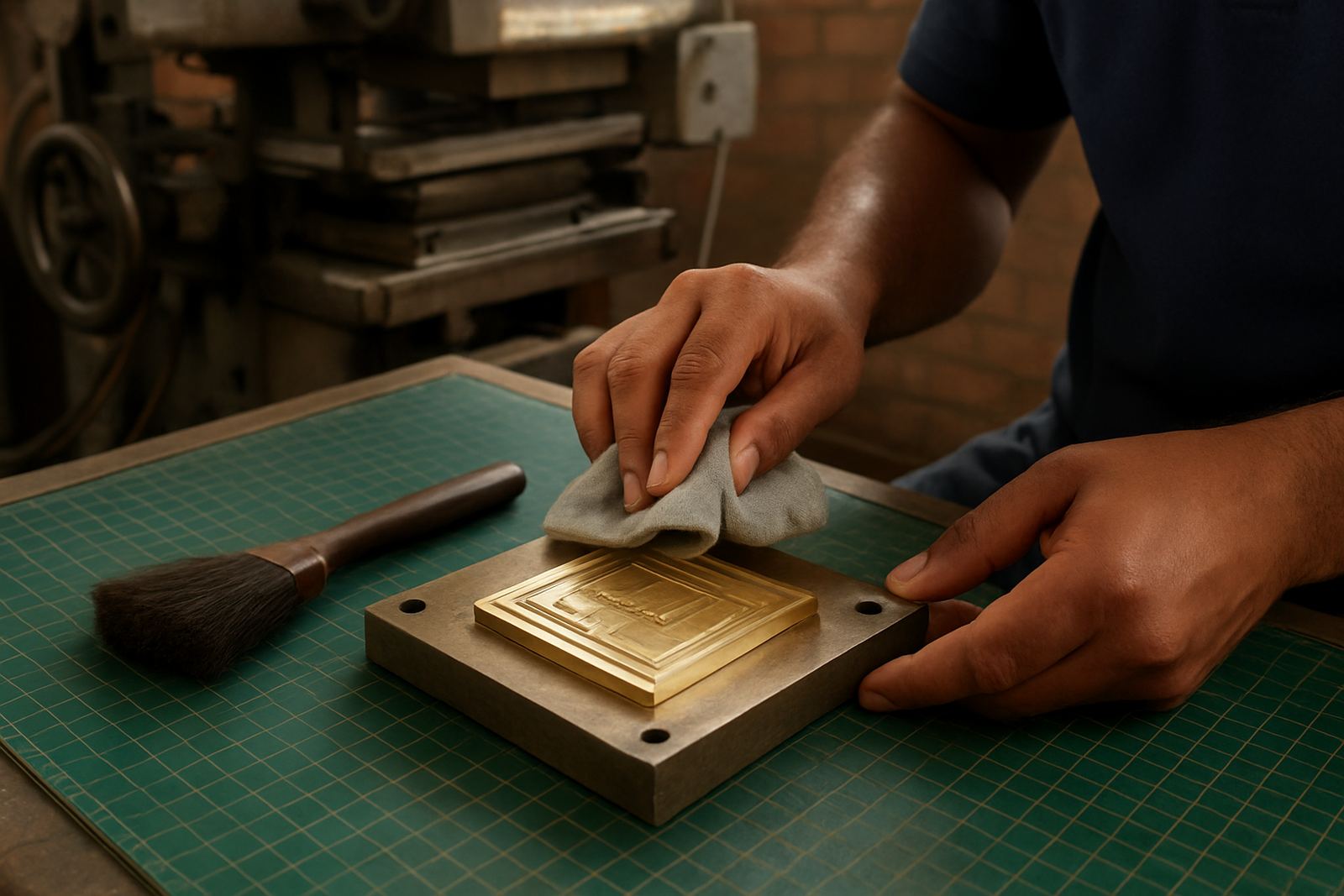
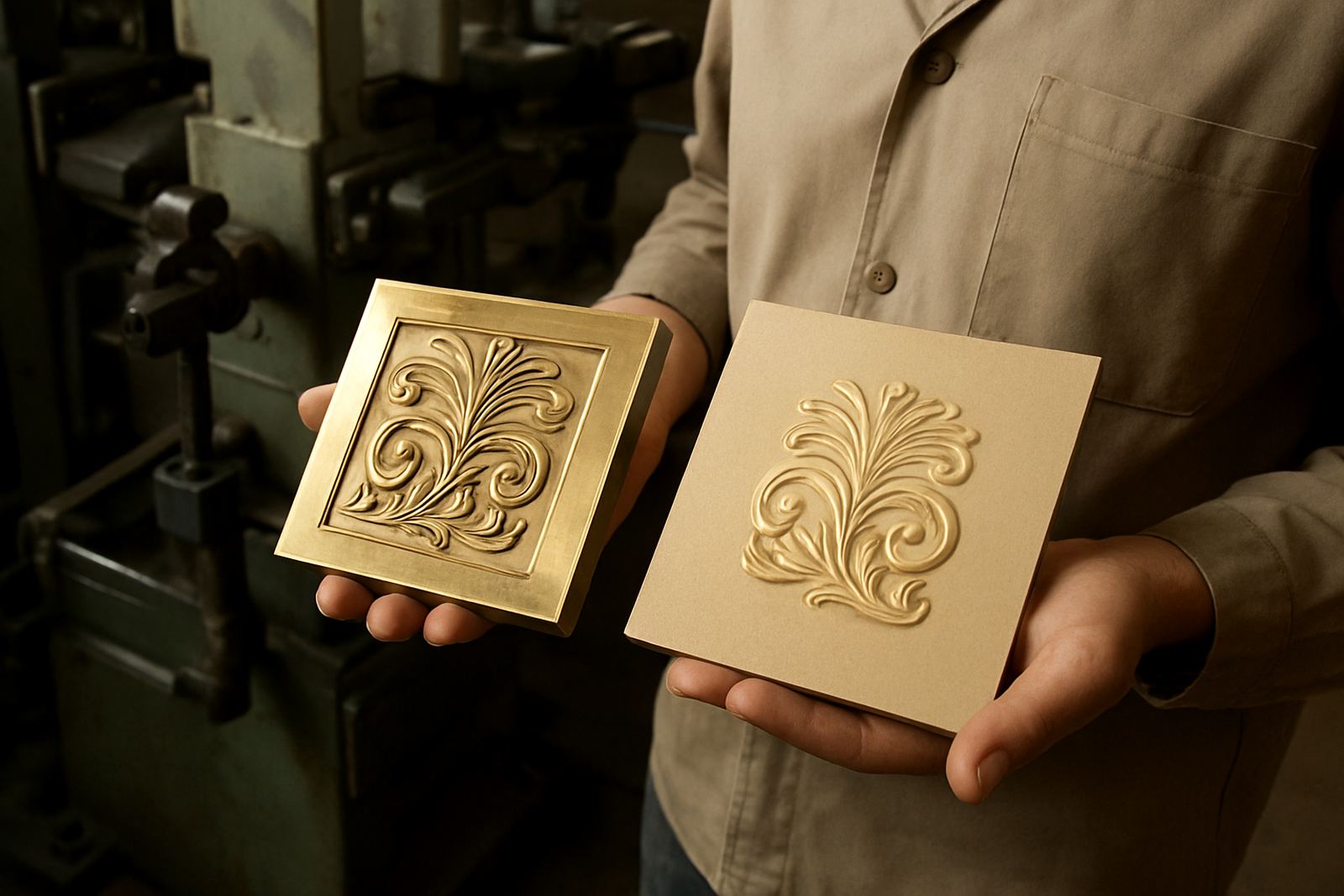
A die has to do more than carry artwork. It needs to hold detail, transfer heat evenly and survive repeated use on the press. Brass and magnesium both have a place, but the right choice depends on the run length, the substrate and the level of detail in the image. Fine line work, small type and closely spaced textures need careful preparation before engraving starts.
In practice, the best results come from proper artwork checks, clear counterforce matching and a realistic view of the press setup. A die that looks right on paper can still fail if the pressure is uneven, the substrate is too soft, or the counterforce has not been matched to the job. That is where production experience matters. A small adjustment at the start can save a whole day of rework later, which is worth a lot when a client is waiting for packed stock.
- Check the line weight and spacing before engraving begins.
- Match the counterforce to the substrate, not just the artwork.
- Confirm the impression depth with a sample before full production.
- Allow for heat, dwell time and press pressure on each run.
Local packaging pressures in Johannesburg and beyond
From Industria in Johannesburg, dies often go out to print finishers and packaging houses in Pretoria, Durban, Cape Town, Gqeberha, Bloemfontein, Polokwane and Mbombela. That spread matters because each site has its own working rhythm. A Johannesburg folder gluer running a high volume carton job will need different support from a coastal finisher handling humidity-sensitive stock in Durban or Cape Town.
Load-shedding and transport timing also affect finishing schedules. If a press is down for two hours, a delayed die can push a delivery into the next shift or the next day. That is why a practical dispatch plan matters as much as engraving skill. Proper packing, clear job filing and reliable courier handover help the die arrive ready for use, not needing extra sorting when it reaches the floor.
When embossing adds value instead of just cost
Not every job needs an embossed finish. The right question is whether the raised or recessed effect helps the product sell, improve handling or strengthen brand recognition. On premium cartons, presentation boxes, wine packaging and short-run promotional items, embossing can add real value because it changes how the pack feels when lifted or opened.
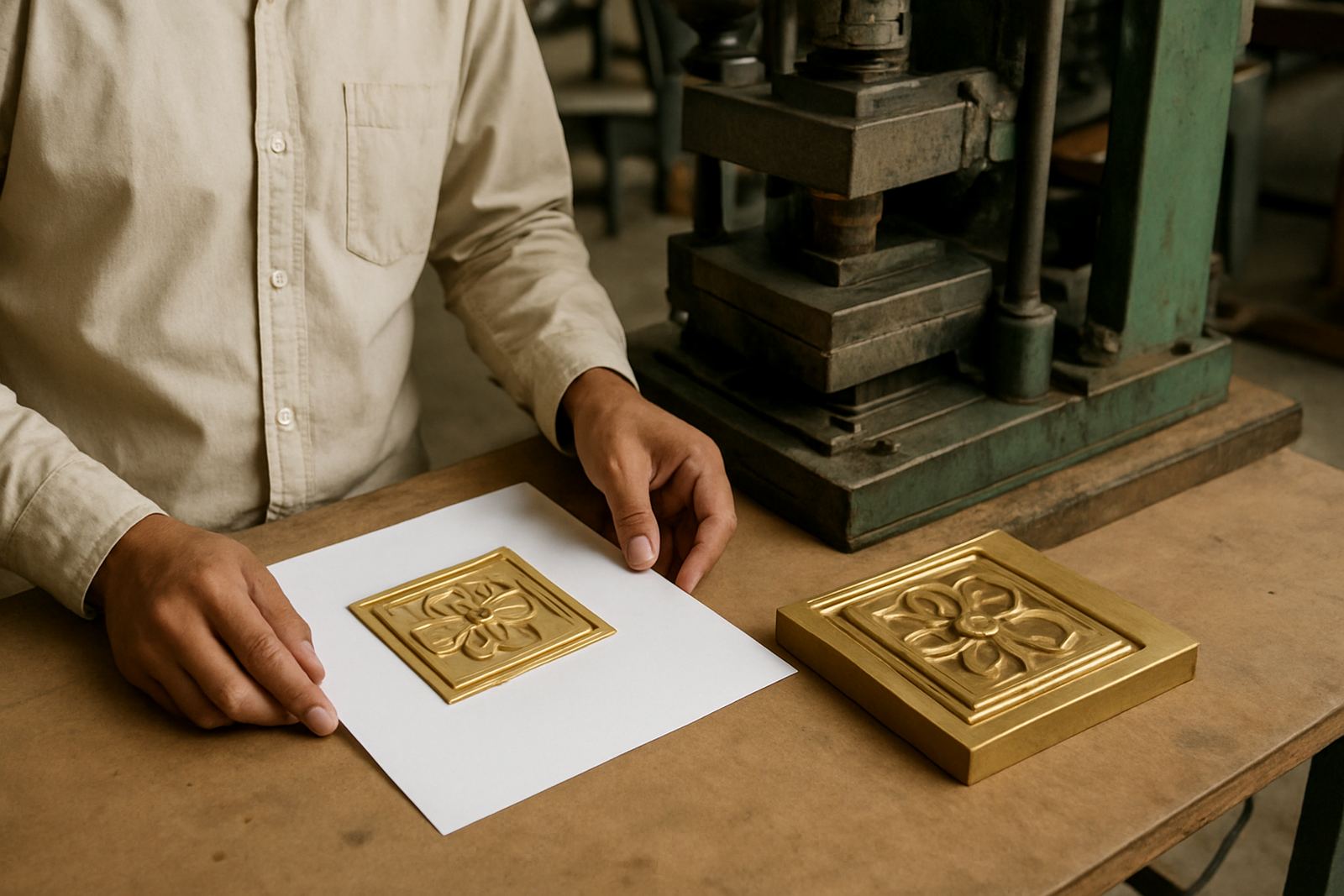
For everyday jobs, the decision should be practical. If a simple foil mark is enough, there is no need to overcomplicate the spec. If the packaging has to signal quality at first touch, then the embossing plate and hot-stamping die need to be planned together. Good finishing is often about restraint. A clean impression on a small logo can carry more weight than an oversized design that is hard to register and expensive to set up.
- Use embossing where the hand will meet the pack.
- Keep detail sizes realistic for the substrate and press.
- Choose a finish that supports the price point of the product.
- Test sample impressions before the full run goes ahead.
A Durban carton job that needed a quick correction
A packaging house in Durban recently needed repeat dies for a carton range after a minor artwork change. The main issue was not the design itself but the alignment between the die and the counterforce. The original job had been printing well, yet the updated carton board came in slightly different and the impression started to feel soft. With a quick artwork check and a revised die alteration, the finish was brought back in line before the next dispatch. No drama, just careful work and a clear file trail.
That sort of job shows why repeat ordering and job filing matter. When a client reorders, having the previous specification on hand speeds things up and cuts the chance of error. It also helps when a similar pack is needed in a different size or on a new board grade. The more consistent the records, the easier it is to match the next die to the press conditions the client is actually running. Simple admin saves real time.
What print finishers should ask for before sign off
Before a die is approved, the finisher should know exactly how the job will run. Is it being foiled, embossed or both. What board or film is in use. How many impressions are expected. Will the press operator need a deeper cut, a softer counterforce or a fast turnaround because stock is already in transit. These questions make the difference between a die that simply exists and one that performs on press.
For South African finishing teams, a useful checklist keeps everyone honest. It also helps when a job needs urgent turnaround and there is no room for guesswork. The aim is not to make the process complicated, just precise enough to avoid waste and missed deadlines.
- Confirm the substrate and final pack size.
- Request sample impression advice if the finish is new to the job.
- Check whether the artwork has changed since the last order.
- Allow time for packing dispatch and courier collection.
- File the approved spec for the next repeat order.
Tactile finishing still has a place in practical branding
Hot stamping and embossing are not old fashioned, they are useful when done well. In a market where buyers see many similar packs, touch gives a product a way to stand apart without shouting. That is why so many printers still rely on accurate brass and magnesium dies for offset, flexo and print finishing work. The result is not just a nicer surface, it is a better interaction between product and buyer.
For brands and converters alike, the message is simple. If the finish matters, the die must be right from the start. With careful production, clear communication and a dependable dispatch process, tactile value stays visible on shelf and in hand long after the print run is complete. That is practical branding and it still works.