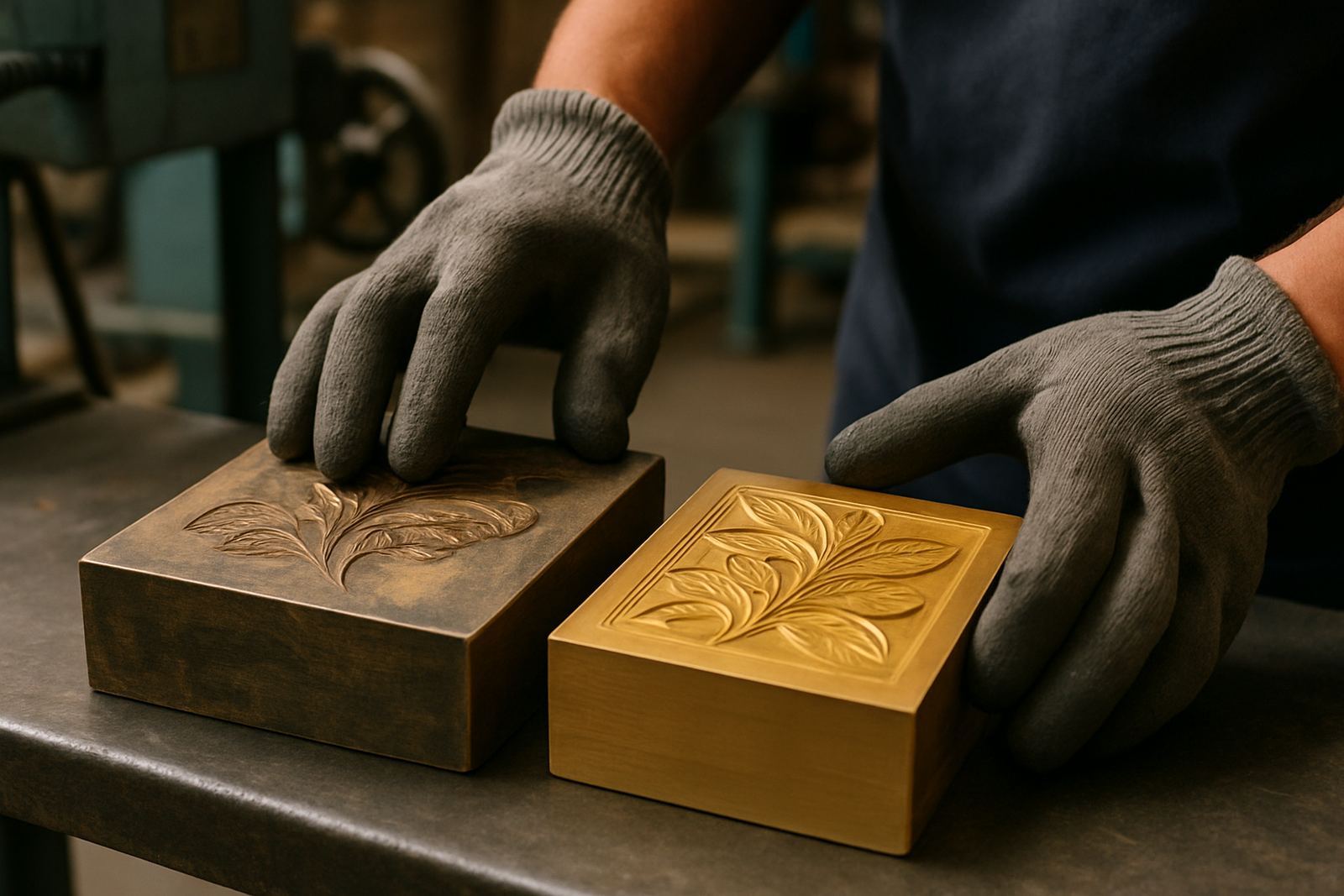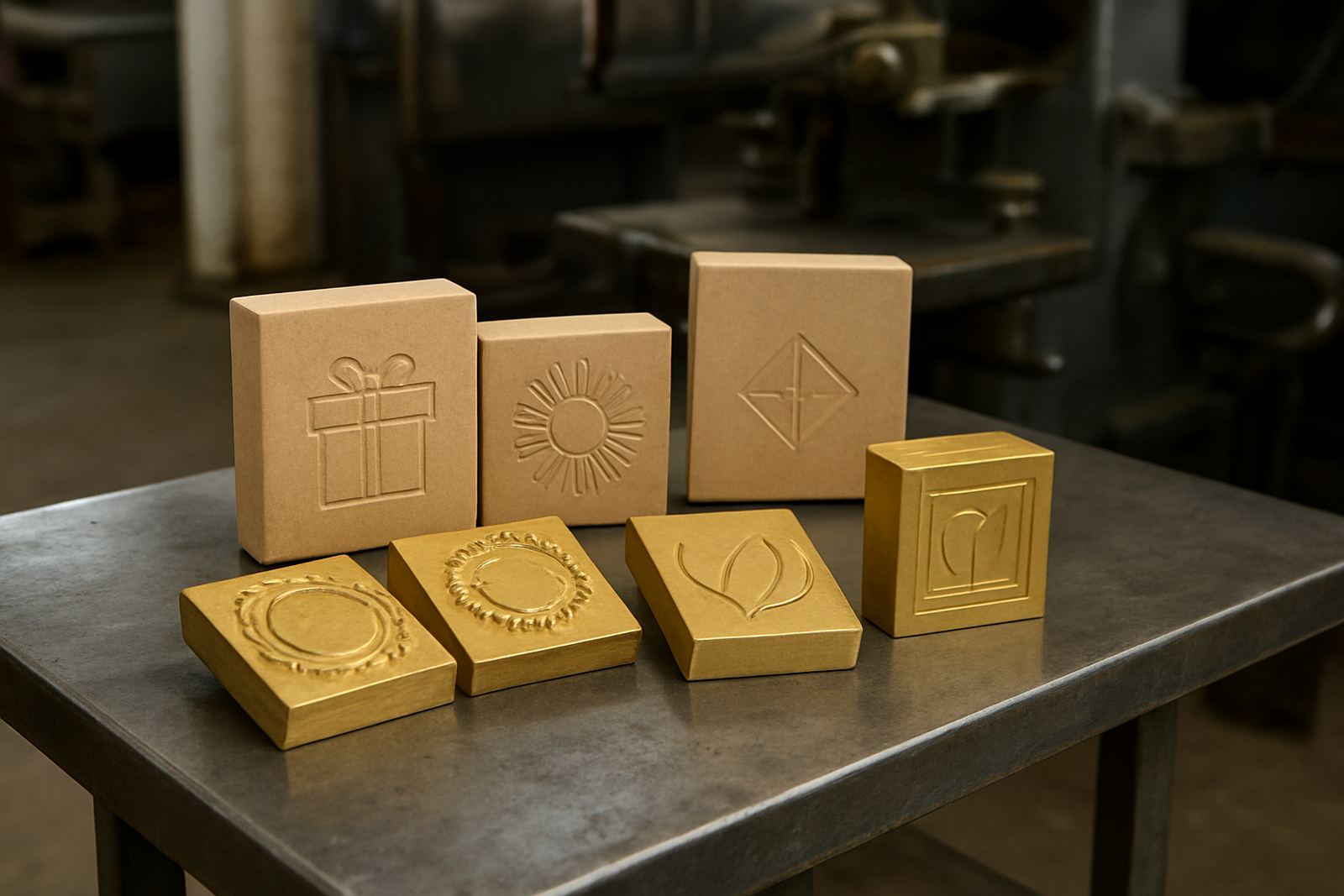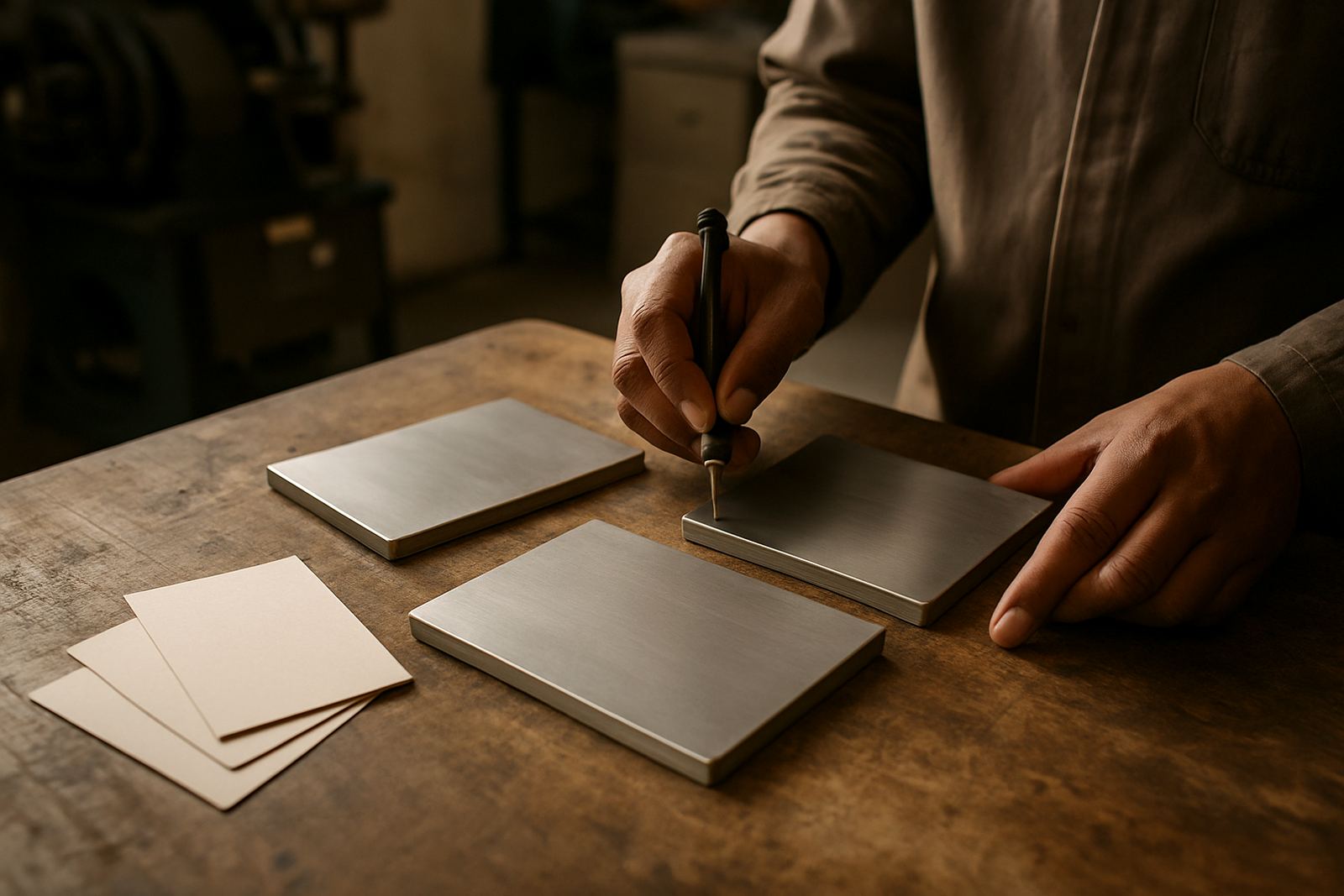

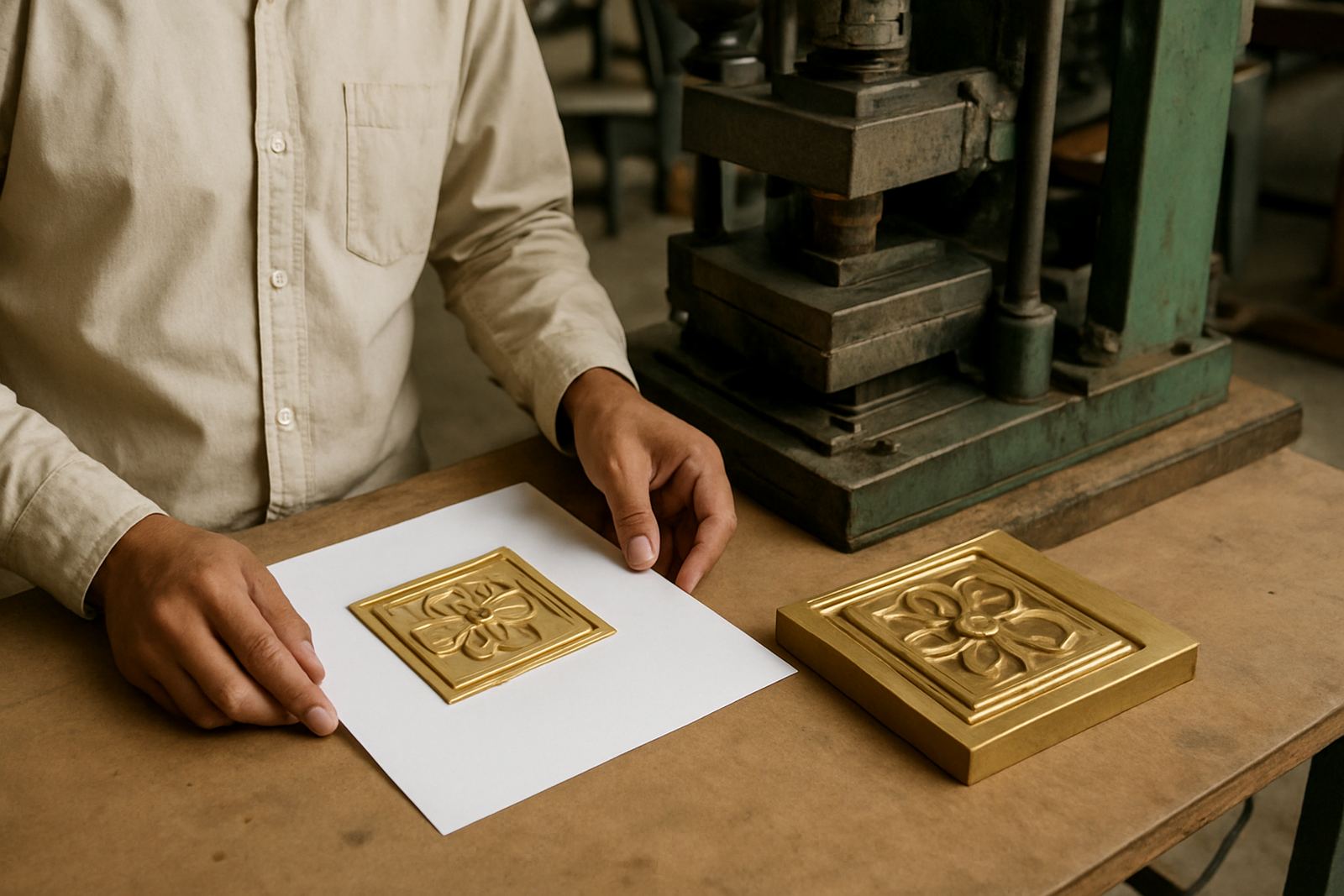
Why a Proof Matters Before Any Brass or Magnesium Is Cut
In hot stamping and embossing, the proof is not a formality. It is the last practical check before metal is cut, polished and mounted for production. Once the artwork is approved, the die is made to that exact layout, so any mistake in spelling, spacing, line weight or sizing becomes a physical correction, not a quick file edit.
That matters because a die is made to press against paper, board, foil or film with pressure and heat. A small error in the artwork can show up as a weak impression, broken fine detail, uneven spacing or text that simply does not read well on the finished pack. If the proof is right first time, the die has a much better chance of performing as intended on press.
For printers and packaging houses in Johannesburg, Pretoria, Durban or Cape Town, proofing also helps when jobs are travelling between teams. Artwork may come from a designer, a brand manager and a production controller all at once, so the approved version must be clear. One missed revision can mean a wasted sheet, a delay on the press, and another courier run to get the corrected die back in hand.
The Most Common Artwork Problems We Catch Early
Most revisions are not dramatic. They are the small things that get expensive if they are caught after cutting. A proof gives everyone one last chance to spot them before engraving starts.
- Text that is too small for a clean stamp or emboss.
- Lines that are too close together and will fill in.
- Spelling changes, product code changes, or a missing tagline.
- Artwork that is not centred on the pack size or layout.
- Fine logos that need thickening for a sharper result.
- Wrong foil clearance or no allowance for board grain and pressure.
We also check whether the artwork suits the job method. A die for a folding carton is not treated the same way as a die for a label, sleeve or retail carton. If a design has tight corners or very light strokes, it may need adjustment to hold detail during heat and pressure, especially on textured board or coated stock.
A proper proof can reveal these issues before anyone commits to production, and that saves more than money. It saves the pressure of a late fix when the job is already booked for press.
How Proofing Reduces Rework, Waste and Courier Delays
Every revision after cutting adds time. If the die has to be altered, there may be extra engraving, re-polishing and another round of checking. If the job is urgent, that can mean missed collection windows, overtime in dispatch and a second courier trip across Gauteng or beyond.
Proofing reduces that risk because it aligns all parties before the tool is made. A finished proof should answer three simple questions: is the artwork correct, is the layout practical, and is the finish likely to read properly on the chosen material?
This is especially useful for teams working under load-shedding, tight print slots or seasonal packaging deadlines. When electricity cuts disrupt workflow, the last thing any production floor needs is avoidable rework from a bad file. A good proof keeps the job moving with fewer stops and less back-and-forth.
It also supports repeat ordering. If the approved version is filed correctly, the next run can follow the same standard without starting over. That is useful for promotional packaging, seasonal cartons and recurring foil work where consistency matters.
What a Practical Proof Check Should Cover
A useful proof is not only about the look. It should be checked with the production side in mind, because a design that looks fine on screen can behave differently once it is stamped or embossed.
- Confirm spelling, names, dates and product codes.
- Check size against the final carton, label or board layout.
- Review minimum line thickness and spacing for clarity.
- Make sure reverse areas and knockouts are intentional.
- Allow for pressure, registration and the physical depth of the impression.
- Check whether counterforce matching is needed for the job.
We often advise clients to compare the proof against the actual sample pack, not only the artwork file. If the sample has changed since the original brief, the proof must reflect the current size and construction. That simple step avoids a common problem where a perfectly cut die still lands on the wrong panel or too close to a fold.
Where a sample impression is available, it can help to judge how the image will sit on the final material. On some stocks the detail reads cleanly at low pressure, while on others the same design needs a firmer cut or a minor alteration. Catching that at proof stage is better than finding out after the first run.
A Local Example from a Johannesburg Packaging Job
Take a mid-sized packaging run for a Johannesburg client supplying speciality food cartons into retail. The artwork looked straightforward, but during proof checking we picked up two things that would have caused trouble: a small spelling change in the product line and a thin border that was likely to vanish on the chosen board. The client had not noticed it because the file had passed through several hands.
By correcting it before cutting, the die was made once and sent out ready for press. That saved a revision cycle, a delay in dispatch and a second round of approvals. The finished cartons also held their detail better on the press sheet, which meant less waste on startup.
That sort of result is common in South Africa because jobs are often moving between Johannesburg, Pretoria, Durban and the coastal cities with limited time in the schedule. A proof gives everyone a shared reference, so the supplier, printer and brand team are all working from the same version. It is a simple step, but it keeps the work grounded and practical.
A Better Proof Process Starts with Clear Communication
The best proofing process is straightforward. Send the correct artwork, state the final size, and make sure any changes from the previous run are clearly marked. If there is a special substrate, unusual foil coverage or a tight turnaround, say so upfront. That lets the die team check whether the design needs support before production begins.
Good proofing also makes repeat work easier. When a file has been checked, approved and filed properly, the next order can follow the same route with less risk of missed detail. That is important for packaging houses and print finishers handling several jobs at once, especially when deadlines stack up near month end or before peak trading periods.
For clients in Polokwane, Mbombela, Bloemfontein and Gqeberha, courier timing is part of the picture too. A clean proof helps avoid sending out a die that will need to come back for a correction. It is always cheaper to spend a few extra minutes on the proof than to pay for a rushed fix after the job has already been booked.
Proof before cutting is not about slowing the work down. It is about making sure the first cut is the right cut, so the job reaches press with fewer surprises and less waste.