
Why pharma carton work needs exact tooling
When a carton carries dosage information, batch details and a premium finish, the foil and embossing must sit exactly where the artwork says it should. In pharmaceutical packaging, even a small shift can make the pack look untidy or force the finisher to slow the line down for corrections. That adds cost and time, especially on jobs running through Johannesburg, Pretoria, Durban or Cape Town where carton work often moves between print, foiling and folding teams.
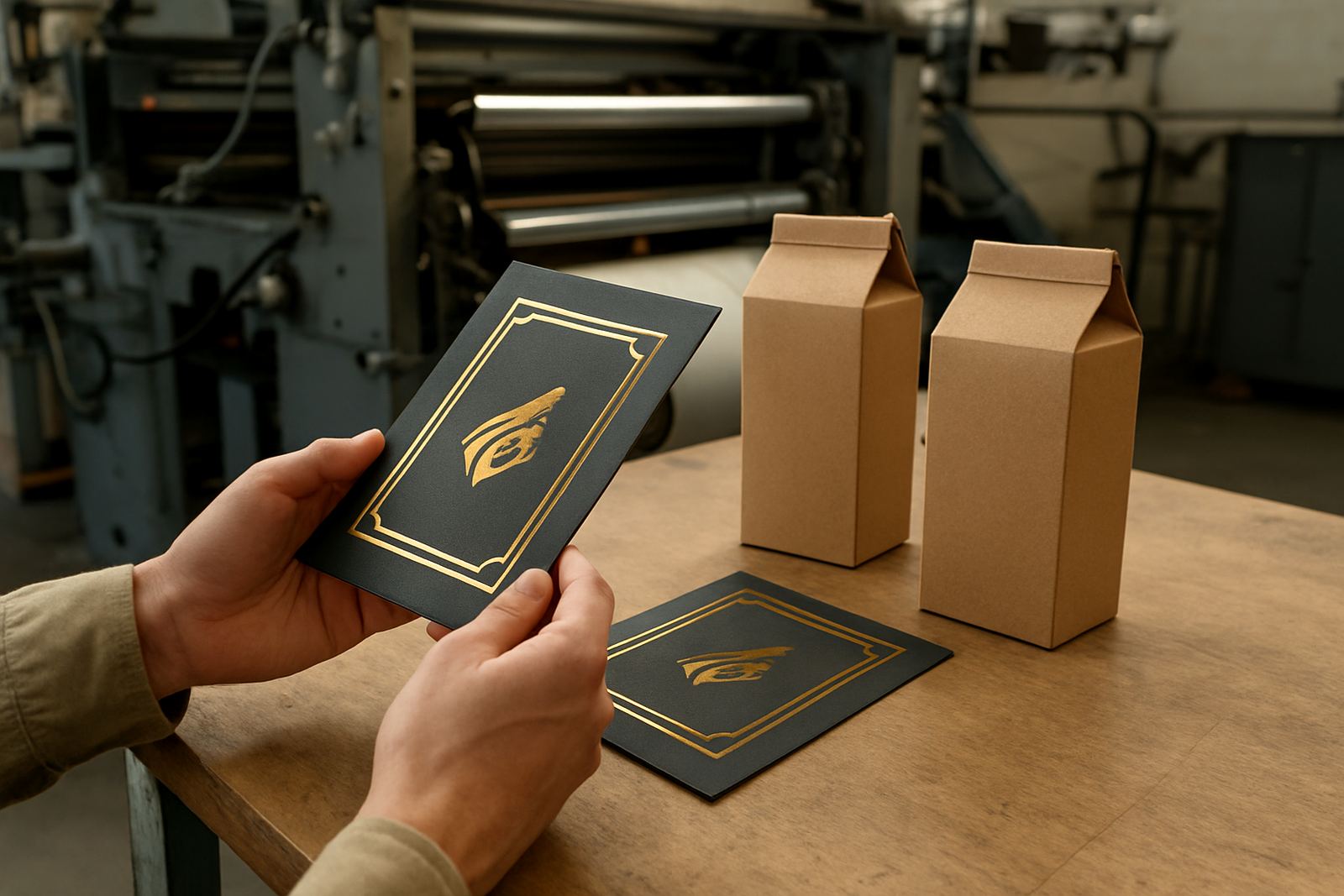
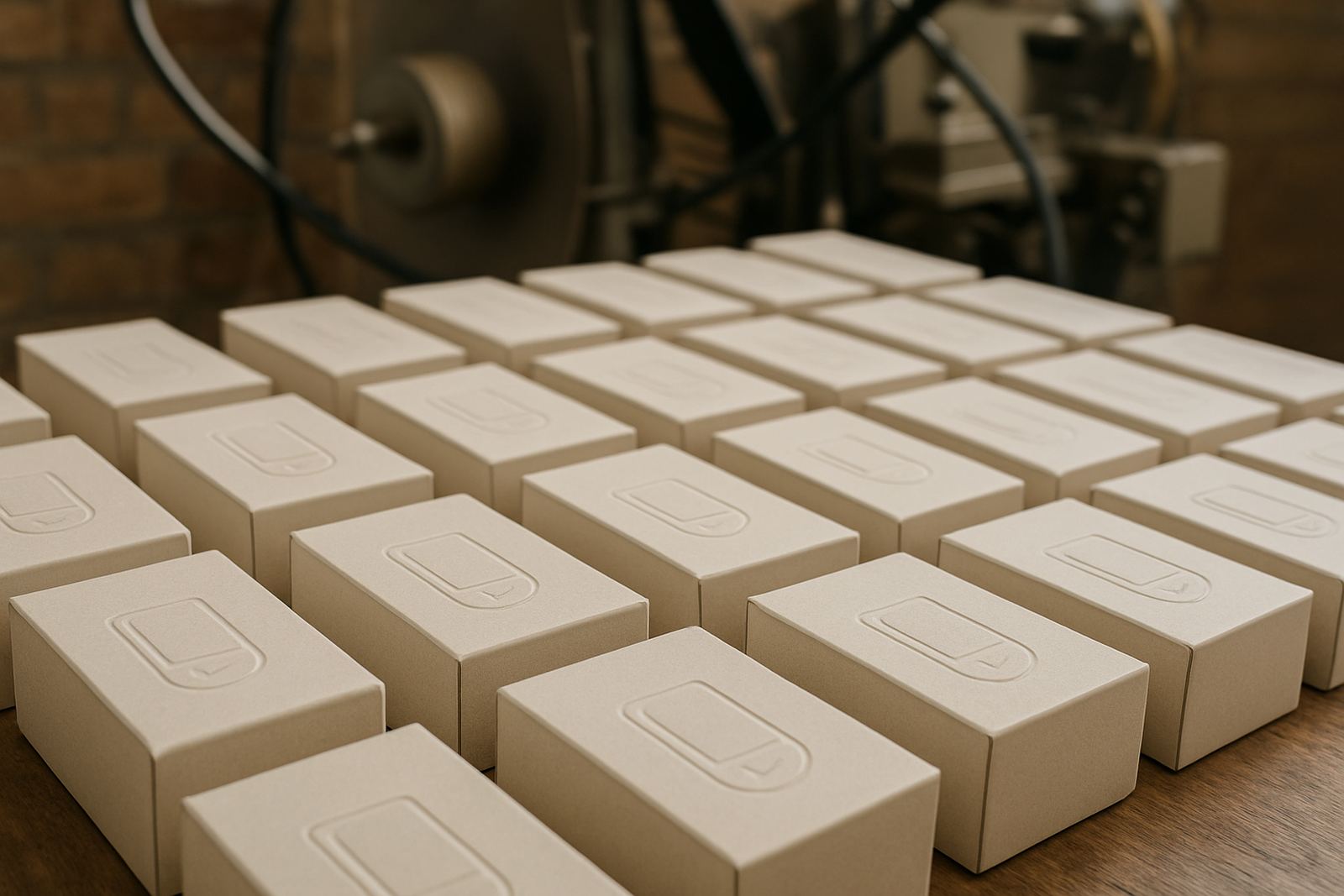
We usually see this use case on healthcare cartons for tablets, ointments, supplements and medical devices. The client wants clear foil, a crisp embossed logo or panel, and tooling that can cope with repeat orders without changing character. For that reason, the die material, counterforce setup and artwork prep all matter. If the carton board is coated, laminated or slightly fibrous, the die needs to be planned around the stock rather than forced onto it.
Typical tooling set for carton finishing
For pharmaceutical cartons, the usual setup is a brass die for longer runs or detailed artwork, a magnesium die for shorter and quicker jobs, and an embossing plate where raised or recessed detail is required. Depending on the carton style, the finisher may also need counterforce matching so the impression lands cleanly without crushing the board. On mixed schedules, some printers keep both a foil die and a matching embossing plate on file for repeat batches.
- Brass hot stamping die for long production runs and fine detail
- Magnesium die for short runs, testing and urgent carton releases
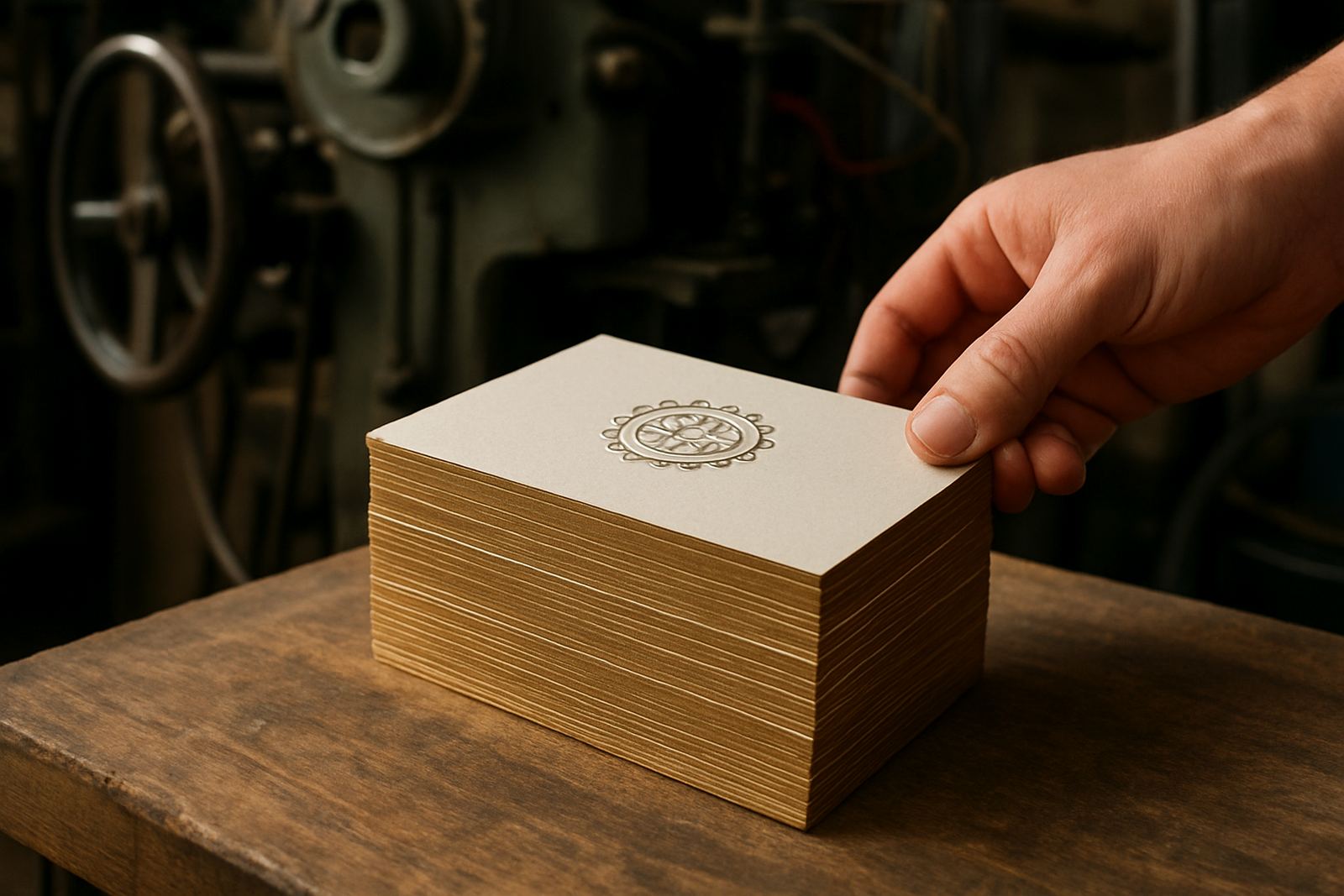
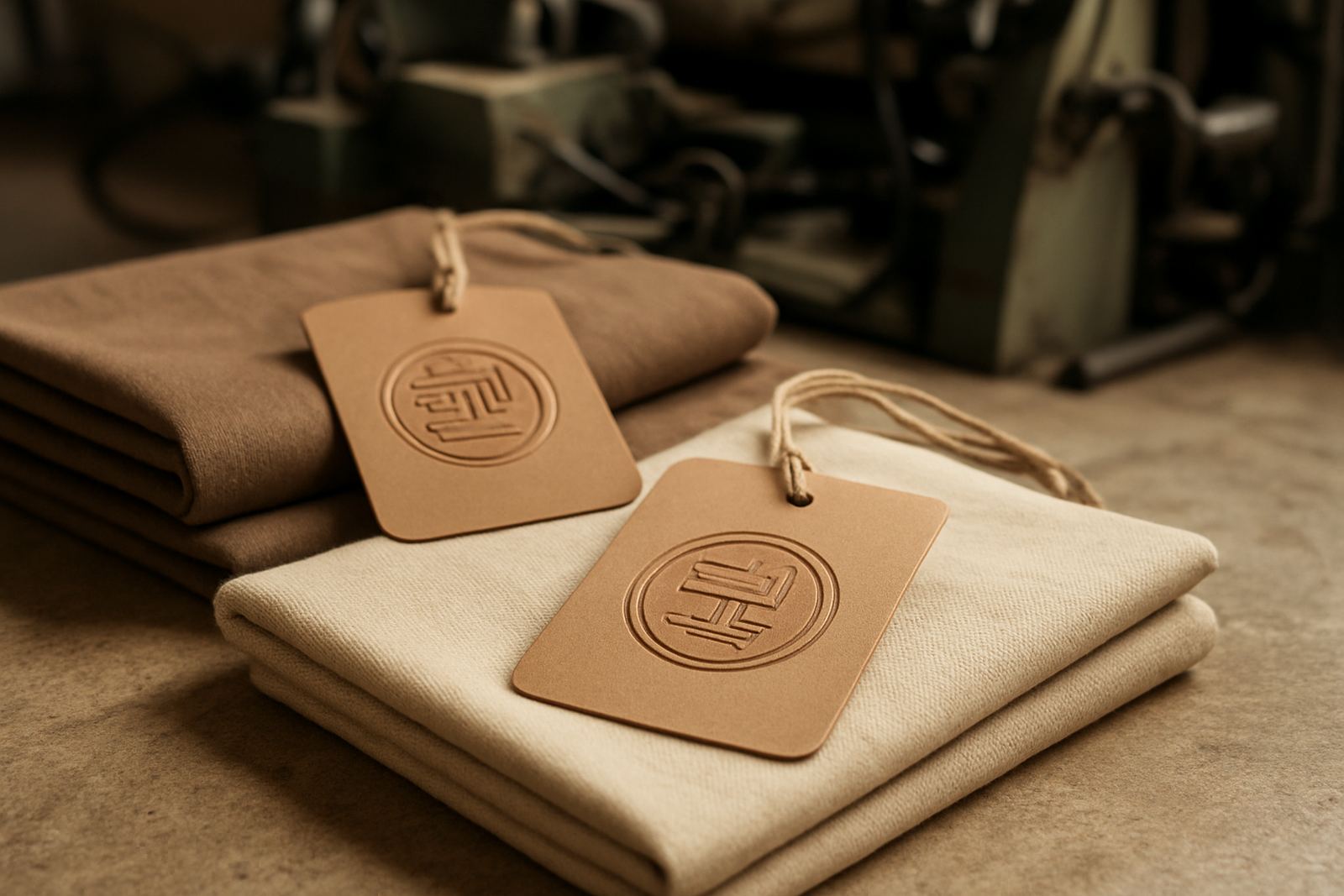
- Embossing plate for raised logos, borders or tactile marks
- Counterforce matched to carton board thickness and press pressure
- Artwork checks before engraving to catch stroke weight and spacing issues
For health-related packs, layout planning should take into account barcode panels, regulatory text, fold lines and glue areas. If the hot foil area sits too close to a crease, the finish can crack on folding. If the artwork is too close to the board edge, registration can wander during trimming or gluing. A careful plan at the beginning saves a lot of waste later.
Planning the carton layout before engraving
Good tooling starts with the carton structure, not just the logo. We look at panel size, the direction of fold lines, panel repeats, board caliper and where the finisher will apply heat and pressure. If the carton is being supplied into a humid coastal area like Durban or Gqeberha, board behaviour can change slightly and that needs to be allowed for in the counterforce and impression depth. Johannesburg conditions are drier, but load-shedding and production changes can still affect press timing so the tooling must be straightforward to set up again.
Before engraving, it helps to confirm the exact artwork version, the final trim size and whether the carton will be gloss coated, matt laminated or left uncoated. Those details influence line weight and spacing. Thin serif text and small decorative lines often disappear once the carton is folded and packed, so we normally advise using cleaner shapes and more space around the mark. A pharma pack should look tidy and legible, not busy.
- Send final dielines and finished carton sizes, not rough mock-ups
- Keep the stamp area away from folds, flutes and glue flaps
- Allow for board thickness when planning emboss depth
- Use simple, readable artwork for small packs and serial labels
- Confirm repeat order details so the next run matches the first
Common mistakes we see on healthcare carton jobs
One common mistake is asking for too much detail in a very small area. Fine lines may look good on screen, but on a carton they can close up or break during stamping. Another problem is placing foil too near the fold, which often leads to cracking after the box is formed. We also see artwork that has not been checked against the final panel sizes, which leads to text sitting too close to the edge or clashing with compulsory information.
Clients sometimes underestimate the difference between a sample impression and a full production run. A single hand sample can look acceptable, then the long run starts and the impression depth changes because the counterforce was not matched properly. In some cases the board is slightly harder or softer than expected. It is better to discuss the stock before engraving than to try and fix it after the cartons have been printed and creased. That is carefull work, and it pays off.
For repeat pharmaceutical work, job filing is useful because the same carton may return months later with a small artwork change. Keeping the previous die notes, board details and finishing instructions on file makes repeat ordering faster and more consistent.
Budget ranges for carton dies and embossing plates
Budgets depend on size, detail level, material and whether you need a fresh design, a repeat order or an alteration to an existing tool. Small magnesium dies for short-run carton work are usually the most affordable. Brass dies cost more, but they are better value when the carton will run often or the artwork needs a high level of detail. Embossing plates and counterforce matching add to the cost, but they also reduce rework on press.
As a practical guide, many simple magnesium jobs start from around R650 to R1 500. Brass dies for more detailed pharmaceutical cartons often sit from about R1 800 to R4 500, while larger or more intricate sets can go higher depending on engraving time and the amount of prep. If an embossing plate and counterforce matching are needed, allow an additional R600 to R2 000 or more, based on size and complexity. Urgent turnaround and courier dispatch nationwide can also affect the final total.
For print finishers in Bloemfontein, Polokwane or Mbombela, courier timing is often just as important as price. A good budget should include planning for the press schedule, packing and safe dispatch so the die arrives ready for use rather than needing another round of fixes.
How we handle urgent pharmaceutical carton orders
When a carton job is under pressure, the key is clear information and quick approval. We start with artwork checks, confirm the die size and material, then move to engraving production once the details are signed off. If there is an existing tool that needs die alterations or cleaning, we assess whether it can be reused safely or whether a new die will give a better result. That avoids delays when a launch date is already fixed.
Our team works from Industria in Johannesburg and couriers dies to finishers and packaging houses nationwide. Sibusiso handles dispatch coordination, while Megan checks the artwork layout before engraving, and Johan manages the die cutting detail on the production side. For repeat jobs, we can also advise on sample impression issues and whether the press should be adjusted before the full run starts. The aim is simple: give the finisher a tool that fits the carton, prints cleanly and arrives on time.
If you are running healthcare packaging with tight deadlines, it helps to share the carton type, board spec and finishing method at the beginning. That way the die is made for the real job, not an assumed one.