
When a sleeve has to carry the whole launch
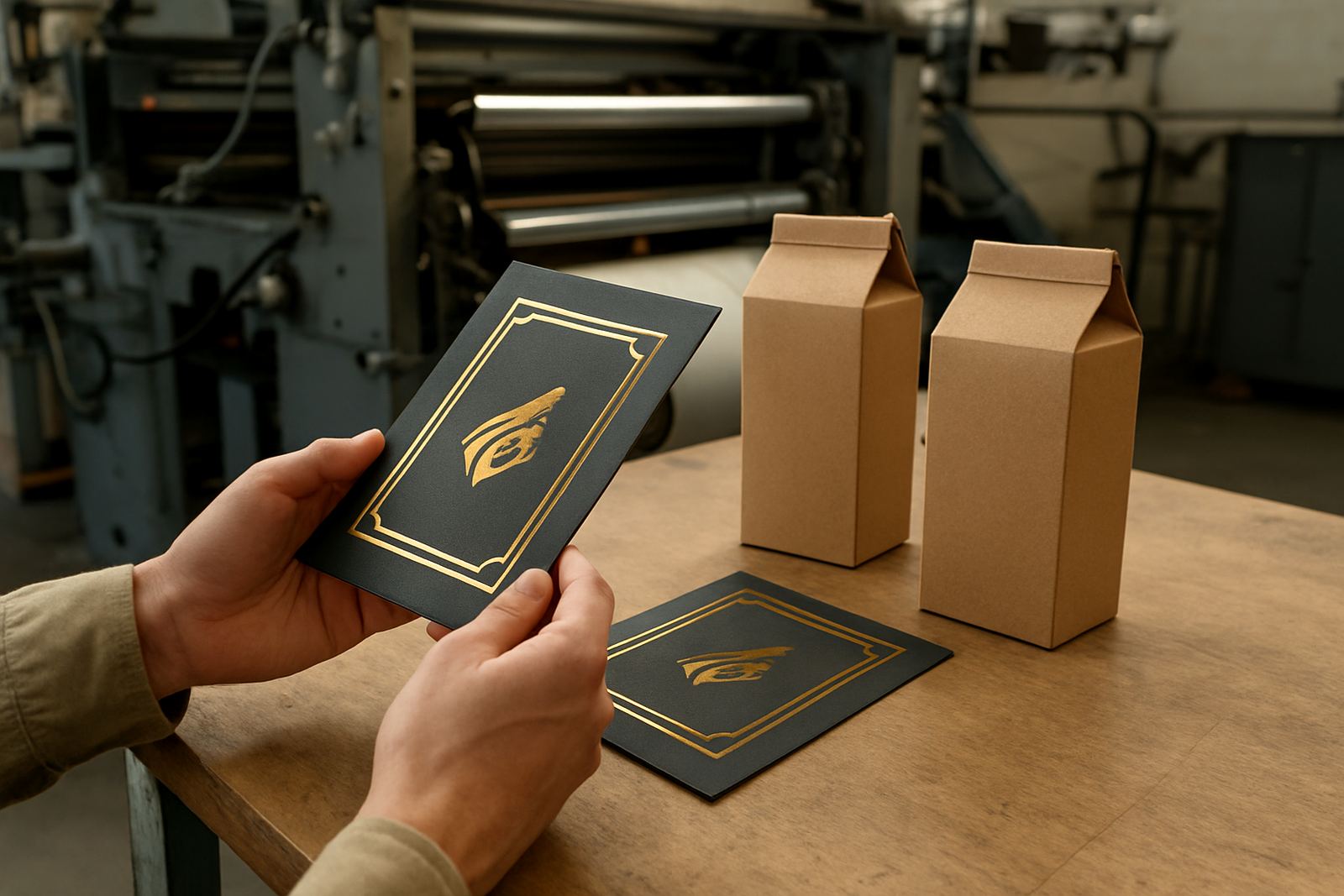
A promotional sleeve usually wraps a carton, slide pack or folded insert for a short run campaign, a product launch or a seasonal promotion. The print finish has to do more than look neat. It must carry the brand message, the promotion details and often a premium feel without slowing down packing or causing trouble on the press.
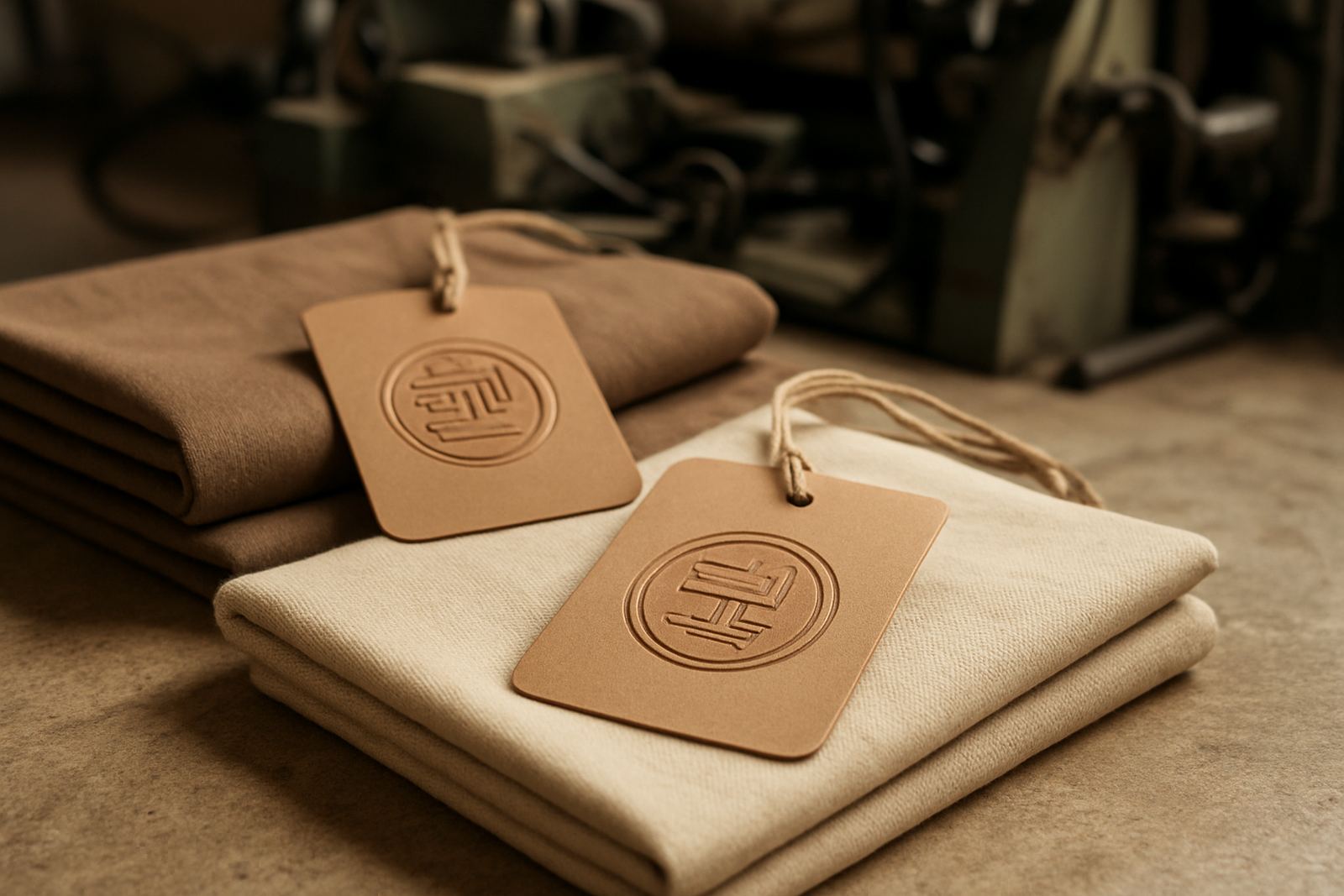
For this kind of work, the die needs to suit the sheet size, the foil coverage and the amount of pressure the finisher can apply. A sleeve might only need a logo hit on one panel, or it may use full front panel embossing with a foil accent and a clear fold-safe area around the glue flap. If the panel is too busy, the result can show crushed type or weak foil pickup, especially on coated board and lighter weight stock.
We work with print finishers, packaging houses and trade shops nationwide, from Industria in Johannesburg to Pretoria, Durban, Cape Town, Gqeberha, Bloemfontein, Polokwane and Mbombela. The aim is simple: make the sleeve look expensive, while still running properly on the machine and getting out the door in time for the campaign.
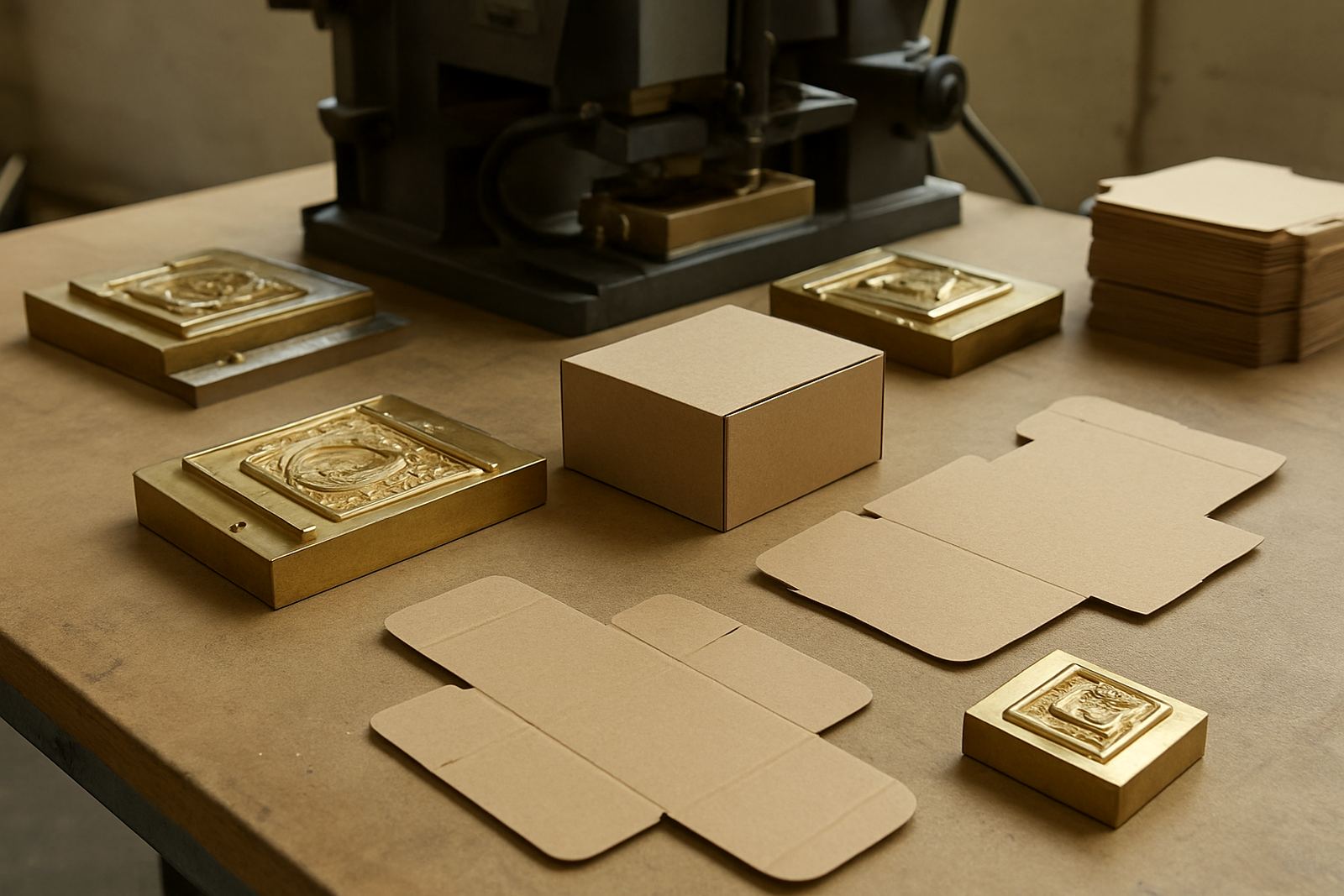
Typical die set for foil and emboss sleeves
Most promotional sleeve jobs call for a brass die where detail is fine, the run is tighter, or the artwork includes small lettering, sharp borders and repeated marks. Magnesium is often used where the artwork is simpler or where cost needs to stay down on short promotional runs. The right choice depends on heat, pressure and how much wear the job is likely to take.
- Brass hot-stamping die for fine logos, tight linework and repeat campaigns
- Magnesium die for shorter runs and lower cost promotional work
- Embossing plate where raised detail has to sit cleanly on the sleeve face
- Counterforce matching to help the impression stay even across the panel
- Sample impression advice if the sleeve stock is sensitive or heavily textured
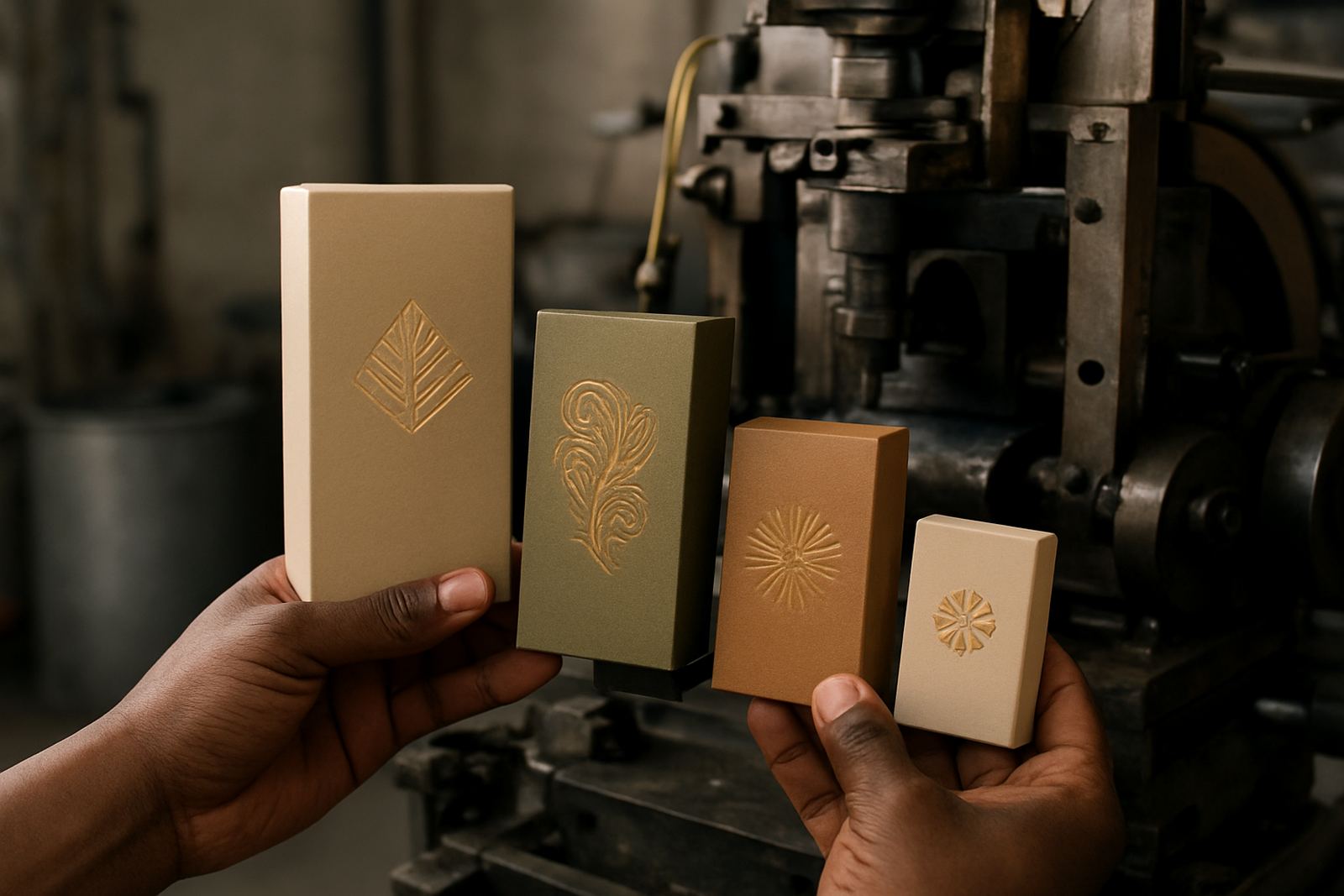
If the sleeve has both foil and emboss, the artwork must allow enough room for each effect to work properly. Very small text can fill in, while broad solid areas can show uneven pickup if the board is too rough or the press settings are off. A practical die layout saves time later and helps the finisher avoid rework.
Planning the artwork before the dies are cut
The cleanest promotional sleeves start with proper artwork checks. We look at line weight, spacing, fold positions, glue areas and any section that may be creased, cut or hidden once the sleeve is assembled. This matters because a design that looks fine on screen can lose its effect once it is wrapped around a carton or packed into a campaign kit.
For best results, keep the foil and emboss zones away from folds and avoid placing important detail too close to trim edges. Leave enough clear space for registration marks and make sure the panel size matches the actual finished sleeve, not just the flat artwork size. If the sleeve is going onto a thick insert or a pack with tight tolerances, tell us early so the die can be planned around the real job, not a guess.
We also recommend checking how the sleeve will be packed and couriered. Promotional work often moves fast, and one incorrect measurement can hold up the whole campaign. If your board is changing because of supply issues or a municipal print schedule is forcing a different finishing day, say so before engraving starts. It saves money and avoids last minute changes.
Common mistakes that push up the cost
Promotional sleeves can become expensive when the die is ordered too late or the artwork is not ready for production. A rushed change after engraving has started usually means alteration charges, extra proofing and a delay that affects dispatch to the print finisher or packer. That is why repeat ordering records and job filing matter, even on smaller campaigns.
- Ordering before the final sleeve size is confirmed
- Putting fine foil text too close to folds or glue tabs
- Using heavy emboss depth on thin board that cannot hold the shape
- Ignoring the need for counterforce on fuller coverage jobs
- Leaving no time for a sample impression on a new stock choice
Load-shedding can also affect production timing, especially on hot-stamping schedules that need a steady run once the press is set up. For that reason we always suggest realistic lead times. If you are planning a launch week in Durban or a year-end campaign in Cape Town, build in a little extra time for approvals and transport. It is cheaper than paying for urgent recovery work later on.
Budget ranges for sleeve campaigns in Rand
Budget depends on the size of the sleeve, the number of panels needing detail, whether the job is foil only or foil plus emboss, and whether the order is a one-off or a repeat. A simple magnesium die for a small logo or short promotional line can start in the lower hundreds of Rand, while a more detailed brass die for a premium sleeve can move into the low thousands.
For sleeves that need matching counterforce, sample impression support and careful artwork checking, allow more than a basic stamp job. A mid-range campaign pack die often falls between R1 500 and R4 500, while more intricate brass work can run higher depending on size and detail. If the job needs alterations, rush handling or a second set of plates for a repeat issue, those items should be budgeted separately.
The most cost-effective approach is to start with accurate dimensions and final artwork, then choose the die material to suit the real run. That way the promotional spend goes into the finish on the shelf, not into avoidable corrections.
How we handle urgent dispatch and repeat sleeves
Promotional sleeves often come with tight launch dates, so the dispatch side has to be as organised as the engraving. Once a die is approved, we package it properly for courier delivery nationwide and keep the job details filed for the next repeat. That makes it quicker to reorder the same sleeve later, or to make small changes for a follow-up campaign.
We can also assist with die cleaning, damage assessment and alterations if a customer is working from an older job. Sometimes a campaign only needs a slight wording change or a different foil position and it is better to adapt the existing die where possible. If the original die is worn, we will say so clearly rather than sending out something that will give poor results on press.
From our Johannesburg base in Industria, we support clients who need a practical supplier for short-run promotions and larger packaging programmes alike. The work is straightforward: check the artwork, match the die to the stock, get the impression right, and send it out without fuss.