Where Cosmetic Packaging Needs the Most Control
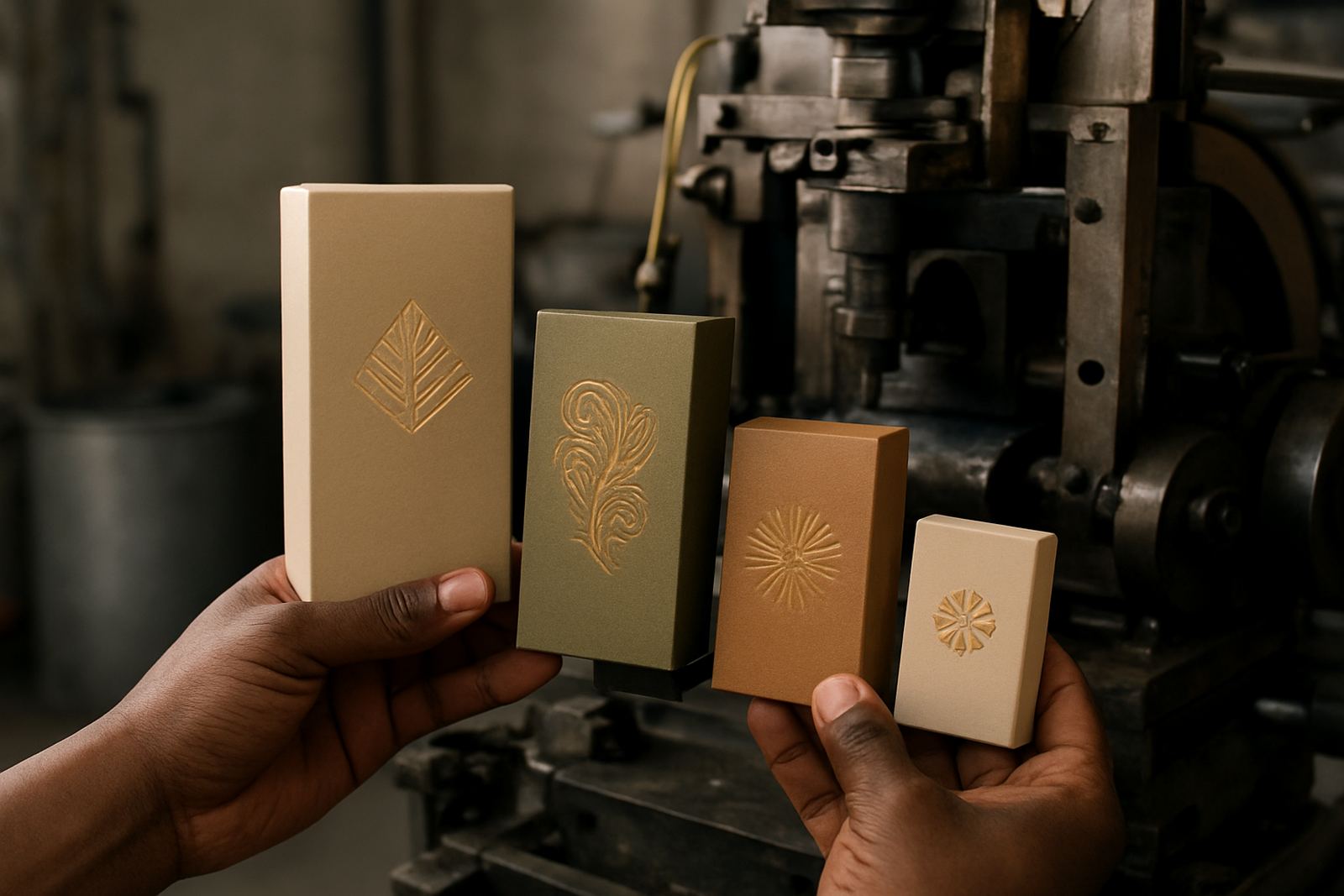
Beauty packaging is unforgiving. A small shift in foil position, too much pressure, or a weak counterplate can make a premium carton look ordinary. We work with cosmetic packaging jobs where the finish is part of the sale, including skincare boxes, fragrance cartons, sample packs, gift sets and rigid presentation items.
In Johannesburg, Pretoria, Durban, Cape Town and the other major centres, most of these jobs move between printers, finishers and packaging houses. That means the die has to suit the actual production line, not just the artwork. If the carton board is coated, textured, or has a tight fold sequence, we look at the impression depth and the make-ready before engraving starts.
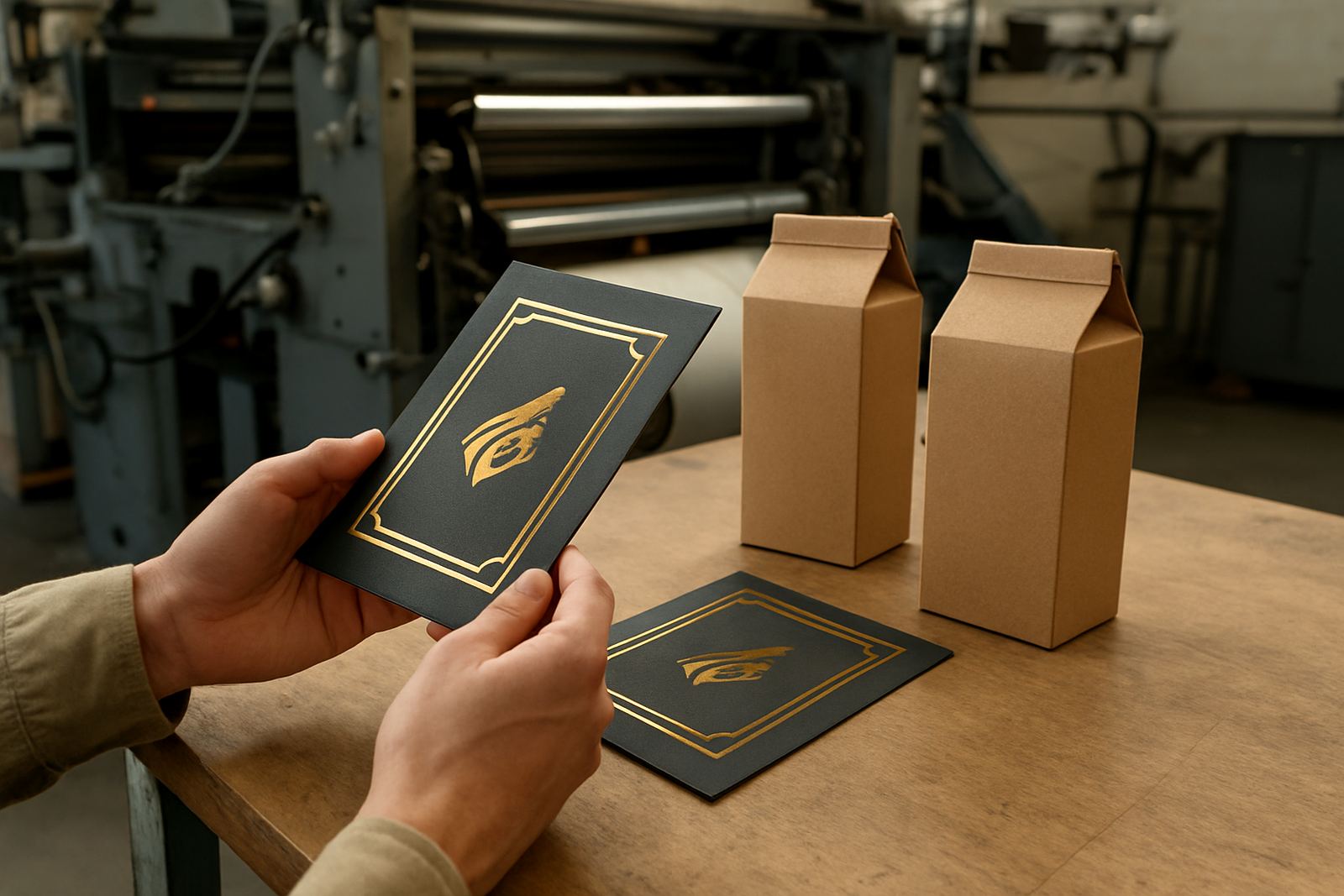
For cosmetic work, clarity matters more than heavy foil coverage. Thin script, small logos, border rules and embossed panels need clean edges. If the design has metallic foil on a dark board, or a soft-touch laminate with a blind emboss, the die choice and the counterforce both need careful matching.
Typical Die Set-Up for Beauty Cartons and Sleeves
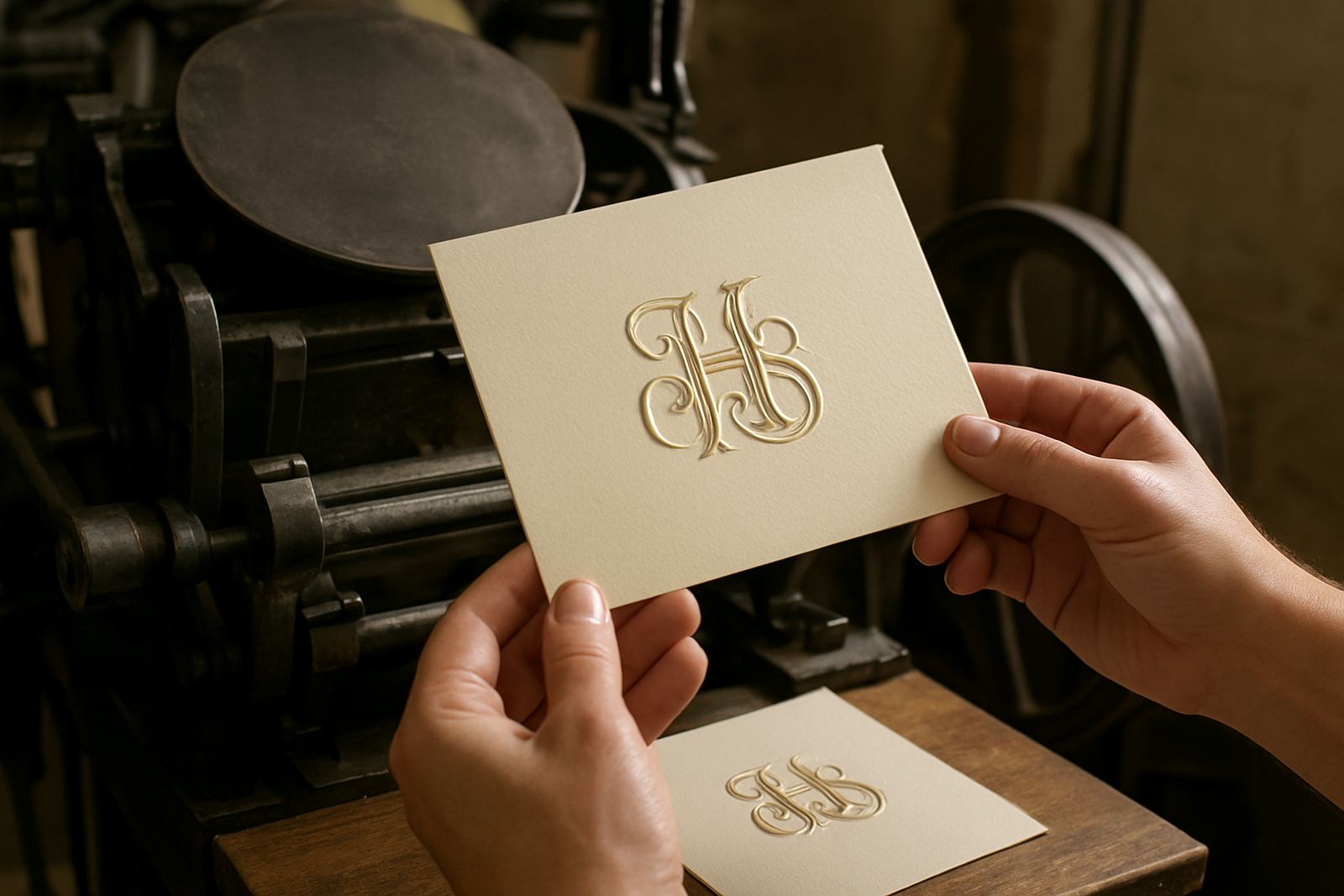
The right equipment set depends on the substrate and the finish. For cosmetic packaging, we usually see brass dies for longer runs and detailed artwork, while magnesium dies are common for lighter runs or where turnaround is tighter. Embossing plates are often used alongside hot-stamping dies when the brand wants raised detail, not just foil.
- Brass die for fine logo work, micro text and longer production runs
- Magnesium die for shorter runs, samples and urgent production
- Embossing plate for raised marks, seals and tactile panels
- Counterforce or counterplate matching for clean pressure distribution
- Sample impression checks before full production starts
On cosmetic cartons the most common problem is uneven pressure across the panel. A large flat area may stamp well, then the edges go soft because the board is springing back. We check the artwork, die depth and foil area so the finisher can get a usable impression on press without wasting material. That matters on imported boards too, where thickness can vary by batch.
Layout Advice Before the Die Goes to Engraving
Good planning saves money. Before a cosmetic packaging die is made, we recommend checking the dieline, the fold positions, glue tabs and any areas that will sit close to a crease. A logo placed too close to a fold will distort when the carton is made up. That is one of the most common mistakes on beauty packaging jobs.
Keep foil features away from sharp creases where possible, and allow enough flat area for pressure. If the design has a fine border around a lid flap or side panel, give it breathing room so the press operator can register it accurately. We also suggest confirming whether the finish is for one side only or if there are multiple panels needing separate dies.
- Allow margin from folds, cuts and glue areas
- Use clear artwork with line weights that will survive engraving
- Confirm the carton board and coating before approval
- Decide early if the job needs foil, blind embossing or both
- Keep repeat orders filed so the same setup can be matched later
If the brand is rolling out a range across several pack sizes, it helps to standardise the logo position and foil height. That makes repeat ordering easier and keeps the look consistent across the range, especially when jobs are being couriered between Gauteng, KZN and the Western Cape.
Common Mistakes on Luxury Beauty Packaging
We often see cosmetic jobs come in after a few production errors have already happened. The most common issue is artwork that looks fine on screen but is too delicate for actual engraving. Fine gradients, weak hairlines and tiny reversed text can disappear once the die is made.
Another frequent problem is expecting a single die to handle very different boards. A magnesium die that works on one carton may not hold the same detail on a harder or more textured board. The same applies to embossing depth. If the rise is too shallow, it disappears under lamination. If it is too deep, the board can crack.
Humidity also matters. In Johannesburg and coastal cities like Durban and Gqeberha, board behaviour can change with storage conditions. If cartons sit in a hot area or absorb moisture, the impression can shift. That is why we ask for the board specification and packaging conditions before we start, not after the first press run has failed.
Urgent Jobs, Repeat Orders and Courier Turnaround
Cosmetic launches are often tied to retail deadlines, events and seasonal promotions. When a finisher needs a fast replacement die, we can prioritise urgent turnaround, subject to artwork approval and production capacity. For repeat work, we keep job filing in order so the same die details can be matched again without starting from scratch.
Courier dispatch from Industria, Johannesburg goes nationwide to print finishers and packaging houses in Pretoria, Durban, Cape Town, Bloemfontein, Polokwane, Mbombela and Gqeberha. Good packing matters because dies need to arrive clean and protected, especially if the job will go straight onto press. We also handle cleaning and damage assessment when a die comes back worn or marked.
For brands running regular cosmetic ranges, repeat ordering is usually more cost-effective than new setup every time. If the artwork stays the same and only the pack size changes, we can advise whether alteration is enough or whether a fresh die will give better registration.
Budget Ranges for Cosmetic Packaging Dies
Costs depend on size, detail, material and whether the job includes embossing, counterforce matching or alterations. For cosmetic packaging, small magnesium dies for simple marks often start in the lower range, while detailed brass dies for premium cartons sit higher because the engraving takes longer and needs more finish work.
As a practical guide, many cosmetic packaging jobs fall somewhere between R950 and R3,500 for smaller dies, while more detailed brass dies, larger embossing plates or matched setups can run from about R3,500 to R9,500 and up depending on complexity. A full set for a premium fragrance box or multi-panel beauty pack can move higher if the artwork is intricate or if sample impression advice is needed before approval.
The cheapest option is not always the right one. If a cheaper die gives poor detail, you spend more later on make-ready, spoilage and delays. It is better to match the die type to the board and the finish from the start.
Working With a Die Team That Knows Print Finishing
Beauty packaging is not the place for guesswork. You need a die that respects the artwork and a team that understands how the press room works. Our process covers artwork checks, die design, engraving production, counterforce matching, urgent turnaround, cleaning, alterations and packing dispatch from our Johannesburg base.
Whether the job is for a high-end skincare carton in Cape Town, a fragrance label in Durban or a luxury gift pack in Pretoria, the aim is the same: accurate detail, clean impression and delivery that arrives ready for use. If the brief is tight, send the artwork early and tell us what board and finish you are using. That saves time and avoids back-and-forth later on.
Cosmetic packaging needs a steady hand and the right materials. When the die is made properly, the finish looks crisp, the foil sits cleanly, and the packaging does what it should do on shelf.