When a folding carton needs more than print
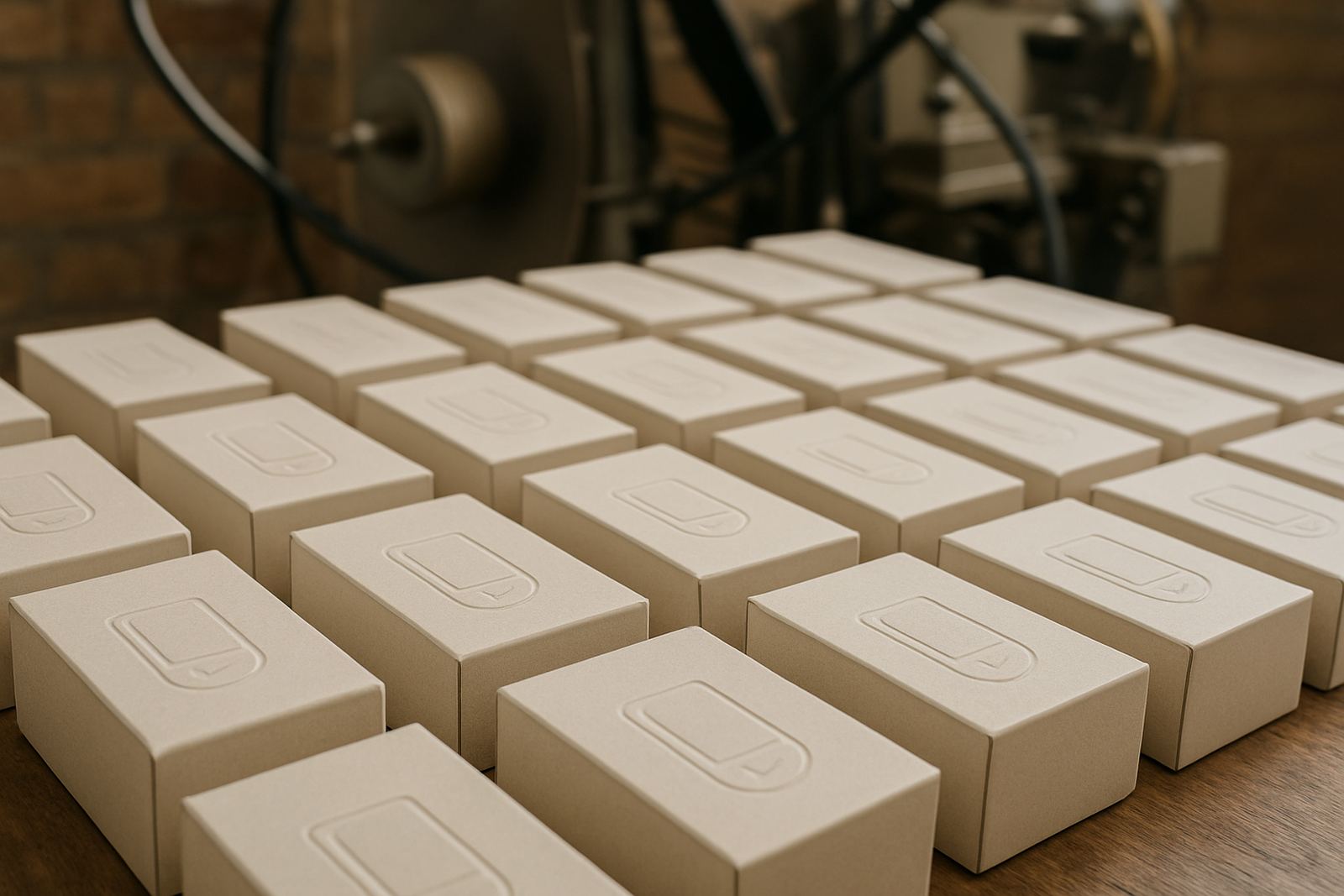
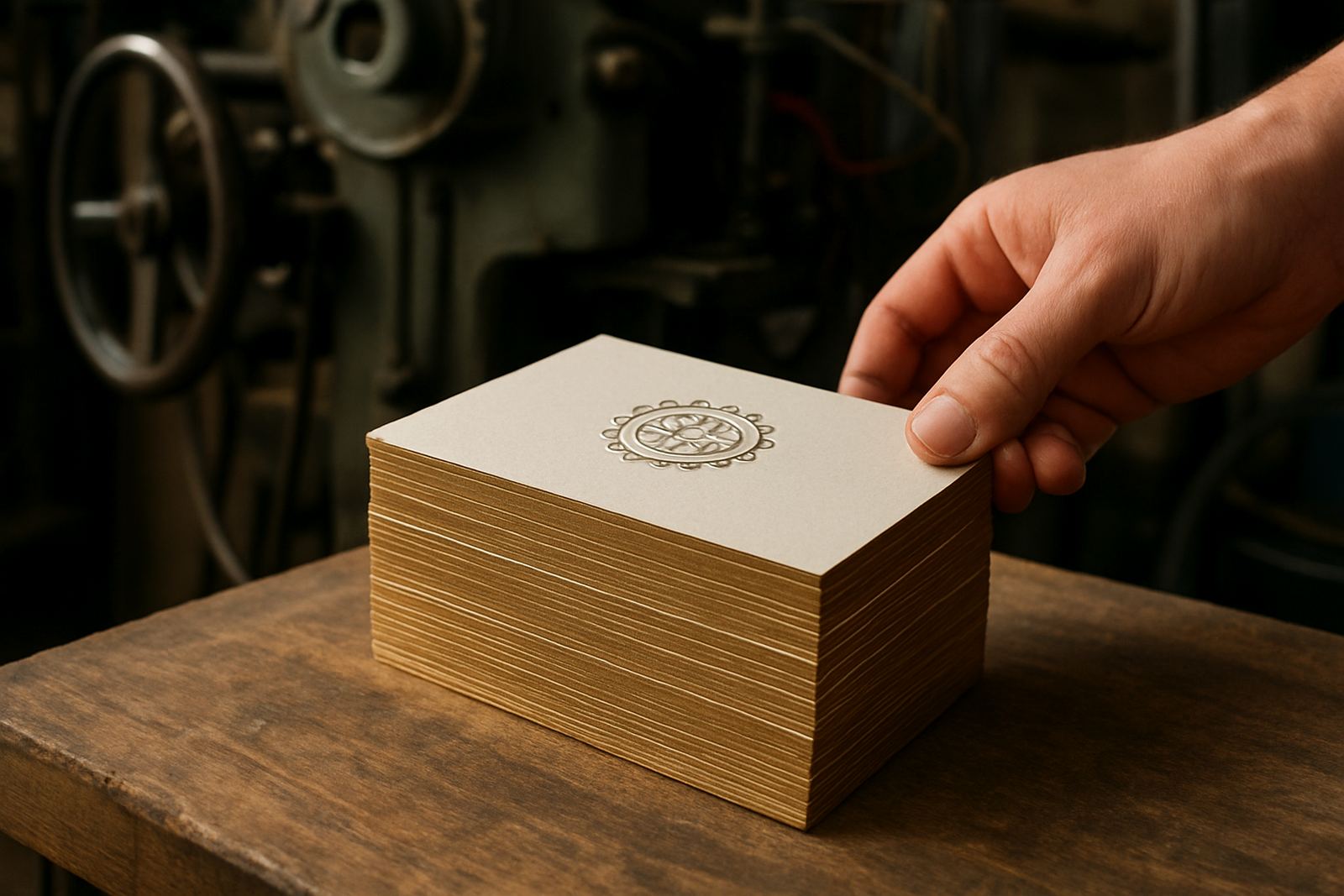
Folding carton jobs are usually judged in seconds on shelf, so foil, emboss and deboss detail has to stay crisp across the whole run. That means the die must suit the board, the ink coverage, the crease positions and the finishing method, otherwise you end up with patchy transfer, crushed edges or marks around the logo.
We work with packaging houses and print finishers handling cartons for cosmetics, food, liquor, health products and retail promotions. In most cases the brief starts with one goal: make the pack look premium without slowing the job down. That is where proper die design, counterforce matching and careful prepress checks matter.
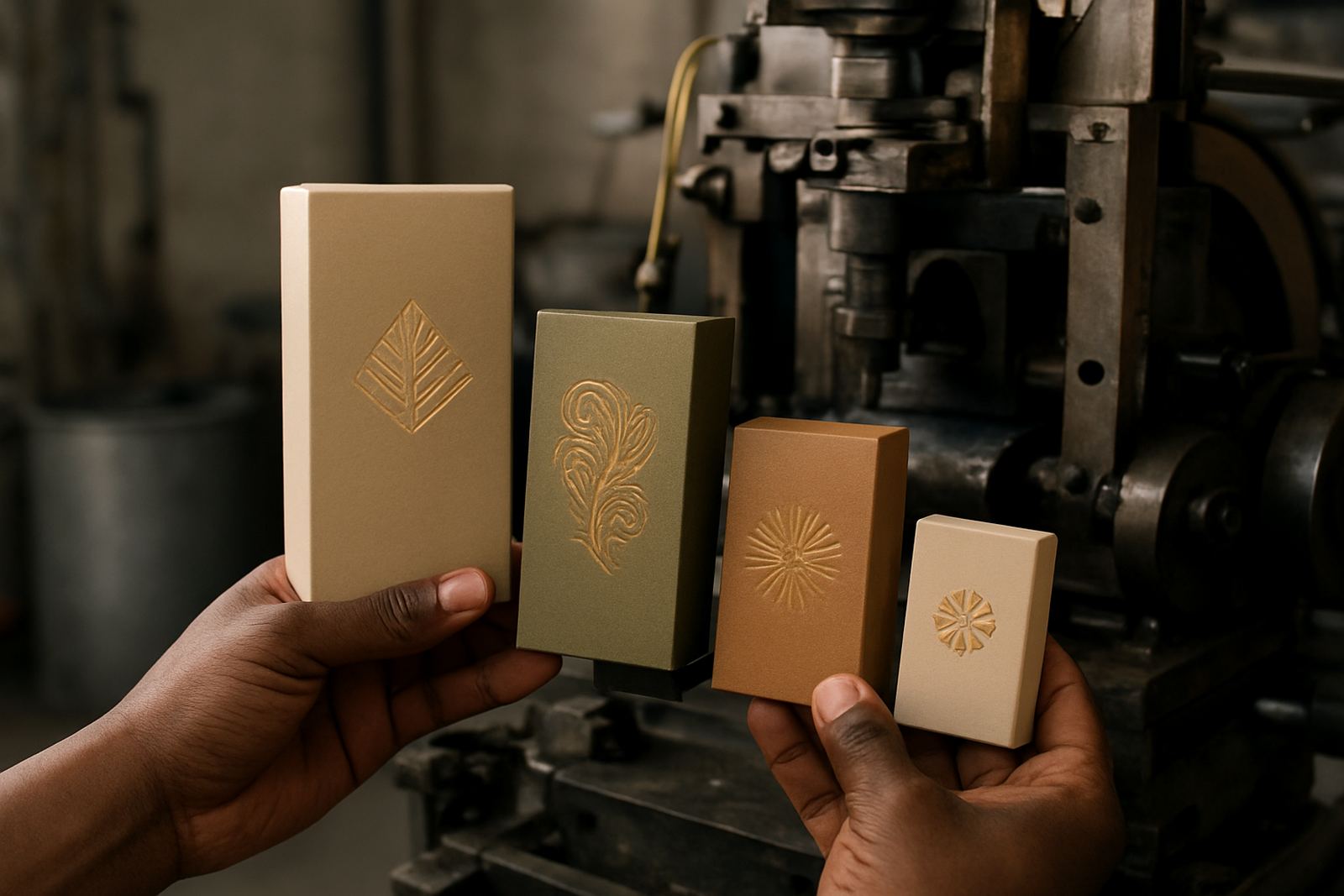
- Branded cartons with foil blocks and fine line detail
- Embossed logos, crests and text panels
- Short run sampling and repeat production
- Jobs that must ship to Johannesburg, Durban, Cape Town or regional plants on a tight timeline
Typical tooling for carton finishing lines
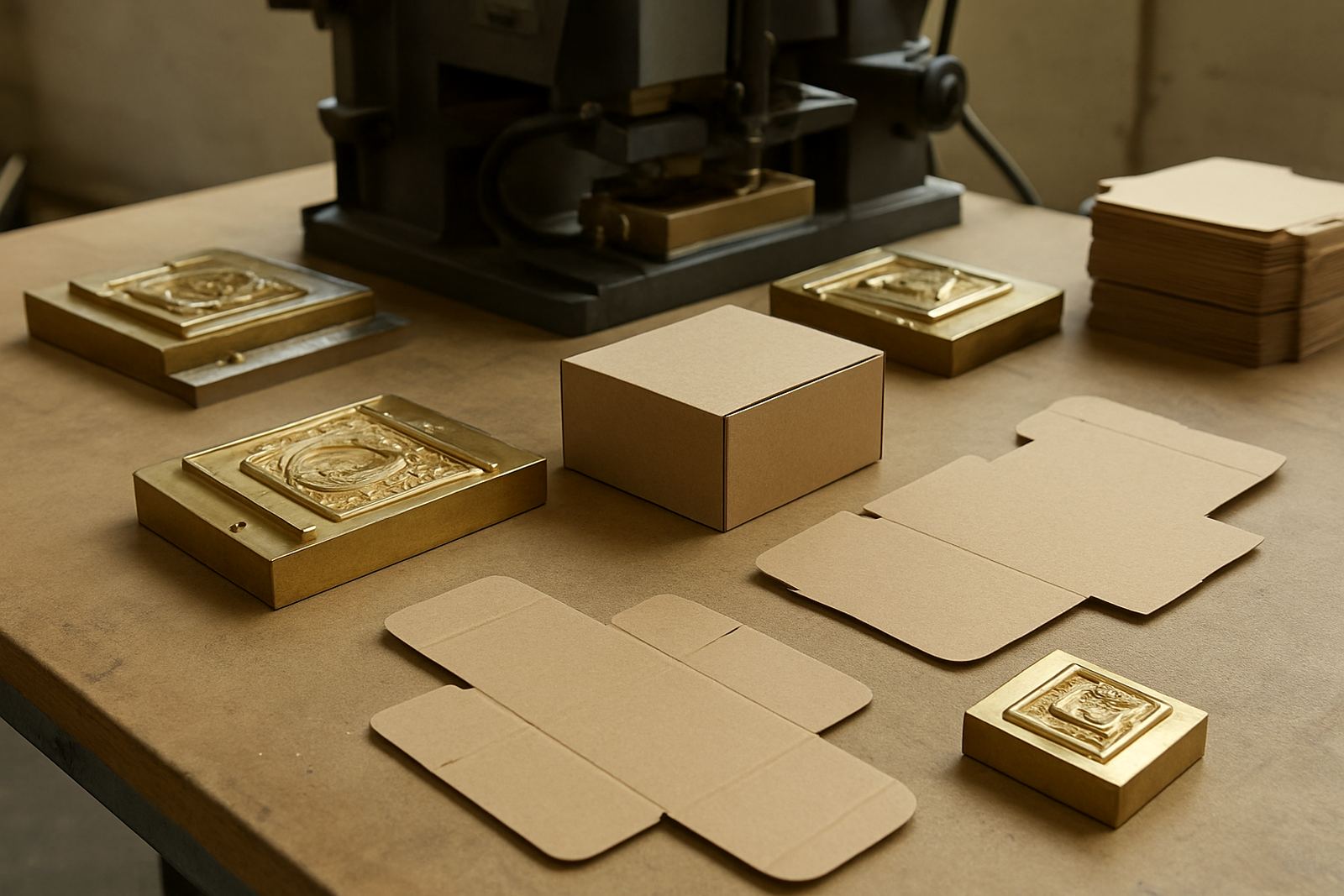
The tooling set for folding cartons depends on whether you are applying hot foil, blind emboss, registered emboss or a mix of the above. Brass dies are often chosen for detail and longer runs, while magnesium is useful where the brief is lighter duty or turnaround is important. For carton work, we also look at plate thickness, mounting method and the way the artwork sits on the sheet.
Common equipment and accessories include heated foil tools, embossing plates, counterforce pieces, chase mounting, packing inserts and sample impression checks. If the carton has multiple panels or a repeating motif, we plan for repeat positioning and the exact trim allowance so the finish does not drift. A good die saves time at make-ready and reduces spoilage, which is important when board costs are already high.
- Brass hot-stamping dies for fine detail and repeat use
- Magnesium dies for quicker production needs
- Embossing plates for raised or recessed carton features
- Counterforce matching to support even pressure
- Artwork checks before engraving starts
Planning layout for panel registration and folds
Carton tooling should be planned with the board layout, crease lines and glue flap in mind from the start. If the foil panel sits too close to a score line, the impression can crack when the carton is folded. If artwork is too busy, the finish can look crowded on a compact pack face. We check these practical issues before production so the job runs cleaner the first time.
For cartons with several variants, such as flavour or size changes, it helps to keep the core mark in one position and alter only the variable text. That keeps repeat ordering simpler and reduces the chance of mismatched tooling later. On larger production schedules, this also helps when jobs are couriered to different finishers around Johannesburg, Pretoria or the coastal centres.
- Keep fine detail away from score lines and glued edges
- Allow enough clear space for the foil or emboss to read properly
- Plan for board grain direction and folding stress
- Confirm repeat positions before engraving starts
Common mistakes on carton emboss and foil work
Most carton problems come from trying to make one tool do too much. Very thin lines can disappear on textured board, while small reversed text may fill in under pressure. If the artwork was set up for flat print only, the finisher may battle to get the same clarity once heat and pressure are added. It is better to adapt the detail early than to fight the job on press later.
Another common issue is underestimating turnaround. When a launch date moves, some clients ask for urgent turnaround without allowing time for artwork checking or sample impressions. That can be done, but the file still needs to be right. We also see damage from poor packing when tooling is couriered to Durban, Cape Town or Gqeberha, especially in busy seasons when parcels are handled more than once. Clean packing and job filing reduce those delays.
- Using detail that is too fine for the chosen board
- Placing foil too near folds or glued edges
- Skipping sample impression advice before the full run
- Poor packing that bends tooling in transit
Budget ranges for folding carton tooling
Cost depends on the size of the panel, the complexity of the logo, the type of metal and whether the job needs one tool or a matched set. For simpler carton foil blocks, a magnesium tool may sit in a lower budget range, while detailed brass work and matched embossing plates sit higher because of the engraving time and finishing required. If the job needs alterations or repeat versions, that also affects the final quote.
As a working guide, small simple carton dies can start from about R850 to R1,800. Mid-range branded carton tools with better detail often fall between R1,900 and R4,500. Larger or more precise brass sets, especially where emboss and counterforce matching are needed, can range from about R4,800 to R12,000 or more depending on artwork size and finish requirements. If you need a rush job, factor in urgent turnaround and couriering costs too, because tight deadlines are common in packaging.
We price on the actual brief, not on guesswork. That helps packaging buyers compare options properly and budget for the full job instead of only the die. For long-run carton programmes, repeat ordering usually makes planning easier and keeps production moving with fewer surprises.
What to send with your enquiry
To get the right die first time, send the carton artwork, the finished size, the board type if known and a clear note on whether the job is foil, emboss or both. It also helps to include the panel position, any crease lines, whether the run is for a local launch or nationwide distribution and the delivery town. If you already have a sample impression, send that too, because it helps us spot pressure or alignment issues quickly.
Our team in Industria handles artwork checks, die design, engraving production, damage assessment, sample impression advice and dispatch. That means the same job can move from prepress through to courier without the back and forth that slows print finishing. If you are working to a store launch, trade show or seasonal pack update, that practical flow matters more than fancy talk.
- Finished carton size and artwork file
- Board type and finish, if known
- Foil, emboss or combined tooling request
- Required delivery town and deadline