
When a bottle label needs more than ink
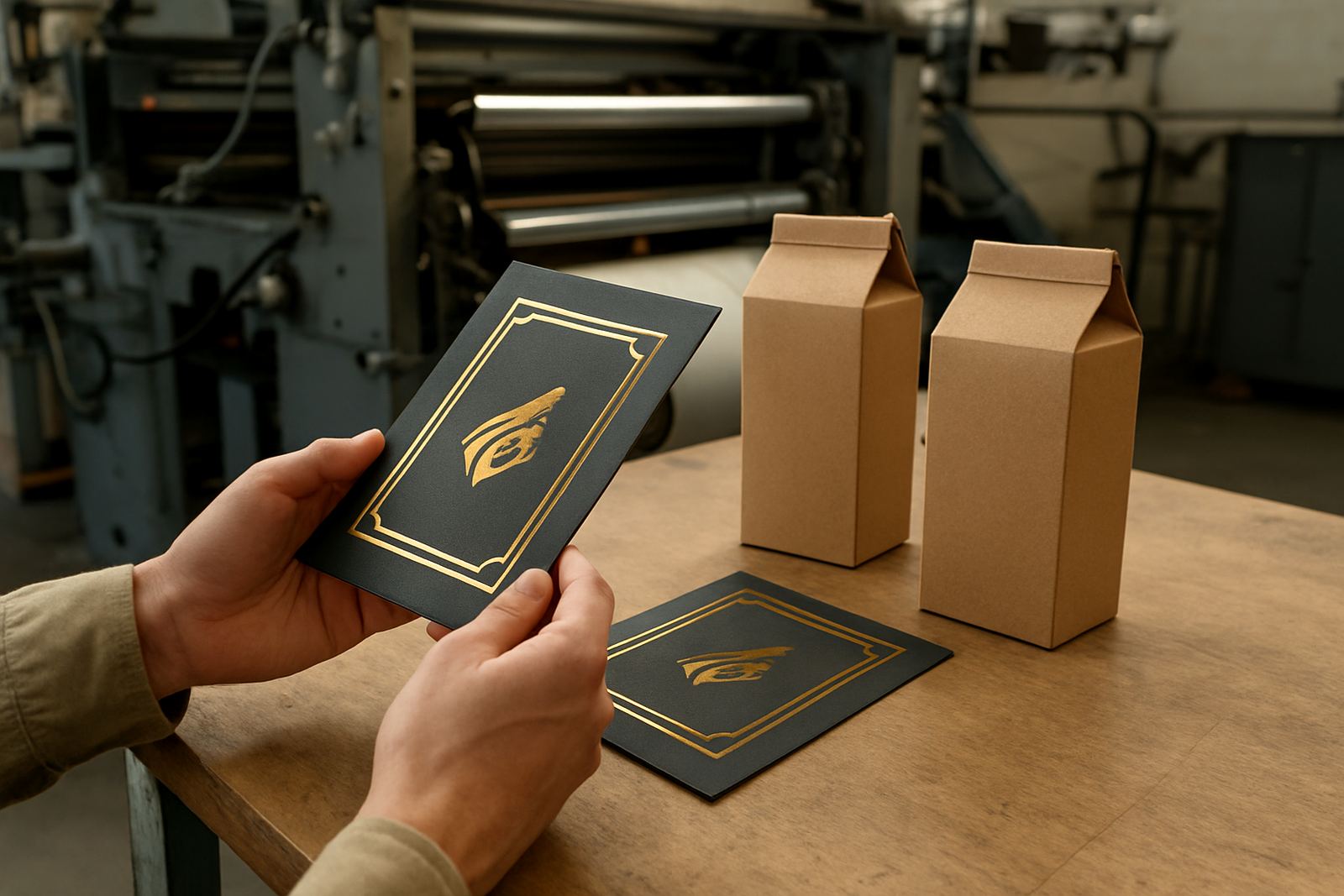
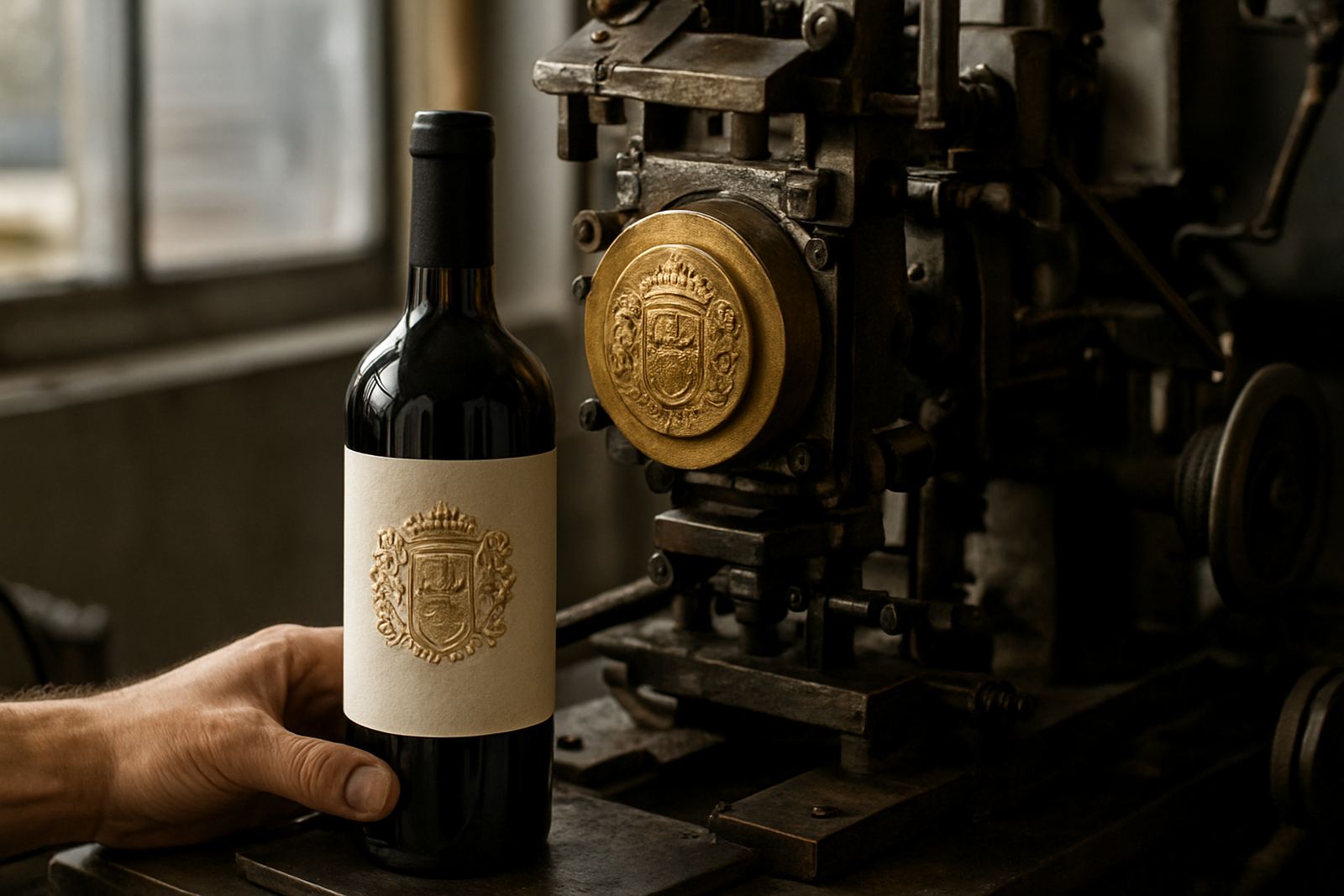
Wine and spirits labels often have to do a lot in a small space. A neck label, front label or prestige carton panel may carry fine type, a crest, a border, foil blocking and texture all on the same sheet. If any one part is off by half a millimetre, the label can start looking tired instead of premium.
We work with print finishers who need dies that give a crisp impression on coated paper, board, self-adhesive stock and laminated labels. For premium wines and spirits, the finish has to stay sharp after cold room storage, handling in bottling plants and transport from Johannesburg to coastal towns where humidity can be a problem.
For these jobs, the die must suit the actual label stock and the press set-up, not just the artwork. That means checking the foil window, emboss depth and any fine linework before production starts. It saves time later and reduces waste, which matters when a run is booked tightly around bottling dates.
Typical die set-up for premium label finishing
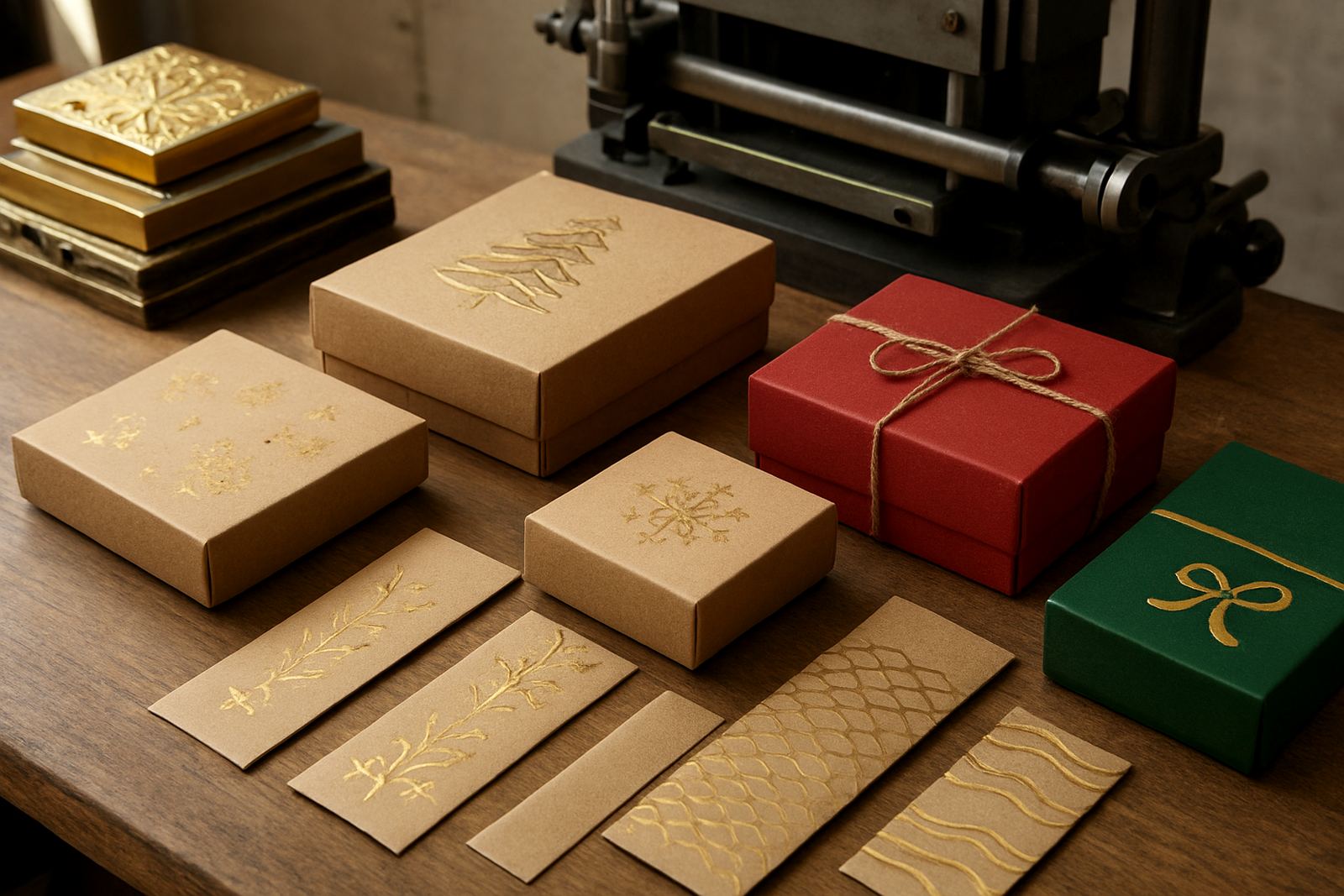
The right tool depends on the finish plan. A wine label with subtle foil and blind embossing needs a different approach from a spirits label with heavy metal foil, deep embossing and a shaped cut line. We make brass and magnesium hot-stamping dies and embossing plates to suit the work, with counterforce matching where needed for cleaner pressure transfer.
Common set-ups for bottle labels include:
- Brass dies for longer runs, finer detail and heavier pressure work
- Magnesium dies for shorter runs and quicker turnaround on simpler artwork
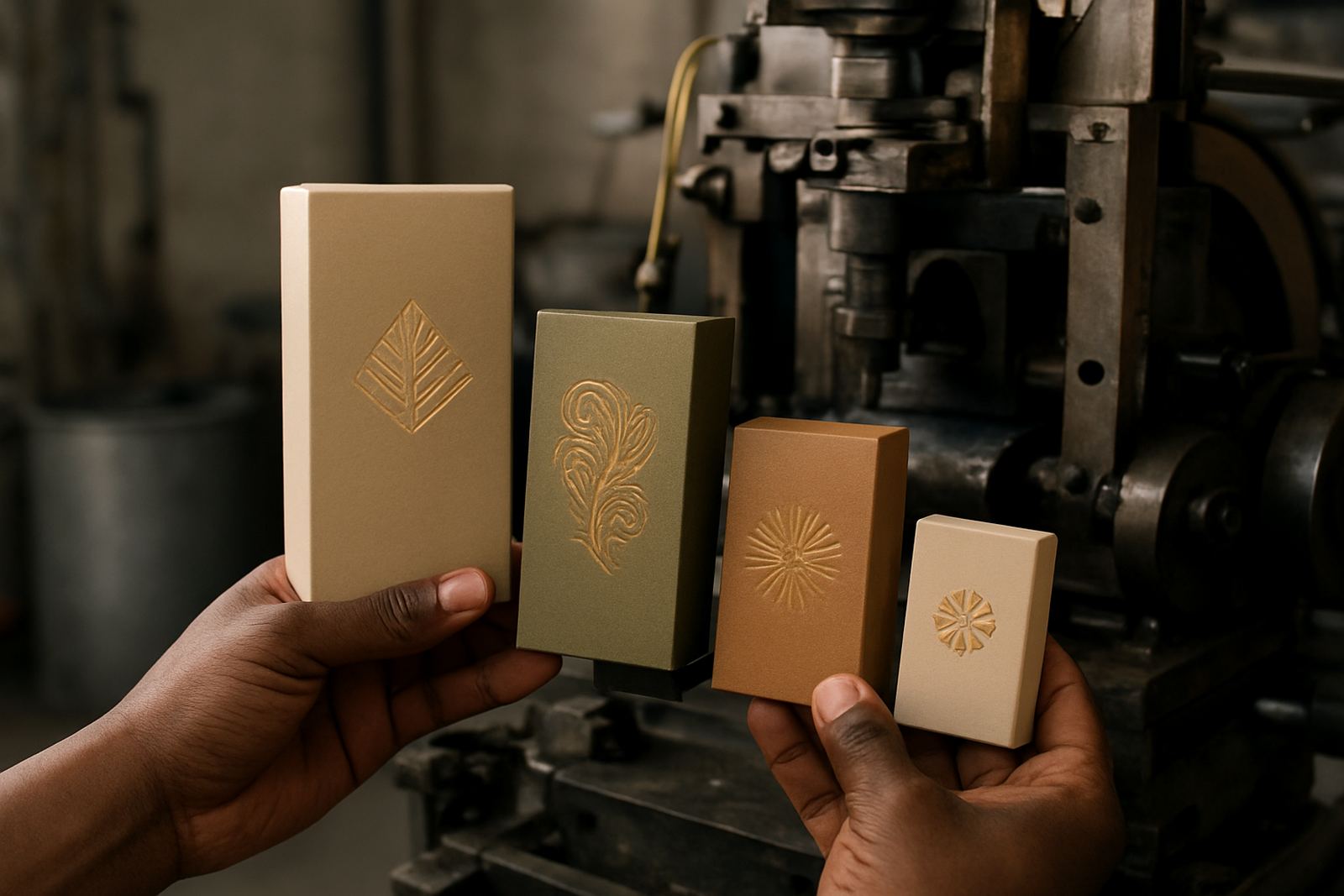
- Embossing plates for raised details, logos and tactile borders
- Counter plates matched to the board or label stock
- Repeat dies for recurring vintage labels and seasonal pack changes
If the job includes small type, filigree, or a tiny crest, the line width has to be planned carefully. Very thin detail can break down on press, while oversized embossing can crack the coating. We advise on those points before engraving, not after the first proof. That is where many rush jobs go wrong.
Artwork planning that keeps the label press-ready
Good label finishing starts with good planning. Before any die is engraved, the artwork should be checked for font size, foil traps, alignment marks and safe margins around the bottle shape. On a curved or narrow label, even a small shift can throw the whole look out. Our artwork checks help spot the issues early so the finisher does not end up redoing platework or chasing an urgent reprint.
For wine and spirits labels, these planning points matter most:
- Leave enough space between foil areas and cut lines
- Avoid ultra-fine reverse text on heavily embossed sections
- Keep the label shape practical for application machinery
- Check that the artwork suits the bottle curve and neck radius
- Match the finish to the stock, especially on textured papers
We also assist with sample impression advice if a client is unsure how much pressure the finish can take. That helps with premium labels that need to look consistent across 5 000 or 50 000 units. If the project includes repeated orders, job filing makes future reorders faster because the spec is already on record.
Common mistakes on wine and spirits labels
Most label problems come from trying to push too much detail into a small finish area. Another common issue is using the same die spec for different stocks. A coated label and a textured stock do not behave the same, and the wrong pressure can flatten the detail or make the foil look patchy. Coastal humidity and storage changes can also affect how the label behaves after finishing.
Watch out for these errors:
- Foil blocks that are too close to the trim edge
- Embossing that is too deep for the label paper
- Small lettering that closes up after pressing
- Wrong counterforce setup, causing uneven pressure
- Using one die for jobs with different bottle sizes without checking the repeat
We also see problems where the artwork is approved too quickly, then the finisher only notices the issue when the first stack comes off press. A short prepress check and a sample impression can prevent that. It is less costly to adjust the die early than to recover a full run later.
Budget ranges for premium finishing in Rand
Pricing depends on size, detail, material and whether the job needs a simple cut die or a more complex embossing set. For wine and spirits labels, a basic magnesium die for a short run may start from around R850 to R1 800, while a more detailed brass die for premium work can range from about R2 500 to R6 500 or more. Embossing plates and matched counterforce parts are quoted separately when the artwork and press set-up call for them.
Urgent turnaround can add to the cost, especially when a bottling schedule is tight or dispatch has to happen quickly to Pretoria, Durban, Cape Town, Gqeberha or further afield. Even then, a clear spec and clean artwork can reduce the total spend because there is less rework and fewer delays. We also handle repeat ordering for labels that come back every season or for export batches.
For most clients, the real saving is not only the die price. It is getting the finish right the first time so the label looks right on shelf and the line keeps moving. That matters just as much in a small boutique cellar as it does in a large packaging house.
How we pack and send dies nationwide
Once the die is complete, it is checked, packed securely and sent out for use across South Africa. Sibusiso Dlamini manages dispatch so dies travel safely to finishers and packaging teams in Johannesburg, Pretoria, Durban, Cape Town, Gqeberha, Bloemfontein, Polokwane and Mbombela. The packing needs to protect the cutting edges, the engraved detail and any matched plates, especially if the job is going straight onto the press.
Our team handles the support side as well, from artwork checks through to damage assessment and die alterations if a repeat order needs a small change. Ayesha Naidoo oversees production, Johan van der Merwe handles engraving, Megan Petersen checks artwork, and Lerato Molefe keeps the client side moving. Thabo Mokoena leads the business from Industria, Johannesburg.
Clients reach us through the enquiry form on our contact page. That keeps the details in one place and helps us respond with the right spec, timing and budget for the label finish you need.