1. What actually drives the price of a die
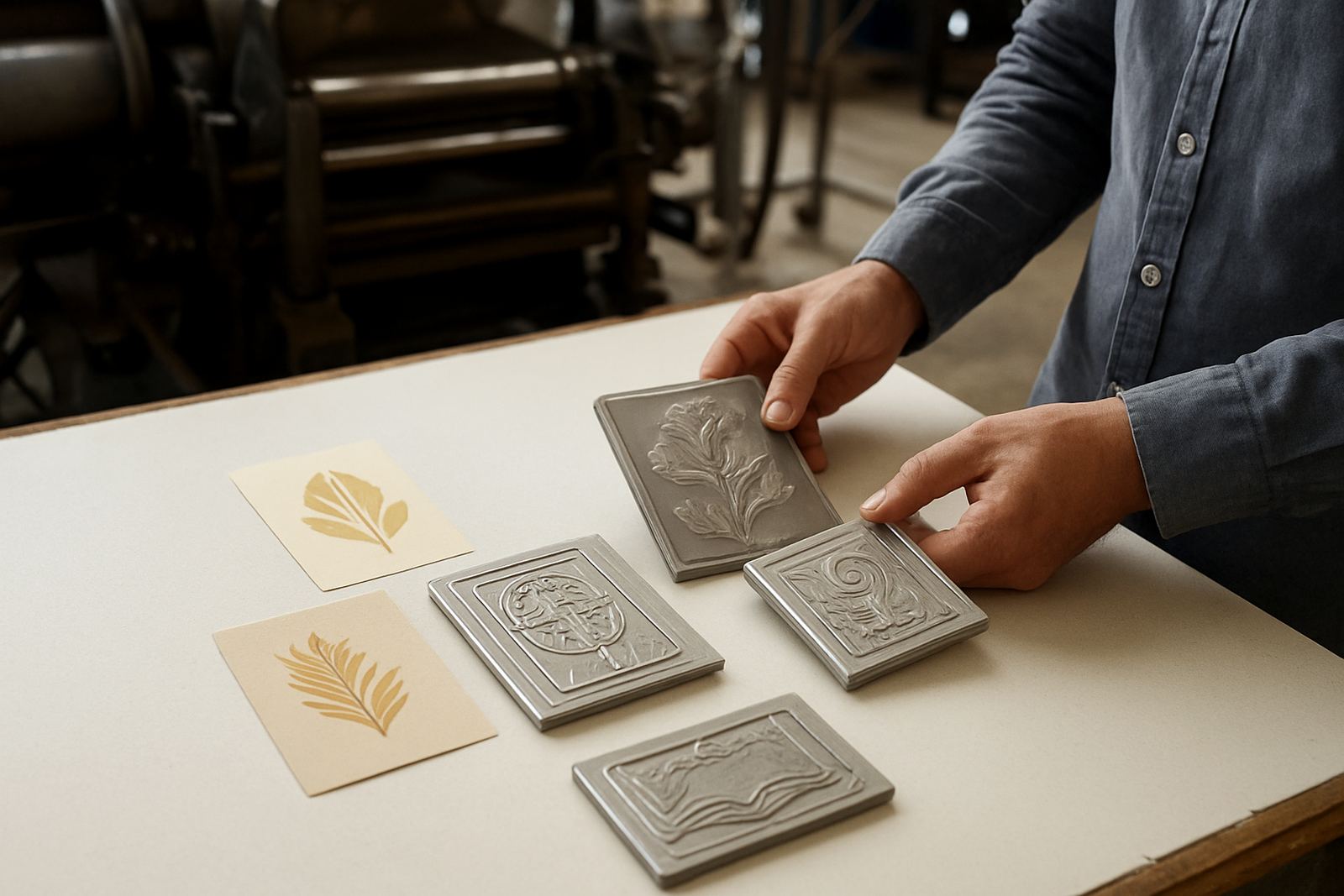
The main cost drivers are the material, the size of the die, the level of detail, and how much engraving time is needed. Brass dies usually cost more than magnesium because they last longer and hold finer detail better, which matters for repeat runs, heavy pressure, and detailed logo work.
Artwork quality also has a direct effect. Clean vector artwork with sensible line weights is quicker to assess and engrave. Fuzzy scans, tiny serif text, tight halftones, or badly set foils can add setup time and may need extra proofs. If the job is for packaging, labels, or stationery, the substrate matters too, since coated board, textured stock, and synthetic materials all behave differently under heat and pressure.
2. Budgeting for first-off jobs versus repeat work
A first-off die normally includes artwork checks, die design, engraving, and the time needed to confirm the impression. For repeat work, your budget should account for whether the original die can be reused as is, needs cleaning, or has been damaged in storage or courier handling. If the job has changed since the last run, even a small size adjustment can mean a new cut or alteration.
We always suggest keeping a simple job record for each die: job name, size, material, foil or embossing type, and the date it was last used. That record saves time when a print finisher in Johannesburg, Pretoria, Durban, Cape Town or elsewhere in South Africa needs the same tool again. It also helps avoid paying for a fresh setup when a matched repeat would do.
- Keep the final artwork file and a flattened PDF
- Record the die size, orientation, and intended press type
- Note the stock used for the original run
- Log any counterforce, make-ready, or packing notes
- Store the last impression sample with the job file
3. How to compare brass and magnesium without overspending
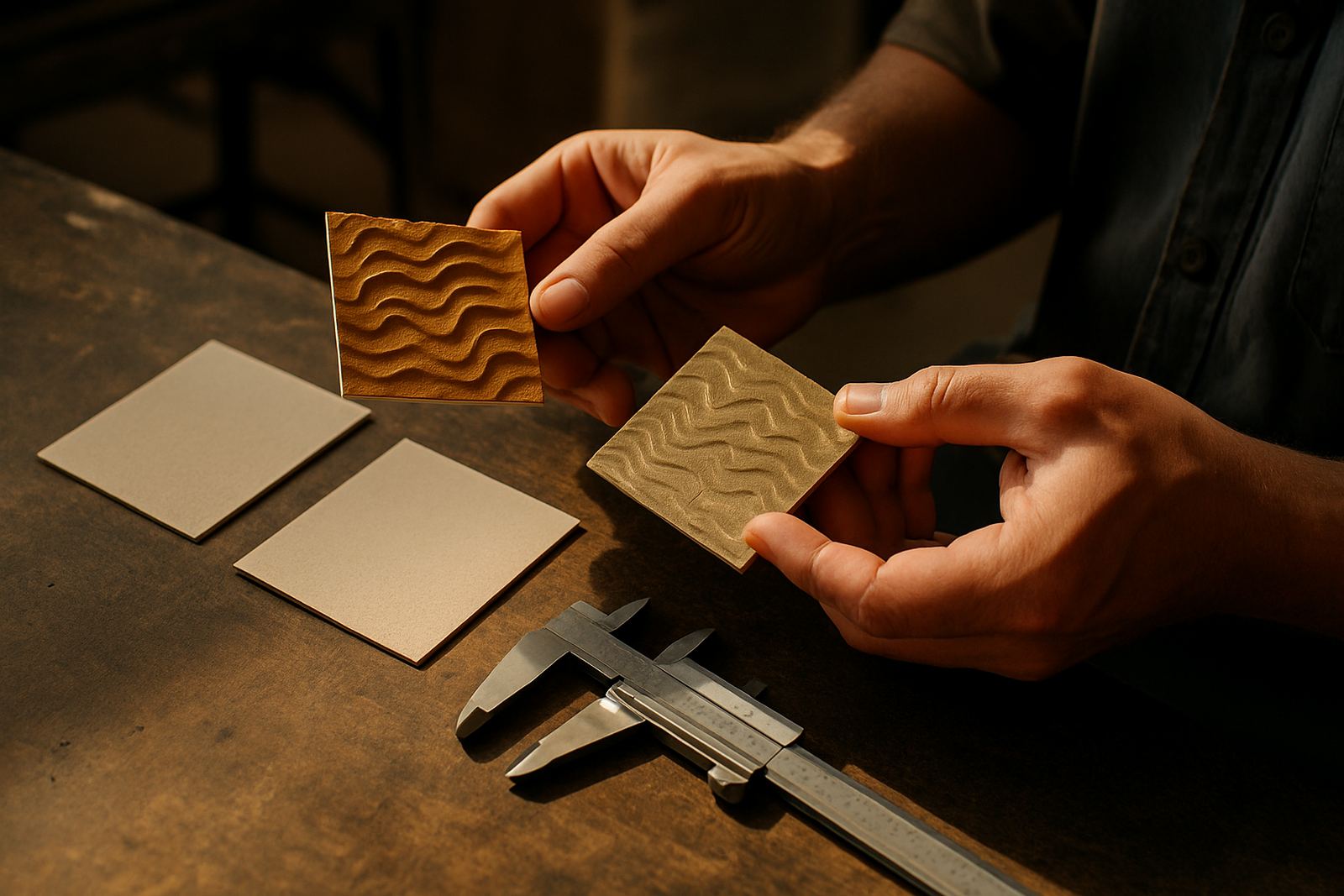
Magnesium is often the lower-cost option for simpler work and shorter runs. It can be a practical choice where the design is straightforward and the pressure is not too demanding. Brass is the better budget choice when the die must hold detail, cope with repeat use, or sit in production for longer periods. In a busy finishing line, a cheaper die that wears quickly can end up costing more in downtime and remake work.
When comparing the two, ask how many impressions you expect, whether the image area is fine or bold, and if the job will be used across several client runs. For packaging houses and trade finishers, the real cost is often not the die alone but the number of times it must be remade because it was not specified correctly the first time.
4. What to include in a quote request so your budget is accurate
A complete brief helps us price the work properly and avoid extra changes later. The more detail you provide up front, the less likely it is that the final cost will move after checking the artwork. This matters especially when the job is urgent, or when it must be couriered to another city and there is no time for back-and-forth.
Include the following points in your enquiry form submission:
- Artwork file and all editable text details
- Exact die size in millimetres
- Material required, brass or magnesium
- Whether it is a hot stamp, emboss, or both
- Press type and expected run length
- Need for counterforce matching
- Delivery town and turnaround deadline
If you are unsure about one of these items, say so. A quick sample impression check or artwork review can stop a small query becoming an expensive remake. It is better to ask early than to discover on press that the foiling area is too tight or the emboss is too shallow.
5. Planning for damage, cleaning, and urgent turnaround
Budgeting for dies should also allow for maintenance. Dies can pick up residue, get dull on the edges, or suffer from rough handling in transit. In Johannesburg and other industrial areas, humidity, dust, and storage conditions all affect how well a tool keeps between jobs. A clean, dry pack and proper filing make a difference, especially if the die will be used again months later.
If you are working to a launch date, build in a small buffer for urgent turnaround. Faster work may be possible, but rushed jobs can expose weak artwork or missing information and that can add cost. For repeat work, it is worth asking about damage assessment, die cleaning, die alterations, and job filing so the next order starts from a known point rather than from scratch.
6. A simple budgeting checklist for repeat orders
Before approving a repeat die order, check the original job against the current brief. This keeps the quote realistic and helps you spot anything that changed since the last production run. It is a practical habit for print finishers, packaging houses, and in-house production teams alike.
Use this quick checklist:
- Has the artwork changed at all?
- Is the size still exact, or has trim moved?
- Does the substrate match the last run?
- Is the old die usable after cleaning?
- Is new counterforce needed?
- Will the job need courier dispatch to another province?
Once those points are clear, budgeting becomes much easier. You can plan for the right material, the right amount of setup time, and the right level of finishing support, instead of paying for avoidable rework. That is usually where the biggest savings are.