
Where magnesium dies make the most sense
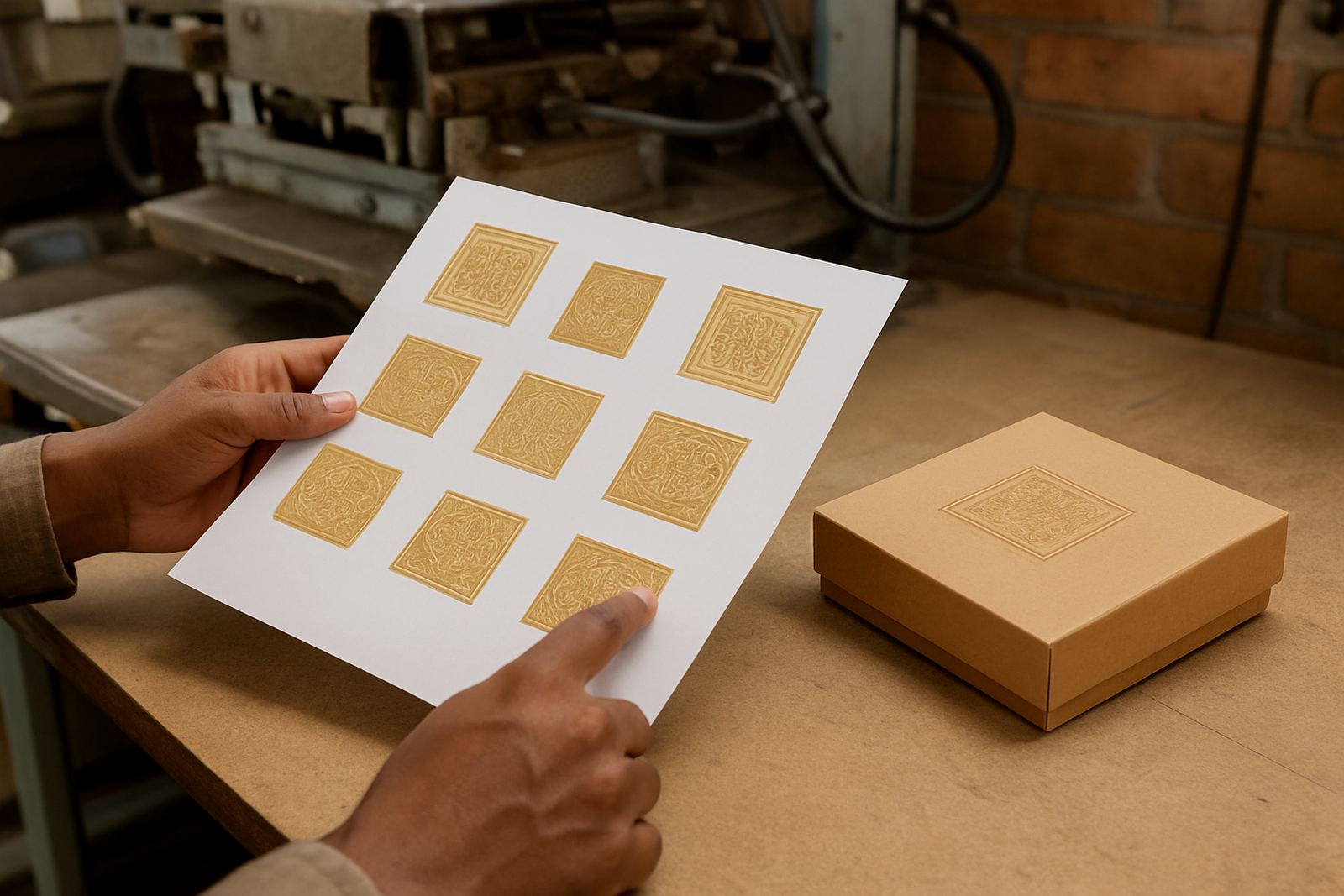
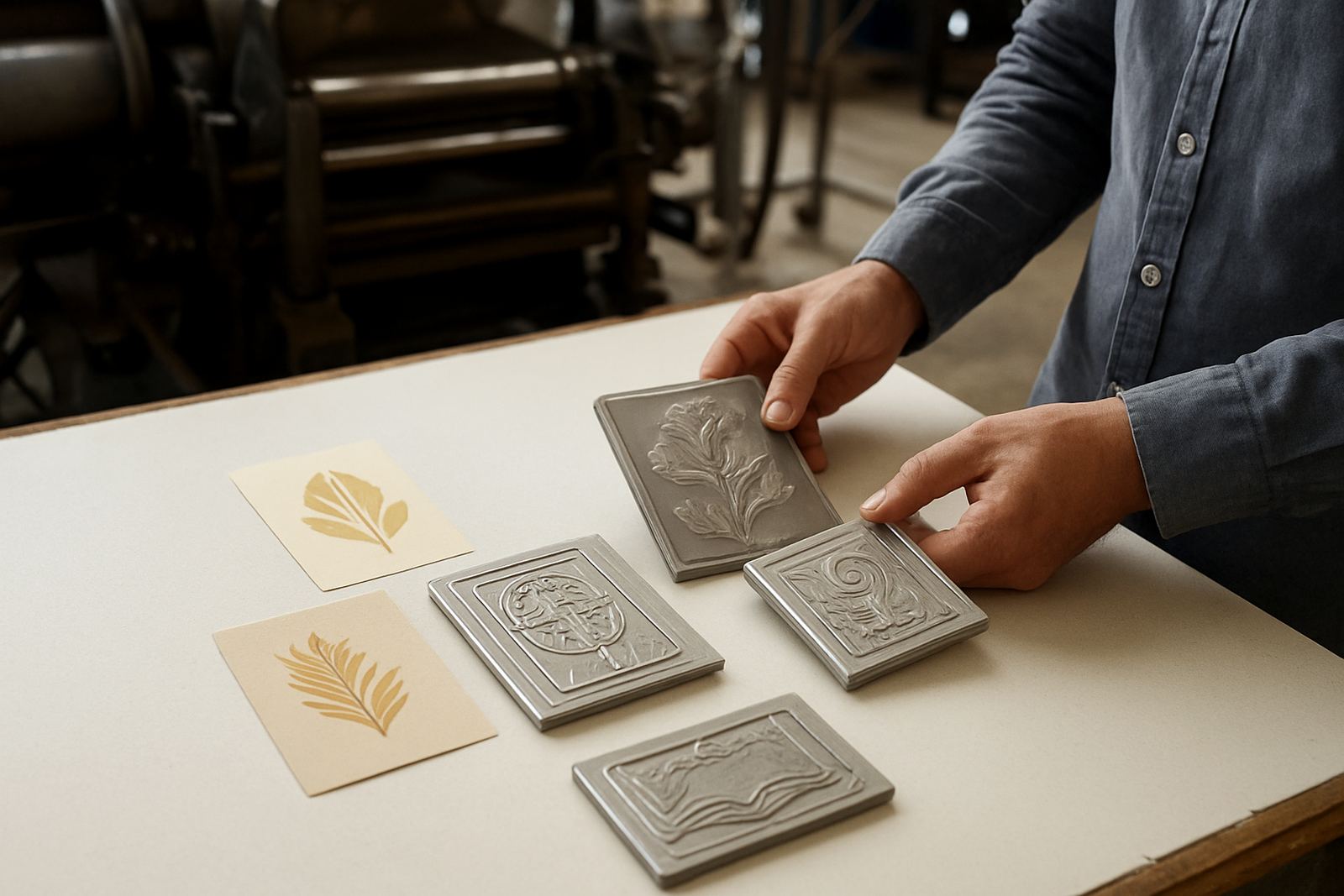
Magnesium dies are a practical choice when you need sharp detail without the higher cost of a long-life metal die. They work well for hot stamping, light embossing and label or carton finishing where the artwork is detailed but the run length is not massive. In many Johannesburg, Pretoria and Durban production rooms, that balance of speed and cost is exactly what keeps a job moving.
They are often chosen for wedding stationery, presentation folders, short packaging runs, sample packs and seasonal campaigns. If your client changes artwork often, or the job needs a quick turnaround, magnesium can be a very sensible option. It is also useful when you need to test a new layout before committing to a heavier-duty die type.
For printeries and finishers working under load-shedding pressure, the faster production cycle can help. A magnesium die can be engraved and dispatched quickly, so your team is not waiting days for approval samples or a small repeat job.
The jobs that suit magnesium better than brass
Magnesium works best where the tooling is doing moderate work rather than repeated heavy production. It is not the first choice for very high-run work, deep embossing or rough handling on thick board. In those cases a brass die usually lasts longer and handles the pressure better.
If you are deciding between materials, start with the product and the press setup. Magnesium is often the better fit for:
- Short to medium print finishing runs
- Detailed logos, fine lines and small text
- Light embossing or debossing
- Frequent artwork changes
- Sampling, proofing and limited editions
It is a useful option for packaging houses in Cape Town, Bloemfontein or Gqeberha where a job may need to move from artwork approval to dispatch without delay. If the design is simple and the run is modest, magnesium can keep the process cost-effective.
Checklist before you place the order
Good results start with clean artwork and a clear brief. A magnesium die can only perform properly if the file is prepared well and the press details are known. Before you submit a job, check the basics and save time on back-and-forth later.
- Confirm the final artwork size and placement
- State whether the job is hot stamping, embossing or both
- Send vector artwork where possible
- Flag very fine lines, small type or tight gaps
- Tell us the substrate type and board thickness
- Include the press size and die mount details
- Share whether the job is for short run, repeat or urgent turnaround
Our artwork checks help spot issues before engraving starts. That may include thin strokes that may break up, tiny reversed spaces, or layout problems that could cause trouble on press. A small correction at this stage can save a lot of waste later and keep your finishing line running smoother.
How the die is made and prepared for press
Once the artwork is approved, the die design is set out for engraving production. The engraving depth, spacing and counters are matched to the intended finish, because a hot stamp line that looks neat on screen may behave differently on board. That is especially true with coated stock, textured material and mixed fibre boards used in packaging around South Africa.
The die is then checked for fit, cleaned and prepared for dispatch. If the job needs a counterforce match, we make sure the embossing partner aligns correctly so the impression lands cleanly. For many print finishers, that accuracy matters just as much as the engraving itself.
In humid coastal conditions, dies should be packed properly and stored carefully after use. Even a good magnesium die benefits from clean handling, dry storage and sensible job filing. That helps protect the surface and makes repeat ordering easier when the same client comes back months later.
When magnesium is not the best call
There are jobs where magnesium is simply not the right answer. If the design needs repeated pressure on thick board, deep embossing, or a very long production cycle, brass is usually the safer option. The extra strength can matter when the job is large, the press is running hard, or the finish must stay consistent across many thousands of impressions.
You should also think twice about magnesium if the job is likely to be stored, reused often, or handled roughly on site. The die can still perform well, but the material choice should match the reality of the production floor. A quick saving at ordering stage can become a false economy if the die wears out too soon.
If you are unsure, compare the brief against the checklist below:
- Is the run short or medium?
- Is the detail fine but not overly deep?
- Will the artwork change soon?
- Is the budget tight but quality still important?
- Do you need fast dispatch to another province?
If most of those answers are yes, magnesium is worth considering. If the job is heavy duty or long term, ask for a material review before you place the order.
Support for repeat jobs, alterations and dispatch nationwide
Many of our clients in Johannesburg, Pretoria, Durban, Cape Town, Polokwane, Mbombela and other centres keep a record of each die for future repeat ordering. That makes life easier when the same logo or carton returns for another run. We keep job filing organised so you can come back with the old reference and move faster.
We also help with die alterations, cleaning and damage assessment when a job needs attention after use. If the impression has shifted, the artwork has changed slightly, or the counterforce needs adjustment, we can advise on the most practical next step. Sometimes that means a small update, sometimes a fresh die is the better answer.
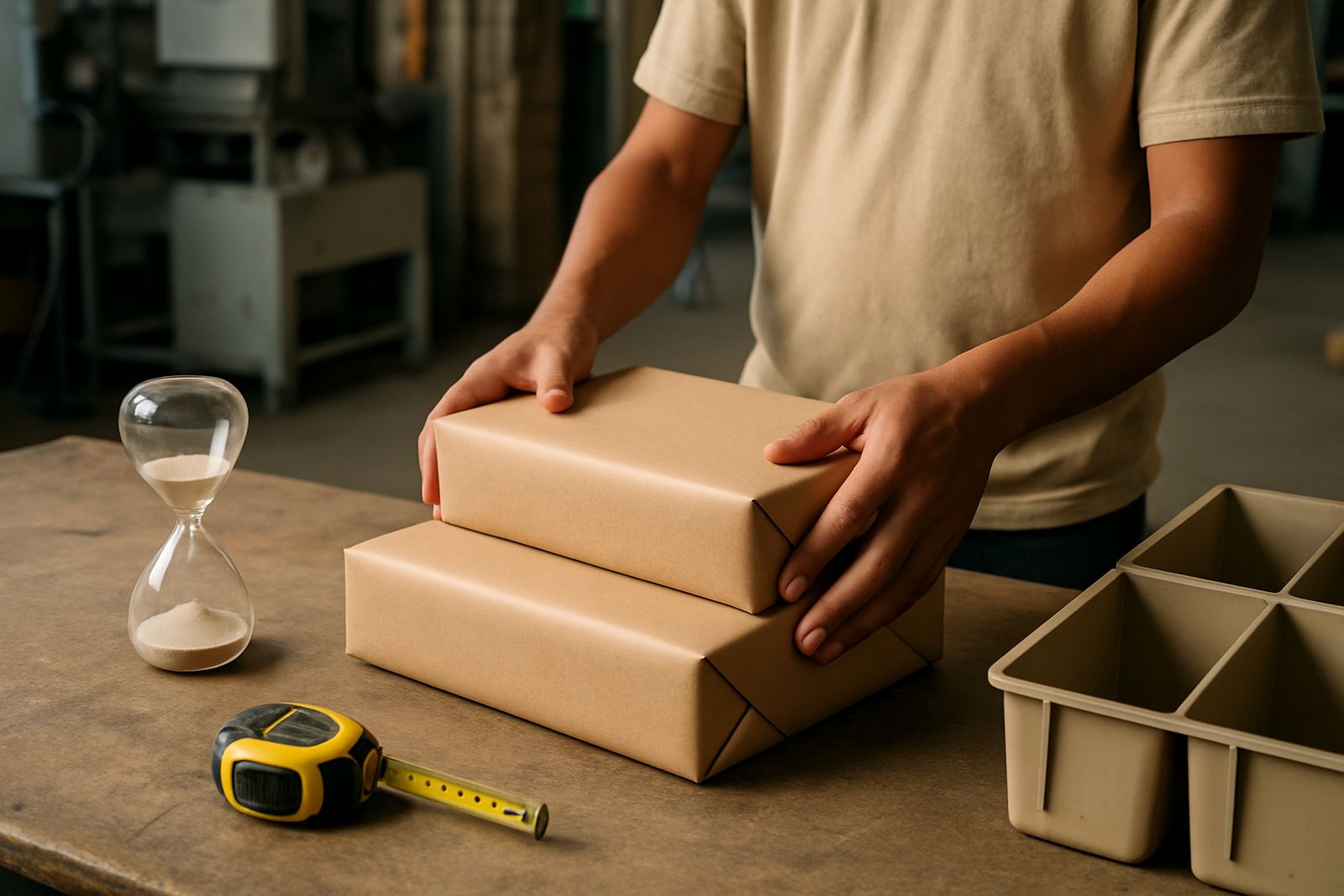
For couriered orders, packing matters. Dies need to travel safely from our Industria base to finishers and packaging houses nationwide, especially if the turnaround is tight. Dispatch is planned so the job arrives ready for the next stage, not in a box that needs rework first.
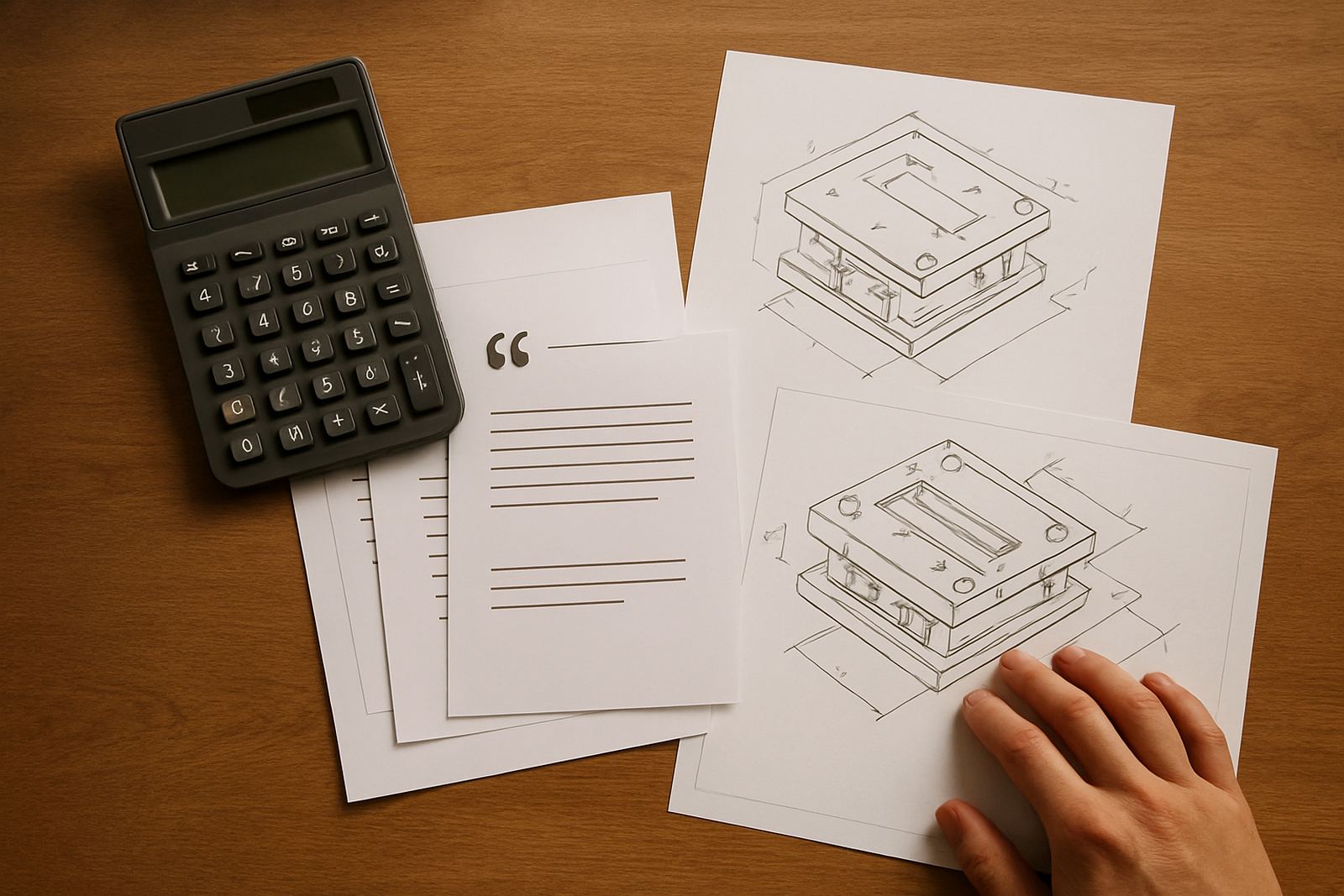
For a quick quote or guidance, send your details through the enquiry form on our contact page. If you are not sure whether magnesium is the right fit, include the substrate, run length and finish type, and we will help you narrow it down.