Start With the Last Job Details
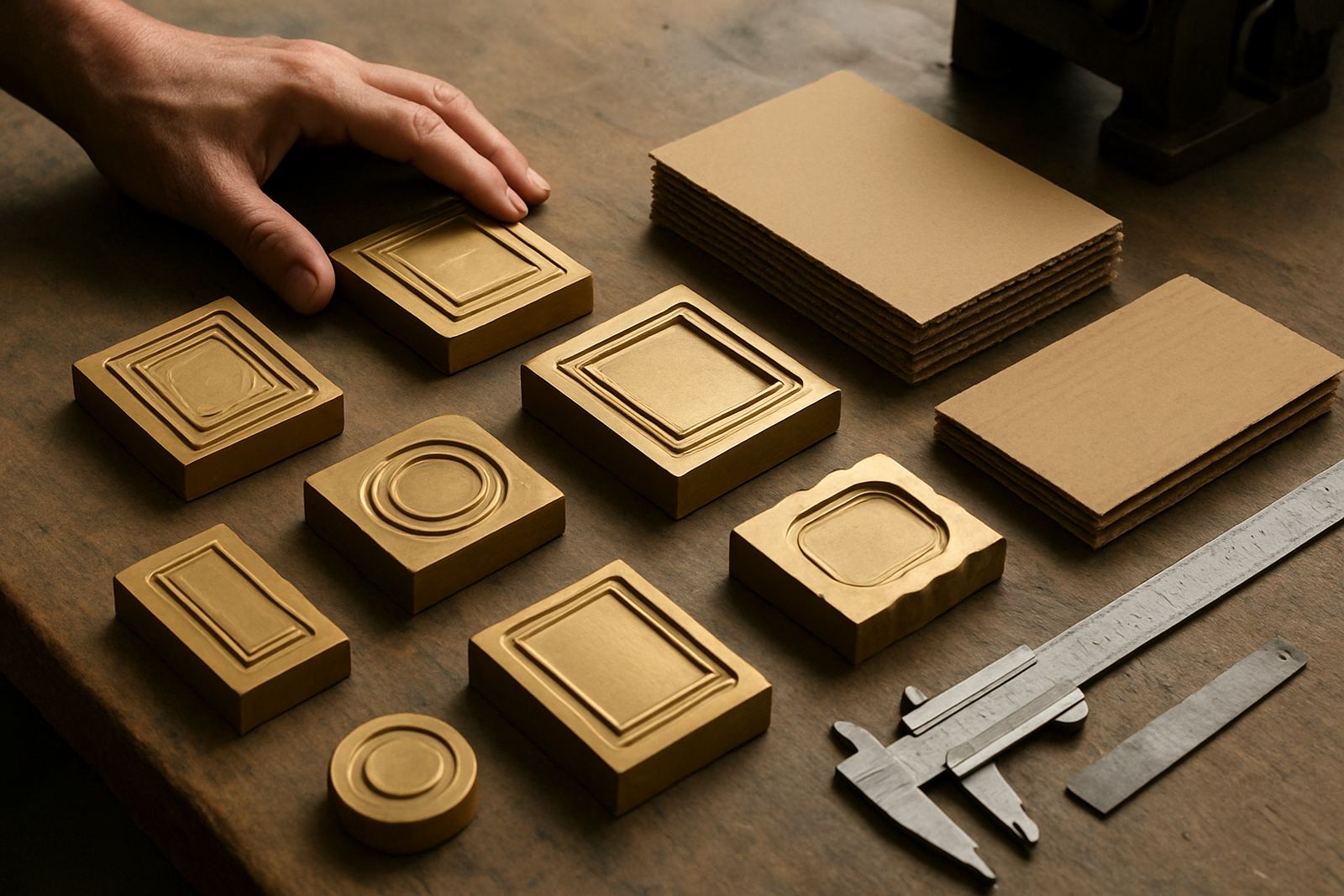
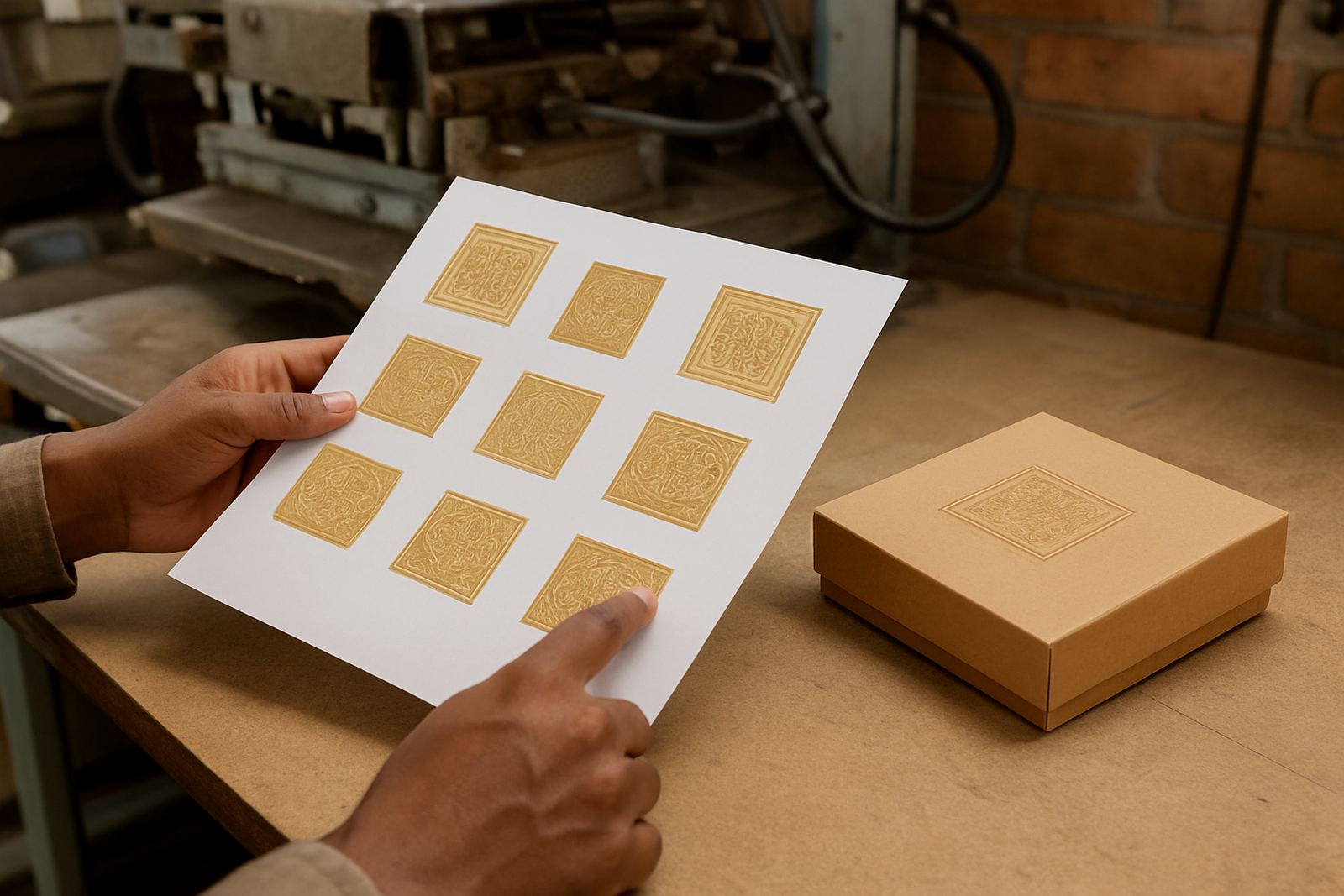
The easiest repeat order begins with the original job reference, size, and the product it was made for. If you have a previous sample, old proof, or a finished pack from the last run, send that through the enquiry form so we can match the die properly.
We look at the image size, plate type, substrate, foil or emboss depth, and whether the job was for offset, flexo, or finishing work. A repeat order saves time when the layout has not changed but even a small artwork shift can affect fit, registration, or counterforce, so it helps to note that upfront.
What to Include in Your Repeat Enquiry
The more complete the first request, the quicker we can advise on reusing the die, repairing it, or making a fresh one. If the die is travelling from Johannesburg, Pretoria, Durban, Cape Town, Gqeberha, Bloemfontein, Polokwane, or Mbombela, pack it well and include a note inside the parcel.
- Previous job name or internal reference
- Die type: brass or magnesium
- Size and shape, including any border or cut-out details
- Material it stamps onto, such as board, coated paper, leatherette, or film
- Number of impressions or repeats needed
- Any changes to artwork, text, or logo position
- Photos of the current die face and back, plus the sample it produced
If you are not sure about the exact spec, send what you do have. A clear photo with a ruler beside the die often helps more than a vague note, especially when there has been a rebrand or a packaging size change.
Checks We Carry Out Before Reuse
Before a die goes back into production we check for wear, damage, corrosion, and whether the detail is still sharp enough for a clean impression. This matters on brass dies used often, and on magnesium dies that have been stored for long periods in a warm or humid storeroom.
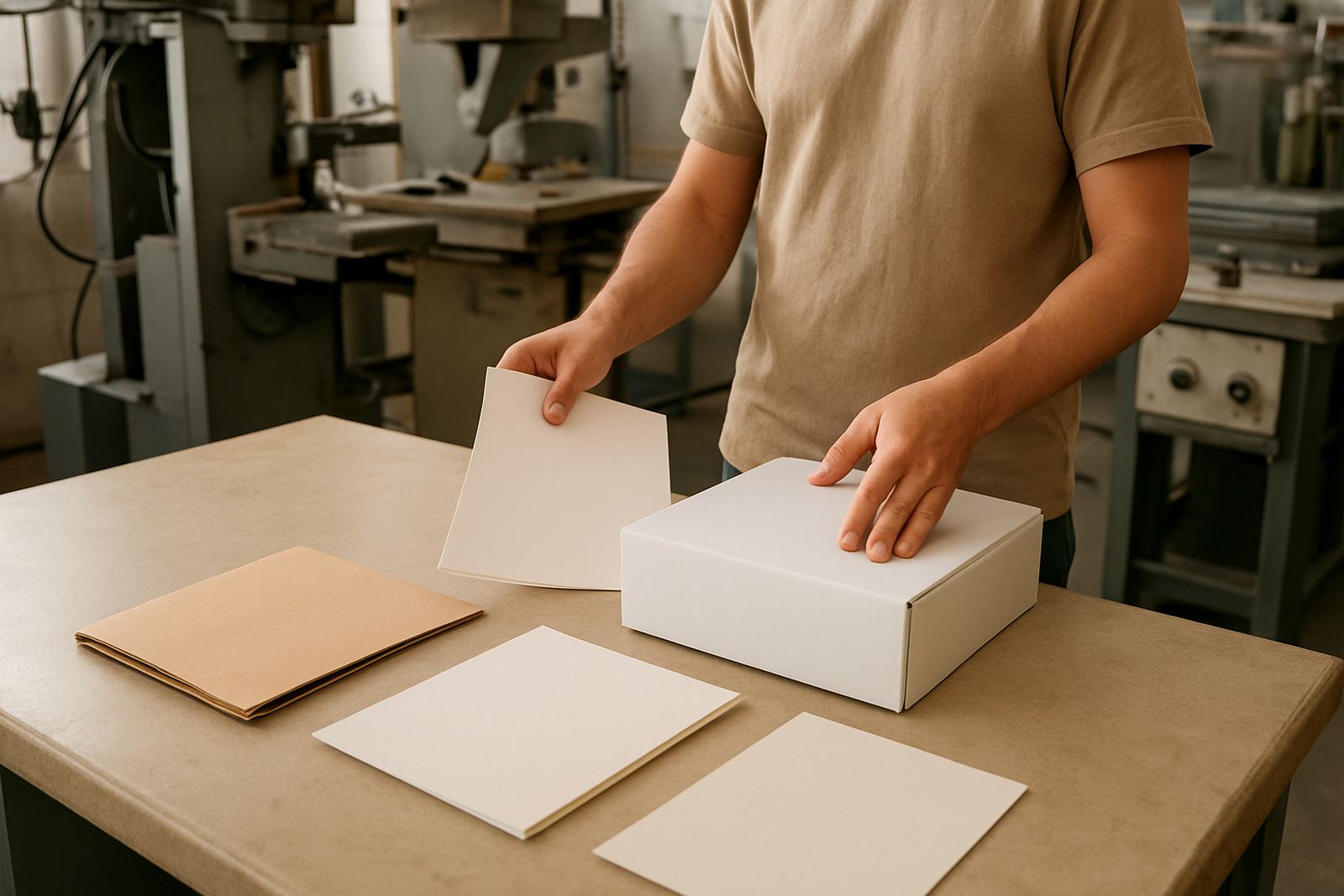
We also confirm if the counterforce still matches the die. If the board thickness, laminate, or foil stock has changed since the last run, the old counterforce may need adjusting. In some cases, a light clean and a small alteration is enough, in others a new die is the better call. That decision is best made before the press is booked.
- Face condition and engraving depth
- Mounting condition and flatness
- Signs of edge damage or wear
- Counterforce fit against the current substrate
- Suitability for the present press setup
When a Die Can Be Altered Instead of Remade
Not every repeat job needs a full remake. If only a telephone number changed, a line of text moved, or one small symbol must be removed, a die alteration can save time and cost. That said, the remaining area must still print cleanly, and there must be enough room to make the change without weakening the plate.
For embossed work, we also check whether the change affects depth or pressure. A small adjustment on the artwork can still mean a different feel on the finished piece. If the job is going onto thick board, textured stock, or anything with a heavy coating, we may suggest sample impression advice before the full run. It avoids surprises on the press, which is always better than finding out after a carton of packs has already been printed.
Packing and Courier Steps for Nationwide Delivery
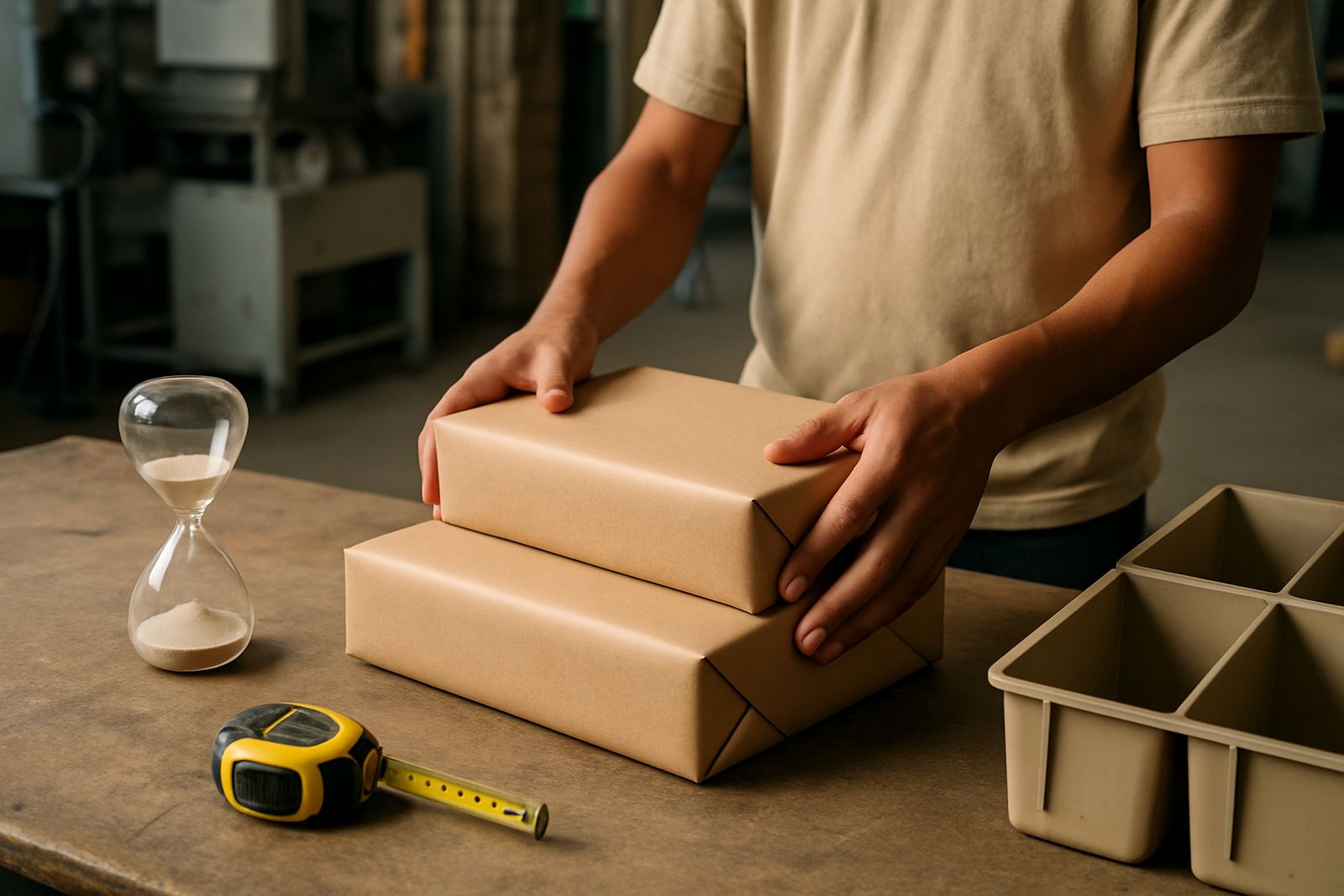
Once the die is ready, packing matters. Hot stamping dies and embossing plates should be wrapped so the face cannot rub against metal, staples, or loose tools in the parcel. In summer, especially around coastal humidity in places like Durban and Gqeberha, it is worth keeping the die dry and sealed until it reaches the print finisher.
For smooth dispatch, send the correct delivery address, contact person, and any receiving hours for the warehouse or loading bay. Many packaging houses work around early starts, shift changes, and municipal traffic restrictions, so a missed receiving window can delay the job by a day. If it is urgent, tell us early and we will plan the packing and dispatch accordingly.
- Wrap the die face securely
- Keep the die label visible inside the parcel
- Include the job reference on the outside of the package
- Share the receiving address and site contact
- Tell us if the parcel must go to a loading bay or guard house
Quick Checklist Before You Place the Order
A repeat order usually moves fastest when the client has checked the basics first. This is the same whether the job is for a print finisher in Industria or a packaging house in another province. A short checklist now can save a round of follow up later.
Before you submit the enquiry form, make sure you can answer the points below. If one item is missing, send what you have and we will work through the rest with you.
- Do you need the same die, or a changed version?
- Do you have the old sample or production piece?
- Has the substrate, foil, or board thickness changed?
- Is the job urgent, and when is press time booked?
- Should the die be cleaned, repaired, or altered?
- Do you need repeat filing for future reorders?
Good repeat ordering is really about keeping the record clear. Once a die has been filed properly, the next job is simpler, whether you need one plate or a run of matching items across several sites.