Start with the finished look you need
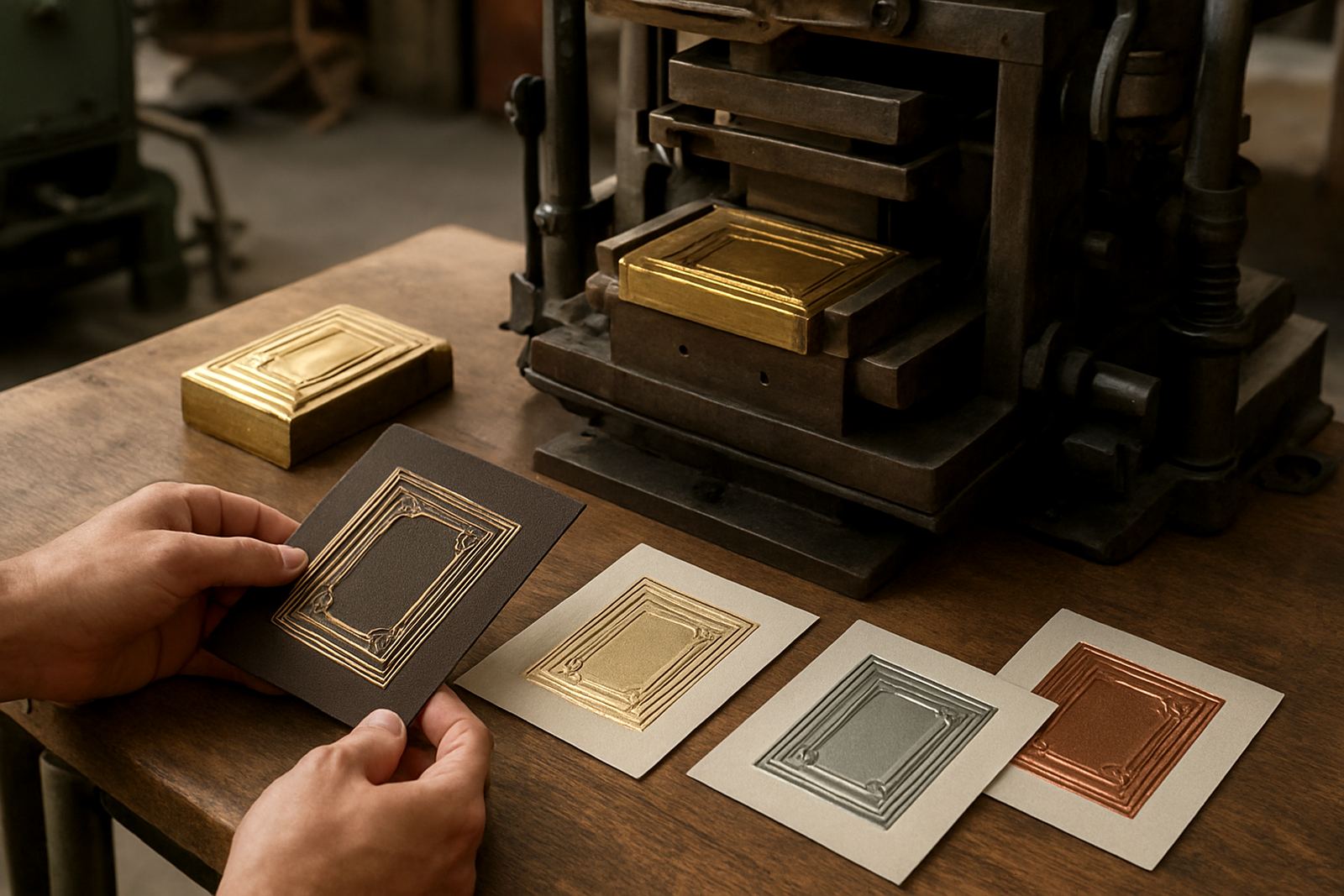
Before you choose brass, decide what the job must look like on the final sheet or carton. A die for fine text on coated board is not the same as a die for heavy coverage on textured stock, and the wrong choice can leave weak detail or uneven pressure. If you are working on cartons, labels, sleeves or presentation folders, note the substrate, foil type and whether the impression must be sharp and shallow or deeper and more tactile.
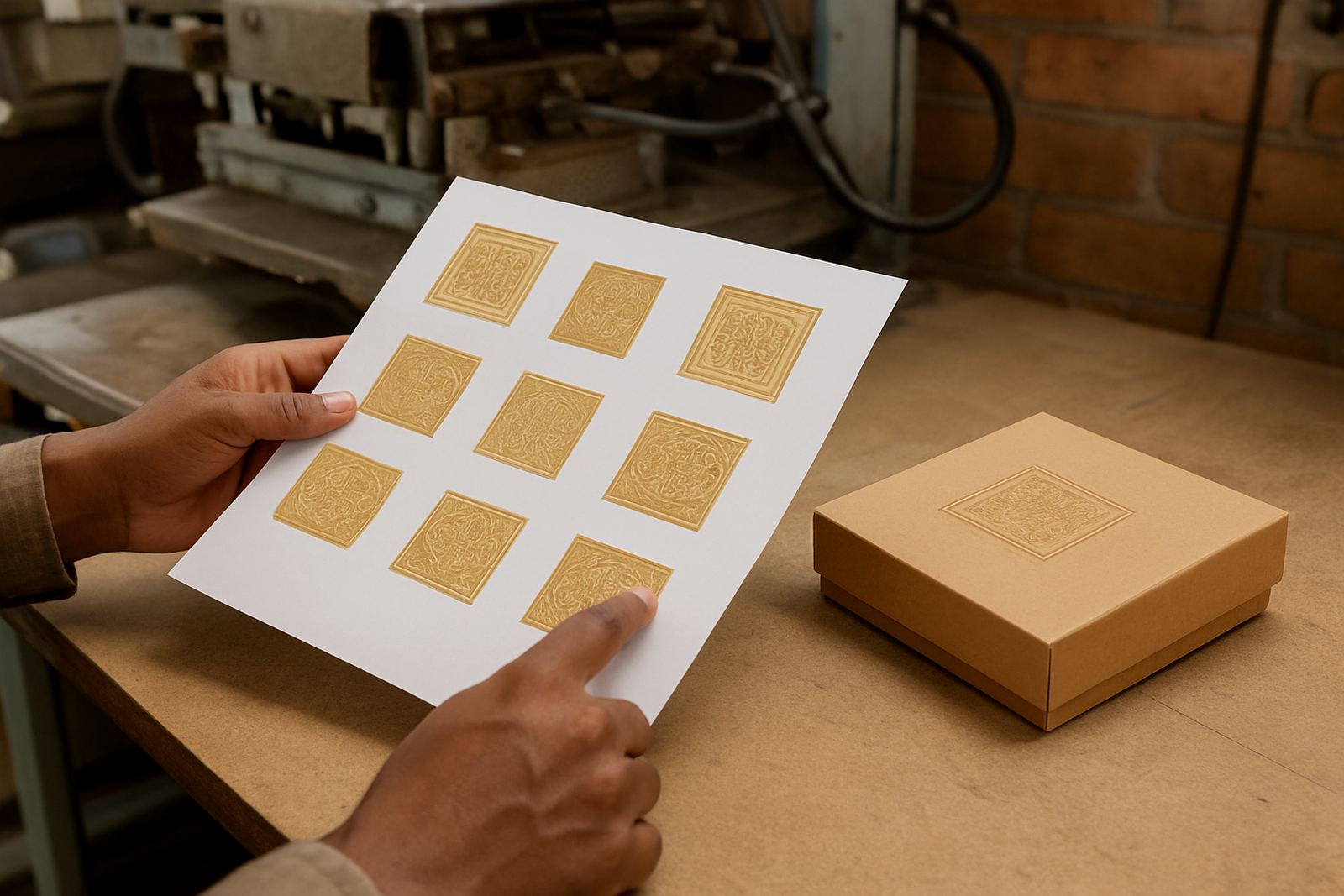
Bring a clean visual reference wherever possible. A flat artwork file, a printed sample, or even a marked-up hard copy can help the artwork and engraving team judge line weight, spacing and the amount of relief needed. If the piece will be repeated, say so early so the die can be built for long run consistency rather than just one short job.
Check whether brass is the right material for the job
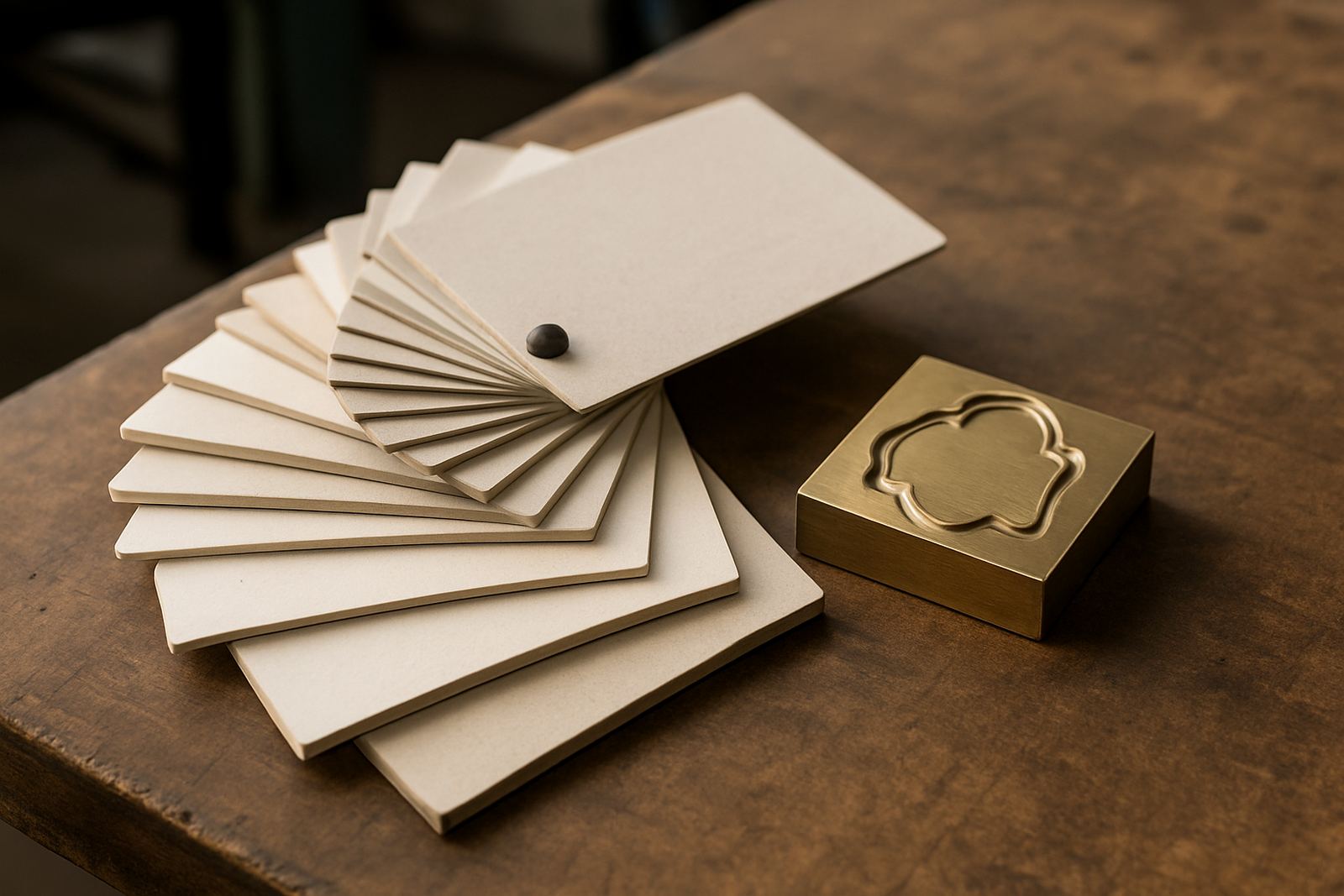
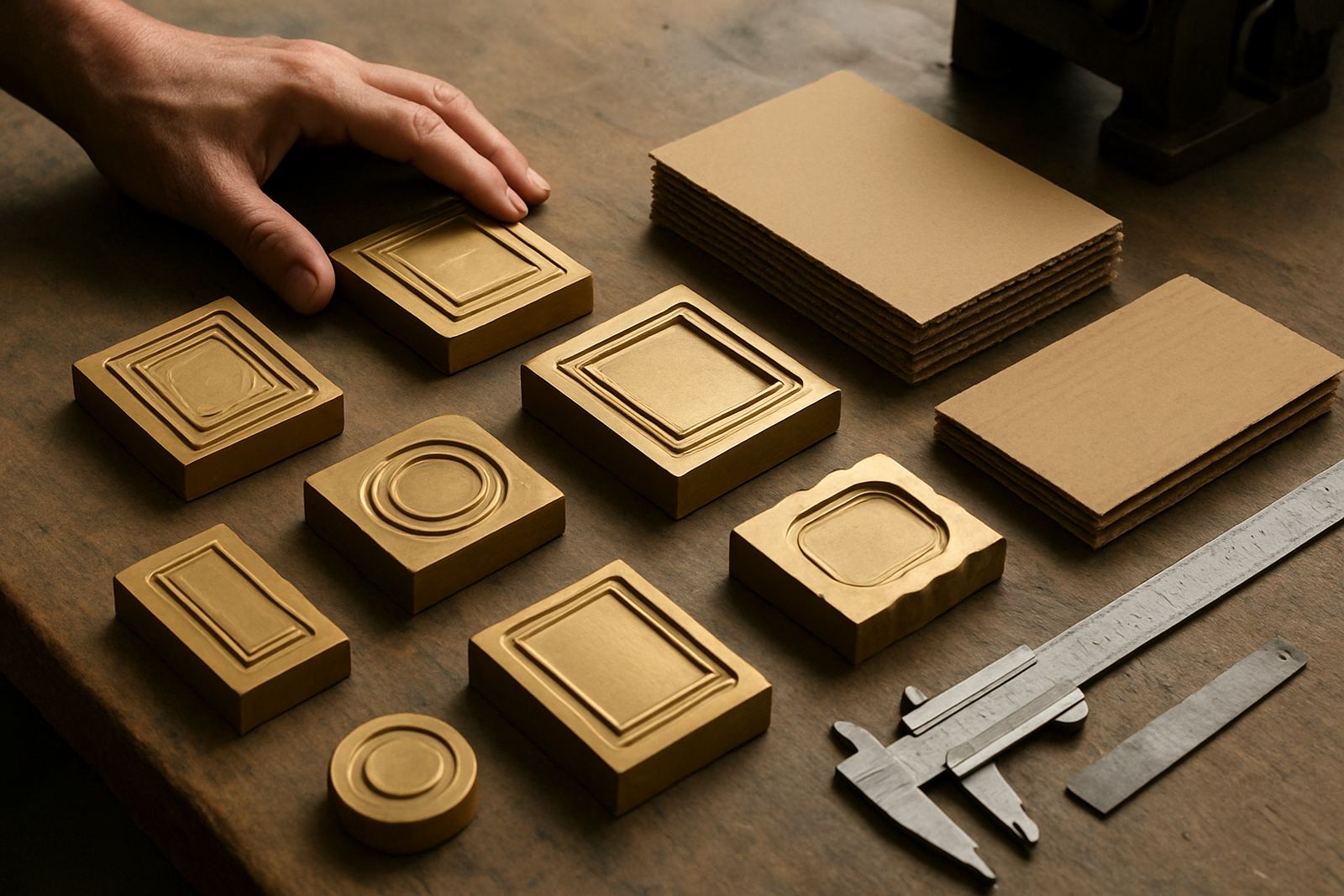
Brass dies are often chosen when detail matters and the job needs a durable tool that can handle repeated use. They are suitable for precise hot stamping and embossing work where crisp edges, clean lettering and steady pressure are important. For fine rules, logos, small registration marks and close-set text, brass usually gives better control than softer alternatives.
In a production environment with regular repeats, brass also helps reduce the risk of wear at the edges. That said, the right answer depends on the run length and the material being stamped. If the job is urgent or the artwork may still change, ask whether a standard brass build or a modified version is best for your timeline. It is better to confirm that early than to rework the tool later, which can slow the whole line.
Use a prepress checklist before engraving starts
Good results start before the engraving machine is switched on. The cleaner the artwork, the fewer surprises in production. A proper artwork check should confirm that lines are closed, fonts are outlined, spacing is practical, and the design is not too thin for the stock being used. If there are fine serifs or tiny counters, ask for a production review rather than assuming they will hold on press.
- Confirm the final size in millimetres, not just a rough estimate.
- Check line thickness and minimum spacing for the chosen substrate.
- Make sure any reverse or mirrored content is correct before cutting.
- Mark the area that must stay open for foil, embossing or both.
- Provide a reference for depth if the job needs a strong impression.
When artwork is checked properly, the die maker can focus on accuracy instead of correcting avoidable mistakes. That saves time, reduces waste, and helps keep the finish consistent across reorders.
Match the die to the press and the counterforce
A brass die does its best work when it is matched to the press conditions and the counterforce setup. If the counterforce is not right, the impression can look patchy, too deep on one side, or too light in another area. This is especially important on thicker board, laminated stock or jobs with large solid areas. The die might be correct, but if the make-ready is off, the result will still disappoint.
Ask for counterforce matching when the job needs a clean, even result over a larger surface. For repeat work, keep a record of the stock, pressure settings and any packing used on the previous run. That way the next order can be set up faster and with less trial and error. In busy Gauteng production rooms, that kind of notes file can save a lot of time during load-shedding recovery or when a machine has been off line for a while.
Plan for longevity, cleaning and repeat orders
If you want the die to last, think beyond the first run. Brass tools keep performing best when they are cleaned after use, stored properly and checked for damage before the next job. Foil residue, adhesive build-up and rough handling in dispatch can all shorten life, even when the engraving is good. A simple cleaning routine after each run helps keep the face sharp and the edges clear.
For repeat orders, keep the job file, artwork version and any approved sample impression together. That makes it easier to remake or alter the die without guesswork. If the client asks for a small change, such as a new date line or updated address, a proper job file can speed up the alteration and reduce the chance of a mismatch. It also helps when work is couriered to Cape Town, Durban or Gqeberha and needs to be packed securely for transit.
- Store the die flat and dry, away from dust and moisture.
- Inspect edges for wear before every repeat run.
- Log any damage, dents or bent corners immediately.
- Ask for alteration advice before forcing a worn tool back into service.
- Keep approved samples with the job file for future reference.
Use turnaround and dispatch planning to avoid delays
Many die orders are driven by press deadlines, so timing matters as much as the engraving itself. If you need an urgent turnaround, send the artwork early in the day and include the delivery town, contact person and job reference. That helps the team schedule the work, pack it correctly and get it ready for collection or courier dispatch without delay.
For out of town clients, clear packing is important. A die that arrives damaged or loose in the parcel can hold up production and add unnecessary cost. Ask for packing dispatch that protects the cutting face and keeps the tool stable in transit. If the job is going to Pretoria, Polokwane, Mbombela or further afield, a well packed die is the difference between a clean handover and a missed deadline.
A simple buyer checklist before you place the order
Use this short checklist before you approve a brass die order. It keeps everyone aligned and helps avoid rework once production starts.
- Have you confirmed the final artwork size and orientation?
- Is the substrate clearly stated, including coating or texture?
- Do you need embossing, hot stamping, or both?
- Has the counterforce been considered for the press setup?
- Will this be a one-off or a repeat order with filing kept for later?
- Do you need a sample impression checked before final production?
If all six points are covered, the job usually moves more smoothly from artwork to engraving to dispatch. That is especially useful for finishing teams handling multiple deadlines at once, where a small delay on one die can affect the whole schedule.