Start With the Job Details That Affect Timing
The quickest way to estimate turnaround is to send a full job brief from the start. We work from Industria in Johannesburg and courier dies nationwide, so the more detail we have, the faster we can confirm whether your job is straightforward or needs extra checking.
For a clean estimate, include the material type, die size, repeat quantity, artwork format, stock thickness, machine type and whether you need embossing, debossing or hot stamping. If the job is for offset, flexo or print finishing, it also helps to tell us the press line and any packaging limits, such as tight fold lines or varnished areas.
In most cases, the first estimate is shaped by three things: artwork quality, die complexity and dispatch method. A simple line logo on a standard brass die will move faster than a detailed multi-level embossing plate with tight registration and counterforce matching.
- Send final artwork where possible, not a draft.
- Confirm the die size in millimetres and the final impression area.
- Note if the job is urgent, standard or linked to a production booking.
- Tell us where the courier must go, especially for same-day collections in Johannesburg or Pretoria.
Artwork Approval Is Usually the First Time Saver
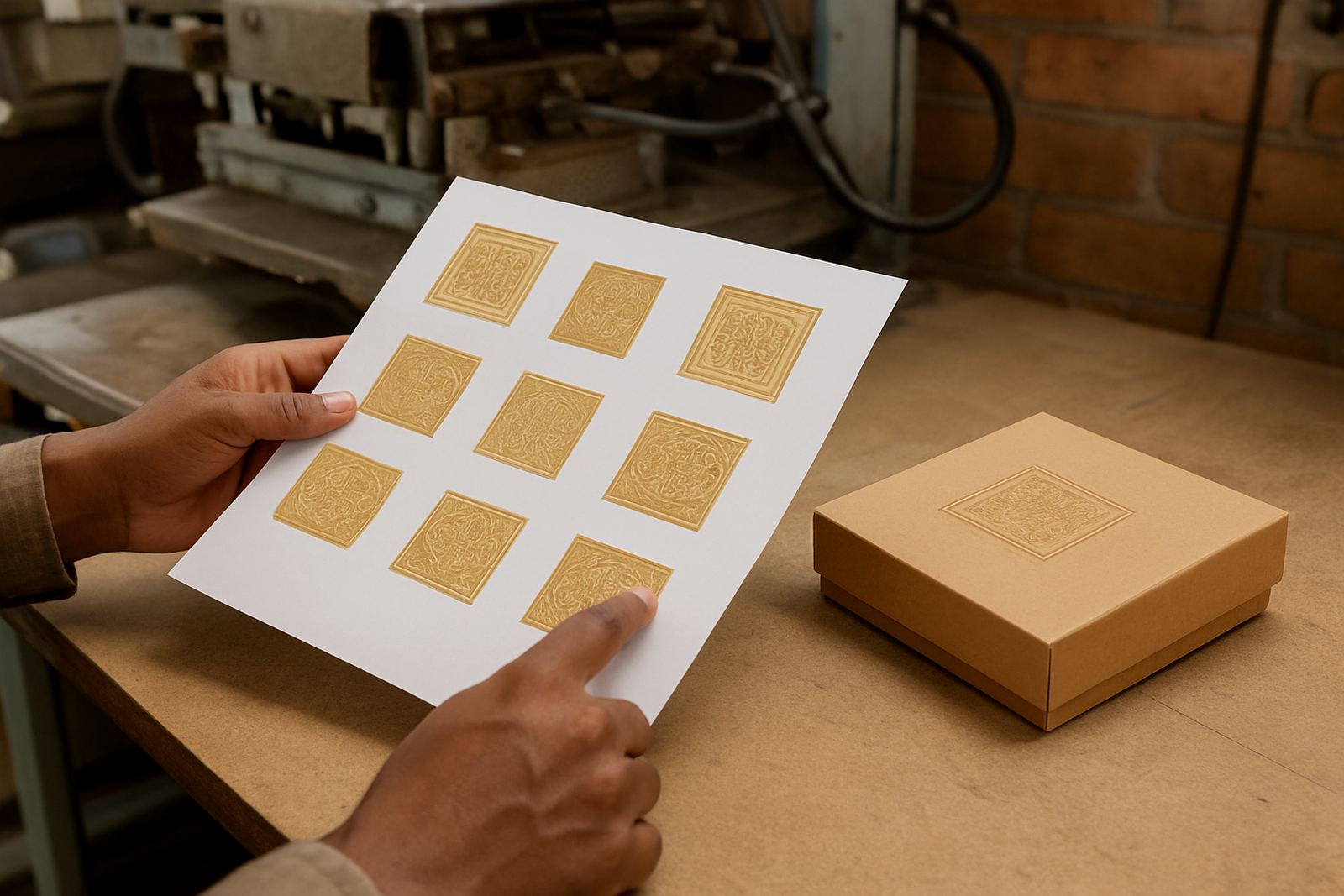
Artwork approval is often where jobs lose time, especially when a file needs cleanup before engraving can start. If the image is low resolution, has broken outlines or contains unclosed shapes, we may need to request a corrected file before the job can move forward. That back-and-forth can add a day or more, sometimes two if revisions come in late.
Our artwork checks look at line weight, spacing, clear areas, reverse text and how the design will behave once it is cut into brass or magnesium. For embossing, we also check whether the artwork will create a clean rise and fall on the stock without crushing the fibres. This matters for coated board, uncoated paper and heavier packaging materials.
If you want the fastest approval, send the artwork with all text final, dimensions confirmed and any special instructions marked clearly. Small changes after sign-off can still be done, but they may shift the turnaround because the die has to be adjusted and rechecked before engraving resumes.
- Use final artwork wherever possible.
- Check spelling, line breaks and contact details before submission.
- Confirm whether the job needs a flat die, embossing plate or both.
- Include any sample impression notes from your printer or finisher.
Typical Production Windows for Brass and Magnesium Dies
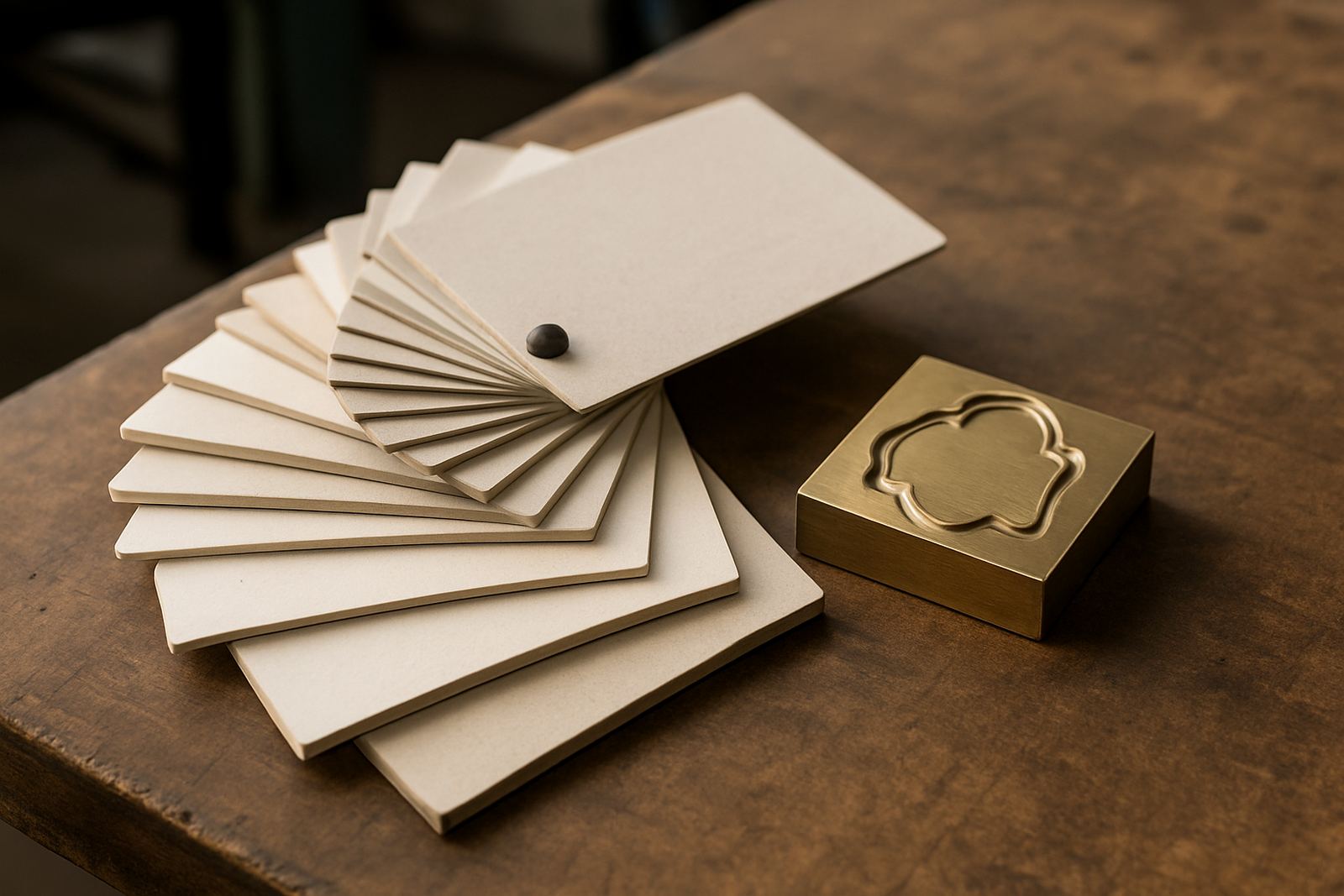
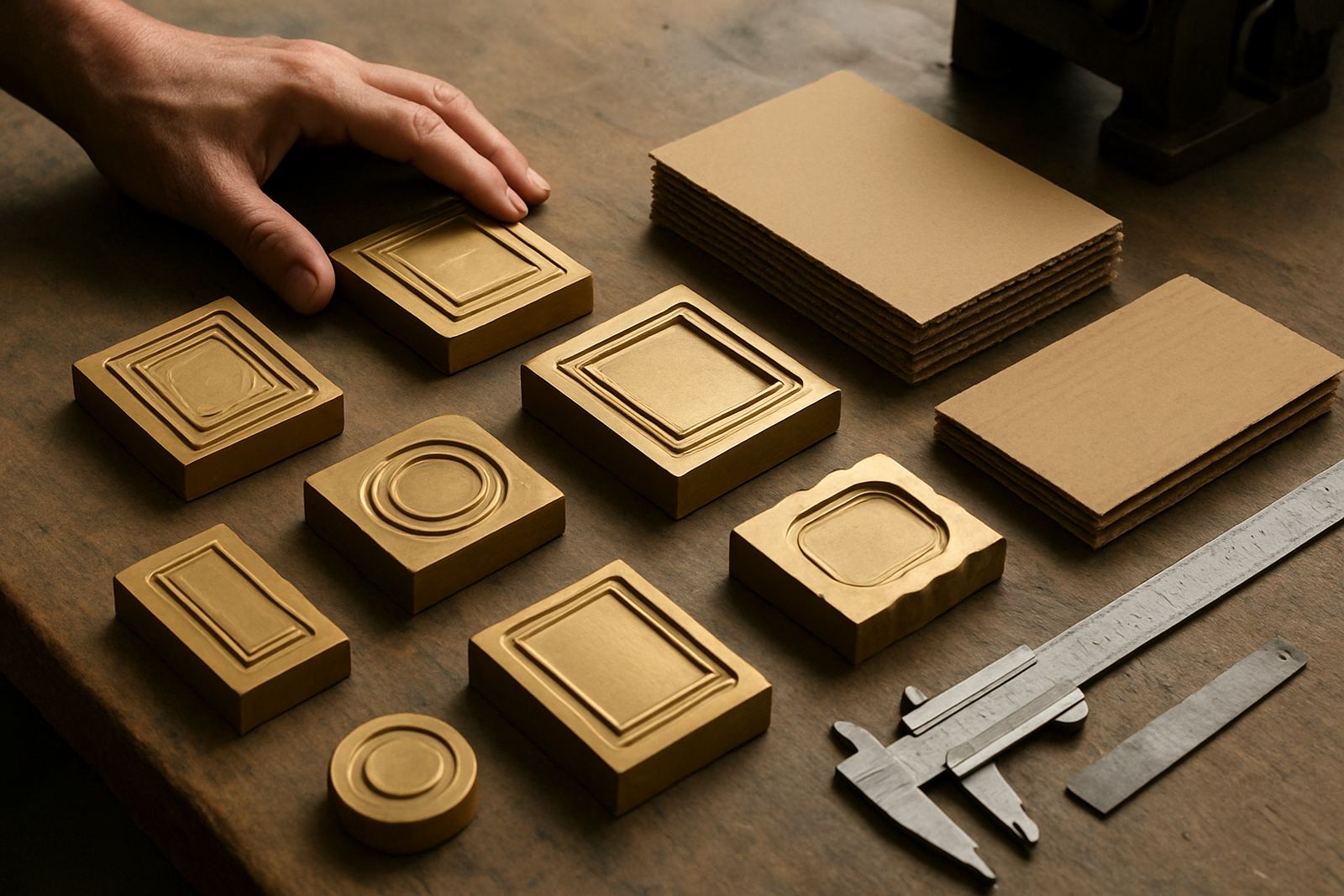
Production time depends on the material and the complexity of the engraving. Magnesium often suits lighter duty work and can move quickly through production, while brass is better for longer runs and finer detail. Brass usually takes a bit longer because the material is harder and needs more careful cutting, but it gives excellent durability for repeat work.
A simple die may be completed within a short production window once artwork is approved. More detailed work, matching counterforce, or jobs with several elements can take longer. If the job also needs sample impression advice, die alterations or a repeat order checked against an earlier file, allow extra time for verification. It is better to plan a little breathing room than to rush a plate into dispatch and regret it later.
Seasonal load on the workshop also affects timing. Month-end, year-end and peak packaging periods can extend lead times, especially when multiple jobs are in queue from Durban, Cape Town, Gqeberha and other centres. If you are working toward a launch or reprint date, ask for an estimate as early as you can.
- Simple repeat orders usually move faster than first-time artwork.
- Brass dies generally suit longer life and repeat production.
- Magnesium can be ideal for lighter jobs needing quicker turnaround.
- Complex embossing or counterforce work needs more checking time.
When Urgent Turnaround Makes Sense
Urgent turnaround is best reserved for genuine production pressure, such as a missed approval, an unexpected reprint or a packaging deadline that cannot move. If a job is urgent, say so in the enquiry form and explain why. That helps us decide whether the file can be processed immediately or whether it first needs artwork correction.
Urgent work still needs accuracy. A fast die that is not right will slow the whole line down, especially when the finisher is waiting for a clean impression on expensive board. In practice, the quickest jobs are the ones with ready artwork, clear dimensions and no last-minute design changes. We can often speed up dispatch, but we cannot skip essential checks.
If your team is in Johannesburg, Pretoria or nearby areas, courier routing can sometimes shave a little time off the final leg. For further cities, dispatch timing is still predictable if we pack early and hand over before the courier cut-off. A good brief makes that easier, and avoids the usual lag from missing notes or conflicting instructions.
Courier Dispatch and Nationwide Delivery Planning
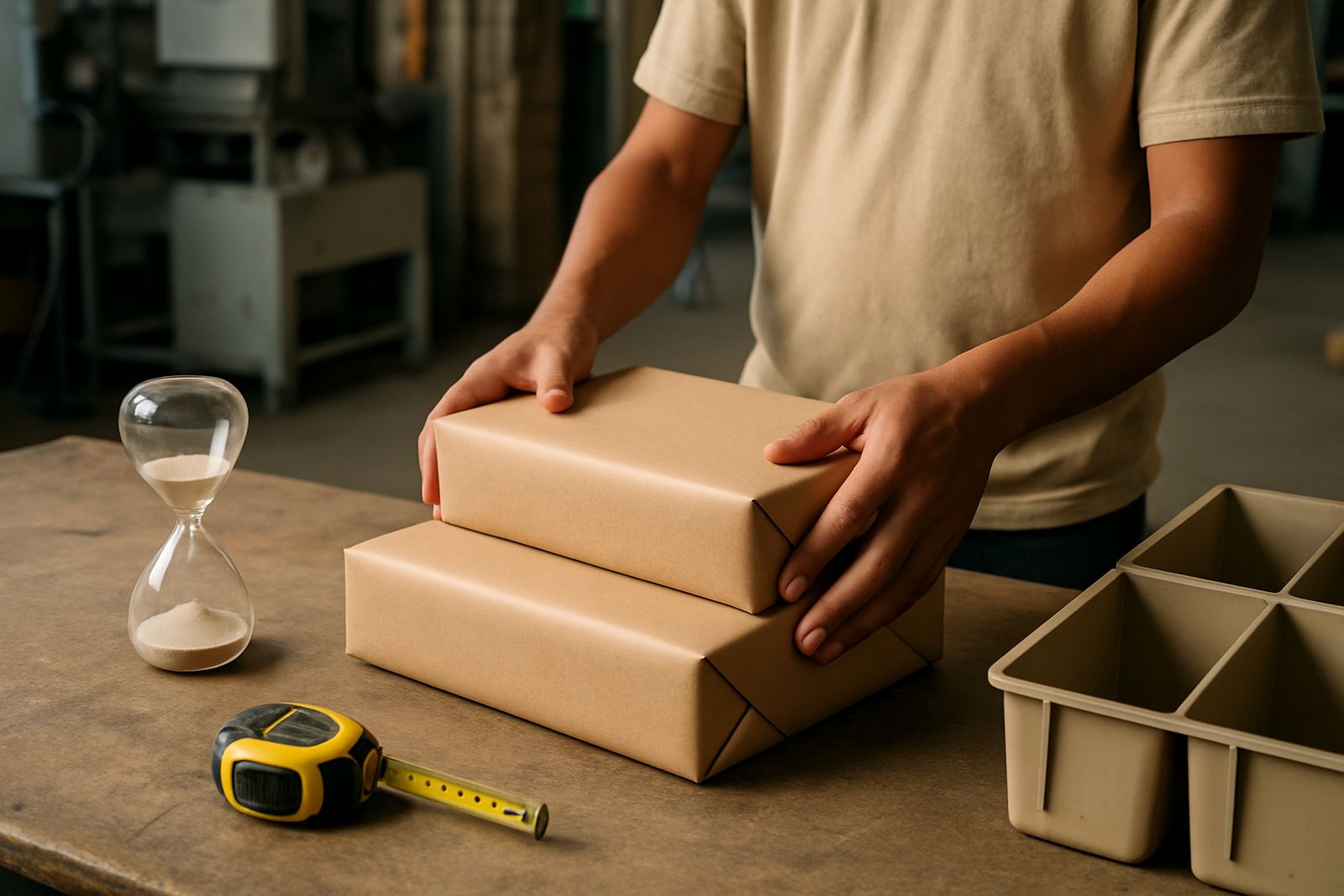
Once a job is complete, we pack it for dispatch and send it to printers, finishers or packaging houses nationwide. Delivery time then depends on the destination, the courier route and the collection cut-off. Towns and cities closer to Johannesburg may receive faster transit, while coastal and outlying routes can take longer, especially during bad weather or public holidays.
For planning purposes, remember that a completed die is only on its way once it has been packed and handed over. If your receiving team needs the parcel on a specific day, build in a little buffer for weather, traffic and local access delays. In some industrial areas, gate access and receiving hours are as important as the courier itself.
We also recommend keeping the shipping address complete, with contact details for the receiving point and any site instructions. This helps avoid failed deliveries and re-routing. A simple address error can add unnecessary time, and nobody wants that on a job that is already under pressure.
How to Build a Realistic Job Schedule
The best turnaround estimates are built from the back end of the job. Start with the date the finished product must be on press, then work backwards for approval, production and courier time. That method gives you a realistic schedule instead of a hopeful one.
For in-house planning, use this checklist before you submit the enquiry:
- Artwork is final and checked.
- Die type and size are confirmed.
- Stock, machine and impression requirements are noted.
- Courier destination and receiving contact are correct.
- Any repeat order file or previous job reference is supplied.
If you are managing several jobs at once, keep each one separate with its own approval notes and delivery target. That prevents mix-ups when a packaging house has different folds, formats or finishing instructions on the same week. A clean schedule is easier to track, and it usually saves money too because fewer corrections are needed.
When in doubt, ask for a timing estimate before you commit the print run. It is a simple step, but it can save a lot of pressure later on.
What to Expect From Our Team
Our team handles artwork checks, die design, engraving production, counterforce matching, repeat ordering, alterations, cleaning, damage assessment, sample impression advice, packing dispatch, urgent turnaround and job filing. Thabo Mokoena oversees the business from our Johannesburg base, with support from Ayesha Naidoo, Johan van der Merwe, Lerato Molefe, Sibusiso Dlamini and Megan Petersen.
When you send an enquiry through the contact page, we look at the job details, assess the likely production path and then advise on the next step. If the brief is complete, we can usually give a practical estimate without unnecessary delay. If something is missing, we will ask for it so the job can be set up properly the first time.
That is the simplest way to manage turnaround: clear artwork, correct details, realistic courier timing and honest communication from the start. It keeps the process steady and helps your print or packaging work land on schedule.