Start With the End Use, Not the Effect
Before you choose a finish, think about where the item will live and how it will be handled. A cosmetic carton for a shop shelf, a wine label, a corporate folder, and a luxury invite do not have the same needs. In Johannesburg and across the country, print finishers often have to balance visual impact with turnaround times, courier handling, and the realities of humid coastal storage or dry inland conditions.
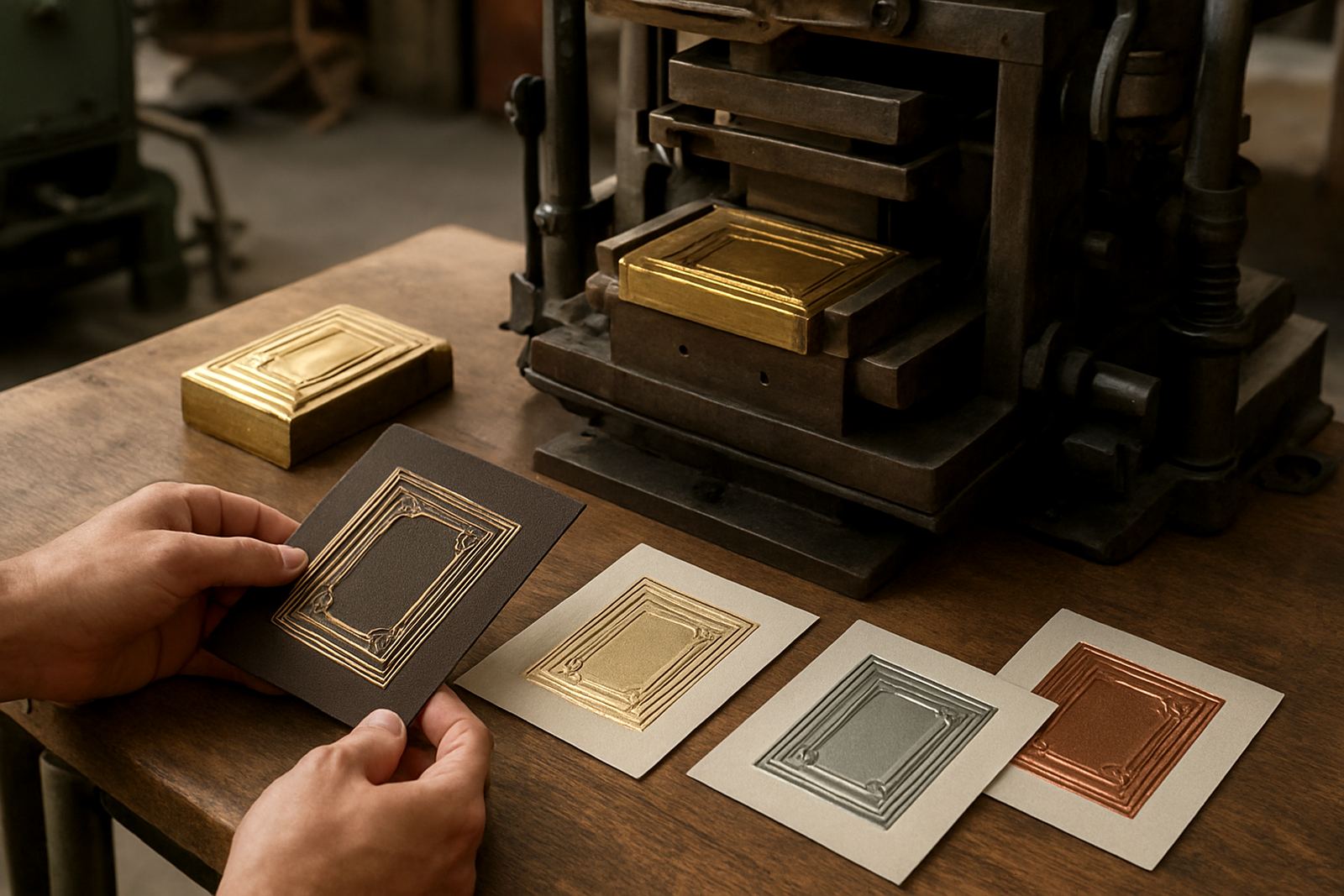
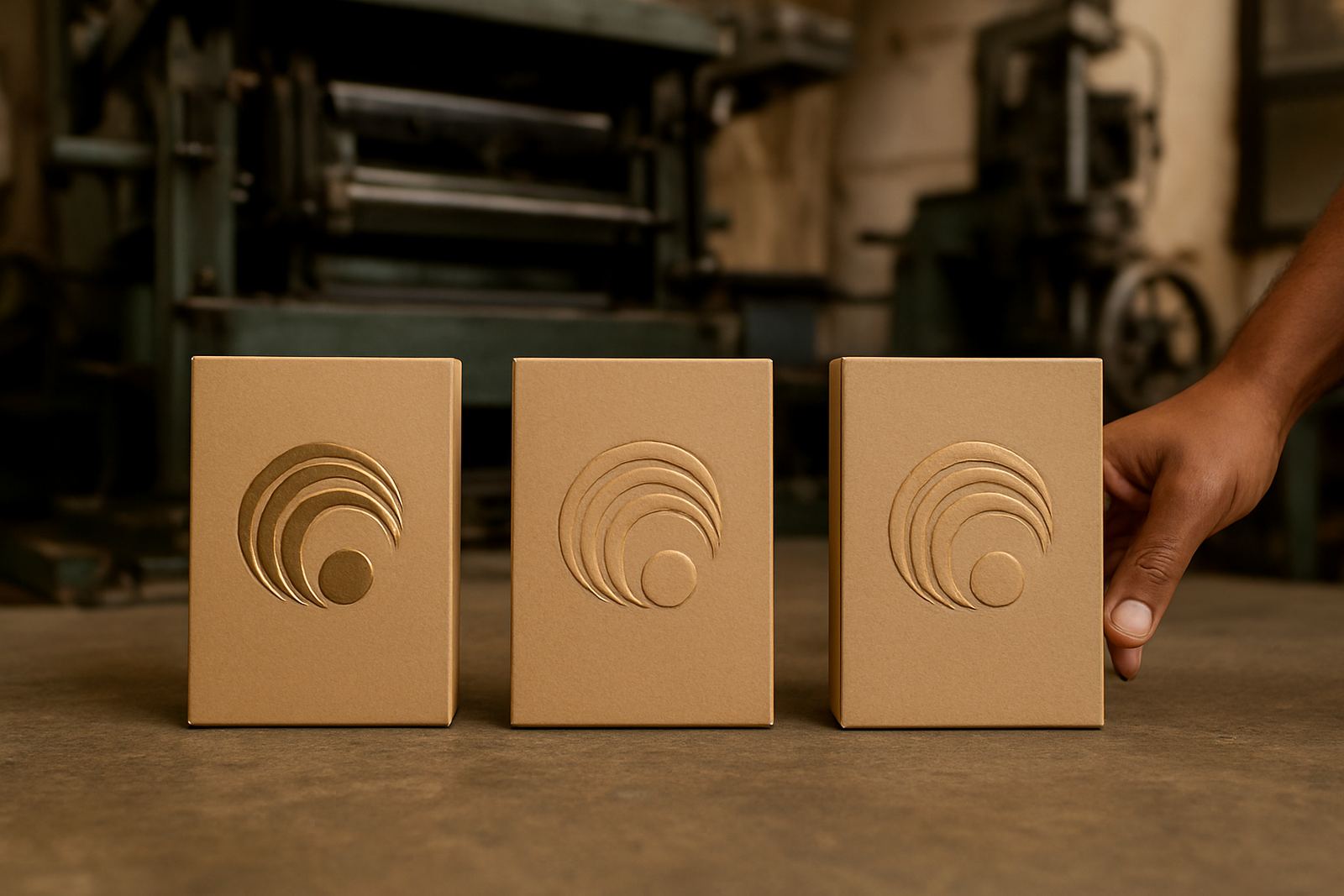
If you only need shimmer and clean branding, foil alone may be enough. If you want a tactile raise with no metallic shine, embossing is usually the better fit. If the artwork must catch the light and also be felt by hand, a combined foil emboss finish may be the right route. We help clients compare the three options before production starts, so the job is spec'd correctly and there is less back and forth later.
A useful rule is this: choose the finish that supports the message, not the one that looks the busiest on paper.
When Foil Only Is the Better Choice
Foil only works well when your main goal is colour, reflection, or a premium accent on a flat or lightly textured surface. It is common on packaging, certificates, presentation covers, and labels where the brief calls for crisp shine but no raised detail. It also suits jobs where the design includes fine lines, small text, or tight registration because there is no extra pressure step from embossing.
Foil-only work can be a practical option for larger print runs too, since there is one finishing action instead of two. That can help with budgets and scheduling, especially when a client needs cartons or inserts moved quickly through a finishing house in Pretoria, Durban, Cape Town, or Gqeberha.
- Choose foil only when the design needs metallic contrast
- Choose it for small text that must stay sharp
- Choose it when the surface will not benefit from a raised feel
- Choose it when speed and cost matter more than texture
For best results, send final artwork with clear line weights and defined knockout areas. Thin details may print well in digital proofs but fail on press, so artwork checks matter.
When Emboss Only Is the Better Choice
Emboss only is the right call when the shape and depth of the design should carry the message on its own. It gives a raised impression without foil, which works nicely for monograms, borders, logos, and elegant pack details. It can also be a good solution for clients who want a quieter finish that still feels special in the hand.
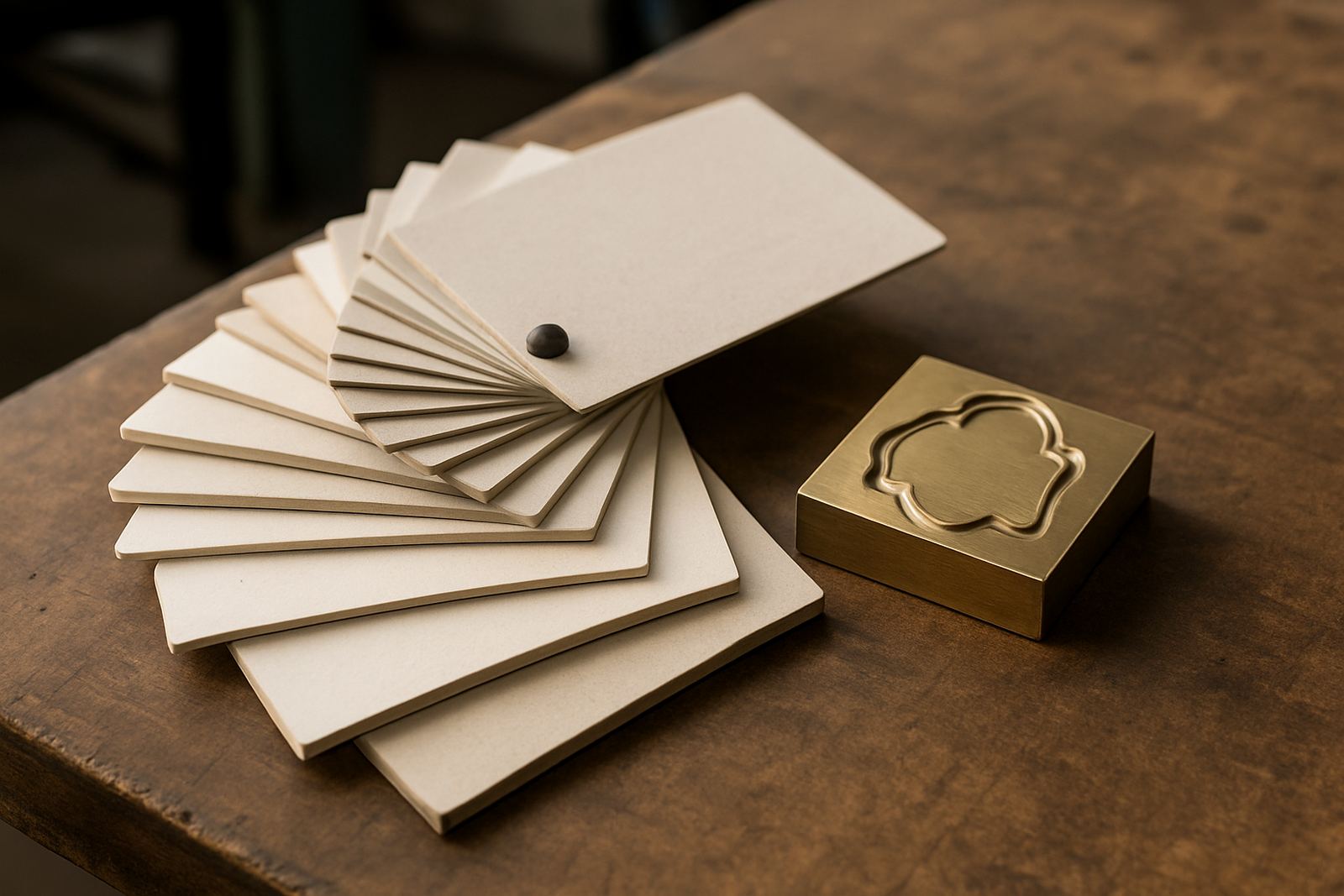
Embossing is often chosen for papers and boards that have enough body to hold a clean impression. Soft stock can collapse, while very thin material may show distortion on the reverse side. Counterforce matching is important here, because the back-up setup helps protect the sheet and gives a cleaner result. A well-made embossing plate, paired with correct make-ready, can make a simple mark look very considered.
- Choose emboss only for a raised tactile effect
- Choose it for understated branding
- Choose it when foil colour is not needed
- Choose it when the stock can hold a deep, clean impression
For some jobs, embossing alone is also easier on tight production windows. There is no foil stock to align, which can simplify the setup and reduce the chance of wastage.
When Foil Emboss Gives the Strongest Result
A combined foil emboss finish gives you both shine and depth. It is often used where the item must stand out on a shelf or in a client presentation and where the brand wants a clear luxury cue. The foil catches light, while the emboss adds touch and structure. Together, they create a finish that feels more deliberate than either effect on its own.
This option does take more planning. The die must suit both the foil and the pressure required for the emboss, and the artwork has to allow for the detail to align properly. For repeat orders, good job filing is valuable because it lets the team return to the same approved setup with less delay. If a previous die needs alteration, or the artwork has changed, it is better to confirm that before dispatch than to discover it after the machine is set up.
Foil emboss is especially useful for premium packaging, annual reports, invitations, and special edition wraps. It is less suitable when the surface is weak, the budget is tight, or the turnaround is so fast that the finishing sequence becomes too risky.
A Practical Checklist Before You Place the Order
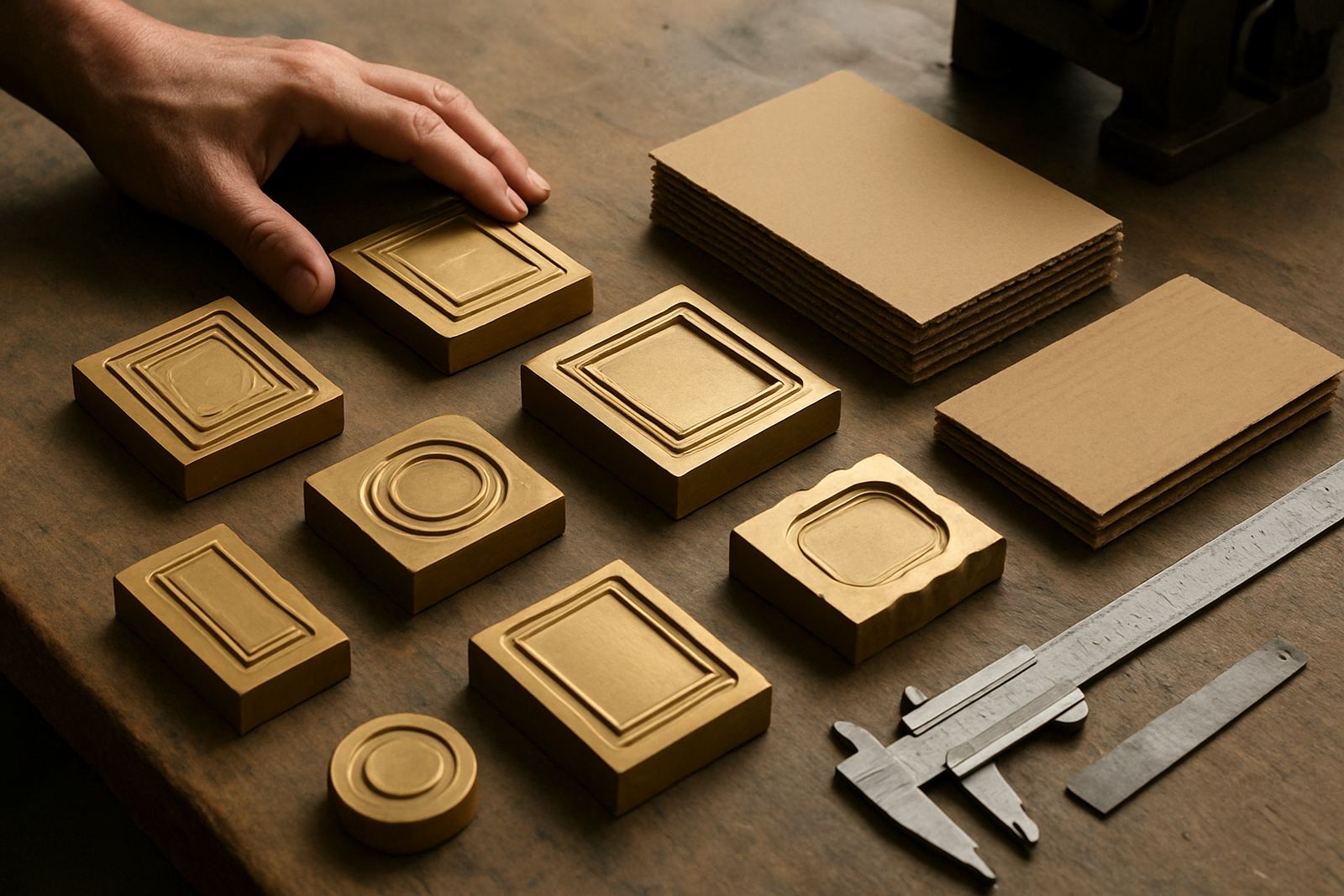
Good die work starts with a clear brief. If the artwork is not ready, the finished result usually suffers and the job can cost more in rework. We often advise clients to confirm the stock, sheet size, finish area, and intended run length before they commit. In print finishing, small details matter. A line that looks fine on screen may be too fine to engrave cleanly, and a broad solid may need a different treatment for even pressure.
- Confirm whether the finish is foil only, emboss only, or both
- Send final artwork in the correct size and scale
- State the substrate type, thickness, and grain direction if relevant
- Ask for artwork checks before engraving begins
- Confirm if a sample impression or proof is needed
- Tell us if the job is urgent so dispatch can be planned early
If the job is going to Durban or Cape Town, allow for courier time and factor in local weather. Coastal humidity can affect stock handling, and a clean packed die is important if it will travel before use.
How We Support Finishing Houses and Packaging Teams
Hot Stamping Dies works with offset printers, flexo users, and print finishers across South Africa, from Industria in Johannesburg to Polokwane, Mbombela, Bloemfontein, Pretoria, Durban, Cape Town, and Gqeberha. Our team handles artwork checks, die design, engraving production, sample impression advice, die alterations, cleaning, packing dispatch, repeat ordering, and damage assessment. That means the job can move from enquiry to courier with fewer gaps in the process.
Thabo Mokoena leads the operation with Ayesha Naidoo overseeing production, Johan van der Merwe on engraving, Megan Petersen on prepress, Lerato Molefe on customer support, and Sibusiso Dlamini coordinating dispatch. For many clients the value is simple: a clean, precise die, packed properly and sent out on time. When load-shedding or a tight factory schedule puts pressure on a production day, that consistency helps.
If you are unsure which finish is right, compare the three against your stock, budget, and brand goal, then choose the one that gives the clearest result with the least risk.