
1. Start with the product you are finishing
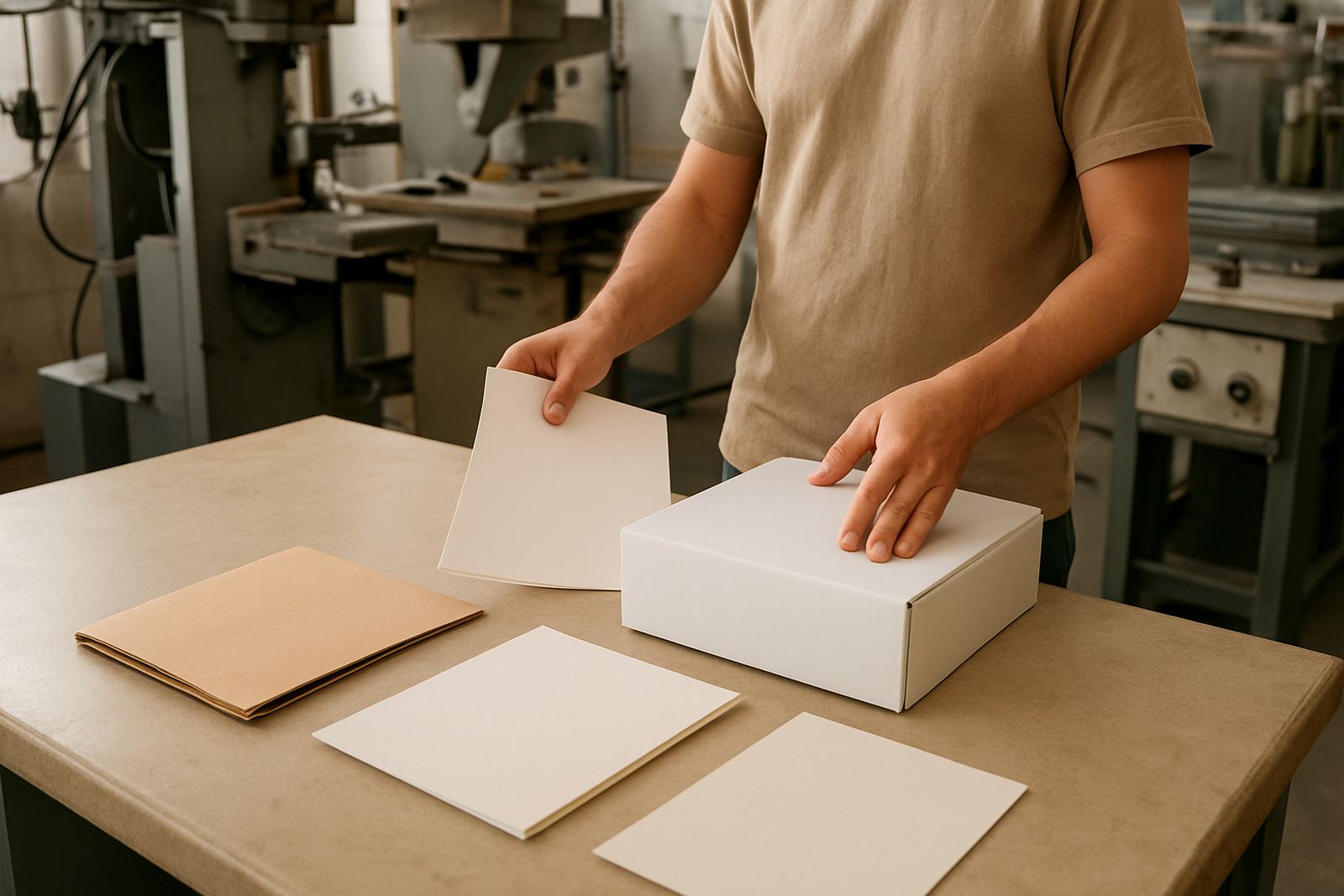
Before you ask for a quotation, tell us exactly what the die will be used on. Is it for a carton, label, sleeve, folder, gift box or another printed item? The substrate matters because paperboard, coated board, textured stock, foil lined board and synthetic materials all behave differently under heat and pressure. If the item is for a coastal market such as Durban or Gqeberha, mention that too, since humidity can affect both stock choice and finishing conditions.
It also helps to explain whether the job is for offset printing, flexo work or a later finishing stage. If you already know the press size, sheet size or machine type, include that. A simple note like “packaging for 2 000 units, matte carton, gold foil stamp on the front panel” gives a much better starting point than a general request.
2. Prepare your artwork in a clean, readable format
Send the logo, text or pattern you want stamped in a format that can be checked properly. Vector artwork is best because it keeps edges crisp when the die is engraved. If you only have a PDF, JPEG or printed sample, send that as well and we will advise what can be used. For fine type, small borders or line work, clarity matters more than anything else.
- Include the final artwork version, not an old draft
- State the exact wording, spelling and punctuation
- Mark any areas that must not be changed
- Tell us if the design needs to match an existing job
- Flag any small details that may be too fine to stamp cleanly
If you are unsure whether the artwork is ready, ask for an artwork check first. A small correction at this stage is far easier than changing a finished die later, and it saves time when the load shedding schedule or courier timing is tight.
3. Measure the stamping area properly
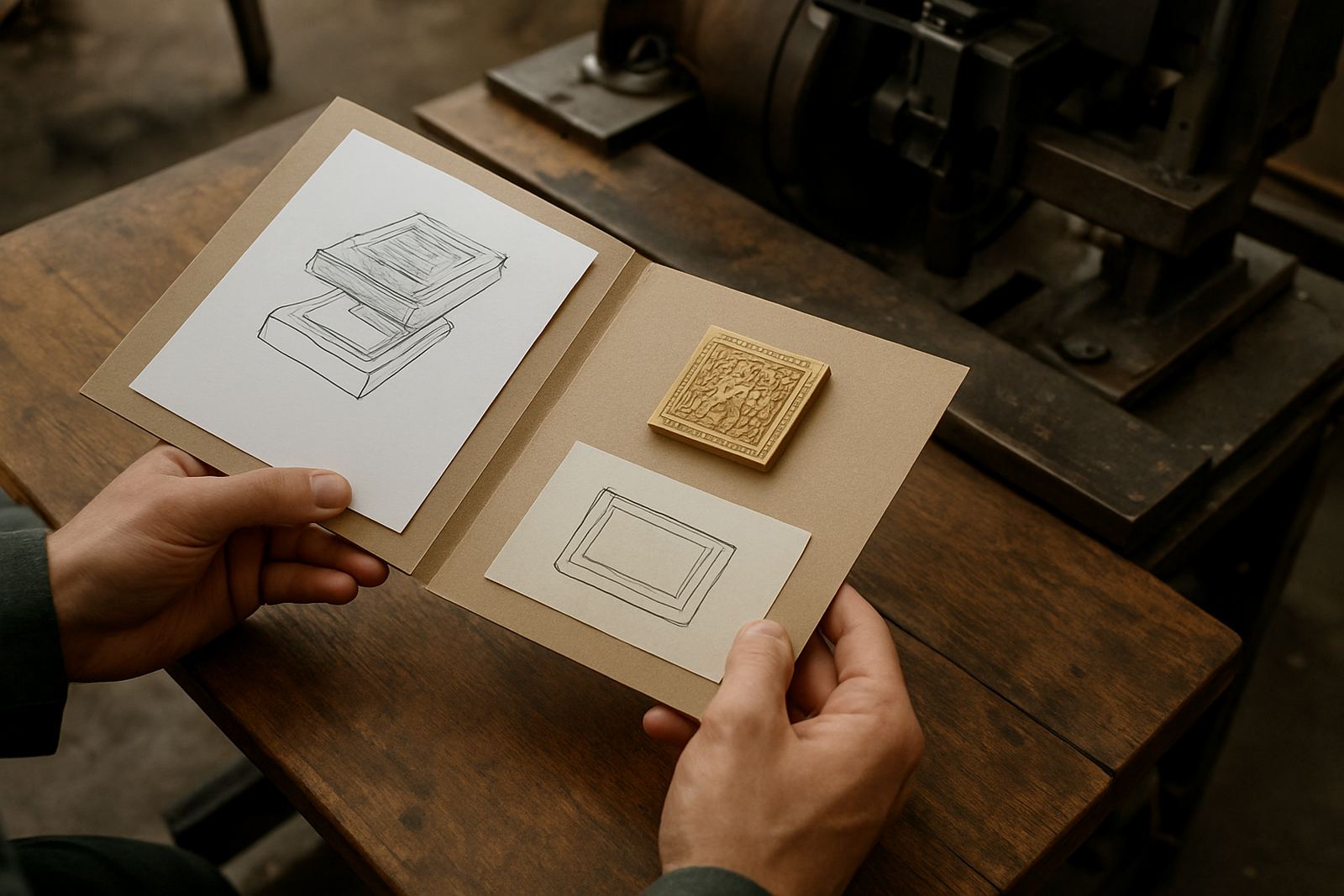
We need the exact size of the area to be stamped or embossed, measured in millimetres. Please do not estimate by eye. The position on the sheet or carton should also be shown, ideally with a simple marked-up layout or a photo of the item. If the design must sit a certain distance from a fold, edge or crease, include those measurements too.
For embossing plates and matching counterforce, the layout must be accurate because the raised or recessed effect depends on proper alignment. If there is an existing die, send us the old size and any photos of wear or damage. If the job is a repeat order, mention the previous file reference if you have it. That lets us check the record faster and keeps the order consistent.
- Width and height of the image area in mm
- Distance from trim, fold or edge
- Orientation on the sheet or carton
- Any required registration with print or foil blocks
- Whether the job is a first run or repeat order
4. Tell us what finish you want to achieve
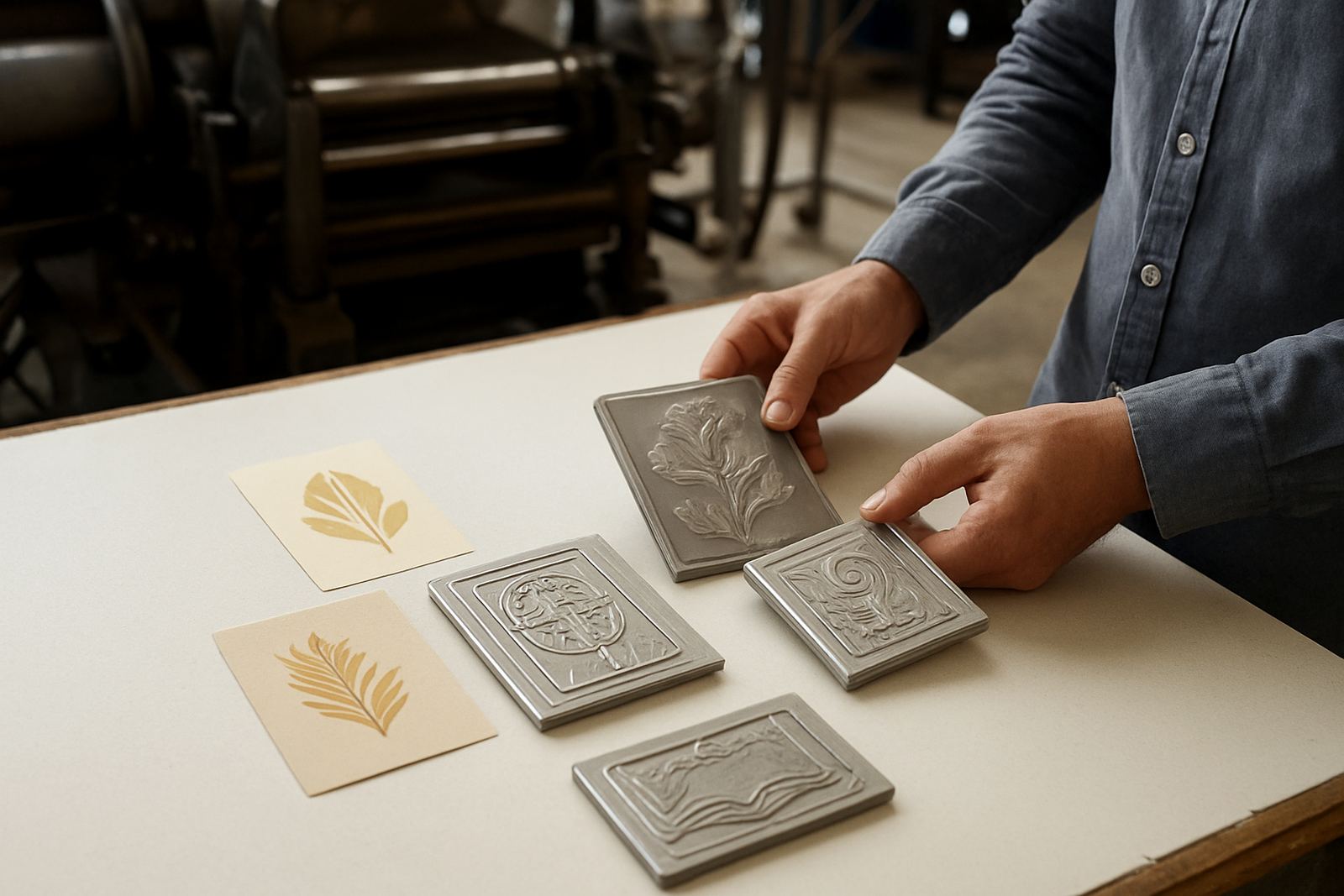
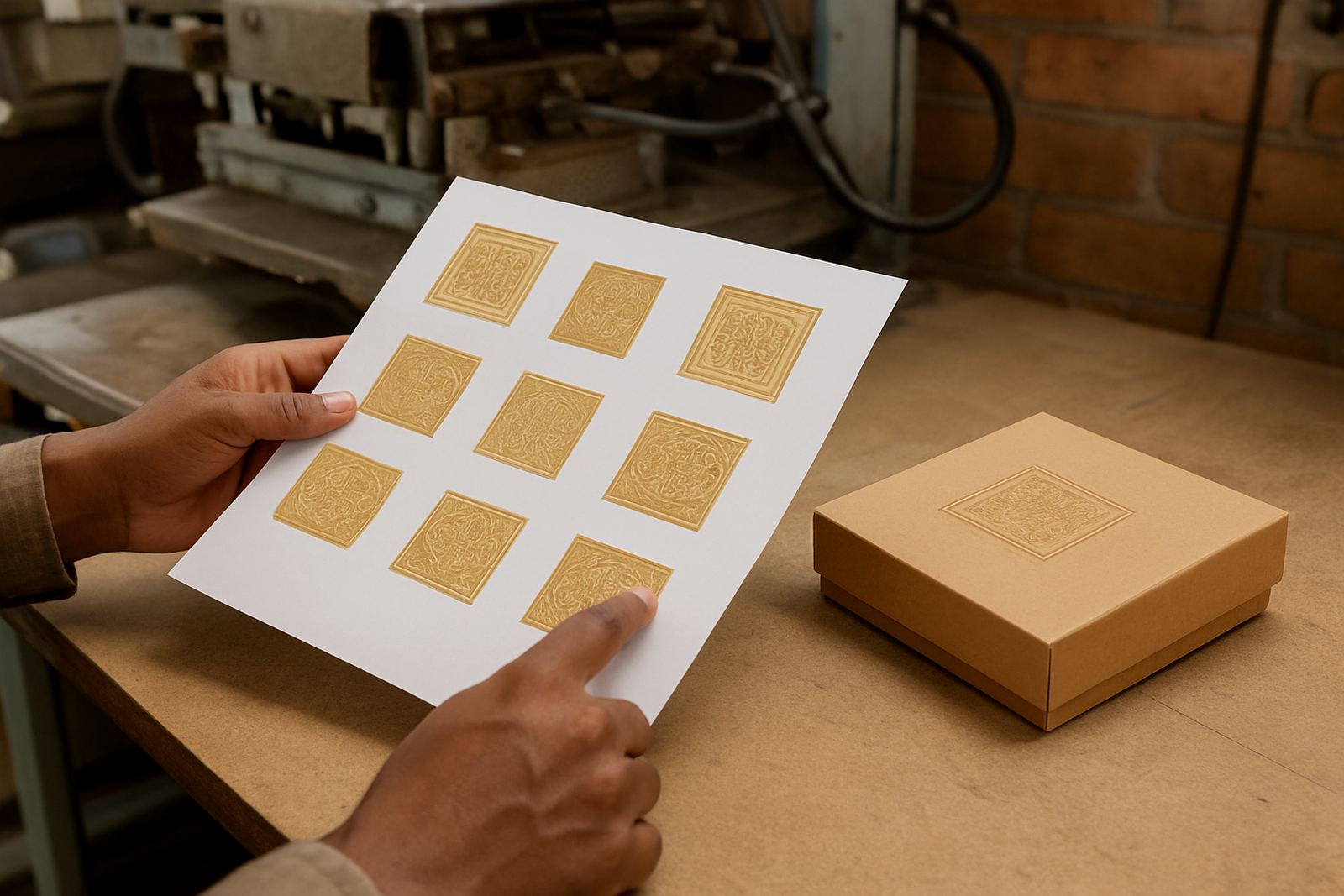
Hot stamping and embossing can produce different results depending on the look you want. A clean logo, a deeper deboss, a fine line pattern or a textured effect all need different die preparation. When you request a quotation, describe the finish in plain language. If you have a sample impression or a product already on the market, send a photo of that sample so we can assess the effect you are after.
Be clear about whether the job is for a decorative result, security marking or product identification. If the stamp must read clearly on dark stock, soft-touch board or a surface with a strong texture, mention that. That helps us advise on line thickness, letter height and whether a brass or magnesium die is the better fit for the job.
5. Budget, quantity and turnaround all affect the quote
The more detail you give, the more accurate the quotation will be. Tell us how many dies you need, whether it is a once-off or a repeat series, and whether you need any alterations later. If you are working to a campaign launch, trade show date or customer delivery deadline, say so at the start. We can then advise on urgent turnaround where possible and plan packing dispatch properly.
Please also mention if the order will need job filing for future repeat use. Many print finishers and packaging houses keep a record for reorders, which is useful when a customer asks for the same die months later. If the brief is likely to change, say that too, because it can affect the way the die is designed and engraved.
- Number of units or cartons to be finished
- Preferred turnaround time
- Need for repeat ordering later
- Any likely artwork revisions
- Special packing or delivery instructions
6. What happens after you send the enquiry
Once your enquiry comes through the contact form, our team checks the artwork, measurements and finishing details. Megan Petersen can assist with prepress questions, while Ayesha Naidoo and Johan van der Merwe assess the production side. If something is unclear, we will ask for more information before going ahead. That saves time and helps avoid a die that is too small, too large or not suited to the stock.
When the details are confirmed, we move into die design and engraving production. If needed, we can advise on counterforce matching, sample impression advice and die alterations for repeat work. Sibusiso Dlamini handles dispatch so that finished dies are packed carefully for courier delivery to Johannesburg, Pretoria, Durban, Cape Town, Gqeberha, Bloemfontein, Polokwane, Mbombela and other towns nationwide.
7. A simple first-order checklist to use before you submit
Use this checklist before you send your request. It keeps your order neat and helps us quote properly the first time. If you are not sure about one item, leave a note and we will talk it through with you.
- Final artwork file or clear sample image
- Exact size in millimetres
- Material type and finish
- Position on the printed piece
- Quantity and turnaround needed
- Any repeat order history or file reference
- Special notes about humidity, texture or heat sensitivity
Even a short brief can work well if it includes the essentials. The more precise the information, the better the result on press and the less chance of delay from incorrect assumptions or last minute changes.