Foil and Emboss Dies For Cover Work That Must Line Up First Time
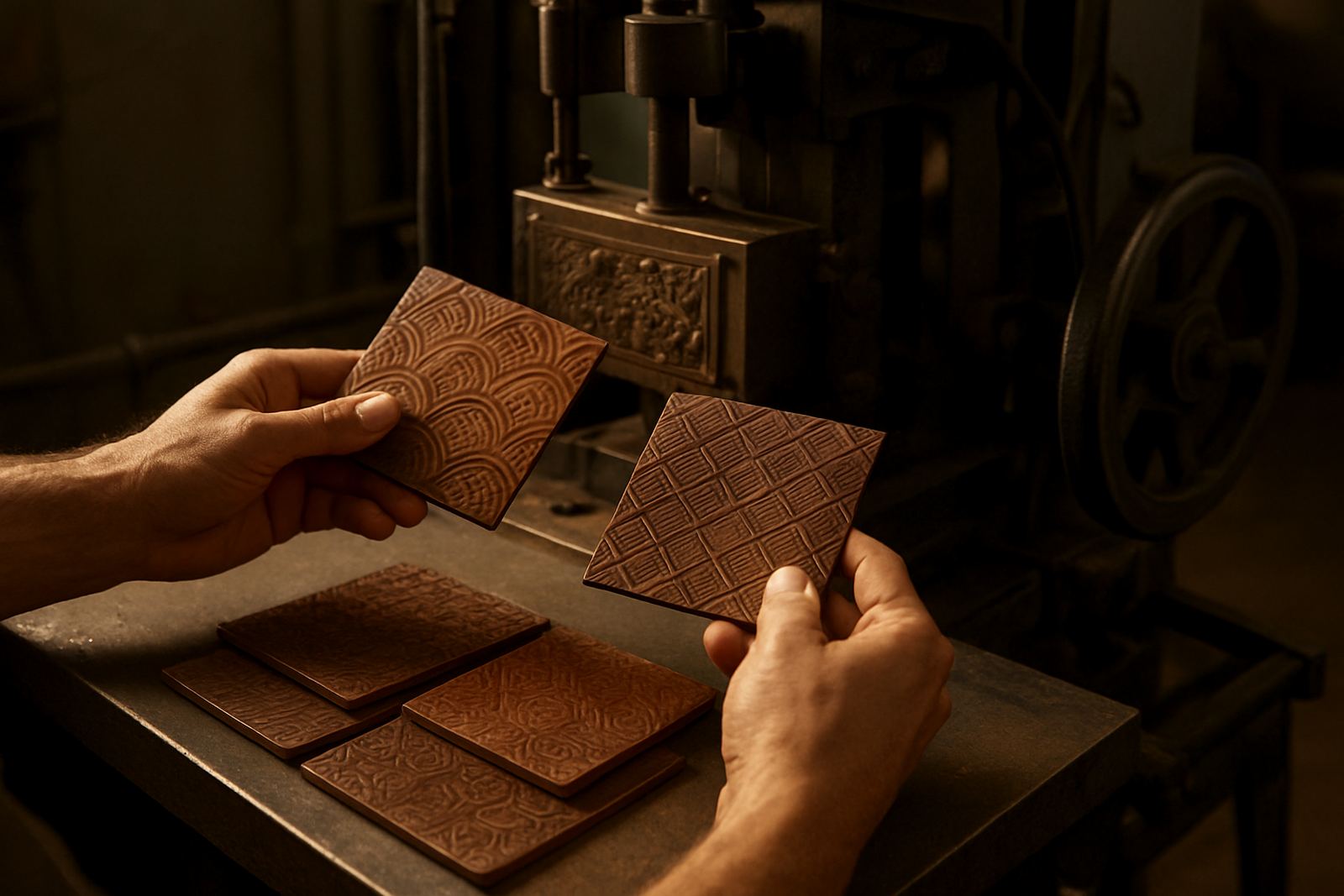
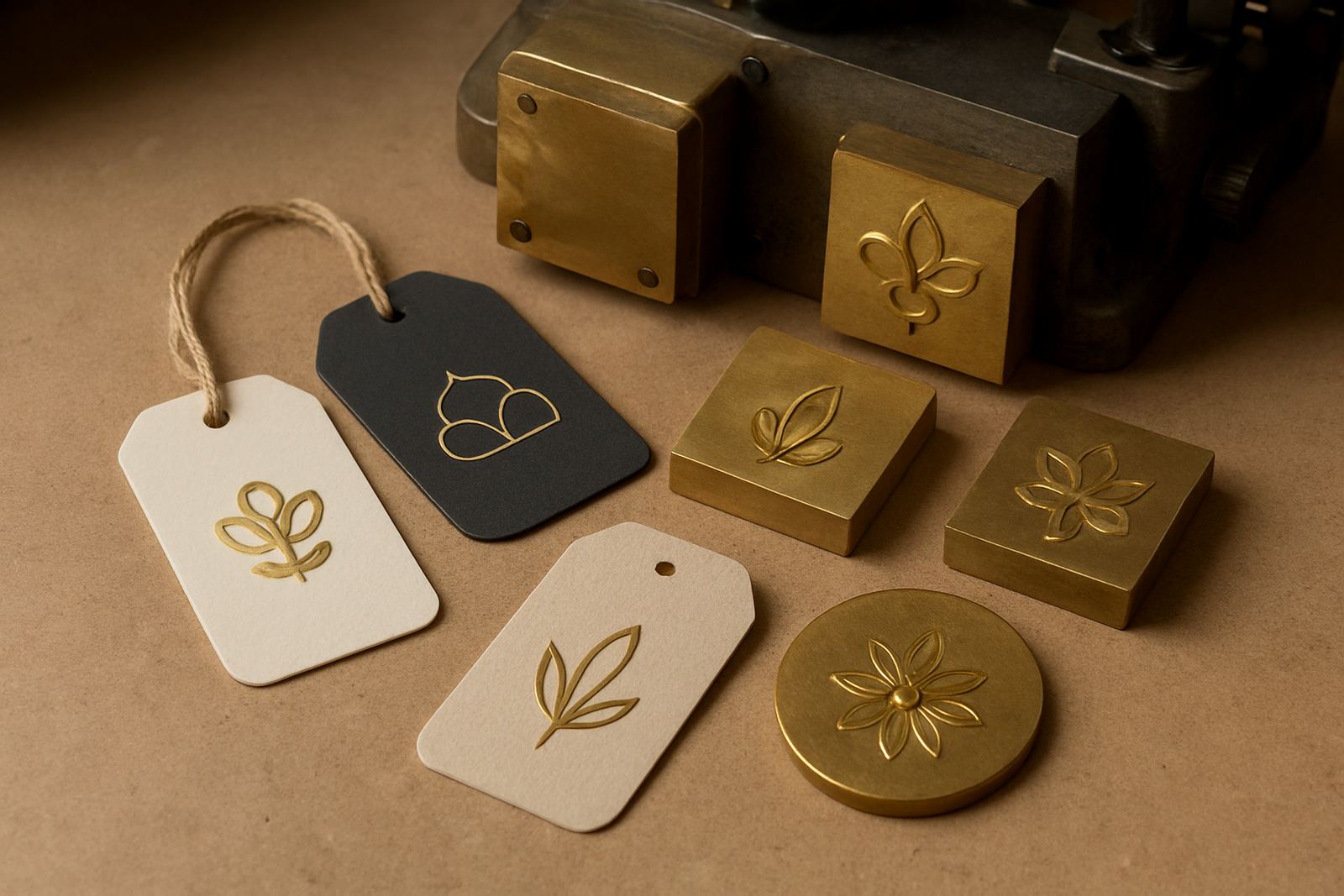
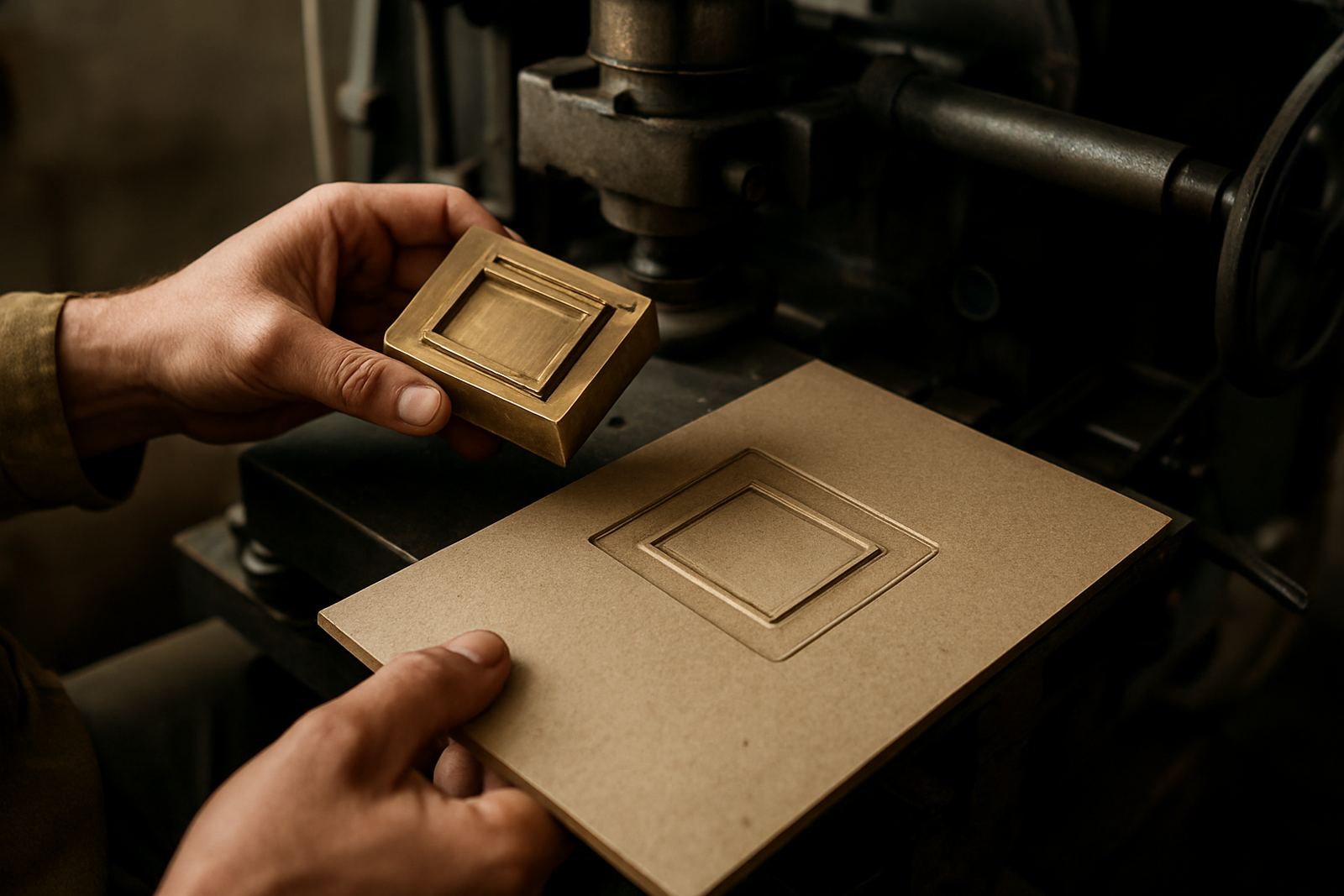
Book cover dies are used where a hard cover, thesis cover or presentation book needs a clean foil impression or a pressed detail that sits true to the artwork. The die carries the image that transfers heat and pressure into the cover material, so the finish depends on the accuracy of the engraving, the depth of the raised areas and the way the counterforce is matched on press. For schools, universities, legal firms and corporate printers, this is the part that makes the cover look finished instead of just printed.
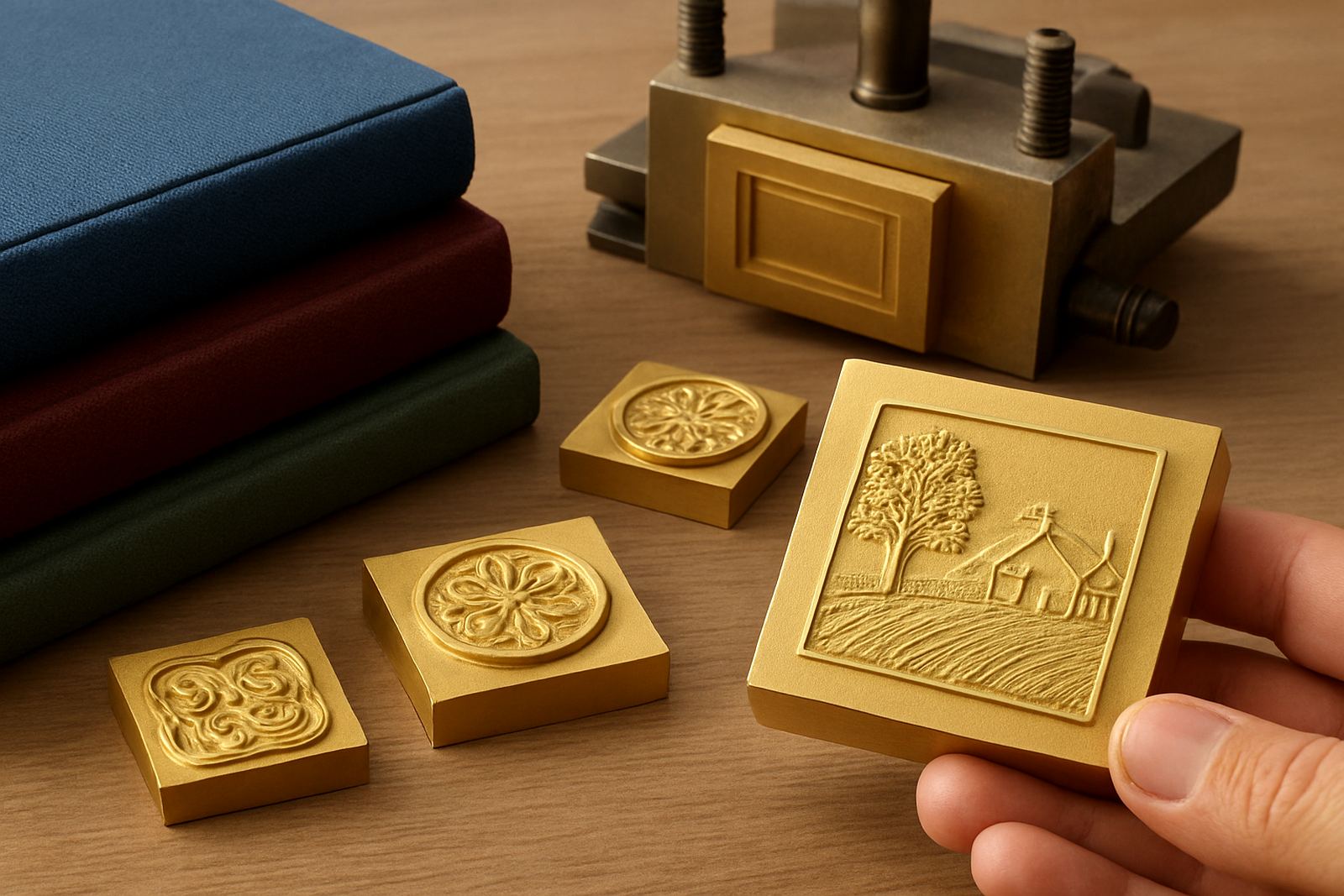
We make brass and magnesium dies for cover work in Johannesburg and courier them to finishers nationwide. Brass is the better choice for longer runs and fine detail, while magnesium suits lighter production and quicker turnarounds. If the job includes a logo, crest, title line or border, we can build the die to suit the exact panel size and the way the cover opens and closes. A neat cover starts with a die that has been checked against the final artwork, not just the rough layout.
Sizes, Materials and Common Book Cover Applications
Book cover dies are normally made to the finished artwork size, with allowance for the press bed, the cover board and the wrap around material. We work to the size the printer needs, whether that is a single title block, a school crest, a foil spine mark or a full front cover emboss. Most cover work needs tidy corners, even pressure and enough relief to stop the foil from bleeding into the texture of the board.
- Standard cover areas: small logos, name blocks, spine marks and border frames
- Hard covers: thesis books, yearbooks, report covers and presentation folders
- Special sizes: oversized academic books, slim portfolios and branded document sets
- Material options: brass for durability, magnesium for lighter duty runs
If you are using textured cover stock, coated board or leathergrain material, tell us up front. Some finishes need more pressure, while others need a cleaner edge and less heat. The wrong setup can leave a flat impression or a fuzzy foil edge, and that is a waste of time on press.
Press Setup, Heat Settings and What the Die Needs On Machine
A book cover die does not work on its own. It must fit the press, the chase or platen and the heated tooling system in use on your machine. Before production, the operator should confirm the die size, the mounting method and the position of the artwork on the cover. The press also needs a stable power supply and enough heat recovery to hold temperature through the run. If your site has load-shedding interruptions, plan the run so the press can warm up fully again before restarting, otherwise the first impressions may be uneven.
Most cover jobs need electrical power for the hot foil press and compressed air if the machine uses pneumatic pressure. The die itself does not need gas. What matters is a clean mounting surface, the right packing under the die and the correct counterforce on the cover board. For some jobs we provide sample impression advice so the finisher can test pressure, heat and dwell time before the full run starts. That saves rework and keeps the stack usable, especially on short deadline work where there is no spare material to burn.
- Check the press bed: flat, clean and large enough for the full die
- Check power: stable supply for heating and repeat temperature control
- Check air: adequate compressed air where the machine needs it
- Check the packing: correct underlay for even pressure across the image
Artwork Checks and Die Design Before We Cut Metal
Good book cover dies start with the artwork. We check line thickness, spacing, sizing, font weight and any small detail that may close up once the design is stamped. Thin hairlines, tiny reversed text and overpacked logos can fail on press, especially on textured covers. If the artwork is not suitable, we flag it before engraving so the finished die does not give you trouble later.
Die design also includes practical notes such as the grain direction of the cover, the fold line position and where the title should sit once the book is assembled. A thesis cover may need a centre mark and a narrow spine while a presentation book may need a more formal frame. We file each job carefully so repeat orders can be matched later without starting again from scratch. That helps when a client needs a second batch months down the line or wants a small change to the wording.
Care, Cleaning and Damage Checks Between Runs
Book cover dies last longer when they are cleaned properly after use and stored flat. Foil residue, dust and adhesive can build up on the face of the die, which affects the next impression. A soft clean after the run, followed by careful packing, keeps the detail sharp. Do not scrape the face with hard tools or stack the die where it can be bent or knocked. Even a small dent can show on a title line.
We also assist with die cleaning, damage assessment and die alterations where a cover set needs updating. If the title changes, the date changes or the branding needs a small adjustment, it is often possible to modify the existing tool instead of making a new one. That can save money and time, especially on municipal tenders, academic work and repeat corporate orders that must go out fast. Keep the original file and order reference close by because it makes the next job much easier.
What To Send When Ordering A Book Cover Die
When you order a book cover die, the more complete the job brief, the smoother the turnaround. We need the final artwork, the finished size, the material to be stamped, and the press type if it is already known. If the die must line up with an existing cover board or a spine panel, include the exact measurements. If the job is urgent, say so from the start and we can advise on production and dispatch timing.
- Final artwork in a clear format, with spelling checked
- Finished cover size and placement of the image on the book
- Material type, such as cloth, board, coated wrap or leathergrain
- Press details, including bed size and whether the machine is heated
- Whether you need emboss only, foil only, or a combined foil and emboss setup
- Repeat order details if we are matching an older die
Our team in Industria handles artwork checks, engraving production, counterforce matching and packing dispatch, with courier delivery to Johannesburg, Pretoria, Durban, Cape Town, Gqeberha, Bloemfontein, Polokwane and Mbombela. For finishers working across South Africa, that means one point of contact and a die that arrives ready for the next step.
Key facts
| Material options | Brass or magnesium |
|---|---|
| Common use | Foil stamping and embossing on hard covers, thesis covers and presentation books |
| Typical application areas | Front cover, spine, title block, crest, border frame |
| Production support | Artwork checks, die design, engraving and counterforce matching |
| Dispatch | Packed and couriered nationwide from Industria, Johannesburg |
| Care | Clean after use, store flat, keep away from knocks and adhesive build-up |