
What hang tag dies are used for
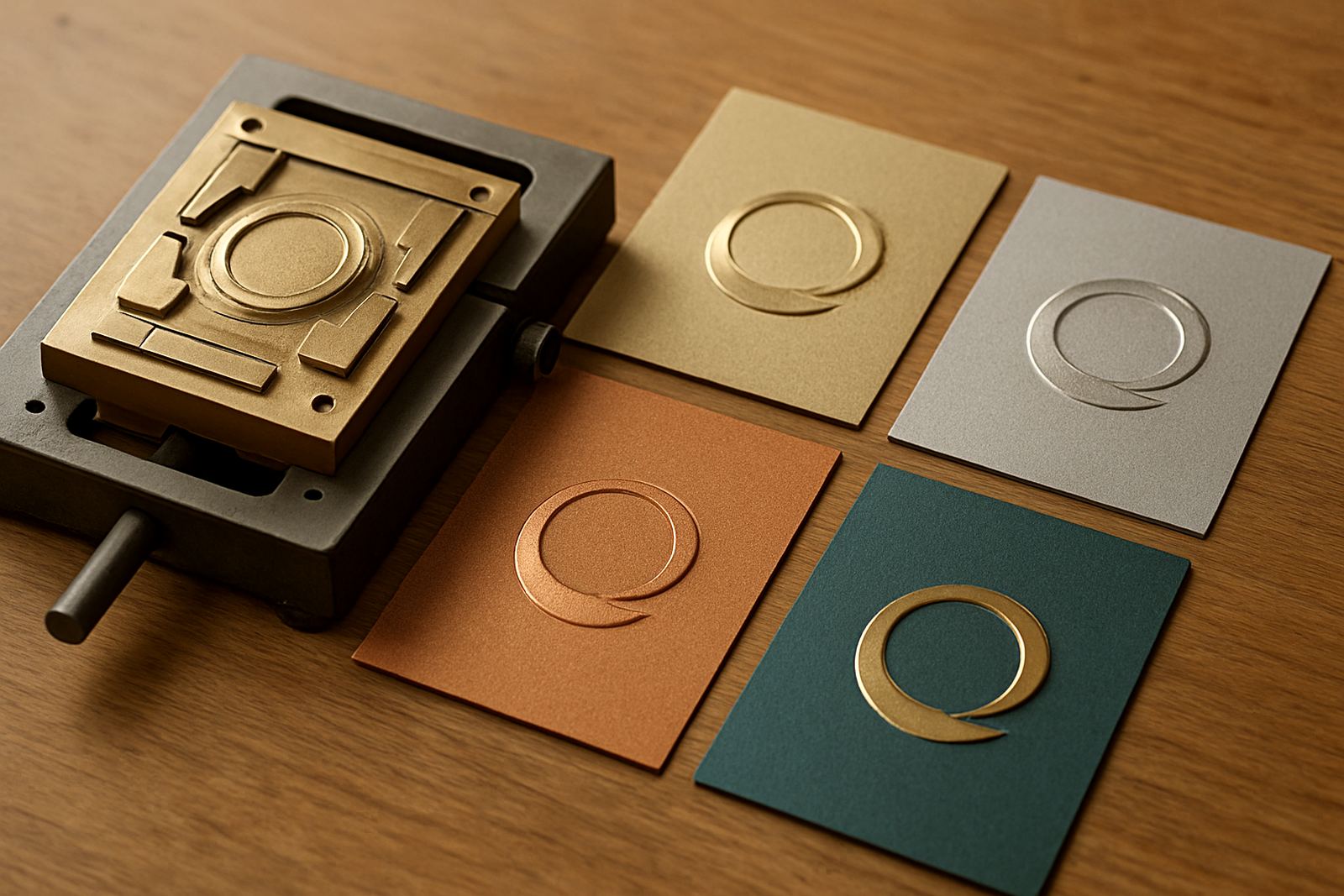
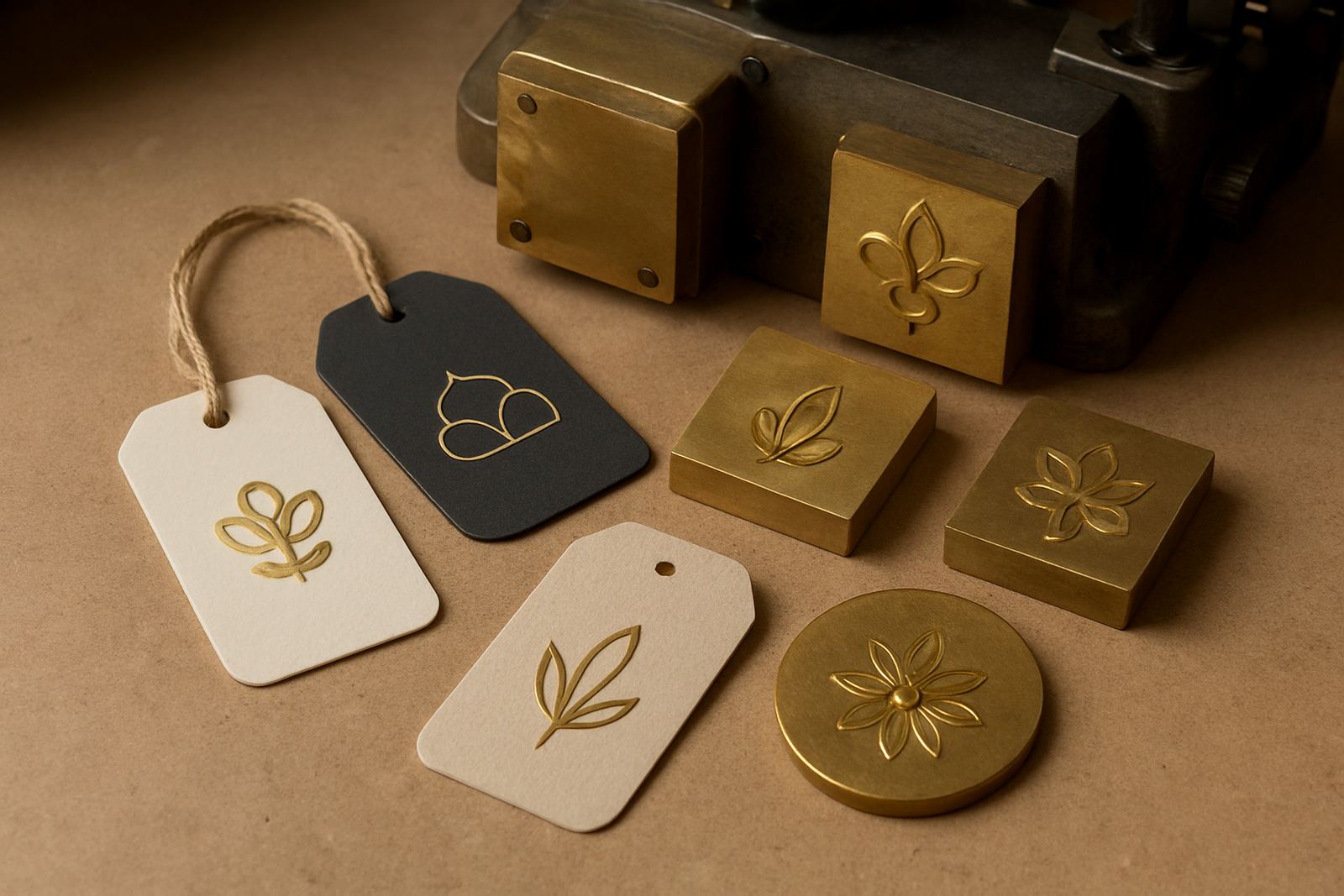
Hang tag dies are custom-made tools used to stamp, cut or emboss branded tags for clothing, footwear, accessories and product packaging. They are made to match your artwork exactly, so the finished tag carries a neat logo, border, hole shape or raised detail that looks consistent across the run.
For short runs, seasonal launches or repeat orders, the right die saves time on press and keeps the finish tidy. If the artwork includes fine lines, small text or a special shape, the die has to be cut and engraved properly from the start, otherwise the edges can look soft or the emboss can lose definition.
- Apparel hang tags with logo cuts, corner radii or shaped edges
- Product tags for cosmetics, gifts, leather goods and accessories
- Embossed tags for premium branding and packaging finishes
- Special release tags for promotions, seasonal ranges and labels
Brass and magnesium options for different tag runs
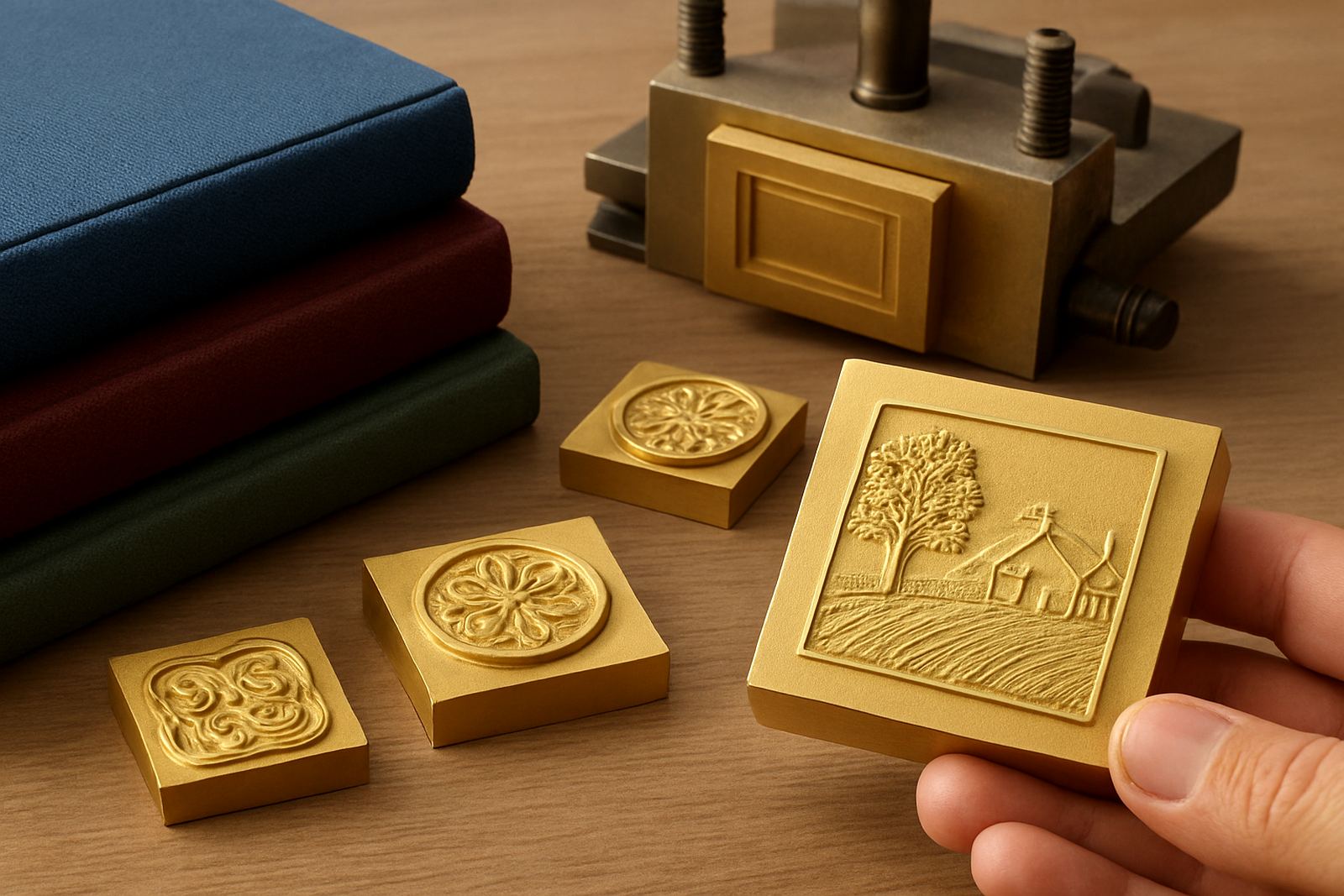
We supply hang tag dies in brass or magnesium, depending on the artwork, press setup and expected usage. Brass is the better choice where fine detail, repeatability and longer service life matter. Magnesium is lighter and can work well for quicker turnaround jobs or simpler artwork, especially where the run is not too heavy.
The choice also depends on the stock you are using. Uncoated board, textured paper and heavier tag stock each respond differently to heat and pressure. If the tag is meant for a premium retail finish, a brass die usually gives cleaner edges and more consistent impression depth, especially on detailed logos and border work.
- Brass: suited to detailed artwork, longer runs and repeated use
- Magnesium: suited to lighter jobs and quicker turnaround needs
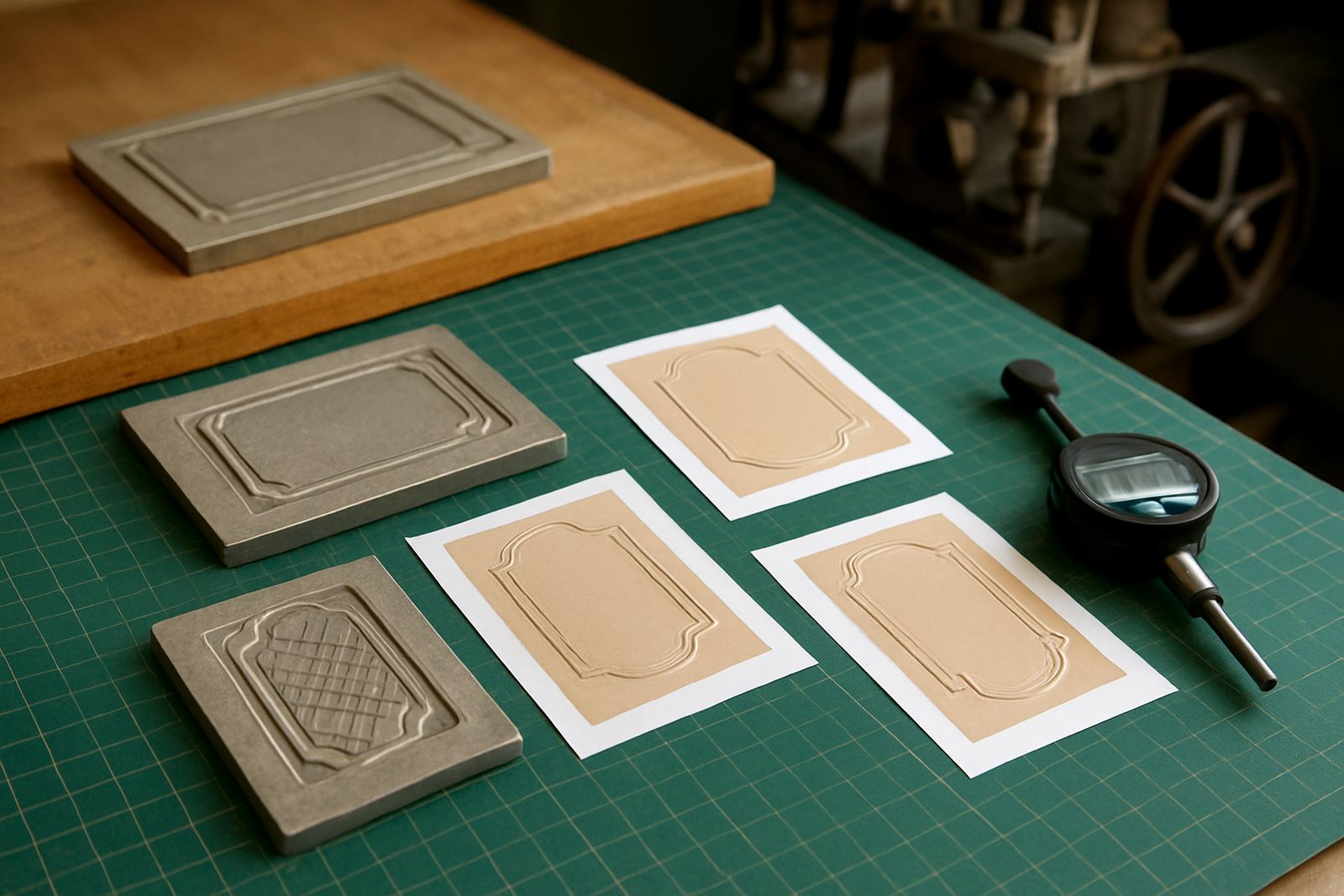
- Embossing plates: used where raised detail or matched counterforce is needed
- Alterations: possible for minor artwork changes on repeat jobs
Typical sizes, shapes and finishing details
Hang tag dies are made to your artwork, so the size can be compact or quite large depending on the tag and the finish required. Common formats include small retail swing tags, narrow garment tags and wider product tags with punched holes, rounded corners or decorative cut-outs. We can also work from supplied artwork where the tag needs to match an existing line or packaging format.
As a guide, many hang tag dies fall within a working area from about 40 x 50 mm for small tags up to around 120 x 180 mm or more for larger retail tags. Fine detail needs enough clearance between lines, and the material thickness must suit the emboss or cut depth. If the tag includes a hole for string or twine, that area must be positioned properly so it does not split when handled.
- Small tags for accessories and jewellery packaging
- Standard garment tags for apparel and footwear
- Oversized display tags for special product ranges
- Cut, score and emboss combinations where the artwork calls for it
Where hang tag dies suit production lines
These dies suit offset, flexo and print finishing environments where branded tags need a proper finish before packing or dispatch. They are often used by clothing manufacturers, print finishers, packaging houses and promotional product suppliers handling work for Johannesburg, Pretoria, Durban, Cape Town, Gqeberha, Bloemfontein, Polokwane and Mbombela.
Hang tag dies are also useful where municipal or retail buyers want the packaging to look neat on shelf and hold up in transit. In coastal areas, humidity can affect some tag stocks, so it helps to choose the right board and finish from the start. For inland work, dust and repeated handling can also mark poor-quality edges quickly, so clean cutting matters.
- Clothing and fashion retail tags
- Gift boxes, luxury pouches and product cards
- Seasonal promotions and launch campaigns
- Trade print work that needs repeat ordering
Installation, press setup and power needs
The die itself does not need power or gas. It is fitted into the hot-stamping or embossing press, and the press provides the heat, pressure and alignment. What matters is that the mounting is true, the chase or platen is clean, and the artwork line-up matches the counterforce or finishing plate where needed. If the die sits out of square, the impression can drift and the tag edge may not finish evenly.
Before the run starts, the operator should check heat settings, pressure, foil feed where relevant and the stock position. For hang tags with a cut hole or shaped edge, the waste removal path should also be clear so the press does not drag the sheet. If you are switching between jobs, allow time for a quick clean and check rather than forcing the next run through with old residue still on the die.
- No separate power or gas is needed for the die itself
- Requires a suitable heated press or embossing unit
- Needs accurate mounting and alignment before running
- Best results come from correct pressure and stock matching
Care, servicing and repeat ordering
Good care helps a hang tag die keep its sharpness. After use, it should be cleaned so foil build-up, dust and paper fibres do not affect the next run. If the job is repeated later, the die should be checked for wear, dents or slight movement in the mounting face. This is especially important for finer details, where a small shift can change the look of the whole tag.
We help with job filing, repeat ordering, die cleaning, damage assessment and die alterations where needed. If a die has taken a knock in transit or on press, it is better to assess it before the next production run rather than guess. That avoids wasted stock and keeps your turnaround under control.
- Keep the die dry and wrapped when not in use
- Clean off foil residue and paper dust after each job
- Store with the artwork reference and job number
- Send it in for assessment if the impression changes
What to check before placing your order
To make the right hang tag die, we need clear artwork and a few practical details. Check the final tag size, stock thickness, finish type and whether the job is cut only, embossed only, or a combination. If the tag must work with string, wire, ribbon or a punched hole, include that in the brief from the start. It saves time and avoids back-and-forth later.
If you are unsure about the file, our artwork prepress team can check it before production. We also advise on sample impressions, counterforce matching and whether the job would be better in brass or magnesium. For urgent work, let us know the deadline early so dispatch can plan the courier and packing properly. Johannesburg jobs can often move quickly, but nationwide delivery still needs a proper handover window.
- Final artwork with size, bleed and hole placement clearly marked
- Type of stock, thickness and intended finish
- Press or finishing method being used
- Need for embossing, cutting or both
- Deadline, delivery town and repeat order reference if available
Key facts
| Material options | Brass or magnesium, chosen to suit detail level and run length |
|---|---|
| Typical working size | From about 40 x 50 mm up to 120 x 180 mm or larger |
| Finishing methods | Cutting, embossing, scoring and foil work where required |
| Press compatibility | Hot-stamping and embossing presses with proper mounting |
| Turnaround support | Artwork checks, urgent turnaround and repeat ordering |
| Dispatch area | Couriered nationwide from Industria, Johannesburg |