What a Brass Foil Die Does on Press
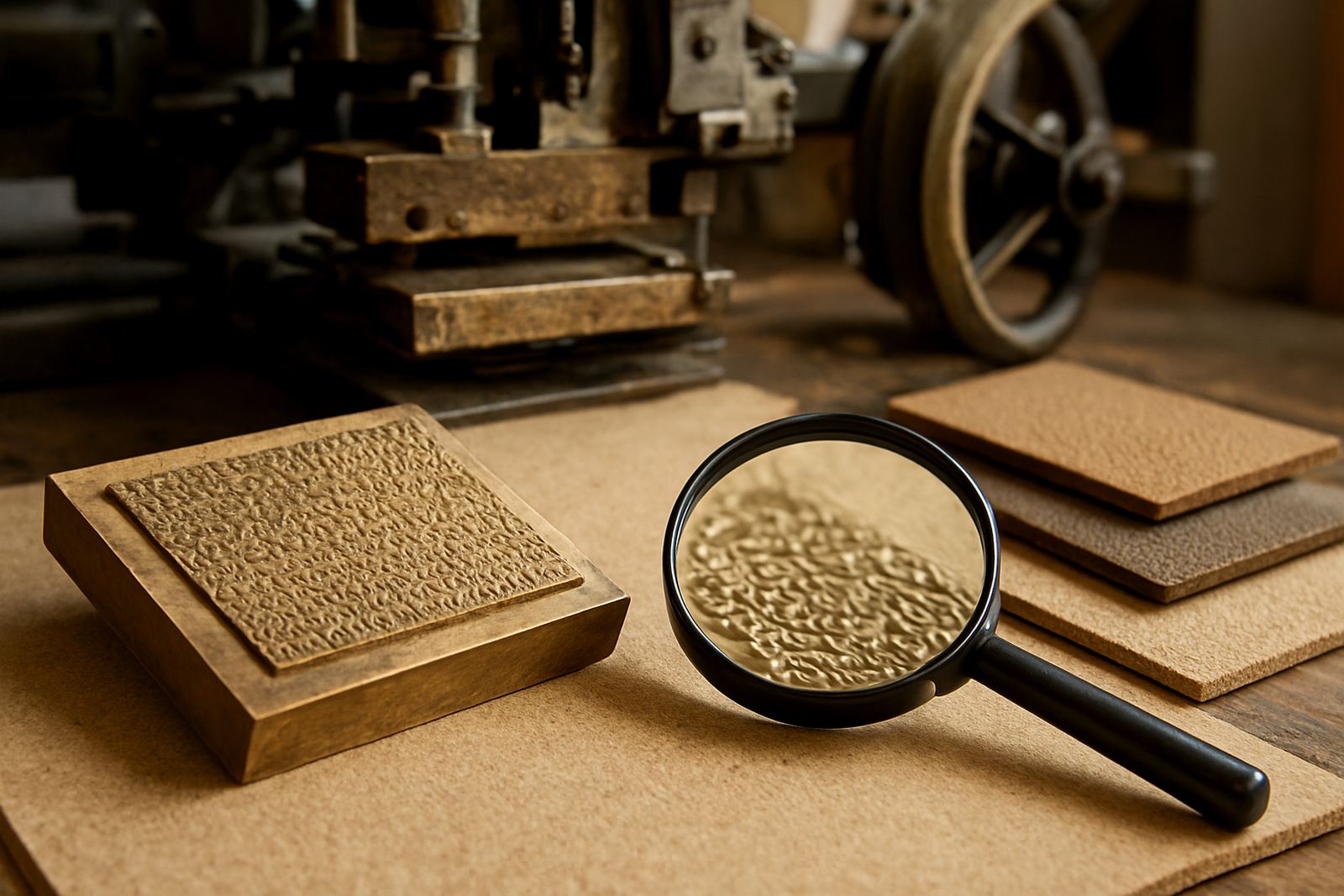
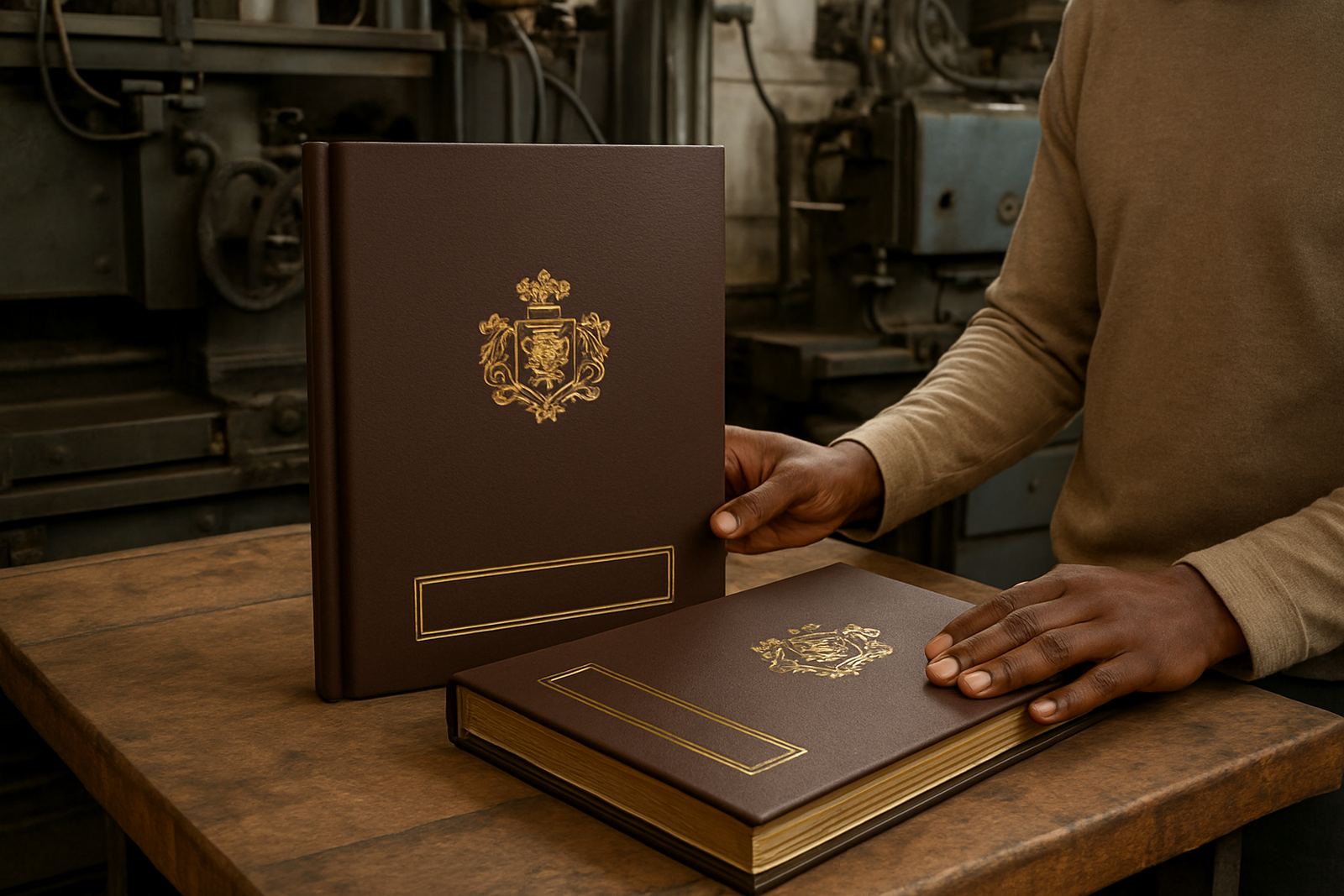
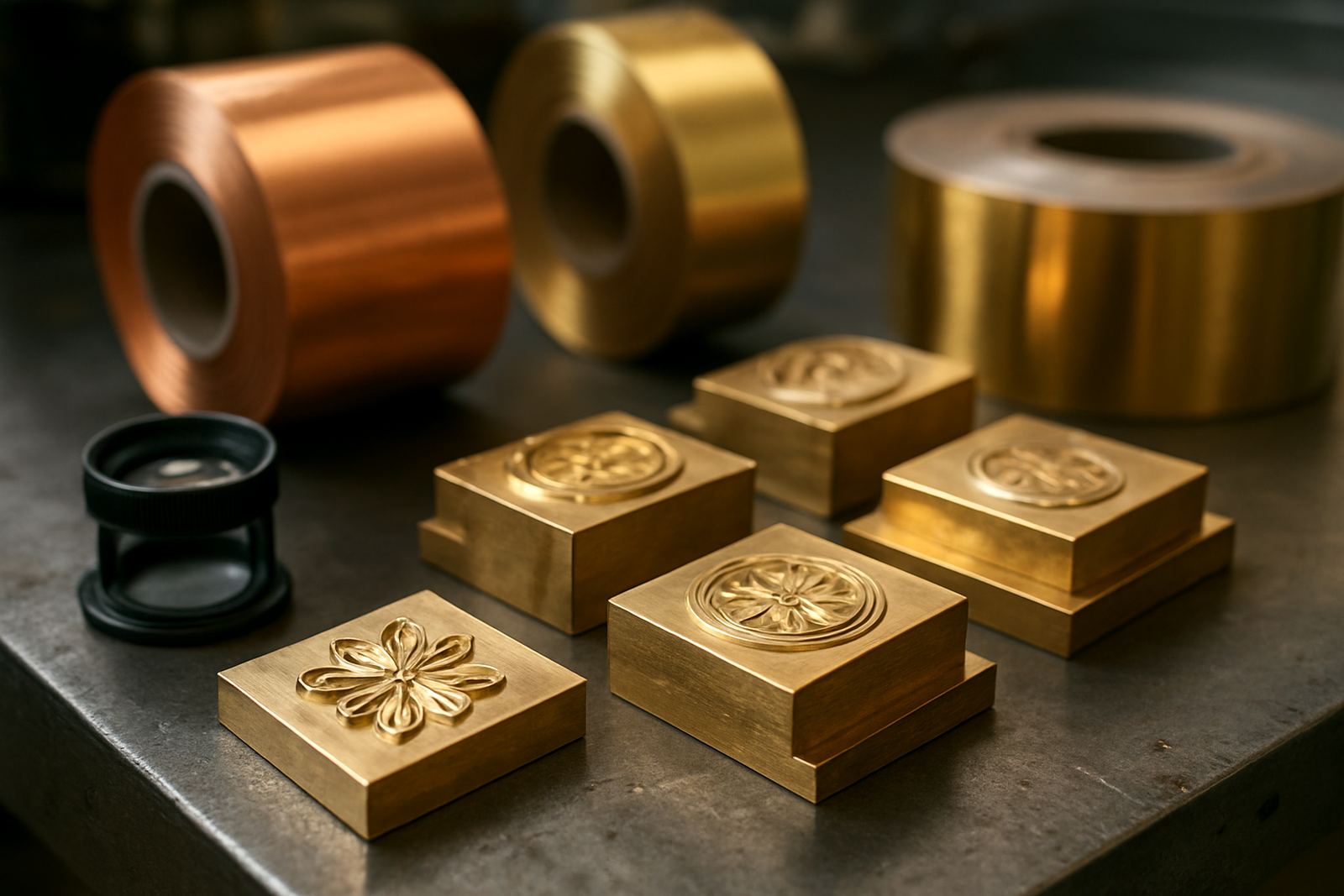
A brass foil die is the heated metal tool that presses foil into paper, board, laminated stock or certain plastics to create a metallic finish. Brass is chosen where detail matters, because it machines cleanly and holds edges well on fine lettering, borders, crests and small logo work. For South African printers handling cartons, sleeves, presentation packs and premium labels, that matters when the job needs to look sharp from the first sheet to the last.
These dies are common on hot foil stamping presses, platen presses and finishing lines used in offset, flexo and packaging work. They suit both standard runs and repeat orders where the same artwork comes back months later. If your job has tight registration or small reverse spaces, a brass die gives better definition than softer options and is easier to keep consistent under heat and pressure.
- Best for crisp foil transfer on detailed artwork
- Suitable for paper, board, coated stock and selected synthetics
- Works well on recurring jobs with repeat tooling needs
- Can be made for flat or shaped stamping setups
Sizes, Thicknesses and Die Build Options
Brass foil dies are made to the artwork size and the press setup, not a fixed shelf size. We cut to your image area, machine the raised details and then finish the base to suit the mounting method your finisher uses. If you are working with a small label block or a full pack panel, the build is matched to the job so the die sits correctly on press and stamps evenly across the surface.
Typical brass die options depend on the application, but most jobs need the following checks before production starts: overall size, line weight, foil area, depth of relief and the substrate thickness. We also look at whether the job needs a flat die, a contour edge or a specific cut-out for registration marks. Where artwork has very fine copy, we may recommend slight line opening so the stamp stays readable after heat and pressure are applied.
- Common artwork sizes from small logo dies to larger packaging panels
- Relief depth matched to foil and substrate type
- Suitable for repeat jobs, short runs and heavier production schedules
- Can be made with mounting holes or fitting details as required
Where Brass Dies Work Best in South African Print and Packaging
Brass foil dies are widely used by print finishers and packaging houses in Johannesburg, Pretoria, Durban, Cape Town, Gqeberha, Bloemfontein, Polokwane and Mbombela. They are a practical choice for carton work, cosmetic packaging, wine labels, corporate folders, gift boxes and premium product sleeves. If a brand needs the foil to stay clean and even across a long run, brass gives the control needed for that kind of finish.
They also suit local production conditions. In coastal humidity, stock can move slightly and some papers behave differently, so a properly made die helps keep the impression stable. In inland plants where load-shedding affects turnaround planning, many finishers prefer a die that is accurate first time so they can get on press without extra setting time. That saves foil, board and labour, which is important on tight schedules.
- Packaging houses needing consistent foil on cartons and sleeves
- Printers producing premium stationery, folders and presentation items
- Labels and narrow-web work that needs fine detail
- Short and repeat production where job consistency matters
Installation, Heat and Power Needs on Press
Brass foil dies are fitted to the press or finishing unit using the mounting method specified for the machine. Before running, the operator needs to confirm platen alignment, pressure balance and the heating settings for the foil and stock being used. A good setup gives clear transfer without overburning the paper or crushing the image area.
The die itself does not need power or gas at site, but the press it runs on does. Hot stamping equipment usually needs a stable electrical supply for heating and control, and some shops keep backup plans for load-shedding so the machine can be brought back to temperature without damaging the job. Where gas-assisted systems are used, the installer should follow the machine instructions and local safety requirements. Keep the work area clean and free of dust because residue can affect foil release and impression quality.
- Confirm press size, chase or mounting dimensions before ordering
- Check required temperature range for the foil type
- Allow time for warm-up and stable heat before production starts
- Plan for power interruptions if the job has a tight delivery window
Care, Cleaning and Reuse Between Jobs
Brass dies can last well when they are handled properly. After each run, allow the die to cool before cleaning it with suitable non-abrasive materials. Foil residue, adhesive build-up and board fibres should be removed carefully so the detail stays clean for the next job. Do not scrape the face with hard tools, because that can damage fine edges and leave marks in the next impression.
For stored dies, keep them flat, labelled and protected from moisture and workshop knocks. In humid areas, light corrosion can show up on badly stored tooling, so a dry packing area helps. If a die has been dropped, scored or used on the wrong substrate, we can assess the damage and advise whether alteration or re-engraving is the better option. Repeat ordering is simpler when the die is filed correctly and the artwork record is kept with the job notes.
- Clean after every run to keep lines sharp
- Store flat in a dry area away from dust and moisture
- Use job filing so repeat orders match the original die
- Book an assessment if the die shows wear, nicks or pressure marks
What We Need From You Before We Cut the Die
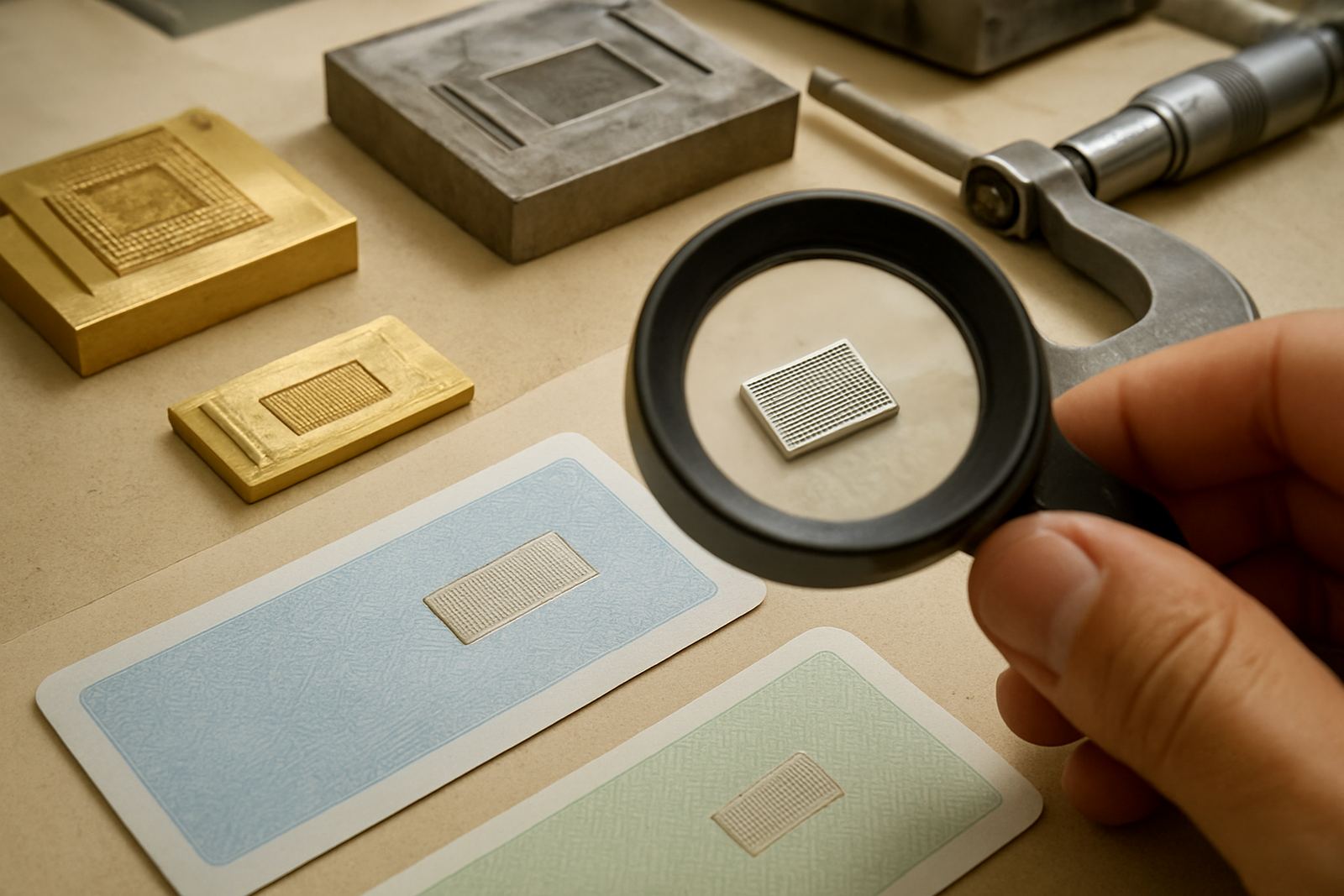
Good ordering information helps avoid delays and waste. Send final artwork, finished size, substrate details and the press type if you know it. If the job is a repeat, include the previous job reference or the old die where possible. That lets us check registration, spacing and any changes needed before production starts. For jobs with embossing or counterforce needs, we also need to know whether the foil stamp must line up with an existing raised or recessed element.
We also check whether the artwork is suitable for engraving as supplied. Small fonts, very thin rules and tight spacing can look fine on screen but may need adjustment for production. If a sample impression is available, send that too. It helps with sample impression advice, die alterations and matching the counterforce so the press can run cleanly. A missing dimension, or the wrong substrate note, can slow the whole job down.
- Final artwork with size marked clearly
- Substrate type and thickness
- Press type and available chase size
- Any repeat order reference, sample or old die
Key facts
| Material | Brass tooling for fine-detail hot foil work |
|---|---|
| Typical Use | Foil stamping on packaging, labels, folders and premium print items |
| Artwork Size | Made to order, from small logos to larger panel dies |
| Finish Detail | Crisp line definition for type, borders and logos |
| Compatibility | Flat and shaped stamping setups, subject to press setup |
| Service Area | Johannesburg base with courier delivery nationwide |