
What Security Microtext Dies Are Used For
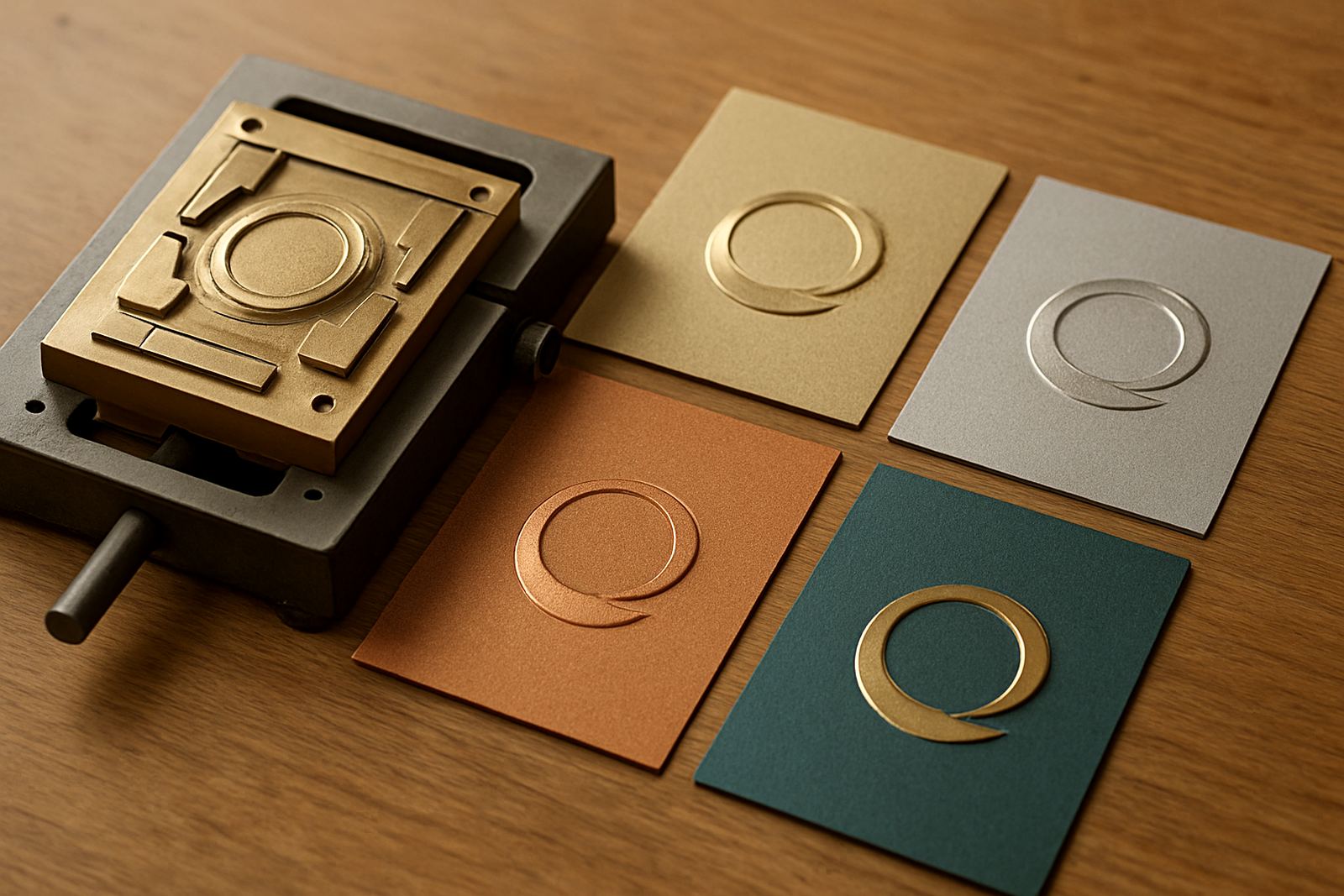
Security microtext dies are made for text and linework that sits at the edge of what the eye can read clearly. They are used on cartons, labels, certificates, sleeves, seals and branded packaging where you want a discreet protection feature, not a loud effect. In print finishing, the aim is simple: the detail must transfer sharply, stay consistent and hold its shape across the whole run.
These dies are commonly specified for fine hot stamping, embossing and combined security features where the design includes small words, repeated characters, micro borders or hidden marks. If the art has thin strokes, tiny gaps or closely packed symbols, the die needs careful engraving and proper counterforce matching to avoid fill-in or flattening. We work from clean artwork and check whether the detail will suit the substrate, foil choice and press setup before production starts.
For Johannesburg, Pretoria, Durban, Cape Town, Gqeberha and other production centres, we courier finished dies to print finishers and packaging houses nationwide. That helps keep turnaround steady when a job is moving between prepress, finishing and dispatch.
Brass Or Magnesium: Choosing The Right Die Material
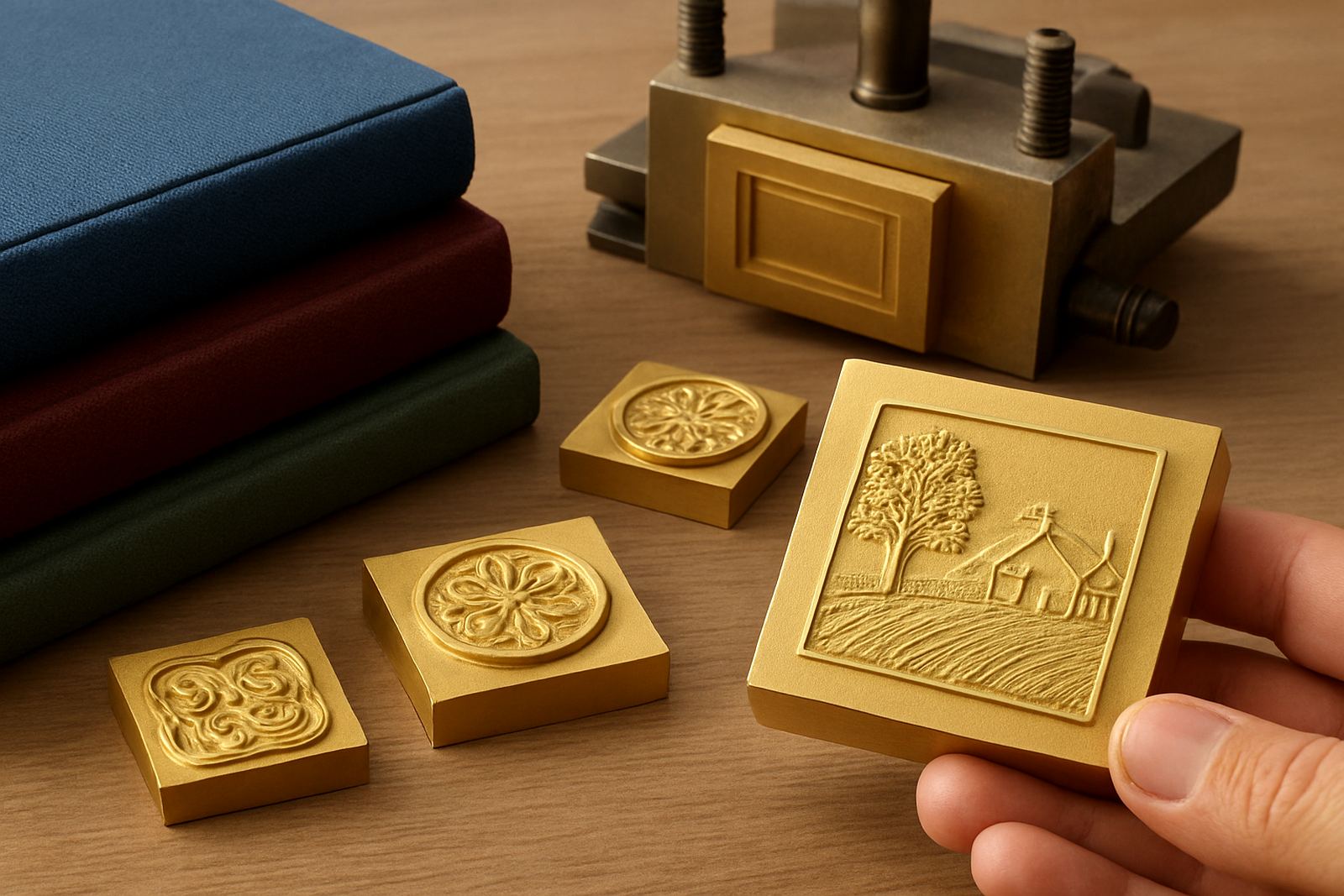
We supply microtext dies in brass and magnesium, depending on the run length, level of detail and the pressure available on press. Brass is the better choice for longer life, repeat use and sharper wear resistance. Magnesium is lighter and faster to machine for shorter runs or lower volume work. For security features where the fine detail must remain crisp, brass is often preferred if the job will be re-ordered regularly.
Typical options include flat dies for hot stamping, relief dies for embossing, and matched counter plates where both sides of the impression need to line up properly. We can also assist with repeat ordering, die alterations and damage assessment if an existing die needs a tweak after sampling. If the job is for variable packs, seasonal sleeves or recurring promotional cartons, we can keep the file under job filing so the next order is easier to match.
- Brass for longer life and fine repeat work
- Magnesium for shorter runs and fast turnaround
- Flat or relief formats depending on the finish
- Matched counterforce where embossing needs support
- Alterations possible when artwork changes slightly
Sizes, Line Weights And Detail Limits
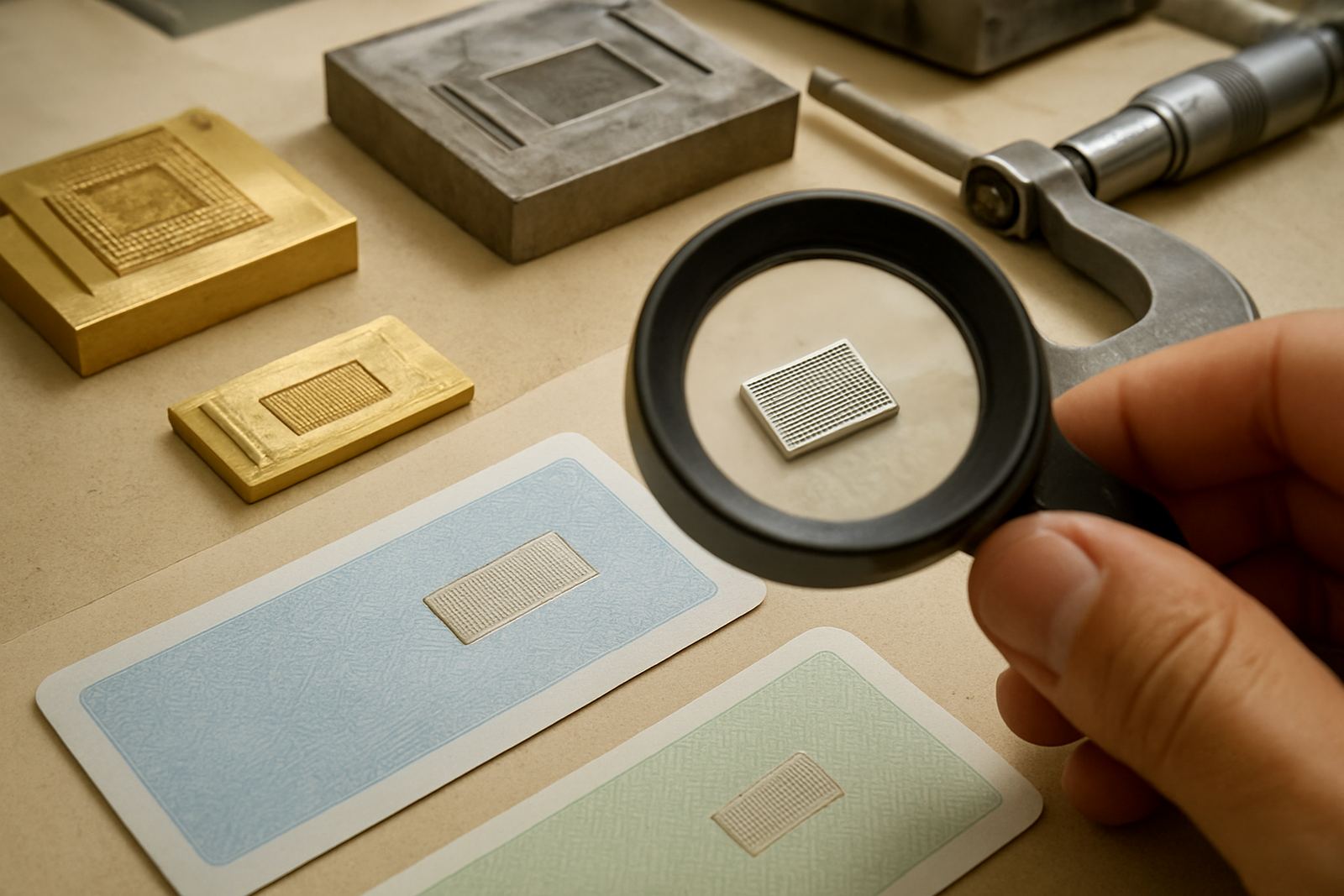
Microtext can look simple on screen but still needs careful sizing in production. As a guide, very fine text often starts around 0.3 mm to 0.5 mm in height, while the cleanest results come when the strokes are not over-compressed. The exact minimum depends on the substrate, press pressure, foil type and whether the finish is hot stamp only or combined with embossing. If the letters are too small, the detail can close up and lose legibility.
We can work on small identifiers, repeating borders, serial-style marks, short security phrases and discreet motifs. The die size itself depends on the image area, not just the text size. Small inserts can be as compact as 25 mm x 25 mm, while larger repeat patterns may cover a full panel or border section. For highly detailed work, we usually recommend a sample impression before the full run, especially on textured board or coated substrates.
Practical specs to check before ordering include the exact image size, the smallest letter height, line thickness, and the margin needed around the mark. A few tenths of a millimetre can make the difference between a crisp mark and a muddied one, so the artwork needs to be set up properly from the start.
Where Microtext Works Best On Press
Security microtext dies are suited to print and packaging environments that need controlled finishing and tight brand protection. They work well on cartonboard, labels, tags, paper wraps, presentation folders and certain coated materials. In the right setup, microtext can be used as a visible security feature or as a discreet background element inside a logo or border.
They are a good fit for:
- Luxury carton packaging and folding cartons
- Labels for cosmetics, liquor, food and speciality goods
- Certificates, stationery and brand documents
- Carton seals and tamper-aware finishing details
- Short-run premium packaging with repeat orders
For coastal areas like Durban or Gqeberha, storage and handling matter because humidity can affect board and paper movement before finishing. In Gauteng, where jobs may move quickly between printers and finishers, the important part is getting the artwork, counterforce and press settings aligned before the first run. Good planning saves spoilage and rework.
Installation, Press Setup And Power Requirements
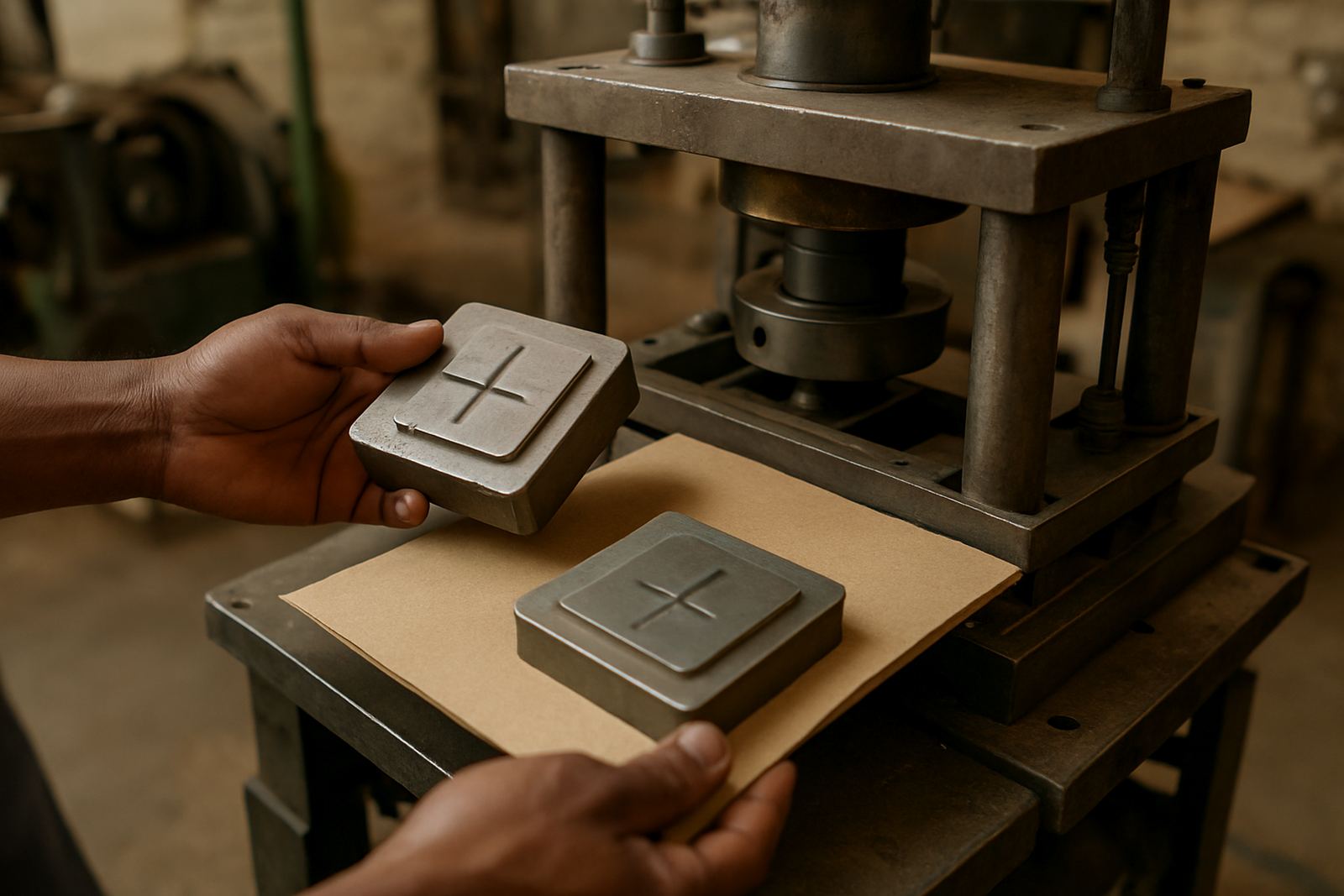
These dies are usually installed by the print finisher or press operator on compatible hot stamping or embossing equipment. The die must sit square, be clamped firmly and line up with the counterforce or foil station. For detailed microtext, even a slight skew can reduce clarity, so registration should be checked carefully before production starts. Where the job involves embossing, pressure should be tested in stages to avoid crushing the fine detail.
Power needs depend on the machine, not the die alone. Most finishing setups use electrically heated platens and temperature control on the press. Some operations also use compressed air for press movement or automation. No gas is required for the die itself. If the job will run during load-shedding periods, the press team should confirm backup power, warm-up time and temperature stability because heat recovery can affect fine impressions.
For urgent turnaround work, we can assist with sample impression advice and packing dispatch so the die arrives ready for fitment. If the machine is changed, or the substrate is different from the original spec, it is worth checking the pressure, dwell time and foil release before the full run begins.
Care, Cleaning And Servicing For Longer Die Life
Fine detail lasts longer when the die is kept clean and handled properly. After use, allow the die to cool, remove residue carefully and store it flat in a dry place. Do not scrape the face with sharp tools, because microtext can be damaged very easily. If adhesive, foil residue or board dust builds up, the impression can start to look soft or patchy.
Our servicing support includes die cleaning, damage assessment, die alterations and repeat ordering when a job is re-run. If a mark has been dented in transit, we can inspect it and advise whether it can be recovered or needs remake. Brass dies usually cope better with repeated use, but even brass needs proper handling. Magnesium is more sensitive to wear, so it suits shorter production cycles and careful storage.
- Store flat and keep away from damp areas
- Let the die cool before cleaning
- Use gentle removal methods only
- Check for wear before repeat runs
- Keep the approved artwork linked to the job file
We support clients from Industria in Johannesburg and supply to production teams across Pretoria, Durban, Cape Town, Gqeberha, Bloemfontein, Polokwane and Mbombela.
What To Send When Ordering A Security Microtext Die
To avoid delays, send clear artwork and the basic job details at the outset. The best orders include vector artwork, the required image size, the substrate, whether the finish is hot stamp or emboss, and any minimum line or text size that must be preserved. If the feature needs to match an existing pack or plate, send a sample image or approved print reference too.
Useful order checks include:
- Exact text or security wording
- Final image size in millimetres
- Substrate type and coating
- Press type and whether counterforce is needed
- Target run length and re-order expectation
- Any urgent deadline or delivery town
We also recommend confirming whether the mark must be readable to the naked eye or only under close inspection. That changes the way the die is engraved and tested. If there are multiple versions for different products, label them clearly so the right file is matched to the right job. One mix-up can cost a full run, and that is avoidable with proper filing.
Key facts
| Product type | Security microtext hot stamping and embossing dies |
|---|---|
| Materials | Brass or magnesium |
| Typical image area | From 25 mm x 25 mm upward, depending on artwork |
| Detail range | Fine text, micro borders, linework and discreet security marks |
| Compatible uses | Hot stamping, embossing and matched counterforce applications |
| Supply area | Nationwide courier from Industria, Johannesburg |