
What a Combo Foil Emboss Die Does
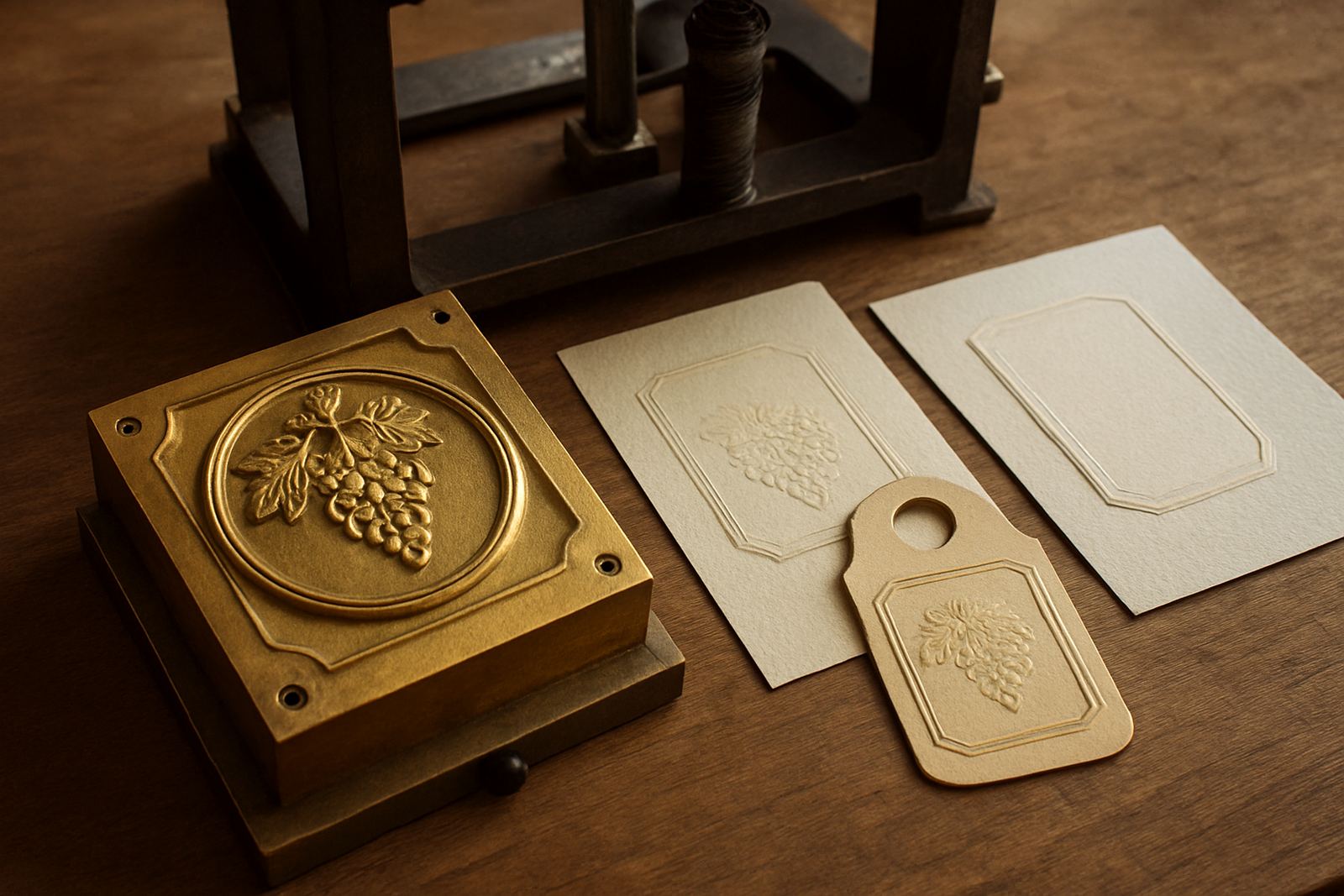
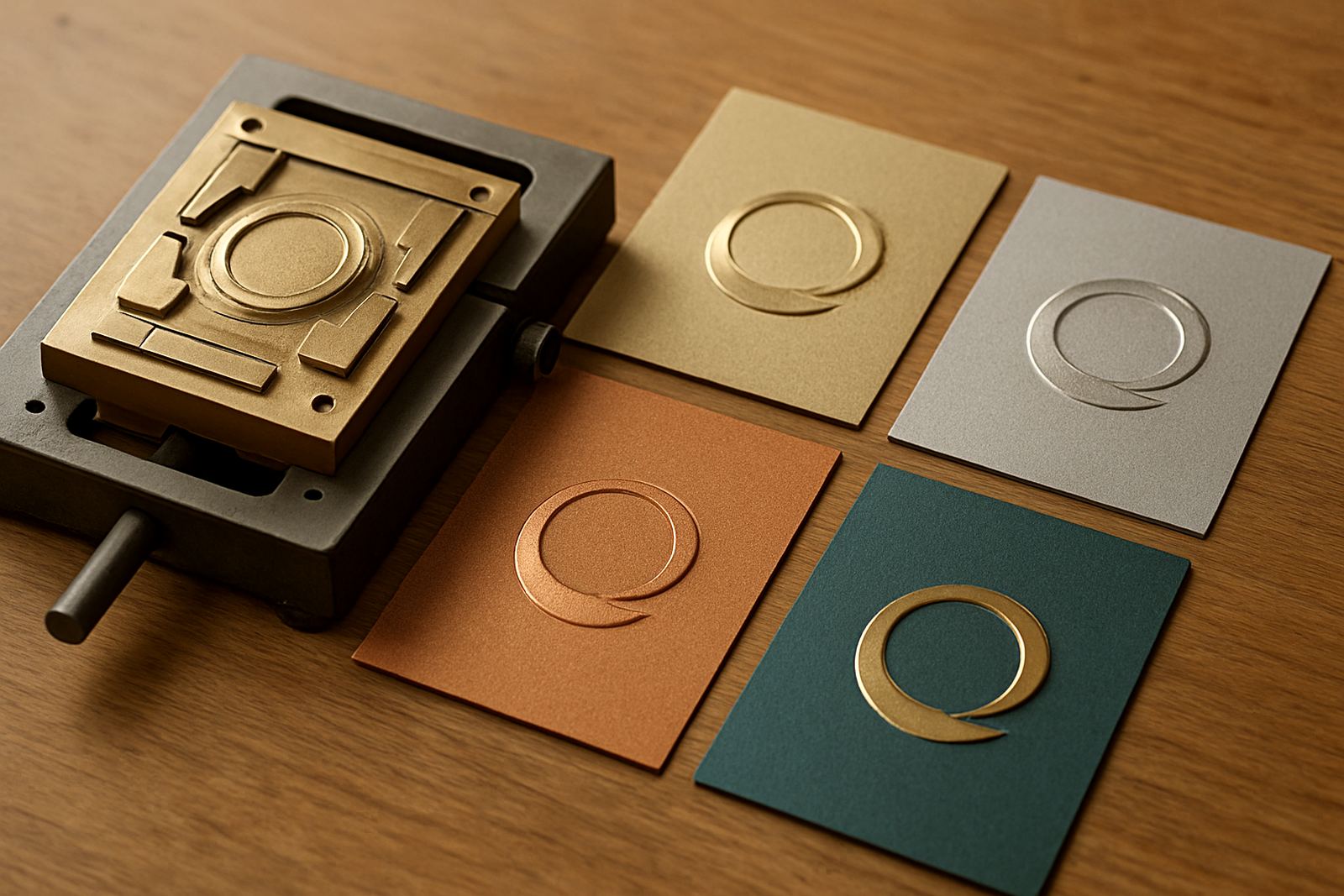
A combo foil emboss die carries both the foil image and the raised emboss detail in one tool, so the foil lands and the form pushes through together. That gives you a sharper finish on cartons, sleeves, folders and presentation pieces, with less handling between stages and fewer chances for the image to drift. It is a practical choice when a client wants shine, depth and a neat edge in the same pass.
These dies are commonly used on packaging that needs a premium look without slowing the line too much. In a busy shop in Johannesburg, Durban or Cape Town, one correctly made combo die can save set-up time and reduce rework, especially when the press crew has to keep to tight dispatch windows.
Sizes, Materials and Format Options
We manufacture combo foil emboss dies in brass or magnesium, depending on the run length, detail level and press setup. Brass is suited to longer production runs and tighter line work, while magnesium is often used for lighter duty jobs and quicker turnarounds. The right choice depends on the substrate, the pressure available and how fine the artwork is.
- Typical artwork sizes from small logo marks to large panel formats
- Flat or contoured die faces for different finishing methods
- Raised or recessed detail matched to the emboss depth required
- Single-piece dies or grouped layouts for repeat panels
- Options for counterforce matching where the backing needs precision
We work from clean artwork and can help with layout changes if the job needs better foil hold, stronger edges or a more practical split for the press. If the image has tiny type or fine line art, we will check it before engraving so the result is not too soft or crowded.
Where Combo Foil Emboss Suits Best
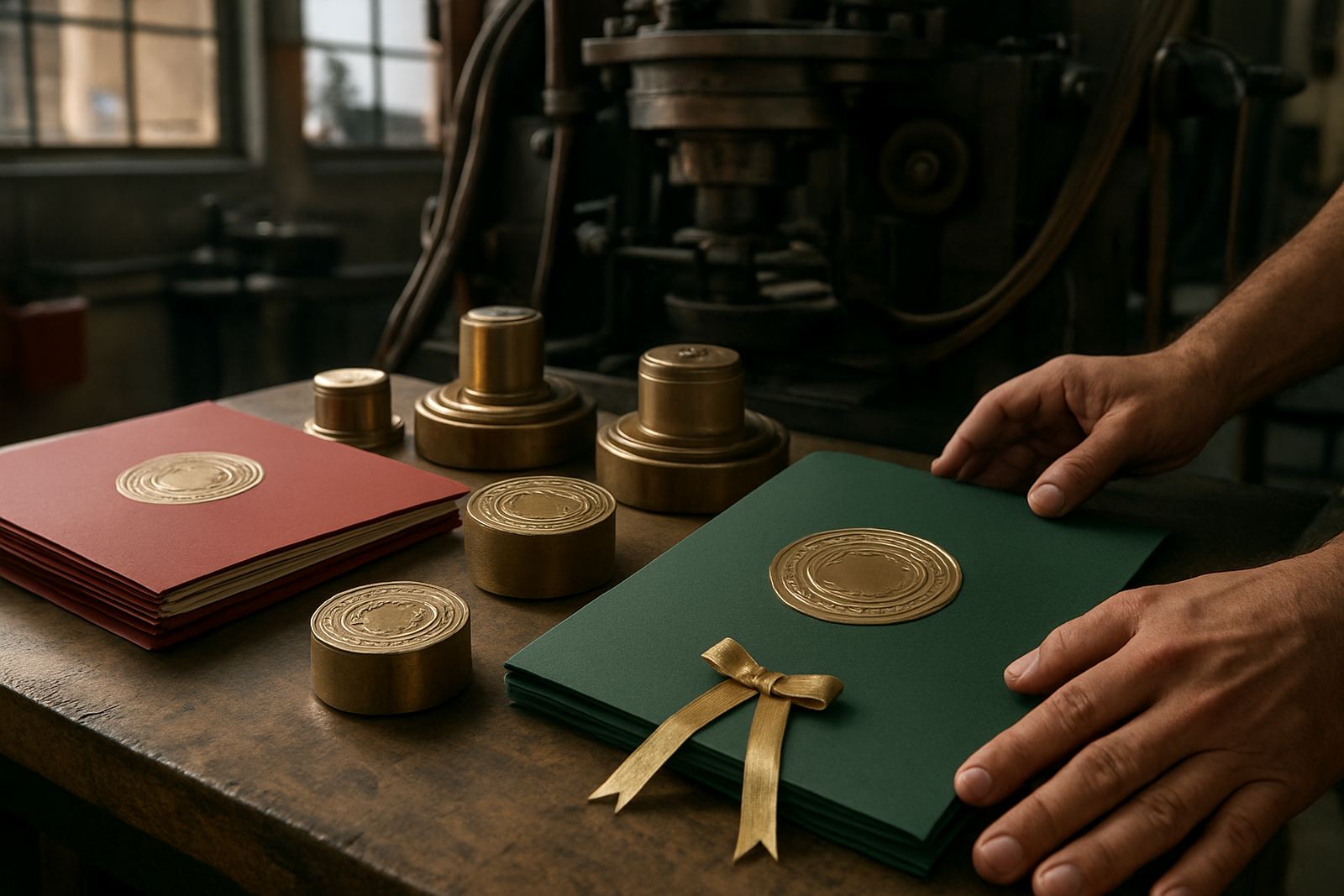
Combo foil emboss dies suit packaging and print finishing jobs where appearance matters and the customer wants one neat premium effect. They are used on carton lids, wine labels, cosmetic packs, invitation cards, certificate covers, rigid board products and short-run presentation material. They also work well for repeat branded items where the same image must stay consistent across batches.
- Luxury cartons and sleeve wraps
- Brand marks on folders and presentation covers
- Label work for special editions and seasonal releases
- Invitation, event and corporate print finishing
- Packaging samples and short production runs
For coastal sites, humidity can affect the board and the foil release, so the finishing method needs to be matched to the stock and storage conditions. In inland areas like Pretoria or Polokwane, dry air and heat can change the way some boards behave too, so it pays to confirm the material before we cut the die.
Installation, Pressure and Power Checks
Combo foil emboss dies need proper setup on the machine side for best results. The operator must allow enough pressure for the emboss to form fully, while keeping the foil transfer clean and even. If the press has weak counter pressure or an uneven chase, the image may look patchy or show a weak edge. That is why sample impression advice matters before the full run.
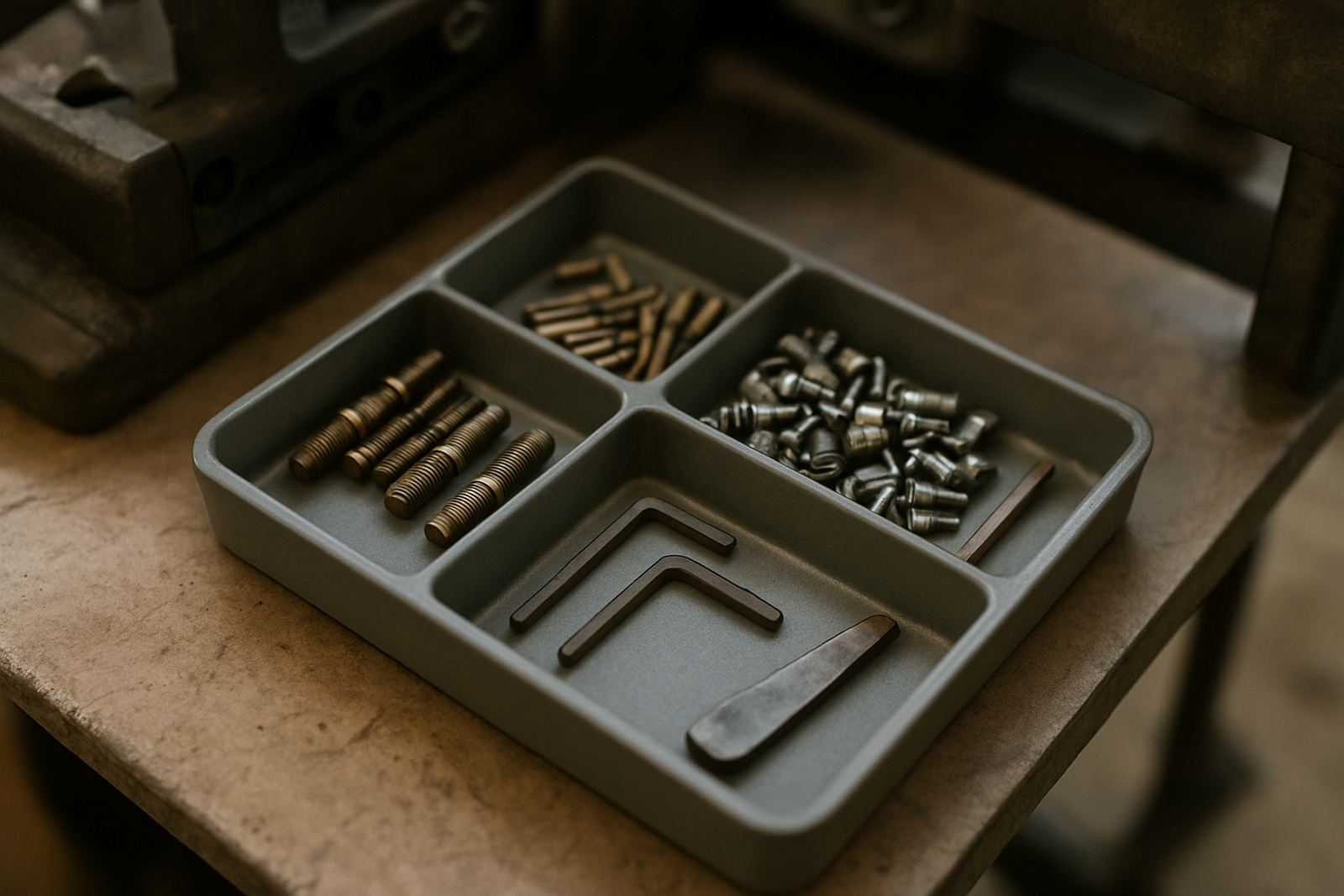
Most jobs do not need gas on our side, but the press room should have the right heating system and a stable power supply for the finishing equipment. During load-shedding, unstable heat can affect foil release and emboss depth, so many shops keep backup power or plan the job around reliable supply windows. Make sure the machine bed, backing sheet and make-ready materials are ready before the die arrives, because on a tight job there is no time to be hunting for missing packing sheets.
- Confirm chase size and machine bed clearance
- Check foil type, stock thickness and grain direction
- Allow for a test pull before full production
- Keep heat and pressure settings consistent through the run
Care, Cleaning and Repeat Use
Good care extends the life of a combo foil emboss die and keeps the image crisp. After use, the die should be cleaned carefully to remove adhesive, foil residue and paper dust. Never scrape the face with hard tools that can damage fine detail. If the job is repeated later, the die should be stored flat and packed so the face is protected from knocks and damp.
For ongoing clients, we can assist with repeat ordering, damage assessment and die alterations if the artwork changes. Small adjustments are often possible, but if the image has been badly worn or the die has taken a hard hit, it may need fresh engraving. Our dispatch team packs dies for courier collection to print finishers and packaging houses nationwide, so the tooling arrives ready for the next run, not bent or chipped in transit.
What to Check Before You Place an Order
Send artwork that is as clean as possible, with line weights, type sizes and finish position clearly marked. If there is a counterforce or backing plate involved, include the matching detail so the die and the mating part can be made to suit each other. It also helps to share the stock type, foil colour, emboss depth and press model, because those details change how the die should be cut.
- Finished size of the image and any bleed or safe area
- Foil colour and whether the job needs emboss only or combo foil emboss
- Stock thickness, board type and any coated finish
- Machine make and chase size if you know it
- Required turnaround and delivery town
Our artwork checks help catch issues before production starts, which saves time and avoids expensive rework. If you are in Industria, Johannesburg or anywhere else in South Africa, we can help you plan the job properly and keep the finishing side moving. It is a practical way to get a cleaner result without fuss.
Key facts
| Material options | Brass or magnesium |
|---|---|
| Process | Foil stamping and embossing in one pass |
| Typical use | Packaging, labels, presentation print and premium finishing |
| Detail range | Fine line work, logos, text and patterned emboss |
| Service support | Artwork checks, die design, alterations and repeat ordering |
| Dispatch | Packed for courier delivery nationwide from Industria, Johannesburg |